Architectural salvage in Dallas, Texas, attracts people who crave materials with real history and character—something you just can’t get from new construction. The Dallas-Fort Worth Metroplex has seen decades of remodeling and demolition, so salvage yards here have a wild variety of inventory.
You’ll find everything from Victorian millwork to mid-century hardwood floors. The salvage market here really shows off the city’s architectural diversity. If you’re new to this world, you’ll want to know where to look, what to check for, and how to time your purchase.
Honestly, that’s what separates a great find from an expensive headache. Local establishments often talk to Texas builders and homeowners searching for reclaimed gems. The same questions always pop up: What’s out there? What’s actually worth it?
How do you dodge the hidden problems that can turn a cool piece into a regret? Let’s walk through the Dallas salvage scene—where to start, which categories offer the best value, and how to check quality before you buy. We will also explore how these materials actually fit into real-life renovation projects.
Where To Start Your Search in Dallas
Dallas offers a whole spectrum of places to hunt for architectural salvage, from sprawling warehouses to niche specialty yards. Figuring out which type of spot fits your project can save a ton of time and headaches right from the start.
A typical area salvage yard usually runs as a working facility. Crews pull materials from demolition and remodeling sites, clean them up a bit, and sell them as-is. Some of the long-standing local establishments have been around for decades.
Their yards are often packed with hardwood flooring, shiplap, reclaimed wood, doors, windows, and iron. Inventory at these places changes constantly. You might visit on Monday and come back Friday to a whole new batch of finds.
That unpredictability is half the fun, but it means you need to stay flexible if you’re sourcing for a bigger project. Certain specialty showrooms in the city act more like a curated space than a rough-and-tumble yard.
With massive indoor and outdoor square footage, they carry salvaged materials spanning from the mid-1800s to modern times. You’ll see everything from cabinet sets and hardwood flooring to vanities, mantels, lighting, and big exterior pieces.
If you want a more organized experience and a staff that knows their stuff, this kind of spot beats a traditional wrecking yard. It’s a little easier to browse, and you’re less likely to get overwhelmed by the volume of inventory.
Major online business directories and local listings show dozens of salvage businesses in the Dallas area. Scanning these listings gives you a lay of the land first. Cross-check the listings with recent reviews, and always call ahead—hours and inventory can change fast.
The Best Categories To Shop First
Not every salvage category in Dallas offers the same bang for your buck. Some things move fast because of the types of homes being torn down. Doors are a Dallas salvage staple.
Large-scale salvage warehouses often have hundreds—storm doors, louvered, leaded glass, beveled glass, stained glass, and pre-hung interiors. Prices go from about $50 to $12,000, depending on style, age, and condition.
Salvaged windows with original divided lights or wavy glass bring real authenticity to a renovation. Modern replacements just can’t compete. Check for solid frames, intact glazing, and hardware that works or can be fixed up easily.
Fireplace mantels, antique lighting, and architectural accents—this is where salvage really shines. New reproductions usually miss the mark on proportions, materials, or the kind of patina only time can create.
Lighting options in Dallas salvage yards run the gamut from antique chandeliers to exterior sconces. For mantels, look closely at the joints and any decorative details—these parts take the most abuse and are where you’ll spot old repairs.
Bathroom vanities and cabinet sets from old houses often use solid wood you just don’t see at today’s big box stores. Dallas salvage yards stock these regularly, since older neighborhoods are always getting remodeled.
Check that vanity tops aren’t cracked and that cabinet joints are tight. Dovetail joints are always a good sign. Stay away from cabinets with swollen drawer bottoms or finishes that are peeling beyond what a simple refinish can fix.
How To Judge Quality Before You Buy
You’ll want to inspect salvaged materials carefully. It only takes a few minutes, but it can save you from a lot of regret once you get home. Condition varies wildly, and most sellers don’t do returns, so a thorough inspection is essential.
Don’t forget your tape measure. Salvaged doors and windows rarely fit today’s standard sizes. Ordering custom frames for oddball pieces gets expensive fast. Measure width, height, and thickness right there in the yard.
For hardware, try out latches, hinges, and locks. Replacement parts for old doors do exist, but matching originals is way easier. Good reclaimed wood feels dense and shows tight grain.
Old-growth timber, common in pre-1950s buildings, is usually harder and more stable than new wood. Saw marks, nail holes, and color variation are totally normal and not flaws. Look down each board for cupping, twisting, or warping.
Small bends can be fixed, but if it’s really warped, your options shrink fast. Understanding the benefits of sourcing reclaimed brick and wood helps you gauge what you’re holding.
Stay away from wood with soft spots, live bugs, or a musty smell that sticks around after a few minutes. Surface dirt, old paint, and a little hardware rust are no big deal.
Soap, water, and a little elbow grease usually do the trick, and a light sanding or rust converter can help with the rest. But cracks in wood, separated frames, or busted window glass are bigger headaches.
Be honest about repair costs and your own skills. A $200 door that needs $300 in repairs isn’t really a steal. Salvage pricing doesn’t follow the usual retail logic. If you know how the market works, you’ll buy at the right moment.
Budget, Availability, and Timing in Salvage Shopping
Dallas salvage yards flip stock constantly. Specialty showrooms post updates on new arrivals all the time—from doors and vanities to statement pieces. If you see something on Tuesday, don’t expect it to be there Friday.
This market doesn’t reward hesitation. If you spot something perfect at a good price, grab it immediately. Reclaimed hardwood, cabinets, vanities, and lighting usually cost less than new equivalents.
The catch is that you spend more time searching, and you’re buying as-is. Prices swing with condition, rarity, and how much is in stock. These numbers reflect Dallas trends, but things can change.
Item Category
Typical Salvage Range
Comparable New Retail
Interior doors
$50 to $800
$150 to $1,200+
Hardwood flooring (per sq ft)
$2 to $6
$6 to $15+
Vanities
$75 to $600
$300 to $1,500+
Cabinet sets
$200 to $2,000
$1,000 to $8,000+
Fireplace mantels
$150 to $3,000
$500 to $5,000+
Jump on it if the piece is unique, in good shape, and priced right. Statement pieces—original mantels, leaded glass doors, period lighting—don’t stick around long.
Wait if you need a specific size or finish and nothing matches. Check back regularly or ask the yard to give you a call. Forcing a bad fit rarely ends well, so patience is key for specific needs.
Why Timing Matters More in Salvage Than Traditional Retail
Architectural salvage operates differently from standard building supply chains because inventory is tied directly to demolition schedules, estate clearances, and renovation turnover. Once a specific reclaimed item sells, there is often no exact replacement waiting in a warehouse.
Dwell Magazine notes reclaimed materials are gaining popularity as homeowners value unique architectural elements over mass-produced finishes. That growing demand means high-quality mantels, antique lighting, reclaimed wood flooring, and vintage doors often move quickly once they reach the market.
This is especially true in Dallas, where redevelopment activity constantly reshapes older neighborhoods. Buyers who hesitate too long on a strong piece frequently discover that matching replacements are difficult or impossible to source later.
Using Salvage in Real Home Projects
Reclaimed materials shine brightest when you work them into your plan from the start—not just as a last-minute idea. Dallas homeowners and builders have found creative, practical ways to make salvage work beautifully.
Swapping out upper cabinets for salvaged, solid-wood sets gives a kitchen depth and texture you just can’t buy new. Pair reclaimed wood countertops or floating shelves with modern appliances to keep the space feeling fresh.
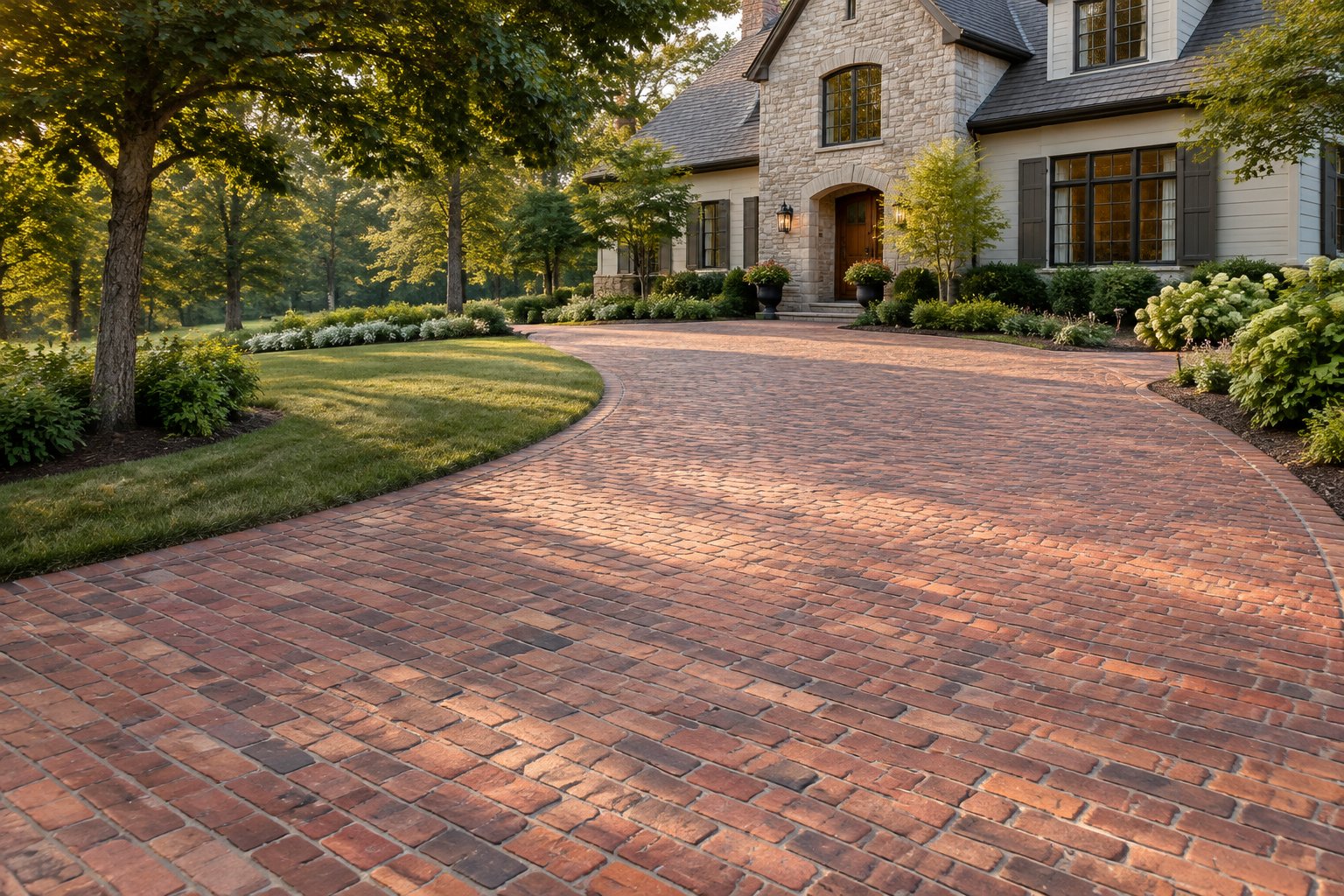
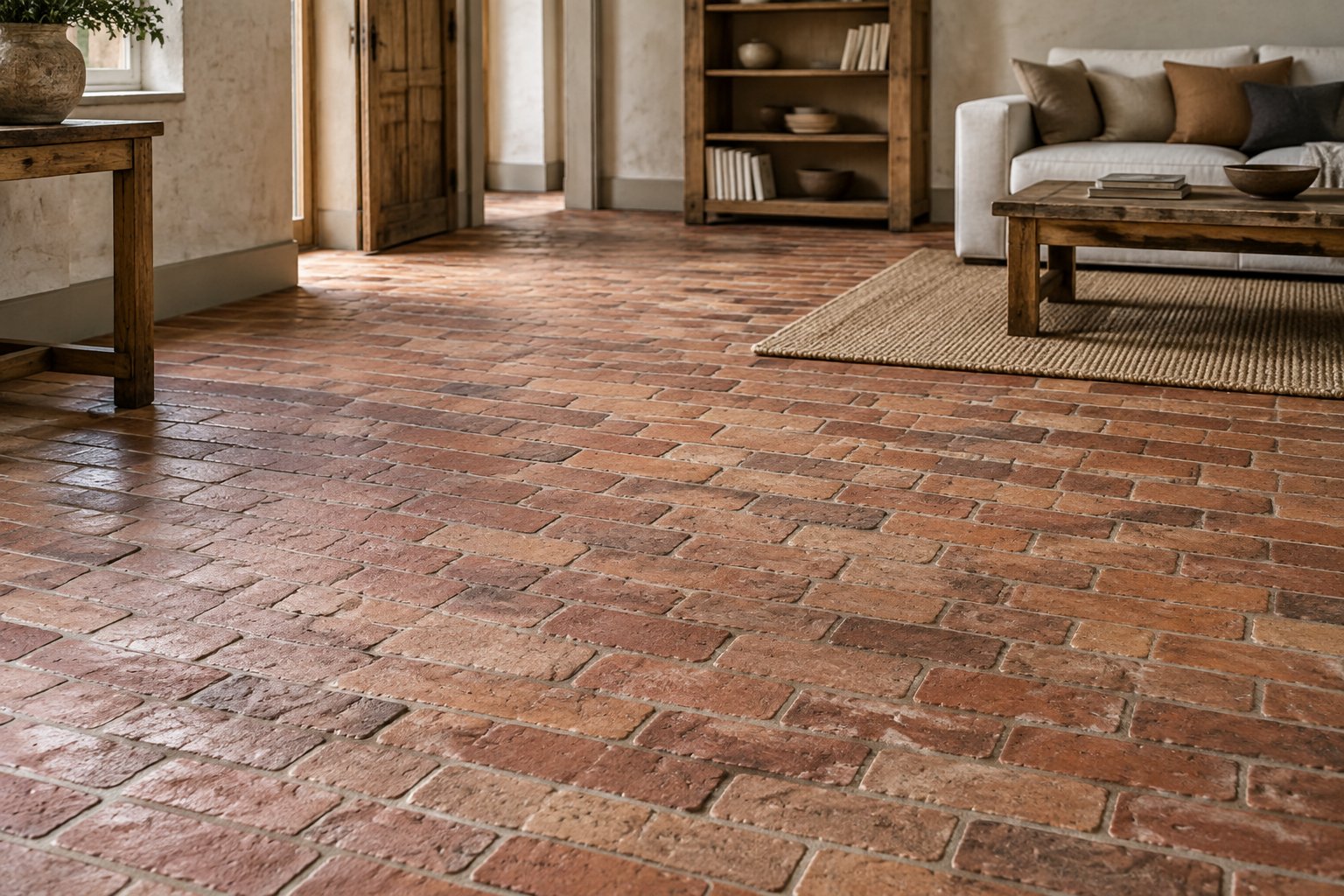
Reclaimed brick pavers and reclaimed brick flooring work beautifully in kitchens and dining rooms. The color and texture of aged brick bring warmth that you won’t get from uniform tile.
A solid-wood vanity from the 1920s or 1930s brings proportions and quality you simply won’t find in flat-pack furniture. Add period hardware and a simple vessel sink, and you’ve got a bath that feels intentional.
Reclaimed tile, old medicine cabinets, and vintage towel bars can transform a bathroom without a full gut job. Focus on pieces that are sturdy and can be cleaned up easily for the best results.
Nothing says “welcome” like a leaded or beveled glass front door from a historic estate. Dallas salvage establishments carry doors from craftsman bungalows, offering quality that’s tough to source anywhere else.
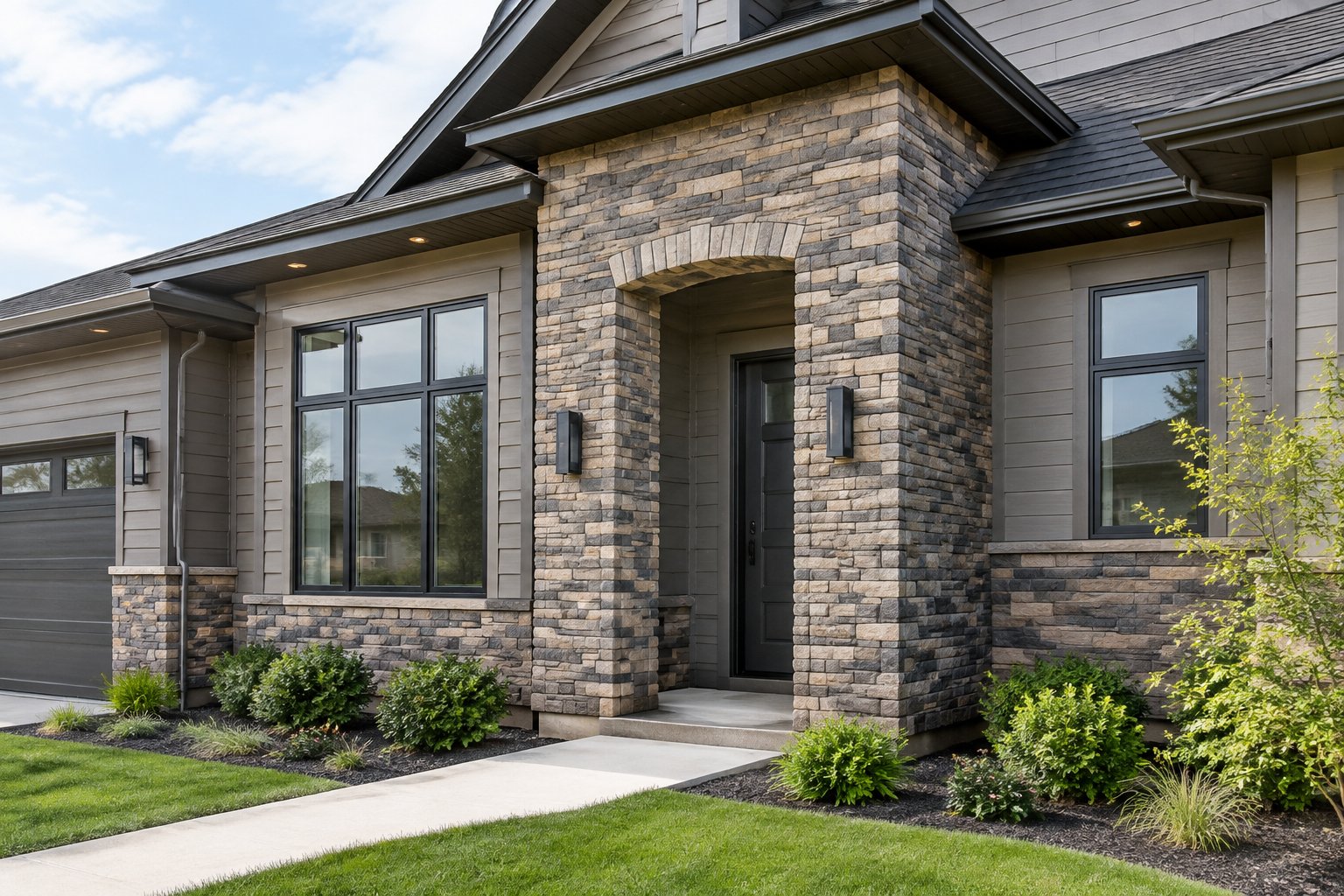
For living rooms, mantels and antique lighting give you the most style for your dollar. Exterior projects benefit from reclaimed wood siding, wrought iron gates, and architectural columns. Builders can also check out reclaimed brick for historic restorations.
Expert Sourcing with New Orleans Brick & Stone
New Orleans Brick & Stone provides a specialized bridge between high-quality reclaimed materials and the homeowners who need them most. While local Dallas yards offer a variety of general materials, our team focuses on sourcing the highest quality reclaimed brick and stone available in the region.
These materials carry a distinct history and lasting durability that modern alternatives often lack in today's construction market. Our experts understand the nuances of historic materials, helping clients navigate the complex selection process effectively for any project scale.
We ensure every piece is structural, beautiful, and authentic to the specific era of your home or commercial building project. By working with professionals like New Orleans Brick & Stone, you gain access to a curated inventory often pre-screened for quality and performance.
Our commitment extends beyond just supply; we provide the historical context and technical guidance needed for successful, authentic installations. This level of expertise ensures that your architectural investment maintains its value and aesthetic appeal for decades to come.
Frequently Asked Questions
Is it realistic to find matching salvaged materials for a big project?
You can do both, but matching large volumes takes patience. Hardwood flooring and reclaimed brick are the easiest to find in quantity. Statement pieces—mantels, doors, lighting—are better as accents rather than bulk purchases.
For bigger projects, talk to multiple yards about what’s in stock and ask about upcoming demolition jobs. Sometimes waiting for the right batch is faster than you think if you stay in communication with suppliers.
How do you handle materials that need cleaning before installation?
Most salvaged stuff needs some prep. Reclaimed wood usually needs a clean, nail removal, and maybe a pass through a planer. Soap and water work for hardware and tile.
If it’s painted, decide if you want to strip it based on the age. Professional cleaning or milling pays off for premium pieces—like wide-plank flooring or fancy millwork. For basics, like cabinet boxes or framing lumber, DIY cleaning is usually enough.
What should you know about freight shipping for reclaimed materials?
Some reclaimed brick suppliers and material dealers outside Dallas offer 48-hour freight shipping that competes with local wait times. When comparing local to remote, factor in the full timeline—when it’ll be in stock and what freight adds to your cost.
If you’re sourcing reclaimed brick, reading up on reclaimed brick cost explained helps you budget accurately. Dallas’ architectural salvage scene rewards curiosity and patience with unique finds.
Are there meaningful quality differences between Dallas salvage yards?
Honestly, there's more to it than just what's available that day. Some yards really pay attention to how they get and sort their materials. The better places take time to pull items with care, ensuring they remain usable for future renovations.
They check their condition and price them accordingly, while others just toss everything out there as-is. You'll notice the difference as soon as you walk in. Staff who know what they're doing usually mean the whole operation runs better.
If you can, go check out the yard before you buy anything to get a feel for how it is managed. That first impression actually tells you a lot about what kind of stuff you'll end up taking home.
Why Architectural Salvage Continues To Matter in Dallas
Architectural salvage in Dallas, Texas remains valuable because reclaimed materials introduce craftsmanship, texture, and architectural history into spaces that might otherwise feel generic. Antique doors, reclaimed wood, vintage lighting, and historic masonry all carry visible age and material depth that modern production rarely reproduces naturally.
That authenticity matters across Dallas neighborhoods where historic homes, modern renovations, and commercial redevelopment often exist side by side. Salvaged materials help preserve architectural continuity while also giving newer projects a more grounded and established appearance.
The best salvage projects come from balancing character with practicality. Material condition, structural integrity, sizing compatibility, and sourcing consistency all affect how successfully reclaimed elements integrate into a finished space.
For homeowners, designers, and builders looking for authentic reclaimed masonry and historic materials in Texas, New Orleans Brick & Stone supplies reclaimed brick and stone sourced from century-old structures across the United States.