Old Chicago bricks are some of the most sought-after reclaimed materials in architecture and design today. They carry a century of history in every surface, with color variation, worn texture, and a patina that newer manufactured brick simply cannot replicate.
For builders, designers, and homeowners who want something that feels genuinely earned rather than artificially aged, these salvaged bricks occupy a category of their own. For many, using Chicago reclaimed brick is the only way to achieve this specific architectural look.
The character you see in authentic reclaimed Chicago brick comes from the specific clay, the old firing methods, and decades of exposure to one of America's most demanding urban climates.
New Orleans Brick & Stone regularly works with these materials and knows what makes a genuine batch worth specifying and how it differs from inferior options.
What follows covers the full picture: where Chicago Common brick came from, how to identify the real thing, where it works best in a project, and what to know before you place an order.
Why These Salvaged Bricks Stand Out Right Away
Reclaimed brick has a look that designers keep coming back to, and Chicago's salvaged material sits near the top of that category. The combination of age, dense clay, and urban wear produces surfaces that feel distinct, not decorative.
The Look People Are Usually Trying to Match
When people describe wanting a "rustic" or "industrial" wall finish, they are usually picturing something close to antique bricks from Chicago. The warm red-brown tones and slight variation in color define the style. The rough texture catches light differently depending on the angle.
New brick can approximate this look, but the result tends to feel flat or staged. Genuine vintage brick has depth because the variation is real, not applied. Designers often specify Chicago reclaimed brick to ensure the project has an organic, non-manufactured feel.
How Age, Wear, and Patina Change the Wall
The patina on old Chicago brick builds over decades of freeze-thaw cycling, soot exposure, and weathering. That surface history creates a layered quality that shows up in how the brick absorbs and reflects light.
A wall built with authentic reclaimed bricks will look different in morning light than it does at midday, and that visual movement is part of what makes the material worth using. You are not just getting color; you are getting texture, tone shift, and surface history all at once.
Why Reclaimed Brick Feels Different From New Brick
The density of the original clay and the high-temperature firing method used in Chicago's historic brick yards produced a material that is harder and more varied than most modern brick.
When you hold a piece of genuine reclaimed Chicago brick, the weight and the surface irregularity tell you something about how it was made. For a detailed look at how reclaimed brick compares to new brick, the differences in performance and appearance are worth reviewing before you commit to a material choice.
Where Chicago Common Came From and Why It Still Matters
Chicago Common brick has a specific regional origin tied to local clay deposits, historic demand, and industrial production methods that no longer exist. The material you can source today comes entirely from salvage, which is part of what makes it finite and worth understanding.
How the Great Chicago Fire Shaped Brick Use
The Great Chicago Fire of 1871 destroyed large portions of the city, most of which had been built with wood. The rebuilding effort that followed drove an enormous demand for fire-resistant materials, and brick production in the Chicago area scaled up quickly to meet it.
Local yards produced massive quantities of clay brick over the following decades, and those bricks went into thousands of residential, commercial, and industrial structures throughout the region.
The Local Clay Behind the Color Range
Chicago bricks have their particular color range because of the clay deposits found south of the city. That clay, rich in specific minerals, produced tones ranging from salmon and terra cotta to deeper red and buff.
Every kiln batch came out slightly different because the clay composition varied, and the scove kilns used for firing were open-roof structures where heat distribution was uneven. That natural variation is exactly why no two loads of authentic Chicago bricks look identical today.
Because of these unique conditions, Chicago Commons became a staple for local building.
Why Chicago Common Is No Longer Being Made
Production of Chicago Common brick stopped in the early 1970s when environmental regulations forced the remaining brickyards to shut down. Every piece available today is salvaged from demolition and renovation projects in the Chicago area.
There is no new supply being produced, which means the total quantity available only decreases over time. If you are comparing reclaimed Chicago brick to other salvaged options like St. Louis reds, the scarcity factor plays a real role in pricing and availability. The limited availability of Chicago reclaimed brick makes it a finite resource for high-end construction.
How to Tell if the Material Is the Real Thing
Not everything sold as "Old Chicago style" or "antique brick" is genuine salvaged Chicago Common. Some suppliers offer newer brick or manufactured reproductions with distressed finishes. Knowing what to look for protects your investment and your project outcome.
Color, Texture, and Surface Clues to Look For
Genuine reclaimed Chicago brick has a color range that tends toward salmon, light red, and warm buff tones. The surface is typically smooth-faced but weathered, with subtle pitting, mineral deposits, and color variation across individual bricks.
If a batch looks uniform in color or has a surface that feels artificially rough, that is a flag worth investigating. Real antique bricks also tend to have slight size variations from piece to piece because they were hand-molded before firing.
Union Stamps, Weathering, and Other Signs of Age
Many authentic Chicago bricks carry a union diamond stamp pressed into the surface, a mark left by the workers who made them. This stamp is one of the most reliable indicators of genuine Chicago Common material.
You may also see mortar residue on edges from the original installation, uneven surfaces from the molding process, and iron spots or mineral flecks embedded in the face of the brick. These are not defects; they are evidence of age and authentic production.
Feature
Genuine Reclaimed Chicago Brick
Modern Look-Alike
Color
Varied salmon, terra cotta, buff tones
Uniform, consistent color
Surface texture
Worn, naturally pitted, smooth-faced
Artificially distressed or machine-textured
Size consistency
Slight variation from piece to piece
Uniform dimensions
Union stamp
Often present
Not present
Mortar residue
Common on edges
Not present
Weight/density
Dense, heavy
Often lighter
Why Dependable Suppliers Matter
Because Chicago Common is no longer manufactured, the quality of a given batch depends entirely on how it was reclaimed, sorted, and stored. A dependable reclaimed brick supplier will clean old mortar from the bricks before palletizing, sort for quality, and be transparent about where the material came from.
Buying from an unknown source without provenance information is a real risk, especially when you are ordering a full pallet or more for a structural or high-visibility application. Check out matching reclaimed brick for renovation.
Best Fits for Walls, Fireplaces, Patios, and Pavers
Old Chicago brick works across a wide range of applications, both indoors and outdoors. The material performs well in high-traffic and high-visibility uses because of its original firing density and proven durability.
Interior Uses That Highlight Texture and Color Variation
Inside a home or commercial space, reclaimed Chicago brick works especially well on accent walls, fireplace surrounds, and kitchen backsplashes. The color variation becomes an asset at the interior scale, where the eye can follow individual bricks and appreciate the range of tones.
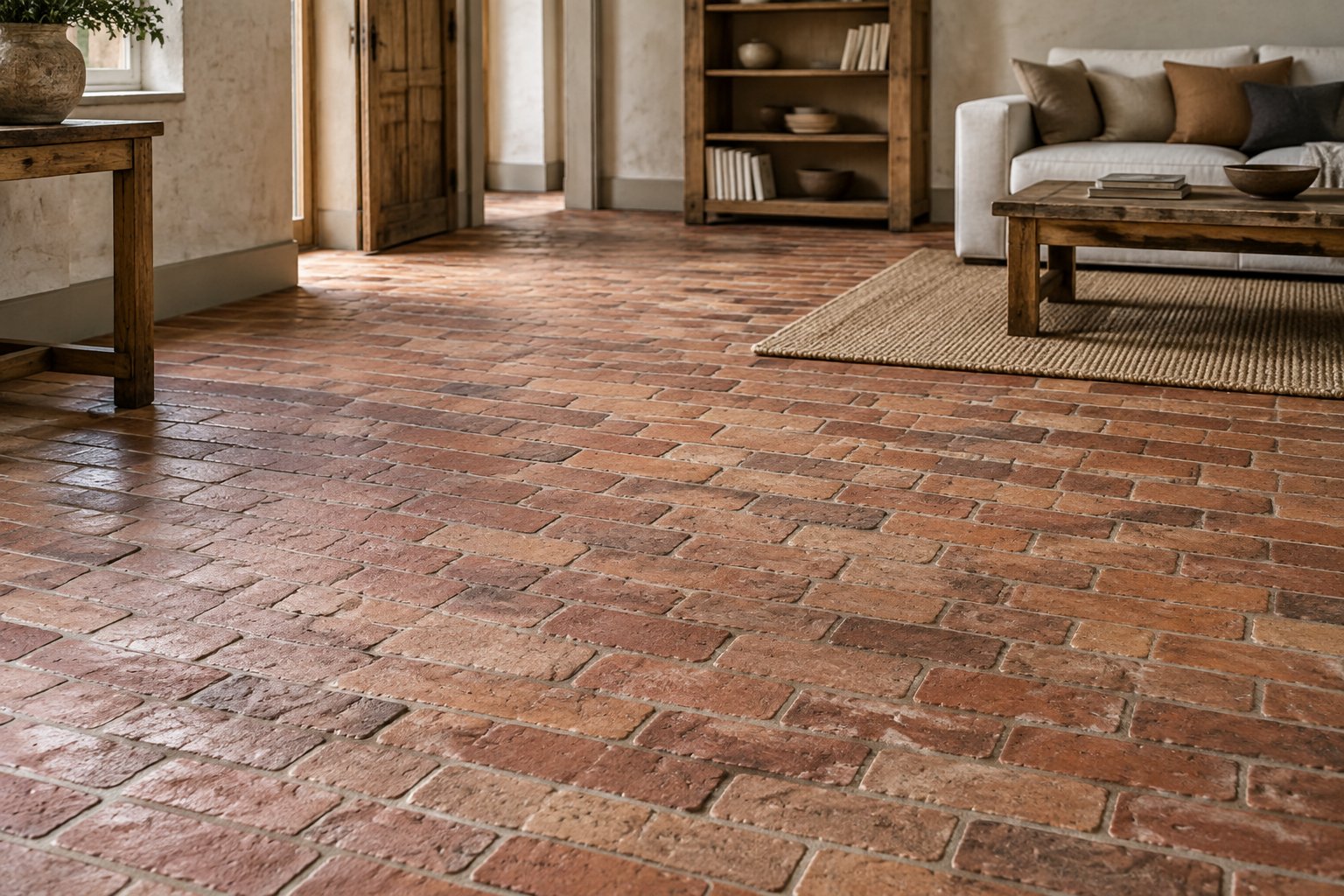
For flooring applications, thin-cut veneer from authentic Chicago Common is also an option. If you are considering reclaimed brick flooring, the dense clay composition handles foot traffic well when properly sealed.
Exterior Applications and Climate Considerations
Exteriors are where this material's original durability really shows. Chicago Common brick was made to survive the upper Midwest's freeze-thaw cycles year after year, which means it handles temperature extremes reliably.
For full facade work, garden walls, or outdoor fireplace surrounds, this material holds up without the surface spalling issues that affect softer brick. The key is pairing it with the right mortar, typically a lime-based mix rather than a hard Portland cement, so that the mortar joints absorb movement rather than transferring stress back into the brick face.
- Use lime-based mortar to protect original brick integrity
- Allow for natural color variation when ordering, as batches will show a range
- Apply a breathable sealant for outdoor use, not a film-forming waterproof coat
- Clean with mild detergent and soft brushes; avoid high-pressure washing
When Clay Pavers or Reclaimed Stone Make Sense Alongside Brick
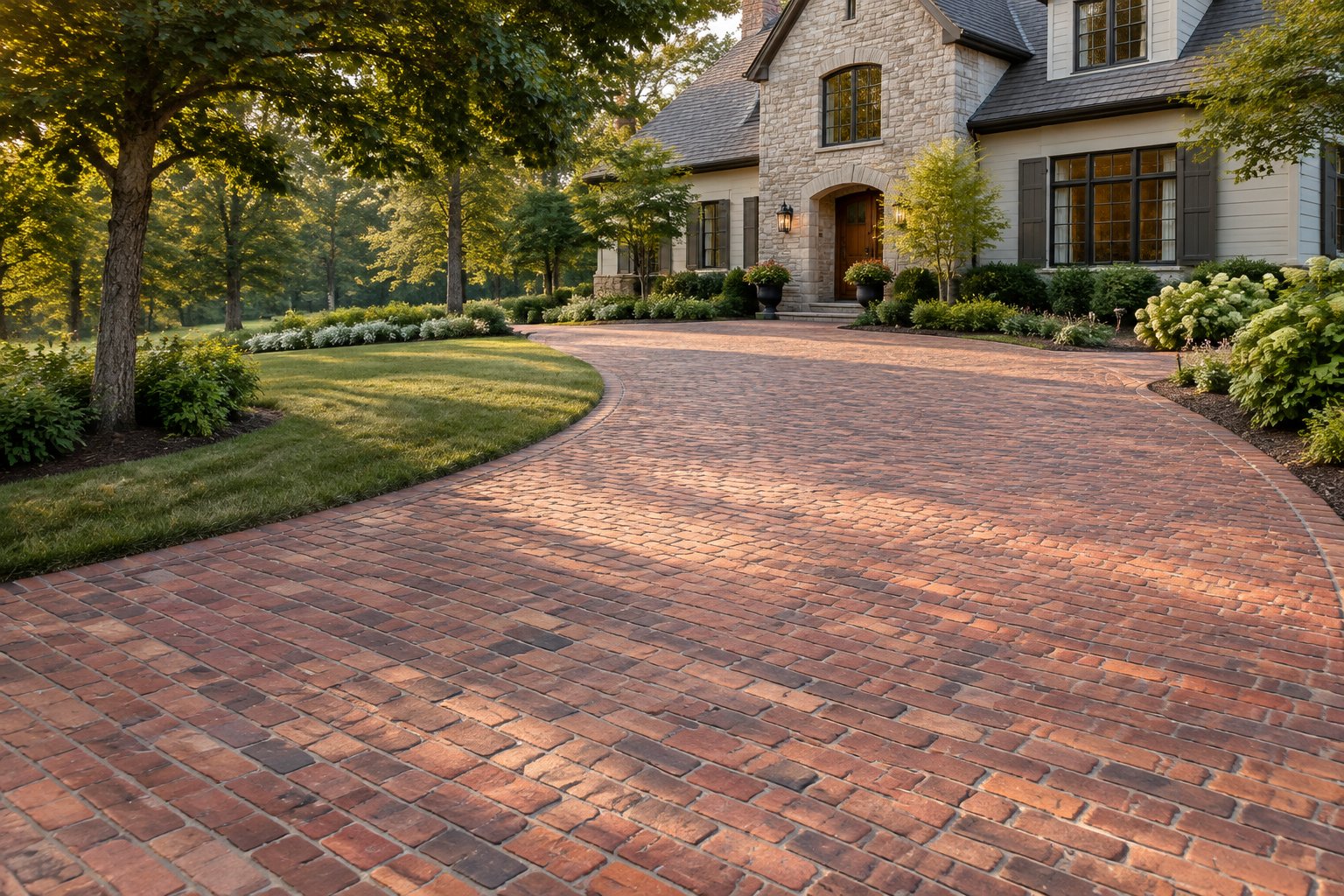
For patios and walkways, reclaimed brick pavers made from Chicago Common clay offer a surface that resists slipping and handles moisture without the surface degradation you can see with softer paving materials.
In projects that mix materials, reclaimed stone can complement Chicago brick well, particularly in outdoor settings where you want textural contrast. A reclaimed stone installation guide can help you plan the transitions between materials for a finished result that looks intentional rather than assembled.
What to Know Before You Order a Load
Ordering reclaimed brick involves more logistical planning than sourcing new materials from a local yard. Quantity, freight, and sample review all factor into how smoothly your project goes.
Why Supply Constraints Affect Old Chicago Brick Pricing
Old Chicago bricks come from a limited salvage supply because the original manufacturing stopped decades ago. Every available pallet now depends entirely on demolition recovery, salvage quality, and how much usable material survives removal and cleaning.
The U.S. Environmental Protection Agency (EPA) notes that construction and demolition debris remains one of the largest waste streams in the United States. While some masonry becomes crushed aggregate, intact reclaimed brick suitable for architectural reuse represents a much smaller and more limited category of salvage material.
That limited supply affects both pricing and availability. Large matching lots become harder to source over time, especially for projects requiring a consistent color range, density, and surface wear across an entire installation.
Typical Order Sizes and Bricks per Pallet
Standard pallets of reclaimed Chicago Common brick typically hold around 500 to 535 pieces. The exact count per pallet varies depending on the supplier and how the bricks are sorted and stacked.
Before placing a large order, calculate your square footage carefully and add a buffer of around 10 to 15 percent to account for cuts, breakage, and variation. Ordering short means waiting on a second shipment of Chicago reclaimed brick, which can slow down your timeline significantly.
Pallets per Flatbed and Freight Planning
A standard flatbed truck can typically carry between 16 and 20 pallets, depending on total weight. If you are ordering multiple pallets for a larger project, coordinating delivery timing with your installation crew matters.
Reclaimed brick is heavy and needs to be staged close to the work area without blocking access. Talking through delivery logistics with your supplier before you finalize the order saves headacheson-sitee.
When to Ask for a Sample Mockup or Request a Quote
If your project requires color matching to existing brick or if you are specifying the material for a client, requesting a sample mockup before committing to a full order is worth the extra step. A physical sample lets you see the actual color range and texture rather than relying on photos, which rarely capture the full variation of a genuine batch.
Most reputable suppliers can accommodate sample requests. When you are ready to move forward, requesting a quote early gives you accurate freight and material costs before your budget is locked in.
Frequently Asked Questions
How can I tell if a batch is genuine reclaimed clay brick versus newer look-alike material?
Look for a union diamond stamp pressed into the face of the brick, which is a reliable marker of authentic Chicago production.
Genuine reclaimed bricks also show natural size variation, real mortar residue on the edges, and a color range that spans multiple tones within a single palette. If every brick in a batch looks identical in color and dimension, it is likely a modern reproduction rather than true salvaged material.
What typically drives the price per brick or per pallet, and what costs catch people off guard?
The price of old Chicago bricks is influenced by scarcity, sorting quality, and freight distance. Because Chicago Common is no longer manufactured, supply is fixed and decreases over time, which keeps prices above what you would pay for new commercial brick.
The cost that surprises most buyers is freight, especially for buyers outside the Midwest; a detailed breakdown of reclaimed brick costs helps set realistic expectations before ordering.
What is the practical difference between Chicago Common and standard modular brick when it comes to size and installation?
Chicago Common brick is slightly larger than modern modular brick, with dimensions that can vary from piece to piece due to hand molding. That size variation affects layout planning, mortar joint sizing, and the total quantity needed per square foot.
You should measure and plan your layout using actual sample bricks rather than relying on standard brick calculators designed for uniform modern units.
Are there situations where reclaimed brick is not the right choice for a project?
Reclaimed brick is not ideal for every application. Projects that require strict dimensional uniformity, such as certain structural coursing or tight modular tile patterns, are better served by new manufactured material.
For highly moisture-exposed applications without proper drainage and sealing, softer reclaimed bricks can be vulnerable to spalling over time. Matching the right material to the right use is more important than using reclaimed brick for its own sake, and a knowledgeable supplier can help you make that call honestly.
Why Old Chicago Brick Still Defines Historic Character
Old Chicago bricks continue to stand out because the material carries visible history in every surface. The color variation, worn edges, and dense clay composition come from real manufacturing methods and decades of exposure rather than artificial distressing.
That authenticity changes how a finished space feels. Whether used for a fireplace surround, exterior facade, reclaimed paver patio, or interior accent wall, the material creates depth and permanence that newer brick often struggles to reproduce naturally.
The most successful reclaimed brick projects come from understanding the differences between true salvaged masonry and modern imitations. Surface texture, mortar compatibility, regional clay composition, and proper installation all influence how the finished project performs over time.
For homeowners, architects, and builders looking for authentic reclaimed masonry with lasting character, New Orleans Brick & Stone supplies Old Chicago bricks sourced from historic structures across the United States.