Reclaimed clay bricks carry something that new materials simply cannot replicate: a physical record of how they were made, where they came from, and how long they have lasted. These are handmade units fired in kilns that no longer exist, shaped by workers whose methods predated industrial automation.
The irregularities you see in the surface, the slight variations in size, the range of color from one brick to the next — none of that is a flaw. It is the point. Authentic handmade clay bricks from pre-industrial buildings were produced with dense clay bodies that have proven their durability over a century.
That track record matters for any project that deserves real presence. New Orleans Brick & Stone works specifically with these materials, sourcing reclaimed bricks and recycled bricks that are sorted, cleaned, and ready for use.
What follows covers how to match the right form of salvaged brick to your project, what regional variation tells you about quality and character, where antique bricks and antique pavers perform best indoors and outdoors, how to mix reclaimed clay with granite and stone, and what to check before purchasing a pallet.
How to Choose the Right Material for the Job
Not every salvaged brick fits every application. The form matters as much as the look, and choosing between full building brick, reclaimed brick pavers, and thin brick early in your planning avoids costly mistakes later.
When Building Brick Makes Sense
Full-dimension common brick and face brick are the right choice for load-bearing walls, garden walls, and chimneys. Choosing a recycled brick for these applications ensures your project has the structural integrity of historic masonry.
These units are typically around 2.25 inches tall and 8 inches long, though handmade antique building bricks often vary slightly.
Specialty bricks with unusual profiles, deep textures, or decorative stamps work well as feature courses or focal points. If you are matching existing historic masonry, sourcing from the same regional clay body matters more than finding exact dimensions.
Where Pavers Perform Better
Brick pavers and clay pavers are fired harder and denser than standard wall brick. They are built to absorb impact from foot traffic and, in some cases, vehicle weight. Reclaimed brick pavers salvaged from old factory floors or street applications have already demonstrated that capacity.
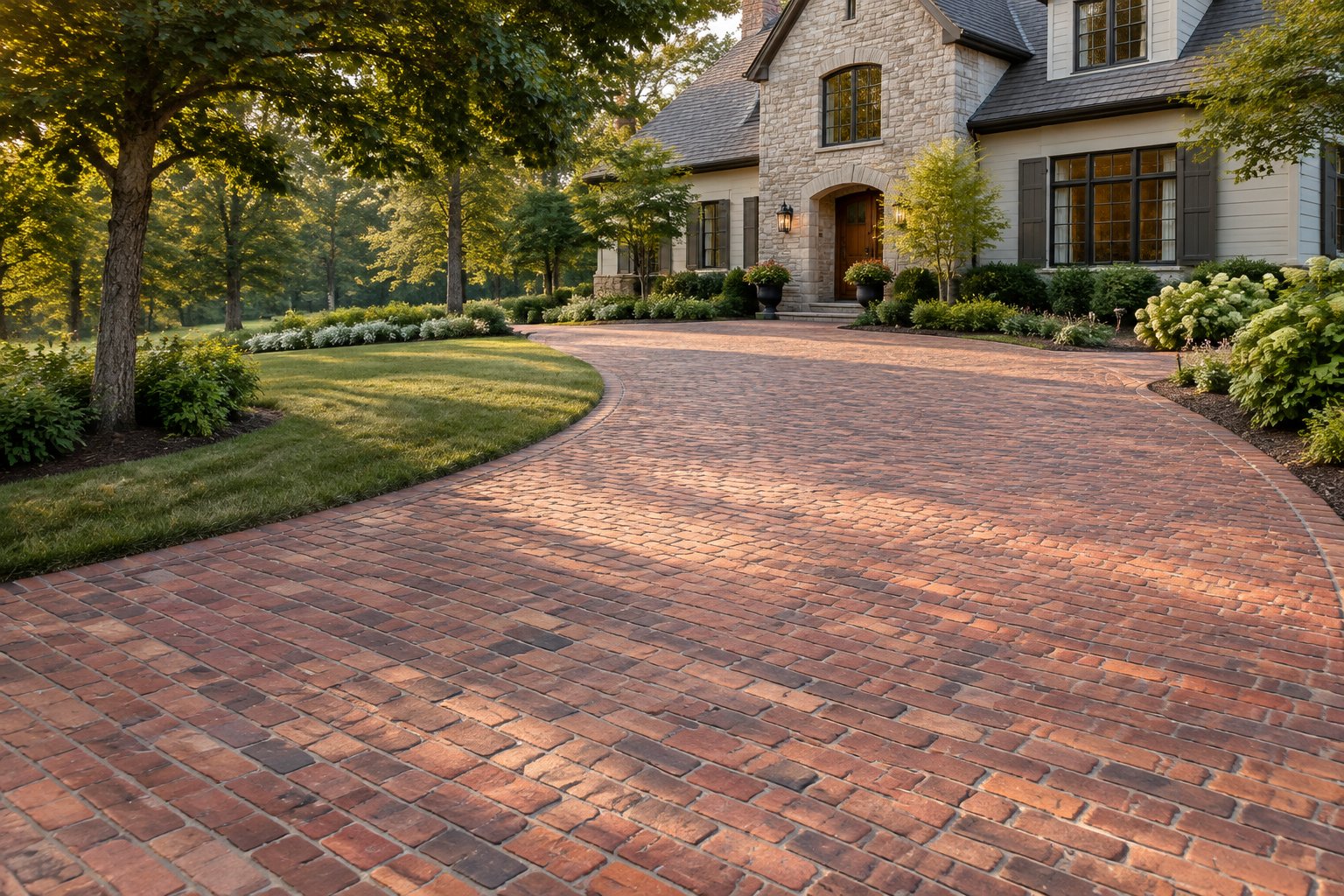
For patios, driveways, and walkways, antique pavers typically outperform repurposed wall brick. Using recycled bricks for garden paths adds a timeless quality that new materials cannot match. Original firing specifications for pavers match outdoor demands more closely.
When Thin-Cut Pieces Are the Better Fit
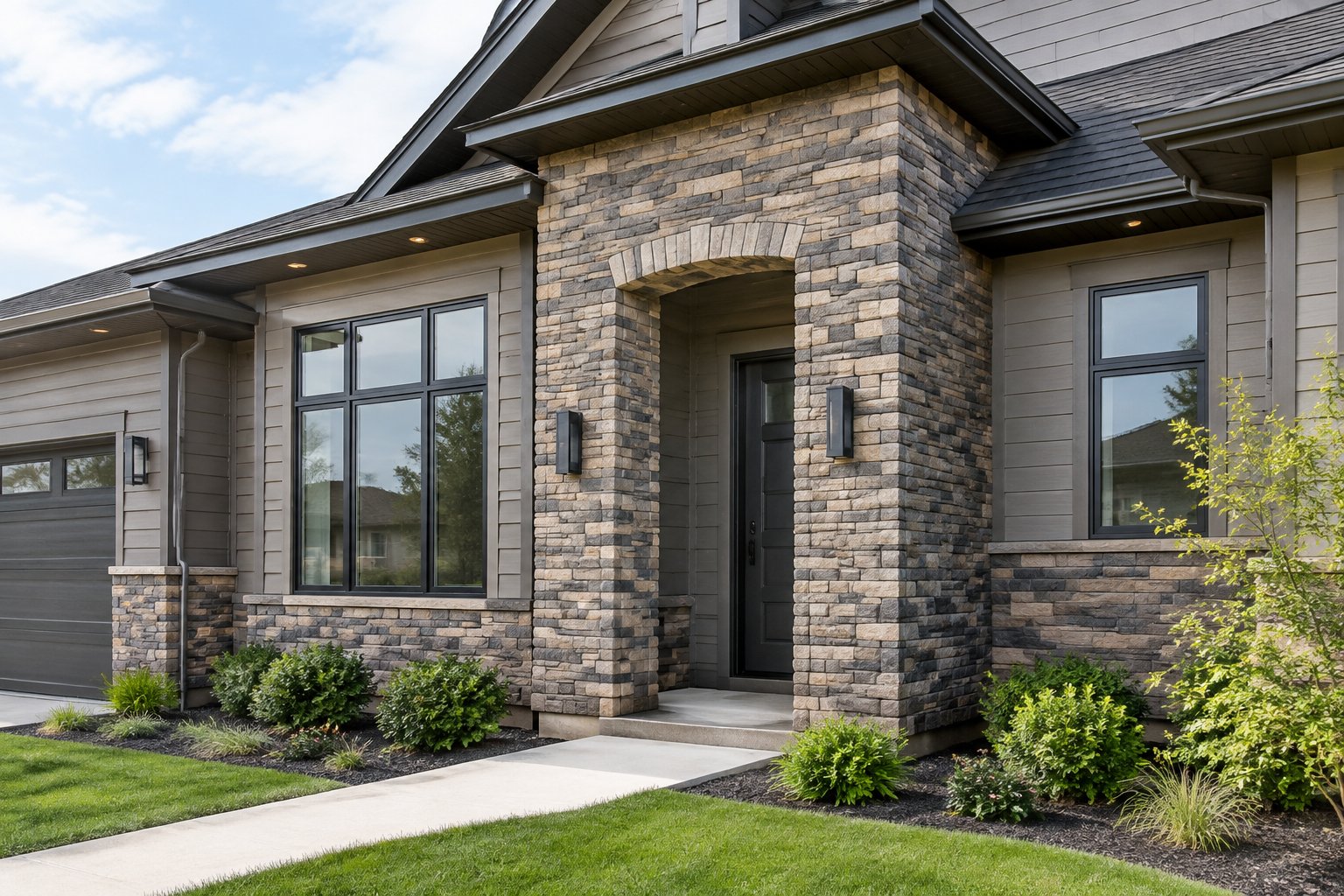
Brick veneer and thin brick let you apply the look of full masonry to surfaces that cannot support the weight of a standard unit. Interior walls, fireplace surrounds, and tight renovation spaces all benefit from thin-cut applications.
The same authentic patina, color range, and surface texture transfer to the thinner format without requiring a structural masonry foundation.
The Look Changes by City, Clay, and Age
Regional geology shaped every reclaimed brick ever made. The clay deposits available to a 19th-century brickyard determined the color, density, and surface character of everything that came out of that kiln. Vintage bricks from different cities are not interchangeable in appearance, and that variation is useful when you are making deliberate design decisions.
Chicago Common and Old Chicago Color Ranges
Chicago common brick is one of the most recognized types of reclaimed brick in the American market. Produced in massive quantities during Chicago's rapid expansion after the 1871 fire, these bricks came from clay deposits that fired to a distinctive pale salmon, cream, or buff tone. The color range is soft rather than saturated.
Old Chicago brick refers more specifically to the street-grade and building-grade material salvaged from city demolitions, and the old Chicago brick tips worth knowing include how to distinguish genuine aged pieces from newer bricks that mimic the look. Genuine old Chicago material shows consistent color through the full body, not just on the surface.
Machine-Made Versus Hand-Finished Surfaces
Bricks made before widespread mechanization in the late 1800s were hand-pressed or wire-cut in ways that left distinctive surface marks. You may see finger drag lines, mold sand texture, or slight twisting that modern brick cannot reproduce accurately.
Machine-made vintage bricks from the early 20th century are more uniform but still show firing variation that gives them character. The production era of a brick is often visible on the surface before you even check dimensions.
What Patina, Wear, and Stamp Marks Tell You
Mortar residue, surface carbonation, and worn corners are signs of genuine age rather than defects to avoid. Manufacturer stamps and embossed names on aged bricks confirm provenance and can help verify the period and region of origin.
Surface patina on authentic reclaimed bricks develops from decades of temperature cycling and oxidation. That depth of color is difficult to replicate with new materials, which is part of why builders working on historically sensitive projects specifically seek out antique building bricks rather than new reproductions.
Where Reclaimed Pieces Work Best Indoors and Out
Salvaged brick and antique pavers adapt well across a wide range of applications, both interior and exterior. The key is matching the original firing density of the brick to the demands of the specific use.
Walls, Fireplaces, and Veneer Applications
Interior walls and fireplace surrounds are where reclaimed brick veneer and thin brick shine for renovation projects.
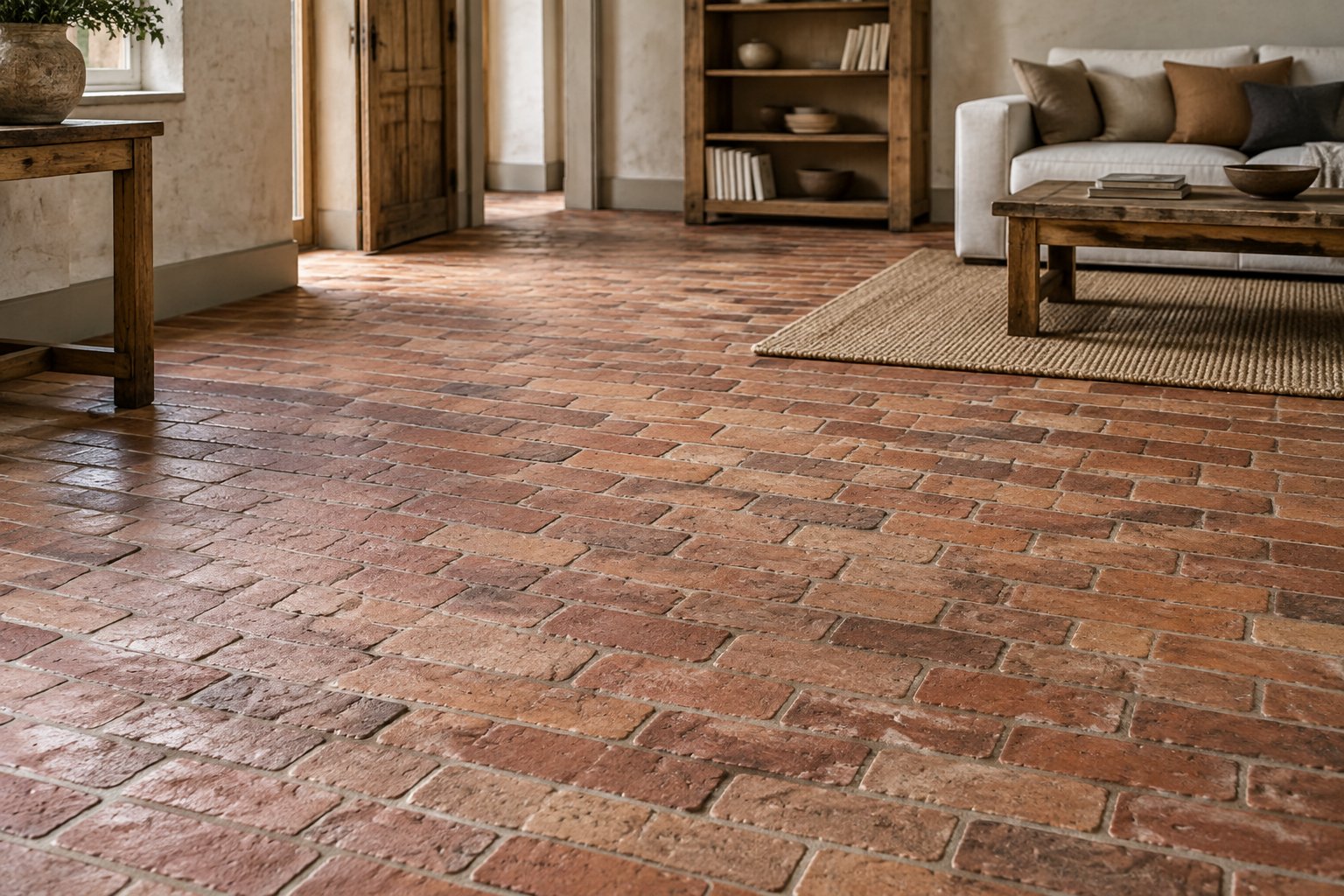
The full look of historic masonry comes through without requiring new structural support. For reclaimed brick flooring inside the home, a sealed surface protects against staining while preserving the character of the original material.
Fireplace applications benefit from bricks with lower porosity since repeated heating and cooling cycles can stress more absorbent units over time.
Patios, Walkways, and Driveways
Outdoor surfaces need brick with high density and low water absorption. Reclaimed brick pavers from industrial or commercial buildings typically meet those requirements better than residential wall brick because they were originally specified for heavier use.
The guide to reclaimed brick pavers covers the installation considerations that make the difference between a patio that lasts and one that shifts or cracks within a few years.
For driveways, verify that the pavers you choose were rated for vehicle loads in their original application before committing to a full installation.
Retaining Walls and Other Landscape Details
Retaining walls, raised garden beds, and landscaping features benefit from full-dimension salvaged brick. High-quality recycled bricks are often the preferred choice for these visible garden elements. Bricks used below grade need to be checked carefully for freeze-thaw resistance.
Not every antique brick is dense enough for subgrade or near-grade applications, and selecting the wrong material leads to spalling and structural failure over time.
Brick, Stone, and Cobblestone in the Same Plan
Mixing reclaimed clay with granite and stone in a single project is common in historic restoration and new construction alike. The challenge is using contrast intentionally rather than letting the combination feel unplanned.
When Granite Adds Useful Contrast
Granite cobblestones and reclaimed granite are significantly harder than clay brick and carry a different visual weight. Granite reads as dense and slightly formal, while aged brick reads as warmer and more textural.
Used together, they create a clear material hierarchy in a design, with granite typically marking transitions, borders, or structural elements.
Granite street pavers alongside clay surfaces work well for driveways where a defined edge material clarifies traffic flow and separates zones visually.
Mixing Street Pavers With Clay Surfaces
Purington pavers are a specific type of vitrified clay street paver produced in the late 19th and early 20th centuries. They are harder and denser than standard brick and carry a deep red to charcoal color range that pairs well with lighter clay surfaces.
Mixing Purington pavers with softer antique pavers in a checkerboard or banded pattern creates visual interest while keeping all the materials within a reclaimed palette.
The reclaimed stone installation guide is a useful reference when you are planning a project that combines multiple reclaimed materials at different thicknesses or densities.
Blending Reclaimed Materials Without Losing Cohesion
The easiest way to keep a mixed-material project cohesive is to limit the total number of materials to three or fewer and let one of them dominate the surface area.
A patio that is 80 percent reclaimed clay pavers with granite cobblestone borders reads as unified. The same space divided equally between four different materials often looks busy.
Color temperature matters as much as material type. Warm-toned clay bricks pair cleanly with buff or warm-gray granite. Cooler, blue-gray granite reads better against bricks from cooler-firing clay bodies, like some Chicago commons.
What to Check Before You Buy a Pallet
Buying reclaimed bricks without inspecting them first is a straightforward way to end up with material you cannot use. Checking every recycled brick for structural issues saves time and money before a delivery arrives.
Why Reclaimed Material Availability Changes So Quickly
Reclaimed clay bricks come from finite demolition and salvage opportunities. Once a historic factory, warehouse, or commercial building is cleared and processed, that exact material source is gone permanently.
The U.S. Environmental Protection Agency (EPA) notes that construction and demolition debris represents one of the largest waste streams in the United States. Salvageable masonry depends entirely on active demolition and recovery projects.
Reclaimed inventory constantly changes based on geography, building age, and material condition.
That is one reason experienced builders try to secure their full quantity early in the planning process. Waiting too long can make it difficult to match color range, texture, and firing consistency across a larger installation.
Durability, Density, and Freeze-Thaw Readiness
Test
What to Do
What to Look For
Visual inspection
Check faces and edges
No deep cracks, spalling, or crumbling corners
Tap test
Strike with a metal rod
A clear ring indicates density; a dull thud suggests weakness
Water absorption
Submerge a sample for 24 hours
Less than 10% weight gain for paving applications
Freeze-thaw check
Ask supplier about source climate
Bricks from cold-climate buildings have typically already cycled
Soft, sandy bricks that crumble at the corners should be set aside regardless of their appearance. Surface condition is not always a reliable indicator of structural integrity.
Cleaning, Sorting, and Quantity Matching
Old mortar on reclaimed bricks needs to be removed before installation. Lime-based mortars, which were standard before the widespread use of Portland cement, chip off relatively cleanly with a chisel or masonry hammer. Portland cement mortar is harder and more likely to damage the brick face during removal.
When sorting a pallet, pull out any units with through-cracks, spalling faces, or soft spots. Expect 10 to 15 percent waste in a typical reclaimed brick order, and order accordingly.
Working With Brick Salvage Yards and Suppliers
A reliable brick salvage yard will tell you where the material came from, what era it dates to, and whether it has been sorted or graded. Suppliers who cannot answer those questions clearly are worth approaching with caution.
- Ask for the source building type and approximate date of demolition
- Request a sample batch before committing to a full order
- Confirm whether bricks have been cleaned or are sold with mortar still attached
- Verify whether the supplier can match additional quantities if you run short
Finding a reclaimed brick supplier near you who keeps meaningful inventory on hand reduces the risk of project delays when you need to reorder mid-job.
Frequently Asked Questions
Do reclaimed clay bricks from different source buildings mix well in a single project, or will the variation look unintentional?
Mixing bricks from different source buildings is manageable when the color ranges and surface textures are in the same family. Warm reds from one source work alongside warm salmons from another because the tonal relationship holds.
The more visible problem comes from mixing bricks with dramatically different firing densities in the same paving application, since softer bricks will wear unevenly next to harder ones over time.
If your project requires a large quantity and you are pulling from more than one lot, blend the pallets during installation rather than laying each lot in sequence. This distributes variation evenly and prevents the finished surface from showing obvious seams between batches.
How do handmade antique bricks differ structurally from machine-pressed bricks of the same era, and does it affect how you use them?
Handmade bricks were formed in wooden molds with sand release agents, which left a softer, more textured surface and slight size variation from unit to unit. Machine-pressed bricks from the late 19th century are more uniform in dimension and often denser because mechanical pressure was more consistent than hand-packing.
Both types can be structurally sound, but the dimensional variation in handmade units requires slightly thicker mortar joints to keep the coursing level.
For wall applications, this is a minor adjustment. For paving, handmade units with significant dimensional variation need more careful sorting and bedding to avoid an uneven surface. The benefits of sourcing reclaimed brick from a pre-sorted supplier become clear when you are working with handmade material at scale.
Can older salvaged bricks be used safely near or below grade in a garden or landscape setting?
Some can, and some cannot. The determining factor is original firing temperature and clay body density, not age alone.
Bricks that were produced for industrial or commercial paving applications and have already survived decades of outdoor exposure are generally suitable for near-grade use. Standard wall bricks from residential buildings, particularly those with a softer feel or visible sand texture, are a higher risk in wet or freeze-thaw conditions.
Before using any reclaimed brick at grade or in contact with soil, run a basic absorption test and look for signs of previous weather damage on the faces. Bricks that show surface pitting, flaking, or soft spots should be kept for above-grade decorative applications where freeze-thaw stress is not a factor.
Is there a meaningful quality difference between reclaimed bricks sourced from pre-1900 buildings versus those from mid-20th-century demolitions?
Pre-1900 bricks were often fired at higher temperatures for longer periods because kiln control was less precise, and this inadvertently produced dense, low-absorption units that have held up extremely well. Mid-century bricks benefited from more consistent manufacturing but were sometimes produced to lower structural standards as construction moved toward lighter-weight methods.
Evaluating the specific recycled bricks in front of you using the tap test and visual inspection gives you the best information. You should never assume quality based on age alone. The individual unit's density is the most important factor.
Why Reclaimed Clay Brick Still Feels Timeless
Reclaimed clay bricks bring a level of texture, variation, and permanence that newer materials rarely achieve naturally. The color shifts, worn edges, and surface patina come from decades of real exposure rather than manufactured distressing.
That authenticity changes how a finished project feels, whether the material is used for a full masonry exterior, a fireplace surround, or a reclaimed paver patio. The result feels established from the beginning rather than artificially aged over time.
The most successful reclaimed brick projects come from matching the right material to the right application. Dense pavers perform differently from softer wall brick, and regional clay bodies create noticeable variation in color and durability.
Understanding those differences helps homeowners, architects, and builders make choices that age well over time.
For projects that value historic character and authentic reclaimed masonry, New Orleans Brick & Stone supplies reclaimed clay bricks sourced from historic structures across the United States