A reclaimed brick house carries something that new construction rarely achieves on its own: a sense of place, permanence, and earned character. The bricks themselves, pulled from demolished factories, schools, and old city streets, arrive with a patina that no manufacturer can replicate. Each one has already proven itself against weather, time, and use. That track record matters when you are making decisions that will shape a home for decades.
Choosing reclaimed brick for a home build is not simply an aesthetic decision; it is a long-term commitment to a material that rewards careful planning. New Orleans Brick & Stone works with homeowners, architects, and builders who want to get those decisions right from the start.
The choices you make early, from how you source the material to where and how you use it, determine whether the finished home feels genuinely rooted or merely stylistically nostalgic.
What follows covers the design choices, sourcing realities, material applications, and planning considerations that define a successful reclaimed brick house. From selecting the right patina and profile to managing cost and supply, you will find straightforward guidance for building something that holds up beautifully over time.
Getting the Look Right From the Start
Vintage brick and antique brick bring built-in visual depth. The key is making deliberate decisions early, before a single course is laid, because the range of face brick profiles, color tones, and veneer options all interact differently depending on your home's style, scale, and setting.
Matching the Home to Period or Style
Reclaimed brick tends to read most naturally when it aligns with the architectural period or style of the home. A Craftsman house pairs well with soft reds and irregular face brick. A more formal colonial or Georgian build benefits from uniform antique bricks in muted tones. Industrial-influenced modern homes can absorb a wider range of color variation without looking mismatched.
That said, the rules are not rigid. Many successful homes blend periods deliberately. The important thing is that the brick feels intentional, not accidental.
How Color, Texture, and Patina Shape the Final Look
Patina is what separates reclaimed materials from manufactured imitations. It refers to the accumulated surface wear: the lime hazing, the smoke staining, the slight rounding of corners. These qualities absorb light differently than new brick, giving a wall more visual movement across the day.
Color range within a single batch of vintage bricks also plays a role. Tighter color consistency reads as formal and composed. Wider variation gives walls a more relaxed, layered quality. When reviewing material at a supplier, spread out a sample across a flat surface to get an honest read on the color range before committing.
When Full Brick Makes Sense vs. Brick Veneer
Full structural brick construction adds high cost and requires specific engineering. Brick veneer, including thin brick options, achieves a comparable surface appearance at a fraction of the structural complexity. For most residential projects, veneer over a wood-framed wall is the practical path.
Full brick construction makes the most sense when you are building for maximum thermal mass, extreme longevity, or matching an existing all-masonry structure. In both cases, the face brick you choose still drives the visual outcome.
Where the Brick Comes From Matters
The source of your salvaged brick shapes everything from color consistency to long-term performance. Salvage yards and architectural salvage suppliers vary widely in how they grade, clean, and store material, and those differences show up on the finished wall.
Salvaged Material From Buildings, Streets, and Demolition Sites
Recycled bricks pulled from 19th-century factory floors behave differently from recycled bricks from mid-century schools. Older bricks, especially those made before industrialized production, were fired at lower temperatures using local clays.
That process produced denser, more variable material with a surface texture that later manufacturing eliminated. Street pavers offer their own character, with rounded edges and smooth wear patterns from decades of foot and vehicle traffic.
Demolition sources matter for practical reasons, too. A building demolished carefully by hand yields more intact, reusable bricks than one brought down mechanically. Salvaged brick from careful deconstruction will have less spalling and cleaner mortar separation.
What to Expect From Salvage Yards and Brick Salvage Suppliers
Brick salvage operations range from large commercial yards with graded, cleaned inventory to smaller operations where you pull material yourself. Reputable suppliers will sort bricks into grades based on face condition, dimensional consistency, and structural soundness.
At a minimum, ask whether bricks have been cleaned of old mortar, whether they are graded, and whether compression testing data is available.
When you are sourcing material for a full exterior, consistency matters more than it does for accent walls or interior applications. Learning how to find reclaimed brick near you is a useful starting point for evaluating your regional options.
How Architectural Salvage Affects Character and Availability
Architectural salvage bricks carry provenance. Knowing a brick came from a specific building or city district adds meaning to the finished home. It also affects availability.
Material from a single building is finite, and once a lot is exhausted, matching it precisely is difficult if your project requires a large, consistent volume. Source from a single lot whenever possible rather than combining batches from different demolition sites.
Choosing the Right Material for Each Part of the House
Not every part of a home requires the same brick product. Face brick, thin brick, and antique pavers each serve different structural and aesthetic roles, and matching the right material to the right application avoids both waste and disappointment.
Face Brick for Walls and Exterior Character
Face brick is the standard full-dimensional unit used for exterior walls and prominent interior surfaces. It carries the most visual weight in a reclaimed brick house and sets the overall character of the home.
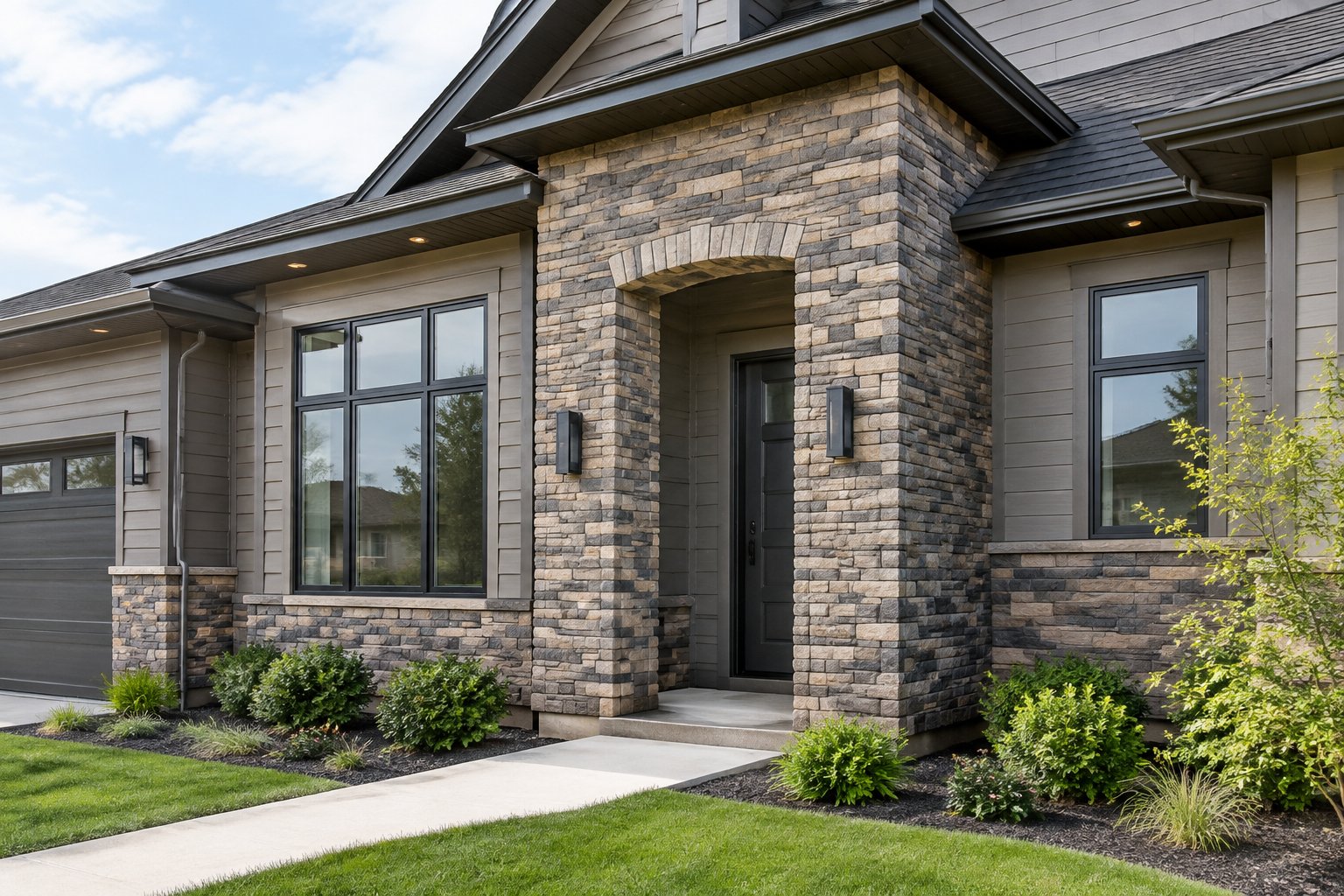
Soft Reds, known for their warm tones and subtle surface variation, suit homes that lean toward traditional warmth. Hard Tans read cooler and cleaner, working well with more contemporary exteriors. St. Louis Reds offer a distinctive look tied to a well-documented regional source, which appeals to homeowners who value provenance.
Thin Brick for Interiors, Fireplaces, and Remodels
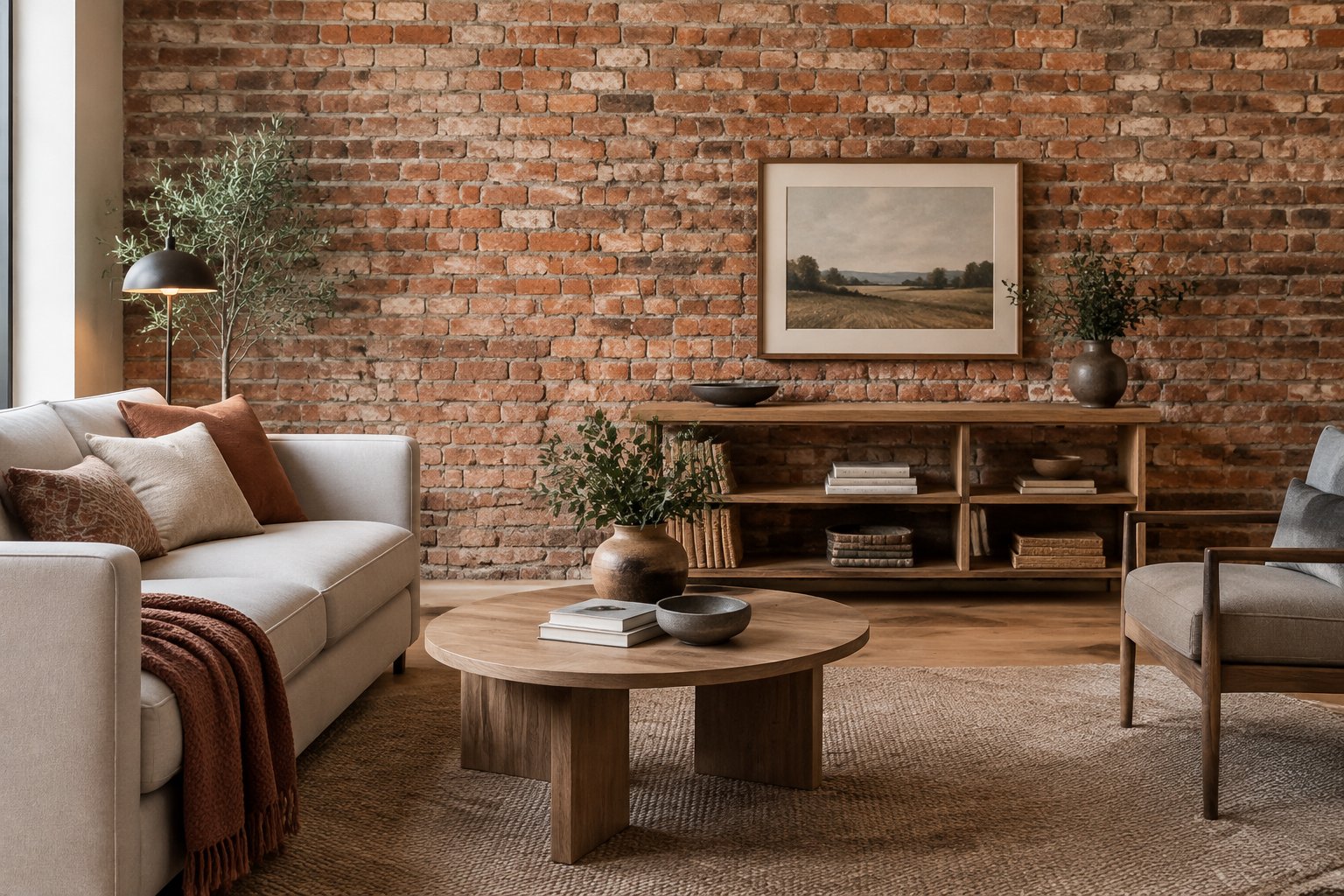
Thin brick is a sliced or purpose-produced unit typically between half an inch and one inch thick. It installs like tile and can be applied over standard drywall or concrete backer board. This makes it practical for fireplaces, kitchen backsplashes, accent walls, and renovation projects where adding full masonry weight or depth is not possible.
The authentic patina of salvaged material carries through in thin brick format. Reclaimed thin brick does not look like a manufactured product, which is the main reason to choose it over mass-produced alternatives.
For detailed guidance on laying this material, the process for how to install reclaimed bricks covers substrate preparation and setting methods that apply to thin brick applications.
Antique Pavers and Granite Cobblestone for Drives and Walkways
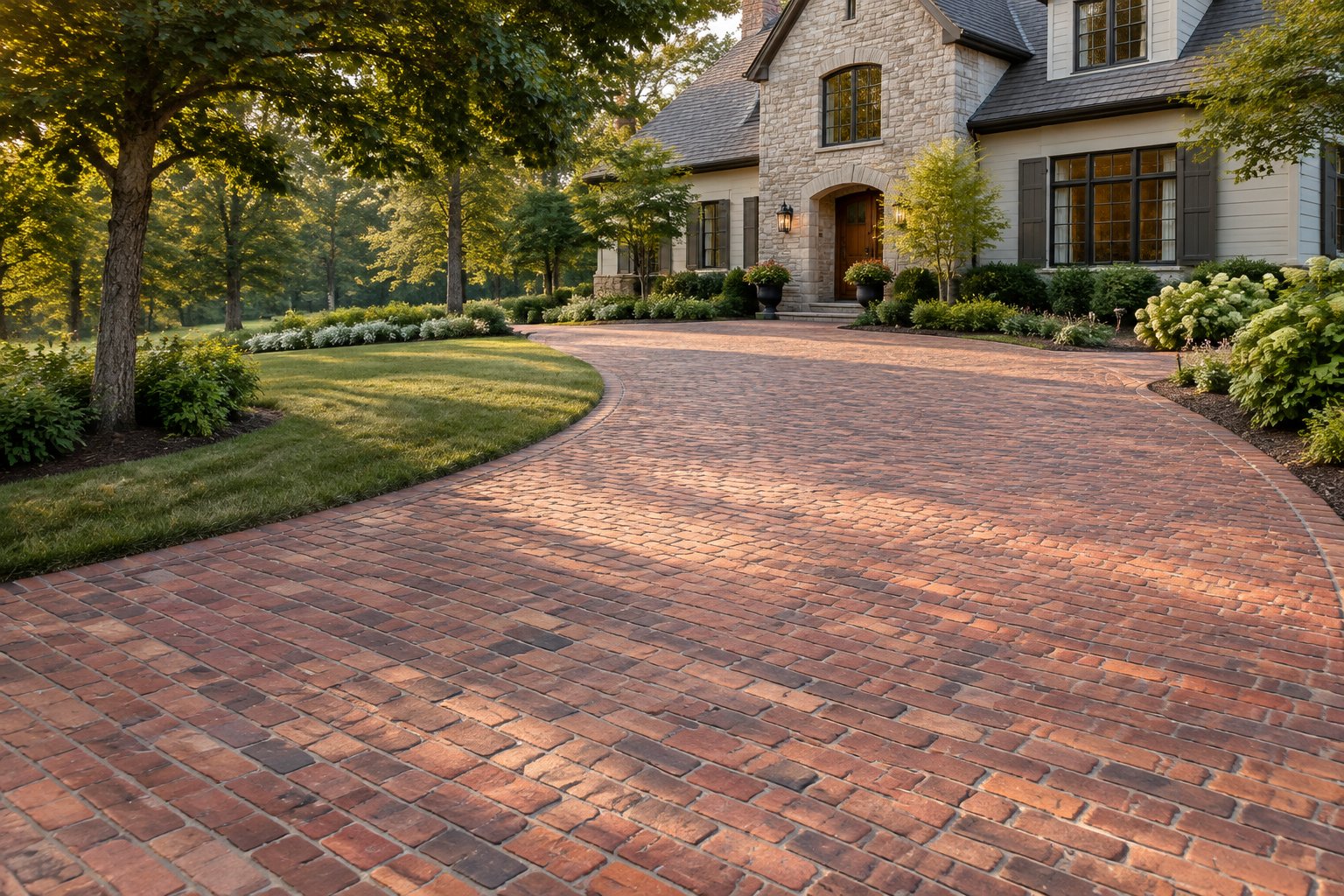
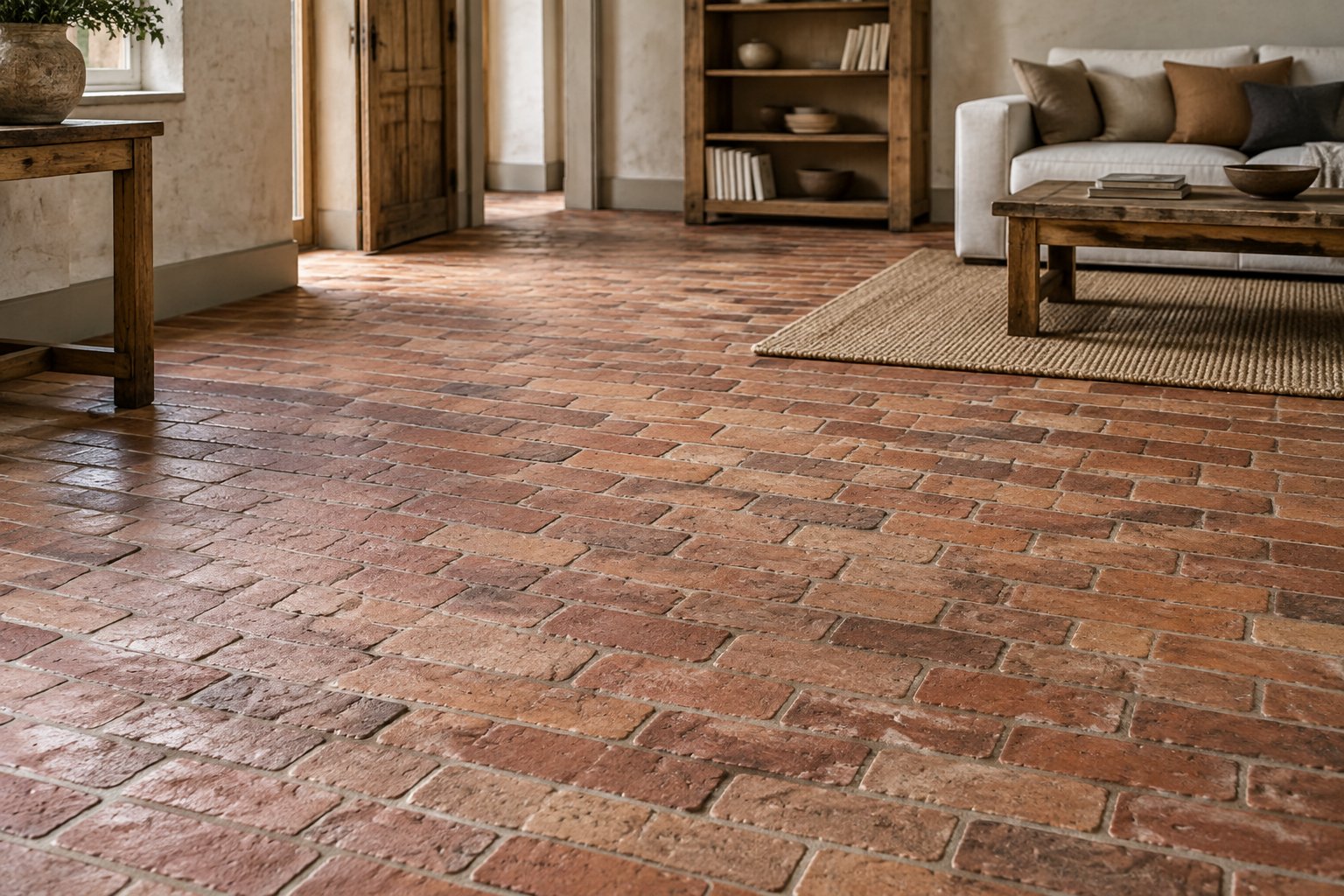
Antique pavers and granite cobblestone are distinct products suited to horizontal applications. Antique pavers, typically reclaimed from streets or factory floors, bring surface texture and color that plain concrete or modern pavers cannot replicate.
Granite cobblestone is denser and harder, better suited to heavy vehicle traffic. Both options benefit from reclaimed brick paver guidance that addresses drainage slope, base preparation, and joint sand selection.
What Holds Up Well Over Time
Reclaimed brick has an inherent credibility advantage: the material you are installing has already lasted for 80 to 150 years in a prior structure. That record tells you something about durability that a manufacturer's specification sheet cannot.
Why Older Brick Often Outlasts Newer Alternatives
Pre-industrial bricks were made from local clays and fired in ways that varied by region and time period. Many of those bricks are denser and harder than modern alternatives because the slow, high-heat firing processes used historically produced tighter molecular bonding.
Research suggests brick structures can remain serviceable for 100 to 500 years under good conditions. Salvaged brick that has already survived a century of thermal cycling has demonstrated that potential.
The benefits of sourcing authentic reclaimed brick include not just aesthetic character but also documented material resilience.
Freeze-Thaw, Moisture, and Installation Considerations
Older brick is more porous than modern brick in many cases, which creates vulnerability to freeze-thaw cycles if water is allowed to penetrate the surface and then freeze. This is especially relevant in climates with hard winters.
Proper flashing, capstone detail, and weep hole placement prevent water infiltration at the most vulnerable points. Mortar selection matters too: lime-based mortar is softer and more flexible than Portland cement mortar, which is the appropriate match for reclaimed material because it allows for slight movement without cracking the brick face.
Cleaning, Repairs, and Blending Old With New
Matching reclaimed brick for repairs is harder than it sounds. Even within a single lot, color variation exists. When adding to an existing reclaimed brick exterior, bring a sample of the original material to your supplier and compare it under natural light. Most experienced suppliers can help you find a compatible blend.
Cleaning salvaged brick surfaces calls for low-pressure washing and appropriate masonry cleaners. Aggressive acid washes or high-pressure blasting can damage the surface patina that gives reclaimed material its appeal.
Cost, Supply, and Project Planning
Pricing and availability for reclaimed bricks behave differently than they do for manufactured materials. Understanding those differences up front prevents budget surprises.
Pricing Factors That Change From One Batch to Another
The price of vintage bricks and antique bricks shifts based on source, grade, cleaning requirements, and regional demand. A well-cleaned, graded lot of face brick from a documented historic building will cost more than an unsorted batch from a generic demolition site.
Delivery distance adds to the final number. As a general range, reclaimed brick materials and labor for bricking a home can push total construction costs considerably higher than standard siding, though the longevity and resale value typically justify the investment.
Cost Factor
What Drives It
Brick grade
Face condition, dimensional consistency
Source documentation
A named building or region adds value
Cleaning and sorting
Pre-cleaned lots cost more upfront
Volume per project
Larger orders may reduce per-unit cost
Delivery distance
Regional sourcing reduces freight
Why Inventory Access Matters More Than Most Homeowners Expect
One of the biggest challenges with a reclaimed brick house is not choosing the material. It is securing enough matching inventory before the lot disappears.
Unlike manufactured brick, reclaimed material cannot simply be reordered from a production line once supply runs out. That makes early planning and supplier communication far more important than many homeowners initially realize.
The U.S. Environmental Protection Agency (EPA) notes that construction and demolition materials make up one of the largest waste streams in the country. Reclaimed masonry availability varies due to salvage source limitations, affected by demolition, recovery, and regional demand.
This becomes even more important on large exterior projects where color consistency affects the entire visual outcome of the home. Mixing unrelated reclaimed lots midway through construction can create noticeable variation in tone, texture, and weathering.
Ordering Enough Material and Allowing for Waste
For full exterior applications, ordering 10 to 15 percent more material than your calculated need is standard practice. Cuts, breakage, and sorting out low-grade units all reduce your usable count. With reclaimed bricks, there is no reordering from a production line. What you order from a specific lot is what exists.
A detailed material estimate, based on wall square footage and brick dimensions, is worth having before you commit to a supplier.
Working With Limited Inventory and Custom Blends
When a single lot cannot supply your full project, suppliers experienced with reclaimed materials can help you assemble compatible blends. This requires comparing color range, surface texture, and approximate age compatibility across batches. The reclaimed brick cost explained resource breaks down how these sourcing decisions affect final pricing in practical terms.
- Confirm total square footage before contacting suppliers.
- Request photos of the full lot spread under natural light.
- Ask about the per-unit and per-pallet pricing breakdown.s
- Clarify whether sorting, cleaning, and delivery are included
- Order your full quantity from one lot when possible.
Frequently Asked Questions
Is reclaimed brick structurally sound enough for a full exterior, or does porosity become a real problem?
Porosity varies significantly across reclaimed brick lots. Older bricks fired from dense clays in high-heat kilns are often less porous than their appearance suggests, and compression testing confirms many reclaimed units meet or exceed modern building code strength requirements.
The risk comes when porous material is installed without proper moisture management details. Correct flashing, appropriate mortar selection, and adequate waterproofing at wall penetrations address the freeze-thaw vulnerability that porous brick can create, particularly in colder climates.
How closely can you match reclaimed brick when you need to expand or repair an existing reclaimed brick exterior?
Matching is possible but requires effort. The same demolition lot is the most reliable source, which is why ordering surplus material upfront is worth the extra cost. Experienced suppliers who work with reclaimed material regularly can often find compatible batches by comparing color range, surface finish, and approximate manufacturing era.
Bringing a physical sample to your supplier and reviewing it under direct natural light rather than indoor lighting gives you the most accurate read on how well two batches will blend. Small differences in tone often become invisible after weathering.
What makes a reclaimed brick house different from one built with new brick designed to look old?
Manufactured aged-appearance brick is made to suggest history without having any. The color is applied or fired to imitate wear, the dimensions are standardized, and the surface texture is consistent in a way that genuine antique bricks never are. The result can look plausible at a distance but lacks the variation that gives reclaimed material its depth.
A home built with authentic reclaimed brick for historic character carries a material record that manufactured imitation cannot replicate. Over time, as the wall weathers further, authentic reclaimed brick continues to develop in a way that artificial aging treatments do not.
Can you combine reclaimed brick with other reclaimed materials like stone or wood without the result looking mismatched?
Combining materials well comes down to restraint and palette. Reclaimed stone and reclaimed brick coexist naturally when they share a similar color temperature, warm tones together or cool tones together, without mixing the two registers in equal proportions. Reclaimed wood, used for trim, beams, or soffits, connects the two masonry materials visually when its tone bridges between them.
The reclaimed stone installation guide addresses how to plan substrate and setting details when stone and brick appear on the same structure. Letting one material dominate, and the others support it, is the clearest way to avoid a result that looks assembled rather than composed.
Building A Home That Feels Established From Day One
A reclaimed brick house creates a sense of permanence that newer materials rarely match. The variation in color, texture, and weathered surface character gives the home depth immediately, instead of waiting decades for artificial aging to soften a brand-new exterior. Whether used for full masonry walls, thin brick interiors, or reclaimed paver walkways, the material carries real architectural history into the finished space.
The most successful reclaimed brick homes come from careful planning long before installation begins. Material sourcing, lot consistency, mortar selection, and moisture management all shape how the house will perform and look over time. With the right reclaimed brick and the right supplier, the result is a home that feels rooted, durable, and timeless from the moment it is completed.
For homeowners, builders, and architects searching for authentic reclaimed masonry, New Orleans Brick & Stone supplies reclaimed brick and stone sourced from century-old structures with meaningful inventory ready to ship nationwide within 48 hours. That combination of heritage materials, dependable inventory, and hands-on service helps create homes designed to age beautifully for generations.