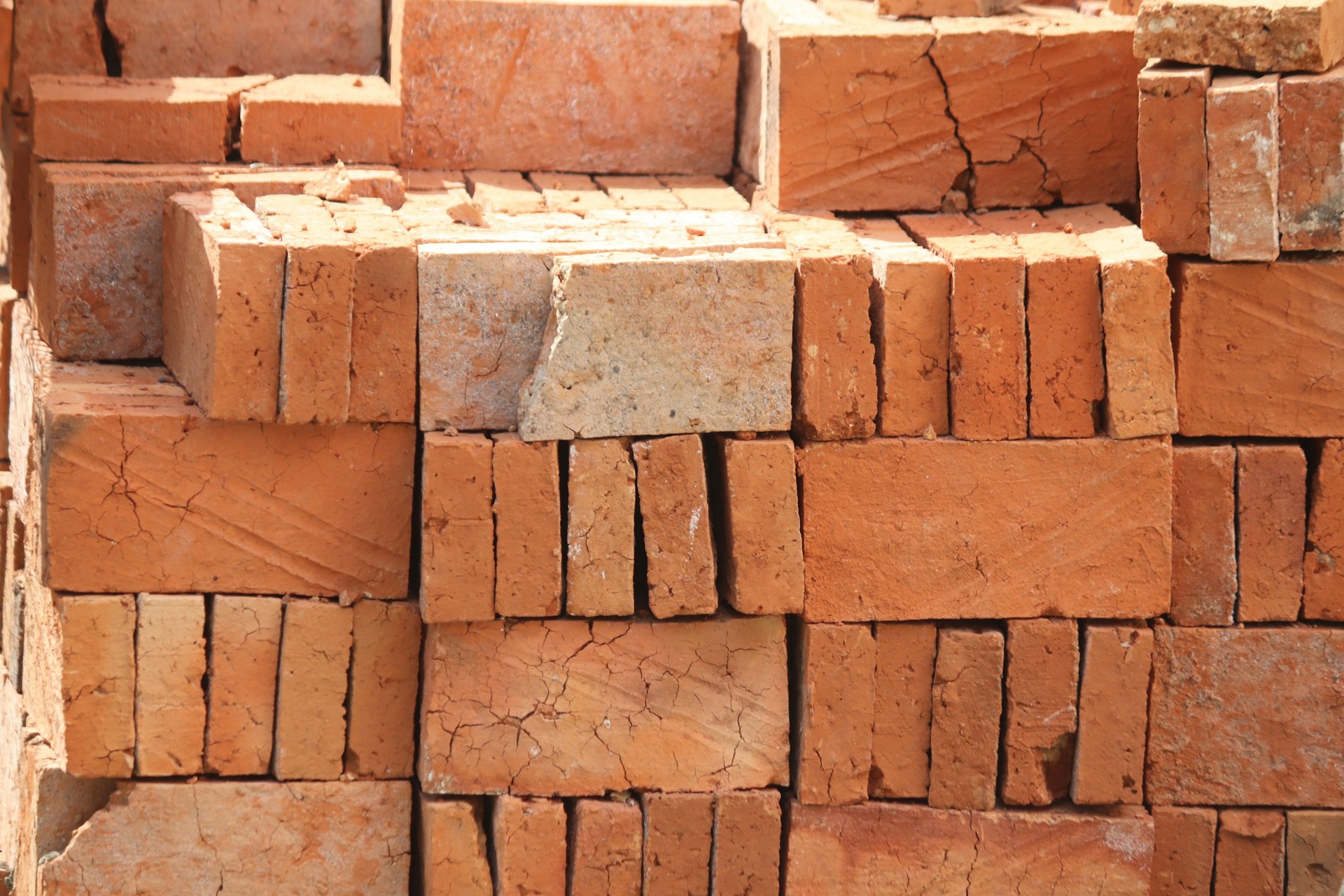
Reclaimed thin bricks have something that new materials just can’t fake: genuine history. Their worn faces, shifting colors, and those not-quite-perfect edges come from decades of real exposure, not some factory’s attempt at “distressed.”
If you want authentic texture for your walls, a backsplash, or even the floor—but don’t want the hassle or cost of full masonry—thin-cut reclaimed veneer is a practical, visually honest way to get there.
It’s not just about looks—these bricks have already proven their durability, right on their surfaces. New Orleans Brick & Stone, for example, sources genuine reclaimed brick and slices it into thin veneer pieces, so you get that same patina in places where solid brick just isn’t possible or makes no sense.
Not sure where to start? From picking the right regional style to checking quality before you order, let’s run through what you’ll want to know to use reclaimed thin brick well, whether you’re working inside or out.
Why Real Old Brick Looks Different From New Veneer
Salvaged brick has a surface quality that only comes from age, weather, and how it was originally fired. You just can’t replicate that with new products, no matter how much they try. Once you know what to look for, the difference between true reclaimed material and new “distressed” brick stands out.
The Character You Only Get From Salvaged Surfaces
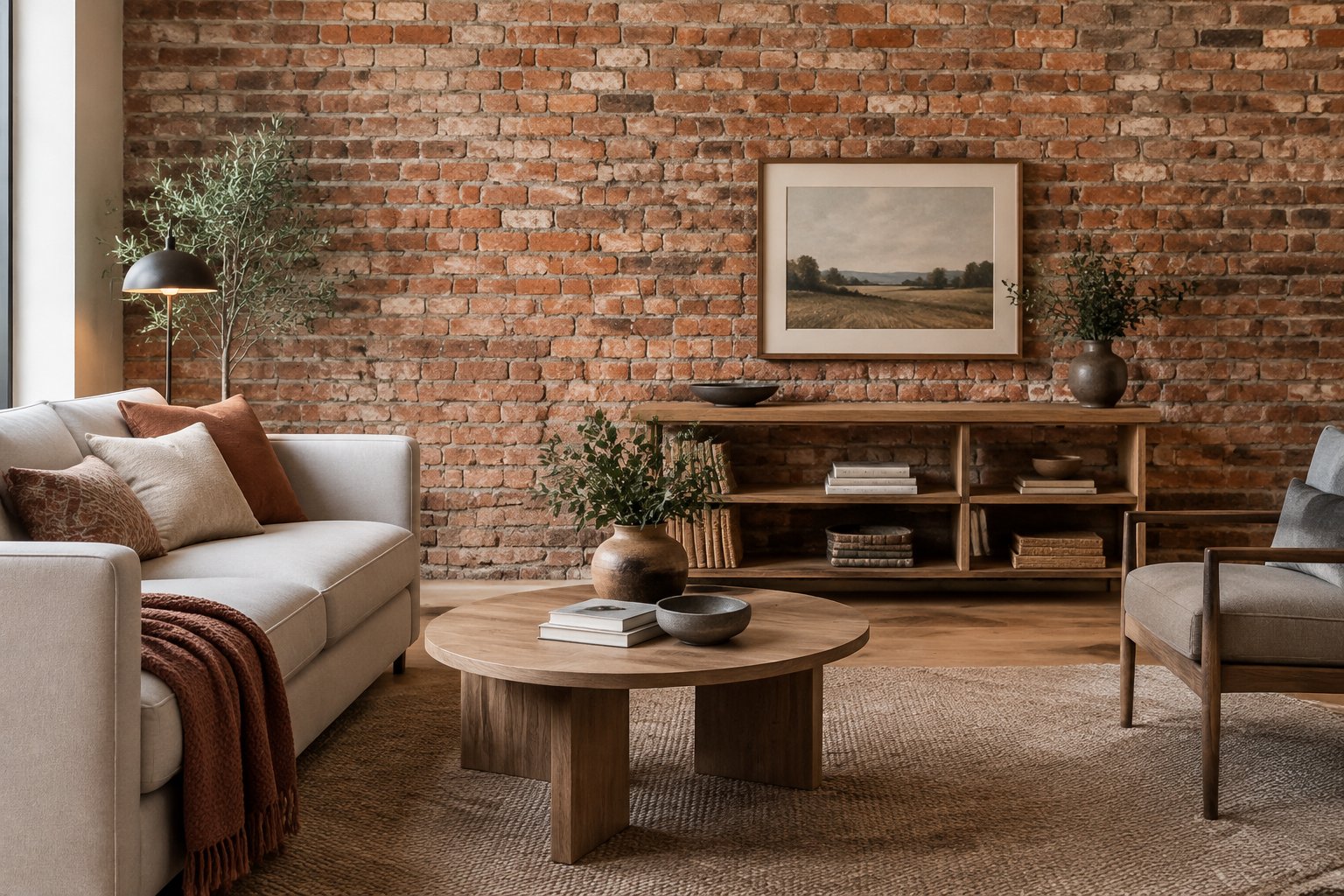
Reclaimed brick gets its look from decades of weather, smoke, and movement. The color variation goes deep—it's not just a surface glaze or some painted finish. You’ll notice tonal shifts from one brick to the next, subtle pitting, and edges worn by real use.
Manufacturers might tumble, wire-cut, or treat new bricks to fake age, but the distressing always looks too even. Real salvaged brick is inconsistent in all the right ways, and that’s what makes a finished wall feel authentic. You just can’t fake that kind of randomness.
How Antique Brick, Vintage Brick, and Used Brick Differ in Practice
People use these terms interchangeably, but they do mean slightly different things. Antique brick usually comes from pre-1900 buildings, often handmade and fired in small batches. Vintage brick covers early to mid-20th century—machine-made but still quirky in size and color. Used brick is the catch-all and could be from any era.
What really matters is where the brick came from, what kind of clay they used, and how it was fired. Antique brick from a 19th-century mill acts differently than mid-century industrial brick, and both look and feel different from anything new.
Why Red Clay Brick Ages the Way It Does
Red clay brick gets its color from iron oxide in the clay, and over time, that color deepens and shifts with exposure to sun, heat, and moisture. Older red bricks were fired at lower, less consistent temperatures, so you get variation in hardness and color even within a single batch. That’s exactly what gives salvaged red clay brick its warmth and depth.
Where Reclaimed Material Comes From and How It Is Processed
Reclaimed brick veneer starts as full bricks removed from demolished or deconstructed buildings. Where the brick comes from and what kind of building it was in both affect how it’ll look and perform.
Brick Salvage From Mills, Schools, Factories, and Homes
Most of the best reclaimed bricks come from a pretty narrow range of places: old textile mills, warehouses, schools, churches, and older homes. These buildings were built to last, using dense, well-fired brick that’s survived for a century or more.
Bricks from these sources usually have consistent body hardness and interesting surface variation. Factory brick might have residue from industrial use, while mill brick often has a deep, rich color from the original kiln. Each source leaves its own signature on the finished surface.
How Reclaimed Bricks Become Thin-Cut Pieces
After salvage crews remove the bricks and clean off most of the old mortar, they grade them for quality. Then, they slice the bricks into thin veneer pieces, usually about half an inch to five-eighths of an inch thick. This keeps the original face—the part with all the character—while making it light enough for walls and floors that can’t handle full masonry.
You get a piece that weighs a fraction of a full brick but still has that authentic surface. That’s what makes reclaimed thin brick veneer so practical for interior remodels where you can’t (or don’t want to) support the weight of real brick.
What to Expect From Variation in Size, Color, and Edges
Don’t expect reclaimed thin brick to be perfectly uniform like tile. You’ll see small differences in length and width, some chipped edges, and a color range that shifts across the batch. This is normal, and it’s a big reason the finished installation looks real instead of manufactured.
Work with a supplier who’s upfront about how much variation to expect in your batch. If you want to see what authentic material looks like, check out the benefits of sourcing reclaimed brick from a reputable dealer.
Best Places to Use It in a Home or Commercial Space
Thin brick veneer fits anywhere you want real brick texture without the hassle of full masonry. The lighter weight and thinner profile make it work with all kinds of substrates and installation methods.
Feature Walls, Fireplaces, and Backsplashes
One reclaimed brick veneer wall in a living room, dining space, or commercial lobby can create a focal point without taking over the whole room. Fireplaces are another great spot—this material is naturally fire-resistant, so you get both practical and visual warmth.
Kitchen backsplashes are getting more popular with thin brick, too. Seal the surface with the right product, and it’ll stand up to heat and moisture. For backsplashes, lighter-colored mortar and tighter joints usually look and perform better in kitchens than dark, wide joints.
Floors, Entries, and Other High-Character Surfaces
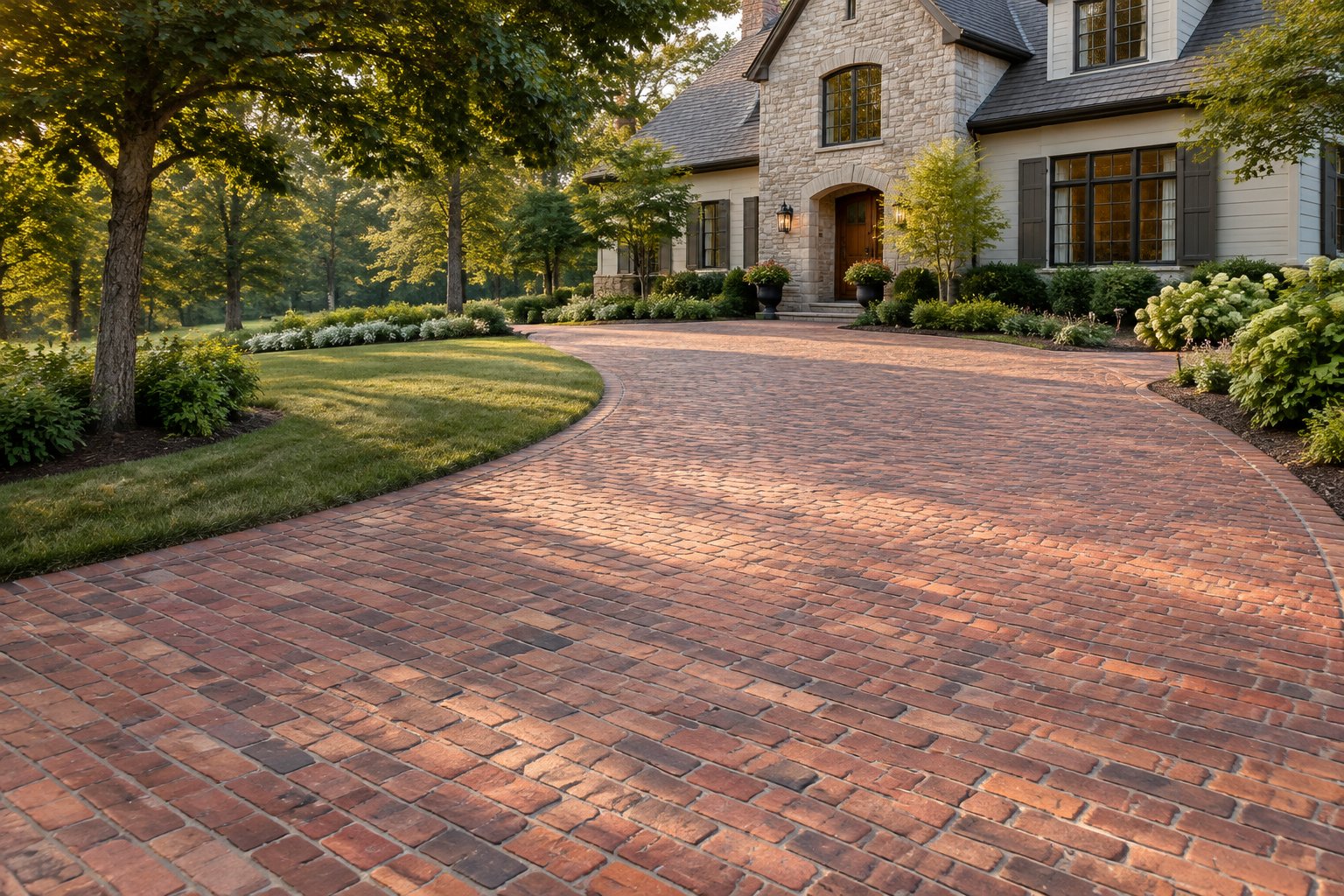
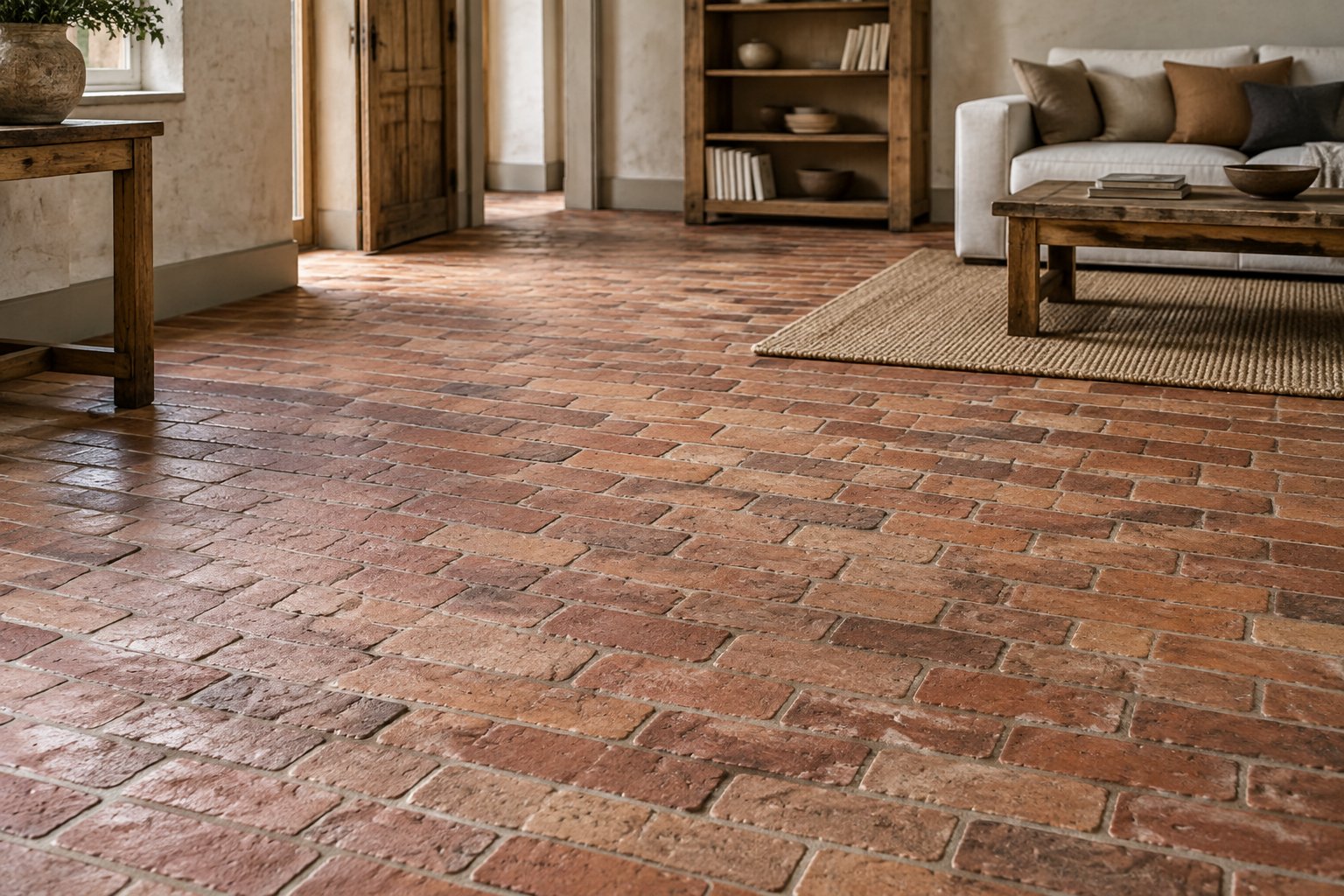
Reclaimed brick flooring is a bit more demanding, but thin-cut pieces work well in lower-traffic areas and residential entries. You’ll need to seal it properly and set it on a stable, level substrate to avoid cracking.
Entries, mudrooms, and covered porches are ideal. The worn, earthy surface hides scuffs and dirt much better than polished hard surfaces and actually looks better as it ages with foot traffic.
When Wall Veneer Makes More Sense Than Full Brick
Full brick construction needs a foundation that can handle the weight, and it’s usually built in from the start. Wall veneer solves the problem of adding brick character to an existing space, with no structural changes required. You can put it over drywall, concrete block, or lots of existing surfaces if you install it right.
For renovations, commercial interiors, and most home remodels, thin brick veneer is almost always the more realistic choice.
Choosing the Right Look for the Project
Regional brick styles, mortar color, joint width, and layout all affect how your finished space feels. Spend a little time thinking through these choices before you order. It’ll save you headaches later.
Why Reclaimed Thin Brick Continues To Influence Timeless Architecture
The appeal of reclaimed thin brick goes beyond trends because it connects modern projects to architectural traditions that have lasted for generations.
Designers inspired by Southern architecture, especially the work of A. Hays Town often uses reclaimed masonry to create homes that feel layered, grounded, and naturally lived-in from day one. The texture, imperfect edges, and aged color variation give spaces a sense of permanence that new materials rarely achieve.
Historic preservation experts also continue to emphasize the value of reusing older building materials instead of replacing them outright. The National Trust for Historic Preservation explains that building reuse helps preserve embodied carbon while maintaining the craftsmanship and authenticity found in historic structures.
That same philosophy carries into reclaimed thin brick veneer, where original materials are adapted for modern interiors, fireplaces, kitchens, and commercial spaces without losing their historic soul.
Old Chicago Brick and Other Regional Styles
Regional brick identity is a real thing—it comes from local clay and how people made bricks in that area. Old Chicago brick is one of the most recognizable in the U.S., with warm reds, soft pinks, and the occasional tan or cream. It’s flexible and works in both traditional and modern spaces.
Other regions have their own looks. St. Louis brick leans toward deeper, richer reds with a harder body. New England mill brick is usually a darker, more uniform red. Knowing where your brick comes from helps you predict how it’ll look once it’s installed.
When Antique Thin Brick Veneer Fits the Design Better
Not every project calls for the most worn-out, heavily patinaed brick. Sometimes, antique thin brick veneer with lighter texture and tumbled edges fits better, especially if you want a historic vibe that’s not too industrial or rough.
Early to mid-century brick might suit farmhouse, transitional, or modern-rustic interiors better than rough salvage from a 19th-century factory. The trick is matching the material’s intensity to the overall tone of your space.
Matching Mortar, Joint Width, and Layout to the Space
Mortar color can totally change the look of a brick wall, but people often overlook it. White or light gray mortar opens up the wall and gives a more contemporary feel. Dark or tan mortar recedes, making the brick itself stand out.
Joint width matters too. Tight joints feel denser and more refined. Wide joints with textured mortar feel rustic and traditional. Running bond is the go-to layout and works almost everywhere. Stack bond looks more modern and fits best in commercial or minimalist spaces.
Variable
Contemporary Feel
Traditional Feel
Mortar color
White or light gray
Tan, buff, or dark gray
Joint width
3/8 inch or less
1/2 inch or more
Layout pattern
Stack bond or running bond
Running bond or Flemish bond
Brick style
Tumbled antique or soft reds
Heavy patina mill or factory brick
What to Check Before You Buy
Buying reclaimed material without checking quality can lead to installation headaches or a finished project that just doesn’t look right. A few things are worth double-checking before you commit.
Condition, Cleaning, and Remaining Mortar
Good reclaimed brick veneer should arrive with most of the old mortar gone from the faces. Some residue on the edges or backs is normal and won’t affect installation. Avoid bricks with heavy mortar stuck to the face—it’s tough to clean and messes up adhesion.
Ask your supplier if they hand-clean or machine-process their material. Hand-cleaned bricks usually have better face quality but might cost a bit more per square foot.
Coverage, Corners, and Ordering Enough Material
- Measure your square footage, then add 10–15% for cuts, waste, and any breakage during shipping.
- If your project has outside corners, order corner pieces separately; mitered or pre-formed corners hide cut edges.
- Make sure the batch you’re ordering will cover your whole project. Color can vary a lot between batches, and you want a consistent look.
Thin brick sometimes gets damaged in shipping. Good suppliers include extra pieces to cover this. Ask about their policy before you order. If you want to know what affects pricing, check out how the cost of reclaimed brick is structured.
Interior vs Exterior Use and Climate Limits
Not all reclaimed thin brick can handle exterior use in freeze-thaw climates. Softer, older brick originally used inside might not survive repeated freezing and thawing on an outside wall or walkway. If you’re planning to use it outdoors in a cold climate, ask your supplier about freeze-thaw performance.
For inside projects, you have a lot more flexibility. Most well-sourced reclaimed veneer works fine for interiors if you install it right.
Sourcing Options, Samples, and Specialty Formats
Finding the right supplier is just as important as picking the right brick. How you source your material affects quality, consistency, and the kind of support you get during your project.
Salvage Yards, Specialty Suppliers, and Direct Dealers
Local salvage yards let you handpick material and see it up close, which is great if you like to dig through piles. The catch? Inventory is hit-or-miss, and you almost never find thin-cut veneer ready to go.
Specialty suppliers focused on authentic reclaimed masonry process, grade, and cut their material to consistent specs. They’ll send samples, confirm batch size, and help with installation advice. For design-driven projects, this is the most reliable way to go.
When Reclaimed Brick Veneer Is Easier to Ship and Install
Full salvaged brick is heavy and expensive to ship. Thin veneer weighs a lot less, so you can get regional materials like St. Louis reds or specialty formats shipped nationwide without breaking the bank.
Thinner pieces install more like tile than traditional masonry, which cuts down on labor time and opens up the material to more installers. If your crew knows tile but not brick, veneer is definitely the easier route.
Considering Antique Brick Pavers for Adjacent Spaces
If you’re doing both wall veneer and a floor, using antique brick pavers from the same source helps everything look intentional, not mismatched. Sourcing both from the same batch or product family keeps the tones and surface character consistent.
This works especially well in entries, kitchens, and commercial spaces where walls and floors are visible together.
Frequently Asked Questions
Does thin brick veneer from reclaimed sources perform the same outdoors as it does indoors?
Not always. Reclaimed thin brick cut from softer antique brick might not survive freeze-thaw cycles in cold climates when used outside on walls or ground-level surfaces. Indoors, you’re almost always fine if you source the material well. Before using reclaimed veneer outdoors in a cold climate, double-check the brick’s hardness rating and firing temperature with your supplier.
How much variation should I expect across a single order of reclaimed thin brick?
If you’re working with New Orleans Brick & Stone, you’ll notice more variation than with brand-new tile, but it’s usually not overwhelming. Good suppliers sort and batch their bricks so you won’t get wild differences in color or size within one order. Expect a mix of related shades, not one flat color. Some bricks might be a bit longer or have rougher edges than others, and that’s just part of the charm. If you’re aiming for a super uniform look, you might want to ask your supplier for some photos of a typical batch before you decide. That way, you know exactly what you’re getting into.
Can I mix thin brick veneer with full-depth salvaged brick in the same project?
Absolutely, you can mix them—and honestly, people do it all the time, especially when they want both interior accent walls and exterior foundation details to match up. The trick is to get your bricks from the same region and era. That keeps the color and surface texture in sync, so nothing looks out of place. The difference in thickness? That’s more about how you install them, not the brick itself. If you’ve got a mason who’s worked with both types, they’ll know how to make that transition look clean and intentional.
Is there a meaningful difference between a brick slip and a reclaimed thin brick veneer panel?
New Orleans Brick & Stone offers lots of options, but let’s clear up this brick slip vs. panel thing. A brick slip is just a single slice cut from a full brick, and you stick each one on the wall—usually with mortar or sometimes adhesive, depending on your mood or the job. Meanwhile, a reclaimed thin brick veneer panel comes pre-assembled. The slips are already attached to a mesh or some kind of backing, so you can slap up big sections at once.
Panels really speed up installation, and you get that nice, even spacing without thinking too hard. But if you’re after that charming, wonky, lived-in vibe, laying individual slips gives you way more control. You can play with the layout, mess with the joints, and really lean into the quirks that make reclaimed material so interesting. If you want that handmade, one-of-a-kind surface, you’ll probably be happier working with individual pieces—just be ready for a bit more effort.
Bringing Authentic Character Into Modern Spaces
Reclaimed thin brick offers something that manufactured alternatives struggle to replicate: real history shaped by time, weather, and craftsmanship. Whether it’s a kitchen backsplash, a fireplace surround, or a commercial feature wall, reclaimed thin brick creates depth and warmth that immediately make a space feel established and intentional.
For builders, architects, and homeowners alike, the material delivers both visual authenticity and practical flexibility without the weight and complexity of full masonry construction.
The right reclaimed brick also helps connect modern projects to architectural traditions that still resonate today. From Old Chicago brick to soft red antique veneer, every surface carries the character of the structures it once belonged to.
Combined with thoughtful mortar selection, proper installation, and quality sourcing, reclaimed thin brick becomes more than a finish material—it becomes part of the story of the space itself.
For projects that value heritage, durability, and immediate availability, New Orleans Brick & Stone continues to supply authentic reclaimed brick and stone sourced from century-old structures and shipped nationwide within 48 hours.
That combination of craftsmanship, service, and real reclaimed inventory helps builders and homeowners create spaces that feel timeless from the start.