You want a home that feels lived-in, elegant, and built to last. Aged brick brings a quiet sense of history into a space, adding depth, texture, and warmth that newly manufactured materials rarely achieve. When you choose authentic reclaimed brick, you are not just selecting a building material. You are bringing forward a story shaped by time, weather, and craftsmanship.
For luxury homes, that sense of authenticity matters. It softens modern lines, grounds expansive designs, and creates spaces that feel established rather than newly constructed. With ready-to-ship inventory from New Orleans Brick & Stone, builders and homeowners can move forward without long delays, keeping projects on track while still achieving a truly timeless look.
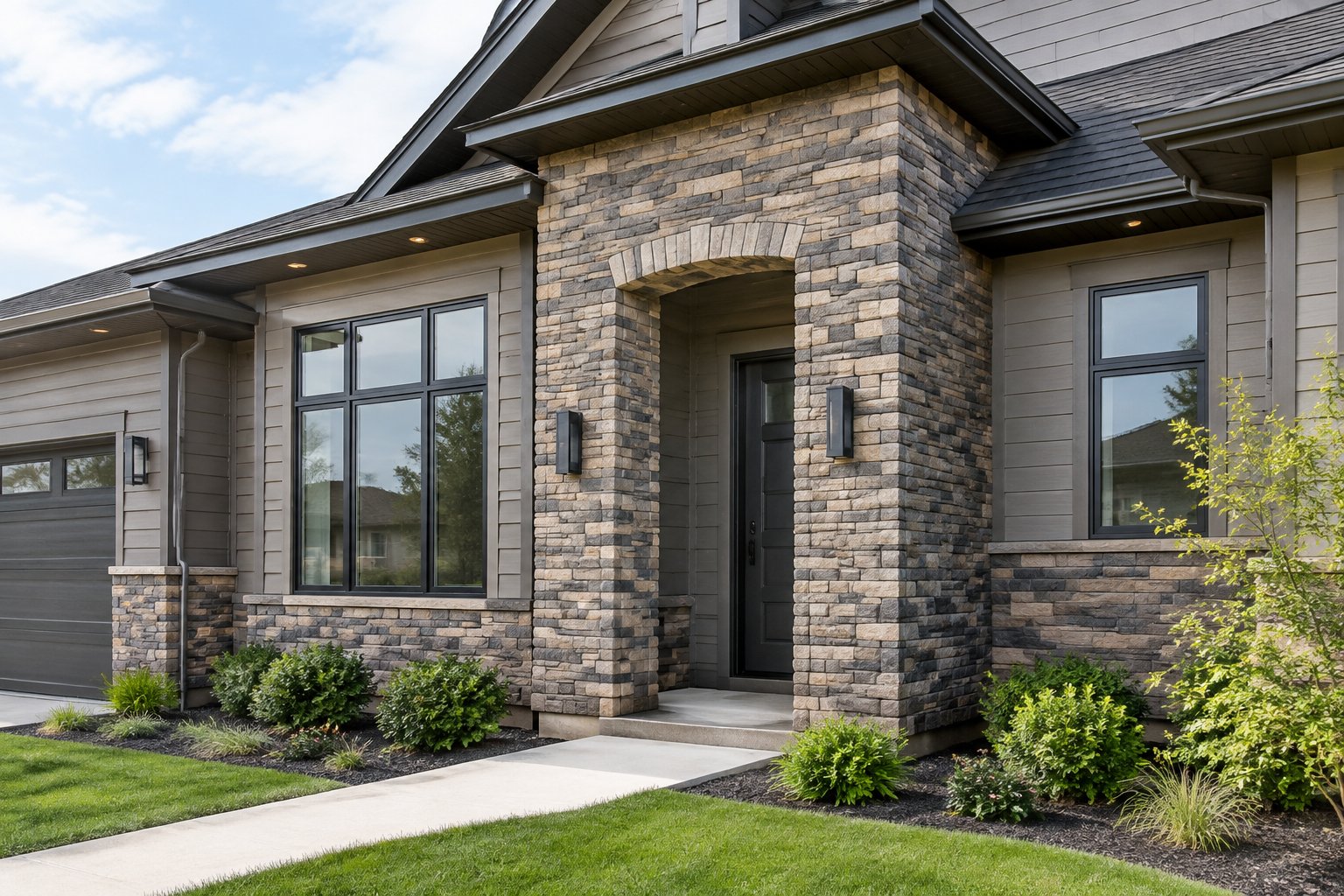
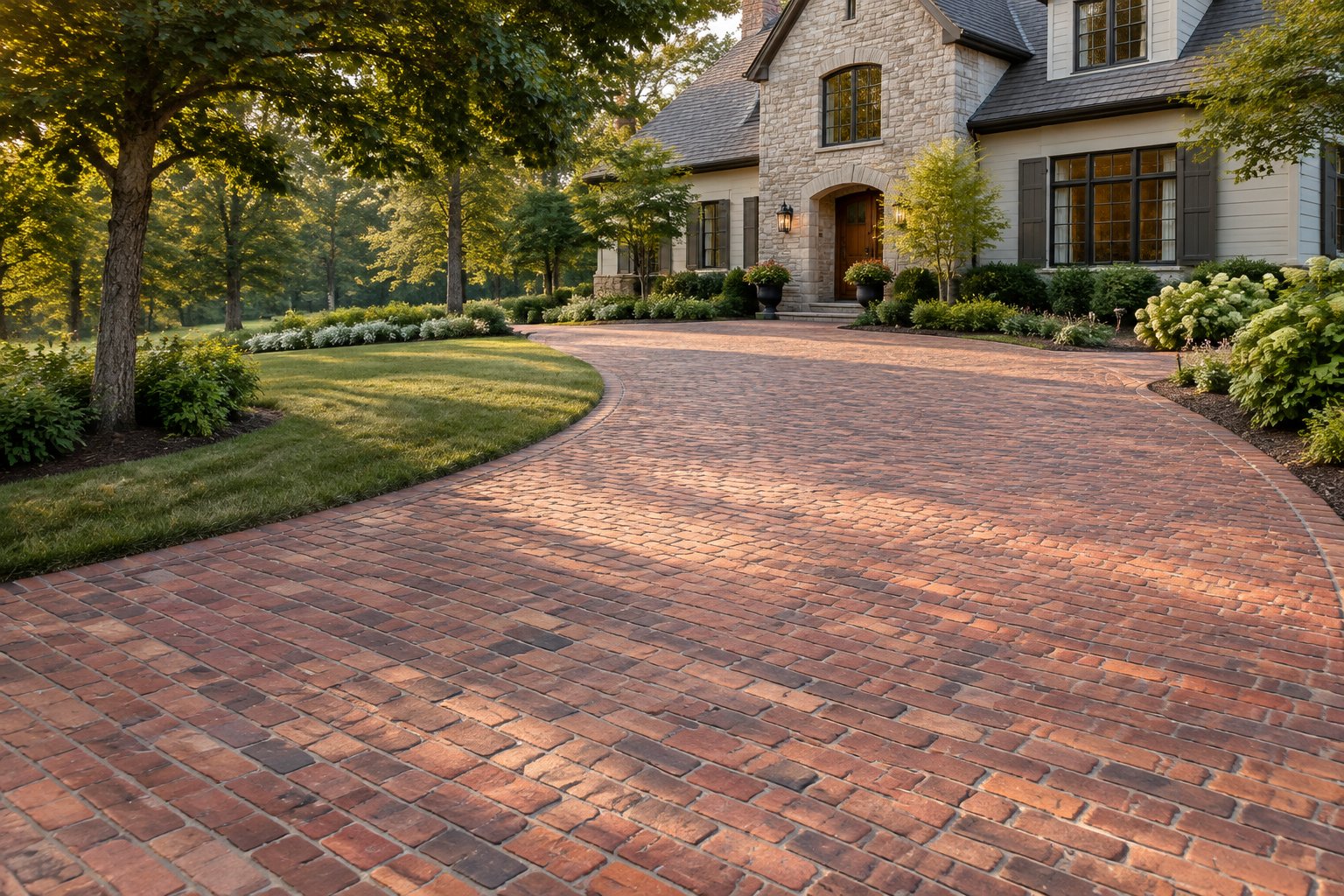
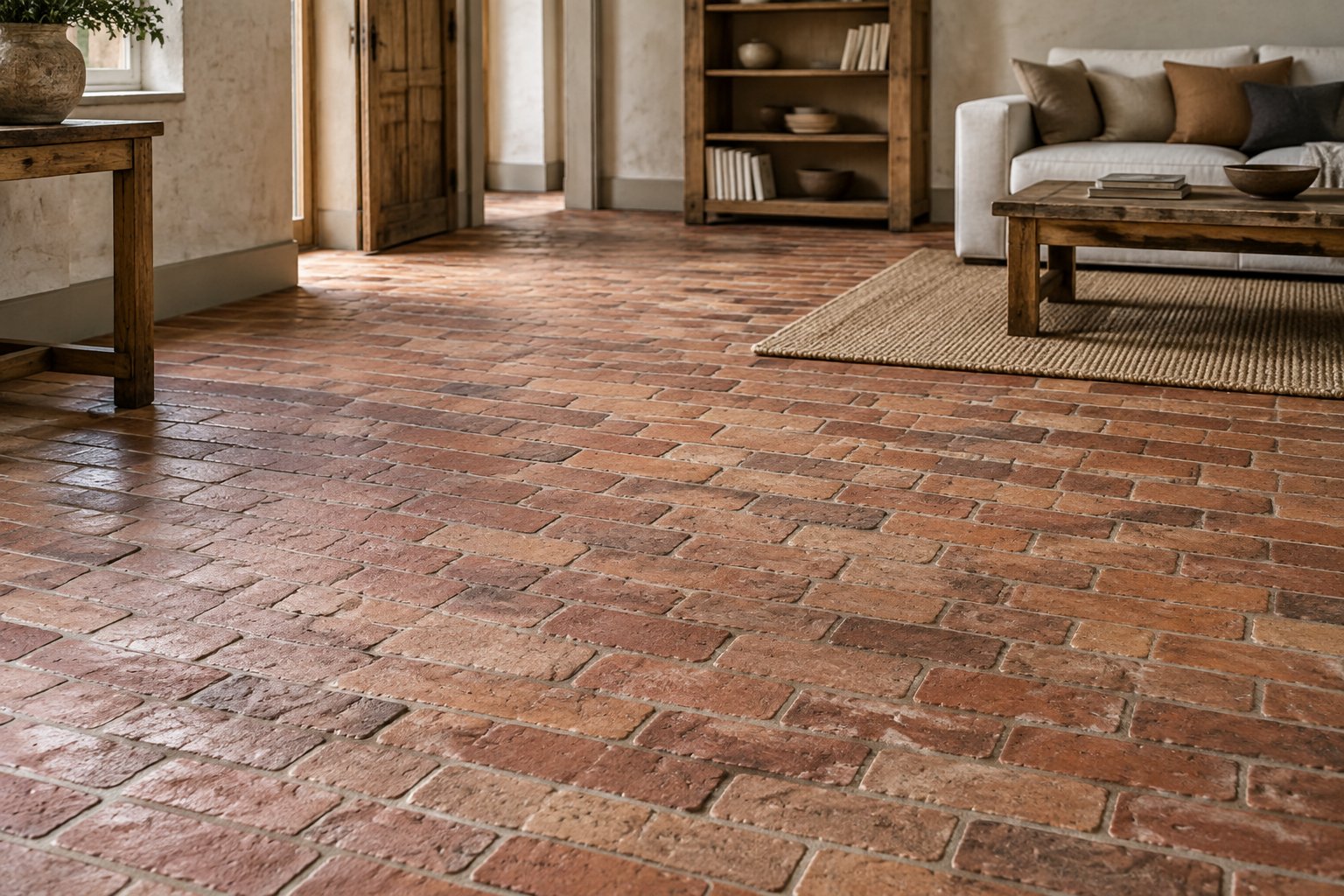
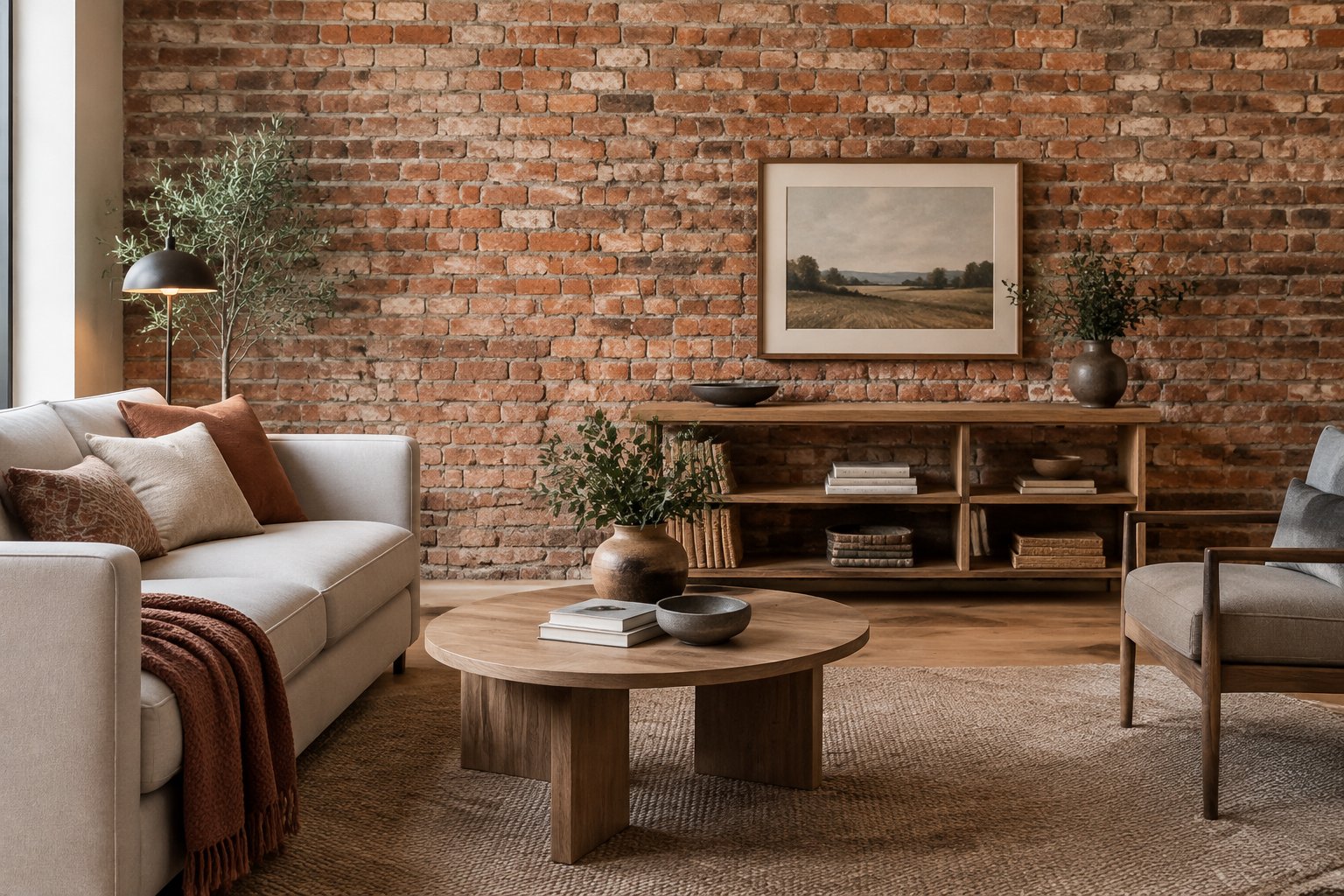
Picture exterior facades with natural variation and subtle imperfections that catch the light just right. Inside, exposed brick walls create warmth and contrast against clean finishes. Outdoors, patios and walkways echo classic Southern and Mediterranean influences while still feeling refined and current.
In the sections ahead, we will explore what defines aged brick, why it works so beautifully in high-end homes, how to recognize truly reclaimed materials, and practical guidance for installation and care so your finished project feels authentic, enduring, and thoughtfully crafted.
Aged Brick for Luxury Residences
Aged brick gives luxury homes a crafted, lived-in look while still meeting modern needs. You get real texture, deep color, and solid strength—qualities that new bricks just can’t fake.
Aged brick usually comes from older buildings or gets artificially aged to mimic that historic patina. You’ll notice surface wear, color variation, and subtle mortar marks—little signs of decades of use. Most of these bricks come from structures over 100 years old, so they’ve already proven their durability. That means they’ll hold up on facades, fireplaces, or even busy floors. If you’re choosing aged brick, look for cleaned, tested pieces. Good suppliers test for compressive strength and freeze-thaw resistance, so you know your finish is both beautiful and safe.
Types of Aged Brick
You’ll find fully reclaimed antique brick, hand-selected salvaged pieces, or new bricks with a reclaimed look. Reclaimed antique brick shows heavy wear, irregular edges, and deep color variation. Hand-selected salvaged brick offers character with a bit more consistency—great for matching renovations. Manufactured aged brick gives uniform sizing and color, but still copies the look of genuine patina. Materials run the gamut: full-thickness bricks, thin brick veneer, and pavers. Pick what suits your project—veneers for interior walls, full bricks for exteriors, pavers for patios and walkways.
Aged Brick Versus New Brick
Aged brick brings texture and historic color that new brick just can’t reproduce. You get visual depth from years of weathering, plus those little imperfections that make spaces feel one-of-a-kind. New brick’s got its place—tighter tolerances, uniform color, often a lower price. It’s easier to match across big areas but lacks the authentic surface variation of reclaimed pieces. For luxury homes, designers often mix both: reclaimed brick on focal points, new brick where you need consistency or specific structural standards. New Orleans Brick & Stone can hand-select reclaimed pieces to help you match historic character and still keep lead times short.
Why Use Aged Brick in Luxury Homes
Aged brick brings deep color, unique texture, and proven strength to high-end homes. It often raises resale appeal and fits right in with classic or modern designs.
Aesthetic Appeal and Timeless Charm
Aged brick gives your home a look you just can’t get from new materials. Each brick carries its own color variation, chipped edges, and a worn patina that whispers of history. Those details create warmth and visual depth on facades, fireplaces, and interior accent walls.
Try pairing aged brick with dark metal, wood trim, or pale plaster to really let its character pop. Architects use it to anchor entryways, courtyards, and feature walls—so rooms feel lived-in and refined. If you want a house that looks established from day one, reclaimed brick gets you there.
Durability and Strength
Aged brick comes from buildings that have already stood the test of time, proving long-term performance. These bricks were fired in old-school kilns, with dense clay and strong bonds that stand up to weather and wear.
When you specify reclaimed brick, inspect for soundness and have a mason test a sample for absorption and strength. Modern mortars help preserve the brick’s durability and can match or outlast new brick. That makes aged brick a practical pick for exterior walls, chimneys, and high-traffic interiors.
Increased Property Value
Using authentic aged brick can boost the market value of luxury homes. Buyers notice materials that signal quality, history, and craftsmanship. A well-detailed brick façade or restored brick interior stands out in listings and appraisals.
To protect that value, document where your brick comes from and its condition. If you work with New Orleans Brick & Stone, you can reference hand-selected reclaimed materials from century-old structures and get fast shipping to keep your timeline on track. Clear provenance and professional installation help translate the material’s charm into a higher appraisal and stronger buyer interest.
Design Inspirations with Aged Brick
Aged brick brings texture, color, and a sense of history to high-end homes. It creates visual contrast, anchors focal points, and ties new construction to classic craftsmanship.
Modern Luxury Meets Historic Character
Try pairing aged brick with big glass walls and matte black metal for a crisp, upscale vibe. Use a reclaimed brick feature wall behind your living room media center or go for a full exterior facade to give a new build instant patina and presence.
Pick bricks with subtle color variation—deep reds, tans, and soft browns—for warmth that works with wood floors and brass fixtures. Keep mortar tones consistent to avoid visual clutter, and consider thin-brick veneers if weight or budget is a concern.
If you’re working with a supplier like New Orleans Brick & Stone, ask for hand-selected bricks tested for strength and ready to ship. That way, you can stick to your schedule and still get authentic materials.
Popular Room Applications
Kitchen backsplashes love aged brick—it hides wear and, when sealed, cleans up easily. Lay bricks horizontally for a classic look or in a herringbone pattern for something custom behind open shelves.
Fireplaces and hearths get instant character with reclaimed brick. Use a full-height surround to draw the eye up in tall rooms, or a low, horizontal hearth for a more modern, loungey feel.
Outdoor rooms, patios, and pool cabanas take on a lived-in vibe with reclaimed brick paving or accent walls. Match your interior brick tones to exterior finishes for a seamless indoor-outdoor flow.
Customization Options
You can distress, wire-brush, or limewash aged brick to tweak brightness and texture. Distressing softens edges and helps new work blend into older sections during renovations.
Pick brick sizes and joint profiles to set the style: thin joints feel more contemporary, while wider joints lean rustic. For tight budgets, mix reclaimed brick with thin brick or veneers in the most visible areas—you get the look without the full cost.
Check inventory availability and lead times early. Quick shipping and hand-selected batches let you lock in colors and textures before construction ramps up.
Sourcing Authentic Aged Brick
Finding the right aged brick starts with understanding where it comes from, how it has been prepared, and how quickly it can reach your jobsite. The goal is not just to match a look, but to secure materials that carry real history while performing to modern standards.
Reclaimed Brick with Proven Character
The most compelling reclaimed brick comes from structures that have stood for generations. Think century-old homes, churches, mills, and warehouses where each piece has developed natural variation in color, texture, and patina over time. These are qualities that cannot be manufactured or replicated.
At New Orleans Brick & Stone, every brick is hand-selected from historic structures and carefully evaluated before it ever reaches a project. Materials are tested for strength, cleaned of excess mortar, and prepared for immediate use. This attention to detail ensures that what arrives on site is not only beautiful, but dependable.
If you are planning a large build or a detail-driven design, it is worth reviewing samples in advance. Seeing the variation in tone, testing mortar compatibility, and understanding the overall feel of the material helps bring confidence to the final selection. With inventory on hand and nationwide shipping typically within 48 hours, timelines stay intact without sacrificing authenticity.
A Thoughtful Approach to Sustainability
Reclaimed brick is, at its core, a responsible choice. Reusing materials from existing structures reduces the need for new manufacturing, cutting down on energy use and preserving natural resources. It is a way to build with intention while honoring the craftsmanship of the past.
Careful sourcing also means minimizing waste. Materials that cannot be used as full brick can often be repurposed into pavers, veneers, or other applications, extending their life even further. Efficient shipping and ready inventory also help reduce unnecessary transport delays and excess handling.
Choosing reclaimed brick is not just about appearance. It is about building with materials that have already proven their durability, while contributing to a more thoughtful and enduring approach to construction.
Installation Tips for Aged Brick
Think ahead about cleaning, matching mortar, and drainage. Prep the site, pick the right backing and mortar, and decide if you need pros for structural work.
Preparation and Planning
Start by sorting and cleaning the bricks. Get rid of old mortar and loose debris so each brick bonds well. Lay out a sample wall to check color and pattern before you start.
Grade the ground so water drains away from the wall. Use a crushed-stone base for freestanding walls and flashing or a weather-resistant barrier for exteriors. Go with a lime or blended mortar that matches the brick’s porosity and color—stronger cement mortars can crack older bricks.
Measure carefully. Order 10–15% extra bricks for cuts and breakage. Keep labeled samples and photos for matching if you need to reorder.
Professional Versus DIY Installation
You can handle small accent walls or interior veneers if you’ve got basic masonry skills. For load-bearing walls, structural changes, or tall exteriors, hire a mason with reclaimed-brick experience.
A pro will tuckpoint, install proper wall ties, and use the right mortar mix for historic units. They’ll also take care of flashing, weep holes, and substrate prep to prevent moisture damage. Ask for references and photos of past reclaimed-brick work.
If you go DIY, practice on a mockup, follow mortar ratios, and use joint tools for consistent depth. Don’t skip safety gear, scaffolding, and good cutting tools.
Maintenance Considerations
Check mortar joints and flashing every year. Look for soft spots, hairline cracks, or mortar loss and repoint with compatible mortar before water gets in.
Keep vegetation and soil away from the base. Clean bricks with low-pressure water and soft brushes—skip sandblasting, which ruins the patina. For salt or efflorescence, use a mild, masonry-safe cleaner and rinse well.
If a brick breaks, replace it with a hand-selected match to keep the look consistent. Hold onto extra bricks from your original order for future repairs. New Orleans Brick & Stone can help you source matching reclaimed units fast if you run low.
Showcasing Aged Brick in Interior Spaces
Aged brick adds texture, warmth, and history to key rooms. Use it as an anchor wall, a backdrop for art, or a structural reveal to make rooms feel rooted and refined.
Living Rooms and Foyers
A full-height brick wall behind a fireplace or media console makes a clear focal point. Pick bricks with varied tones—deep reds, tans, and soft browns—to work with wood floors or plaster trim. Mortar color matters; a slightly recessed, neutral mortar keeps the brick looking authentic and doesn’t overpower the rest of the space.
Keep sight lines open. Expose brick on one or two walls rather than all four to avoid a heavy feel. Try layered lighting: wall washers to show texture, and warm pendants or table lamps to balance shadows. Pair antiques or leather seating with simple modern pieces so the brick’s patina stands out.
If you need matching materials for a historic house, New Orleans Brick & Stone can hand-select reclaimed brick that fits period details and ship quickly.
Kitchens and Dining Areas
Use brick as a backsplash, hood surround, or a short accent wall behind open shelving. Thin brick veneer keeps cabinet alignment and avoids deep recesses. Seal brick in splash zones with a clear, breathable sealer to prevent stains but keep the texture visible.
In dining nooks, a brick end wall pairs nicely with a wood table and matte metal lighting. For kitchens, coordinate grout and cabinet colors: warm grout with dark cabinets, light grout with pale cabinetry. Keep maintenance simple—wipe spills quickly and refresh sealer every few years.
Enhancing Outdoor Living with Aged Brick
Aged brick brings texture, color, and lasting strength to patios, courtyards, and outdoor features. It creates a warm, lived-in look and stands up to foot traffic and weather.
Patios and Courtyards
Reclaimed brick makes for a patio or courtyard that’s slip-resistant and just gets better with time. Try running bond, herringbone, or basketweave patterns—these help control shifting and guide the eye where you want it. Set the bricks on compacted gravel, fill joints with sand, and you’ll have solid drainage and easy repairs down the road.
Pick bricks with varied tones and chamfered edges if you’re after that soft, antique feel that plays nicely with stone planters or cast-iron furniture. Only seal if you really need to; unsealed brick weathers into a natural patina. For tight courtyards, lighter grout or a contrasting border can help the space feel a bit wider—sometimes it’s all in the details.
Outdoor Fireplaces and Features
Aged brick just nails the historic, hand-built vibe for fireplaces, pizza ovens, and garden walls. Match the brick to your house for a unified look, or pick a color that stands out and grabs attention. Use proper firebricks and high-grade mortar where you need heat resistance, but reclaimed facing bricks are perfect for the outer parts and chimneys.
Details make a difference—think about a raised hearth for extra seating, a bluestone cap for toughness, or built-in nooks for wood storage. Brick handles temperature swings and freeze-thaw cycles well if you install with control joints. If you’re hunting for the real deal, New Orleans Brick & Stone can set you up with hand-picked reclaimed brick, ready to ship.
Caring for and Maintaining Aged Brick
Keep mortar soft, let those walls breathe, and deal with salts or moss before they become a headache. Use gentle cleaning and lime-based mortars for repairs—always test first in a hidden spot.
Routine Cleaning Methods
Start simple: a soft-bristle brush and water take care of dust and loose dirt. Scrub gently—no wire brushes or high-pressure washers, or you’ll risk damaging the surface.
If you’re dealing with soot or stubborn grime, try a mild, non-ionic detergent mixed with water. Sponge it on, let it sit a minute or two, then rinse off with low-pressure water. Always test a small patch first.
For stains like oil or paint, make a poultice of fine clay or paper pulp and let it draw out the mess. Swap it out as it dries until the stain disappears.
Moss, algae, or mildew? Mix up a 1:10 bleach-to-water solution or use a masonry-safe biological cleaner. Gloves are a must, and rinse thoroughly. Skip acidic cleaners—soft, aged brick won’t thank you.
Restoration and Preservation Tips
When it’s time to repoint, match the original mortar’s color and composition. Lime-based mortar is best for historic or reclaimed brick—it lets the wall flex and moisture escape. Cement-heavy mixes can trap water and damage old brick.
Only swap out bricks that are truly damaged, and try to use hand-selected reclaimed ones. Test replacements for strength and color match before you set them in.
Patch little chips with lime putty or compatible mortar. For bigger fixes, cut out old mortar to an even depth and repoint in small areas so curing stays under control.
If you spot structural problems, rising damp, or stubborn salt efflorescence, bring in a mason who knows historic materials. If you bought from New Orleans Brick & Stone, hang onto your receipts and any test results—they’re handy for future upkeep.
Trends and Innovations in Aged Brick Design
Aged brick’s having a moment. Designers are mixing old, rough textures with sharp modern lines—reclaimed brick next to glass and steel feels surprisingly fresh.
Color variation is in. Folks are picking bricks with all sorts of patina—reds, browns, tans—to give spaces depth and a sense of history that new bricks just can’t fake.
Thin brick and veneers are making the look more accessible. You don’t need to tear down walls to get historic character on a backsplash, fireplace, or exterior accent anymore.
People care about sustainability and authenticity. Reclaimed brick cuts waste and keeps real history alive, while proper testing makes sure it’s up to the job for renovations or load-bearing spots.
You can match reclaimed brick to your existing walls and avoid patchy repairs. Hand-picking and blending pieces keeps additions and fixes looking seamless.
New mortar methods and sealants help protect brick without hiding its natural look. These slow down weathering and staining but keep the texture you want.
If you’re after fast answers and quick delivery, New Orleans Brick & Stone has your back with reclaimed materials and a family approach that makes the process a bit more personal.
Bringing It All Together
Aged brick does more than complete a design. It shapes how a home feels from the moment you step onto the property. The texture under your hand, the subtle variation in color, the sense that the space has always been there. These are the details that turn a well-built house into something lasting and personal.
Choosing the right material is what makes that possible. Authentic reclaimed brick carries a history you can see and feel, but it also needs to perform. Strength, consistency, and availability all matter when timelines are tight and expectations are high. That is where experience and careful sourcing make the difference.
At New Orleans Brick & Stone, that balance between heritage and reliability is at the core of every order. Materials are reclaimed from century-old structures, prepared with care, and kept in ready inventory so projects can move forward without delay. When you call, you speak directly with someone who understands the material, can check availability, and help guide the right selection for your build.
In the end, building with aged brick is about more than appearance. It is about creating spaces that feel grounded, thoughtful, and enduring. When the materials are right, the result is a home that does not just look timeless. It lives that way from the very beginning.
Frequently Asked Questions
Aged brick brings texture, color, and a sense of history to high-end homes. Here’s what people ask most—covering types, sourcing, costs, identification, trends for 2025, and practical benefits.
What are the best types of aged brick to use for a luxury home exterior?
Handmade and century-old pressed bricks are top picks for luxury exteriors. They’ve got color variation, rough edges, and natural wear that just feel right.
Salt-glazed and sand-faced bricks add subtle texture and catch the light. Thin brick veneers salvaged from old buildings give you the look without heavy construction.
Where can I find aged bricks suitable for high-end residential construction?
Check dealers who test and hand-select reclaimed brick from old buildings. New Orleans Brick & Stone keeps a ready inventory and ships nationwide if you’re in a hurry.
Look for sellers who share where their brick came from, how it’s cleaned, and whether it’s been tested for strength. Salvage yards, auctions, and specialist brokers are also worth a look.
How is the cost of aged brick determined for luxury residences?
Price depends on age, rarity, size, color, and condition. Bricks with unique patina or rare colors usually cost more.
Shipping, cleaning, sorting, and testing add to the price. Labor for installation or matching reclaimed to new brick bumps up the total cost too.
How can I accurately identify antique bricks for my luxury property?
Look for uneven shapes, worn surfaces, and tool marks—those are all signs of age. You might see lime or sand mortar stuck to them, and color variation from old kiln firing.
Ask for paperwork on where the brick came from and any strength tests. Test a sample on-site to check color, porosity, and how it weathers.
What are the latest trends in brick colors and types for upscale homes in 2025?
Warm tans, soft buffs, and muted terracotta are still favorites for Southern and Mediterranean-style homes. Deep, weathered reds and charcoal blends work well for modern-traditional or industrial-inspired places.
Mixing reclaimed brick with thin brick veneer or natural stone creates layered, interesting facades. Authentic reclaimed textures and patinas are winning out over the too-perfect look of new brick.
What are the advantages of using old brick in the construction of luxury houses?
Aged brick brings a kind of instant character and that lived-in feel you just can’t fake. There’s a certain depth to the color and texture—thanks to years of weather and kiln-firing—that new bricks honestly struggle to pull off.
Plus, using reclaimed brick means you’re not just tossing more stuff into the world; you’re giving old materials a second chance. If you can find a supplier who keeps a good stash on hand and ships fast, you’ll probably save some time on the whole sourcing headache too.