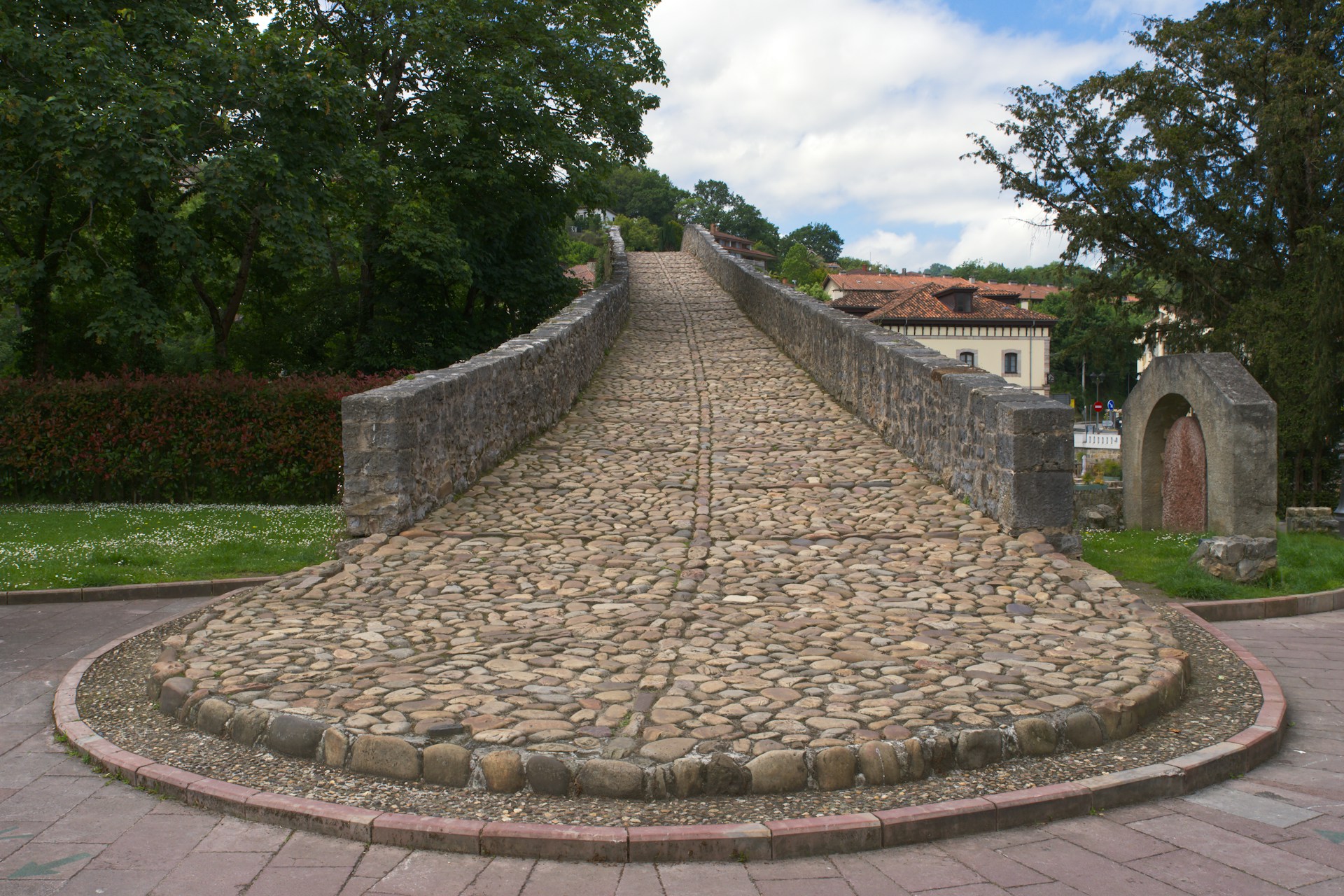
Set a manufactured paver next to a real reclaimed cobble, and the difference is immediate. The poured concrete has crisp edges and a flat, even color, while the weathered cobble carries tool marks, mineral staining, and a surface that a century of footsteps has polished.
For a patio meant to feel rooted, that contrast decides the material before anything else does.
Reclaimed European cobblestones, pulled from streets and plazas with more than a century of use, ship nationwide from suppliers that keep real inventory, New Orleans Brick Co among them.
Authentic reclaimed cobblestone usually starts around $12 to $22 per square foot, depending on stone type, thickness, and quantity. It is a different bracket than poured concrete, and the finished surface shows why.
This guide covers what separates genuine reclaimed stone from the look-alikes, how layout and install choices shape the surface, where cobblestone works beyond the main seating area, and what to confirm on coverage and delivery before you order. Expect real specs and practical advice in every section.
What Sets Genuine Reclaimed Stone Apart
Reclaimed stone cobbles show details that cannot be faked. Each piece has absorbed decades of footsteps, weather, and mineral changes from the soil beneath it, building a patina that is earned rather than painted on.
How Reclaimed European Stone Differs From Manufactured Cobble Look-Alikes
Manufactured cobblestone pavers are concrete units poured in molds shaped to mimic stone. They come in uniform sizes with a handful of surface patterns, maybe three to five per batch. Real reclaimed European cobblestones are pieces of granite, limestone, or sandstone pulled from old roads, and no two are exactly alike.
The difference in density matters for how long a patio lasts. Landscape pros at This Old House note that granite resists freeze-thaw and the moss and flaking you see in softer materials. Genuine reclaimed granite cobbles usually test above 19,000 PSI compressive strength, while most concrete pavers fall between 8,000 and 12,000 PSI.
Weight is another tell. A 4-by-4-inch reclaimed granite cobble runs about 3.5 to 5 pounds. A concrete version of that size is closer to 2 pounds, without the same mineral heft.
Color, Texture, and Patina to Expect in a Finished Surface
Weathered cobblestone shows in muted earth tones. Granite cobbles run from steel gray to tan with rusty iron streaks. Sandstone leans buff or amber. Limestone shifts from cream to pale gold, depending on origin and what it has absorbed over the years.
Texture varies widely. You will see tool marks, shallow pits, and smoothed spots where years of traffic polished the stone. That surface catches the light differently and brings a lived-in warmth that uniform pavers cannot match.
Material Origin, Age, and Why Period-Correct Character Matters
Most reclaimed European cobblestones date to the 1800s or earlier. Workers quarried and shaped these stones by hand, then set them in sand beds across streets in places like Belgium, France, Portugal, and Germany.
That history shows in every piece, since the chisel marks, veins, and wear patterns are proof of age; no artificial process can copy them.
If you are restoring an old home or want a historic feel, period-correct materials ground the design. Pairing a cobblestone patio with authentic reclaimed antique brick on nearby walls or columns pulls the space together. The next decision is how you lay these stones out.
Layout Decisions That Shape the Finished Space
Your patio's pattern sets the tone and affects everything from how much stone you need to how difficult the install will be. A running bond uses about 10 percent less stone than a fan pattern over the same area.
Best Pattern Options for Formal and Rustic Designs
Fan patterns, sometimes called European fan or segmental arc, bring a formal look. They need careful sorting and someone who can keep the arcs even. Running bond and stacked bond are simpler and suit rustic or cottage settings.
Random coursing, where you fit mixed-size cobbles together, creates a more organic, relaxed surface that works well for gardens and courtyards.
A herringbone band in reclaimed brick makes a clean transition between cobblestone and brick areas. Switching materials at a pattern break adds interest without making the surface feel busy.
- Fan pattern: Formal, more labor, best with uniform cobbles
- Running bond: Straightforward, good for mixed sizes, moderate waste
- Random coursing: Forgives size variation, brings rustic character
- Basketweave: Needs paired sizing, fits transition spots
When to Use Defined Edges and Border Courses
Defined borders keep irregular cobbles from wandering at the patio's edge. A soldier course of larger cobbles or a cut-stone edge restraint draws a clear line between patio and turf or planting beds. Skip the border, and the outer stones start to shift under foot traffic.
For sand-set patios, use a rigid edge restraint anchored with 10-inch spikes. Mortar-set patios can use a matching stone border set on the concrete base, which also frames the patterned field.
Sizing the Patio for Dining, Lounge, and Entertaining Zones
A good rule is 25 square feet per person for a seat, plus room to move. A table for six needs about 150 square feet, plus space to walk around. A lounge area with four chairs and a side table takes roughly 100 square feet.
Add a grill or bar cart, and a typical cobblestone patio runs 250 to 400 square feet for a household that entertains.
At $12 to $22 per square foot for the stone alone, a 300-square-foot patio lands between $3,600 and $6,600 before base prep and labor. That number leads to the next decision: what goes underneath, and how the stone gets set.
Installation Choices Before You Place an Order
How you install the cobblestone shapes how the patio ages, drains, and handles ground movement. Decide between mortar-set and dry-set before you settle on stone thickness or order quantity.
Mortar-Set Versus Dry-Set for Different Project Conditions
Mortar-set installation anchors each stone in a cement-sand bed over a concrete slab or compacted base. This locks stones in place and works well where the patio meets a building, and it blocks weeds in the joints. The tradeoff is no flexibility: if the slab cracks or shifts, so do the cobbles.
Dry-set installation beds each stone in compacted stone dust or coarse sand over gravel, with joints filled by polymeric sand or fine gravel. This method lets stones move slightly with frost heave and settle back. Repairs are easier, since you can pull and reset a single stone without disturbing the whole area.
Base Prep, Drainage, and Joint Width for Irregular Stone
A solid base starts with digging down 10 to 12 inches in freeze zones, or about 6 inches where the ground stays stable. Lay 3 inches of compacted crushed stone, then 1 inch of stone dust for setting. Use a plate compactor to firm each layer as you go.
Drainage depends on slope. Pitch the patio 1/8 to 1/4 inch per foot away from the house to move water off without the surface feeling slanted. Joints with reclaimed cobblestone usually run 1/2 to 1 inch wide because the stones are irregular. Tighter joints need more sorting and cutting.
What to Know About Cobblestone Installation on Patios and Paths
Cobblestone paths and main patio areas use the same base, but traffic loads change the details. A path 36 to 48 inches wide needs edge restraints on both sides. The patio field can usually rely on its own mass plus a border.
Installers who work with reclaimed brick walkways usually handle cobblestone well, since both require a feel for irregular sizes. Plan for 10 to 15 percent extra material for cuts and fitting waste with reclaimed stone. Once the install plan is set, you can plan the features that build around it.
Design Features That Work Well With Aged Stone
Aged stone pairs naturally with fire, water, and planting, since those elements share an organic, imperfect quality. A cobblestone patio feels more inviting when you plan these features in from the start.
Building a Fire Pit Seating Area With Historic Character
A fire pit built from the same reclaimed stone as the patio floor ties the space together. Circular fire pit areas work best at 10 to 12 feet across, giving room for four to six chairs and a 3-foot safety ring.
Line the pit interior with fire-rated brick or a steel insert to shield the reclaimed stone from direct heat. Pair the fire pit zone with reclaimed brick pavers as a transition ring between the cobblestone and the seating circle. The texture shift marks a change of use without a jarring break.
Using Water and Planting to Soften Hardscape
A low stone basin or simple recirculating water feature set at ground level gives a cobblestone patio a courtyard feel. Keep the basin design simple, since a single spill stone or bubbler set flush with the cobbles will not compete with the surface's natural texture.
Garden edging stones in matching reclaimed material shape planting pockets at the patio's edge. Low herbs like creeping thyme or woolly thyme planted between border stones soften the edge and add fragrance underfoot.
Lighting, Furnishings, and Grade Changes That Improve Usability
Solar pathway lights on low stakes mark the transition from patio to garden paths without a hard-wired conduit. Warm-tone LEDs in the 2700K range suit the earthy colors of weathered cobblestone better than harsh, cool-white fixtures.
On sloped lots, a multi-level cobblestone terrace adds dimension. Step the patio down in 6 to 8 inch risers with large-format cobble treads. Each level becomes its own zone, one for dining, another for lounging, or a fire pit corner.
An outdoor rug helps anchor furniture and keeps chair legs from catching on uneven stone edges. With the patio and its features mapped, you can look at other surfaces where the same stone fits.
Where Cobblestone Works Beyond the Main Seating Area
Cobblestone paths, entry landings, and drive aprons tie a property together when they use the same stone as the patio. Using one material across multiple surfaces makes ordering easier and avoids awkward transitions.
Connecting the Patio to Walkways and Garden Rooms
A cobblestone pathway from the patio to a garden gate or potting shed extends the design across the yard.
Keep path widths at least 36 inches for single-file walking, or 48 to 60 inches if two people will walk side by side. Garden paths work best with dry-set installation, since tree roots and shifting soil are a given in planted areas.
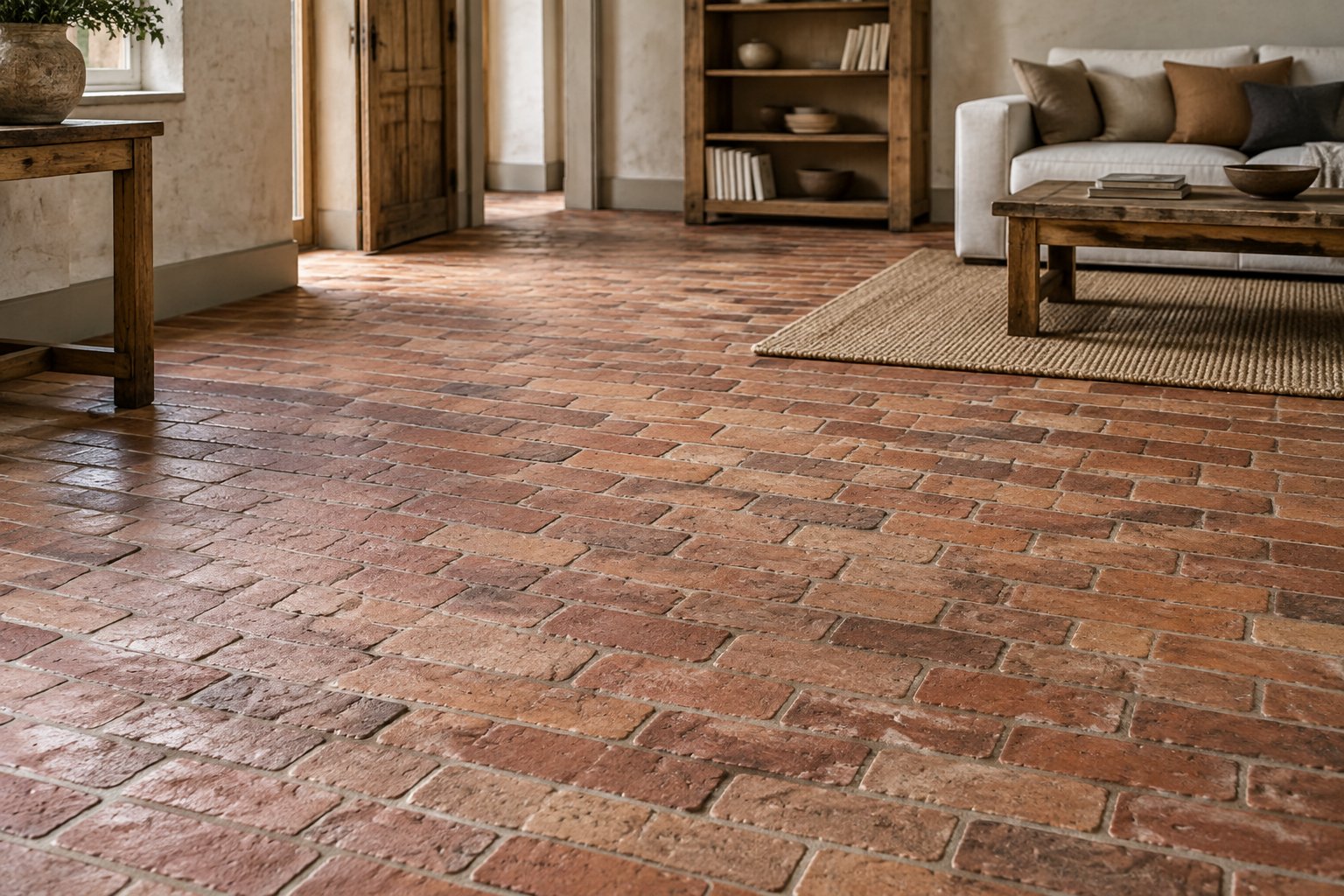
Matching the stone to reclaimed brick flooring inside creates a visual thread from indoors to out. Even if guests cannot name it, they notice the space feels connected.
Using Matching Stone at Entries and Drive Approaches
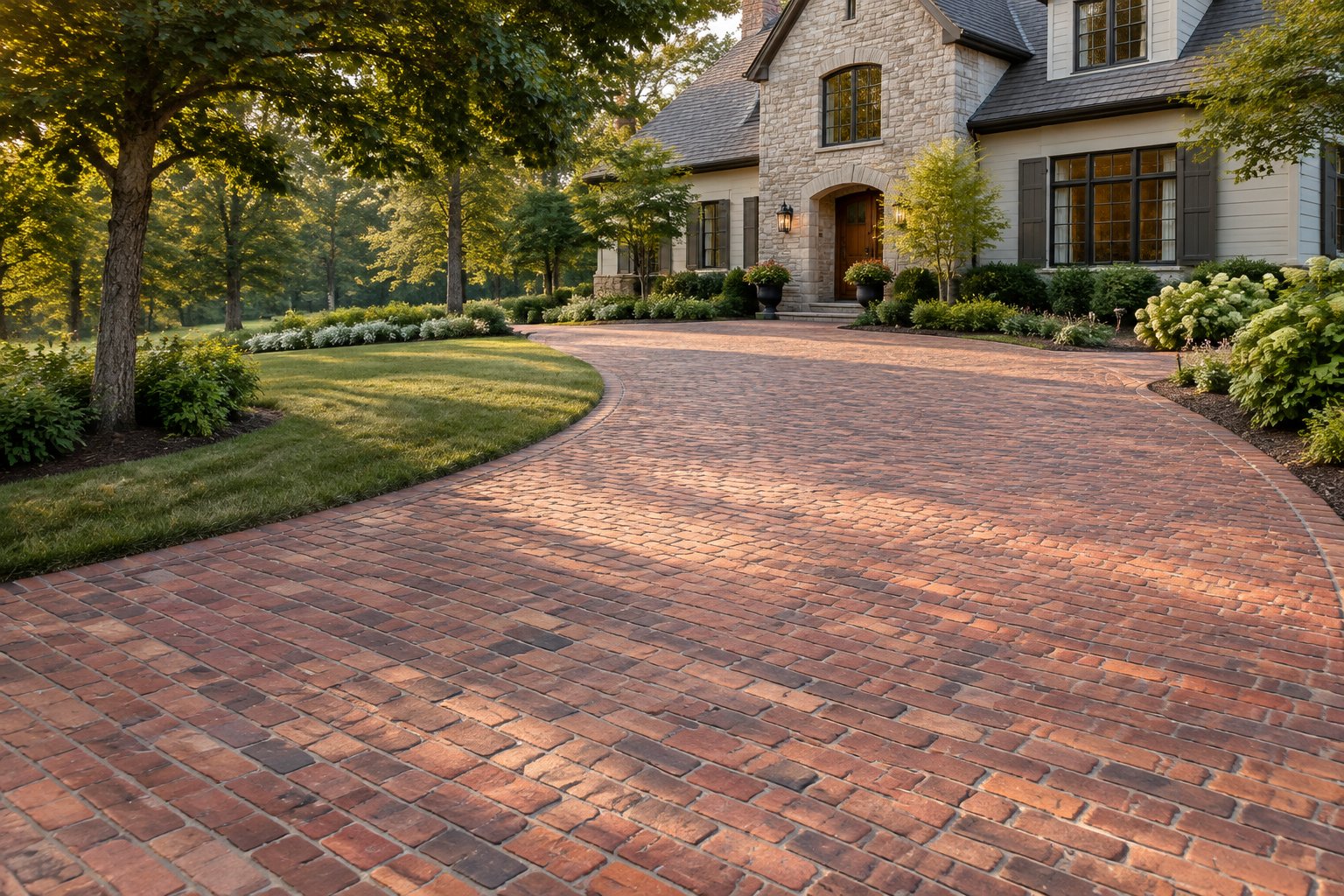
A cobblestone driveway apron or entry landing creates a sense of arrival that asphalt or stamped concrete cannot match. Even a small 6-by-8-foot cobblestone pad at the front door makes a real difference.
For larger driveway sections, granite cobbles at 4 to 5 inches thick handle vehicle loads without cracking.
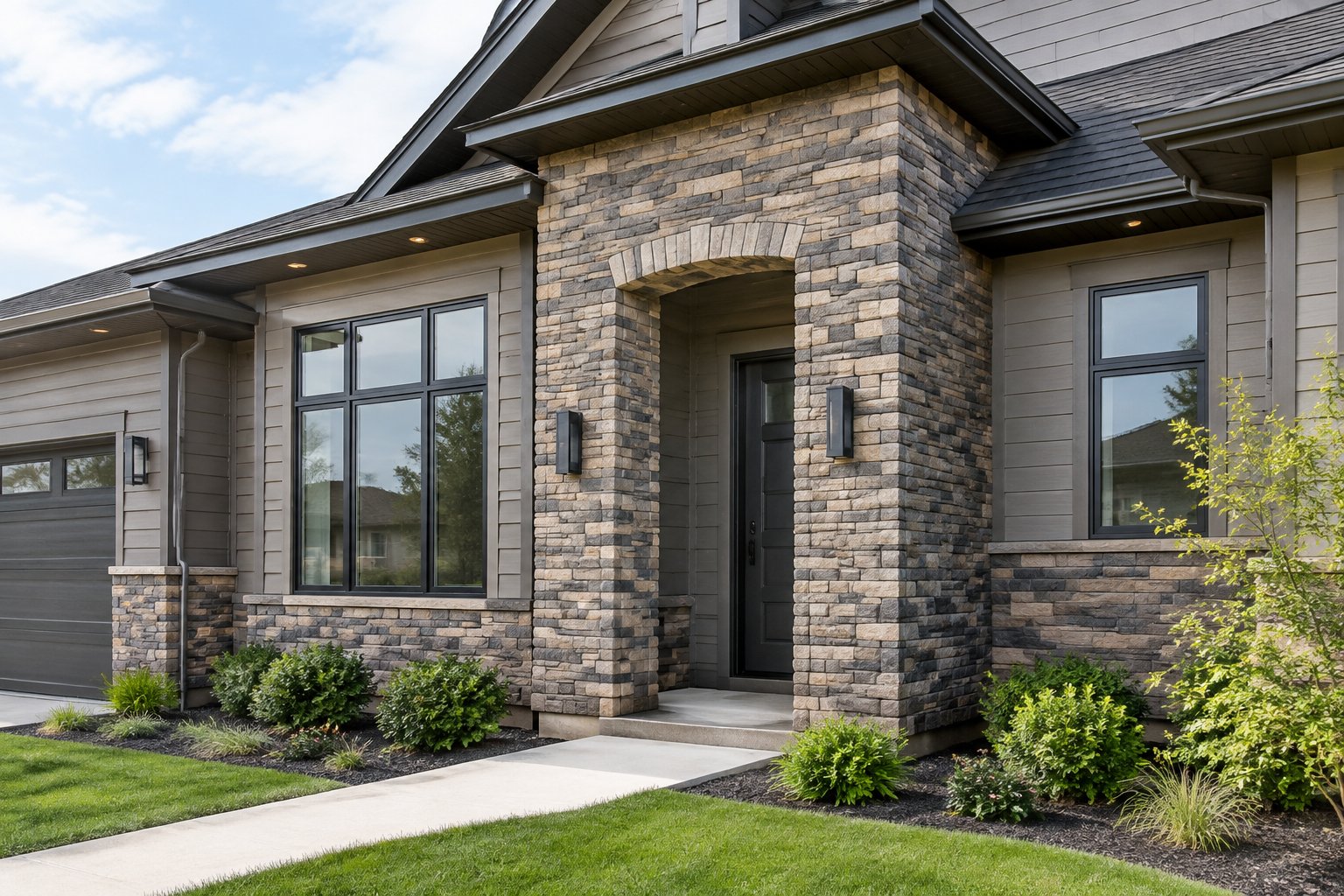
Pair the stone with Old Chicago brick on porch columns or facade details. Mixing old brick and stone at the entry gives the layered, heritage-rich look. Hays Town was known for his residential work.
When Cobblestone Paver Kits Make Sense and When They Do Not
Cobblestone paver kits, the pre-sorted sets of concrete pavers shaped to look like cobblestone, cost less per square foot and install faster. They suit low-visibility utility paths, side-yard walkways, or projects where budget is the main concern.
For projects where period-correct character is the goal, these kits fall short. A paver kit cannot match the mineral depth, weight, or patina you get when comparing reclaimed vs new stone.
When authenticity matters, only genuine reclaimed stone delivers it. The last step is confirming you get the right amount, at a fair price, and on time.
Ready to Specify Material and Delivery Timing
Ordering reclaimed cobblestone means confirming coverage, thickness, and current stock before your contractor breaks ground. Locking these details early keeps the project on schedule and avoids last-minute scrambles for material.
What to Confirm on Coverage, Thickness, and Price per Square Foot
Measure your patio footprint and add 10 to 15 percent for cuts and fitting waste. Reclaimed stone varies in thickness, so check the range your supplier has right now. A 2-inch cobble covers more area per pallet than a 5-inch cobble of the same weight.
- Confirm stone type, origin, and available quantity
- Ask for the thickness range on current pallets
- Request per-square-foot and per-pallet pricing
- Factor in 10 to 15 percent overage for irregular cuts
- Confirm the weight per pallet for freight cost estimates
Understanding reclaimed stone pricing gives you an advantage when comparing quotes. Prices move with supply, since every salvage lot is different.
Questions to Ask About Current Inventory and Freight Delivery
Not every stone type is available year-round. Ask what is in the yard today, not what might arrive in six months.
Confirm pallet count, stone condition, and whether the lot has been sorted by size. Freight cost depends on weight, distance, and delivery needs, so get a shipping estimate before you commit.
A nationwide reclaimed supplier with real inventory can usually quote the same day. Curbside freight delivery is standard, but you will need a forklift or equipment rental to move pallets beyond the curb.
How Fast Shipping Helps Keep Outdoor Projects Moving
Outdoor projects hinge on weather windows. Wait two weeks for the stone, and you may end up installing it in a rainy stretch that costs more in rescheduled labor than the stone itself. Suppliers who ship within 48 hours of payment help you stay on track.
Call New Orleans Brick Co to check what reclaimed stone is in the yard and get your materials moving within 48 hours of a paid invoice. One conversation confirms current inventory and locks in your price before you set an install date.
Frequently Asked Questions
What Is the Installed Price Range per Square Foot, and What Moves It?
Installed cobblestone patio costs usually land between $25 and $50 per square foot, covering material, prep, and labor. Stone type, thickness, pattern complexity, and local labor rates all play a part. Fan patterns cost more than running bond because they take extra time to fit and sort.
Which Stone Size and Thickness Holds Up Best Under Furniture and Foot Traffic?
Granite cobbles at 4 to 5 inches thick stand up best to heavy foot traffic and furniture. For patios without vehicle loads, 2 to 3-inch limestone or sandstone cobbles work fine. Thicker stones handle point loads from chair legs and table bases without cracking.
How Do You Prep the Base and Drainage So It Does Not Settle or Stay Wet?
Dig down 10 to 12 inches in freeze-thaw climates, layer compacted crushed stone in 3-inch lifts, and top with 1 inch of stone dust. Slope the finished surface 1/8 to 1/4 inch per foot away from the house. This keeps water moving off the patio and avoids puddles in low spots.
Should You Lay It on Sand or Mortar, and What Does That Change?
Sand-set cobblestone lets individual stones shift and resettle as the ground moves, so repairs are easy. Mortar-set locks everything in and stops weeds, but cracks if the base shifts. Sand-set patios need occasional joint refilling, while mortar-set patios need less routine care but pricier repairs if something fails.