A hundred-year-old building down the block is scheduled for demolition. The brick on its facade has a deep, uneven blush that no kiln running today can reproduce. The stone lintels above every window carry tool marks from hands that shaped them before electricity reached the job site. This is where architectural salvage begins.
Not in a showroom, but in the decision to pull something irreplaceable out of the waste stream and give it a second life inside a home that will stand for another century.
New Orleans Brick & Stone exists because the Bourgeois family has spent nearly four decades making that decision on behalf of builders, architects, and homeowners across the country.
With meaningful inventory already on hand and trucks rolling within 48 hours of payment, the friction between wanting authentic salvaged materials and actually getting them onto your job site shrinks to almost nothing.
Keep reading to learn which reclaimed materials carry the most design weight, how to evaluate quality before you buy, and where brick and stone fit alongside other salvage elements in both new builds and restorations. Every recommendation here is grounded in real material specs and sourcing details, not decorating trends that fade in a season.
What Architectural Salvage Means in Real Projects
Architectural salvage is the practice of recovering usable building materials from structures being demolished or renovated. It applies to brick, stone, lumber, hardware, doors, windows, and ornamental ironwork. The value is not nostalgia alone.
These reclaimed building materials carry physical properties, such as density, patina, and dimensional variation, that no modern factory line duplicates.
How Salvage Differs from Reproduction Materials
Reproduction materials are manufactured to look old. They mimic color, shape, and surface texture using molds, stains, or tumbling processes. A reproduction brick might appear weathered on the surface but will have uniform porosity and no fire-skin, the glassy outer layer formed during original firing over a century ago.
Genuine reclaimed material tells a different story under close inspection. Handmade bricks from pre-industrial buildings show subtle size differences, sometimes varying by a quarter inch from one unit to the next. That irregularity creates shadow lines in a finished wall that reproduction simply cannot match.
According to the National Park Service's guidance on substitute materials, the visibility of a character-defining material is a key factor in whether a substitute will preserve historic character.
The distinction matters most when you are working on a project where period accuracy is required or desired. Tax-credit restorations, historic district renovations, and high-end custom homes all benefit from the real thing.
Why Designers Use Reclaimed Building Materials Early in Planning
Specifying salvaged materials late in a project creates problems. Lead times for sourcing specific colors, sizes, or quantities can stretch for months if you are working with a supplier who brokers material from distant demolition sites. Smart architects lock in material selections during schematic design so they can confirm availability and adjust layouts to match what is on hand.
Early planning also lets you account for the dimensional variation inherent in reclaimed material. Mortar joints on a wall built with handmade brick may need to run slightly wider than joints on a machine-made brick wall. Your mason needs to know that before bidding the job, not after.
Where Brick and Stone Fit within a Broader Salvage Palette
Brick and stone are the structural backbone of most architectural salvage projects. They set the tone for every other material choice, from the color of the mortar to the species of reclaimed wood used for mantels and headers. A wall of soft red reclaimed brick establishes a warm, earthy palette that guides door hardware, lighting finishes, and flooring selections down the line.
Other salvage elements, such as antique doors, stained glass, and wrought iron, function as accent pieces. They depend on the masonry to provide visual grounding. Without the right brick or stone as your foundation, those accent pieces can feel disconnected, like antiques placed in a modern box.
That relationship between foundation material and decorative salvage is what separates a cohesive design from a collection of old things. Understanding how salvage fits into design philosophy is the next step.
The Design Philosophy Behind Warm, Lived-In Architecture
The best reclaimed-material homes feel as though they have always been there. That quality does not happen by accident. It comes from a deliberate design philosophy that treats age, imperfection, and honest materials as strengths rather than flaws.
A. Hays Town and the Case for Honest, Aged Materials
A. Hays Town, the legendary Louisiana architect, built his reputation on homes that felt rooted in the land from the day they were finished. He sourced old brick, old wood, and old iron, then composed them into new structures that carried instant warmth.
His philosophy was simple. Materials that have already weathered a hundred years will keep aging gracefully, while factory-fresh products start declining from day one.
That approach is foundational to how New Orleans Brick & Stone selects and prepares its inventory. Every brick is hand-selected for structural integrity, color, and surface character. The goal is not to sell old things but to supply materials that perform as well in their second century as they did in their first.
Why Patina, Irregularity, and Wear Create Depth
Patina is not cosmetic damage. It is a mineral record of decades of sun, rain, and temperature cycling. On a reclaimed brick, patina shows as a softened surface with color variation that shifts from warm ochre to deep rose within a single unit. That variation gives a finished wall visual depth that reads as richness, not inconsistency.
Irregularity works the same way. Handmade bricks carry slight waves, rounded edges, and fingerprints from the original maker. When laid in a wall, those small differences create a texture you can feel with your hand and see from across a courtyard.
Machine-made reclaimed brick offers a middle ground. More uniform sizing with smoother surfaces, but still carrying the honest wear and color shifts that new brick lacks.
Using Salvage without Making a Home Feel Themed
The risk with salvage is overcorrection. If every surface screams "antique," the house becomes a costume rather than a home. Restraint is the key. Use reclaimed brick on one or two major surfaces, a fireplace wall and an exterior facade. Then let the remaining materials be clean and contemporary.
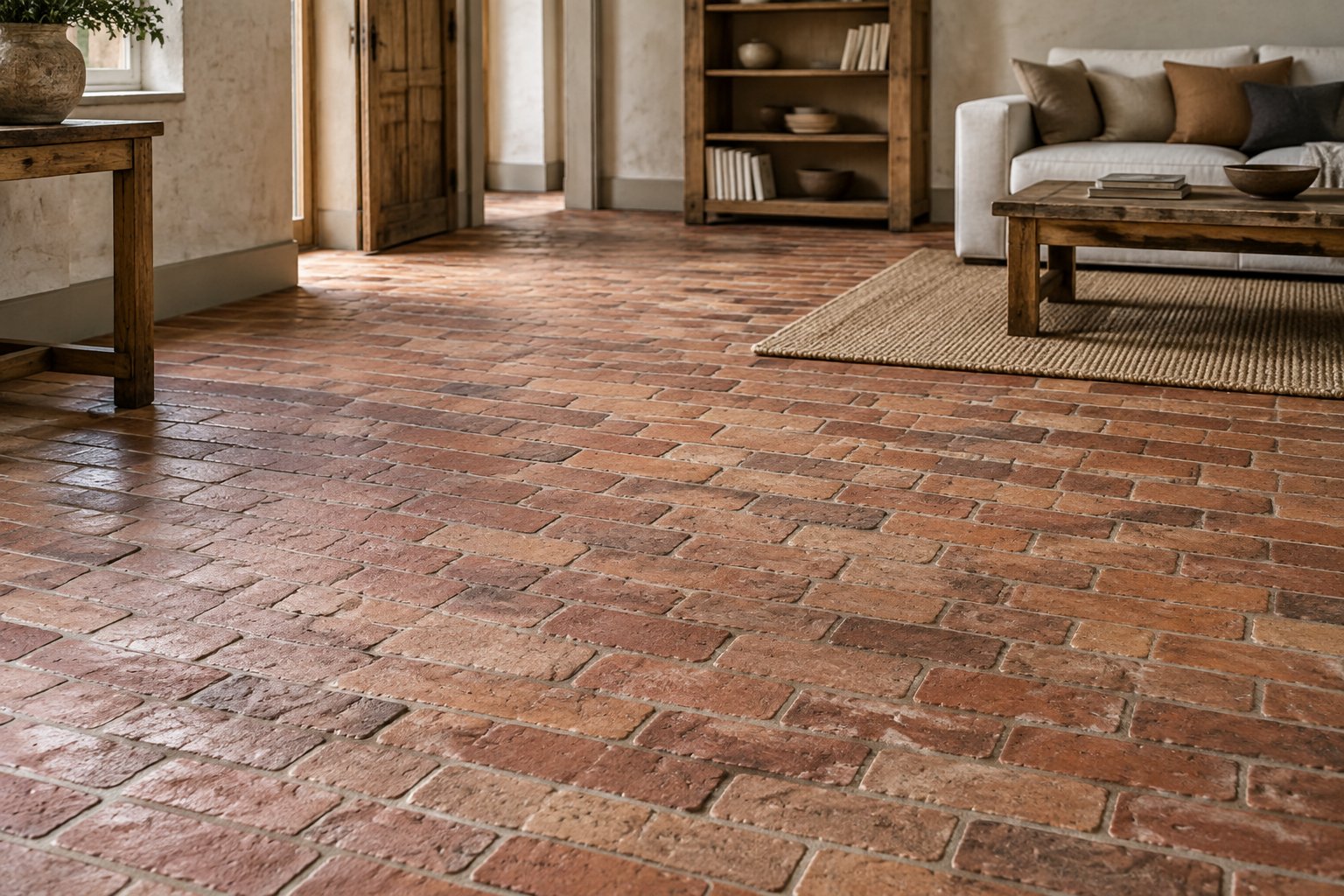
This balance is exactly what Town practiced. His interiors paired old brick floors with simple plaster walls and modern kitchen fittings. The salvage carried the warmth; the modern elements kept the space livable and current.
Knowing which specific salvage materials deliver the most character per square foot helps you apply that restraint with confidence.
The Salvaged Materials That Shape Character Best
Reclaimed brick and stone anchor the strongest salvage-driven projects, but they are not the only materials worth considering. The trick is knowing which pieces carry the most design weight per dollar and per square foot.
Reclaimed Brick: Soft Red, Hard Tan, St. Louis Reds, and Old Chicagos
Each reclaimed brick type has a distinct personality. St. Louis Reds run deep crimson with a smooth, dense body, ideal for fireplaces and formal facades. Soft Reds offer a warmer, more muted tone with higher surface texture.
Hard Tans deliver an earthy, sand-toned palette favored in French Colonial and Gulf Coast styles. Old Chicagos tend to be dense, machine-pressed units with a tight grain and a slightly cooler color range.
- Soft Reds: warm, muted tones with visible texture; lower hardness suits interior walls and veneers; start at $1.85 per brick
- Hard Tans: sandy palette, denser body, excellent for exterior applications; start at $2.00 per brick
- St. Louis Reds: deep crimson, smooth face, strong visual impact on feature walls; start at $1.70 per brick
- Old Chicagos: tight grain, cooler tones, high compressive strength for structural use; start at $1.85 per brick
Dimensional variation across these types ranges from minimal (Old Chicagos) to pronounced (Soft Reds). Your mason should know which type you are using before quoting mortar joints and laying speed.
Reclaimed European Stone for Walls, Courts, and Garden Edges
Reclaimed stone brings a different scale and permanence to a project. Limestone, sandstone, and slate salvaged from European structures carry tool marks, weathering patterns, and mineral veining that synthetic stone cannot replicate. These materials work well as courtyard pavers, garden wall caps, and threshold stones.
For courtyard and patio applications, reclaimed outdoor pavers offer practical ideas for layouts and material pairings. Stone thickness typically varies by a quarter inch or more. Dry-laying a test section before full installation prevents costly rework.
Doors, Windows, and Stained Glass as Focal Pieces
Salvaged doors and stained glass function as jewelry on a home. A pair of antique French doors or a leaded-glass transom can define an entire entry sequence. These pieces are inherently limited in supply and difficult to reproduce convincingly, which makes them high-impact additions when you find the right ones.
Lighting, Flooring, and Furniture That Support the Masonry
Reclaimed wood flooring, antique light fixtures, and repurposed furniture support but should never compete with the masonry. Reclaimed brick flooring is a strong option for kitchens and mudrooms where you want continuous material language from exterior to interior.
When the floor and the fireplace share the same brick lineage, the home reads as unified rather than assembled. Knowing how to evaluate the quality of any salvaged material before you commit is the logical next question.
How to Evaluate Quality, Fit, and Availability
The difference between a successful salvage project and a frustrating one usually comes down to how carefully you vetted the materials before they shipped.
What to Check for in Structural Integrity and Sorting
Start with a visual and tactile inspection. Tap a reclaimed brick with a trowel. A clear ring indicates sound material. A dull thud suggests internal fractures. Check edges for spalling, which is surface flaking caused by freeze-thaw damage.
Minor edge chips are normal and add character, but deep spalls compromise structural performance. Quality suppliers sort by color, size, and condition before offering material for sale.
Unsorted pallets might save money upfront, but they add hours of labor on site when your mason has to cull unusable units. Responsible material recovery includes assessment protocols that protect downstream performance, so ask how a supplier grades a lot before it ships.
Questions to Ask about Material Origin and Preparation
Before placing an order, ask where the brick or stone was reclaimed from and how it was cleaned. Mechanical cleaning preserves patina better than acid washing, which can strip the fire-skin and alter the color. Ask whether the supplier inspects each unit for structural integrity or sells material as-is from the demolition site.
Good questions to ask any supplier:
- What is the source building's age and geographic origin?
- How are bricks cleaned, mechanically or chemically?
- Are units sorted by color, size, and condition before palletizing?
- Can you provide photos of current inventory in the specific type I need?
- What is your breakage policy for transit damage?
These questions separate serious reclaimed material suppliers from middlemen moving unsorted demo waste.
Lead Times, Freight, and Why Inventory Matters
Lead time is where most salvage projects stall. Many suppliers broker materials from active demolition sites, meaning your order depends on a teardown schedule you cannot control. That can push delivery out six months or more. Suppliers who maintain standing inventory eliminate that risk.
Freight for reclaimed brick typically ships on pallets via common carrier. Costs depend on weight, distance, and whether your site can accept curbside delivery or needs a liftgate.
Getting a freight quote before finalizing your material budget prevents surprises. For a deeper look at what drives reclaimed brick cost, pricing context helps you compare apples to apples across suppliers.
Knowing your material is sound and available opens the door to planning where it goes.
Best Uses for Architectural Salvage in New Builds and Restorations
Reclaimed brick and stone earn their place in a project when they are used where their age, texture, and color variation can be fully appreciated.
Exterior Walls, Courtyards, and Pavers
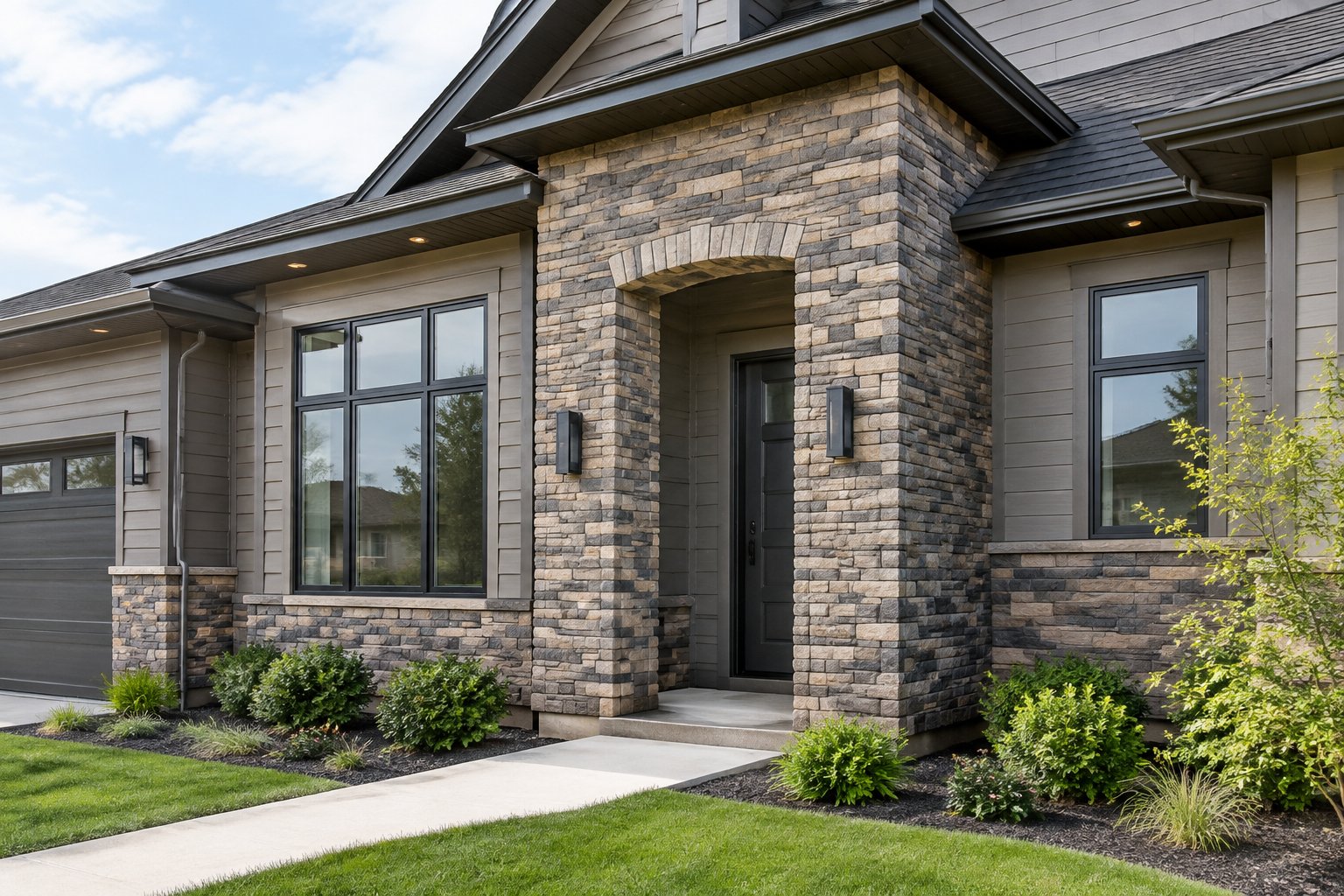
Exterior facades are the highest-visibility application for reclaimed brick. A full brick veneer in St. Louis Reds or Hard Tans gives a new home the presence of a structure that has stood for generations.
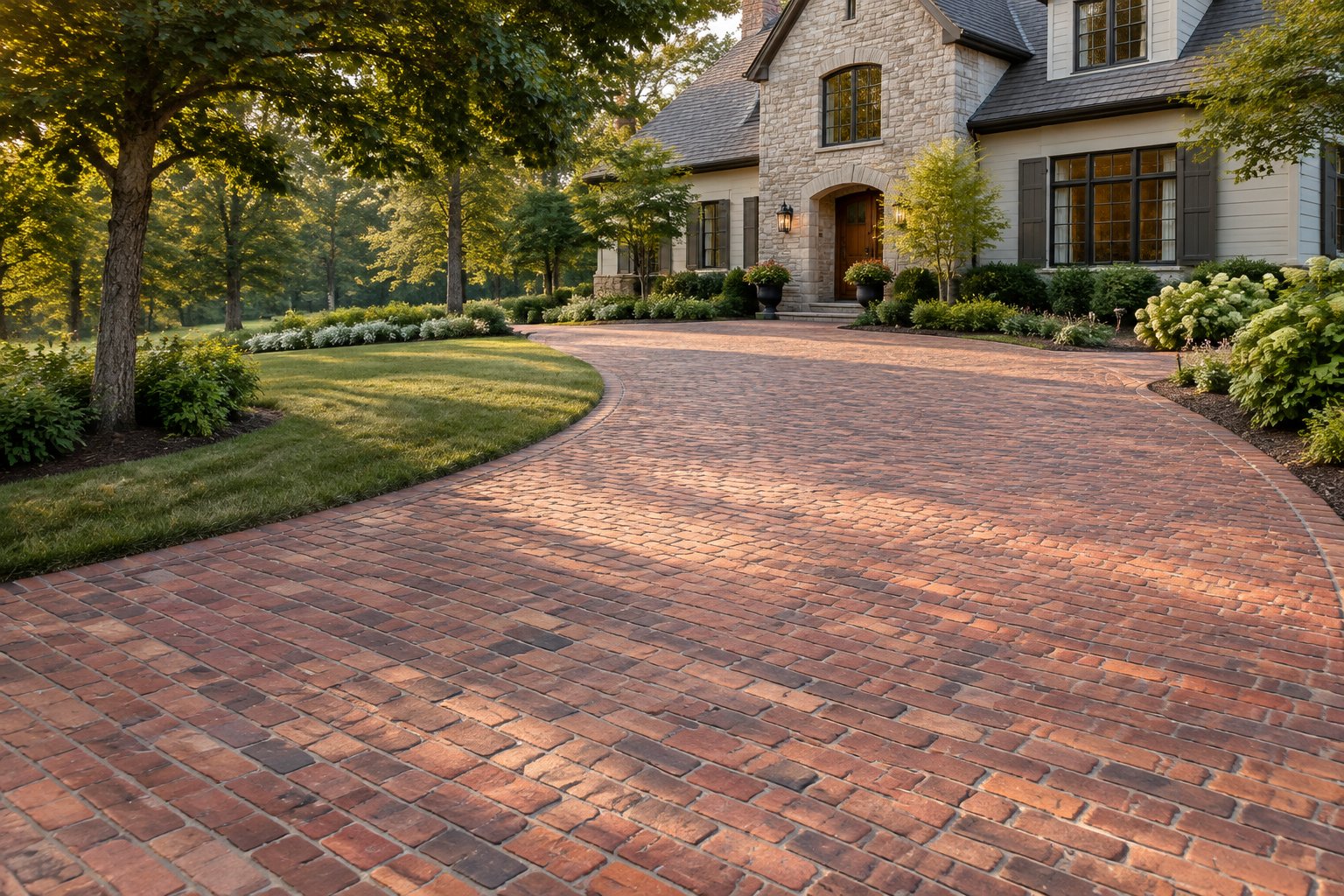
Courtyards and walkways benefit from reclaimed pavers laid in herringbone or running bond patterns, where the dimensional variation between units creates a surface that looks settled and organic rather than stamped out.
For paver installations, compressive strength matters. Hard Tans and Old Chicagos handle vehicular traffic and freeze-thaw cycles better than softer types. A herringbone reclaimed brick patio locks units together mechanically; this reduces lateral movement without relying solely on edge restraints.
Fireplaces, Accent Walls, and Interior Transitions
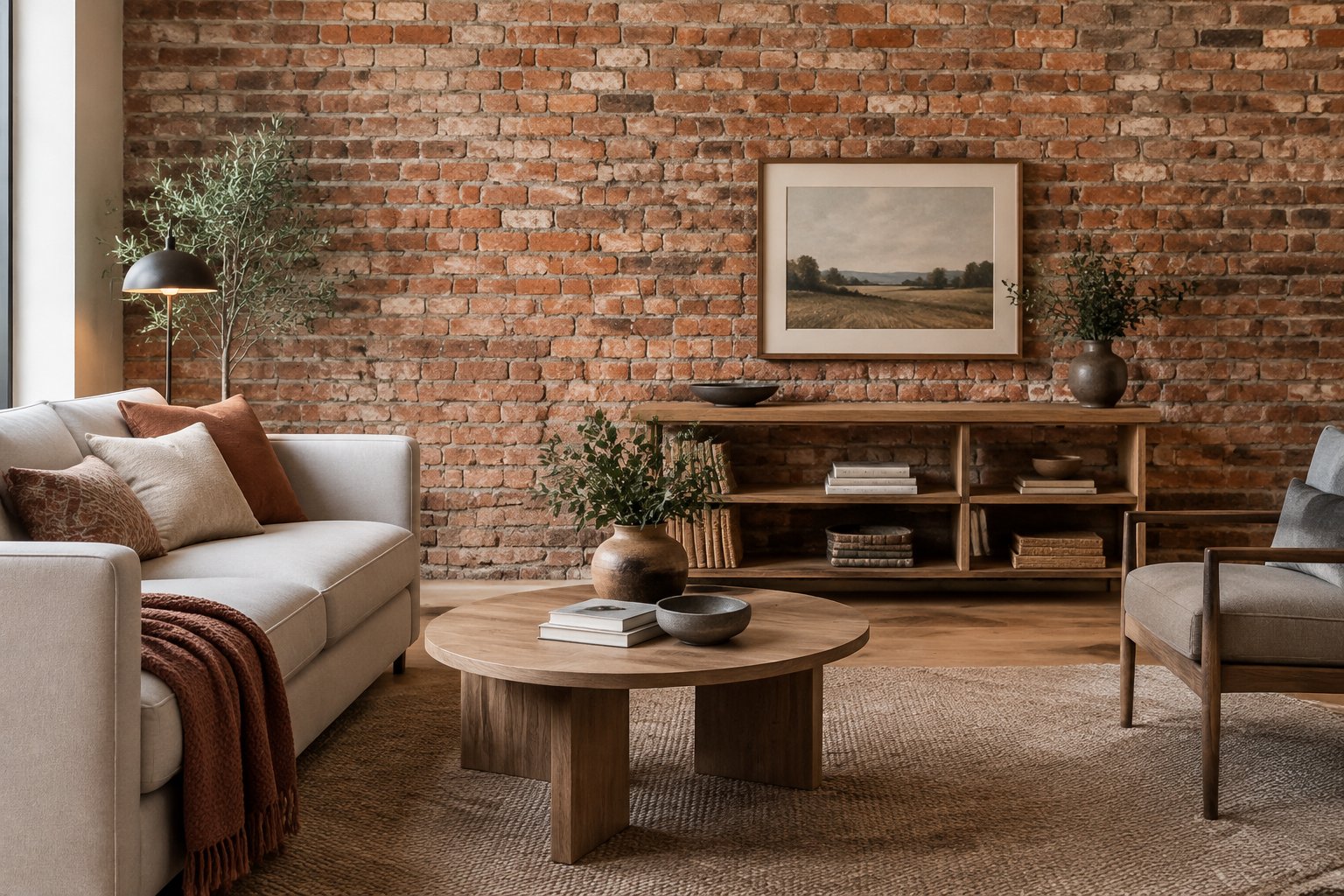
Interior applications let you showcase the subtlest qualities of reclaimed brick: the color gradients within a single unit, the ghosting of old mortar, the texture of a hand-struck face. Fireplaces are the natural focal point. A floor-to-ceiling surround in Soft Reds creates a warm anchor for any living space.
Accent walls in kitchens, hallways, and entryways extend the material story without overwhelming the room. Installing reclaimed bricks on interior walls typically involves thin brick or veneer cuts. This reduces weight load on framing while preserving the authentic face of the original unit.
Mixing Brick, Stone, and Architectural Antiques with Restraint
The strongest salvage-driven interiors limit reclaimed materials to two or three surfaces. Pair a reclaimed brick fireplace with a stone threshold and a set of antique iron sconces; then let the rest of the room breathe. Overcrowding a space with salvage pieces dilutes the impact of each one.
The final consideration is choosing materials that will not just look good on installation day. They should continue to age well over the decades ahead.
Choosing Materials That Age Well over Time
The real test of any building material is how it looks and performs twenty years after installation. Reclaimed materials have already passed that test once. Your job is making sure they pass it again.
Matching Salvage to the Level of Historical Accuracy You Need
Not every project requires museum-grade period accuracy. A new custom home inspired by Gulf Coast vernacular architecture needs materials that evoke the era, not replicate a specific building.
A tax-credit restoration in a historic district, on the other hand, may require documentation of material origin and compliance with the Secretary of the Interior's Standards for Rehabilitation.
Clarify your accuracy requirements before shopping. If your project requires period-correct dimensions and clay composition, request samples and test reports from your supplier. If the goal is character and warmth, you have more flexibility to mix brick types and eras.
Balancing Character, Budget, and Construction Schedule
Reclaimed materials are not always cheaper than new ones. However, they deliver value that new materials cannot. The benefits of sourcing reclaimed brick include reduced environmental impact, unmatched visual depth, and a material that has already proven its durability across a full century.
Budget decisions often come down to where you spend on salvage and where you save with conventional materials.
Prioritize reclaimed brick or stone on the surfaces with the highest visual impact: facades, fireplaces, and primary walkways. Then use standard materials in utility areas. That strategy gives you maximum character per dollar without blowing the budget.
When a Direct Inventory Check Helps Move the Project Forward
Browsing a website gives you an idea of what a supplier carries. A phone call gives you certainty. You can confirm the exact quantity, color range, and condition of what is on the yard today.
You can ask about freight costs to your specific zip code and find out whether your timeline aligns with what is actually available.
If your project is in the planning or specification phase, call New Orleans Brick & Stone directly and ask what is on the yard for your scope.
The Bourgeois family can walk you through options, confirm pricing, and have material on a truck within 48 hours of payment. That direct line to a real expert is the fastest way to lock in the materials your project deserves.
Frequently Asked Questions
What exactly counts as salvage in old-building materials, and what doesn't?
Architectural salvage refers to materials physically removed from existing structures for reuse, such as brick, stone, timber, doors, hardware, and ornamental iron. Reproduction items made to look old, like tumbled new brick or cast-stone moldings, do not qualify as salvage. The distinction matters for design authenticity, tax-credit eligibility, and structural performance.
What kinds of reclaimed pieces do yards usually have on hand, and what sells out fastest?
Most established yards stock reclaimed brick, stone, old-growth lumber, doors, and hardware. Brick and stone tend to move fastest because they are ordered in large quantities for facades, patios, and fireplaces. Specialty items like stained glass, corbels, and antique ironwork are harder to source and may sell within days of arriving at the yard.
How do I check condition and stability before I buy reclaimed brick, stone, or old-growth lumber?
Tap brick or stone with a trowel and listen for a clear ring. This signals sound material. Check for deep spalling, cracks, or excessive mortar residue that would require costly cleaning. For lumber, look for insect damage, checking, and verify that the moisture content is stable before committing to a large order.
Do salvage yards ship out of state, and what does freight usually look like for pallets or large items?
Many nationwide reclaimed brick suppliers ship pallets via freight carrier to any state. Costs depend on weight, destination, and whether you need liftgate service. Expect curbside delivery unless you arrange dock access or forklift availability at your site in advance.
How do pricing and lead times typically work on reclaimed materials: per piece, per square foot, or by the pallet?
Reclaimed brick is most often priced per brick or per pallet. Stone and lumber may be quoted per square foot or per linear foot. Lead times vary dramatically. Suppliers with standing inventory can ship within days. Those sourcing from active demolition sites may need months. Confirming both price and timeline before you commit protects your project schedule.
What should I bring to match existing brick or trim: photos, measurements, mortar samples, or a physical piece?
Bring a physical sample whenever possible. Photos help, but color on a screen shifts with lighting and monitor calibration. Include a mortar sample if you need a joint color match, and measure the brick's height, length, and depth with calipers. These details let the supplier sort through inventory efficiently and pull the closest match from what is on hand.