You can give your outdoor space instant character and lasting strength by using reclaimed pavers. They offer authentic texture, proven durability, and a historic look that new materials rarely match.
What sets reclaimed pavers apart is how naturally they settle into a landscape. Their worn edges, subtle color variation, and aged surfaces create patios, walkways, and driveways that feel established from day one. Over time, they continue to develop character instead of looking worn out.
These pavers are also built to last. Many come from streets, industrial sites, or historic properties where they handled heavy use for decades. That durability makes them a reliable choice for high-traffic areas like driveways, outdoor kitchens, and gathering spaces.
At New Orleans Brick & Stone, reclaimed pavers are hand-selected, tested, and prepared for reuse. With inventory ready and fast nationwide shipping, you can move forward without delays while still choosing materials that bring real history and performance to your project.
In the sections ahead, you will find ideas for using reclaimed pavers across different outdoor applications, along with practical tips for sourcing, installation, and long-term care so your space looks better with time.
What Are Reclaimed Pavers?
Reclaimed pavers are used bricks, stones, or concrete pieces salvaged from old buildings, streets, or plazas and prepped for reuse. They bring age, texture, and proven durability to patios, walkways, and driveways.
You’ll find reclaimed pavers pulled from century-old buildings, sidewalks, and industrial sites. Some of the common types: reclaimed red clay brick, historic street pavers, reclaimed flagstone, and salvaged concrete pavers. Each has its own wear—rounded corners, patina, and color shifts—that gives your space a lived-in vibe.
You’ll see full-thickness bricks for patios and thinner brick veneers for walls. Street pavers are dense and non-slip, so they’re great for driveways and plazas. Good suppliers will test and clean the pieces, then sort them by size and color so you can get the look you want.
History of Use in Outdoor Design
People have reused masonry for ages because it lasts and looks even better after years of weather. In the American South, architects like A. Hays Town made reclaimed materials a signature for homes with warmth and soul. You’ll spot reclaimed pavers in historic courtyards, Colonial town centers, and old Southern garden paths.
Using reclaimed pavers ties your project to the past. Many come from structures over 100 years old, carrying patina and tooling marks you just won’t find on new pavers. That history adds a bit of story to your landscape.
Environmental Benefits
Reusing pavers means less demand for new materials and less waste in landfills. You avoid the energy and emissions that come with making new bricks or concrete. That makes reclaimed pavers a lower-impact pick for sustainable landscaping.
Salvaging keeps the energy and resources already put into the original material in use. If you care about resource stewardship, reclaimed pavers help you avoid new extraction while keeping tough, long-lasting materials in service. New Orleans Brick & Stone carries hand-picked reclaimed inventory and ships quickly when you’re set to build.
Benefits of Using Reclaimed Pavers Outdoors
Reclaimed pavers cut waste, add character, and hold up for years. They often cost less over time and give your yard a worn, authentic look that new pavers can’t deliver.
Sustainability
Choosing reclaimed pavers keeps usable materials out of landfills and dials back the need for fresh clay or concrete. That means fewer quarries and less energy spent making and shipping new stuff.
You also skip the embodied carbon—since the bricks are already here, you dodge the emissions tied to making new ones.
If you buy local or from a nearby supplier, you cut transport impacts even more. New Orleans Brick & Stone stocks hand-selected reclaimed pavers and ships fast, so you’re not waiting on long hauls.
Unique Aesthetic Appeal
Reclaimed pavers come with all sorts of color, worn edges, and surface patina from decades of use. That irregularity gives real depth and texture, especially in gardens, patios, and walkways.
You can mix sizes, hues, and patterns to fit an old house or just bring a rustic, lived-in feel to your yard.
Since every piece has history, your outdoor space feels layered and unique—way more interesting than the cookie-cutter look of new, factory-made pavers.
Durability and Longevity
A lot of reclaimed pavers come from buildings that stood for a century or more, so they’ve already proven they’re tough. They handle freeze-thaw cycles and compaction better than some modern options.
You might need to sort or clean the bricks before you lay them, and it can take a little more effort. But once they’re set on a proper base, reclaimed pavers often outlast new ones and can be lifted and reused down the line.
They’re a smart pick for driveways, high-traffic paths, and spots near fire pits or raised beds.
Popular Applications for Outdoor Spaces
Reclaimed pavers bring character, strength, and easy upkeep to all sorts of outdoor projects. They’re great for patios, walkways, and driveways if you pick the right pattern, base, and finish.
Patios
Reclaimed pavers make a warm, lived-in patio surface that hides wear and blends into the landscape. Use a compacted crushed-stone base and 1/8–1/4 inch joint sand for foot traffic and furniture. For heavier loads or outdoor kitchens, set pavers in mortar or use polymeric sand to lock joints and prevent shifting.
Try mixing brick sizes or laying a herringbone pattern for extra strength and a more interesting look. Only seal if you want deeper color and easier cleaning; sealing can change the historic patina, so always test a small spot first. If you’re buying from New Orleans Brick & Stone, check their hand-selected lots for consistent color and size.
Walkways and Garden Paths
Reclaimed pavers give paths a textured, non-slip grip that gets better with age. Lay paths on a 3–4 inch compacted base with tight joints for solid footing. For a rustic path, set bricks a bit uneven and let grass or moss fill the gaps. For formal gardens, keep things precise and edges neat.
Use curb restraints or metal edging to keep the path from spreading. Consider a running bond or circular fan pattern for curves—these guide movement and spotlight features like arbors or statues. Softer, worn bricks are nice for intimate garden paths, while harder street pavers hold up in busy spots.
Driveways
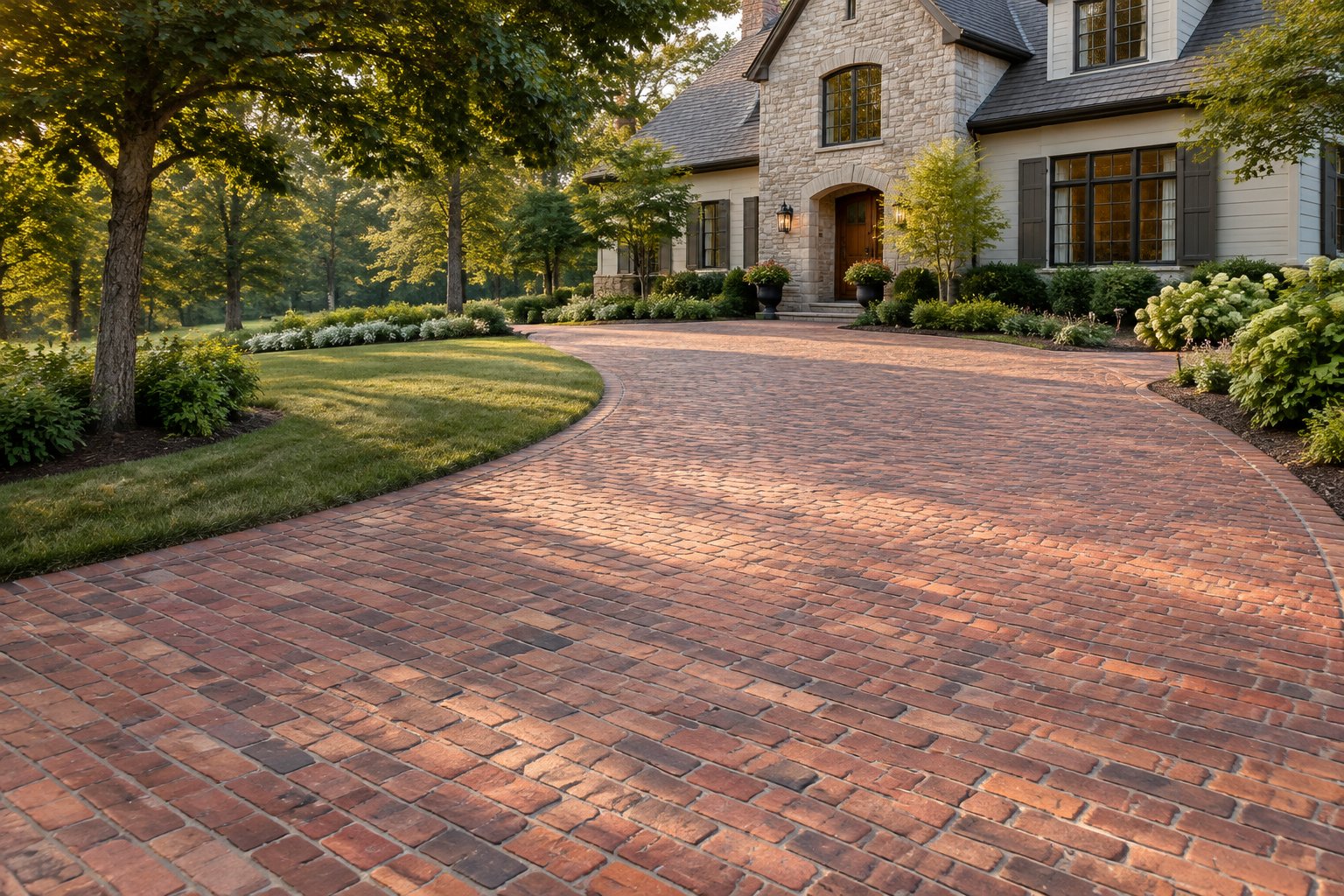
Reclaimed pavers can handle cars if you build the base and joints right. Lay down a 6–12 inch crushed-stone subbase, compact it in layers, then set pavers over 1 inch of bedding sand or mortar, depending on your needs. Herringbone patterns fight wheel ruts best since they spread weight around.
Pick thicker, denser reclaimed street pavers instead of thin face brick. Don’t forget drainage: slope the driveway 1–2% away from buildings and use edging to protect the sides from car tires. If you need help finding the right pavers, New Orleans Brick & Stone can point you to inventory that fits driveway specs.
Selecting the Right Reclaimed Pavers
Pick pavers that fit your site’s load, style, and upkeep needs. Focus on material, shape, size, and color so the finished space looks intentional and holds up.
Comparing Materials
Reclaimed clay brick, bluestone, and slate all behave differently outside. Clay brick brings solid wear and warm color, perfect for walkways and patios. Bluestone and slate shrug off moisture and look great near pools or in shady spots.
Think about slip resistance and freeze-thaw performance for your climate. Brick can chip but often gets tougher over time; natural stone can split if you don’t bed it right. Match the material to the use: driveways need harder pavers, garden paths can use softer, textured ones.
Ask about where the pavers came from. Hand-selected pieces from old buildings show consistent patina and proven durability. When you’re picking, consider how maintenance and aging will change the look.
Assessing Quality
Check pavers for cracks, spalling, and salt damage before you buy. Look for full-thickness pieces and good density—thin or crumbly bricks won’t last. Give a brick a tap; a solid ring usually means it’s sound.
Make sure the supplier cleans, tests, and sorts the bricks well. That cuts down on hidden flaws. Ask for samples to try out in your spot, under real loads and weather.
Buy a bit more than you need in case of breakage or future repairs. Keep a stash of matching pavers for patching so fixes blend in.
Sizing and Color Variations
Measure your existing patterns and joint widths before picking paver sizes. Reclaimed pavers come in all sorts of shapes from old buildings; plan your layout to use the variety for a natural look or sort for a tighter pattern.
Color will vary—reds, tans, oxbloods, and weathered grays all show up. Lay out some samples in sun and shade to see how they shift. Group similar tones for a consistent look or mix them for a rustic, reclaimed vibe.
Remember, sanding, sealing, and joint material change the final color and feel. Test a small area with your chosen sand or sealer before you go all in.
A Trusted Source for Reclaimed Pavers
Sourcing reclaimed pavers should feel straightforward and reliable. You need to know the materials are authentic, properly prepared, and ready to perform in outdoor conditions. That level of confidence comes from working with a supplier that understands both the material and your timeline.
At New Orleans Brick & Stone, reclaimed pavers are sourced from historic streets, buildings, and industrial sites, then carefully cleaned, tested, and sorted for reuse. Each piece is evaluated for strength, durability, and consistency so you can count on long-term performance in patios, walkways, and driveways.
Having inventory on hand makes a big difference. You can review available materials, compare color ranges, and choose between more uniform selections or natural blends before committing. This helps ensure your project looks intentional and stays on schedule.
Support throughout the process matters just as much. When you reach out, you connect with someone who can help match the right pavers to your application, confirm quantities, and coordinate delivery. With fast nationwide shipping, often within 48 hours, you can keep your project moving without sacrificing quality or authenticity.
Installation Tips for Outdoor Spaces
Prep the base, pick a laying pattern, and make sure water drains away from the paved area. These steps keep your pavers solid, cut down on maintenance, and help your surface stay safe.
Preparing the Site
Clear out plants, roots, and old material down to firm soil. Remove at least 6 inches for walkways, 8–10 inches for driveways—gotta leave room for the base, bedding, and pavers.
Pack the subgrade with a plate compactor until it feels solid. Add 4–6 inches of crushed stone or gravel for paths; use 8–10 inches for driveways. Compact each layer in a couple of passes.
Spread 1 inch of coarse sand or stone dust over the compacted base as bedding. Keep it even and tamp it lightly—don’t overwork or the pavers might settle unevenly.
Laying Techniques
Start from a straight edge or something fixed, like a house wall or curb. Work out in small sections so the bedding sand stays even.
Pick patterns that fit the space: herringbone for driveways, running bond for long walks, basketweave for patios. Cut bricks with a masonry saw to keep joints tight at edges and around obstacles.
Set pavers tight with 1/8–3/8 inch joint gaps. Tap each brick with a rubber mallet and wood block to level it. After laying, sweep fine sand into joints and compact the whole area twice—once before and once after filling joints.
Ensuring Proper Drainage
Slope the surface 1/8–1/4 inch per foot away from buildings to keep water from pooling. Check the slope with a level and string line as you go.
Install perimeter or channel drains where water collects. Use geotextile fabric under the base to stop fines from washing into the soil and to keep everything stable.
Leave joint gaps and use permeable sand if you want water to soak in. For heavy runoff, connect to a storm line or add a French drain to move water away from the paved area.
Maintenance and Care
Keep reclaimed pavers clean, fix chips and loose pieces quickly, and use sealers or stabilizers where they actually help. Little things done regularly save you from headaches down the road and keep the pavers looking authentic and sturdy.
Cleaning Methods
Sweep debris off the pavers every week or so—grit can scratch the surface if you let it pile up. A stiff broom or soft-bristle brush does the trick for most cleaning.
For deeper dirt, grab a garden hose or a low-pressure washer. Spray at an angle and keep the pressure under 2,000 psi so you don’t blow out old mortar or damage the bricks.
On oil or organic stains, stick to mild detergent or a pH-neutral cleaner. Dilute with water, scrub, rinse. Skip harsh acids or bleach—they strip away the patina and can weaken the brick.
If you spot moss or algae, mix up a diluted bleach solution (1 part bleach, 10 parts water), let it sit for about 10 minutes, scrub, and rinse it off. Always test in a hidden spot first, and don’t forget gloves and eye protection.
Repairing Damage
Check over the pavers every season for cracks, spalling, or loose pieces. Mark trouble spots and fix them soon to keep water out and prevent settling.
Swap out badly damaged bricks with matching reclaimed pieces. If you buy extra when sourcing, you’ll have spares that match in color and texture.
Repoint joints where mortar’s missing or crumbling. For old reclaimed brick, use a soft lime-based mortar—it moves and breathes like the originals. For sand-set installations, sweep in fresh sand and compact it.
If a section settles, lift the affected pavers, relevel the base with gravel and coarse sand, then reinstall and compact. Small fixes now keep things from shifting later.
Protective Treatments
If you want easier cleaning and some spill resistance, try a breathable sealer. Look for a penetrating masonry sealer that’s safe for historic or reclaimed brick so moisture can still escape.
Always test any sealer on a small spot first—some darken the brick, others keep the natural patina.
For driveways or busy paths, polymeric sand in the joints helps lock pavers and cuts down on weeds. Follow the instructions and keep the sand dry until it sets.
Stay away from thick, impermeable coatings that trap moisture. If you’re in a place with harsh freeze-thaw cycles, make sure drainage is solid and consider extra joint reinforcement instead of heavy surface films.
New Orleans Brick & Stone can help with matching mortars and sealers for authentic reclaimed pavers.
Design Inspiration and Ideas
Reclaimed pavers bring texture, color, and a sense of history to patios, paths, and courtyards. Bold patterns and smart pairings guide movement, frame beds, and make even small spaces feel intentional.
Blending Styles and Patterns
Try mixing herringbone, basketweave, and running bond for clear paths and focal spots. Herringbone works well where you need strength—think driveways or busy walkways. Running bond is great for long, narrow paths to draw the eye along.
Change up brick sizes and directions to give patios a handmade vibe. Use bigger pavers for borders or as accents to break up tight patterns. Keep grout joints even so the design looks purposeful, not random.
Pick a main color—soft red, tan, or weathered gray—and add one accent. Accent bricks can outline seating, mark compass points, or create a rug-like inset. It keeps things cohesive but still shows off that reclaimed character.
Combining with Other Materials
Pair reclaimed pavers with bluestone, flagstone, or concrete for contrast and function. Use stone slabs for steps or landings, pavers for the main surface. It’s safer and adds visual depth.
Gravel or peagravel between paver runs helps drainage and softens the look. Use timber or steel edging to separate materials and keep joints tight. For a lived-in, low-maintenance feel, plant groundcovers like thyme or moss in wider joints.
Choose materials based on how you’ll use the space. Thicker, denser pavers hold up for driveways; lighter, thinner bricks suit decorative courtyards. If you need help finding authentic reclaimed pieces, New Orleans Brick & Stone keeps hand-selected stock ready to go.
Reclaimed Pavers for Outdoor Spaces: Ideas for Patios and Pathways
Reclaimed pavers bring a sense of history and durability that instantly elevates outdoor spaces. Their worn edges, natural color variation, and aged surfaces create patios, walkways, and driveways that feel established from the start and continue to improve over time.
What makes them especially valuable is their proven performance. Many reclaimed pavers have already handled decades of heavy use in streets, courtyards, and industrial settings. That strength makes them a dependable choice for high-traffic areas while still delivering a refined, lived-in look.
They also support a more thoughtful approach to building. Reusing materials reduces waste, limits new resource extraction, and preserves the craftsmanship of earlier construction. You get both sustainability and character in one material.
At New Orleans Brick & Stone, reclaimed pavers are carefully sourced, tested, and prepared for reuse. With inventory ready and fast nationwide shipping, it becomes easier to stay on schedule while selecting materials that offer both authenticity and long-term performance.
As you plan your project, focus on layout, material quality, and proper installation. Let the natural variation of reclaimed pavers guide the design rather than trying to control it too tightly. When used well, they do more than finish a space. They create outdoor areas that feel grounded, durable, and connected to their surroundings for years to come.
Frequently Asked Questions
Reclaimed pavers add character, save resources, and can be cheaper than new specialty stone. Here’s what people ask most—about durability, measuring, what to look for, costs, and care.
What are the benefits of using reclaimed pavers in my garden or patio?
Reclaimed pavers have a worn surface and color variation you just can’t fake. They give spaces a historic, lived-in vibe—perfect for classic or cottage looks.
They also cut waste and reduce demand for new quarried materials. Many reclaimed bricks and pavers are dense and last decades if you set them right.
How do I determine the quantity of reclaimed pavers needed for my outdoor project?
Measure length by width in feet to get square footage.
Check the size of your pavers, divide the total area by the area per paver, and add 5–10% for cuts, breakage, and pattern tweaks.
What should I look for when selecting quality reclaimed pavers?
Pick pavers with solid faces and no deep cracks running through them. Consistent thickness makes installation way easier.
Check for stable edges and a surface wear you like. Ask the supplier about cleaning and soundness testing.
Can reclaimed pavers be used for driveways and are they durable enough?
Absolutely. Many reclaimed pavers, especially old fired clay bricks, handle vehicle weight just fine on a solid base. Proper bedding, compaction, and edge restraints are a must.
If you expect heavy trucks, go for thicker, denser pavers and ask about the material’s history or testing.
What are the typical costs involved in installing reclaimed paver spaces?
Material costs swing by region, size, and rarity. Reclaimed brick often beats specialty new stone on price, but rare colors or patterns cost more.
Install costs include base prep, sand or mortar bedding, labor, and edging. Check local labor rates and add delivery. New Orleans Brick & Stone keeps a good inventory and can ship fast if you’re in a hurry.
How do I maintain the appearance of reclaimed pavers over time?
Sweep them now and then—leaves, dirt, all that stuff builds up fast and can leave spots you’d rather not see. If things get grimy, grab a hose or go with a gentle pressure washer; just don’t blast them to bits.
Check the joints every so often. If the sand or grout’s looking thin or washed out, top it up. Swap out any pavers that are cracked beyond hope. Moss and weeds? I’d say pull them by hand if you’ve got the patience, or use a weed killer that won’t mess with the old patina. It’s all about keeping that character without letting things get out of hand.