Salvaged bricks carry something that new materials simply cannot manufacture: time. The variations in color, the worn edges, the faint impressions left by decades of mortar, all of these are records of a building's life.
When you choose reclaimed brick for a project, you are selecting a material that has already proven itself structurally and aesthetically across generations. That is a meaningful starting point for any build or renovation.
New Orleans Brick & Stone works directly with deconstruction operations and demolition partners to source authentic antique and vintage brick from 100-year-old-plus structures across the country. The bricks are cleaned, sorted by type and condition, and palletized so builders, designers, and homeowners receive consistent material with a documented character.
What follows covers the practical side of working with reclaimed brick. You will find guidance on assessing material quality, choosing the right brick type for your application, recognizing what makes aged brick visually distinctive, and buying smart without getting stuck with the wrong order.
How To Tell If Old Brick Is Right for Your Project
Choosing between salvaged bricks, reclaimed bricks, and new brick starts with an honest look at your project's demands, site conditions, and design goals. Aged bricks and historical bricks offer genuine advantages in the right settings, but they are not always the correct call.
Where Historic Material Works Best
Reclaimed building bricks perform exceptionally well in applications where character and authenticity matter. Historic restorations, addition work on older homes, and accent features in new construction all benefit from the warmth and variation that antique brick provides.
If you are matching existing brickwork on a structure built before 1960, vintage bricks are often the only way to achieve a credible visual match.
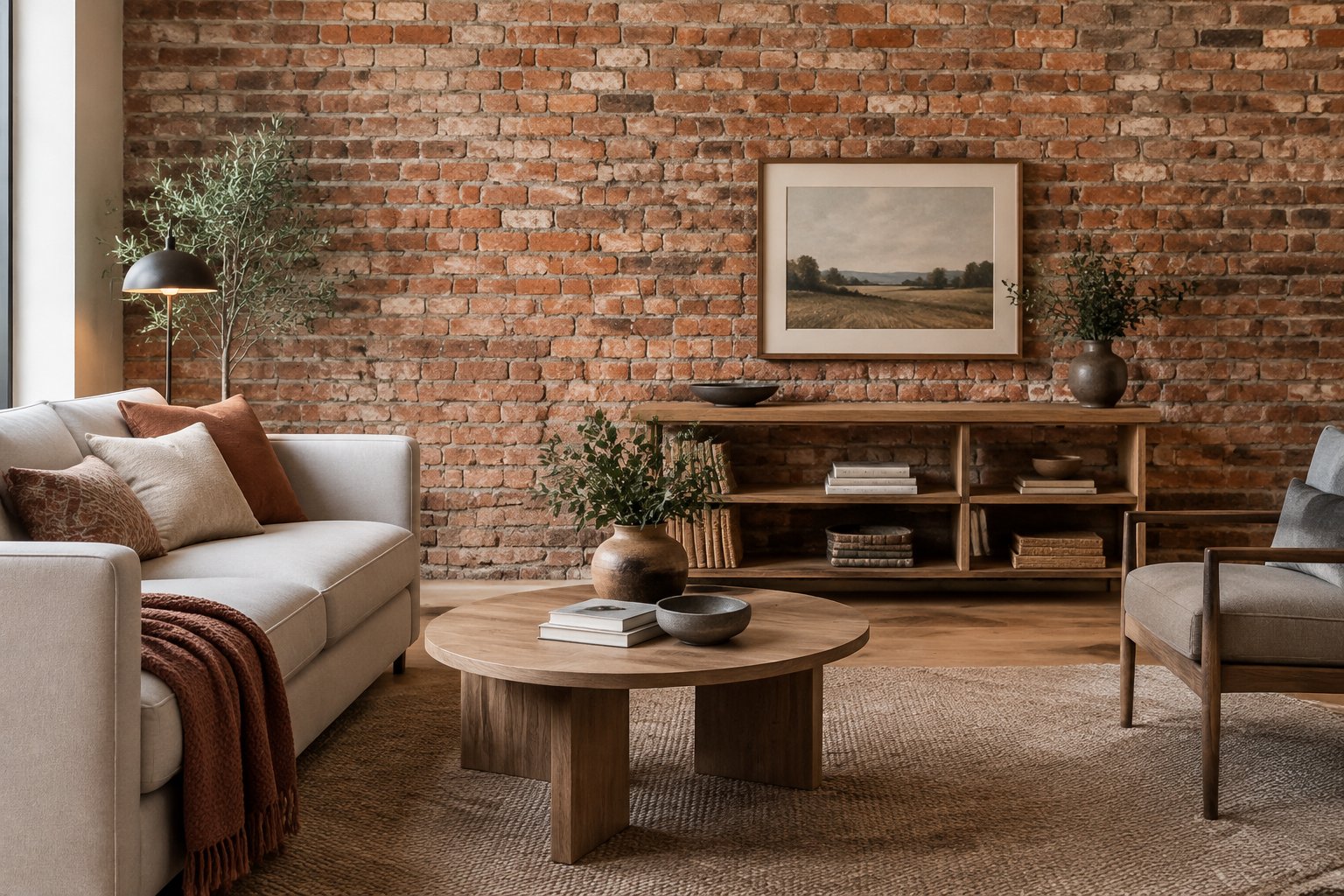
Interior accent walls, fireplace surrounds, and flooring are other strong candidates. In these low-exposure settings, recycled bricks deliver maximum visual impact with minimal performance risk.
When New Brick May Be the Better Call
Structural load-bearing walls in new construction often call for certified, uniform materials with known compressive ratings.
Aged bricks pulled from older buildings can vary significantly in density and strength, which creates complications when engineering specs demand consistency. In those cases, new brick is the more reliable choice, even if it lacks the visual depth of reclaimed material.
Large-volume projects with tight timelines may also favor new brick simply due to supply availability.
How Climate and Exposure Change the Decision
Not all reclaimed bricks handle freeze-thaw cycles the same way. Softer, older bricks fired at lower temperatures can absorb more water, which becomes a problem in climates with hard winters.
For exposed exterior walls, paving, and retaining structures in cold regions, you want denser, harder units with lower absorption rates. Checking the brick's origin and firing era helps you estimate durability before committing to a purchase.
The Main Material Choices You Will Run Into
The market for salvaged bricks and reclaimed bricks offers several distinct product categories. Knowing the difference helps you match the right material to your project. Face brick, common brick, brick pavers, thin brick, and brick veneer each serve different structural and design purposes.
Face Brick Compared With Common Brick
Face brick refers to units intended to be visible in finished construction. These bricks were originally manufactured with a smoother, more consistent surface on at least one side.
Reclaimed face brick tends to hold its appearance well and is a good choice for exterior walls, chimneys, and facades where surface quality matters. Common brick, by contrast, was made for interior use or as filler in thick wall assemblies.
It is typically softer and less finished in appearance. That rougher texture is actually an asset in rustic interior applications, but common brick generally should not be used in exposed exterior or high-moisture environments.
Brick Pavers for Patios, Walkways, and Driveways
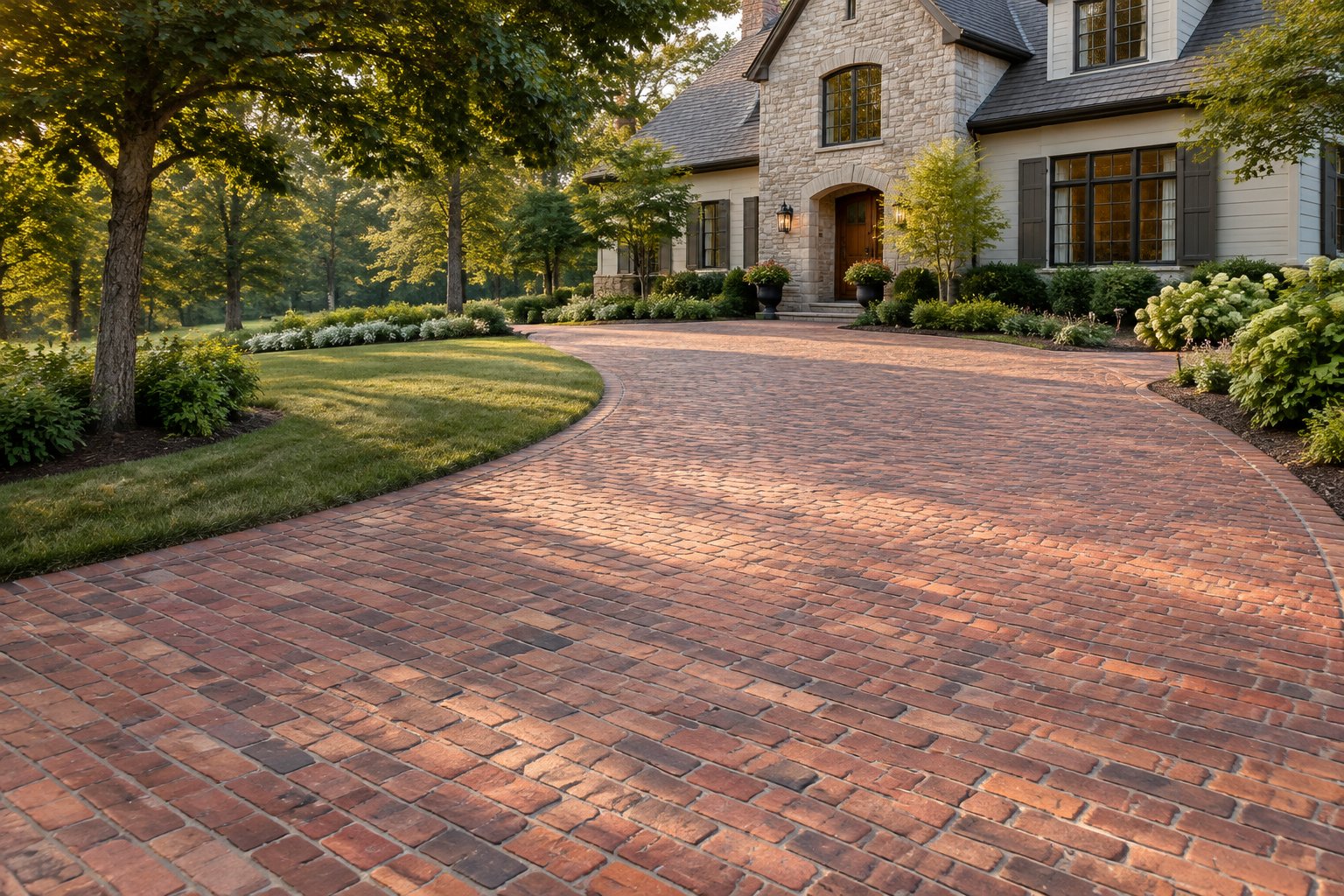
Reclaimed brick pavers were originally fired harder than wall brick to withstand street and industrial traffic. That density makes them well-suited for patios, walkways, courtyards, and driveway borders.
Antique pavers from city streets carry a surface character, from iron-stained tones to worn edges, that new concrete pavers cannot replicate.
Thickness matters here. Street-grade antique pavers are typically 2.5 to 3.5 inches thick, giving them the depth needed for ground-level installation over a compacted base. Many designers choose to frame these areas with granite cobblestones.
This combination defines the space while adding a second layer of historic texture.
Thin Brick and Brick Veneer for Lighter Installations
Thin brick and brick veneer are sliced or manufactured versions of full brick, usually between half an inch and one inch thick.
They are used where weight and depth are constraints, such as kitchen backsplashes, commercial accent walls, and renovation projects where structural alteration is not an option. Reclaimed thin brick preserves the aged surface character without requiring the structural support that full-depth units demand.
What Gives Older Brick Its Look and Lasting Value
The visual appeal of vintage brick is not accidental. It is the direct result of how these units were made, where they came from, and how long they have been in use. Understanding those factors helps you source with intention rather than just picking what looks good on a sample board.
Why Salvaged Materials Continue To Influence Modern Architecture
Architects continue to use salvaged bricks because older masonry introduces visual variation that modern materials often eliminate through standardized manufacturing. Subtle shifts in color, edge wear, and surface texture create walls that feel layered instead of perfectly uniform.
Architectural Digest notes that reclaimed materials remain popular in both restoration and new construction because they bring authenticity and visual depth into contemporary spaces. Historic brick also helps newer homes feel more connected to established surroundings rather than appearing visually disconnected from older neighborhoods.
That sense of permanence is difficult to reproduce artificially. Reclaimed masonry already carries the irregularities and weathering patterns that designers often spend years trying to recreate through staged aging techniques.
Color, Texture, and Patina From Age
Aged bricks develop a patina that new manufacturing cannot recreate. Decades of exposure to weather, heat, soot, and lime mortar produce color variation that ranges from deep charcoal and rust-brown to soft cream and salmon.
The surface texture picks up subtle pitting, rounding at the edges, and tonal shifts that add visual depth at close range.
This variation is not a defect. It is the defining feature of reclaimed brick and the primary reason designers specify it over new material when authenticity is the goal.
Regional Differences in Historic Brick
Where a brick was made affects how it looks and performs. Chicago common brick, for example, tends to run in warm buff and tan tones with a soft, slightly porous face. St. Louis brick is known for its red-orange tones and harder body.
Southern bricks, particularly those from older Gulf Coast buildings, often display a deeper red and irregular surface from hand-molding techniques.
You can review specific regional options, including soft reds, hard tans, and St. Louis reds, to get a clear picture of how regional sourcing affects color and density before ordering.
Why Some Older Units Outperform Modern Options
Bricks produced before the mid-20th century were often fired longer and at more variable temperatures than modern machine-made units.
Some of those older bricks, particularly the harder, denser ones from the interior of kiln loads, ended up with a durability that exceeds what modern standard brick offers. The benefits of sourcing reclaimed brick include this structural track record, which is difficult to replicate with newly manufactured alternatives.
Buying Smart Without Getting Stuck With the Wrong Pallet
Sourcing salvaged bricks and antique bricks for sale requires more than finding a price you like. Quality varies significantly between sellers, and understanding what to check before you commit saves money and frustration.
What To Check Before You Buy
Before purchasing used brick or reclaimed building bricks, inspect for the following:
- Cracking and spalling: Surface chips are cosmetic; through-cracks compromise structural integrity.
- Mortar adhesion: Residual mortar is normal, but heavy buildup reduces usable face area and adds cleaning work.
- Consistent hardness: Tap bricks together. A clear, sharp sound indicates density. A dull thud suggests weakness or internal fracture.
- Absorption rate: Softer brick absorbs water quickly when wet. High absorption is a problem in freeze-thaw climates.
- Size consistency: Reclaimed bricks vary slightly, but extreme size variation within a pallet complicates laying patterns and mortar joint alignment.
Getting a sample before ordering a full pallet is standard practice with reputable suppliers. Do not skip that step.
How Quantities, Grades, and Cuts Are Sold
Measurement
What It Means
Per unit
Single brick pricing is common for small orders
Per pallet
Typically 400 to 535 bricks, varies by size and supplier
Per square foot
Common for thin brick and veneer products
Full truckload
Best pricing per unit; used for large commercial projects
Grades typically reflect surface quality and cleaning level. Grade A bricks are clean, consistent, and face-ready. Grade B may include more mortar residue, minor chips, or color variation. For visible surfaces, Grade A is worth the price difference.
Finding Antique Bricks for Sale Near You or by Shipment
Local brick salvage yards are a reasonable option if you need material quickly and can inspect it in person. For specific brick types, matched regional palettes, or larger quantities, reclaimed brick near me searches often return limited local results, particularly in areas without a dense network of architectural salvage dealers.
Freight shipping is a practical alternative. Palletized reclaimed brick ships efficiently across the country, and working with a supplier who sorts and grades material before shipping reduces the risk of receiving inconsistent product.
Where Salvaged Materials Shine Beyond Basic Walls
Salvaged bricks and reclaimed brick materials are versatile beyond standard wall construction. Some of their most compelling applications are in spaces where texture, history, and visual weight matter most.
Fireplaces, Accent Walls, and Interior Surfaces
Fireplace surrounds built with reclaimed brick develop a warmth and depth that painted drywall and tile cannot approximate. The aged surface absorbs and reflects light differently than new material, which changes how a room feels at different times of day. Thin brick and brick veneer versions make this look achievable even in spaces where a full-depth installation is not structurally practical.
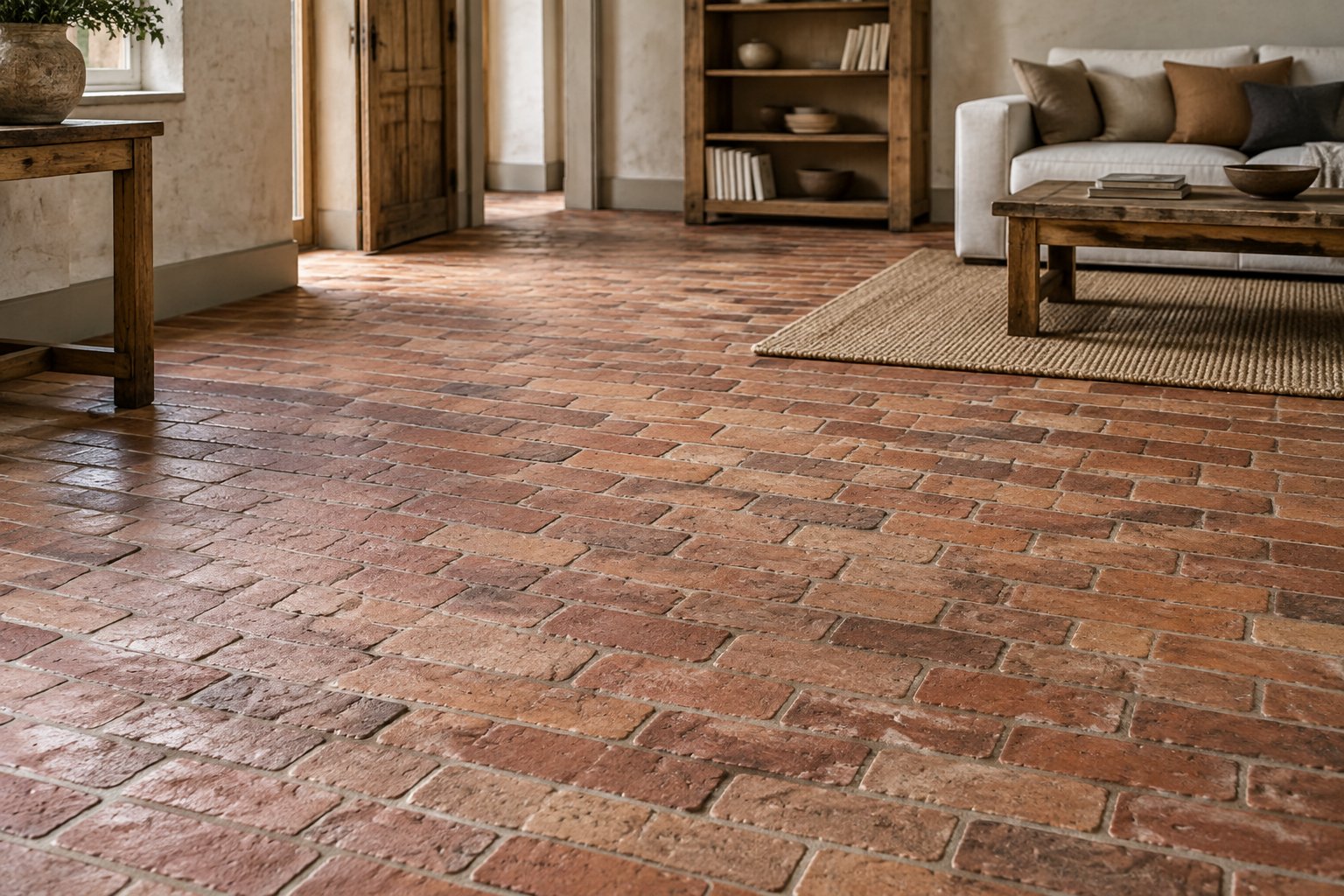
For interior flooring, reclaimed brick flooring options are particularly effective in entryways, kitchens, and covered outdoor living areas. The material ages gracefully underfoot and develops additional character with use.
Patios, Courtyards, and Driveway Borders
Reclaimed brick pavers bring a settled, established look to outdoor living spaces that new concrete pavers take years to approximate. Antique pavers laid in a herringbone or running bond pattern on a patio or courtyard surface create a cohesive aesthetic that reads as intentional rather than added-on.
Driveway borders and apron sections are another strong use case. Mixing reclaimed pavers with gravel, decomposed granite, or reclaimed stone in landscape borders adds material contrast.
Incorporating granite cobblestones as a rugged border or transition strip further enhances the reclaimed aesthetic. These stones provide a heavy-duty edge that complements the softer look of aged brick.
Retaining Walls, Columns, and Mixed-Material Landscapes
Retaining walls built with reclaimed brick blend into established landscapes more naturally than poured concrete or new block. Columns and pilasters that combine brick with reclaimed stone or granite cobblestones create layered, historically grounded structures.
These combinations offer genuine visual weight and durability. Granite cobblestones are particularly effective for high-traffic thresholds and apron sections. For detailed guidance on mixing materials in outdoor settings, the reclaimed stone installation guide walks through practical considerations for combining brick with stone.
Frequently Asked Questions
Where can I find reclaimed brick yards or sellers in Colorado Springs, Pueblo, or Southern Colorado?
Architectural salvage dealers and brick-specific reclamation yards are not common in smaller regional markets like Colorado Springs or Pueblo. Your most reliable option is a reputable national supplier that ships palletized, sorted, and graded material directly to your job site or residence. Freight delivery to Southern Colorado is straightforward for standard pallet orders, and most established suppliers can provide samples before you commit to a full purchase.
How do I estimate how many bricks I'll need for a patio, wall, or fireplace surround?
Standard reclaimed building brick covers approximately 6.75 bricks per square foot for a flat surface laid in a running bond pattern, not counting mortar joints. For walls, the count depends on whether you are building a single-wythe or multi-wythe assembly. Add a 10 to 15 percent overage to any estimate to account for cuts, breakage during installation, and the natural size variation that comes with reclaimed material.
What should I look for to make sure older bricks are still strong enough for my project?
The most practical field test is the tap test: bricks that produce a clear, ringing sound are typically dense and intact, while a dull or hollow sound suggests internal cracking or soft composition. For structural applications, request information from your supplier about the brick's origin, approximate firing era, and any absorption testing results. Softer pre-1900 handmade bricks are often better suited to interior or low-load applications than to load-bearing exterior walls.
Are there reliable ways to source used bricks for free or at low cost, and what is the catch?
Demolition sites and private homeowners occasionally offer used brick at no cost or very low cost, but the material typically requires significant cleaning, sorting, and quality assessment on your part. Free brick is rarely sorted by type, grade, or condition, which means you may end up with a mix of soft common brick, damaged units, and inconsistent sizes that complicates installation. Paying for pre-sorted, cleaned material from a professional supplier often saves more time and money than the cost difference suggests.
Why Salvaged Brick Continues To Hold Its Value
Salvaged bricks remain in demand because the material combines durability, architectural history, and surface character in a way newer products rarely achieve naturally. The worn edges, color variation, and aged texture come from decades of real exposure rather than manufactured distressing.
That authenticity changes how finished spaces feel. Whether used for patios, fireplaces, garden walls, or interior surfaces, reclaimed masonry creates a sense of permanence that develops immediately instead of gradually over time.
Choosing the right salvaged brick also depends on understanding how different materials perform. Dense pavers behave differently than softer wall brick, and regional clay bodies create noticeable variation in color, hardness, and weather resistance.
For homeowners, architects, and builders looking for authentic reclaimed masonry with lasting character, New Orleans Brick & Stone supplies salvaged bricks sourced from historic structures across the United States.