Finding used brick for sale sounds straightforward until you're standing in a salvage yard trying to figure out whether a pallet of mixed reds will actually match the wall you're repairing. The range of what gets sold under that label is wide.
Some batches of aged brick come from century-old factory buildings with rich, uneven character. Others are pulled from mid-century tract construction and offer little more than a lower price tag. Knowing the difference before you buy saves you from costly mistakes.
The appeal of reclaimed and salvaged brick comes down to something that new materials simply can't replicate: the texture, color variation, and durability that come from decades of real-world exposure.
New Orleans Brick & Stone sources authentic reclaimed bricks from historic sites, ready to ship within 48 hours. That's a different experience from waiting weeks for a special order.
The sections ahead walk you through what buyers actually encounter in this market, how to judge what you're looking at, where to source the right batch, and how to plan your budget so the numbers don't surprise you at the end.
Choosing the Right Used Brick for Sale
The term "used brick" gets applied to several different product types, and the distinctions matter depending on your project.
When looking at used brick for sale, knowing if you need reclaimed bricks with genuine age or a veneer product helps you ask the right questions. Selecting an authentic aged brick ensures your project has the character and durability you expect.
How Used Brick Differs From New Material
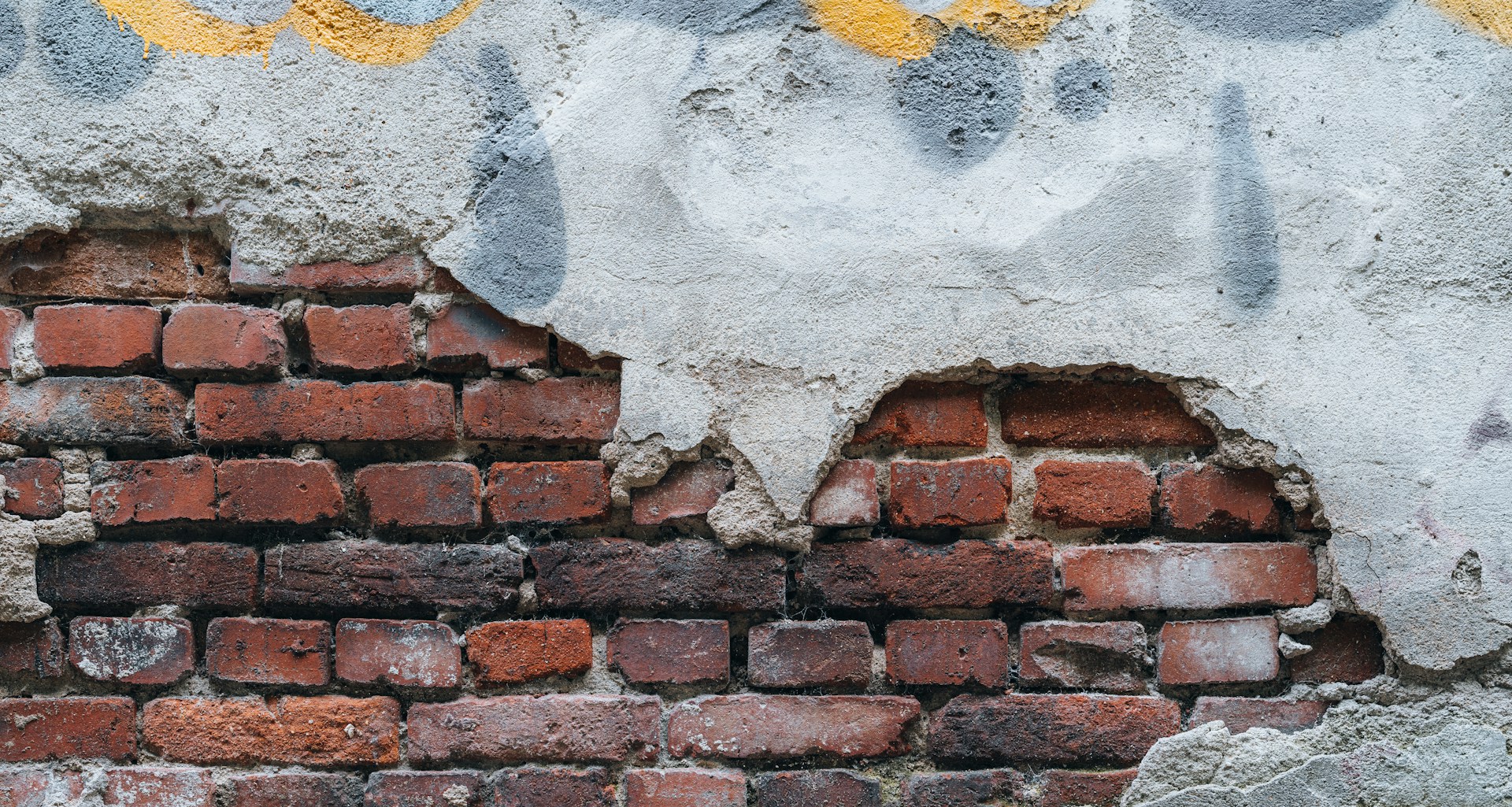
Used brick, at its best, refers to genuine salvaged brick pulled from demolished or deconstructed buildings. These bricks were typically fired at higher temperatures using older methods, and the clay composition often differs from modern production runs.
The result is a denser, more varied product with warm tones and a surface patina that takes years to develop naturally.
New brick is manufactured to be consistent: uniform color, predictable size, smooth face. That consistency is useful in certain applications, but it's the opposite of what most buyers are after when they seek out reclaimed or vintage brick.
If matching older work is your goal, or if you want character in a new build, new material rarely gets you there. You can read more about how reclaimed brick compares to new brick to understand what you'd be giving up.
When Reclaimed Brick Is the Better Fit
Reclaimed bricks, or antique bricks salvaged from historic buildings, are the right choice when visual authenticity matters. Restoration work on older homes, fireplace surrounds, accent walls, and exterior facades often requires blending new materials with existing masonry.
In such cases, aged brick outperforms newly manufactured options. The irregular edges and color variation aren't flaws; they're what make the product look right in context.
Where Thin Brick and Brick Veneer Enter the Picture
Thin brick and brick veneer are sliced or formed products that mimic the look of full brick without the structural depth.
They work well for interior wall applications, kitchen backsplashes, and feature walls where you want the reclaimed aesthetic but can't support the weight of full masonry. They are not a substitute for structural use, but they expand the range of spaces where you can use authentic vintage brick character.
How to Judge Quality Before You Buy
Not every batch of salvaged brick is worth bringing home. Quality varies significantly depending on the source building, how the material was handled during demolition, and how it was sorted and stored afterward.
Signs a Batch Is Worth Bringing Home
Start with a visual check. Good reclaimed bricks should feel solid and dense, not chalky or lightweight. Look for:
- No deep cracks or spalling on the face or edges
- Consistent core color when you look at a broken piece (not dusty or crumbling inside)
- Firm surface that doesn't flake when you scratch it with a key or coin
- Minimal efflorescence, the white salt deposits that can indicate water damage
A simple tap test helps, too. Tap two bricks together. A clear, ringing sound suggests good density. A dull thud usually means the brick is soft, porous, or damaged internally. Check out matching reclaimed brick for renovation.
Questions to Ask About Size, Color, and Quantity
Brick sizing varies more than most buyers expect, especially in reclaimed material. Older bricks often run slightly larger than modern standard sizes. Before buying, confirm:
Factor
Why It Matters
Face dimensions
Affects coursing and pattern alignment
Thickness
Determines mortar joint sizing
Color range within the batch
Wide variation can look uneven in large runs
Available quantity
Running out mid-project often means a matched replacement
Always ask whether the listed quantity includes a waste factor. Salvaged brick breaks more easily than new, and cutting irregular pieces adds to your loss rate.
Why Source History Matters for Matching Older Work
If you're matching existing masonry on an older home, knowing where the bricks came from helps. Bricks salvaged from historic buildings often share clay compositions and firing characteristics with older regional construction.
For example, soft red reclaimed bricks from the Gulf South tend to have a particular warmth and texture that aligns well with late 19th and early 20th century residential work in that region. Asking your supplier about the original source building is a reasonable and useful question.
Best Places to Look for the Right Batch
Sourcing quality reclaimed bricks takes a bit more legwork than ordering new material, but the right channels make it manageable. Your best options depend on how quickly you need the material and whether you can inspect it in person.
Salvage Yards and Architectural Reuse Centers
Local salvage yards and architectural reuse centers are the most hands-on option. You can inspect the used brick for sale directly, check for consistent sizing, and ask about source history.
The inventory changes constantly, so it's worth calling ahead if your project requires a large matched quantity. Because quality aged brick varies by supplier, bring a sample of your existing material if you are trying to match a specific wall.
Dealers, Masonry Suppliers, and Surplus Inventory
Specialty reclaimed brick dealers maintain more curated and consistent inventory than most salvage yards. A good dealer grades their material, cleans old mortar off the faces, and can tell you the approximate age and origin of each batch.
Sourcing from a reliable reclaimed brick supplier also gives you more confidence in the quantity and consistency you'll receive. Some masonry suppliers carry surplus reclaimed inventory alongside new products, which is worth asking about.
Online Marketplaces and Local Classified Listings
Craigslist, Facebook Marketplace, and similar platforms often turn up private sellers offloading leftover brick from demolitions or old construction.
Prices can be low, but so can quality control. You'll rarely know the brick's source, and photos don't show you the full condition of a batch. Online options work better for small accent quantities than for primary project material, where consistency matters.
Projects That Make Old Brick Worth the Search
Reclaimed and vintage bricks earn their price premium when the project calls for character, durability, and a look that fits naturally into older or historically influenced spaces.
Why Reclaimed Brick Works So Well in Outdoor Spaces
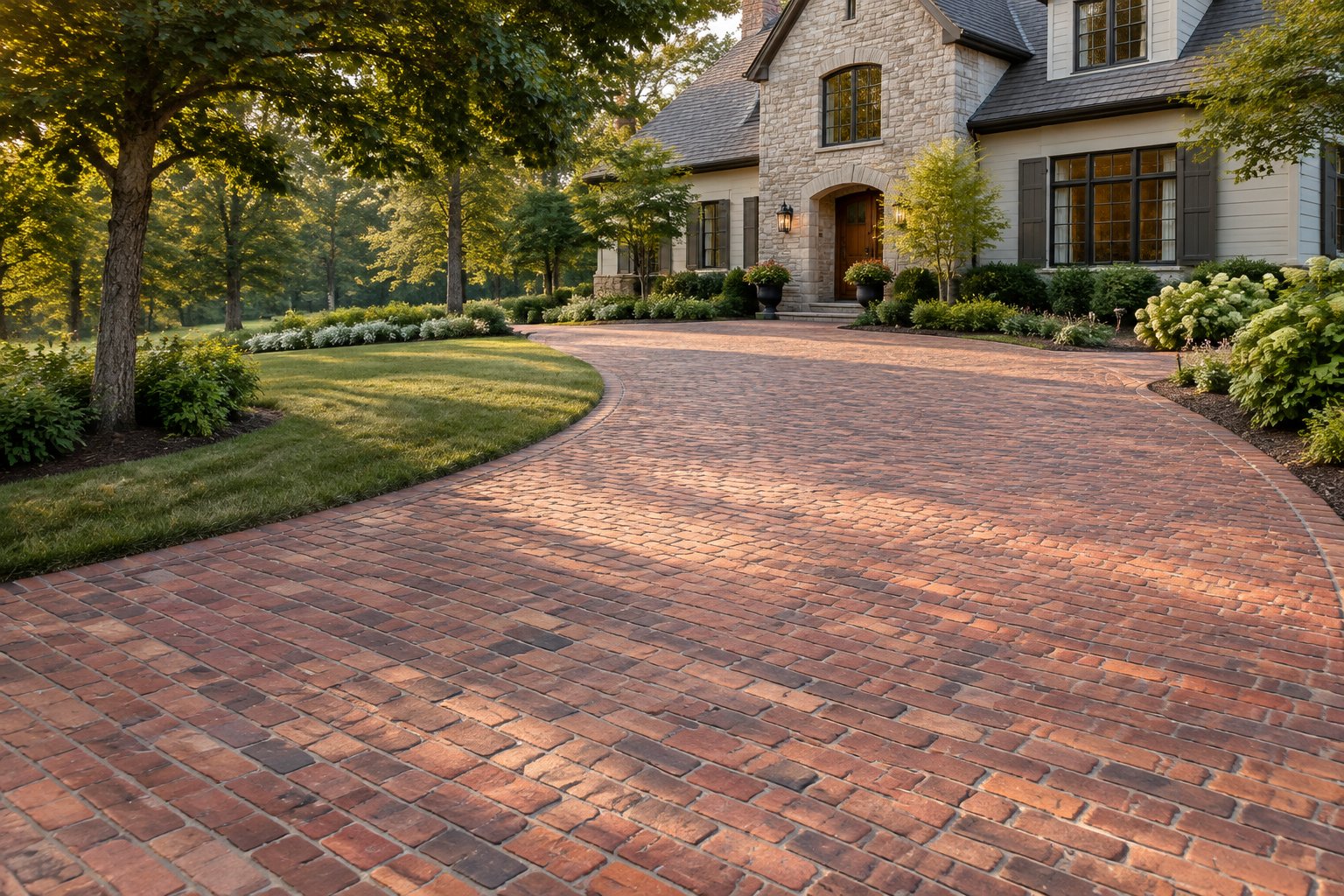
Reclaimed brick performs particularly well in patios, walkways, and courtyard spaces because the material already carries a naturally weathered appearance. Minor wear and surface variation blend into the existing patina instead of standing out as damage.
Garden Design Magazine has highlighted reclaimed brick and antique pavers as popular choices for outdoor hardscapes. They create landscapes that feel established from the beginning.
Salvaged street pavers and dense reclaimed masonry also provide traction and texture that many newer paving materials struggle to replicate visually.
That aged surface character becomes more appealing over time rather than less. As reclaimed brick continues to weather outdoors, the material usually gains more visual depth instead of appearing worn out prematurely.
Walls, Fireplaces, and Exterior Facades
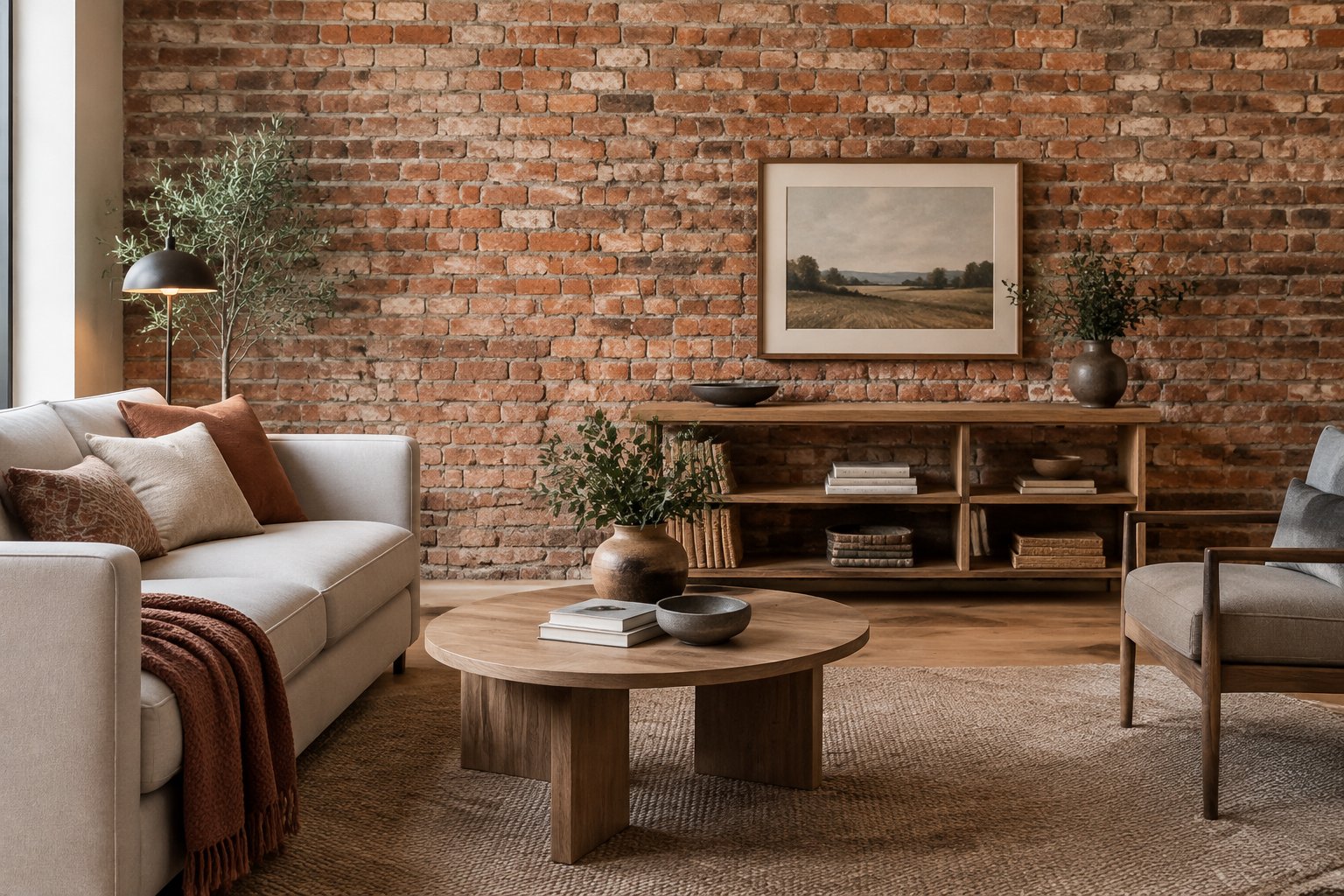
Interior accent walls and fireplace surrounds are among the most popular uses for antique bricks. The varied tones and textures that come from real age create depth that painted or manufactured alternatives can't produce.
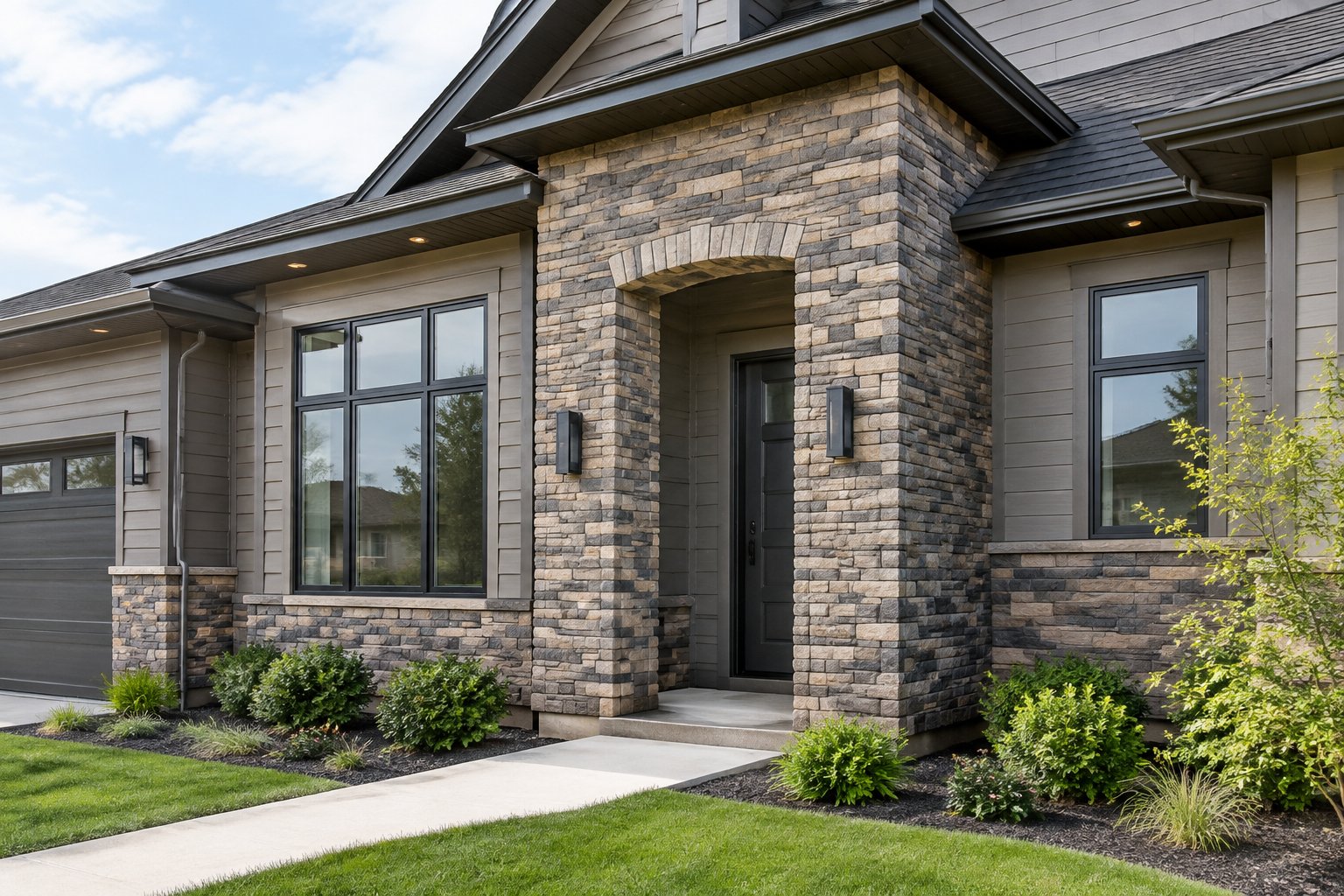
Exterior facades benefit from the same quality; reclaimed material weathers gracefully because it already has. For homes with existing historic masonry, matching the facade with reclaimed brick for historic restorations keeps the visual continuity intact.
Patios, Walkways, and Reclaimed Brick Pavers
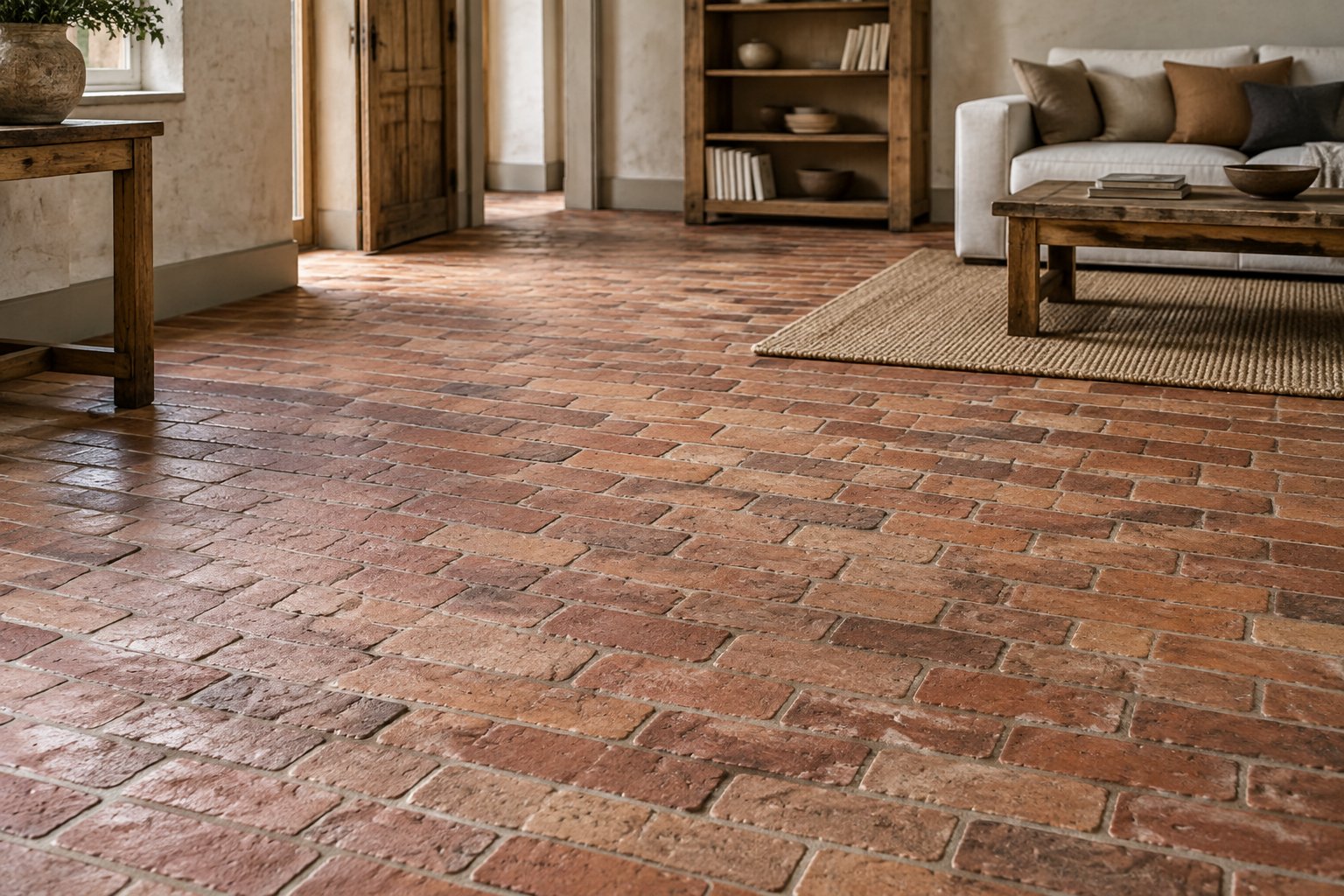
Reclaimed brick pavers are an excellent choice for patios, garden paths, and courtyard surfaces. The material holds up well underfoot and develops a pleasant worn surface over time.
Salvaged street brick, in particular, was designed for heavy use and performs accordingly in outdoor applications. Learn more about planning a reclaimed brick paver project before you calculate quantities, since paver layouts have different waste rates than wall applications.
Mixing Brick With Reclaimed Stone and Granite Cobblestones
Some of the most visually interesting outdoor hardscape projects combine reclaimed brick with reclaimed stone or granite cobblestones. The mix of textures and materials works well in courtyard borders, driveway aprons, and garden feature areas.
Matching the approximate age and regional origin of both materials helps the combination look intentional rather than assembled from mismatched leftovers.
Budget, Shipping, and Quantity Surprises
The sticker price per brick rarely tells the whole story. Buyers often hit unexpected costs in the final calculation that push the project over budget.
Why Small Orders Can Cost More Than Expected
Per-brick pricing typically drops significantly when you buy by the pallet. Buying a small number of bricks individually can cost two to three times more per unit than pallet pricing.
If your project only needs a small quantity, it's worth asking whether a supplier offers mixed pallets or partial pallet sales rather than assuming individual pricing is your only option.
How Pallet Counts and Waste Factor Affect the Total
A standard pallet typically holds 500 to 510 reclaimed bricks, and pricing usually falls in the range of $300 to $700 per pallet, depending on type, grade, and origin. At the individual level, that works out to roughly $0.60 to $1.40 per brick.
Plan for a 10 to 15 percent waste factor on top of your calculated quantity, more if the project involves significant cutting or irregular layouts. Understanding reclaimed brick costs before you finalize your order helps you arrive at a realistic total.
When Local Pickup Beats Freight Delivery
Freight shipping on bricks adds up quickly because of the weight. A single pallet of reclaimed bricks can weigh 1,500 to 2,000 pounds, and freight rates reflect that. If you're near a supplier, local pickup often saves a meaningful amount per pallet.
Call and speak directly with a supplier representative rather than relying on an email chain to get accurate freight quotes; they can often suggest better shipping configurations or flag options that don't show up in an online checkout.
Frequently Asked Questions
How do I know if the used brick for sale I found locally is a real match for my existing wall?
Color and texture alone aren't enough to confirm a match. Bring a loose brick from your existing wall to compare in natural light, and check thickness and face dimensions against the salvaged material with a tape measure.
Slight color variation between batches tends to blend over time as mortar ages, but significant size differences will throw off your coursing and be immediately visible.
Can aged brick sourced from one region be used in a climate it wasn't made for?
Most reclaimed bricks are durable enough for a range of climates, but the original firing temperature and clay composition do affect freeze-thaw performance. Softer, lower-fired bricks from warm-climate regions may not perform as well in areas with hard winters and repeated freeze-thaw cycles.
Ask your supplier about the brick's origin and intended use before committing to outdoor applications in colder climates.
If I'm calling a supplier to discuss a large order, what information should I have ready before the call?
Have your project dimensions, an estimate of how many bricks you need (including waste), the approximate age and style of any existing masonry you're trying to match, and a clear description of the application, wall, floor, paver, or veneer.
A good supplier will ask those questions anyway, but having answers ready lets the conversation move faster and gets you to a real quote rather than a ballpark range. You can also check existing product listings, like hard tan reclaimed brick,s to get familiar with available types before you call.
Is there a meaningful difference between buying from a curated dealer versus a general salvage yard for a precision restoration project?
For a precision restoration where color consistency, mortar clean-up quality, and source documentation matter, a curated dealer is worth the premium.
General salvage yards move material without grading it closely, which means more sorting work on your end and a higher chance of receiving a mixed batch with significant variation. A dealer who specializes in authentic reclaimed masonry can also provide documentation on the source building, which is sometimes required for historic preservation projects.
Why Used Brick Continues To Appeal for Restoration and Design
Used bricks remain popular because reclaimed masonry carries visible history that newer materials rarely reproduce naturally. The color variation, worn edges, and aged texture come from decades of real exposure rather than manufactured distressing.
That authenticity matters in restoration work, fireplace surrounds, patios, and exterior facades where homeowners want materials that feel established instead of newly installed. Reclaimed brick also helps newer construction blend more naturally with older homes and historic neighborhoods.
The best results come from selecting the right material for the application. Brick density, regional clay composition, sizing consistency, and moisture exposure all influence how reclaimed masonry performs over time.
For homeowners, builders, and architects looking for authentic reclaimed masonry with lasting character, New Orleans Brick & Stone supplies used brick sourced from historic structures across the United States.