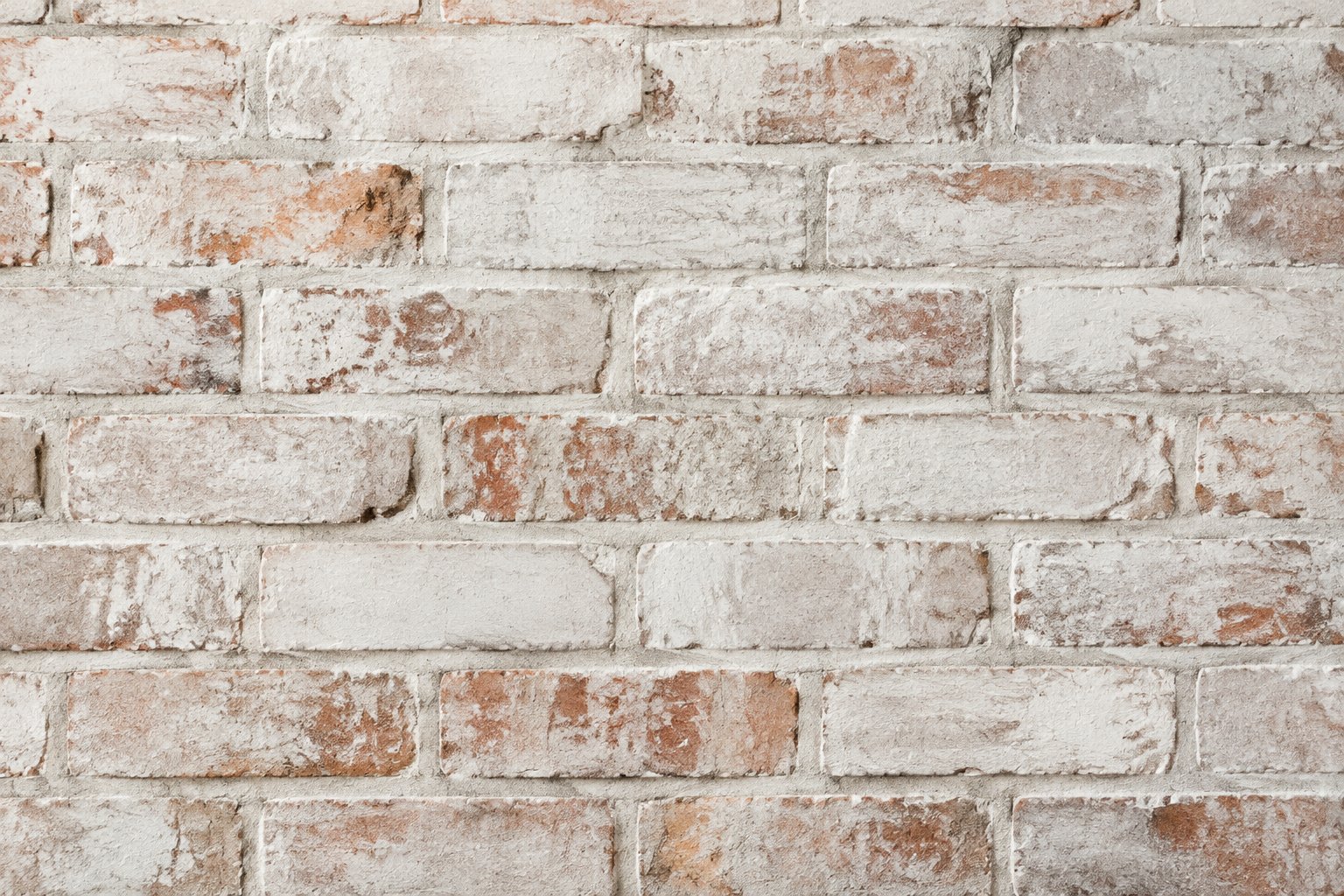
The pallet out front is labeled "antique," and at first glance it looks the part. The color is warm, the edges seem worn, and a chalky layer of lime mortar clings to a few faces.
But you've got a 2,400-square-foot facade to cover, and if these bricks turn out to be tumbled reproductions instead of the real thing, you'll notice it as soon as the sun hits them. Once the scaffold comes down, there's no hiding it.
Knowing what genuine antique brick looks and feels like, and where it actually comes from, makes all the difference. A project with real soul just doesn't look the same as one that's faking it.
Want to know how the trade defines antique brick? Or what separates true reclaimed material from factory-made lookalikes? Curious about the regional varieties with the most character? Here's what you should ask a supplier before you commit. This guidance comes from handling the material by hand, not reading a spec sheet.
What Makes Antique Brick Different From New Reproductions
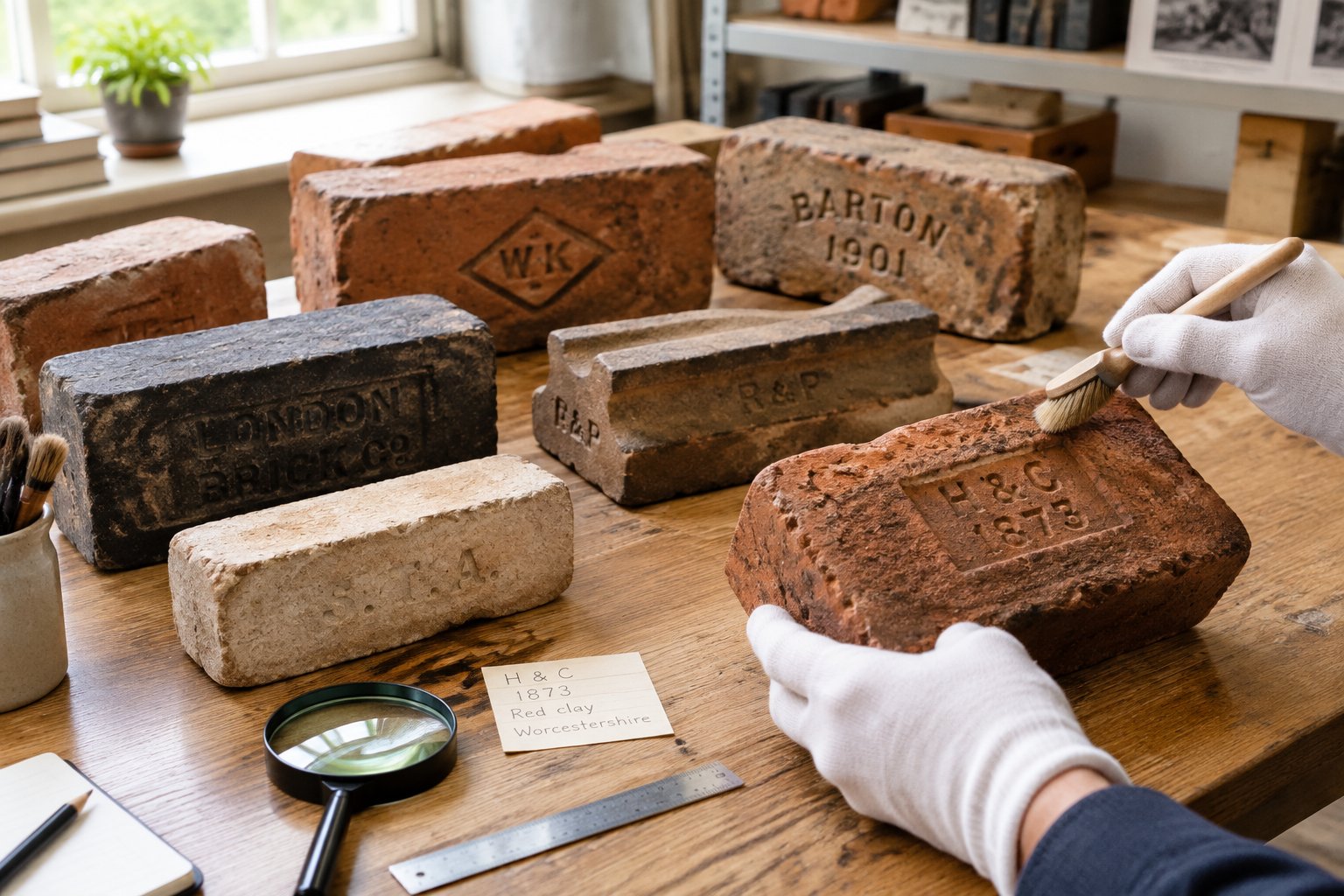
Genuine antique brick carries physical evidence of age that no manufacturing shortcut can truly copy. You'll spot it in the clay body, the fire skin, the mortar ghosts, and the inconsistent dimensions that reveal it was shaped by human hands or a 19th-century machine.
How the Trade Defines Antique Brick
In the real world, "antique brick" means brick salvaged from buildings at least 75 to 100 years old. Most bricks on the market today come from demolitions of pre-1930 warehouses, mills, churches, and houses.
But age isn't the whole story. Buyers want proven durability, natural patina, and color depth, the qualities that only decades of weathering can give.
Reclaimed brick and antique brick overlap, but "antique" usually means more visible character and age. A reclaimed brick could be 40 years old and still strong, but an antique brick should show the marks of a century or more. If you're restoring or building a home that needs period-correct texture, this distinction really matters.
How Reclaimed Material Differs From Antique-Style Manufacturing
Some manufacturers sell new brick that's been tumbled, sanded, or pigmented to look old. These antique-style reproductions might fool you at first glance, but up close, they fall short.
A tumbled new brick shows uniform clay color beneath the roughened surface. True reclaimed bricks display color variation that goes all the way through, because the original firing was uneven.
New reproductions also miss the fire skin that forms during long, slow kiln cycles. That glassy, sometimes iridescent layer gives historical bricks their surface character. Sand-finished or acid-washed new bricks just feel gritty. If you scratch the face and see a uniform clay body underneath, you're probably holding a reproduction.
What Age, Patina, and Wear Actually Tell You
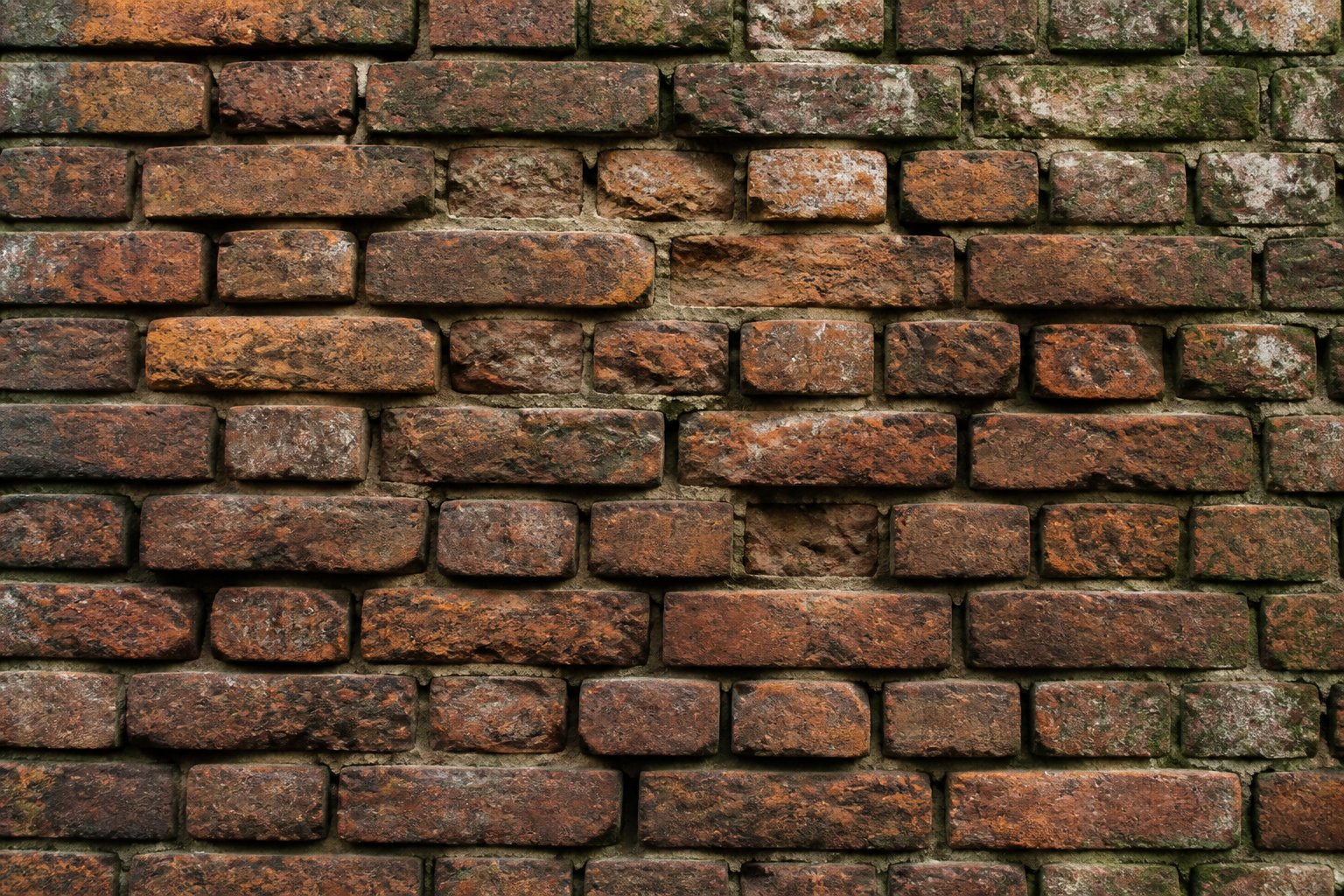
Real patina isn't a coating. It's the result of minerals migrating, lichen growing, soot deposits, and weather cycles working over a century. You'll spot slight efflorescence, hairline crazing on the fire skin, and mortar residue that stains can't mimic.
Wear patterns matter too. Antique bricks from load-bearing walls often show compression marks on their beds and sharp arrises on the exposed faces. Bricks from interior courses might have softer edges and deeper mortar shadows.
These clues reveal not just the brick's age, but where it sat in the original building. That's helpful when you need to match reclaimed brick for a specific use, like a facade or hearth.
Once you know what authentic material looks like, the next question is where it comes from, and how it gets from a demolition site to a sorted pallet.
Where Authentic Material Comes From and How It Is Sorted
The best antique brick starts with the right building. Not every old structure gives you usable material, and the steps between demolition and delivery decide whether you get sorted, inspected brick or just a pile of rubble.
Why Century-Old Buildings Matter
Builders before 1920 used lime-based mortars that are softer than the brick itself. That softer mortar lets salvaged brick separate cleanly without damaging the faces.
After 1930, builders started using Portland cement mortars, which bond so aggressively that reclamation often breaks the brick. That's why century-old structures remain the main source for quality reclaimed brick and stone.
The clay in older buildings usually comes from local sources and was hand-processed. Regional kilns produced brick colors and textures that reflect local geology, from iron-rich reds in the Gulf South to sandy tans in the Midwest.
As the NPS guidelines on masonry rehabilitation point out, brick quality depended on local clay and firing technique. By the 1870s, extrusion made bricks more uniform, but pre-industrial, clamp-kiln bricks show more variation and richer character.
How Salvage, Cleaning, and Inspection Affect Quality
After deconstruction, each brick gets cleaned to remove old mortar. Quality suppliers hand-clean or use gentle mechanical methods that preserve the original fire skin.
Aggressive cleaning, like tumbling or acid baths, strips away patina and can weaken the brick's surface. After cleaning, inspection happens next.
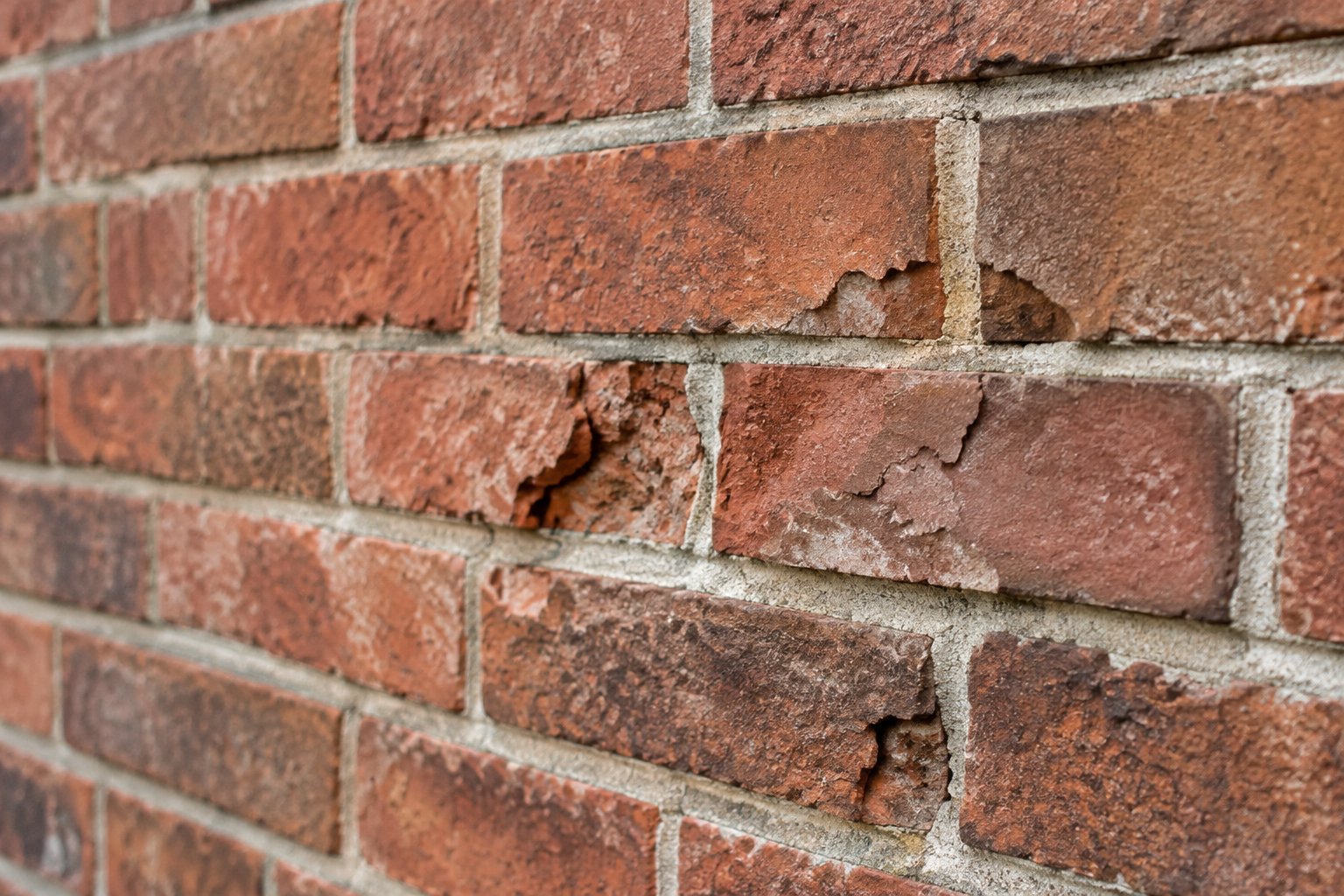
Reliable suppliers sort first by structural integrity, tossing out bricks with deep cracks, spalling faces, or excessive softness. Then they sort by color, size, and condition. A good pallet gives you a consistent color range and tight enough dimensions for a clean wall run. If suppliers skip sorting, your mason ends up doing that work.
The Bourgeois family has spent nearly 40 years sorting reclaimed brick this way. It is the A. Hays Town philosophy in practice: reclaimed material gives a home a warmth and permanence that new brick cannot fake.
What Handmade and Machine-Made Brick Look Like
Handmade reclaimed bricks, shaped in wooden molds and fired in clamp kilns, show finger marks, sand drag, and soft undulations. They usually run 7½ to 8¼ inches long, with noticeable size variation.
These bricks give a wall that organic, layered warmth. Machine-made reclaimed bricks, made from the 1870s onward, are more uniform, with tighter tolerances, smoother faces, and crisper edges.
Specialty bricks such as corbels, water tables, and arch segments often came machine-pressed for exact profiles. Both types have their place, depending on the look you want. Many projects blend handmade and machine-made for depth.
The variety within these categories leads to the question: which regional styles have the most character?
Common Antique Brick Varieties and the Character They Bring
Every region produced antique bricks with distinct color, texture, and hardness based on local clay and firing methods. Knowing which type fits your project helps you choose material that looks and performs right.
Soft Red, Hard Tan, Old Chicagos, and St. Louis Reds
Soft Reds are highly sought after for Southern homes. They show warm salmon-to-crimson tones and a chalky, matte surface. Their lower hardness makes them great for accent walls and facades, but not ideal for heavy vehicle traffic. Soft Reds and Old Chicagos start at $1.85 per brick.
Hard Tans come from Midwestern kilns that fired at higher temps, giving a dense, buff-to-cream body. They resist moisture better than softer bricks, so they work well for exteriors in freeze-thaw climates. Hard Tans start at $2.00 per brick.
Old Chicago bricks are their own thing, usually machine-made, with a deep orange-to-brown palette. St. Louis Reds, which start at $1.70 per brick, offer similar density but a true red color that holds up on commercial facades. Both types have surface variation that shines in brick veneer and thin brick formats, without the weight of a full unit.
How Size, Texture, and Color Range Change by Region
Antique bricks aren't standardized like modern modular brick. A Southern handmade brick may measure 8 inches long and 2¼ inches tall. A Northern machine-pressed unit from the same era could be 7⅝ by 2½.
These differences affect mortar joint width, coursing height, and how many bricks you need per square foot.
- Southern handmade: Irregular faces, wide color range, softer body.
- Midwestern machine-made: Tighter dimensions, smoother texture, higher density.
- Northeastern pressed: Crisp arrises, uniform color, great for precise coursing.
- Gulf Coast clamp-fired: Deep reds and oranges, sand-textured beds, moderate hardness.
Texture shifts with method, too. Clamp-fired bricks have rougher, more porous faces than tunnel-kiln bricks. Color range within a single lot can span three or four shades. That's what gives a reclaimed wall its depth.
When to Consider Thin Brick or Brick Veneer
Full-depth antique brick is standard for structural walls and exterior cladding. But if weight or depth is an issue, thin brick cut from genuine reclaimed units gives you the same face character at about ½ to ¾ inch thick.
This isn't a manufactured veneer printed to look old. It's the actual face of a century-old brick, sliced and ready for adhesive or mechanical attachment.
Thin brick works well for interior feature walls, reclaimed brick flooring, and commercial spaces where every inch counts. The patina, color variation, and fire skin stay intact.
You lose the thermal mass and structural strength of a full unit, but knowing where to use full brick versus thin brick is practical. It opens up more possibilities for where these materials shine in real projects.
Best Uses for Antique Brick in Homes and Commercial Projects
Antique brick stands out where texture, warmth, and visible history set the mood or create a focal point.
Walls, Facades, and Interior Feature Areas
Exterior facades are the most visible use for reclaimed bricks. A facade built with genuine 100-year-old brick just looks different, even from across the street.
The subtle color changes and shadows along irregular faces give depth that flat, uniform walls can't match. Interior accent walls in living rooms, kitchens, and lobbies use the same material to ground a room.
Mortar color matters. Mortar that's too white or too gray can flatten the look. Matching mortar to the original lime tones, often a warm ivory or soft gray, keeps the aged character alive.
According to NPS mortar analysis guidance, recreating the original mortar recipe preserves both structure and authenticity.
Patios, Walkways, and Antique Pavers Underfoot
Reclaimed brick pavers laid in herringbone or running bond patterns create outdoor surfaces with instant warmth. Unlike stamped concrete or manufactured pavers, antique pavers develop a patina that actually deepens over time.
For patios and walkways, thickness matters. Standard antique pavers run 1½ to 2¼ inches thick. Most residential patios and pathways use a compacted gravel base with a sand setting bed.
Driveways or areas with vehicles need a thicker unit and a reinforced base. Genuine reclaimed pavers have surface texture that provides natural traction, even when wet, because the open pore structure of old brick grips better than glazed or machine-finished surfaces.
Fireplaces, Columns, and Other Specialty Details
Fireplaces are where antique brick really shines. A surround built from hand-selected reclaimed brick, with visible fire skin and mortar ghosts, tells a story before anyone lights a match.
Columns at an entry or under a porch roof also benefit from this material, especially when paired with reclaimed stone at the base.
Specialty bricks such as arches, corbels, and molded details let you add period elements to doors, windows, and rooflines without custom fabrication. These pieces are tough to find, so check availability early in design.
How to Judge Quality Before You Commit to an Order
The fastest way to avoid a bad purchase is to ask the right questions before you hand over any money. Reclaimed brick isn't a commodity, and the supplier's process decides what shows up on your site.
Questions to Ask About Sourcing and Inventory
Let's start with the basics: always ask where the bricks came from and how old the original building was. If your supplier is legit, they'll know the region, the type of building, and roughly when it was built. If you get a vague answer, you're probably looking at mixed lots and unpredictable quality.
Knowing the benefits of sourcing reclaimed brick from someone transparent can really save your project and your wallet.
Don't forget to ask how the bricks were cleaned, what inspection process they use, and how they sort the lot. Did they hand-clean the bricks, or just toss them in a tumbler? Do they check for spalling, cracks, or weird sizes? Suppliers who stock specialty brick alongside their standard inventory usually keep higher sorting standards across the board.
What Natural Variation Is Normal
Reclaimed bricks just aren't uniform. You'll see two to four color shades in a single pallet. Handmade bricks usually have size differences of about 1/8 to 1/4 inch in length and height. Machine-made ones are tighter, maybe off by only 1/16 inch.
- Normal: Small color shifts, minor edge chips, leftover mortar, or some hairline crazing.
- Cause for concern: Deep face spalls, cracks that run through the whole brick, or bricks you can gouge with a fingernail.
- Not a defect: Fire-skin discoloration, lime bloom, or sand drag marks.
You'll find these quirks in reclaimed bricks, and honestly, that's part of the charm. If someone claims every brick is identical, they're probably over-sorting, sneaking in reproductions, or just not being straight with you.
How Photos, Samples, and Freight Details Help You Decide
Always ask for photos of the exact lot you'll get, not just some random gallery from another job. Even better, request a small sample so you and your mason can check color, hardness, and size in person. It's a small price compared to the headache of sending back a full freight order.
Before you commit, nail down the freight details. Will delivery be curbside only? Do you need a forklift on site? How long do you have to note damage with the driver? These things can mean the difference between a smooth delivery and a costly mess.
Checking Availability and Fit for Your Project
As soon as your research turns into picking specific material, availability takes center stage. Antique brick is finite. The lot you want today might be gone tomorrow.
When Early Research Turns into Material Selection
Once you know the variety, color, and thickness you need, find a supplier who can confirm real pallet counts. Lots of buyers waste weeks chasing material that's already sold. If you reach out early, even during design, you get first dibs on what's available. For more on choosing, check out this guide to finding a nationwide reclaimed brick supplier for tips on timing and logistics.
Why Live Inventory and Shipping Timelines Matter
Suppliers usually work one of two ways: they either hunt down brick after you order, or they keep it in stock and ready to go. If they have to find it after you pay, you could wait months. If it's already cleaned, sorted, and palletized, you can actually plan your schedule.
Shipping timelines should be clear. Ask how many business days it takes from payment to truck departure. Check if they use tracked freight carriers. Pallet shipments usually mean curbside delivery, so get your forklift or crew lined up to move it from the curb to your staging area.
What to Confirm Before You Place a Freight Order
Before you sign off, double-check these:
- Quantity: Confirm the total brick count and ask about recommended overage (usually 5 to 10 percent).
- Dimensions: Make sure brick length, height, and depth match your plan.
- Weight per pallet: You'll need this for freight quotes and site planning.
- Delivery access: Know the truck size, drop-off spot, and any special needs.
- Inspection window: Find out how long you have to report damage, usually five business days.
- Cancellation policy: Most orders can be canceled within 24 hours if the pallet isn't prepped yet.
Getting these details right before you pay means fewer headaches later. Once you have confirmed the counts and freight terms, checking live stock is the last step before you order.
Frequently Asked Questions
What's the going rate per brick and per pallet right now, and what makes one lot cost more than another?
Antique brick prices depend on variety, age, and condition. Handmade bricks from before industrialization cost more than machine-made ones because they're rare and have more character. Color-sorted lots and specialty shapes like corbels or arch bricks also cost extra. For current pricing, just call the supplier. It is the only way to get an accurate answer.
How do I tell real reclaimed brick from new "tumbled" brick when I'm buying for a job?
Try scratching the face with a utility knife. Real reclaimed brick shows different clay colors under the fire skin, while new tumbled brick is the same color all the way through. Look for mortar ghosts and sand drag on the beds; only old bricks from real walls have those. Handmade bricks will also be less consistent in size.
What sizes and thicknesses do you keep in the yard, and how consistent is the lot for an elevation or wall run?
Most bricks run from 7½ to 8¼ inches long and 2¼ to 2½ inches tall. Machine-made bricks are more consistent, but handmade ones vary more. For a smooth elevation, ask your supplier about the lot's size consistency and plan your mortar joints to handle small differences.
Do you have enough on hand for a full house, courtyard, or commercial facade, and how fast can you ship?
Inventory changes all the time. The only way to know if there's enough for your project is to call and check. Suppliers with inventory on hand can usually ship within 48 hours of payment. If they have to source it, it could take months. Always confirm pallet counts before you commit.
What should I plan for mortar color, joint style, and brick cleaning to keep that aged patina without making it look new?
Use a lime-rich mortar in warm ivory or soft gray to match the brick's natural tones. Stay away from bright white, Portland-heavy mortars, which will overpower the aged look. For joint style, a flush or slightly raked joint keeps the brick face the star. Clean finished work with water only, since acid-based cleaners can strip the original fire skin and ruin the patina for good.
For patios and walkways, what base and setting method holds up best, and how slick do they get when wet?
Go with a compacted gravel base, four to six inches deep, topped with an inch of coarse sand. That's standard for residential reclaimed brick patios and walkways. Polymeric sand in the joints stops shifting and keeps weeds out. Real antique pavers have a rougher surface, so they're less slippery when wet than glazed or machine-finished ones. They're a solid choice for outdoor spaces.
Your Next Step Starts with a Phone Call
Real antique brick brings a century of strength, earthy color, and surface character you just can't fake. Whether you're restoring a historic building, finishing a custom home, or putting in a courtyard that needs to look like it's always been there, the steps are pretty much the same. Figure out what you need, check the lot, and make sure your supplier can deliver when you need it.
New Orleans Brick Co keeps hand-picked reclaimed brick and stone in the yard, ready to ship nationwide within 48 hours of payment. Call the number on the site, let them know your project size and the style you want, and you'll get a straight answer about what's in stock right now.