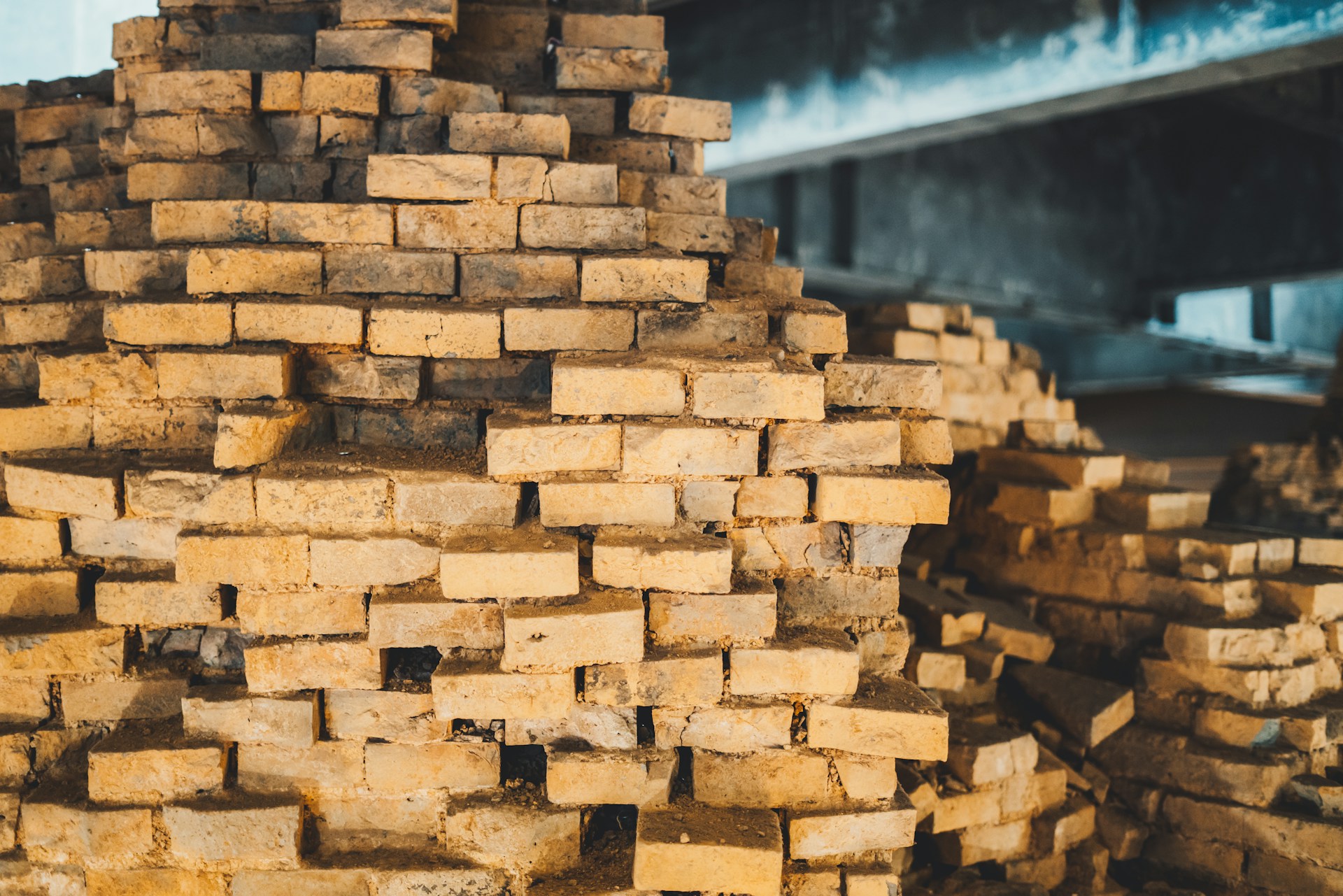
Recycled bricks carry a certain appeal that's hard to ignore. The uneven edges, the faded color variation, the sense that a material has a history behind it — these qualities draw people in for a reason. What's worth knowing before you start a project, though, is that "recycled brick" means different things depending on who you ask.
In the construction industry, recycled brick often refers to material that's been crushed and processed into aggregate, road base, or filler. Reclaimed brick is something different entirely: whole bricks pulled from demolished buildings, cleaned, and made available for reuse.
The distinction matters because only reclaimed bricks give you the authentic surface texture, aged color, and structural form that make salvaged masonry worth using in the first place. New Orleans Brick & Stone focuses exclusively on authentic reclaimed materials — not crushed aggregate, not manufactured replicas.
What follows covers how to choose the right type for your project, how old materials change the feel of a space, where reclaimed bricks perform best outdoors, and what to look for before you buy. There's also practical guidance on installation and sourcing that can save you time and money.
Choosing the Right Brick for the Job
Not all reclaimed bricks serve the same purpose. Face brick, pavers, and thin brick each have different strengths, and the best choice depends on where and how the material will be used.
When Reclaimed Face Brick Makes Sense
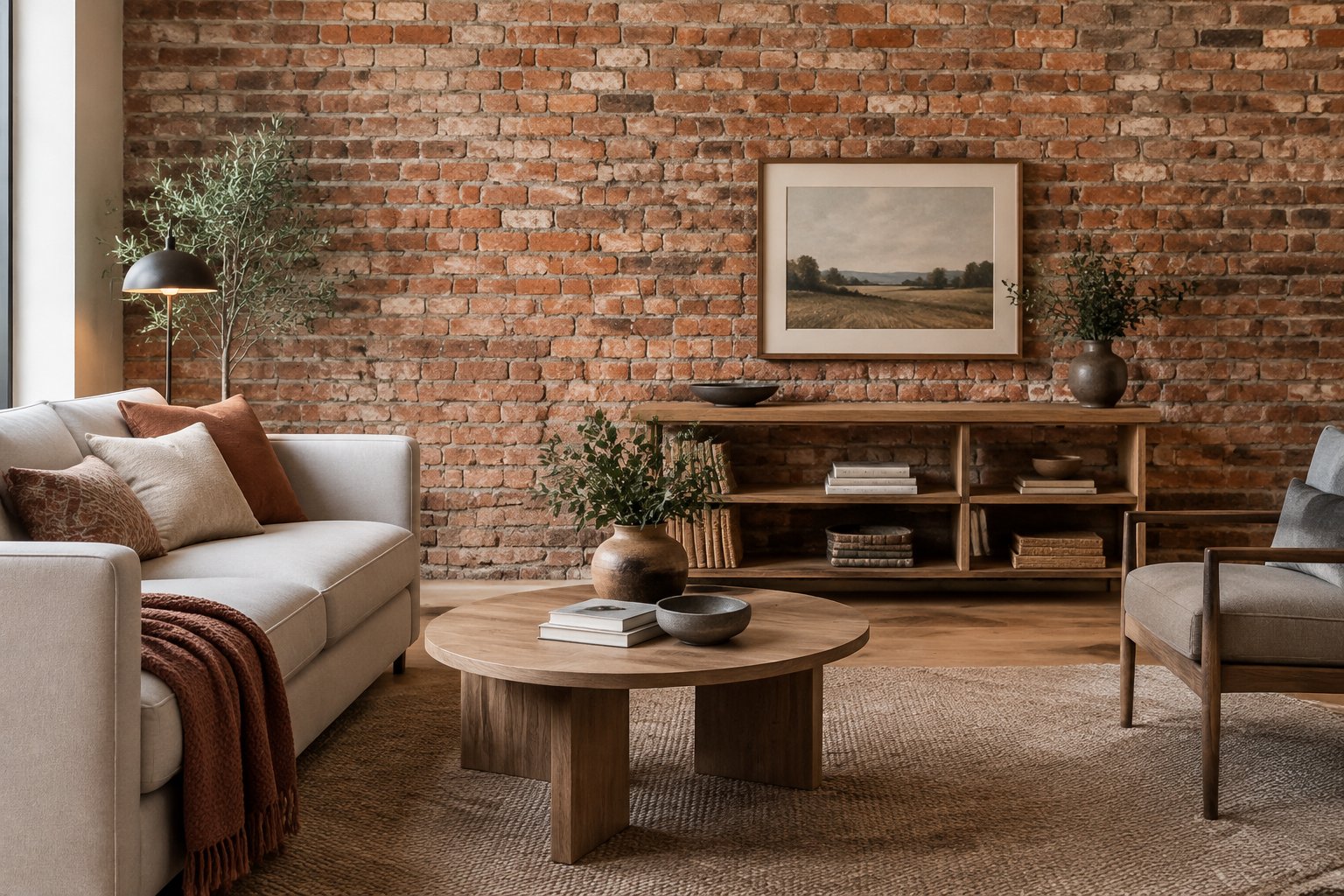
Reclaimed face brick is the full-thickness unit most people picture when they think of old brick walls. These are typically around 2.25 inches tall and 3.75 inches wide, with at least one finished face. They work well for:
- Exterior and interior walls
- Fireplace surrounds and chimneys
- Garden walls and raised bed borders
- Veneer applications over a structural backing
Soft Reds are a good example of reclaimed face brick with a warm, variable tone that works in both historic restorations and new builds seeking character.
Why Brick Pavers Hold Up Better Outdoors
Brick pavers are thicker and denser than standard face brick. They were made to take foot traffic, vehicle weight, and direct weather exposure. For patios, driveways, and walkways, pavers are the right call. Face brick can crack under that kind of stress.
Pavers have the surface durability to last decades outdoors without breaking down for more on what makes reclaimed pavers a smart choice, reclaimed brick pavers are covered in detail separately.
Where Thin Brick Fits Best
Thin brick is a slice of reclaimed brick, typically about 3/4 to 1 inch thick. It's used as a surface veneer on walls, kitchen backsplashes, and interior feature surfaces.
Because it's lightweight, thin brick doesn't require a deep structural foundation. It brings the same aged look and texture as full brick, but with far less weight and a simpler installation process.
How Old Materials Change the Look of a Space
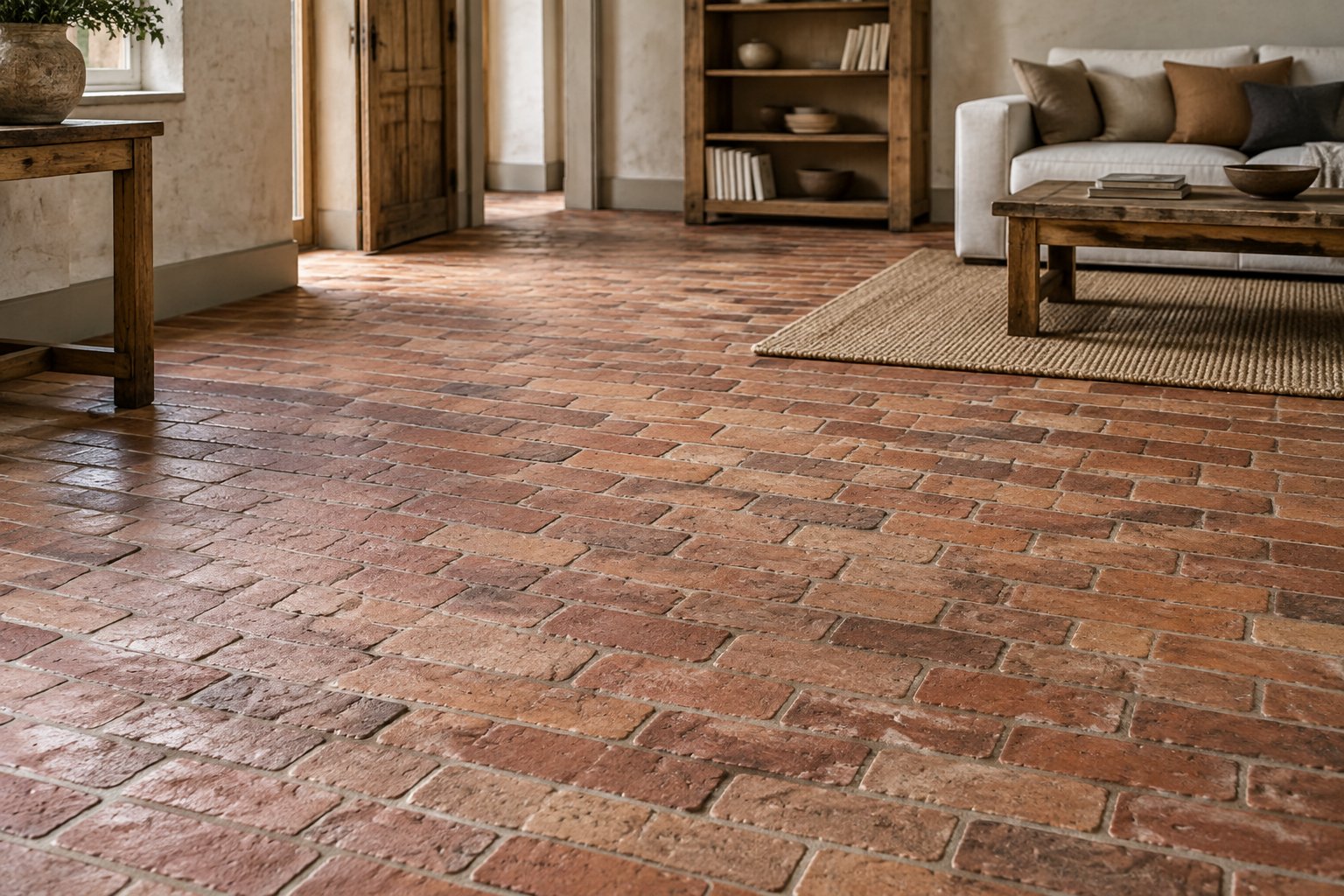
The visual impact of aged brick, vintage brick, and antique brick comes from characteristics that new manufactured materials can't reproduce. Color variation, worn edges, and surface texture all develop over decades of use, and that's exactly what makes reclaimed material so sought after.
The Appeal of Aged Brick and Vintage Brick
Aged brick has a surface story. Mortar residue, fire markings, weathering patterns, and color shifts across a single unit give a wall or floor a richness that uniform new brick simply doesn't have.
Vintage brick from the 19th and early 20th centuries was often made by hand or with early machine presses, which introduced natural irregularities into every unit.
That variety is the point. A surface built from reclaimed brick will never look perfectly uniform, and that's the appeal.
Matching Color, Texture, and Era
If you're matching an existing structure, the color and texture need to be consistent with what's already there. Reclaimed brick from different eras and regions varies a lot in tone. Here's a general guide:
Brick Type
Typical Color Range
Common Source Region
Best Use
Soft Reds
Warm coral to deep red
New Orleans, Gulf South
Interior walls, restoration
Hard Tans
Buff, sand, cream
Midwest
Modern-rustic blends
St. Louis Reds
Deep brick red, dense
St. Louis, MO
Exterior walls, pavers
Sampling before committing to a full pallet is always worth it. Color photography can shift tones significantly.
Using Reclaimed Materials in New Construction
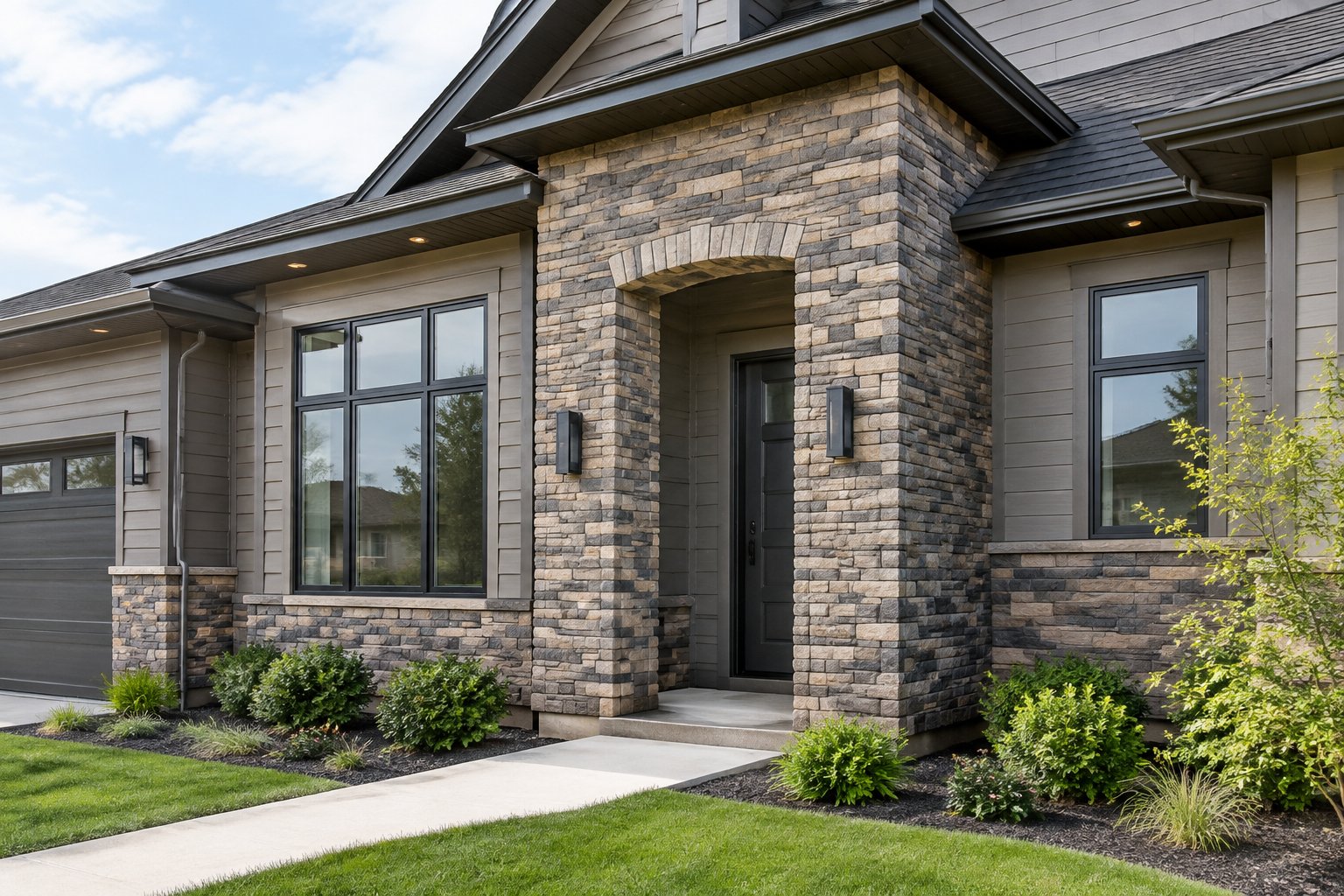
New construction is one of the strongest use cases for antique brick. Builders use it to give a new home an established character from day one.
The material reads as genuine because it is genuine, and it integrates naturally with older surroundings or mature landscaping. Architects working on additions to historic homes also rely on reclaimed brick to match the existing structure without the material looking out of place.
Where Recycled Brick Works Best Outside
Outdoor projects are where reclaimed bricks really show their durability. Properly selected and installed, they hold up well across a range of applications — from casual garden paths to formal motor courts.
Patios and Garden Seating Areas
A reclaimed brick patio has a warmth and texture that concrete and manufactured pavers rarely match.
The surface softens with age rather than looking worn out. For seating areas, the slightly uneven surface of salvaged bricks also provides better grip underfoot than smooth-faced alternatives.
Pair reclaimed brick with gravel joints or polymeric sand,d depending on how formal you want the look. Sand joints give a more relaxed, traditional feel.
Walkways and Entry Paths
Brick pavers work well for walkways because they're durable enough to handle regular foot traffic and freeze-thaw cycles when properly installed.
For entry paths, Hard Tans offer a neutral tone that coordinates well with a wide range of exterior finishes. Reclaimed walkways also hold up better over time than poured concrete, which is more prone to cracking as soil shifts.
Driveways, Edging, and Mixed Hardscapes
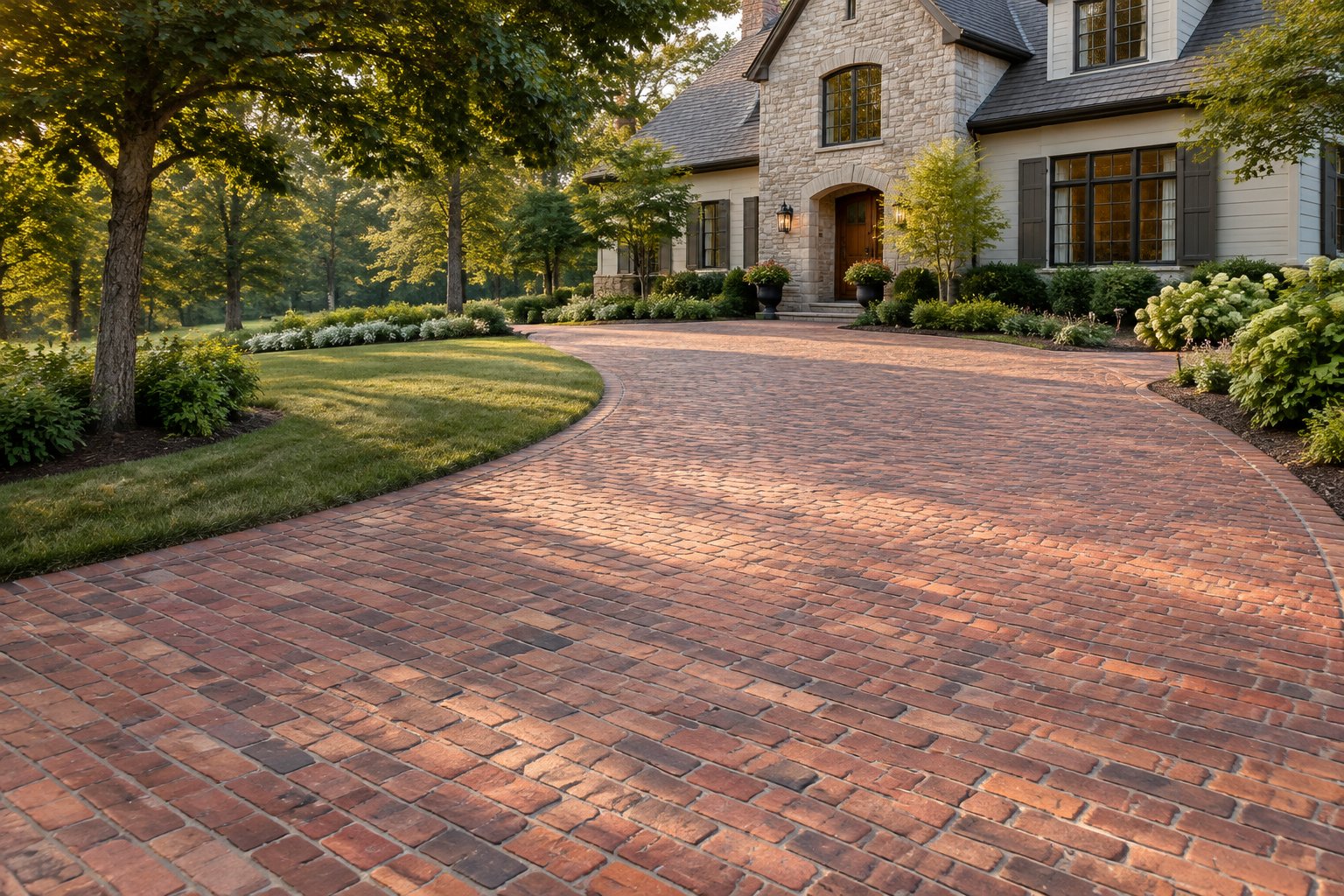
For driveways, dense brick pavers or granite cobblestones are the right choice. Standard face brick isn't rated for vehicle loads and will break down quickly under that kind of pressure. Cobblestones, especially reclaimed granite cobblestones, are extremely durable and handle freeze-thaw movement better than brick in high-stress applications.
Mixing materials also works well in hardscape design. Brick edging alongside gravel or flagstone paths is a common and practical combination. It gives a project a visual structure without requiring a uniform surface throughout.
What to Check Before You Buy
The quality and consistency of used brick and reclaimed bricks vary widely depending on the source, original building type, and how the material has been stored. Doing your homework before buying saves money and headaches later.
Why Water Management Matters With Reclaimed Brick
Reclaimed bricks have already survived decades of weather exposure, but long-term performance still depends heavily on drainage and moisture control. Water infiltration is one of the primary causes of masonry failure, especially in climates with repeated freeze-thaw cycles.
The National Park Service (NPS) notes that moisture trapped inside historic masonry can lead to cracking, spalling, and mortar deterioration over time.
Proper drainage slope, compatible mortar selection, and adequate base preparation all help reclaimed brick installations remain stable for decades instead of shifting or breaking apart prematurely.
This matters even more for patios, walkways, and retaining walls where water regularly moves through the surface and into the base layer. A well-installed reclaimed brick surface should allow controlled drainage rather than trapping moisture beneath the material.
Sourcing From Salvage Yards and Specialty Dealers
Architectural salvage yards are the most common local source for used brick. Quality varies, and the staff may not be able to tell you much about where the bricks came from or how they were made.
Specialty dealers who focus specifically on reclaimed masonry, like sustainable reclaimed brick suppliers, tend to have more consistent inventory and better documentation of the material's origin.
Knowing the source region matters because it tells you a lot about the brick's density and composition.
Checking Condition, Size, and Quantity
Before purchasing, inspect for:
- Cracks or spalling: Surface chips are cosmetic, but through-cracks compromise structural integrity
- Mortar residue: Some residue is normal; heavy buildup needs to be factored into your prep time
- Size consistency: Vintage brick dimensions vary, which affects laying patterns and mortar joint width
- Color variation: Natural in reclaimed material, but check that the variation falls within an acceptable range for your project.
Count carefully and add 10-15% to your estimate for breakage and waste.
Understanding Pricing, Pallets, and Waste Allowance
Reclaimed brick pricing is typically quoted per brick or per pallet. A standard pallet holds approximately 500 bricks, though this varies by unit size and stacking. Prices fluctuate based on material type, region, and scarcity of specific colors or sizes.
A detailed breakdown of what drives cost is available in Reclaimed Brick Cost Explained. Always build a waste allowance into your budget. Cutting, fitting corners, and occasional breakage during installation add up faster than most people expect.
Installation Details That Affect Long-Term Results
Good installation starts well before the first brick goes down. The base, drainage, and prep work determine whether a reclaimed masonry project holds up for decades or starts shifting within a few years.
Base Prep for Pavers and Cobblestones
For patios, walkways, and driveways, a properly compacted base is non-negotiable. The standard approach is 4-6 inches of compacted crushed stone or gravel beneath a 1-inch sand setting bed.
For driveways or areas with vehicle traffic, increase the base depth to 8 inches or more. Cobblestones require a more rigid base than brick pavers, so a concrete base with mortar setting is often recommended for high-load areas.
Skipping or skimping on base prep is the most common reason brick hardscape fails early.
Cleaning, Sorting, and Blending Before Installation
Reclaimed bricks almost always arrive with some mortar residue or surface dirt. Clean them before setting. For light residue, a stiff brush and water are often enough. Heavier buildup may need a diluted acid wash, but test a small area first. The installation guide for reclaimed bricks walks through preparation and setting methods in more detail.
Sort bricks by color and condition before laying. Blend units from different parts of the pallet to avoid concentrating color variations in one area.
Freeze-Thaw and Drainage Considerations
Southern Colorado's climate puts reclaimed masonry through real seasonal stress. Freeze-thaw cycles can shift or crack improperly set pavers when water infiltrates the base and expands. Good drainage is the best protection.
Slope surfaces away from structures at a minimum of 1/8 inch per foot. Use open-joint sand rather than rigid mortar for paver applications where ground movement is a concern, since sand joints can flex slightly while mortar cannot.
Dense, hard-fired brick performs better in freeze-thaw conditions than softer, more porous vintage units. St. Louis Reds are known for their density and hold up well in cold climates.
Frequently Asked Questions
Is there a meaningful difference between "recycled brick" and "reclaimed brick" when shopping for materials?
Yes, and the difference affects what you actually receive. Recycled brick typically refers to crushed demolition material used as aggregate, road base, or filler — not intact units. Reclaimed brick refers to whole bricks salvaged from demolished buildings, cleaned, and resold for architectural reuse.
If you're looking for material with visual character, structural form, and historical texture, you want reclaimed brick, not recycled aggregate. Searching "recycled bricks" often pulls up both types, so it's worth clarifying with any supplier exactly what form the material is in before ordering.
How do I know if reclaimed bricks from a salvage yard are strong enough for a load-bearing wall or retaining structure?
The honest answer is that visual inspection alone isn't always enough. Tap the brick firmly with a metal object — a clear ring indicates density, while a dull thud suggests the unit may be soft or compromised internally. Surface spalling, flaking, and crumbling edges are warning signs.
For retaining walls or any structural application, consult a mason or structural engineer before committing to salvaged material.
Some vintage brick, particularly soft handmade units from the 19th century, is better suited to veneer and decorative work than load-bearing use. Hard-fired bricks like reclaimed St. Louis brick tend to be more appropriate for structural projects.
Can I mix reclaimed bricks from different sources in a single project, or will the variation be too noticeable?
Mixing is possible, but it takes planning. Color tone, surface texture, and unit size all vary between sources and eras. If the variation is too extreme, the finished surface can look patchy rather than charming.
The safest approach is to use one source for any continuous surface and reserve secondary material for accent work, borders, or areas that are visually separated. If you need to blend, lay out samples from both sources side by side in natural light before committing.
Some variation in a reclaimed surface is expected, and part of the appeal, but extreme mismatches in color or size are hard to hide once the project is complete.
Are reclaimed bricks a practical choice for a kitchen backsplash or interior feature wall in an older home?
Thin brick veneer is well-suited to interior applications and doesn't require the structural support that full-thickness masonry does. It installs over drywall, cement board, or plaster using masonry adhesive or thin-set mortar, making it accessible for renovation projects where wall depth is limited.
The result looks authentic because the material is authentic — the same aged surface, color variation, and texture as a full brick, just in a thinner format.
For interior applications where character matters as much as function, reclaimed thin brick is one of the more practical ways to bring genuine historic material into a modern or renovated space. More information on reclaimed brick for historic restorations covers how this material performs in detail.
Why Reclaimed Brick Still Feels Authentic
Recycled bricks and reclaimed masonry continue to stand out because the material already carries visible history. The variation in color, texture, and surface wear comes from decades of real exposure rather than manufactured aging techniques.
That authenticity changes how a finished project feels. Whether the brick is used for a patio, fireplace, garden wall, or interior veneer, the surface already feels established instead of newly installed.
The right reclaimed material also performs differently depending on how it was originally made and used. Dense pavers handle outdoor traffic better than softer wall brick, while thin brick creates the look of historic masonry without requiring full structural support.
For homeowners, architects, and builders looking for authentic reclaimed materials with lasting character, New Orleans Brick & Stone supplies reclaimed brick sourced from historic structures across the United States.