You want stone that feels like it has always belonged on your land, long before the house took shape. Authentic reclaimed stone brings depth, texture, and a quiet sense of permanence that newly quarried materials rarely achieve. It carries the marks of time, weather, and craftsmanship, offering both proven durability and a story you can build on.
For homes that value character and longevity, reclaimed stone creates an immediate connection between structure and setting. Whether used on a facade, a fireplace, or a courtyard, each piece reflects a century of use while supporting modern performance standards. The result is a home that feels grounded, established, and thoughtfully designed from the start.
At New Orleans Brick & Stone, reclaimed stone is carefully sourced from historic structures, then cleaned and prepared for its next chapter. With inventory on hand and the ability to ship nationwide within 48 hours, projects can move forward without unnecessary delays.
In the sections ahead, we will walk through what defines authentic reclaimed stone, how to choose the right type for both structure and style, where to source it responsibly, and how to install and care for it so your home continues to age with strength and grace.
What Is Authentic Stone?
Authentic stone is simply real, natural rock used in building. You get distinct color, texture, and strength from geology and years of weather.
Natural Stone Versus Manufactured Stone
Natural stone comes straight from quarries or reclaimed buildings. It might be full-thickness chunks cut from bedrock or salvaged from old structures. You’ll feel the grain, pits, and mineral streaks—those quirks make every piece unique.
Manufactured stone is basically concrete, pigments, and molds trying to look like the real thing. It’s lighter and more uniform, which might help budgets or weight limits, but it just doesn’t have the durability or patina of natural (especially reclaimed) stone.
Check density and freeze-thaw resistance for your climate. Reclaimed stone often outlasts new quarried stone—after all, it’s already survived decades of weather.
Stone Types Commonly Used in Custom Homes
Limestone gives off a soft, warm vibe. It’s usually pale cream to tan and works for walls, fireplaces, and exteriors. You can dress it up or tuckpoint for a refined finish.
Sandstone shows off layered grain and warm reds, browns, and golds. It’s great for patios, cladding, and details because it cuts easily but still holds texture.
Slate and flagstone are flat and dense, perfect for floors, roofs, and patios. Slate resists moisture and stands up to foot traffic. Flagstone’s irregular shapes feel natural and rustic.
Granite and fieldstone bring rugged durability and coarse texture. Granite fits countertops and heavy-duty exteriors. Fieldstone keeps a raw, historic look for foundations and gardens.
Unique Qualities of Authentic Stone
Authentic stone ages with character. Those mineral veins, weathered edges, and patina give depth you just won’t get from cast products. Subtle variations help your home feel lived-in and timeless.
Stone’s thermal mass absorbs heat during the day and releases it slowly, keeping interiors comfy. It shrugs off fire, pests, and rot better than most alternatives.
If you want reclaimed, New Orleans Brick & Stone hand-picks pieces from century-old buildings. Reclaimed stone brings proven strength, instant historic feel, and the environmental benefit of reuse.
Why Use Authentic Stone for Custom Homes
Authentic stone gives your home lasting strength, a classic look, and clear financial upside. Each benefit ties to smart choices about materials, maintenance, and resale.
Longevity and Durability
Natural stone shrugs off weather, rot, and pests way better than most synthetics. Expect walls, foundations, and cladding to last decades with barely any repair—stone doesn’t warp, swell, or corrode.
But installation matters: skilled masons, good drainage, and compatible mortar help avoid freeze-thaw damage and settling.
For busy spots like entryways or kitchens, stone stands up to scratches and heavy use. Repairs are usually local and discreet, so you won’t have to redo whole sections for minor fixes.
Timeless Aesthetic Appeal
Stone’s got color, texture, and patina that machines just can’t fake. Pick your tones and finishes—rustic fieldstone, smooth limestone, or reclaimed pieces with historic wear—to match your style.
Reclaimed stone shows its history: tool marks, weathering, and varied sizes give walls and fireplaces a lived-in look modern veneers lack.
Use stone on facades, chimneys, or accent walls to create focal points that age gracefully. Pair it with natural wood or muted metal for a grounded, authentic feel.
Added Property Value
Buyers and appraisers love durable, low-maintenance materials. Authentic stone bumps up curb appeal and can justify higher prices because it signals real quality.
Reclaimed stone is a selling point—documents showing century-old sourcing often attract buyers who want heritage and authenticity.
Stone saves you money over time, too: less maintenance, fewer replacements. Certified, well-prepared reclaimed stone combines character with predictable performance, boosting both your enjoyment and future resale.
Choosing the Right Stone for Your Custom Home
Pick stone that fits your lifestyle, your climate, and the look you want. Think about strength, maintenance, and how the stone will age.
Comparing Marble, Granite, Limestone, and Slate
Marble looks smooth and classic, especially when polished. It scratches and stains easily, so keep it to low-traffic spots like foyers or powder rooms. Seal it up regularly.
Granite is tough, scratch-resistant, and shrugs off heat. It’s a go-to for kitchen counters, exterior cladding, and steps. Less maintenance than marble, but pay attention to seams and edges for a clean look.
Limestone brings warm, soft tones and a worn-in feel. It can be porous, so it’s best for covered patios, interior walls, or fireplaces. Use denser cuts for floors to prevent cracking.
Slate is durable and naturally slip-resistant. It’s great for roofs, floors, and wet areas. Slate handles freeze-thaw cycles, so it’s a solid pick for cold climates and outdoor patios.
Selecting Stone Based on Climate
Hot, sunny climates need stones that won’t crack or fade. Granite and dense limestone handle the sun well. Lighter colors reflect heat and keep exteriors cooler.
In cold areas, you want stone that resists freeze-thaw cycles. Dense granite and slate work well here. Avoid porous stone unless you seal it and allow for drainage.
Coastal homes need stone that resists salt and moisture. Go for dense, non-porous types and tight mortar joints. Ask about tested reclaimed options if you want aged character without losing durability.
Color and Texture Considerations
Color affects heat, mood, and style. Lighter stones keep facades cooler, darker ones add drama and hide stains. Match stone color to roofing, trim, and landscaping for a pulled-together look.
Texture sets the vibe. Polished surfaces feel formal and bright. Honed or textured ones come off casual and hide wear. Cleft or hand-chiseled faces add rustic charm.
With reclaimed stone, check samples in your actual light. New pieces have patina and variation that add depth, so plan for mix-and-match tones and slight size differences. New Orleans Brick & Stone can show you real inventory before you decide.
Popular Design Applications for Authentic Stone
Authentic stone brings texture, history, and lasting performance to key spots in a custom home. Here’s how it works on exteriors, accent walls, and fireplaces so you can pick the right type, finish, and installation.
Exterior Facades and Cladding
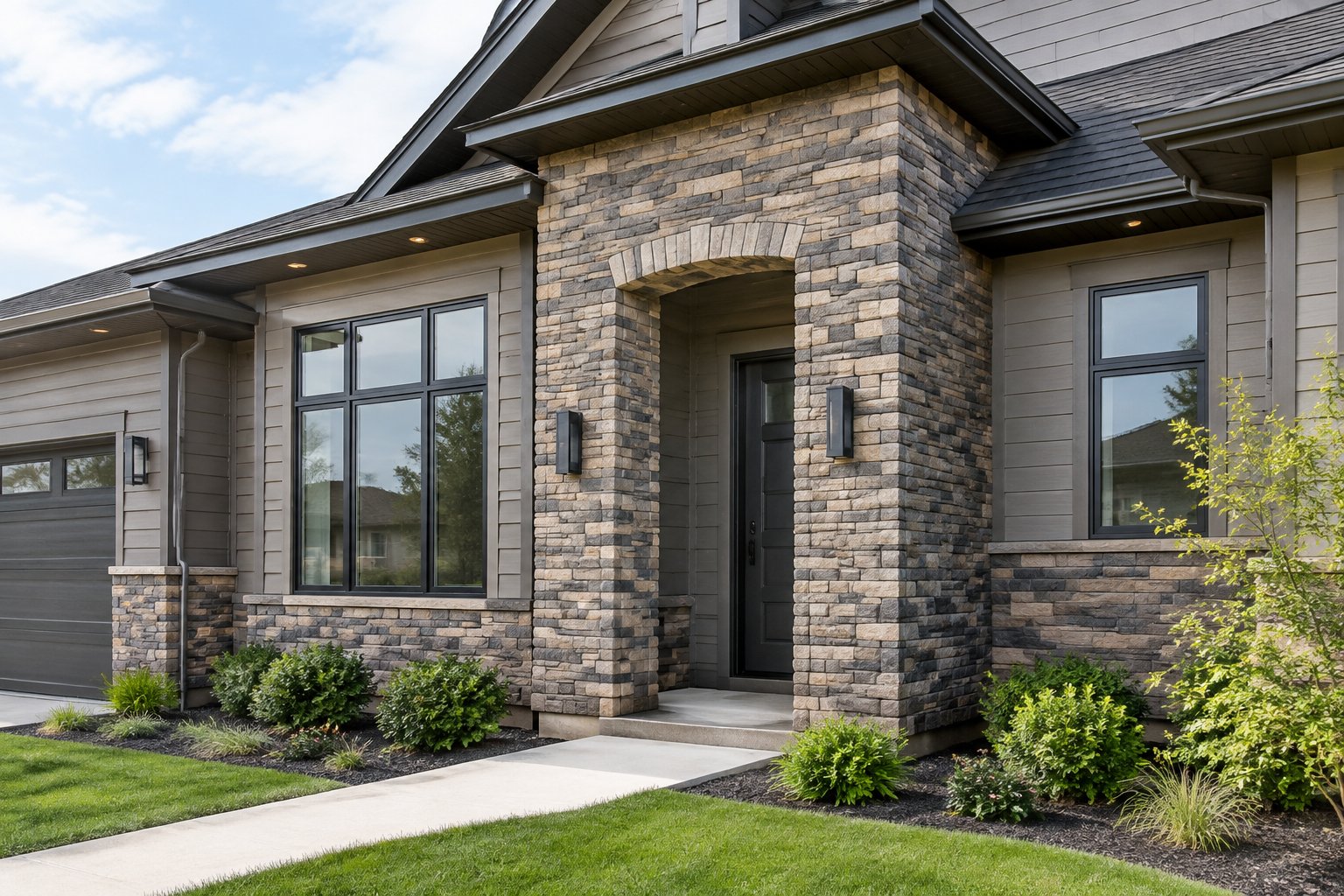
Stone makes a durable, low-maintenance shell that still feels handcrafted. Use full-thickness reclaimed stone or thin veneer based on your needs; full stone offers mass and thermal perks, while veneer cuts weight and cost. Go for stones with varied faces and subtle color shifts to hide mortar lines and blend with the roof.
Plan for proper flashing, air gaps, and weep systems to keep water out. Match stone size to window and door proportions—big, irregular blocks suit rustic homes; tight-cut ashlar fits refined, heritage styles. If you want period-correct materials fast, New Orleans Brick & Stone has hand-selected reclaimed stone in stock.
Interior Accent Walls
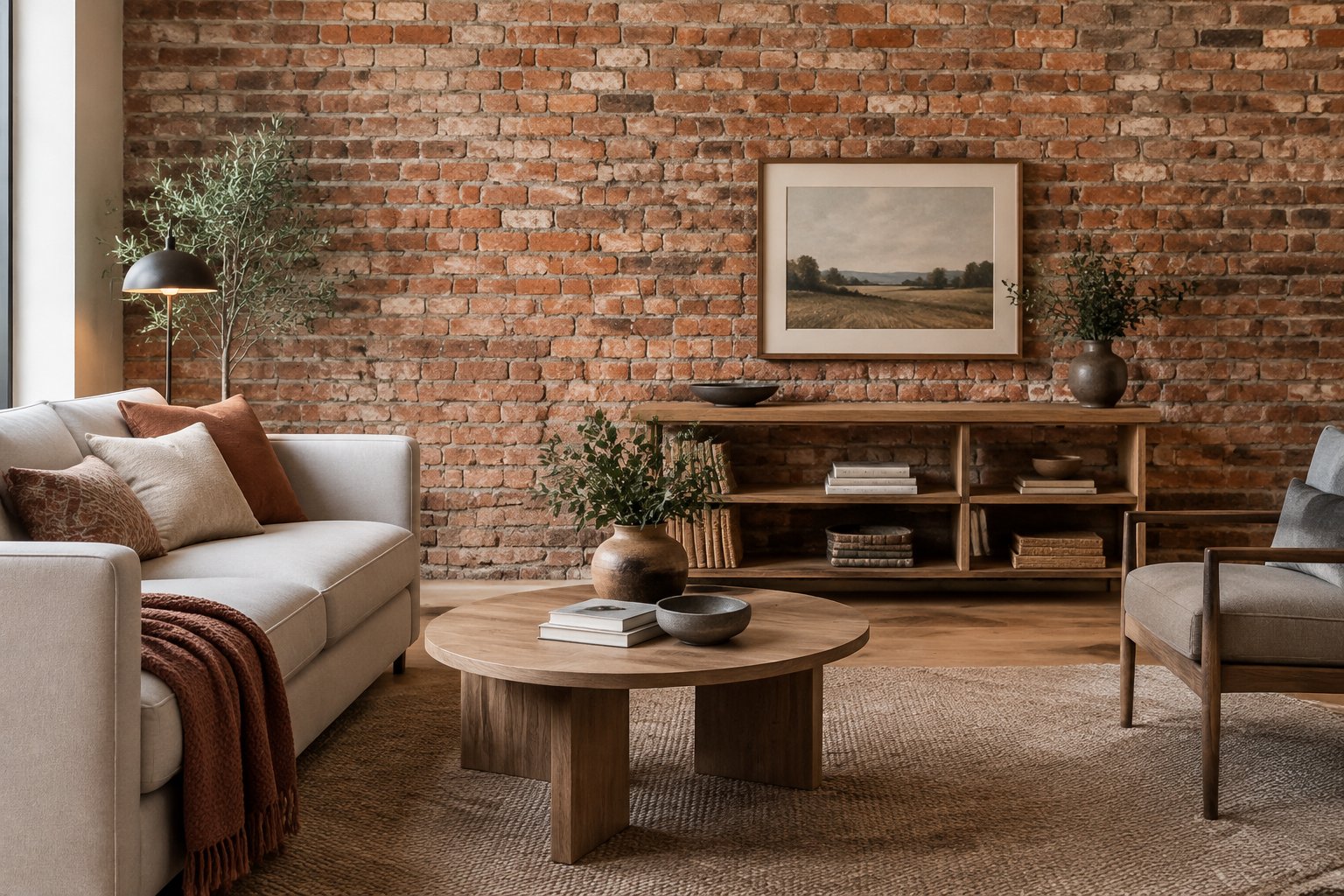
An interior stone wall draws the eye without extra fuss. Place stone behind a dining area, entry hall, or stair landing for warmth and texture. Use thin stone veneer over standard framing to keep costs and weight down but still get authentic texture and patina.
Match mortar color to the stone’s undertones for a unified look. Add recessed lighting or wall washers to highlight surface relief and color variation. In kitchens, seal near wet zones and use stone as a partial backsplash to make cleaning easier.
Fireplaces and Hearths
Stone stands up to heat and makes a strong visual anchor in living spaces. Use heat-rated mortar and a non-combustible base behind the stone. Big, rough stones create a rustic hearth; thinner, smooth-cut pieces give a more tailored look.
Design the hearth deep enough for comfort and code. Consider extending the stone surround to a nearby accent wall for flow. Reclaimed stone brings worn edges and patina that feel authentic and lived-in, adding instant character to your fireplace.
Sourcing and Sustainability of Authentic Stone
The stone you pick affects your budget, schedule, and environmental footprint. It’s worth knowing where the stone comes from, how it’s mined, and how local sourcing can lower carbon and support local craftspeople.
Ethical Stone Quarries
Look for quarries that follow safety rules, pay fair wages, and avoid blasting near homes. Ask for third-party audits or certifications that confirm safe working conditions and legal land use.
Check if the quarry restores sites with native plants and stable slopes. That helps reduce long-term damage.
Ask for supply-chain transparency. A clear chain shows where the quarry is, how stone is extracted, and how far it travels. This helps you avoid stone from sketchy or mismanaged sites.
Environmental Impact Considerations
Compare embodied carbon: reclaimed stone usually needs less new quarrying, so it’s lower-emission than freshly cut stone. But watch transport distance—shipping far can wipe out those carbon savings.
Extraction methods matter. Wire-saw cutting and small quarries usually make less dust, noise, and habitat loss than big open pits. Ask for life-cycle data if you can get it.
Prioritize reclaimed and salvaged stone for the historic vibe and smaller environmental cost. When you need new stone, go for certified low-impact quarries and ask about water use, waste rock, and dust control.
A Reliable Partner for Reclaimed Stone
Choosing the right source matters just as much as choosing the right material. You need more than availability. You need consistency, guidance, and the confidence that what arrives on site is exactly what your project requires.
At New Orleans Brick & Stone, reclaimed stone is kept in ready inventory, allowing projects to move forward without long lead times. Materials are carefully sourced, cleaned, and prepared so they are ready for immediate use, with nationwide shipping typically within 48 hours. That speed keeps schedules intact without compromising on authenticity.
Equally important is the level of service behind the material. When you reach out, you are speaking directly with someone who understands the stone, can walk you through available options, and help match the right material to your design. From selecting the right sizing and texture to coordinating delivery, the process stays clear and efficient.
If needed, samples can be provided so you can see and feel the material before committing. That hands-on approach helps ensure the final result aligns with your vision while avoiding costly surprises during installation.
Installation Best Practices for Authentic Stone
Plan for precise layout, stable substrates, the right tools, and the right mortar so each stone sits level and wears well. Careful cleaning, sealing, and jointing protect the stone and keep the look authentic.
Professional Versus DIY Installation
You can tackle small accent walls or simple pathways yourself if you’ve got masonry experience and a flat, stable base. For load-bearing walls, chimneys, or tricky patterns, hire a mason who knows reclaimed stone sizing, weight, and anchoring.
Pros check substrate flatness with a laser or long straightedge, set proper flashings, and use anchors as needed. They also match stones by color and wear for a smooth look. If you’re going DIY, rent a wet saw, get quality hand tools, and practice on spare pieces first.
Stone Cutting and Setting Techniques
Use a masonry saw with a diamond blade to cut stone. Always cut from the face side for cleaner edges. Don’t forget eye, ear, and dust protection—seriously, it’s not worth risking your health. Wet-cutting helps keep that silica dust down.
Lay stones on a flat, compacted base or a fully mortared substrate, depending on where you’re working. Start from corners or the lowest point. Dry-fit a few pieces to see how the joints will run, then set each stone with firm pressure and a twist to bed it in. Shims and setting blocks are handy for level tweaks. Keep joint widths consistent—unless you’re after that old, random look.
Mortar and Adhesive Selection
Pick mortar with compressive strength and color that suit your stone and climate. For reclaimed stone on exterior walls, Type N or Type S mortar works—Type S is better if you’re dealing with wind or heavy loads. Match mortar color to the grout lines to keep that reclaimed vibe intact.
For thin veneer or indoor work, go with a polymer-modified thin-set or a masonry adhesive that’s rated for stone. Stick to the manufacturer’s open time and temperature limits. If the stone’s really dry, wet it a bit before bedding to stop it sucking the moisture out of your mortar. Tool joints to a concave or flush finish for better water shedding. If you’re not sure what to pick, New Orleans Brick & Stone can help with mortar matching and adhesive advice.
Maintenance Tips for Authentic Stone in Custom Homes
Try to keep stone dry when you can. Check joints and finishes every 6–12 months, and use products made for natural stone to protect color and texture.
Cleaning and Sealing
Stick with a pH-neutral stone cleaner or just mild dish soap and water. Always test cleaners on a hidden spot first. Use a soft-bristle brush for joints and a microfiber cloth for flat faces. Rinse well—leftover cleaner can dull the stone.
Sealers help with water and stains. Choose a breathable, penetrating sealer made for natural stone. Roll or spray it on in dry weather, and follow the cure time. Reapply every 2–5 years, depending on exposure. Avoid acrylic surface sealers on historic reclaimed stone—they trap moisture and can cause flaking.
Preventing Damage and Stains
Fix cracked mortar and improve drainage around foundations to protect stone from freeze-thaw cycles. Keep soil and plants away from lower walls to cut down on moisture. Felt pads or rubber feet under planters and furniture help avoid scratches.
Deal with spills fast. Blot—don’t rub—and use a poultice for oil or organic stains if needed. For efflorescence (that white salt crust), dry-brush after the wall dries. Skip acid cleaners on softer stones. For major or historic damage, talk to a masonry pro or New Orleans Brick & Stone for help with materials and repair methods.
Built on History, Designed to Last
Authentic stone has a way of grounding a home in something deeper than design alone. It connects structure to landscape, craftsmanship to legacy, and new construction to a sense of permanence that cannot be manufactured. When chosen and installed with care, it becomes part of the home’s identity from day one.
The key is sourcing material that carries both character and reliability. Reclaimed stone offers that balance. It has already proven its strength over decades, while bringing natural variation and texture that give a home depth and authenticity. When paired with thoughtful design and proper installation, it creates spaces that feel established rather than newly built.
At New Orleans Brick & Stone, that philosophy is carried through every piece of material. Stone is reclaimed from historic structures, prepared with attention to detail, and kept ready for immediate use so projects can stay on schedule. With direct guidance, accessible inventory, and fast nationwide shipping, the process remains straightforward from selection to delivery.
In the end, building with authentic stone is about more than aesthetics. It is about creating a home that feels rooted, enduring, and quietly refined. When the right materials are chosen, the result is not just a finished project, but a place that will continue to age with strength and character for generations.
Frequently Asked Questions
Here’s where you’ll find quick takes on stone types, cost, sourcing, real vs. manufactured options, exterior selection, and Texas design trends. No fluff—just practical answers for budgets, bids, and picking materials.
What are the best types of stone for building a high-quality custom home?
Granite and limestone are both solid picks for durability and easy care. Granite shrugs off weather and stains; limestone brings a classic, warm feel that lasts.
Sandstone has great color and texture for facades and patios. It’s easy to cut and lay, but you’ll want to seal it in wet climates.
Slate and bluestone work for roofs, floors, and steps since they split into thin, tough slabs. For outdoor high-traffic spots, go thicker.
How does the cost of authentic stone installation vary for a custom home?
Material cost depends on the stone—type, rarity, and finish all matter. Modular limestone is usually cheaper than hand-hewn antique stone.
Labor is a big chunk: cutting, fitting, and skilled masons drive up the price. Fancy patterns, arches, or custom features take more time and money.
Transport and site access can change the total too. If you’re shipping reclaimed stone a long way or need to lift it into tight spots, costs go up.
Where can I find premium authentic stone materials for home construction near me?
Check with local reclaimed stone yards and masons who keep inventory. Ask for samples and proof of where the stone came from.
New Orleans Brick & Stone keeps inventory ready and ships nationwide within 48 hours. Call ahead to check what’s in, ask for photos, and set up delivery.
What are the differences between real stacked stone and manufactured stone veneer?
Real stacked stone uses natural, full-thickness pieces laid with mortar—depth varies, and it looks and lasts like real rock.
Manufactured veneer is cast concrete made to look like stone. It’s lighter, easier to install, and costs less up front, but it might not age or develop patina the same way.
You can usually repair or swap out real stone pieces one at a time. Manufactured panels make installation simple, but matching repairs can be tricky if the batch changes.
How do I choose the right natural stone for my home's exterior?
Match the stone’s color and texture to your roof, trim, and landscaping. Bring full-size samples outside and check them at different times of day.
Think about the local climate: dense stones like granite or dense limestone handle freeze-thaw cycles better. Porous stones need sealing in wet or humid places.
Factor in maintenance and your budget. Pick a mason who can show you past projects and talk you through installation and long-term care.
What are the latest trends in Texas stone designs for custom homes?
Mixed-material facades are making waves lately, with folks pairing warm limestone or sandstone against dark metal accents. It’s got that modern-ranch vibe, but still feels grounded. More and more, you’ll spot large, irregular boulders out front—people just love that rugged, natural curb appeal.
Reclaimed stone and thin veneers that carry a bit of age and patina keep showing up everywhere. They lend homes a sense of history, but you don’t have to wrestle with tricky installation. That’s a win.
For outdoor living spaces, thicker, hand-hewn pieces are the go-to for hearths and retaining walls. That kind of sturdy, lived-in look just works for Texas—maybe it’s the climate, maybe it’s the lifestyle, but it’s sticking around.