You want materials that bring history, texture, and a sense of soul into your work. Character-rich reclaimed brick and stone offer more than surface appeal. They introduce depth, variation, and a lived-in quality that ties a design back to regional craft and enduring architecture.
These materials do more than look the part. They have already proven their strength over decades, often more than a century, and arrive ready to be installed. That means you can keep projects moving without sacrificing authenticity or waiting on long production timelines.
Picture a hand-selected brick wall catching the light with subtle variation, or weathered stone anchoring a space with quiet confidence. These elements do not compete with modern design. They elevate it, creating contrast, balance, and a sense that the structure belongs.
At New Orleans Brick & Stone, reclaimed materials are carefully sourced, tested, and prepared for their next chapter. With inventory on hand and fast nationwide shipping, builders and designers can stay on schedule while working with materials that carry real history.
Character-Rich Materials
Character-rich materials bring visible history, texture, and lasting strength to your projects. They shape how a space feels, how it wears, and how people connect with it—sometimes in surprising ways.
Character-rich materials show age, craft, and wear in a way that adds meaning and depth. Think of hand-fired brick with rough edges, mortared stone with color shifts, or reclaimed wood marked by old saw blades and nail holes. These qualities create visual interest and a tactile variety that new, uniform products just don’t have.
Look for provenance, durability, and patina. Provenance tells you where and when the material came from. Durability means you can actually reuse it. Patina—those color changes, chips, and tool marks—is what helps a space feel grounded and real.
Historical Context in Architecture
Historic materials often reflect local craft methods and resources. For example, 19th-century Southern brick usually shows lime mortar joints and imperfect firing, hinting at local kilns and techniques. Details like these tie your design to a place and time.
Reusing materials also keeps the embodied energy and craft of older buildings alive. Salvaged brick or stone from century-old structures keeps the original density and weathered look. That connection to past skill reinforces authenticity in new builds or renovations.
Significance for Modern Design
Using character-rich materials gives modern buildings a sense of history and layers. You can pair reclaimed brick or stone with new glass and steel for contrast that feels intentional, not forced.
There are practical perks too: reclaimed brick and stone are tough and often compatible with older building methods. If you’re looking for reliable sources, New Orleans Brick & Stone stocks hand-selected reclaimed materials and ships quickly. Choosing these materials supports sustainability, boosts market appeal, and helps your design stand out.
Types of Character-Rich Materials
These materials bring history, texture, and durability to your projects. They offer real performance differences, installation needs, and style choices to fit your design goals.
Natural Stone and Its Variations
Natural stone brings strong, lasting character. Granite and basalt work well for exterior walls and busy floors—they resist wear and moisture. Limestone and sandstone show softer tones and weathering that suit classical or Southern designs.
Thin stone veneer and full-bed stone differ in weight and install process. Veneer cuts installation time and cost but keeps the authentic look. Full-bed stone gives you structural heft and deeper texture for load-bearing walls and hearths.
Specify finish and cut to control look and slip resistance. Honed or tumbled finishes reduce shine and show tool marks. Always test samples on-site for color under your lighting before ordering.
Reclaimed Wood for Unique Aesthetics
Reclaimed wood brings warmth and visible history—nail holes, patina, and mixed grain. Use barn boards, beams, and flooring from 100+-year-old buildings for real authenticity. Heart pine and oak are prized for their density and rich amber color.
Conditioning matters: plan for milling, kiln-drying, and insect treatment. Stabilized planks help reduce shrinkage and warping. Match board widths and species to your interior’s humidity for better long-term results.
Installers like mixed-width layouts and random lengths for a more honest, lived-in look. Fast-track projects by working with a supplier who keeps tested inventory and ships quickly.
Handcrafted Tiles and Ceramics
Handcrafted tiles bring pattern, color depth, and those small irregularities that just catch your eye. Small-batch glazed ceramic and hand-pressed encaustic tiles add a human touch to repeating motifs. Use them for backsplashes, wet walls, and accent floors—places where people notice the details.
Clay body, glaze, and firing temperature determine durability. Porcelain tiles fire hotter and resist moisture, so they’re good for bathrooms and high-traffic spots. Terracotta and lower-fire ceramics have warmer tones but need sealing for wet areas.
Plan grout width and color to complement the handwork. Narrow joints highlight variation; wider joints show off the pattern. Always request samples to check hue and texture with your lighting and materials.
Sourcing and Selection Strategies
Choose materials that fit your design intent, site, and schedule. Prioritize verified provenance, consistent color and texture, and suppliers who meet your delivery windows and provide test data.
Assessing Quality and Authenticity
Check samples in person if you can. Look for even weathering, mortar remnants, and kiln marks—these are signs of genuine reclaimed brick or stone. Ask for density, absorption, and compressive-strength test results if you’re using it structurally. Request photos of the original building and a batch ID that ties the material to its source.
Watch for contaminants like paint, salts, or asbestos. If you’re planning exterior cladding or flooring, get a lab test. Make sure thin brick and veneers have proper backing and warranties for your use. Keep a log of sample dates, lot numbers, and test reports to avoid last-minute surprises.
A Trusted Source for Reclaimed Materials
Finding the right materials is only part of the process. Working with a reliable partner ensures those materials arrive as expected, on time, and ready to install. Consistency, communication, and availability all play a role in keeping a project on track.
At New Orleans Brick & Stone, reclaimed brick and stone are kept in meaningful inventory, allowing builders and designers to move forward without long lead times. Materials are carefully sourced from historic structures, then cleaned and prepared so they are ready for immediate use. With nationwide shipping typically within 48 hours, projects stay on schedule without compromising on authenticity.
Just as important is the level of service behind the materials. When you reach out, you speak directly with someone who understands the inventory and can help guide your selection based on your design, quantity, and timeline. Clear communication around availability, shipping, and delivery ensures there are no surprises along the way.
Samples can also be provided to help you evaluate color, texture, and overall fit before committing. This hands-on approach brings confidence to the process and helps ensure the final result reflects both your vision and the character of the material itself.
Design Applications in Architecture
Reclaimed brick and stone add texture, history, and lasting durability to projects. Use them where material character gets noticed: interiors, building exteriors, and outdoor landscapes.
Elevating Interior Spaces
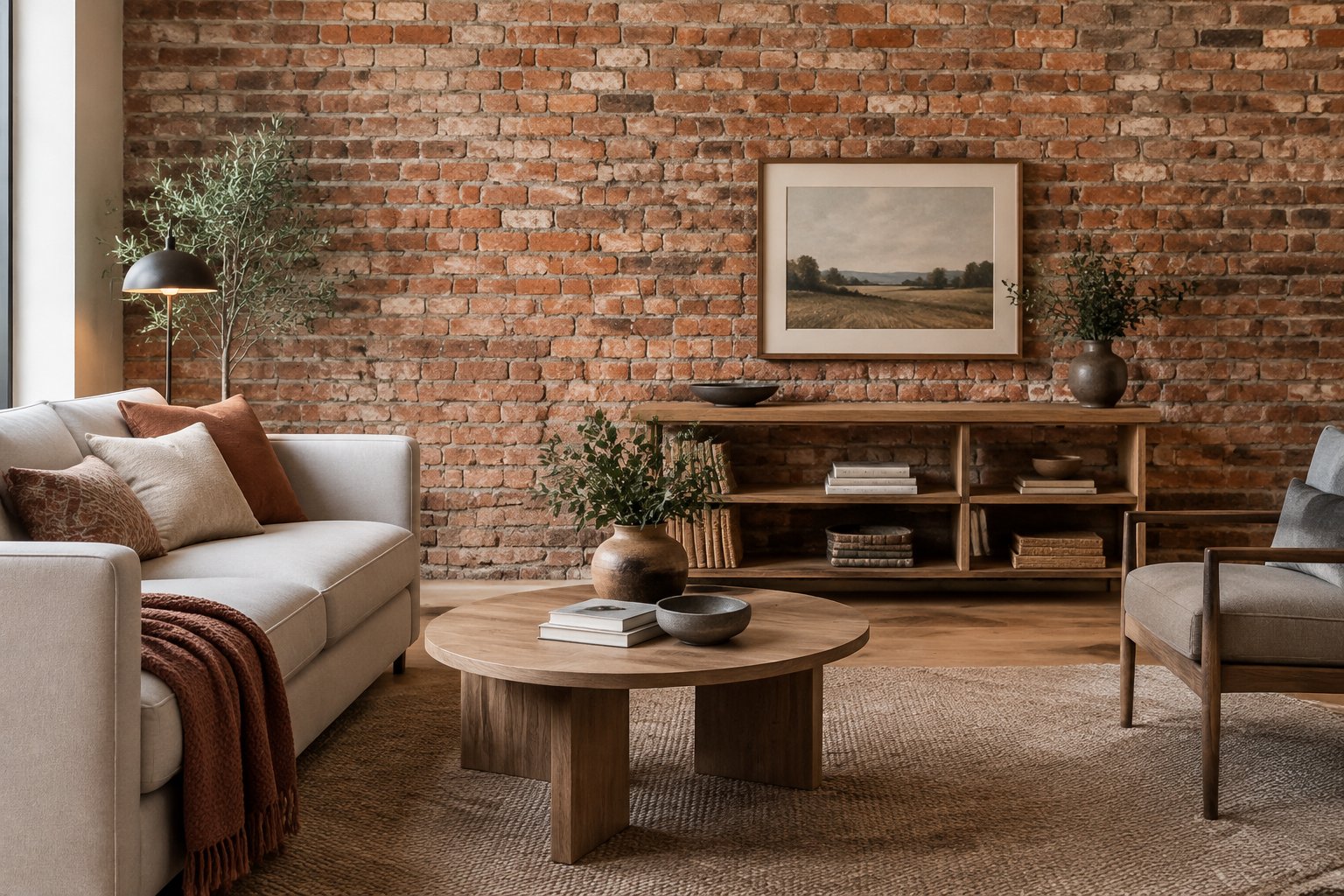
Reclaimed brick works well as an exposed accent wall, giving living rooms and kitchens a lived-in, authentic feel. Thin brick veneers let you add real texture and patina without bulking up the wall.
Brick-backed shelving or small interior columns can frame fireplaces, media walls, or gallery nooks. Pair bricks with warm wood or matte metal for a tactile, layered palette.
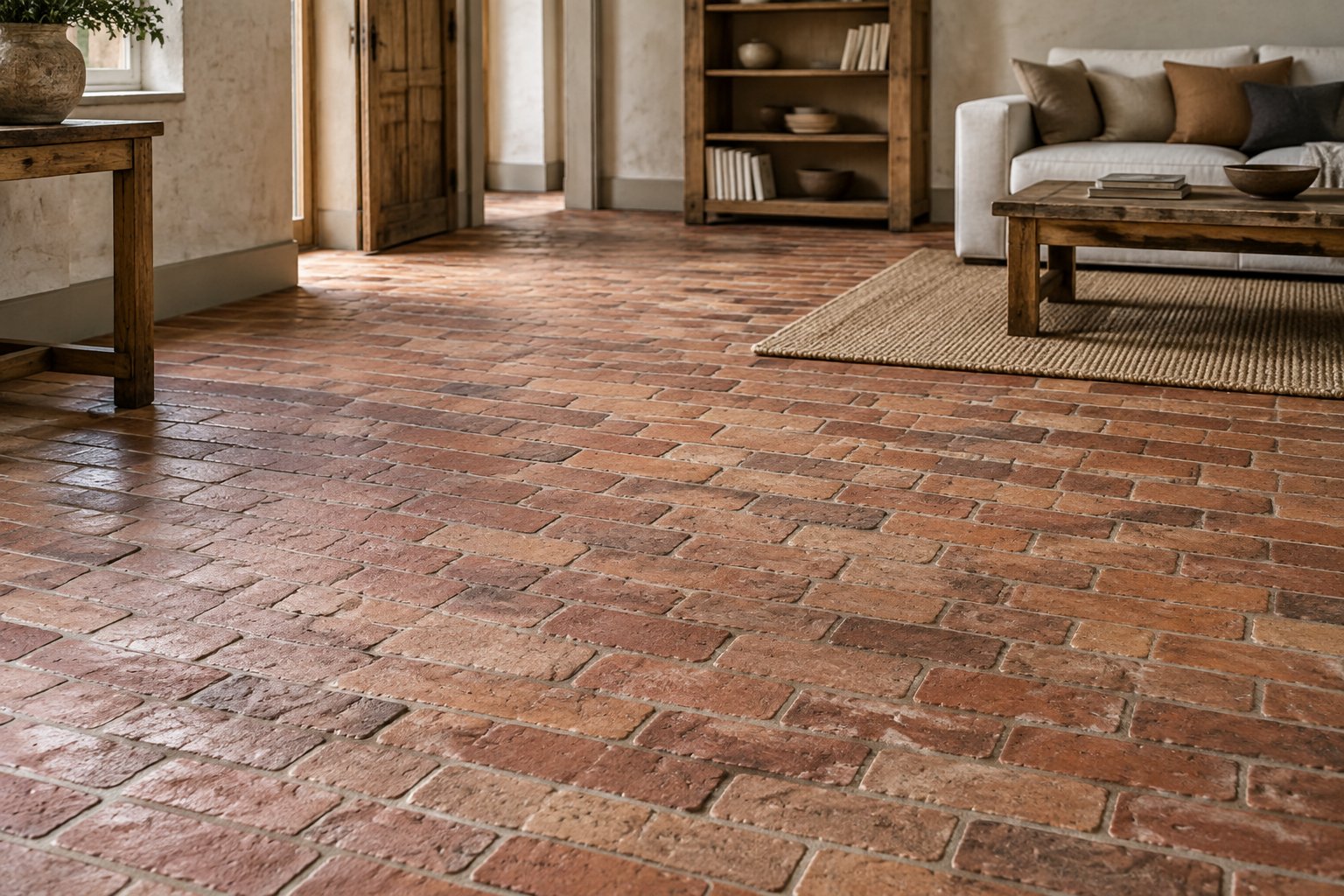
In wet areas, sealed natural stone or brick floors bring durability and a historic vibe. Test for moisture and pick sealers that keep the material low-maintenance and long-lasting.
Enhancing Facades and Exteriors
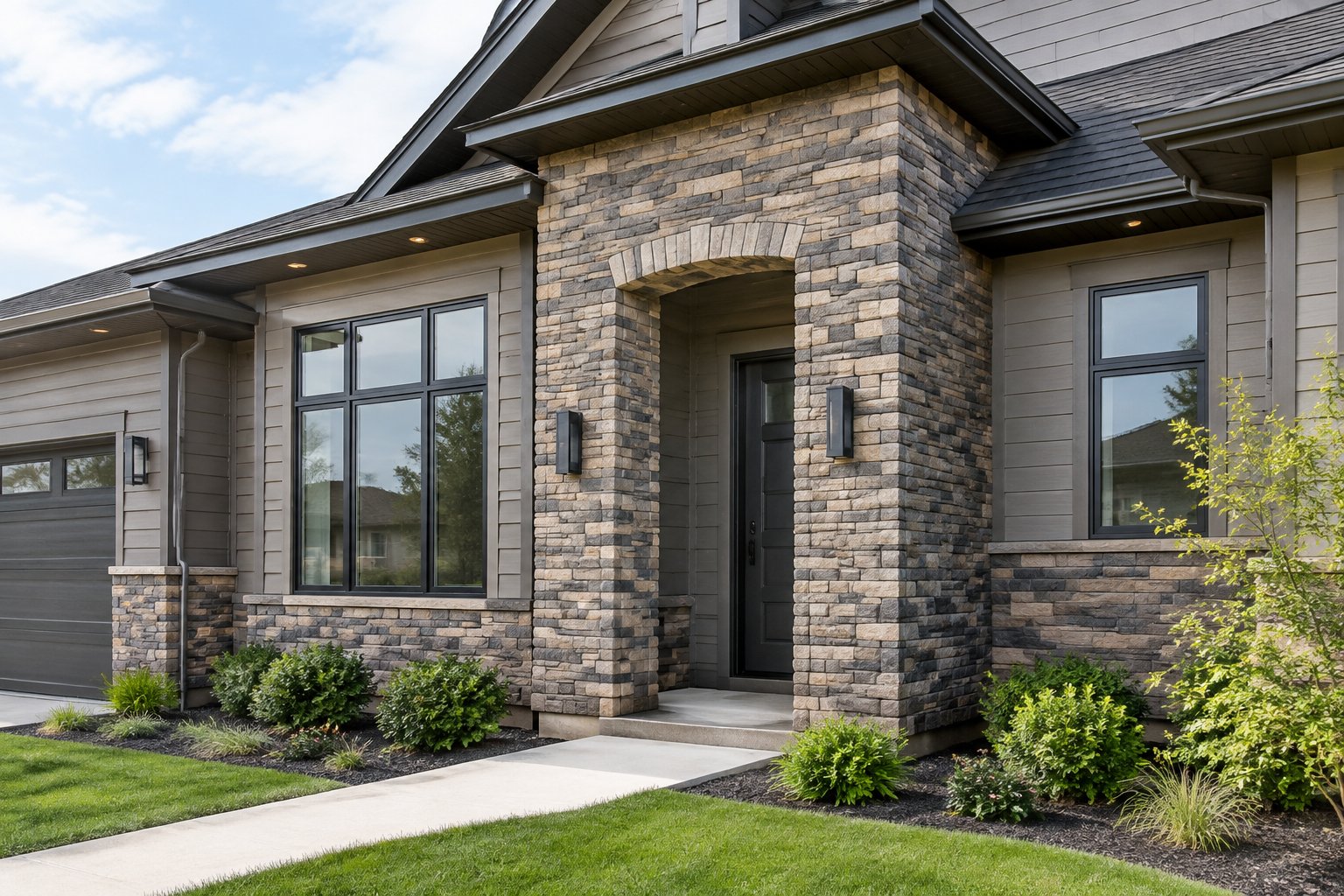
Reclaimed brick and stone instantly add character to facades, chimneys, and entryways. Use full-depth reclaimed brick for structural cladding, or thin brick veneer if weight’s an issue.
Mix brick types—irregular reclaimed bricks, hand-fired units, cut stone—for subtle variation and depth. Mortar color and joint profile matter more than you might think; they shape the overall tone.
Try reclaimed brick for window surrounds, piers, or accent bands to anchor modern elements in a historic palette. If you need reliable sourcing and quick delivery for facades, New Orleans Brick & Stone keeps inventory ready to ship.
Landscape and Outdoor Uses
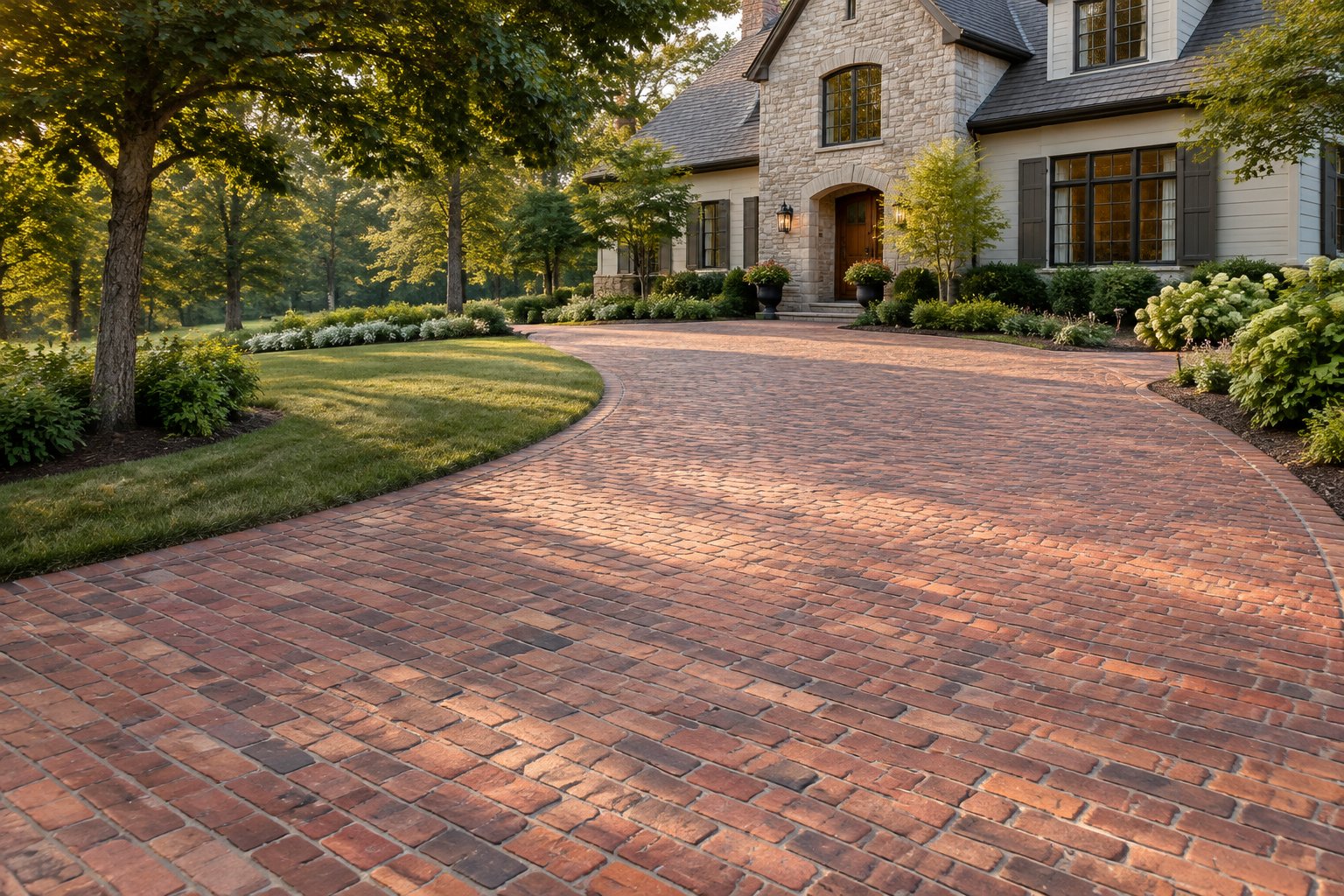
Reclaimed pavers, flagstone, and slate make sturdy, character-rich walkways, patios, and garden steps. Their weathered surfaces add grip and a natural look that only gets better over time.
Use reclaimed stone for low walls, seating, and planters to tie the landscape to your building’s story. Blend sizes and shapes for a handcrafted look that works at any scale.
For outdoor kitchens and fire pits, pick dense, tested stone or brick rated for heat and freeze-thaw cycles. Always check your material’s performance and source hand-selected units to avoid breakage in tough conditions.
Sustainability and Eco-Friendly Approaches
Reclaimed and low-impact materials cut waste, lower embodied carbon, and add genuine character to buildings. Here’s how you can source, test, and specify them for real projects.
The Role of Upcycled Materials
Upcycled materials save time and money while giving spaces authentic texture. Reclaimed brick, stone, and flagstone come from century-old buildings and keep solid, tested material out of landfills. These pieces usually just need cleaning and testing before they’re ready.
Ask for materials with documented provenance and a clear testing protocol. Get structural ratings, freeze-thaw data, and mortar compatibility info to avoid headaches during install. Upcycled pieces also lower embodied carbon by skipping new manufacturing and long shipping.
New Orleans Brick & Stone keeps inventory ready to ship, which helps you meet tight schedules and avoid storage issues. Choose hand-selected reclaimed units to match color, size, and wear for a cohesive look.
Low-Impact Manufacturing Processes
Low-impact manufacturing means less energy, water, and emissions during prep and finishing. For reclaimed stone and brick, look for mills that use cold cleaning, minimal chemicals, and mechanical sizing instead of energy-heavy firing or heavy resurfacing. These methods keep the original texture and lower environmental cost.
Ask suppliers about energy use, waste recycling, and water reclamation. Find out what fuel sources they use for kilns or dryers, if they recycle offcuts, and how they handle wash water. Specify finishes that avoid high‑VOC sealers and pick breathable mortars or mineral-based washes to keep materials durable and healthy.
When you combine tested reclaimed units with low-impact prep, you get materials that are both character-rich and responsible.
Incorporating Material Stories Into Projects
Pick materials that show where they came from and how they were used. Let texture, wear, and color guide your choices so the finished space feels lived-in and honest.
Crafting Narratives Through Material Choice
Choose reclaimed brick or stone with visible patina to root a room in time. Use century-old bricks with mixed tones on a fireplace wall to tell a local history. Mix thin brick veneers in a kitchen backsplash to echo exterior masonry without adding weight.
Match scale and joint width to the building’s era. Wider joints suit historic looks; tight joints feel more modern. Keep sample boards from different batches on-site so clients can see how light and shadow change the material.
Stick to a focused palette: one main material, one accent. That keeps the story clear and avoids visual clutter. Label materials with origin and age so everyone’s on the same page.
Collaborating With Artisans
Work directly with masons and restorers who know hand tooling, bedding, and lime mortars. Ask for mockups of key details—corners, thresholds, transitions—to make sure the story feels right up close. A quick trial panel can save you a lot of trouble on tricky assemblies.
Share origin notes with your team: where the brick came from, its era, and any special handling needs. Communicate shipping windows and on-site storage to avoid delays. If you’re using New Orleans Brick & Stone, request their hand-selected samples and expedited inventory lists to keep things moving.
Pay for craft time on details that show up in photos and daily use. A well-done arch, sill, or reclaimed floor run signals authenticity and holds value for decades.
Designing with Depth and Lasting Character
Character-rich materials do more than complete a project. They shape how a space is experienced over time. The texture under your hand, the variation in color, the subtle imperfections that catch the light. These are the details that make architecture feel grounded, not just assembled.
When reclaimed brick and stone are chosen with intention, they bring both performance and meaning. They have already proven their durability, and they carry a sense of place that new materials often lack. Paired with thoughtful design and skilled installation, they create spaces that feel established from the very beginning.
At New Orleans Brick & Stone, that balance between heritage and reliability is at the center of every project. Materials are reclaimed from historic structures, prepared for immediate use, and kept in ready inventory so timelines stay intact. With direct guidance and fast nationwide shipping, the process remains clear and dependable from selection to delivery.
In the end, working with character-rich materials is about building something that lasts in more than one way. It is about creating spaces that hold up, stand out, and continue to tell their story long after the project is complete.
Frequently Asked Questions
Here are some real-world answers about materials that bring visible age, strong texture, and long-term performance. If you’re curious about top picks, sustainability, new trends, or learning resources, you’ll find some direction here.
What are the top materials architects use to add unique character to their designs?
Reclaimed brick and natural stone instantly add patina and texture—there’s really nothing like them. Their weathered faces, color shifts, and irregular sizing give spaces an authentic, lived-in feel indoors and out.
Engineered wood with deep grain, exposed board-formed concrete, and hand-troweled plaster also bring a lot of character. Each one offers a different vibe: wood for warmth, concrete for weight and rhythm, plaster for subtle texture.
Which materials are considered best for sustainable and character-rich architectural projects?
Reclaimed materials are the go-to for both sustainability and character. They reuse what’s already around and keep embodied carbon in check. Reclaimed brick and stone hold onto history while cutting down on waste and new production.
Locally quarried stone, certified reclaimed timber, and low-VOC lime plasters also support healthy indoor air and local jobs. You get sustainability and depth—no need to pick just one.
What innovative materials are currently trending in modern architecture?
Terrazzo made with recycled aggregate is having a moment—durable, colorful, and full of pattern. Cross-laminated timber (CLT) brings big exposed wood surfaces and a warm look, with plenty of structural muscle.
High-performance reclaimed brick veneers and thin-brick systems let you use real old brick faces while keeping weight down. Even projects with modern structural needs can get that reclaimed charm.
Could you recommend some resources for architecture students to learn about character-rich materials?
Restoration textbooks and material conservation guides are a good place to start—they cover aging, cleaning, and testing historic materials. Museum conservation papers and university preservation programs often share practical tips.
It helps to visit reclaimed-material yards and small shops, too. Seeing samples and chatting with people who work with these materials every day gives you a better sense of what’s possible. If you’re after authentic reclaimed brick or stone, New Orleans Brick & Stone is worth a call—they’re open to questions about sourcing, testing, and applications.
What are some of the traditional materials that have been reimagined by architects for contemporary use?
Hand-pressed brick now shows up as thin veneers and modular panels for faster installs and lighter loads. Salvaged timber gets a second life as beams, stair treads, or furniture with updated details.
Lime plaster and traditional mortars are back, too—used as breathable systems with historic masonry, often paired with modern insulation to balance performance and authenticity.
How do the "3 C's of architecture" influence the choice of materials in building design?
Context makes you match materials to the place—think climate, history, and what’s already around. That’s why you might go for stone, brick, or plaster, depending on the surroundings. Character nudges you toward materials that show age, texture, or craft, like reclaimed brick or hand-finished plaster. You want something that feels genuine, not just new and shiny.
Cost, of course, decides what’s actually doable on a bigger scale. Sometimes reclaimed stuff turns out cheaper in the long run, especially if you care about durability or using less energy. When you juggle context, character, and cost, you’re more likely to land on materials that actually work and feel right for the building.