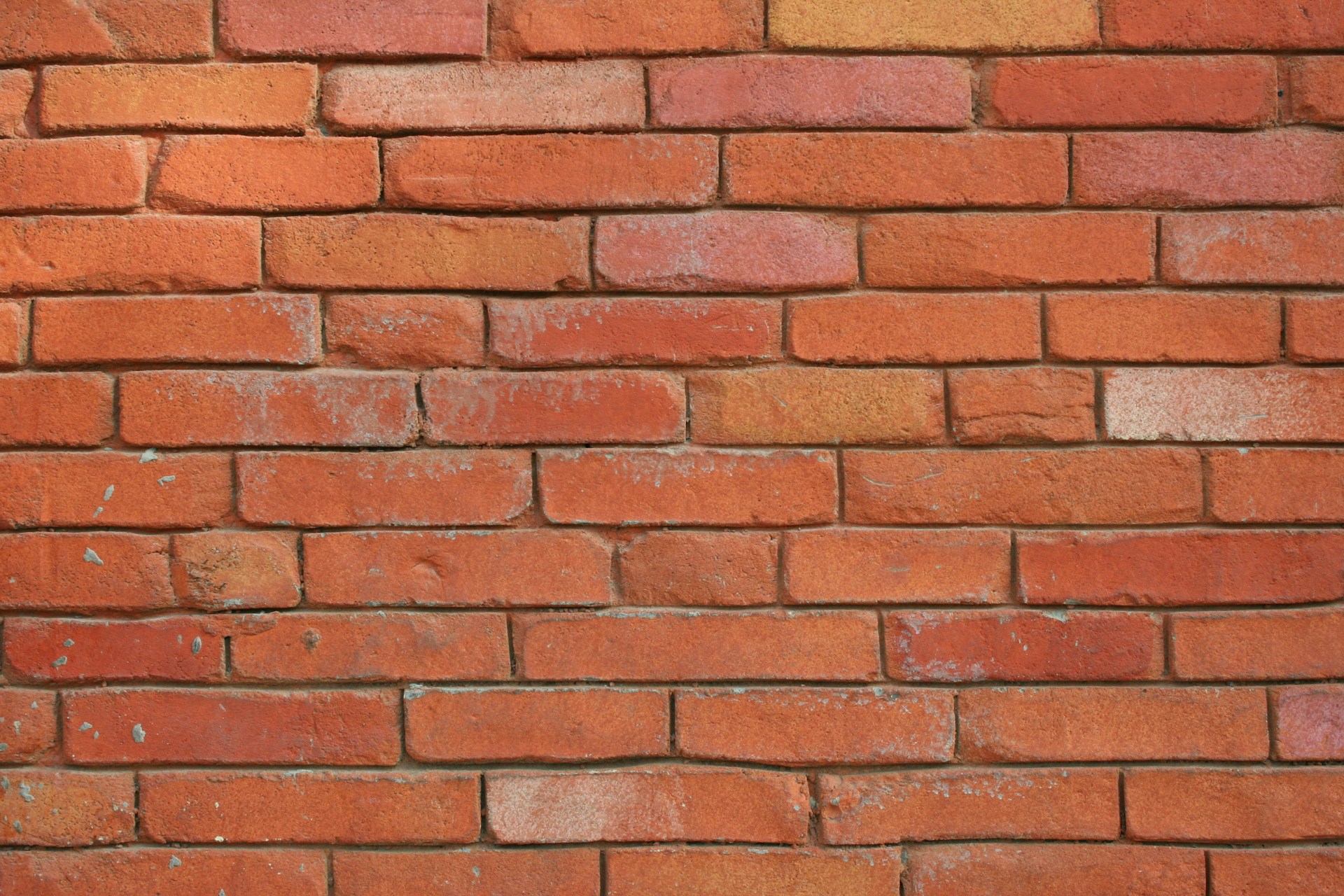
You're halfway through a restoration spec, and the architect just called out clinker brick for the chimney detail. Now the mason's asking if you can actually find enough to cover 200 square feet, and the homeowner wants to know why these bricks look so different from every new product in the catalog.
This is the moment you need a straight answer about clinker brick: what it is, where it comes from, and whether you can get it fast enough to keep the job moving.
This guide covers what sets clinker brick apart from standard masonry, how kiln conditions created it, where it shows up in American architecture, and what to check before you spec or source it. You'll get details on density, color range, pricing context, and freight logistics, not just a one-line definition.
What Sets Clinkers Apart From Standard Masonry
Clinker bricks come from excessive heat during firing. They are denser, harder, and far more irregular than standard bricks because they were fired well past the usual range. That is not just a matter of looks. It changes every property of the brick you can measure.
How Overfiring Changes Shape, Surface, and Density
When clay bricks sit too close to the heat or stay in the kiln too long, the silica and alumina in the clay begin to vitrify. The brick partially melts, warping, swelling, and taking on a glassy surface. You will often see compressive strength over 10,000 PSI, compared with a typical 3,000 to 5,000 PSI for a standard brick.
Overfiring also drops water absorption sharply. A common brick absorbs 8 to 15 percent moisture by weight, while a clinker might test under 3 percent. That is why clinker bricks ring with a metallic sound when you tap them together, and why they hold up through freeze-thaw cycles.
Why Dark Glazing, Bloating, and Irregular Edges Matter
The dark, glassy spots on a clinker's face are natural ash glazing, fly ash from the fuel fused to the brick at extreme heat. It is not a coating, so it will not chip or peel.
Bloating, the rounded and swollen profiles, comes from gases trapped inside the clay as it vitrifies. Air pockets expand the brick unevenly. A clinker will never stack flat like a machine-made brick, and that is exactly what designers want for textured facades and accent walls.
Concrete blocks deliver structural capacity at scale, but none of the historic character. Standard bricks are uniform by design. Clinker bricks are the opposite: unpredictable in shape, dense, and prized for exactly that. Their character traces back to how they were made.
How Kiln Conditions Created a Distinct Historic Material
No one set out to make clinker brick. It came from imprecise kiln technology in the 19th and early 20th centuries. Bricks nearest the fire took on more heat than intended, so many fused, warped, or bloated far past what builders wanted for standard walls.
Early Kilns, Uneven Heat, and Industrial Overproduction
Before tunnel kilns, most bricks were fired in updraft or beehive kilns, where heat was uneven. Bricks near the firebox passed 2,000 degrees Fahrenheit, while others barely got hot enough to set.
Brickmakers expected every burn to produce a batch of clinkers, sometimes 5 to 15 percent of the load. In major brickmaking regions like the upper Midwest, that meant thousands of them every cycle.
From Rejected Units to Sought-After Architectural Pieces
For years, clinkers ended up in waste piles or as fill for foundations and roads. Eventually, builders noticed these rejects outperformed standard bricks in wet spots and high-wear areas, thanks to their density and water resistance.
By the early 1900s, architects working in Arts and Crafts and Craftsman styles chose clinkers on purpose for their texture. What was once waste became a feature.
Clinker chimneys, garden walls, and facade details turned into signatures of a design philosophy that celebrated imperfection. Today, authentic reclaimed antique brick from this period is still in demand for the same reasons.
Klinker, Tunnel Kiln, and Other Terms Readers May Encounter
The spelling klinker comes from Dutch and German brickmaking. It is the same overfired product, used in European contexts or older references. You may see it in import catalogs or older texts, but it describes the same material.
Tunnel kilns, which fire in a continuous process, replaced beehive and updraft designs in the 20th century.
They made heat distribution far more reliable, so accidental clinkers became rare. That is why genuine historic clinker brick is now a finite, reclaimed resource. Knowing where it turns up in American buildings tells you what to look for and what colors to expect.
Where Clinker Brick Shows Up in Historic Architecture
You will find clinker brick in residential and commercial buildings across any region with active brickmaking from the 1870s through the 1930s. Its presence tells you something about the local clay and the kiln technology of the era.
Late 19th- and Early 20th-Century American Use
The biggest wave of clinker brick in the U.S. came between about 1880 and 1930, when brick production boomed across the Midwest, Mid-Atlantic, and parts of the South. Warehouse districts, railroad buildings, and residential neighborhoods all absorbed clinker units.
Sometimes, clinkers went behind a finished facade as common brick. You will also find them in foundation walls, cisterns, and chimney stacks, where their low absorption rate made a real difference. If you are sourcing a period restoration, knowing the original build date helps narrow your search.
Chicago and Craftsman-Era Contexts
Chicago's brick industry produced a great deal of clinker brick alongside its buff-colored common brick. Old Chicago bricks range from cream to deep charcoal, and the darkest pieces in a reclaimed load are usually clinkers.
Craftsman-style bungalows, especially on the West Coast and upper Midwest, often feature a clinker chimney or porch column. The Arts and Crafts movement treated imperfection as a feature, not a flaw. On a Craftsman restoration, a clinker accent is usually right for the period.
Regional Color Variation and Related Types Like Chicago Buff
Clay composition changes by region, and so does clinker color. Midwest clays tend to produce deep purple, charcoal, and nearly black clinkers. Southern clays lean toward dark reds and burnt orange. The reclaimed St. Louis brick tradition, for example, produces warm reds that shift to mahogany in overfired pieces.
Chicago buff refers to the cream and tan bricks made from local clay. Overfired, they turn amber, brown, and olive, and they show up alongside true clinkers in many salvage batches. If you are specifying by color, naming the regional origin helps your supplier pull what you want. That regional range also shapes how the material gets used today.
How Designers and Builders Use It Today
Clinker bricks work in both restoration and new construction, wherever you want a textured, historic look. Their density and irregular faces make them a strong choice for high-visibility surfaces.
Facades, Chimneys, and Restoration Details
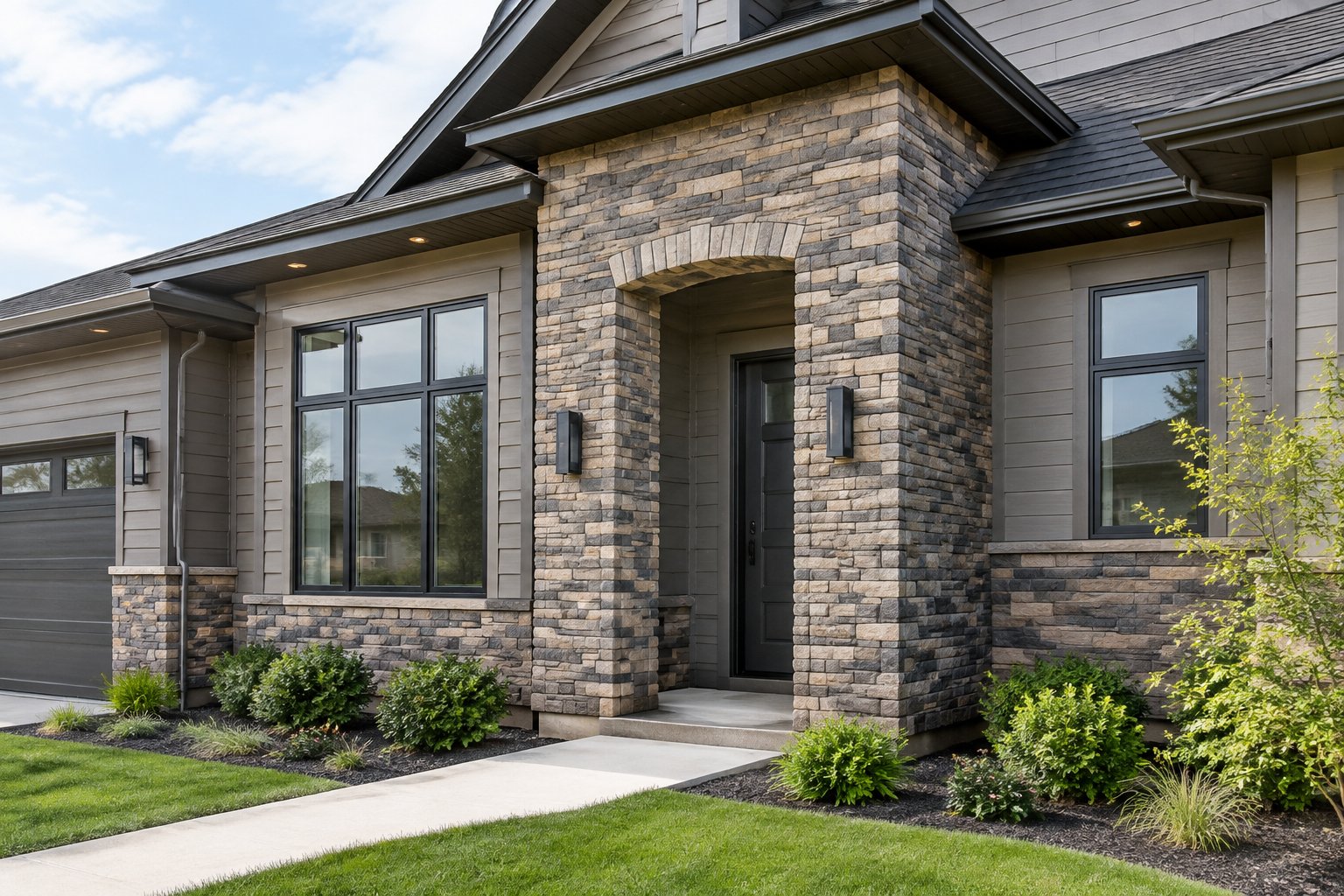
On exterior facades, clinker bricks cast shadows and add color depth that uniform brick cannot. Masons usually set them with wider mortar joints to accommodate the irregular edges. For chimney restorations on pre-1930 homes, finding the right clinker brick is often essential, especially under federal historic preservation guidelines.
When mixing clinker into a facade, many specifiers use a 20 to 30 percent blend with standard reclaimed brick. That gives enough texture without making the wall difficult for the mason. Coverage on a blended facade runs about 6.5 to 7 bricks per square foot for standard modular sizes.
Fireplaces, Accent Walls, and Interior Features
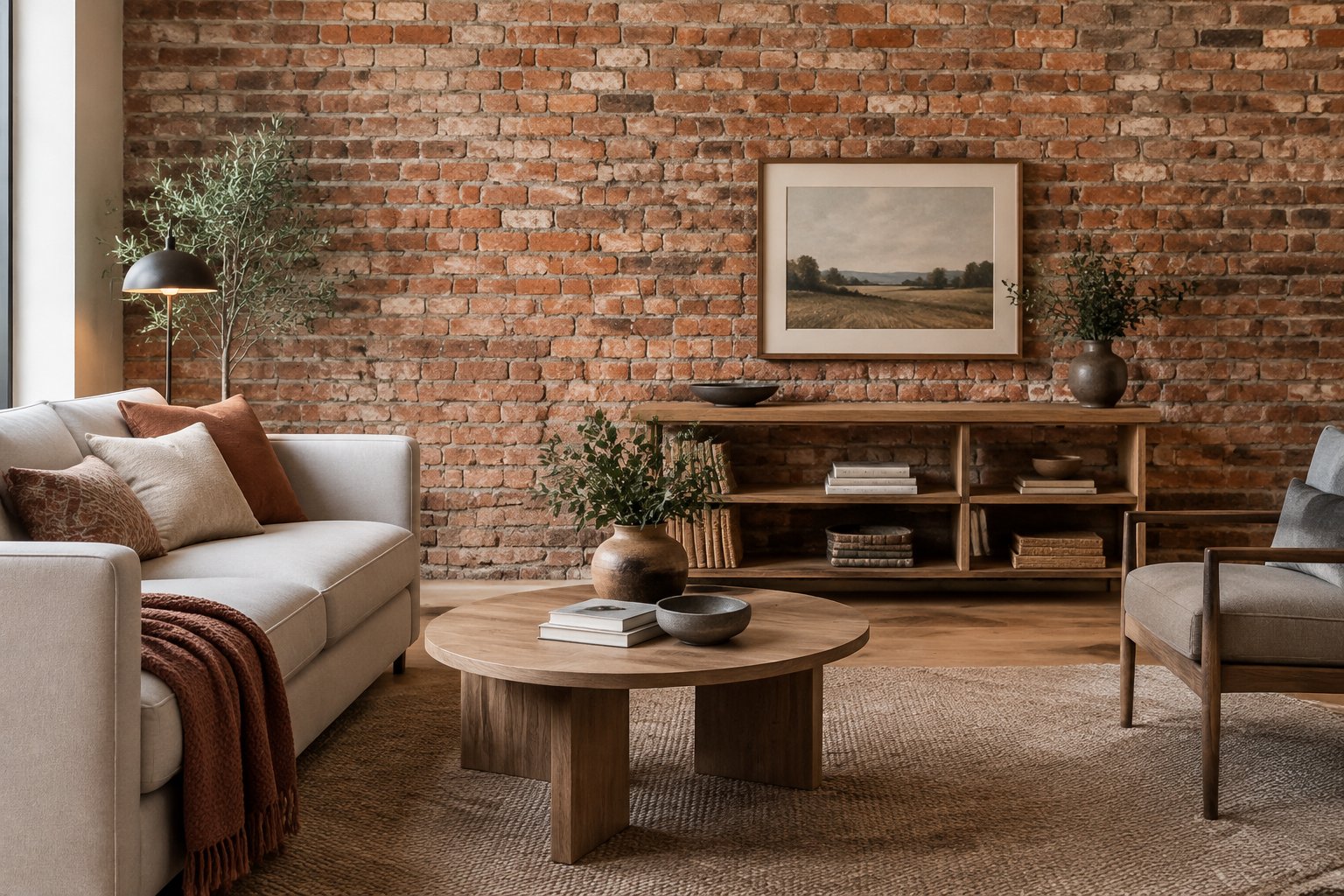
Interiors are a growing use for clinker brick. Fireplace surrounds and hearths benefit from the material's natural heat resistance. Thin brick sliced from full clinker units works for accent walls where you do not want the full weight or depth.
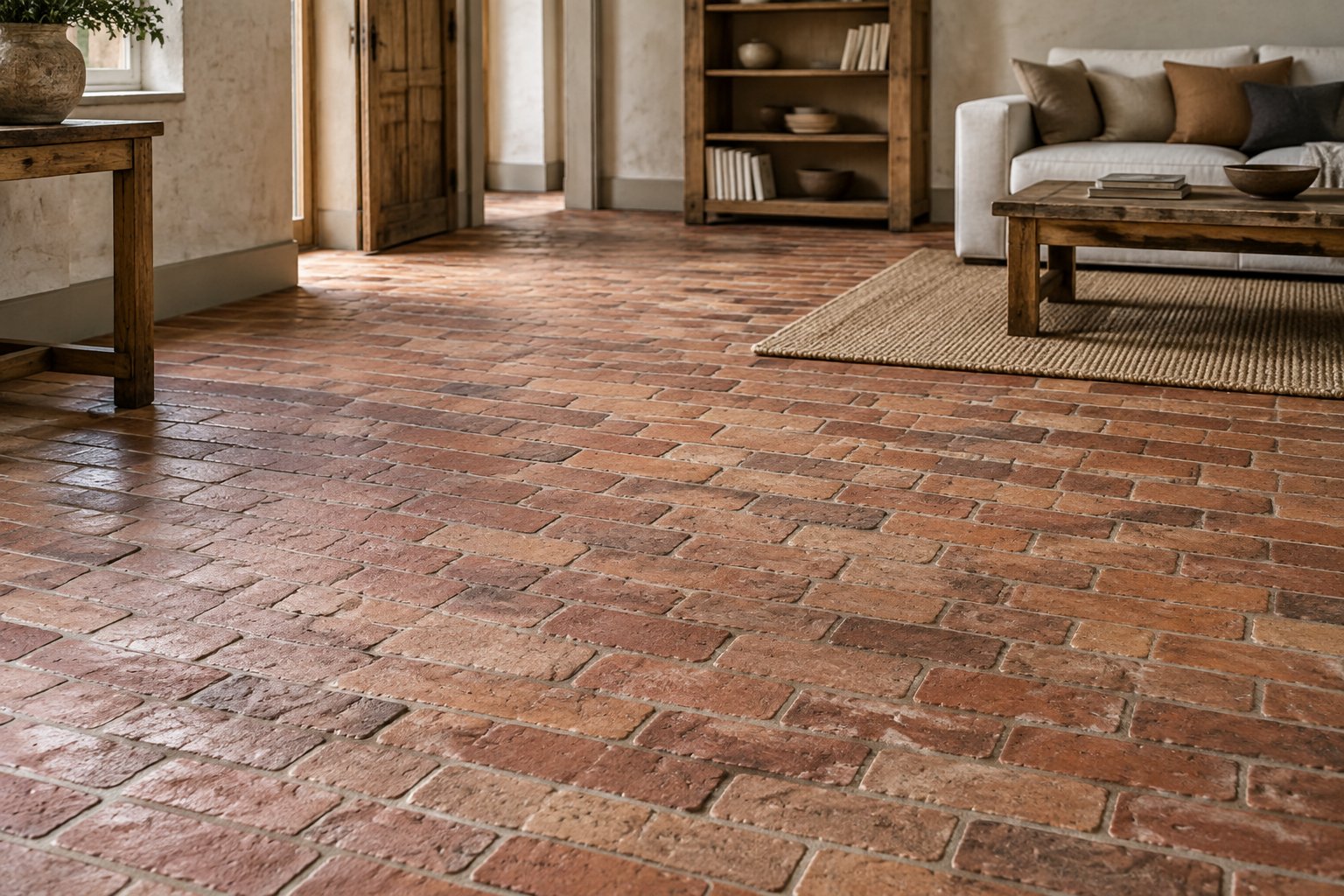
The dark glazing on clinker faces catches light in a way smooth brick cannot match. In a living room or kitchen, a clinker accent wall adds warmth and texture that paint, tile, or manufactured stone cannot replicate. Clinker-grade material also holds up as flooring in entryways and mudrooms that see heavy wear.
Pathways, Garden Edges, and Other Exterior Applications
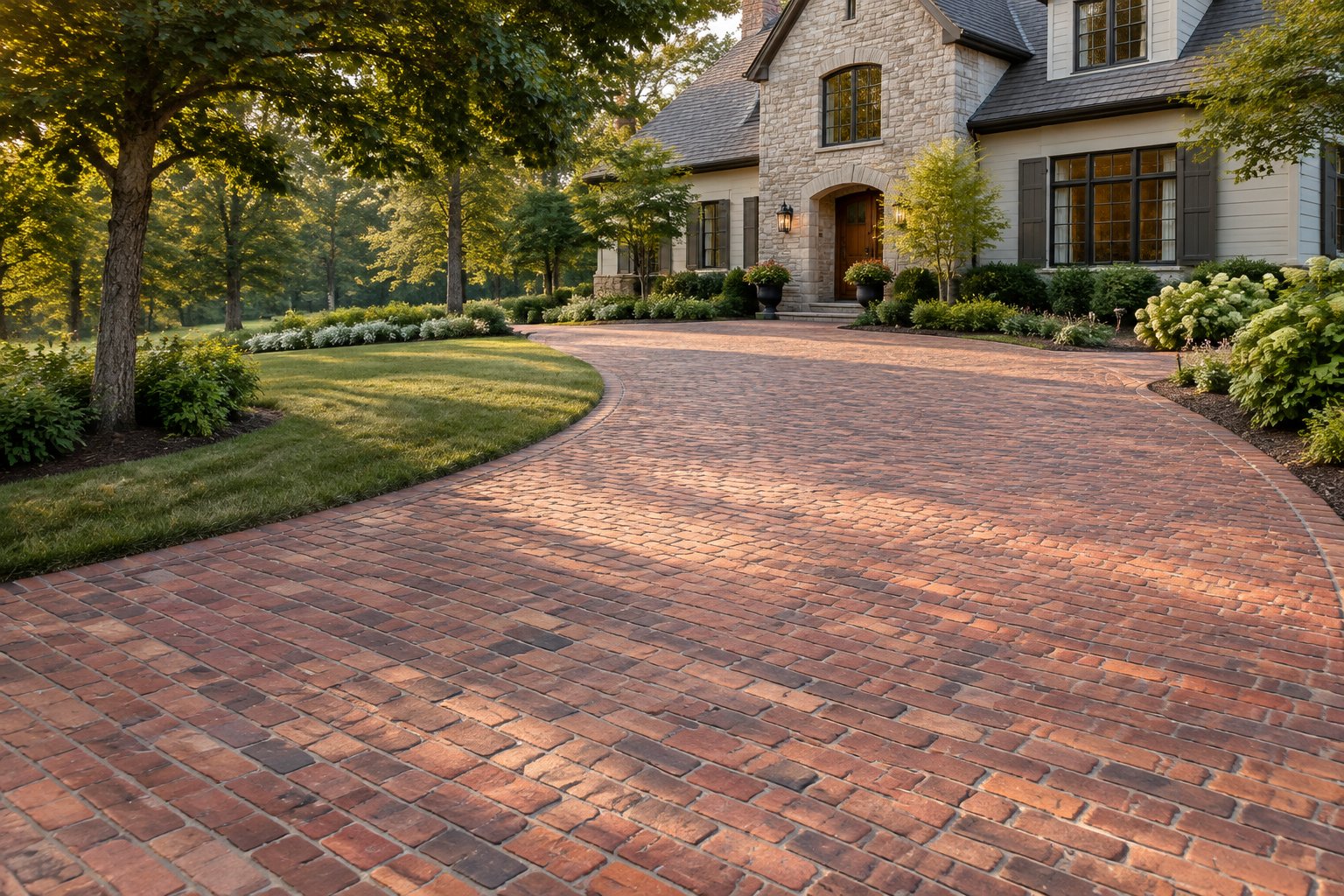
Clinker brick's low absorption rate makes it a solid choice for ground-contact projects. It holds up in patios and walkways where standing water or freeze-thaw cycles would damage softer pavers. A herringbone pattern that mixes clinker with standard reclaimed brick adds visual rhythm underfoot.
Garden edging is a lower-commitment way to bring clinker's character outdoors. Set on edge along a bed, clinkers form a border that withstands winter. Before you specify any of these uses, a few checks will save you trouble.
What to Check Before Specifying or Sourcing
Specifying clinker brick takes more legwork than ordering standard reclaimed brick. The traits that make it interesting also create a few complications worth handling early.
Reclaimed Material vs Modern Replications
Some manufacturers produce new bricks made to look like clinkers, using controlled kiln techniques for surface distortion and dark glaze. They are more uniform and lack the weight and feel of real, overfired antique clinkers.
True clinker brick from a century-old building shows genuine patina, mortar shadows, and weathering that cannot be faked.
Density confirms it: authentic clinkers usually test under 3 percent absorption, while replicas land anywhere from 5 to 8 percent. If you are weighing reclaimed brick against new brick, this gap matters most for outdoor and wet-area projects.
Patina, Density, and Compatibility With Existing Brickwork
If you plan to mix clinker brick with existing masonry, check that the mortar profile is compatible. The National Park Service notes that a mortar harder or less permeable than the surrounding brick can accelerate deterioration of older units. Lime-based mortar usually works best with century-old clinkers.
Color matching matters in visible work. Ask your supplier for photos of the current batch, or better, a sample pallet, before you commit. Clinker color varies sharply from one salvage load to the next.
Availability, Quantity Matching, and Freight Considerations
Clinker brick is no longer manufactured. You will find it only in salvage from buildings being demolished or gutted. Supply is inconsistent, and large quantities from a single source are rare. Plan to order 10 to 15 percent extra for waste and cuts.
Freight for reclaimed brick depends on weight, destination, and delivery requirements. A standard pallet weighs about 2,000 to 2,500 pounds. The reclaimed brick cost guide breaks down the pricing variables. Clear, specific specs help you get the right load and avoid surprises when the truck arrives.
Choosing the Right Fit for a Historic or Design-Driven Project
Clinker brick earns its place when a design calls for texture, depth, and a real connection to building history, something you cannot buy off the shelf.
When Irregularity Is the Right Design Move
Irregularity works best when you design around it. Craftsman chimneys, Arts and Crafts fireplace surrounds, and garden walls with a settled, aged look are where clinker brick performs. If your project needs crisp lines and tight tolerances, this is not the right material.
Mixing clinker with standard reclaimed brick or full-size units balances cost and character. A 70/30 or 80/20 standard-to-clinker ratio gives enough irregularity to look intentional without straining the mason or the budget.
How to Describe Clinker Brick Clearly in Project Planning
When you write a material spec or request a quote, include:
- Approximate square footage or brick count needed
- Application type (facade, chimney, interior accent, paving)
- Preferred color range (charcoal, deep red, mixed, etc.)
- Acceptable size tolerance (modular, oversize, or mixed)
- Mortar joint width you plan to use
- Whether you need full brick or thin-cut veneer
- Delivery timeline and site access notes
The more detail you give, the faster a supplier can pull matching inventory. Vague requests like "I need some old dark bricks" slow things down and raise the odds of a mismatch.
What to Confirm Before Finalizing a Material Decision
Before you sign off on a clinker brick order, confirm three things. First, the salvage source and age, since the building's history backs up both patina and strength. Second, a sample or clear photos of the current batch. Third, the freight details: curbside delivery, site access, and who handles unloading.
If your project aims to use eco-friendly reclaimed materials, clinker brick fits the goal. It keeps material out of landfills, avoids the energy of new manufacturing, and extends the life of a unit that has already proven itself.
Frequently Asked Questions
Is Clinker Brick Stronger Than Standard Brick?
Yes. Clinker brick usually tests over 10,000 PSI in compressive strength and absorbs less than 3 percent moisture by weight. Standard brick runs closer to 3,000 to 5,000 PSI and 8 to 15 percent absorption. That density gives clinker better freeze-thaw performance and a longer life in exposed locations.
What Colors Does Reclaimed Clinker Brick Come In, and Can I Match an Existing Wall?
Reclaimed clinker brick ranges from deep charcoal and purple-black to dark red and burnt amber, depending on the clay source. Midwest loads tend to run darker, while Southern salvage leans warmer. Because color varies by batch, ask your supplier for photos and samples from current stock before you commit to a match or a blend.
How Fast Can I Get Clinker Brick Delivered?
Reclaimed brick ships on pallets by freight carrier. Once an invoice is paid, a truck can be on the road within 48 hours, with standard processing of 2 to 3 business days. Transit time depends on your location. Because clinker supply is limited, call to confirm stock before you order.
How Much Clinker Brick Do I Need for a Facade or Chimney?
For standard modular sizes, plan on about 6.5 to 7 bricks per square foot of wall, plus 10 to 15 percent extra for cuts, breakage, and natural variation. For a chimney, measure all exposed faces. For a hearth surround, measure the firebox opening and any return depth. Confirm available quantity early, since large single-source lots are rare.
Your Next Step With Clinker Brick
Clinker brick rewards a little homework. Once you understand its density, color range, and history, you can spec it with confidence for facades, fireplaces, walkways, and anywhere a project needs real character.
Supply is the variable. Authentic clinker brick only comes from salvage, and no two batches match. That is why it makes sense to confirm inventory before you lock in a design.
Call New Orleans Brick Co to check what is on the yard and get a truck moving within 48 hours of a paid invoice. One conversation gets you photos, quantity details, and a freight quote, so you can confirm the right material before it is gone.