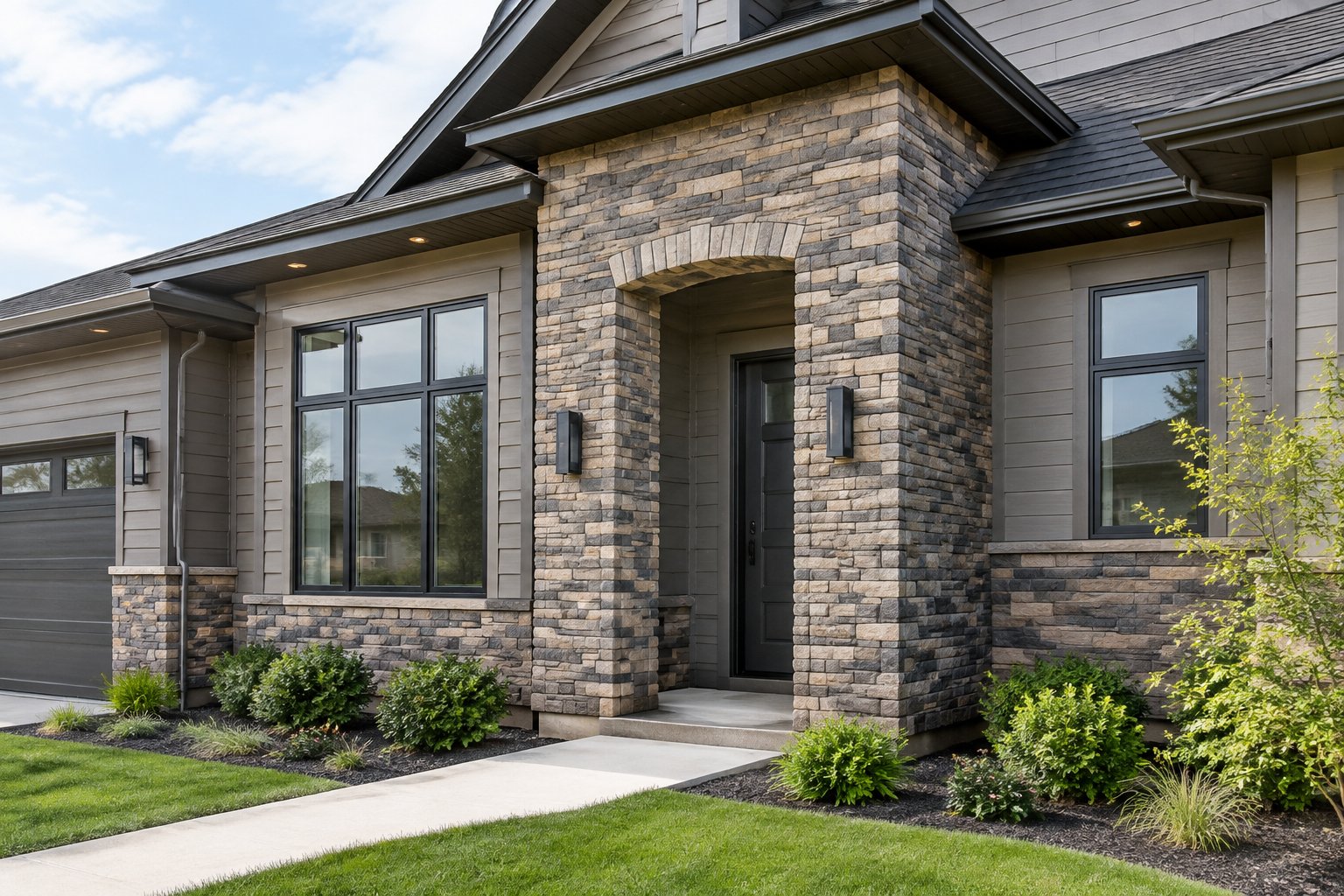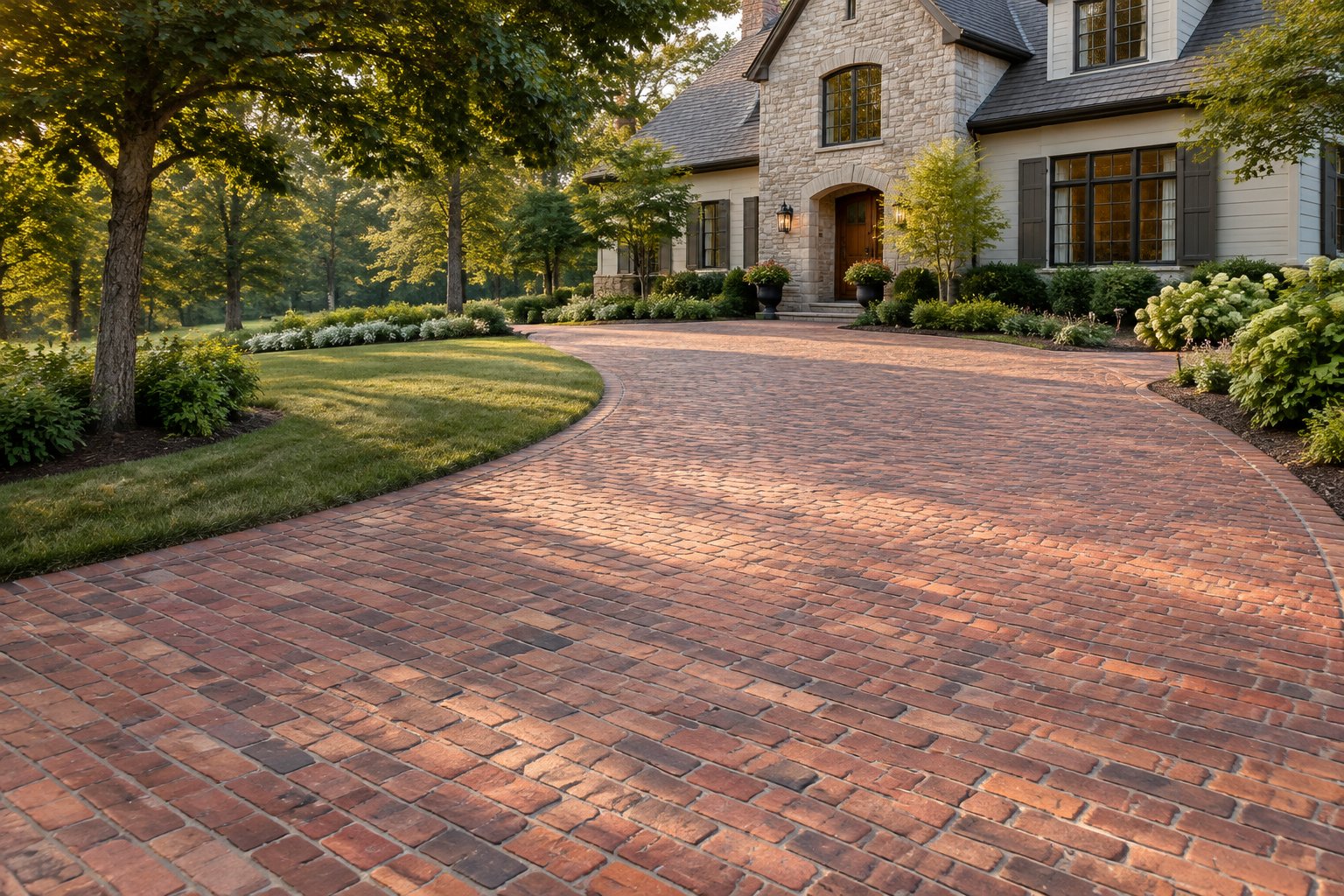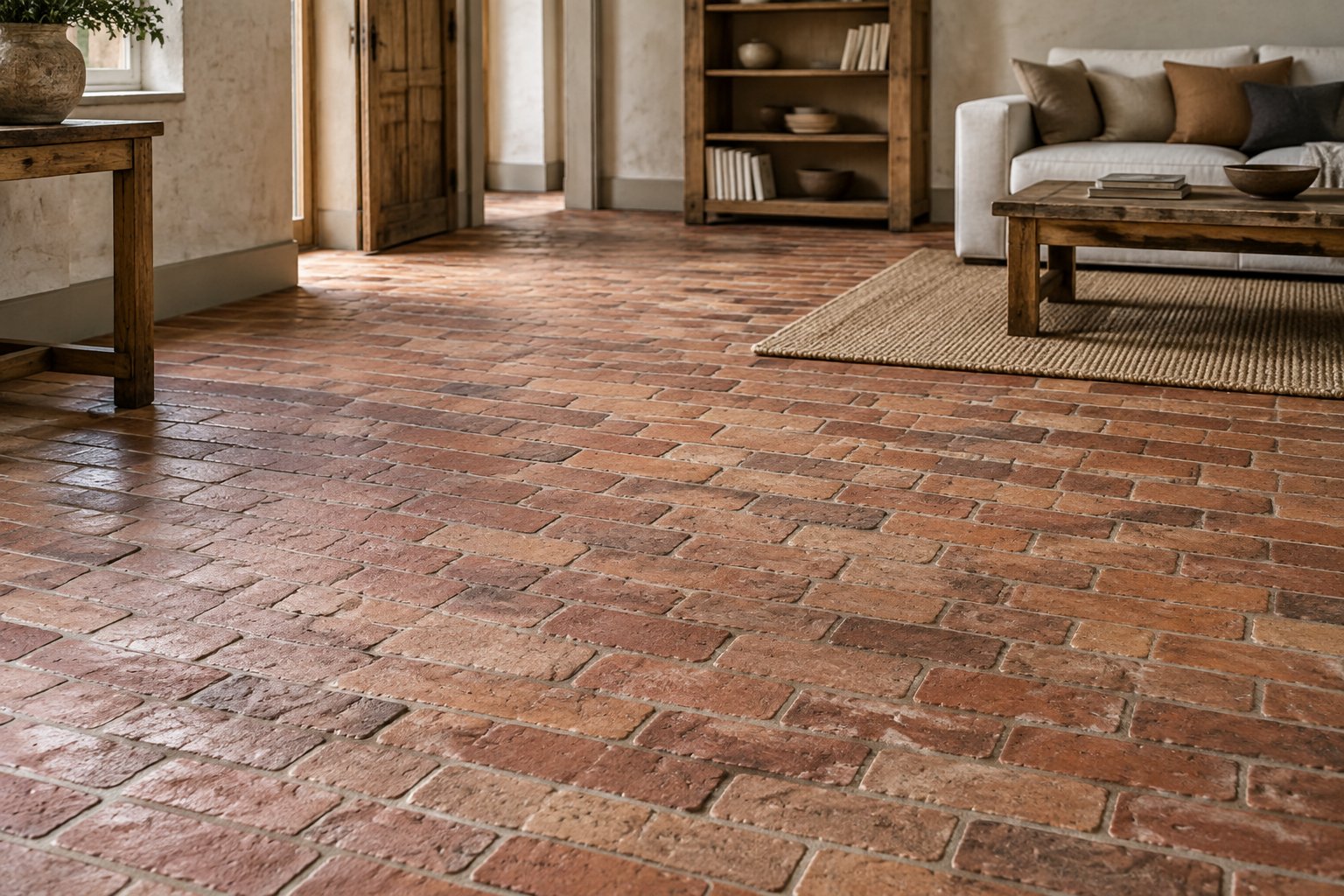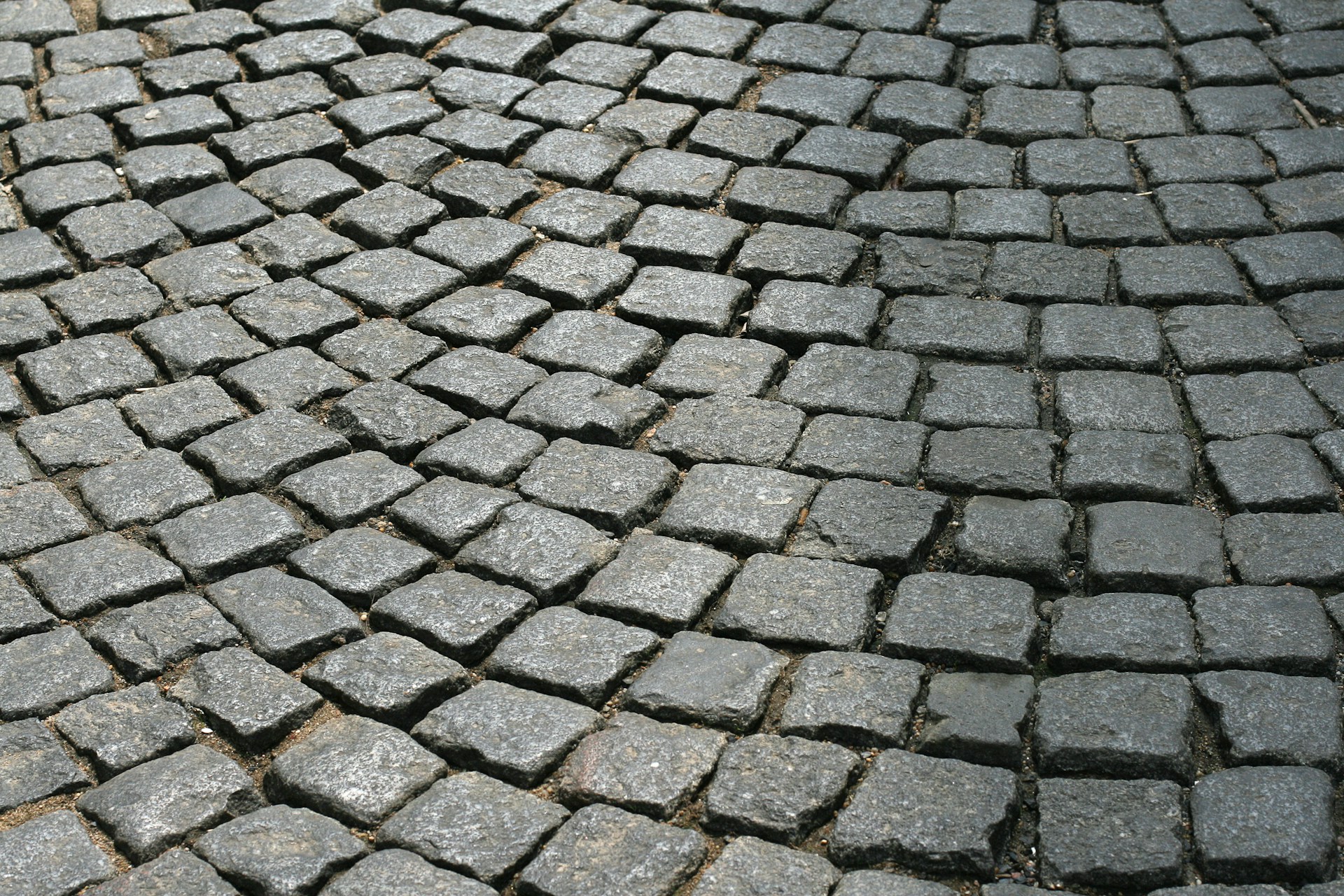
Six sample photos, and every cobblestone looks different. The walkway you have in mind is specific: aged texture, earthy color variation, and a surface that stays solid underfoot for decades.
The hard part is turning that picture into a real material, a real layout, and a supplier who can ship before the framing crew wraps up.
This guide covers how to choose between granite and sandstone cobblestone, which layout patterns suit different home styles, and how borders and planting frame a natural stone walkway.
Expect material comparisons, sizing guidance, and practical notes on drainage and climate to support a confident stone selection.
How to Choose the Right Stone for the Path You Want
The stone you choose determines how the walkway weathers over time and how it feels underfoot in July. Start with what you want the path to do, then match the material to that job.
Granite vs Sandstone Underfoot
Granite cobblestones are about as tough as it gets. They handle freeze-thaw cycles, heavy foot traffic, and years of weather while keeping their shape. Most reclaimed granite cobbles run 4 by 4 inches to 5 by 8 inches, weighing 3 to 5 pounds each.
Colors usually sit in the gray, silver, and muted tan range. Sandstone cobblestones bring warmer colors: buff, gold, rust, and soft reds.
They are softer than granite, so they develop a worn patina faster and cut more easily for curves or custom fits. Sandstone works best in milder climates where hard freezes are not a regular event.
When Reclaimed Cobblestones Make Sense
Reclaimed cobblestones show a depth of color and surface wear that new stone cannot fake. These stones came from old streets, industrial yards, and building foundations, places that gave them real character over decades. If you want an authentic reclaimed antique look, new material does not match it.
The catch is that reclaimed stock is always changing and limited. When you find the right batch, confirm the quantity and lock it in before the design is final.
How Natural Stone Pavers Stack Up
Natural stone pavers land between rough cobblestones and machine-cut concrete pavers in both looks and price. They are more uniform than cobblestones but still keep some organic color shifts.
Concrete pavers cost less but tend to fade and chip after a decade. Natural stone pavers can last 50 years or more with basic care.
If you want an old-world look but prefer a smoother walking surface, 2-inch natural stone pavers are a good middle ground. Mixing stone and reclaimed brick pavers at transitions adds depth without making the path feel busy.
With the stone chosen, the next decision is how to lay it out.
Walkway Layouts That Change How a Space Feels
The same cobblestone reads differently depending on whether it runs straight to the front door or curves through a side garden. Layout sets the mood and how people use the space.
Straight Runs for Formal Entries
Straight cobblestone paths from the street to the porch feel intentional and structured. They suit homes with symmetrical fronts and formal landscaping. Keep the width between 42 and 48 inches so two people can walk side by side. According to walkway width guidelines, 48 inches is roomy enough for a pair.
Set stones in a tight running bond or stacked pattern to keep the linear feel. Straight runs also make installation easier, with fewer custom cuts at every curve.
Curved Routes Through Garden Spaces
Curves slow people down and draw attention to the plantings. Let the path follow your garden beds instead of forcing a shape. Gentle arcs with at least a 4-foot radius keep the route from feeling cramped.
Use smaller 4-by-4-inch cobbles or irregular sizes on curves, since they hug the bend better than large rectangles. Wider joints filled with creeping groundcover soften the edges and make the space feel more relaxed and lived-in.
Widths and Transitions for Daily Use
- 30 to 36 inches for a single-file side-yard path
- 42 to 48 inches for a main entry walkway
- 54 to 60 inches for room for a bench or planter
- Transition zones between patio and path should widen by 6 to 12 inches to avoid a bottleneck.
Where your cobblestone walkway meets a patio, deck, or driveway, add a soldier course border or change the stone size for a clear visual break. This marks the transition without a step.
A change in pattern at the seam can do the same work where the path meets a brick surface. With a layout set, the pattern inside it is what ties the walkway to your home's style.
Design Styles and Patterns That Fit Different Homes
Cobblestone patterns set the tone for the walkway. The wrong pattern, even on the right stone, can throw off the whole look.
Classic and Vintage Looks
Classic cobblestone layouts use uniform stones set in a tight fan or arc, the look of historic European streets or pre-war American neighborhoods. Vintage style leans into mixed tones, including grays, tans, and ochres, without a strict color order.
For traditional homes, a fan pattern or concentric arc feels timeless without being stuffy. Pair it with reclaimed St. Louis brick borders for a layered, heritage look.
Rustic and Mediterranean Approaches
Rustic installations leave wider joints and use irregular stones on purpose. Fill the gaps with decomposed granite or moss, depending on your climate. This suits farmhouses, ranches, or homes set in natural landscapes.
Mediterranean-inspired paths use warmer sandstone or limestone cobbles in a loose, random pattern. Colors run from honey and terra cotta to soft cream. These look best with plantings like lavender, rosemary, or grasses spilling onto the stones.
Minimalist and Modern Interpretations
Modern minimalist cobblestone means large-format stones, uniform color, and tight joints. Picture dark gray granite in a simple grid with flush edges, where the restraint is the point.
Urban revival style takes old street pavers and sets them in a clean, geometric pattern with concrete or steel edging. The contrast between aged stone and crisp modern lines creates real tension.
If you mix materials, a flat brick border against upright cobblestone adds contrast without creating tripping hazards. What runs along the edges of the path matters as much as the stones in the middle.
Borders, Planting Edges, and Visual Framing
A cobblestone walkway without borders looks unfinished. Borders keep stones in place and frame the path visually.
Using Cobblestone Borders to Define the Walk
Set a single row of larger or darker cobblestones along each side as a soldier course. This keeps the interior stones from creeping out over time and gives the eye a line to follow. Use stones 1 to 2 inches taller than the field stones, set on a concrete footing for stability.
For curves, cut border stones to match the arc or use smaller pieces that follow the bend. As landscape edging techniques note, a good edge keeps soil and mulch from spilling onto the path.
Pairing Stone With Plantings and Groundcovers
The strip between your cobblestone borders and garden beds is where planting earns its keep. Low groundcovers like creeping thyme, Irish moss, or blue star creeper soften the stone edge without blocking the walkway. Plant them 2 to 3 inches from the border so they spill over naturally.
Lay landscape fabric under the planting strip to cut down on weeds, cutting holes for each plant. This keeps the garden-path look without constant weeding.
Creating Contrast at Entries and Garden Rooms
Where your cobblestone path enters a new garden room or transitions to a patio, switch the border material to mark the change. A contrasting edge, like reclaimed brick set flat next to upright cobblestone, signals a new space. This works at gates, arbors, and the edge of outdoor dining areas.
Try darker stone at entries, and lighter stone in open garden stretches to guide the eye and create a sense of arrival. That kind of detail makes a landscape feel intentional.
Special Features That Add Character Without Adding Clutter
The best cobblestone walkways have one or two thoughtful details, not a pile of decorative extras.
Lighting for Evening Use and Ambiance
Good lighting for a cobblestone path sits at ankle height, not overhead. Low path lights every 8 to 10 feet along the border cast enough glow to walk safely and show off the stone's texture. Solar stakes work for garden paths, while hardwired LEDs on a timer suit front entries.
Alternate fixtures from side to side for depth. Keep it restrained, since the goal is to highlight the stone, not flood the walkway.
Mosaic and Decorative Layout Opportunities
A mosaic cobblestone inset at a junction or landing can turn a plain path into a focal point. Try contrasting stone colors, a compass rose, or a simple geometric shape set into the main pattern. One artistic mosaic per walkway is enough, since more starts to look chaotic.
A small pebble mosaic panel, about 2 by 2 feet, at the midpoint of a garden walkway can nod to regional design without overwhelming the rest.
Planning for Low-Maintenance Performance
Low-maintenance walkways start with a solid base, not with chemicals or sealers. Compact gravel under the cobblestones prevents settling and rocking. Polymeric sand in the joints keeps weeds and ants down for 3 to 5 years before a top-up.
- Sweep joints annually to keep debris from piling up
- Rinse with a garden hose once a month during pollen season
- Reapply polymeric sand every few years
- Avoid pressure washing reclaimed stone, since it strips the patina
- Pull weeds by hand before they settle in
Stone paths built with reclaimed materials already carry a lower environmental footprint than new stone. Maintenance should protect that benefit.
A few practical checks before you settle on a stone will keep you from hitting snags later.
What to Confirm Before You Finalize a Stone Selection
The stone that looks perfect in a photo still has to handle your climate, drain water, and be available in the quantity you need.
Climate, Drainage, and Slip Considerations
Soft stone cannot handle freeze-thaw cycles. If winter temperatures in your area drop below 20 degrees Fahrenheit, use granite cobblestones or something equally dense. In wet regions, choose stones with a naturally rough surface, since they are far less slippery. Smooth-tumbled cobbles look nice, but turn slick fast in rain.
Drainage matters more than most people expect. A cobblestone walkway on compacted gravel drains well if the joints stay permeable. Mortar-set joints on concrete need a 2 percent cross-slope to move water off the surface. Your contractor should confirm the drainage plan before starting.
Why Material Origin and Patina Matter
Reclaimed stone from a 19th-century warehouse floor has a patina that cannot be faked. The wear, mineral stains, and color depth stand out even from a distance.
Find out where the stone came from. Its origin, whether a demolished cotton mill, an old rail yard, or a city street, tells you about its density, exposure, and likely performance. When you are comparing reclaimed vs new brick, the same thinking applies to stone.
Checking Live Inventory Before You Lock in a Plan
Reclaimed stone is not made to order. Once a batch is gone, it is gone. Checking live inventory before you finalize the design helps you avoid last-minute substitutes.
Call to see what is actually in the yard. A supplier like New Orleans Brick Co that keeps reclaimed stone on hand can confirm quantity, size, and color consistency in the current lot. If you need more than what is in stock, it is better to know now than when your crew is already on site.
Frequently Asked Questions
What Does It Cost per Square Foot to Install a Stone Path, Including Labor?
Installed cobblestone walkways usually run $15 to $30 per square foot, depending on stone type, base prep, and local labor rates. Reclaimed stone sits at the higher end, since it takes more hand-sorting and supply is limited. The same reclaimed brick pricing factors apply to stone.
What Base and Drainage Details Keep the Stones From Rocking or Sinking?
A 4 to 6 inch compacted gravel base with 1 to 2 inches of coarse builder's sand on top does the job. The gravel drains water below the stones, and the sand lets you level each one. Compact the gravel before adding sand.
Should You Set the Stones in Sand, Mortar, or a Permeable System?
Sand-set installations are the most forgiving and make it easy to lift and adjust stones. Mortar-set paths on concrete are more rigid but need proper drainage. Permeable joint systems with polymeric sand split the difference, resisting weeds while still letting water through.
What Is the Most Budget-Friendly Way to Get an Old-World Look?
Mix a handful of genuine reclaimed cobblestones into a field of more affordable natural stone pavers, using the reclaimed ones as borders or focal points. You get authentic character where it counts while keeping the overall cost closer to $8 to $12 per square foot.
Your Cobblestone Walkway Starts With the Right Stone on Hand
A walkway built with authentic reclaimed stone has character that cannot be faked. The main decisions, including stone type, layout, and border, all depend on one thing: making sure the material you want is available in the amount you need.
Reclaimed stone inventory shifts constantly. The batch that fits your project today may be gone by next month. One quick phone call now saves trouble later.
Call New Orleans Brick Co to check what is on hand and get your project moving within 48 hours of a paid invoice. If you have a spec or a timeline, ask, and they will tell you what is in stock and when it ships.