You can give your home lasting character by blending authentic heritage elements with thoughtful modern design. Reclaimed materials like hand-selected brick and stone bring texture, depth, and durability that newer finishes rarely achieve, creating spaces that feel grounded from the start.
The key is choosing what speaks to you. It might be the balance of Georgian symmetry, the raw appeal of industrial brickwork, or the warmth of Southern architecture. Once that direction is clear, a few well-chosen materials can anchor each space and carry that story throughout the home.
At New Orleans Brick & Stone, reclaimed materials are carefully sourced and prepared so they are ready when you need them. With inventory on hand and fast shipping, you can stay focused on layout, light, and finishes while still incorporating authentic elements that elevate the design.
In the sections ahead, we will explore how to define your heritage style, integrate reclaimed materials into new construction, collaborate with the right professionals, and navigate preservation considerations so your home feels both timeless and fully livable today.
Heritage Elements
Heritage elements bring age, texture, and a sense of place into your home. They include original materials, classic forms, and details that show how buildings were made long ago.
Heritage elements are physical pieces and design choices borrowed from older buildings or traditional styles. Think reclaimed brick, hand-hewn beams, wrought-iron railings, and original moldings. These items carry wear, patina, and tool marks that tell a story you can see and touch.
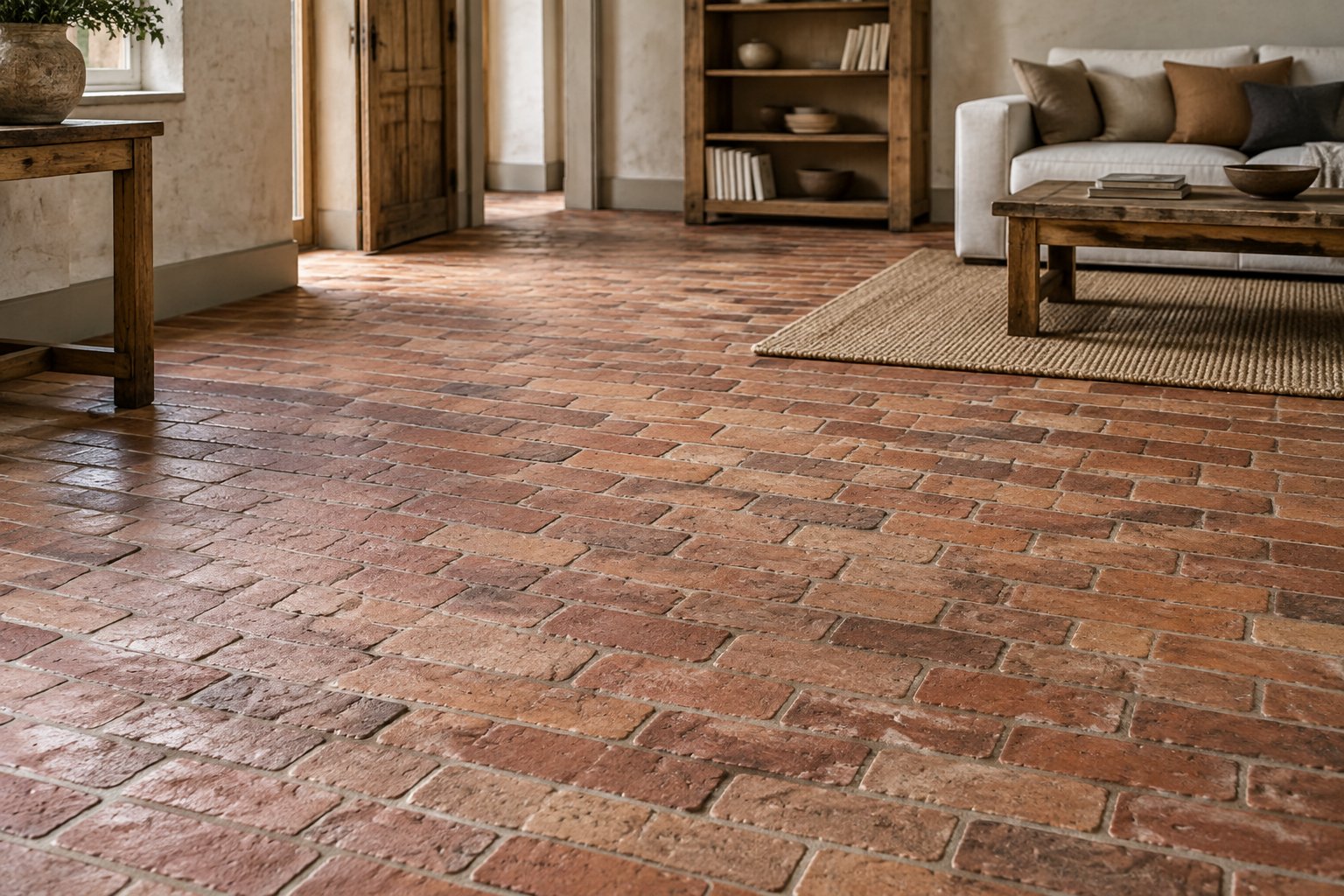
Try reclaimed materials as flooring, feature walls, or exterior cladding. Choose pieces that feel right with your house’s age and size. If you need fast sourcing, New Orleans Brick & Stone keeps many reclaimed bricks and stones ready to ship.
Architecture Influences
Different periods shape heritage design. Colonial and Georgian styles favor symmetry, brickwork, and sash windows. Craftsman and Arts & Crafts lean into exposed joinery, natural wood, and built-in furniture. Southern vernacular, inspired by A. Hays Town, blends brick, porches, and simple, airy plans.
Study local historic homes to pick authentic details. Match roof pitch, window proportions, and porch depth to the era you want to echo. Use historical references as a guide, not a rule—combine elements carefully to fit modern needs.
Heritage Homes
When you’re designing with heritage in mind, look for these:
- Materials: reclaimed brick, stone, slate, and heart pine flooring.
- Details: deep window sills, plaster walls, crown moldings, and original hardware.
- Craftsmanship: visible joinery, hand-cut stone, and aged metalwork.
Pick durability and easy maintenance. Old materials need cleaning and sealing, but they often outlast modern options. Stick with installation methods that suit the material: lime-based mortar for reclaimed brick, for instance, keeps both looks and longevity intact.
Choosing the Right Heritage Style
Pick a heritage style that fits your home’s scale, sunlight, and how you actually live. Think about materials, rooflines, and how much patina you want so the look feels intentional and lasting.
Popular Heritage Styles for Modern Homes
Colonial and Craftsman styles often fit modern homes with simple lines and strong materials. Colonial favors symmetry, painted wood trim, and brickwork. Craftsman highlights exposed beams, tapered porch columns, and hand-laid brick or stone accents.
Mediterranean and Southern styles work well where stucco, clay tile, and reclaimed brick join shaded porches and big windows. Use reclaimed bricks for chimneys, fireplace surrounds, or patios to add real age and texture. Pick brick tones that suit your climate—warm tans and deep reds look great in sunlit regions.
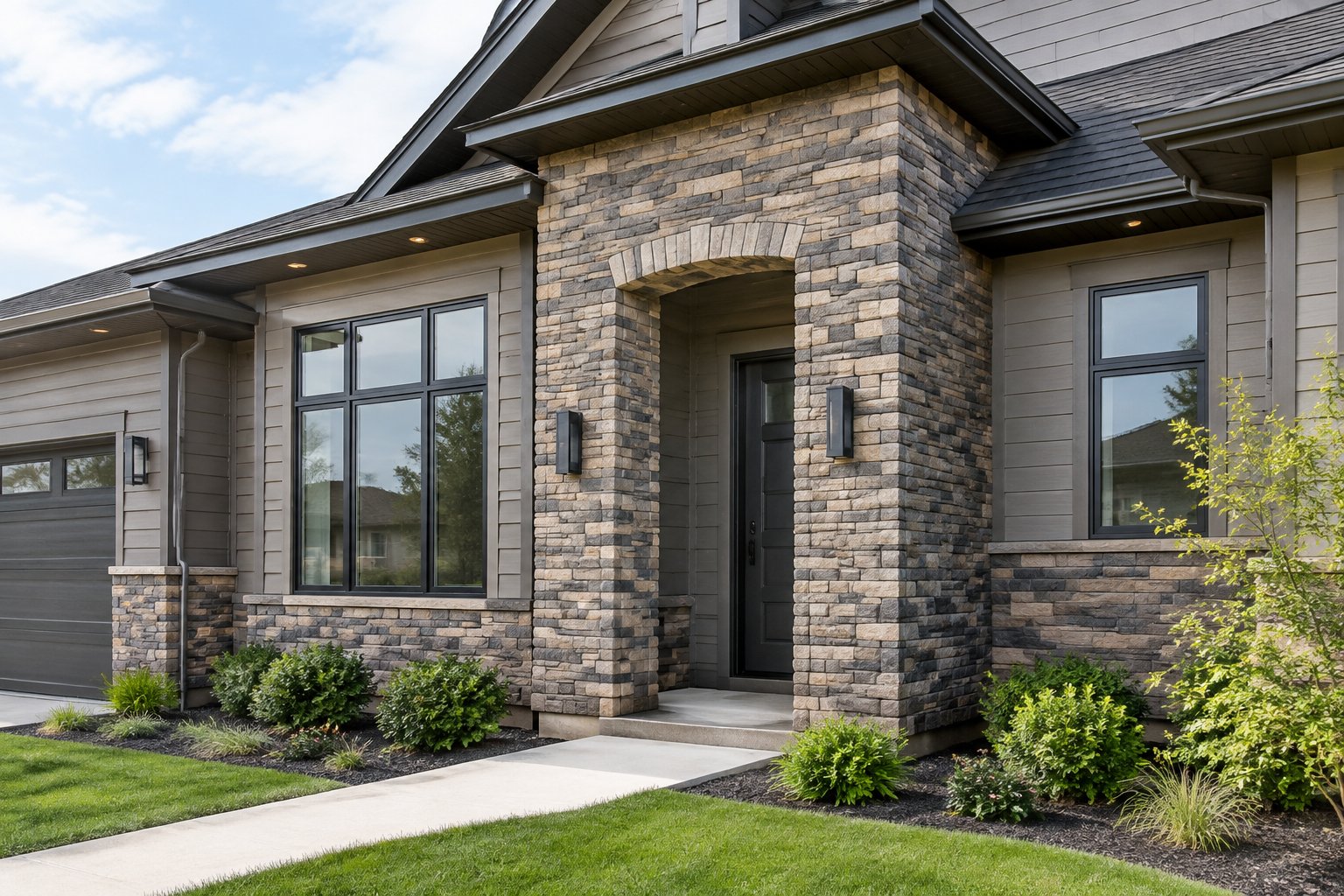
If you want a modern twist, keep clean interior lines and add heritage materials as focal points. A single reclaimed brick wall, a stone entry stoop, or original-weathered pavers can ground contemporary finishes.
Analyzing Regional Trends
Match your style to local climate and history so it doesn’t feel out of place. In the Southeast, wide porches, raised foundations, and reclaimed brick stoops nod to tradition and handle humidity. In the Northeast, thicker masonry walls and deep window reveals echo older townhouses and stand up to freeze-thaw cycles.
Walk your neighborhood and check out older homes nearby. Notice roof pitch, porch depth, and typical masonry color. This helps you choose brick size, mortar color, and stone type that feel authentic.
Check local building codes and HOA rules. Some districts require specific materials or colors. Using reclaimed materials can actually help with approvals if they match historic patterns.
Blending Different Heritage Influences
Start with one main heritage influence and a supporting accent. For example, you might pair a simple Colonial form with Craftsman brick details around entries and fireplaces. This keeps things coherent but adds warmth.
Stick with consistent materials to tie styles together: the same reclaimed brick on an exterior entry, interior fireplace, and patio creates a visual thread. Keep trim profiles and window proportions similar so the mix feels intentional.
Balance texture and color: if you’re mixing stone and brick, pick colors in the same tonal family. Don’t go overboard with decorative details—small, well-placed heritage elements add character without overwhelming modern layouts.
Incorporating Heritage Elements Into Modern Designs
Blending old and new works best when you pick a few real heritage elements that fit your home’s style and budget. Focus on where reclaimed materials and original features will make the most impact, visually and functionally.
Balancing Tradition and Modernity
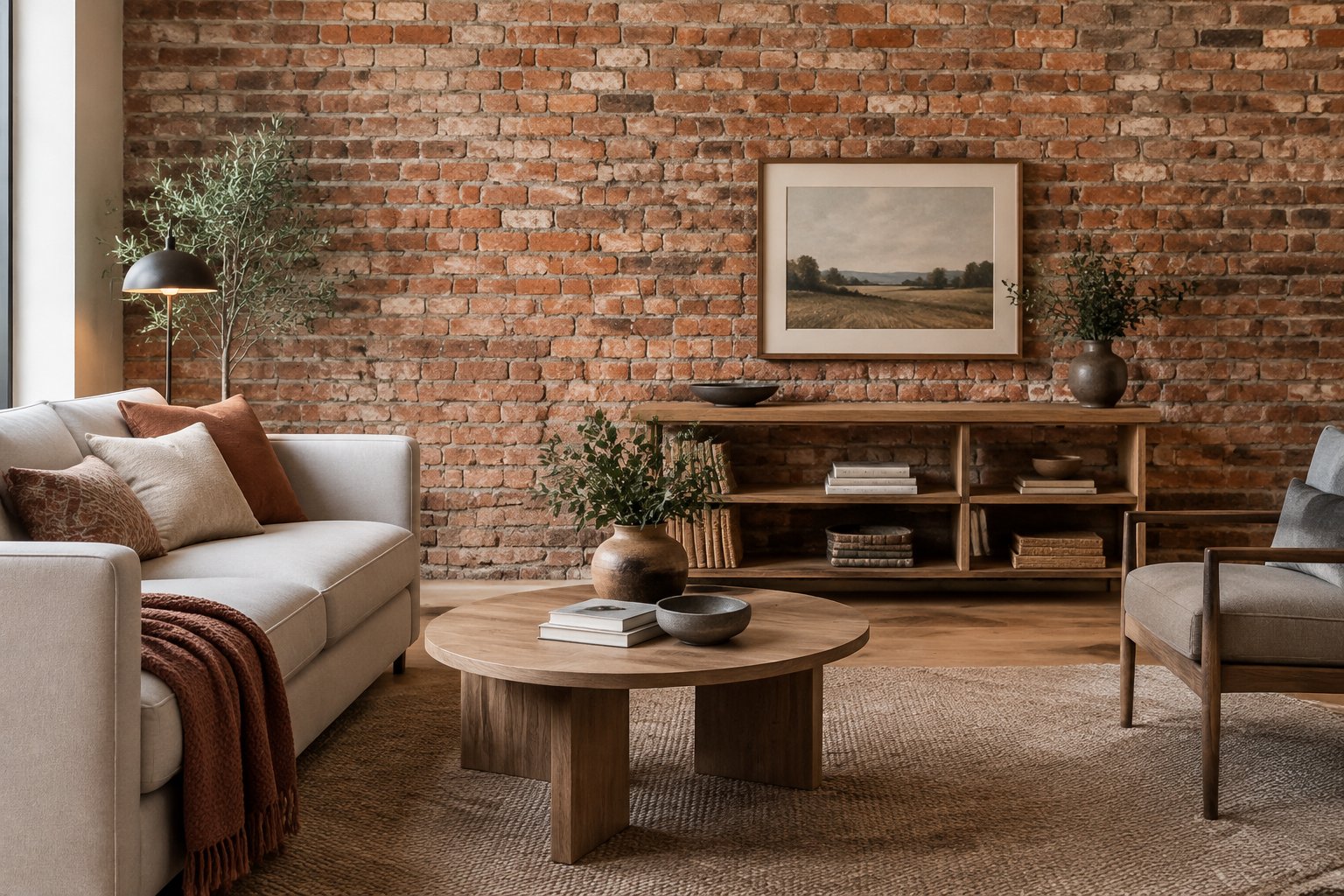
Decide which rooms will carry the heritage look and which will stay modern. Maybe keep an open-plan kitchen sleek but add a reclaimed brick accent wall for contrast. This creates interest without making the whole house feel dated.
Match scale and proportion. Reuse original window sizes or trim details where they work with taller ceilings or bigger glass. Hide modern systems—HVAC, wiring, insulation—so they don’t clash with visible historic elements.
Set a color palette that links old materials to new finishes. Warm mortar tones, aged wood stains, and matte metals can tie reclaimed masonry to contemporary cabinets and fixtures.
Integrating Classic Materials
Choose authentic reclaimed brick, stone, or flagstone for spots that take a beating: entryways, fireplace surrounds, floors, and exterior facades. These materials add texture and patina you just can’t fake with new masonry.
Check condition and fit before you buy. Look for hand-selected pieces with consistent thickness and no major damage. You can thin-saw brick or use veneers if full-depth units won’t work.
Plan for moisture and support. Use modern flashing, solid footings, and breathable mortars so old materials perform well. Trusted suppliers like New Orleans Brick & Stone carry tested reclaimed materials and can ship fast when you’re on a deadline. Check out old Chicago Brick tips.
Using Original Fixtures and Features
Keep original doors, mantels, stair banisters, and hardware if they’re solid. Restore instead of replacing: strip lead paint carefully, tighten joints, and rewire vintage light fixtures to code. It preserves character and often saves money.
When originals are too far gone, reproduce key pieces with matching proportions and finishes. Salvage details like transoms, corbels, and tile can be refitted into new construction and still feel right.
Document every reused piece—location, condition, and any repairs—so future owners or contractors know what’s what. It helps protect your investment and keeps the heritage story going.
Designing Interior Spaces With Heritage Flair
Create rooms that feel lived-in and intentional by using real materials, measured colors, and careful detailing. Layer textures, use durable finishes, and pick profiles that fit the home’s age and style.
Decorative Mouldings and Woodwork
Go with moulding profiles that match your house’s era. For Victorian homes, think tall baseboards, deep crown, and layered picture rails. For Craftsman or bungalow styles, use simple, wide trim with visible joinery. Install window and door casings that line up with original proportions; skip skinny modern trims that just look out of place.
Keep wood species and paint choices consistent. Painted poplar or pine works for painted trims, and quarter-sawn oak or heart pine for stained finishes. Restore or replicate original corner blocks, rosettes, and mantels if you can. Even small details—like the right chair rail height or eased edge profiles—make rooms feel authentic.
Period Colors and Finishes
Pick a palette grounded in historical colors for your house’s region and era. For Southern historic homes, warm creams, muted greens, and deep brick reds work nicely. For midcentury spaces, go with earthy ochres, teal, and walnut-toned accents. Try sample boards on walls and trim to see how they look in different light.
Finish choices matter: matte or low-sheen paints look older and hide wear better than high gloss. Limewash or milk paint gives walls a textured, historic look. On wood, oil-based or wipe-on poly brings warmth and durability. Keep cabinetry hardware and switch plates in period-appropriate metals—aged brass, oxidized bronze, or black iron.
Flooring and Ceiling Treatments
Keep or reinstall wide-plank wood floors if possible. Pine, heart pine, or reclaimed oak show age and depth. Match plank width and nail pattern to the house’s original look; use surface-scraping or hand-planing for that hand-hewn vibe. For tile, choose encaustic-style or worn terracotta for authenticity.
Ceilings offer a subtle chance to layer history. Add beadboard in kitchens and halls, plaster medallions in formal rooms, or exposed reclaimed beams in open-plan spaces. Keep ceiling heights proportional: use lower, cozier treatments for bedrooms and taller, ornate mouldings for public rooms. Satin or low-sheen paint on ceilings keeps glare down and lets texture shine.
Enhancing Exteriors With Heritage Touches
Use reclaimed materials, careful restoration, and period-appropriate planting to give your home visible character and lasting value. Focus on durable finishes, authentic components, and details that match the era you’re aiming for.
Restoring Facades and Entrances
Start by checking for soundness: look at mortar, brick ties, and any hidden water damage. Repoint with lime-based mortar on older brick to match original color and let the wall breathe. Avoid hard Portland mixes that can crack historic masonry.
Replace missing bricks or trim with hand-selected reclaimed brick that matches size, color, and wear. For stucco or stone, use compatible repair mixes and do test patches first. Keep original trim, cornices, and porch posts when you can; restore instead of replacing to keep authentic profiles.
For entrances, preserve original steps and thresholds. If you need new pieces, choose materials that show similar patina—worn edges and subtle color shifts help new work blend in. Use breathable sealers and focus on water management: flashing, gutters, and good grading prevent future damage.
Incorporating Vintage Windows and Doors
Keep original window frames and sash if they’re in good shape; restore wood sashes by repairing rot, reglazing, and adding weatherstripping. If you have to replace, pick custom wooden windows that match historic sightlines, muntin patterns, and glass size.
Use historically correct doors or salvage period doors for main entrances. Hold onto original hardware if possible; restore brass or iron hinges and locks, or fit new hardware that matches old profiles. Add storm doors with simple frames to protect originals without changing the look.
Upgrade performance quietly: install interior storm panels, insulated thresholds, and weather seals to boost efficiency while keeping the look. For bigger openings, consider thin brick or reclaimed stone surrounds to keep scale and texture true to the home’s era.
Landscaping for Heritage Homes
Frame the house with plantings that fit the architecture. Use foundation plants like boxwood, lavender, or dwarf hollies for Georgian or Colonial styles, and magnolia, camellia, or live oak for Southern heritage homes.
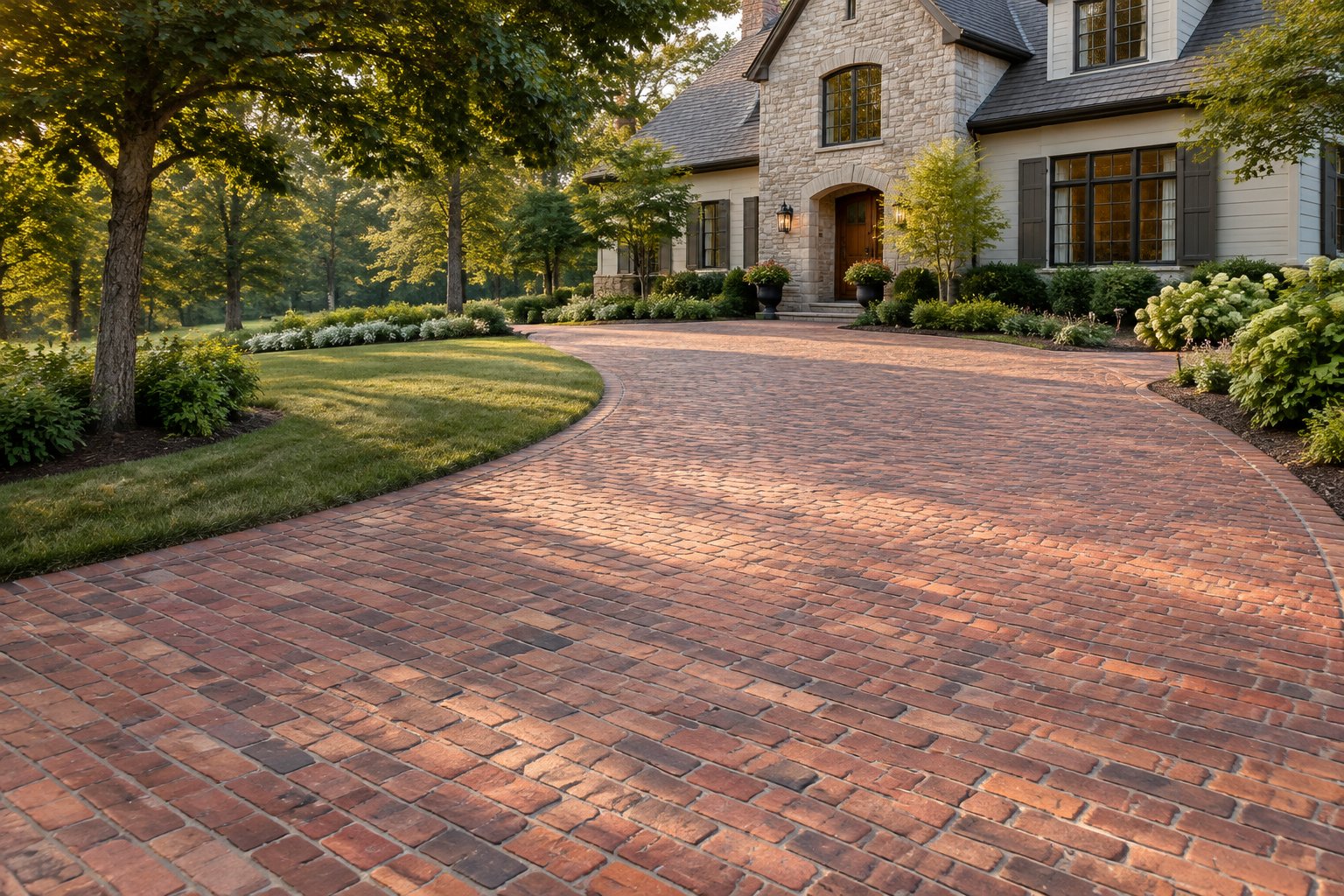
Hardscape materials should echo the facade: reclaimed brick pavers, bluestone paths, or flagstone patios tie the yard to the house. Keep joints narrow and use sand or lime mortar mixes so water drains and materials can shift without cracking.
Shape paths and entries to highlight original doors and windows. Use low hedges and clipped planting to show off architectural details, not hide them. Add simple wrought-iron or wood fencing where it fits, and use exterior lighting that feels classic—lanterns with warm, shielded light keep focus on texture and form.
Note: New Orleans Brick & Stone can supply authentic reclaimed brick and stone to match many restoration needs.
A Reliable Source for Authentic Heritage Materials
Sourcing heritage materials should feel straightforward, not uncertain. You need to know what is available, how it has been prepared, and when it will arrive. That level of clarity is what keeps projects moving and ensures the final result lives up to the design.
At New Orleans Brick & Stone, reclaimed brick and stone are sourced from century-old structures and carefully prepared for reuse. Each piece is cleaned, evaluated, and organized into ready inventory so there is no guesswork when it comes to condition or availability. What you see is what you get, and it is ready to go.
Access to real inventory also means you can make decisions with confidence. Whether you are matching an existing structure or building something entirely new, materials can be reviewed, sampled, and selected with a clear understanding of color, texture, and variation. This helps avoid delays and keeps the design consistent from start to finish.
Just as important is the service behind the materials. When you call, you speak directly with someone who knows the inventory and can guide you through the selection process. From confirming quantities to coordinating shipping, every step is handled with attention and accountability.
With nationwide shipping typically within 48 hours, timelines stay intact while still allowing you to work with authentic, character-rich materials that bring history and craftsmanship into every project.
Sustainable Heritage Design Practices
Sustainable heritage design saves materials, cuts waste, and brings character that sticks around. Use proven techniques to keep historic fabric intact and breathe new life into old elements.
Eco-Friendly Restoration Methods
Begin with a careful look at your building’s materials. Have bricks, stones, and timbers checked for structural soundness and moisture issues before deciding what stays.
Use gentle cleaning—soft brushes, steam, or mild detergents—rather than sandblasting. That way, you protect original mortar and patina while still removing dirt and growth.
Repoint with breathable lime mortar, not cement. Lime lets walls dry, reduces cracking, and matches old mortar’s color and feel. Match mortar joints in profile and width for a good fit.
Repair instead of replacing when you can. Patch cracked brick with compatible material, stitch masonry with stainless steel anchors, and splice timber with matching wood. This keeps stuff out of the landfill and preserves the home’s authentic look.
Upcycling and Repurposing Elements
Salvage doors, mantels, stair treads, and flooring for reuse in your project. Reused elements keep history visible and can cut costs compared to new custom pieces.
Turn reclaimed brick or stone into tiles, veneers, or garden pavers. Thin brick can create interior feature walls while you save full-height masonry for other spots.
Label and catalog each reclaimed piece during deconstruction. Note dimensions, condition, and original location—it’ll save you headaches during reinstallation.
Stick with suppliers who hand-select and prep materials. New Orleans Brick & Stone keeps inventory ready and ships reclaimed brick and stone fast, which helps you stick to your schedule and stay true to heritage design.
Working With Professionals
Work with people who know heritage materials, local codes, and preservation techniques. Choose partners who communicate clearly, stick to timelines, and handle reclaimed materials with real care.
Choosing the Right Architect or Designer
Find architects or designers who show historic or adaptive-reuse projects in their portfolio. Ask for examples with reclaimed brick, thin brick, or salvaged stone used in facades, fireplaces, or interior walls.
Check references and talk to past clients about budget, schedule, and how well the designer kept the original character.
Make sure they know local preservation rules and can draw up plans for permits. Ask about their experience specifying mortar mixes, structural ties, and compatible new materials.
Get a written scope, fee schedule, and milestone dates before starting. This keeps your project moving and protects the heritage elements you want to save.
Collaborating With Craftspeople
Hire masons and finish carpenters who’ve worked with reclaimed brick and old mortar joints. Ask for samples of their restoration work and, if you can, visit a job in progress.
Discuss cleaning methods, mortar color and texture, and how they’ll blend new work with old patina.
Make a short checklist for on-site handling: keep materials covered, clean them gently, and sort by color/size before laying. Plan a mock-up wall or small test area to confirm pointing style and finish.
If you’re sourcing from New Orleans Brick & Stone, share the lead time and shipment details with your craftspeople so they can plan ahead.
Navigating Regulations and Heritage Listings
You’ll need to figure out which rules apply to your property and plan so permits and approvals go smoothly. Know your local designation, the approving body, and the specific standards that affect materials and changes.
Understanding Local Preservation Laws
Start by figuring out the designation: local historic district, state register, or National Register listing. Each comes with different rules. Local districts usually require design review for visible changes; state and national listings may affect tax credits and grants.
Read the local ordinance and design guidelines. These spell out allowed alterations, required materials, and demolition conditions. Pay attention to rules about texture, mortar color, window style, and roof shape—these little details often make or break approvals.
Talk to the local preservation officer early. They’ll clarify which changes need certificates or staff approval. Keep written notes of their advice and reference clause numbers in your applications.
Securing Approvals for Renovations
Prepare detailed drawings and material samples before applying. Include elevation drawings, before-and-after comparisons, and close-ups of areas to be changed. Label materials as “authentic reclaimed brick,” “salvaged timber,” or whatever fits.
Submit applications to the right office and follow their checklist—missing items cause delays, every time. If you’re using reclaimed brick or stone, note where you sourced it and any testing you’ve done to show it’ll hold up.
Expect some conditions or requested changes. Offer mitigation steps like keeping original masonry profiles, using lime mortar, or matching coursing. If needed, ask for a pre-application meeting or appeal hearing; these often solve problems faster than endless plan revisions.
Suppliers experienced with heritage projects—like New Orleans Brick & Stone—can provide tested samples and quick deliveries to help you meet approval deadlines.
A Home That Carries Its Story Forward
Designing with heritage elements is not about recreating the past. It is about carrying forward the materials, proportions, and craftsmanship that have already proven their value. When done well, the result feels natural, not staged. A home that looks as though it has always belonged.
Reclaimed brick and stone play a central role in that feeling. Their texture, variation, and quiet imperfections bring depth to clean lines and modern layouts. They ground the design, giving each space a sense of permanence while still allowing light, flow, and function to feel current.
At New Orleans Brick & Stone, that connection to history is paired with reliability. Materials are reclaimed from century-old structures, prepared for immediate use, and kept in ready inventory so projects stay on track. With direct guidance and fast nationwide shipping, you can focus on the design while knowing the materials will arrive as expected.
In the end, a well-designed heritage home is one that lives comfortably today while honoring what came before. When the right materials are chosen and placed with intention, the result is a space that feels enduring, authentic, and built to last for generations.
Frequently Asked Questions
Here are answers on kitchen layout, materials, furniture, and mixing old with new without losing authenticity. Expect real tips on paint, hardware, brick, floors, and maintenance.
What are the key elements to include when designing a modern heritage-style kitchen?
Start with reclaimed or thin brick for a backsplash or accent wall—adds texture and a sense of history. Use wide-plank wood floors or reclaimed beams to ground the space.
Pick shaker or inset cabinets in muted colors like warm white, olive, or slate blue. Add brass or oil-rubbed bronze hardware and classic apron-front sinks for period details.
Keep the layout practical: a good work triangle, plenty of storage, and solid counters like honed soapstone or granite. Hide modern appliances behind panels if you want a seamless look.
How can you blend contemporary and traditional features in a heritage-style interior?
Balance is everything: pair historic materials with clean, modern lines. Think reclaimed-brick fireplace with a minimalist metal fire screen.
Use modern lighting and HVAC in subtle ways. Recessed lights, slim radiators, and hidden ductwork keep things comfortable without ruining the look.
Mix antique or reproduction furniture with a couple of modern pieces. A streamlined sofa next to a turned-wood side table brings just enough contrast.
Which materials are commonly used to achieve a new heritage design aesthetic?
Reclaimed brick and stone give you patina and texture that just can’t be faked. Thin brick veneers work when full-size units aren’t an option.
Wood—reclaimed planks, wide boards, hand-hewn beams—adds warmth and a lived-in feel. Durable natural stones like limestone or slate work well for floors and thresholds.
Stick with traditional finishes: limewash, milk paint, and hand-applied stains keep the historic character. For hardware, go for solid metals with aged patinas instead of shiny chrome.
What are some tips for incorporating heritage-style decor without overwhelming a space?
Pick one or two strong heritage features—like an exposed brick wall or mantel—and keep the rest simple. That way, the room doesn’t feel crowded.
Skip heavy patterns and ornate trim in small rooms. Neutral walls let the textures—brick, wood, plaster—do the talking.
Keep accessories in scale. One big antique mirror or a few framed architectural prints look intentional, not cluttered.
How can you maintain the integrity of heritage design while incorporating modern amenities?
Hide modern systems where you can: tuck wiring in baseboards, run HVAC through closets, use built-in appliance panels. That keeps the sightlines right.
Choose modern pieces that match the scale and finish of heritage elements. A slim induction cooktop or a fridge with a paneled door blends in better.
Document and keep original features during renovation. Reuse original brick, mantels, or flooring when possible; repair instead of replacing if you can.
What should be considered when selecting furniture for a home with heritage design elements?
Start by thinking about scale and proportion—does the piece actually fit the room’s height or those tall old windows? In older homes, something too big or super low-slung just feels off.
Go for materials that play nicely with what’s already there: leather, linen, warm woods. Finishes matter, too. Oiled or hand-rubbed surfaces age gracefully, while high-gloss can feel a bit out of sync.
Don’t be afraid to mix things up. Pair an heirloom table or a reclaimed-wood bench with a modern chair. That kind of contrast gives a space some soul. Looking for authentic reclaimed materials? New Orleans Brick & Stone has hand-picked brick and stone and ships fast.