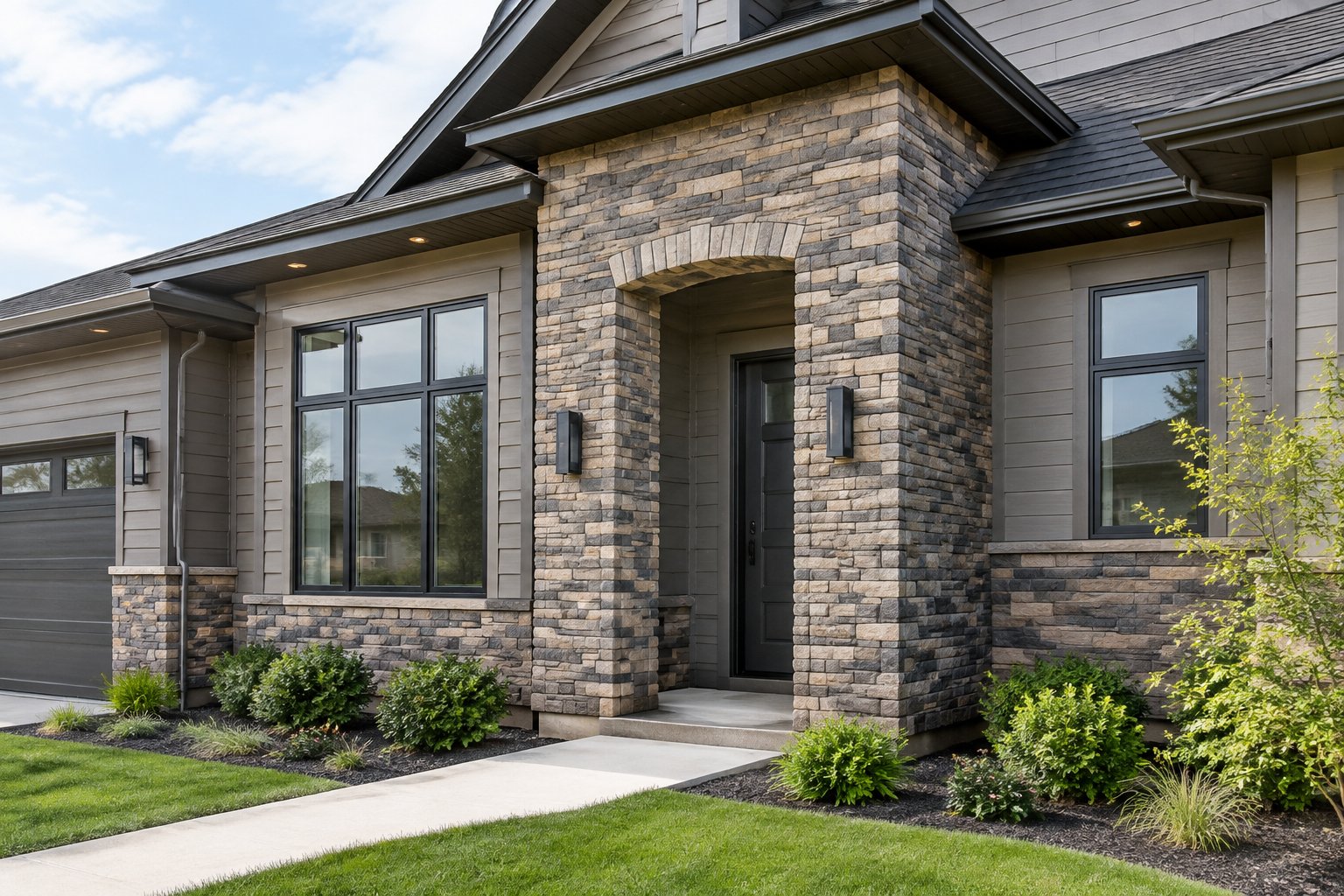
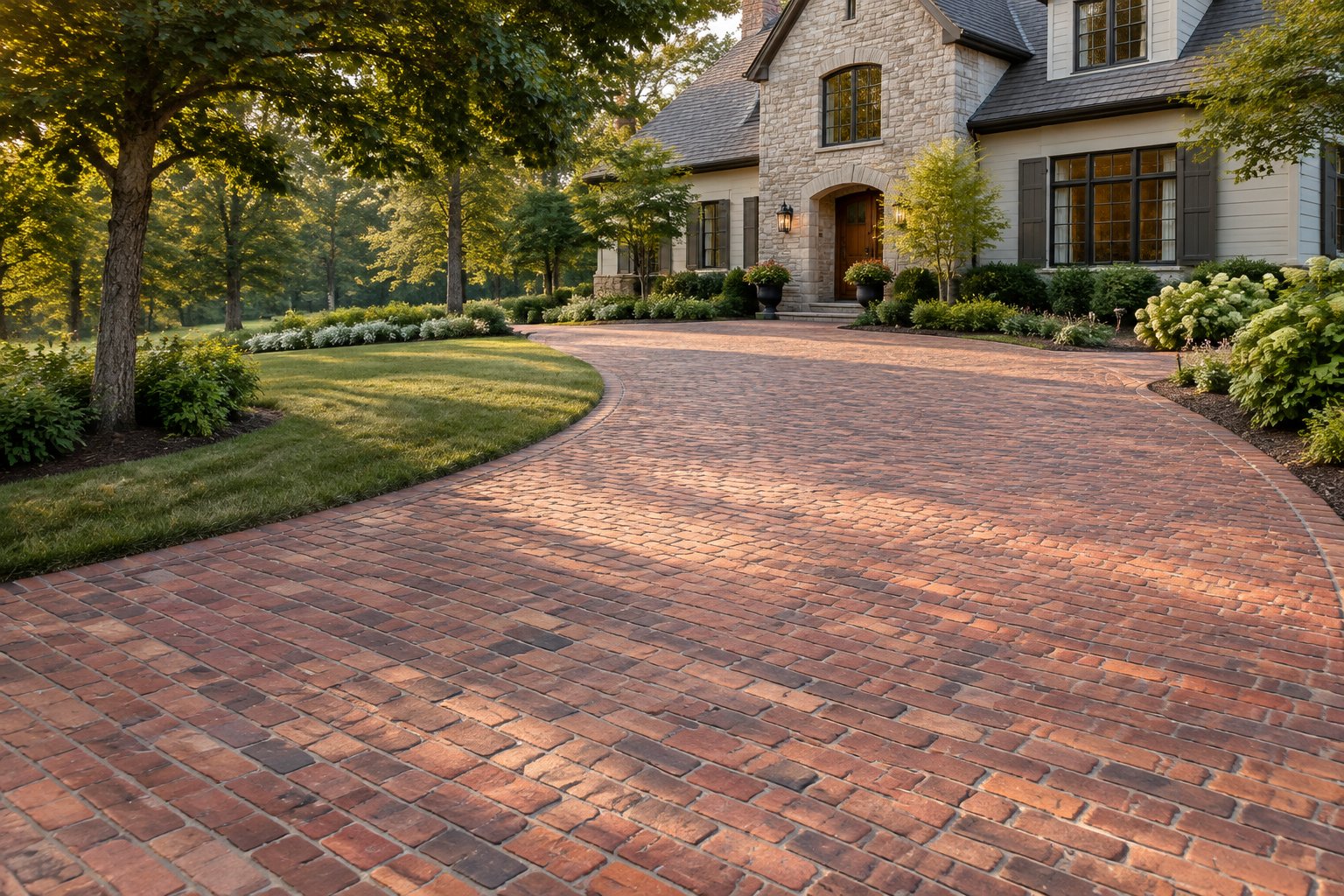
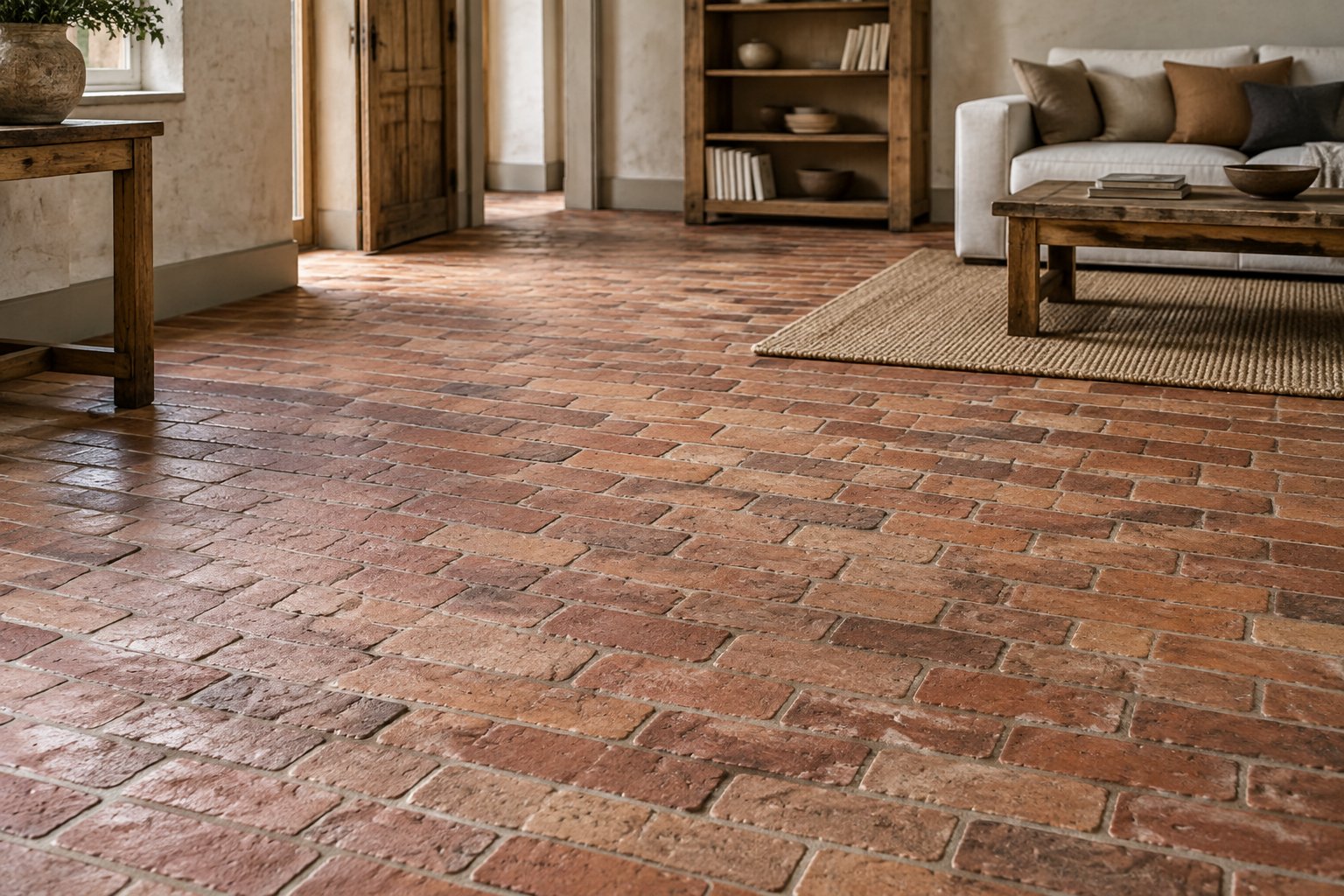
You want a landscape that feels established, durable, and naturally connected to its surroundings. Reclaimed stone offers exactly that. It brings texture, variation, and a sense of permanence that newly quarried materials often lack, while standing up to years of use without losing its character.
These stones have already proven their strength over decades, often more than a century. They resist cracking, handle weather well, and require fewer replacements over time. At the same time, their worn edges and subtle color shifts create a lived-in look that feels authentic from day one.
Whether used for patios, walkways, garden walls, or outdoor living spaces, reclaimed stone anchors the landscape and ties everything together. It adds weight and presence without feeling forced, blending seamlessly with both traditional and modern designs.
At New Orleans Brick & Stone, reclaimed stone is carefully sourced, cleaned, and prepared for immediate use. With inventory on hand and fast nationwide shipping, you can move forward without delays while still choosing materials that carry real history.
Reclaimed Stone for Landscaping
Reclaimed stone brings aged character, real durability, and lower environmental impact to outdoor projects. You get pieces that fit patios, walls, paths, and garden accents, each carrying its own history and proven toughness.
Reclaimed stone is natural stone salvaged from old buildings, roads, and hardscaping, then cleaned and reused for new projects. This is quarried stone that’s already survived decades—sometimes centuries—of use.
You’ll see weathering, tool marks, and a patina that new, machine-cut stone just doesn’t have. Those marks give texture and depth, making every piece a little different.
Choosing reclaimed stone means less quarrying and less waste. Since the material’s already made and cured, you save energy too—your project ends up more sustainable but just as tough.
Types of Reclaimed Stone
You’ll run into flagstone, limestone, slate, sandstone, and granite most often. Flagstone and sandstone split into flat slabs, so they’re great for irregular patios and stepping stones.
Limestone and granite are denser—better for retaining walls, steps, and spots where you need frost resistance. Slate’s thin and consistent, making it a solid pick for veneers and decorative hardscaping.
There are also thin stone veneers, pavers, and custom cuts reclaimed from old floors or facades. Each type has its own thickness, texture, and slip resistance, so match your stone to your climate and how you’ll use it.
A Trusted Source for Reclaimed Stone
Sourcing reclaimed stone should feel clear and dependable. You need to know where the material comes from, how it has been prepared, and when it will arrive. That level of certainty keeps your project moving and ensures the finished landscape performs as well as it looks.
At New Orleans Brick & Stone, reclaimed stone is sourced from historic structures and carefully prepared for its next use. Each piece is cleaned, evaluated for durability, and organized into ready inventory so there is no guesswork around condition or quality. What you select is what arrives, ready to be installed.
Having access to real inventory also makes planning easier. You can review materials, compare color and texture, and choose stone that fits your design before committing. This helps avoid delays and keeps your project aligned from start to finish.
When you reach out, you speak directly with someone who understands the material and can guide your selection based on your needs, quantities, and timeline. With nationwide shipping typically within 48 hours, you can keep your schedule intact while working with authentic stone that brings lasting character to your landscape.
Why Use Durable Reclaimed Stone
Reclaimed stone gives you proven strength, a lower environmental footprint, and a vibe you just can’t get from new stuff. It holds up over time, cuts down on waste, and brings unique texture and color that only gets better as it ages.
Long-Lasting Performance
Most reclaimed stone comes from buildings that stood for generations, so you know it’s tough. These pieces resist cracking and weathering better than a lot of new, mass-produced pavers—they’ve already been through it all.
Use reclaimed flagstone, brick, or slate in high-traffic areas like patios and walkways. The old mortar edges and dense makeup help lock everything together, cutting down on movement and maintenance. When installed right—with a solid base and good jointing—the stone can last decades.
If you’re after reliable supply and a quick turnaround, New Orleans Brick & Stone keeps hand-selected inventory ready to go. That helps you avoid delays and keeps things moving.
Sustainability Advantages
When you choose reclaimed stone, you’re not just getting a cool look—you’re lowering demand for new quarrying and keeping construction waste out of landfills.
Reclaimed pieces also skip the mining, cutting, and finishing steps, so you use less energy overall. If you source from a nearby supplier or one with efficient shipping, you can keep transport emissions down too. Plus, reclaimed stone usually outlasts newer options, so you won’t need to replace or repair as often.
And, honestly, using real reclaimed stone helps preserve architectural history. You’re giving old materials a new life instead of letting them rot away somewhere.
Unique Visual Appeal
Reclaimed stone has patina, color shifts, and textures that new stone just can’t fake. Weathering, tool marks, and worn edges give it a layered, lived-in look.
Mix sizes, shapes, and colors for a more organic pattern, or set uniform courses for something classic. The subtle quirks help hide wear and stains, so it stays attractive with less fuss. Architects and homeowners often go for reclaimed stone to anchor a design with real character.
Each piece tells its own story, and that makes your outdoor space feel grounded—like it’s always been there.
How to Choose Durable Reclaimed Stone
Think about the stone type, what it looks like, and where you’re buying it. Check for hardness, thickness, and what it was used for before.
Selecting the Right Stone Type
Pick based on where it’ll go. For walkways and high-traffic patios, go with dense stones like granite or old bluestone—they resist wear. For low-traffic garden walls or decorative faces, reclaimed limestone or sandstone can add color and texture.
Match thickness to the job: 1¼–2 inches for thin veneer, 2–4 inches for paving, and thicker for walls. Find out what the stone was used for before—old flooring and steps usually hold up better than decorative trim. Think about slip resistance if it’s wet where you live, and make sure it can handle freeze-thaw if you get real winters.
Assessing Stone Quality
Check each piece for hairline cracks, deep fissures, or heavy weathering that could weaken it. Look for solid, dense pieces with few voids—heavier stones usually last longer. Give it a tap—solid stone rings clear, while weak stuff sounds dull.
Watch for old repairs like mortar fills or epoxy patches—those might not hold up. Ask for proof of age or where it came from to make sure it’s the real deal. If the stone will be on the ground, make sure it resists moisture and frost; stones loaded with salt or badly spalled are best avoided.
Sourcing from Reputable Suppliers
Buy from someone who can prove where the stone came from and test their stock. Good suppliers show you the origin, prior use, and give you photos or samples to check out. Look for vendors who hand-pick and prep their materials, not ones just selling random salvaged loads.
Ask about inventory and shipping so your schedule doesn’t get derailed. If you need delivery across the country, make sure the supplier packs stone well to prevent breakage. New Orleans Brick & Stone keeps meaningful inventory and ships quick, which is a lifesaver if you’re on a tight timeline and want genuine materials.
Popular Landscaping Applications
Reclaimed stone brings strong, textured surfaces and historic character. Use it where you need durability—and where a little wear just adds to the charm.
Patios and Walkways
Reclaimed stone makes patios and walkways that can handle years of foot traffic and weather. Set stones on a compacted gravel base with sand joints—this helps drainage and keeps things from shifting. Try patterns like running bond or random ashlar, depending on your style.
Go for thicker flagstone or salvaged pavers in heavy-use areas, like outdoor kitchens or entry paths. You can seal lightly for easier cleaning, but skip heavy, glossy finishes that cover up the patina. If you want fast lead time and tested materials, New Orleans Brick & Stone keeps inventory ready to ship.
Garden Borders
Reclaimed stone works great for neat, lasting garden edges that stand up to mowing and erosion. Short dry-stacked walls or single-course borders define beds and keep mulch in place. Use uniform reclaimed bricks for a crisp line, or mix sizes and colors for a looser, more natural look.
Lay them on a shallow gravel footing and tilt stones slightly inward for stability. Cap taller borders for seating edges or raised bed tops. The textured surface helps little plants—moss, sedum, ferns—find a home between stones.
Retaining Walls
Reclaimed stone gives you strength and a historic vibe for low to medium retaining walls. Start with bigger, heavier stones at the bottom and step each course back for stability. Use gravel backfill and a perforated drain pipe behind the wall to prevent water pressure from building up.
If you’re building a taller wall, pair reclaimed veneer with engineered supports or tie-backs. The weathered surface hides small repairs and ages nicely. Hand-picked reclaimed stone just fits into the landscape, giving terraces and level changes a real sense of permanence.
Water Features
Reclaimed stone is a natural for ponds, stream channels, and fountain faces—lots of texture and slip resistance. Use flat stones for stepping paths over water and irregular boulders for spillways and ledges. Fit stones snugly and use pond-safe sealant where you need watertight joints.
Anchor stones on compacted gravel or concrete pads, depending on weight. Porous reclaimed material encourages moss and algae, so you get that “been here forever” look pretty quickly. Choose stones with consistent density to avoid cracking when they’re submerged or frozen.
Installation Tips for Reclaimed Stone
Plan ahead, protect your materials, and build a solid base. Pay attention to drainage, proper bedding, and careful jointing—these things keep stone stable and looking good for the long haul.
Site Preparation
Clear out vegetation, roots, and topsoil until you hit firm ground. Dig at least 6–8 inches for paths and patios, deeper for driveways. Compact the subgrade with a plate compactor—go over it a few times until it stops settling.
Install geotextile fabric if you’ve got clay or shifting soil. Lay a crushed stone base (3/4" minus) in layers, compacting each to about 95% density. Slope the base about 1/8–1/4 inch per foot away from buildings for runoff.
Keep reclaimed pieces dry and out of the freeze-thaw cycle before you lay them. Store them on pallets, covered, and sort by size and thickness to speed up the work and keep things looking uniform.
Proper Laying Techniques
Work with sorted stones so you can blend color and texture as you go. Start from a straight edge or corner, and dry-fit pieces to check gaps and layout before setting them for good.
Use mortar for walls and veneers. For patios, set stones on a mortar bed or compacted aggregate with polymeric sand in the joints. Lime-based mortar is best for historic compatibility and breathability. Keep the mortar bed even—1/2 to 1 inch for thin pieces, 1–1.5 inches for full-depth stone.
Cut stones with a diamond blade saw or split with a mason’s chisel for tight fits. Tap each stone level with a rubber mallet and check with a level across several stones to keep things flat and joints even.
Ensuring Longevity
Seal joints to keep water out, but use breathable sealers so the stone can “breathe.” Avoid high-solids sealants that trap moisture.
Repoint with lime mortar where original mortars used lime—it reduces cracking and works with historic stone. For flat surfaces, keep joints filled with sand or polymeric sand to limit weeds and shifting.
Plan on some maintenance: check things once a year, replace damaged pieces quickly, and clear away debris that traps moisture. If you need reclaimed materials, New Orleans Brick & Stone can supply hand-selected, tested stone ready for installation and fast shipping.
Caring for Reclaimed Stone in Your Landscape
Keep reclaimed stone clean, protect it from harsh weather, and stay ahead of moss and weeds. Little, regular chores go a long way—helping the stone keep its color, texture, and strength.
Routine Cleaning
Sweep off loose dirt and leaves weekly so grit doesn’t grind down the surface. Use a stiff broom for patios and walkways; a soft brush works better for delicate veneers and thin brick.
Rinse with a garden hose after sweeping. For stubborn stains, mix warm water with a mild, pH-neutral soap and scrub with a nylon brush. Skip wire brushes on soft or old stone—they’ll strip away the patina.
For oil or grease, sprinkle on cat litter, let it absorb, then sweep it up and follow with a mild soap wash. Always test cleaners on a hidden spot first.
Pressure washers can be okay, but stick to low pressure (under 1,500 psi) and a wide spray. Keep the wand at least a foot from the surface and move evenly to avoid chipping or sanding away the finish.
Protecting Against Weather
Seal porous stone only when needed—pick a breathable, masonry-specific sealer. Breathable sealers let moisture escape, helping prevent freeze-thaw damage instead of trapping water under the surface.
Apply sealer when it’s dry and above 50°F. Clean the stone first and stick to the coverage rates on the label. Depending on sun and foot traffic, you’ll probably need to reapply every 2–5 years.
On slopes or spots that get hammered by rain, keep an eye on the joints. Replace cracked mortar or sand before erosion sneaks in. If you’re in a freeze-prone area, make sure drainage stays clear and skip de-icing salts—sand’s a safer bet for traction, since sodium chloride can eat away at old stone and mortar.
Dealing with Moss and Weeds
Pull weeds by hand if the roots are shallow; use a weeding tool for deeper ones so you don’t mess up the stones nearby. Removing seed sources like overhanging plants can make a real dent in future growth.
For moss, scrape gently with a plastic scraper or a stiff brush. Moss loves shade and damp, so trim back nearby plants to let in more sun and air.
If moss keeps coming back, try a diluted bleach solution (1 part bleach to 10 parts water) or a commercial moss killer labeled for masonry. Apply carefully, rinse after about 10–15 minutes, and shield nearby plants. Sometimes you’ll need to repeat every few months.
If you want help with supplies or matching reclaimed stone for a repair, New Orleans Brick & Stone offers hand-selected materials and advice on repair-grade stone.
A Landscape That Stands the Test of Time
Reclaimed stone does more than shape a landscape. It gives it a sense of permanence. The texture, the variation, the way it settles naturally into its surroundings over time. These are the qualities that make outdoor spaces feel established rather than newly built.
Because this stone has already proven its durability, it brings confidence as well as character. It handles weather, foot traffic, and time with ease, while continuing to develop a richer patina year after year. When used thoughtfully, it creates outdoor spaces that feel both refined and effortless.
At New Orleans Brick & Stone, that balance of strength and authenticity is at the center of every order. Reclaimed stone is carefully sourced, prepared for immediate use, and kept in ready inventory so projects can move forward without delay. With direct guidance and fast nationwide shipping, the process stays clear from selection through delivery.
In the end, choosing reclaimed stone is about building something that lasts. Not just in durability, but in how it feels and how it ages. When the right materials are in place, your landscape does not just look complete. It feels like it has always been there.
Frequently Asked Questions
Here’s where to find tested reclaimed stone, which types work best outdoors, how prices stack up, and some basic upkeep tips to help your features last for decades.
How can I find reputable dealers of durable reclaimed stone for landscaping?
Look for suppliers who actually hand-select and test materials from old buildings. Ask about where the stone came from, how it’s graded, and what kind of structural testing they do.
Check if they keep inventory on hand and how quickly they can ship. New Orleans Brick & Stone usually has stock ready and can ship nationwide pretty quickly.
What are the benefits of using durable reclaimed stone in my outdoor projects?
Reclaimed stone gives you a weathered look and texture you just won’t get from new stone. Since it’s from older structures, you know it’s already stood the test of time.
Plus, you get a material with history and character—patios, walls, or paths feel more grounded and real.
How does the cost of durable reclaimed stone for landscaping compare to new materials?
Reclaimed stone often costs more per piece, especially if it’s rare or has a unique finish. But it can lower your long-term costs because it lasts and you won’t need to replace it as often.
Don’t forget to factor in shipping, cleaning, and any special handling. Buying from a supplier with ready inventory can help you avoid delays and extra costs.
What types of durable reclaimed stone are best suited for outdoor landscaping?
Hard, dense stones like flagstone, slate, and certain sandstones are great for patios and steps. For driveways and areas that get a lot of traffic, thicker pavers and reclaimed cobblestone work well.
Thin veneer and reclaimed brick are good for garden walls, edging, and vertical features—just make sure you install them on a proper foundation.
How should I maintain my durable reclaimed stone features to ensure longevity?
Keep surfaces clear—regular sweeping keeps stains and moss at bay. Rinse with water and use a mild, pH-neutral cleaner for deeper cleaning; skip harsh acids, they can wreck old mortar and patina.
Check joints and foundations once a year. Replace damaged pieces and re-point mortar when needed to keep water out and avoid frost damage.
What are the environmental advantages of using reclaimed stone in landscaping?
When you use reclaimed stone, you’re not just picking a material—you’re skipping the need for new quarrying. That means fewer raw materials get pulled from the earth, and there’s less pollution from all that extraction. Plus, you’re giving old, perfectly good stone a second life instead of letting it end up in a landfill. There’s something special about keeping the character and handiwork of older masonry alive, too.
Honestly, choosing reclaimed stone ties your project to the past in a way that just feels right. It’s a smart move if you care about sustainability and want your landscaping to stand out for all the right reasons.