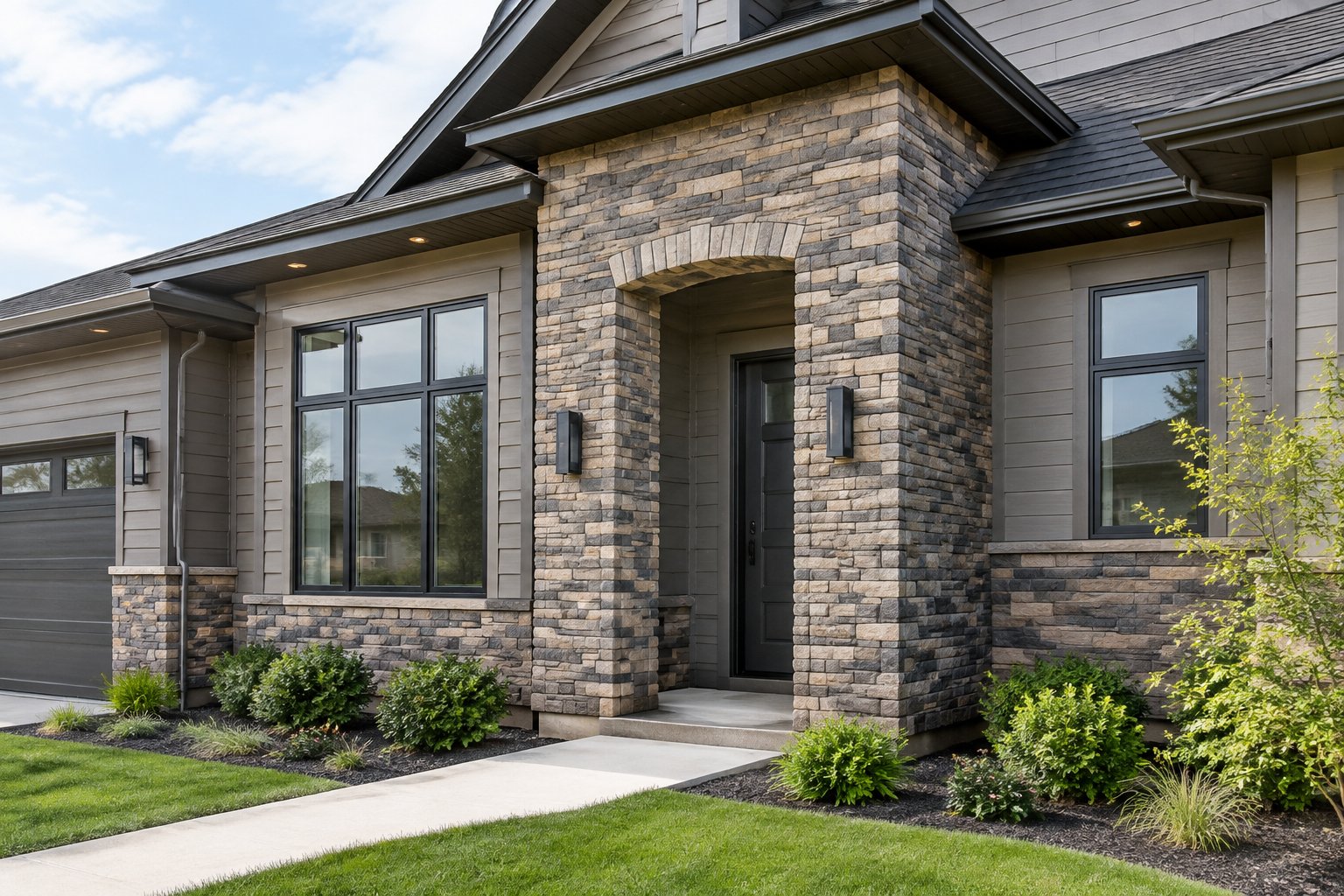
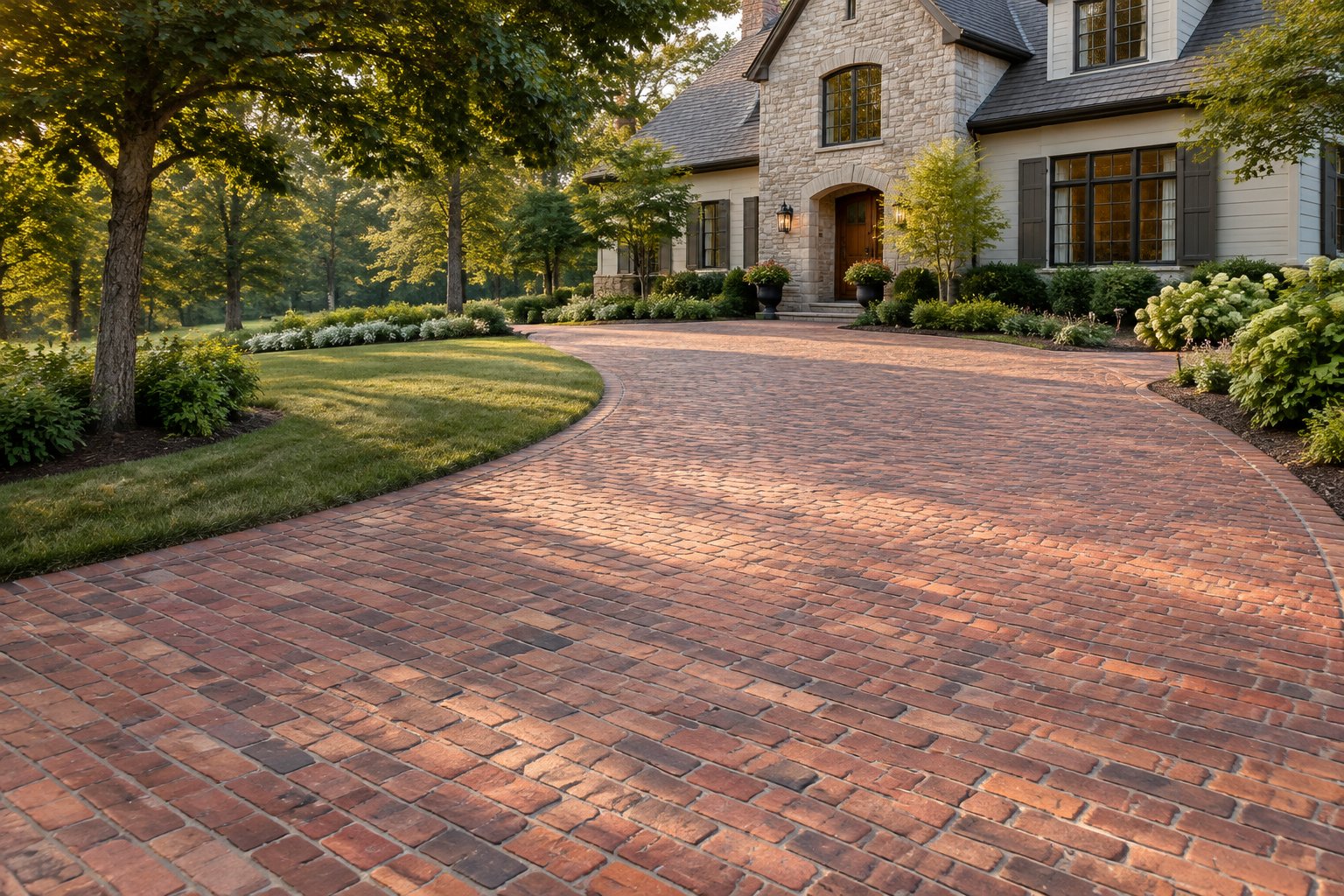
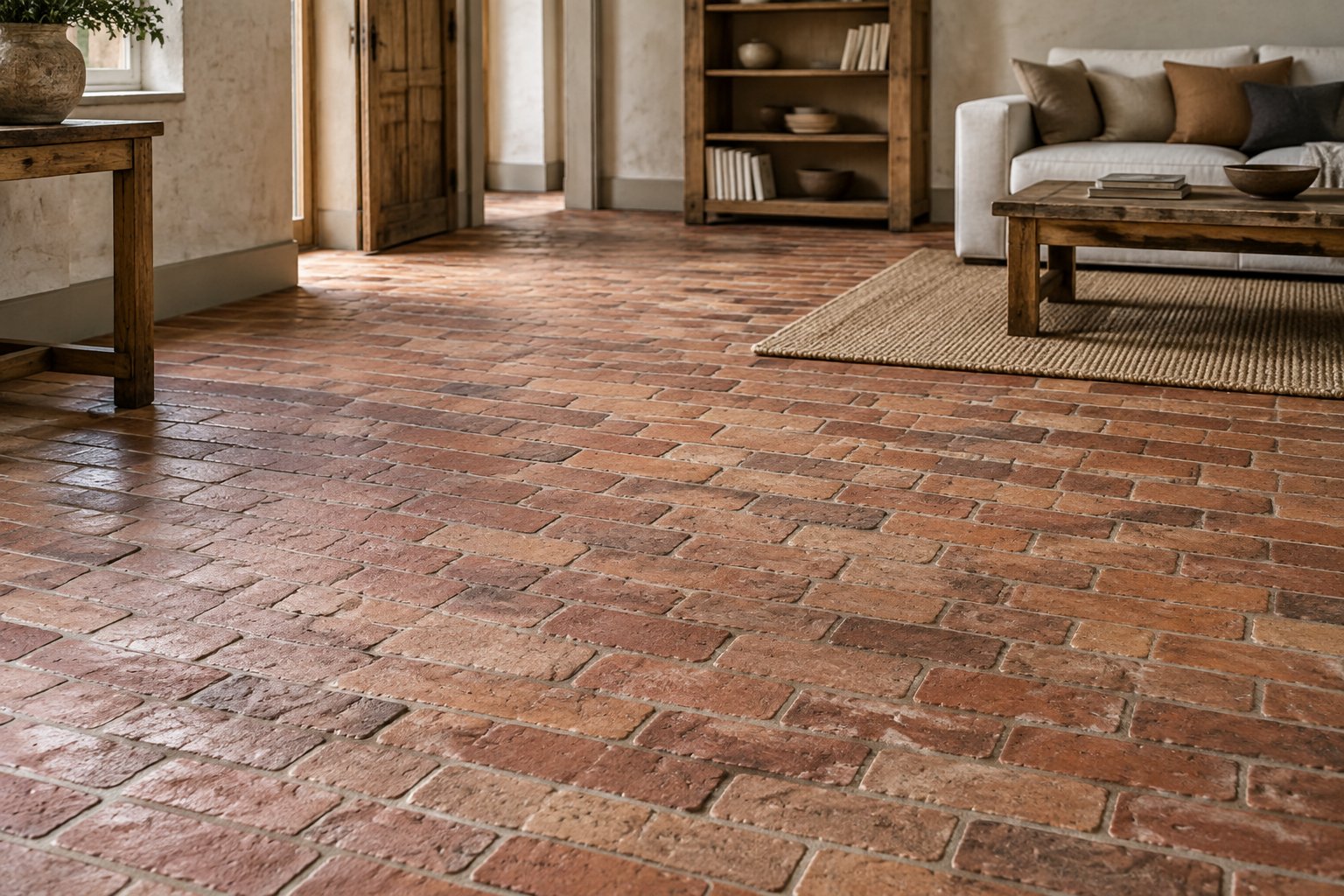
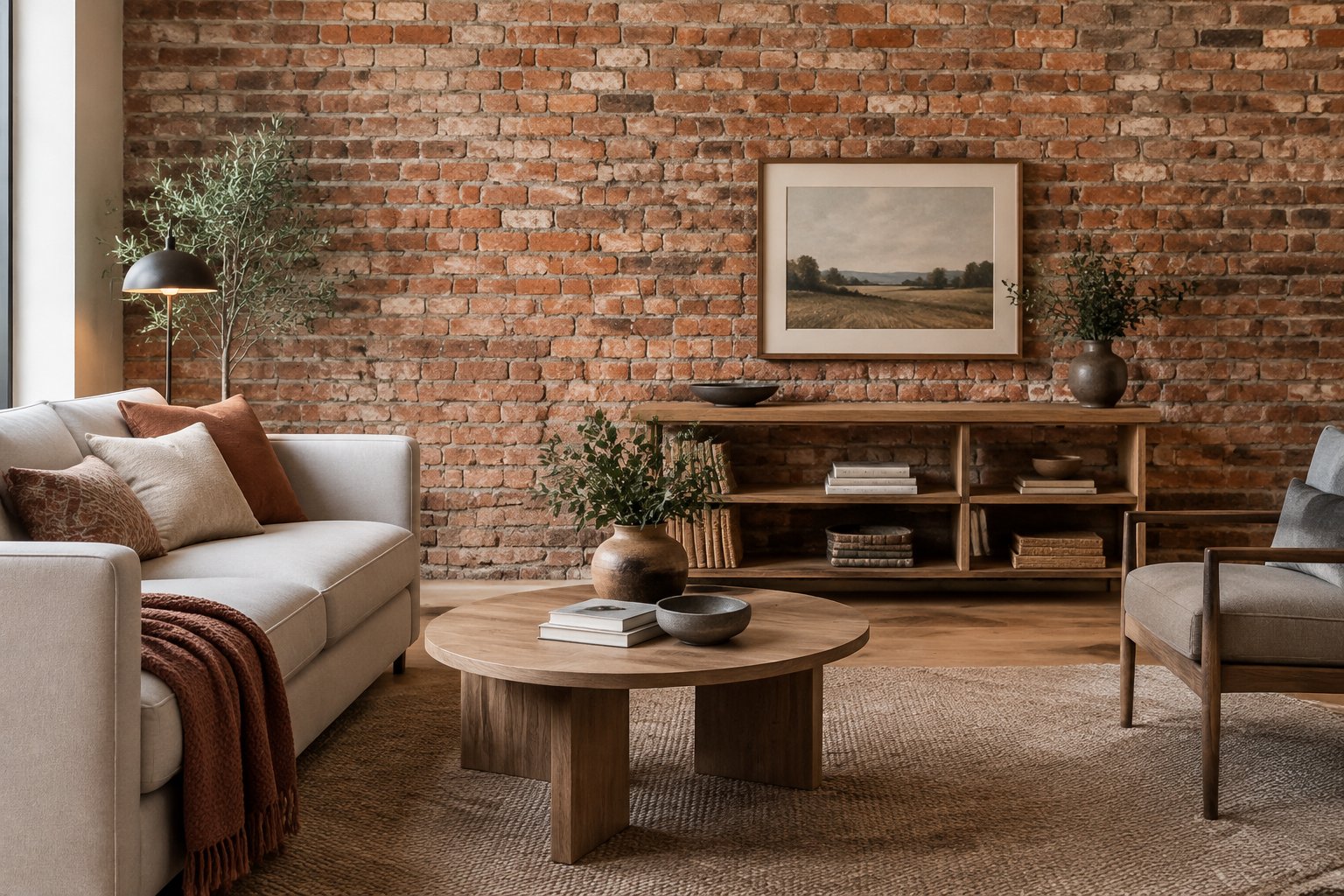
You will notice historic brick trends anytime you look closely at older homes, courtyards, or city streets. The patterns, color variation, and subtle imperfections all work together to create buildings that feel lasting and authentic.
Historic brick architecture has always evolved with its time. Different eras introduced distinct laying patterns, regional materials, and mortar styles that shaped how buildings looked and performed. Many of those techniques continue to influence modern design, especially in projects that aim to feel grounded rather than newly built.
Reclaimed brick plays a key role in that connection. Hand-selected for its patina and proven strength, it carries forward the texture and character of historic structures while meeting the needs of today’s construction. Details like bond patterns, joint profiles, and color blending can completely shift the tone of a project, from formal and refined to relaxed and lived-in.
At New Orleans Brick & Stone, reclaimed brick is carefully sourced from century-old structures and prepared for immediate use. With inventory on hand and fast nationwide shipping, builders and designers can incorporate authentic materials without slowing down their timelines.
In the sections ahead, we will explore how historic brick trends developed, which architectural periods shaped them, and how those ideas can be applied today to create spaces that feel both timeless and intentional.
Origins of Historic Brick Architecture
Brick’s been around forever, evolving with culture, tech, and trade. Let’s see how ancient recipes, medieval know-how, and global influences shaped the bricks you might pick up today.
Ancient Civilizations and Early Brickwork
The oldest fired and sun-dried bricks show up in Mesopotamia and the Indus Valley, dating back to 3500–3000 BCE. Builders mixed clay, sand, and straw, then dried or fired the blocks for walls, roads, and storage—way more weather-resistant than loose stone.
Romans took brick to another level, refining the firing process and standardizing sizes for arches, vaults, and aqueducts. Their methods spread across Europe and North Africa. You can still spot their influence in modern brick sizes and patterns.
Development in Medieval Europe
By the 12th century, northern Europe leaned into brick because good stone was hard to come by. Brickmaking shifted from a craft to organized guilds, and local kilns churned out bricks in colors and sizes tied to whatever clay and firing style they had nearby.
Gothic cathedrals, city walls, and merchant homes featured decorative bonds, molded bricks, and glazed tiles—adding texture and pattern while keeping the buildings sturdy. Many old city centers still show these regional brick looks you might want to echo in your own repairs.
Influence of Trade and Migration on Brick Styles
Trade and migration moved brick ideas and materials across continents. Venetian traders brought Italian brick styles to the Adriatic and beyond. Hanseatic merchants spread Baltic brick forms through northern Europe.
When bricks came to the Americas during colonial and industrial times, immigrant craftsmen blended old-world techniques with local clays. That mix led to distinctive regional looks—think rich red St. Louis bricks or hand-fired, weathered faces that are now prized in reclaimed facades. If you’re after authenticity, pay attention to where your brick came from, how it was fired, and its patina. New Orleans Brick & Stone hand-picks reclaimed pieces to keep those regional stories alive.
Key Periods of Brick Architectural Trends
Brick styles shifted as tastes, building methods, and finishes changed. Each era brought its own shapes, patterns, and quirks—details that matter if you’re repairing, matching, or designing something new.
Renaissance and Baroque Innovations
Renaissance builders got obsessed with regular proportions and flat, orderly facades. Brick walls often hid behind stone trim—pilasters, window surrounds, and string courses made of carved stone or terracotta. The combo gave buildings a neat, measured look.
Baroque architecture cranked up the drama with ornament and texture. Molded brick, patterned bonds, and big cornices played with light and shadow. Sometimes, they’d stucco over brick and score it to fake stone blocks, so you’ll spot both bare and dressed-up brick on the same building.
If you’re matching or restoring, pay attention to the thin mortar joints and classic bond patterns—Flemish or English bonds show up a lot. Look for old tooling marks and those subtle size differences that give the wall character.
Georgian and Federal Era Brickwork
Georgian brickwork is all about symmetry and crisp lines. You’ll see long, even rows, usually laid in Flemish bond with headers and stretchers alternating. Colors run from warm reds to hard tans, depending on local clay and firing.
Federal style keeps things tidy but adds details: flat arches over windows, thin soldier courses, and delicate cornices in brick or stone. Brickwork acts as a backdrop for wood trim, iron balconies, and fanlights.
Craftsmen aimed for smooth faces and tight joints in this period. When you’re repairing, match the brick size and color, and use a lime-based mortar for breathability and the right look. Reclaimed bricks with real patina are ideal for authentic repairs.
Victorian Brick Styles
Victorian brickwork goes bold—lots of surface effects and color. Expect polychrome patterns, varied bonds, and textured bricks like molded or encaustic types. You’ll find pointed arches, corbelled cornices, and decorative stripes.
Industrial advances brought uniform, mass-produced bricks, but Victorians mixed that regularity with lively ornament. Tiles, glazed headers, and color contrasts made facades pop. Brick was both structure and decoration.
For restoration, check for glazed or uniquely fired bricks—they can be hard to find. Reclaimed antique bricks often have the weathering and color shifts you need. New Orleans Brick & Stone can help you track down reclaimed pieces that fit Victorian style.
Iconic Brickwork Techniques and Patterns
These classic brickwork methods define a building’s look and how it holds up. The bond, decorative faces, and color all play into strength, weathering, and style.
Flemish Bond and English Bond
Flemish bond alternates a header and a stretcher in every course, giving a tight, textured look that’s perfect for facades where you want historic detail. It ties the wall together but takes skilled masons and careful sorting—especially with reclaimed bricks.
English bond alternates full courses of headers and then stretchers. It’s super strong, great for foundations and chimneys. English bond looks more regular and hides brick variation better than Flemish.
When you’re using reclaimed brick, match the mortar color and joint style to the bond. Always test a small section first to see how the bricks lay and how much cutting you’ll need.
Decorative Brick Facades
Corbels, arches, soldier courses, and patterns add depth and shadow to brick facades. Corbeling steps out bricks for cornices or porch supports without extra materials. Arches—segmental or round—frame windows and doors, helping shed water.
Soldier courses (bricks on end) and rowlocks (short edge showing) make neat accents over openings. Mix stretcher bonds with inset panels or diamond patterns for rhythm without weakening the wall. Hand-picked reclaimed bricks give these details a mellow patina and subtle irregularities.
Have your mason mock up tricky spots—tiny changes in mortar width or brick angle can totally shift the look.
Color and Texture Variations
Brick color and texture come from the clay, firing, and age. Reclaimed bricks have seasoning—soft wear, lime stains, and uneven color you just can’t fake with new stuff. You can sort bricks for gradients or blend them randomly for a natural, aged facade.
Texture matters too—wire-cut, hand-molded, or smooth. Rough faces catch light and hold mortar better; smooth ones look cleaner and a bit more modern. Order extra reclaimed pieces so you can pick the right tones and sizes—trust me, it saves headaches later.
If you’re after a consistent wall, get batches tested for strength and cleaned of old mortar. New Orleans Brick & Stone can help you pick reclaimed stocks that nail the historic color and texture.
Regional Variations in Brick Architecture
Brick traditions shift with climate, local clays, and cultural preferences. You’ll spot different sizes, colors, and patterns that tell the story of a place and its materials.
European versus American Brick Trends
In Europe, bricks often come from old municipal kilns using traditional methods. Expect smaller, denser bricks with deep patina, laid in tight patterns like Flemish or English bond. Many buildings show layers of repairs and repointing, creating a rich, aged texture.
In the U.S., brick styles swing by region and era. Northern mills made bigger, uniform bricks for factories and Federal-style homes. Down South, handmade and later machine-pressed bricks show off warmer reds and looser mortar joints for humidity. Americans often mix reclaimed brick with new to match scale and color while keeping things sturdy.
Colonial Influence in the Americas
Colonial-era brickwork in the Americas fuses European skill with local materials. New England has salt-glazed and dark red bricks in Federal and Georgian facades, often laid in Flemish bond for a formal, robust look. Heavy chimneys and thick mortar joints help combat cold.
In the southern colonies, folks used local clays and fired bricks on site, ending up with softer edges and warmer hues. Spanish colonial areas leaned toward adobe and thin brick veneers, while Caribbean islands mixed coral-lime with brick highlights. Reclaimed bricks from old plantations, warehouses, and streets keep those regional quirks alive—perfect for restoring or building with historic character. New Orleans Brick & Stone stocks plenty of these authentic reclaimed bricks for projects chasing real local flavor.
Materials and Technology Shaping Brick Trends
Brick choices now blend old-school charm with modern tech. You get more options for color, shape, and performance—whether you’re restoring a classic or mixing old with new.
Advancements in Brick Manufacturing
Modern firing and molding help manufacturers match historic sizes and patinas more closely than ever. Low-temp firing and hand-molding bring back those irregular edges and color shifts you’d see in century-old brick, while precise pressing makes thin brick veneer that’s lighter and easier to install.
Engineered mixes add toughness without losing character. Clay blends and controlled porosity boost freeze-thaw resistance and cut down on efflorescence. Glazed and color-infused bricks keep their color longer for accents and repairs.
You can pick reclaimed bricks that have been tested and graded for strength and salt content—super helpful when you’re mixing old and new on facades or interior feature walls.
Structural Engineering Developments
Modern structural systems let you get that heritage brick look without heavy load-bearing walls. Thin brick veneers on steel or wood frames mimic the appearance of solid masonry but meet today’s seismic and wind codes.
Tie systems, ventilated rainscreens, and stainless-steel anchors keep walls dry and ties rust-free, so your brickwork lasts longer—maybe even outliving the originals.
Engineers also use brick infill with insulated cavity wall assemblies to meet energy codes. You get all the thermal perks of modern insulation with exterior brick that matches historic profiles.
Preservation and Restoration of Historic Brickwork
Start by looking closely at the brick and mortar before doing anything else. Spot soft bricks, loose ones, and mortar that crumbles or pulls away with a light touch.
Match your mortar to what’s already there. Old bricks do best with lime-rich, flexible mortar—hard cement mixes just trap moisture and end up damaging the brick. Try out small test patches first to check if the color and texture feel right.
Clean with a gentle hand. Sandblasting? Don’t even think about it. Use low-pressure water, a soft brush, or approved chemical cleaners if you’re dealing with stubborn stains. Sometimes it’s better to leave a little patina; let the historic texture guide you.
If you need to swap out bricks, hunt down reclaimed ones that match the original size, color, and wear. Finding authentic reclaimed brick makes a big difference in keeping the old look and performance. New Orleans Brick & Stone, for example, can help you source hand-selected pieces for period restorations.
Repointing takes patience: only remove the soft, failing mortar, and go deep enough for a good bond. Tool the joints to match the original profiles. Work in small sections and give the mortar time to cure slowly—old bricks can’t handle sudden stress.
Fix any big structural problems before you touch the brickwork itself. Deal with drainage, foundations, and roof leaks first so your repairs actually last. It’s smart to keep an eye on restored areas for a few seasons to see how they hold up.
Write down what materials and methods you use along the way. Good records make it easier for whoever comes next to keep things in shape and choose the right repairs.
A Lasting Influence on Modern Design
Historic brick architecture continues to shape how we build today. The patterns, proportions, and material choices developed over centuries still guide modern projects that aim for depth, authenticity, and lasting appeal. What has changed is not the value of these traditions, but how they are applied.
Reclaimed brick plays a central role in that evolution. It carries forward the color variation, texture, and proven durability of historic structures while fitting seamlessly into contemporary construction. When paired with thoughtful design and proper installation, it allows new spaces to feel established from the moment they are completed.
At New Orleans Brick & Stone, that connection between past and present is carefully maintained. Reclaimed brick is sourced from century-old buildings, prepared for immediate use, and kept in ready inventory so projects can move forward without delay. With direct guidance and fast nationwide shipping, incorporating authentic materials becomes a clear and reliable process.
In the end, historic brick trends are not just something to study. They are something to build with. When the right materials and techniques are used, the result is architecture that feels grounded, intentional, and built to stand the test of time.
Frequently Asked Questions
Here’s where you’ll find answers to practical questions about historic brick styles, key changes over time, and how old brick ideas still shape buildings today. Expect specifics on forms, materials, construction, and a few examples worth seeing for yourself.
What are the defining features of Brick Gothic architecture?
Brick Gothic uses plain, handmade bricks in place of carved stone.
You’ll see tall pointed arches, ribbed vaults, and big buttresses rising from simple brick walls.
Patterned brickwork pops up a lot—herringbone, diaper motifs, that kind of thing.
Windows usually have a lancet shape and come in groups, framed with decorative brick.
How did brick architecture evolve during the Industrial Revolution?
Mass-produced, uniform bricks took over from hand-formed ones.
Factories sped up production and cut costs, so brick facades spread to factories, warehouses, and rows of houses.
Iron and steel frames let people build bigger openings and taller structures.
In many cases, brick shifted from being the structure itself to more of a cladding.
What role did brick play in the development of Expressionist architecture?
Expressionist architects leaned into brick for bold textures and sculptural shapes.
They carved and staggered brick planes to throw deep shadows and create irregular outlines.
Brick made it possible to form dramatic curves and tricky surfaces without the cost of stone carving.
You’ll spot dynamic facades, deeply recessed joints, and rhythmic patterns all over.
Can you trace the influence of historical brick design on modern interior design?
Historic brick shows up in exposed walls, reclaimed fireplaces, and rustic floors in today’s interiors.
Designers use century-old bricks for mantels, accent walls, and kitchen backsplashes to bring in warmth and character.
Mixing old brick with new finishes creates contrast that feels fresh.
It’s a way to keep historic texture without giving up comfort or performance.
What is the significance of brickwork in the context of sustainable architecture?
Reclaimed brick slashes embodied carbon since you’re skipping new manufacturing.
Reusing old bricks saves material value and cuts down on landfill waste.
With proper testing and cleaning, reclaimed brick stays strong and durable.
Using it fits right in with low-impact building goals and long-term thinking.
What are some iconic buildings that represent the pinnacle of historic brick architecture?
Take a look at the Brick Gothic cathedrals scattered across northern Europe—those soaring brick towers and intricate vaults really make a statement, don't they?
Then there are the industrial-era mill complexes and those old seaside warehouses. They show off the sheer scale and rhythm that 19th-century brickwork could achieve.
Expressionist landmarks? They go bold, using sculpted brick façades to create some pretty dramatic effects. And hey, if you're after authentic reclaimed material for a restoration, New Orleans Brick & Stone usually has a stash of hand-selected brick and stone that can match that historic character you’re after.