Bring historic brick into your luxury kitchen if you want real warmth, texture, and a sense of permanence. Reclaimed brick introduces authentic character and lasting durability, pairing naturally with materials like marble, brass, and custom millwork. Its aged patina softens modern layouts and helps entertaining spaces feel both refined and inviting.
Used thoughtfully, brick can anchor the entire room or add subtle depth. A full feature wall creates a strong focal point, while a backsplash or island base offers a quieter layer of texture. In both cases, it balances old and new in a way that feels intentional rather than styled.
At New Orleans Brick & Stone, reclaimed brick is sourced from century-old structures, then carefully cleaned and prepared for immediate use. With inventory on hand and fast nationwide shipping, you can move forward confidently without slowing down your timeline.
In the sections ahead, we will walk through design pairings, sourcing considerations, installation basics, and maintenance tips so your kitchen not only looks exceptional, but continues to age beautifully over time.
Historic Brick for Luxury Kitchens
Historic brick brings age, color, and texture that completely change how a kitchen feels. It influences finish choices, layout, and even how you’ll care for surfaces over time.
What Makes a Brick Historic
Historic brick comes from buildings and streets usually more than 75–100 years old. You’ll spot irregular edges, varied colors, lime-based mortars, and that soft, weathered surface only time can create.
Real pieces show tool marks, soot, or pitting from past use—proof they were hand-made or fired in old kilns, not mass-produced. Bricks get graded by condition: full-strength, worn, or fragile, and that matters for structure versus accents.
Testing for compressive strength and moisture resistance tells you if a brick works for a floor, backsplash, or exterior. If you need help finding hand-selected pieces, New Orleans Brick & Stone keeps inventory ready and can advise on what’s best.
The Appeal of Antique Materials
Antique brick adds warmth and history that new materials just can’t fake. Its natural color shifts—deep reds, oranges, smoky browns—bring visual depth without extra finishes.
Using historic brick in a luxury kitchen gives tactile contrast to polished stone, metal, or glass. It creates focal points like an island base, fireplace, or feature wall that feel refined but lived-in. And you get sustainable value: reusing century-old materials keeps waste down and craft traditions alive.
Designers love mixing reclaimed brick with modern details for that balance of elegance and texture. Pick bricks with compatible tones and clean them carefully—preserve the patina, but get rid of harmful salts or debris.
Historic Brick Vs Modern Brick
Modern brick is usually uniform in size, color, and strength—machines and controlled firing do that. Historic brick varies in thickness, color, and surface because people molded them by hand and fired them in old kilns.
This variation affects installation. You’ll probably need custom mortar mixes and tighter joint work to match original proportions and avoid stressing softer bricks. Historic bricks can absorb more moisture, so use breathable mortars and sealers made for reclaimed stuff.
Expect extra steps: hand-sorting for color matching, testing for soundness, and sometimes cutting or backing brick with veneers for non-structural uses. It takes more time, but you end up with a kitchen that has character you won’t get from standard materials.
Why Use Historic Brick in Luxury Kitchen Design
Historic brick brings warmth, texture, and real durability to upscale kitchens. It adds visual depth, stands up to daily use, and supports sustainable building.
Unique Character and Timeless Charm
Historic brick shows color variation, worn edges, and surface patina you just won’t find in new stuff. Those details create a layered look behind a range hood, along a backsplash, or around a breakfast nook.
You can pair brick with polished marble, matte black hardware, or warm wood for contrast that feels intentional. Every reclaimed brick carries a story from decades of use, which helps your kitchen feel lived-in and refined, not staged.
If you want period-correct detail, hand-selected pieces match older homes’ dimensions and mortar profiles. Repairs and additions blend in with existing walls and cabinetry.
Durability and Longevity
Historic brick comes from buildings that lasted—often stronger than modern standards. It resists heat, dents, and frequent cleaning, so fireplaces, oven surrounds, and island facades hold up in busy kitchens.
When properly cleaned and sealed, historic brick resists stains and moisture while keeping its texture. You’ll still need routine care—mild cleaners and resealing now and then—but the core material rarely needs replacing.
Choosing these bricks means fewer mismatched repairs later. Their proven lifespan means you invest once and keep the look for decades.
Sustainability of Reclaimed Materials
Using reclaimed brick cuts demand for new manufacturing and the energy that goes into firing new units. Reuse keeps century-old materials out of landfills.
Sourcing reclaimed brick from a trusted supplier helps you confirm authenticity and that the bricks are sound. New Orleans Brick & Stone hand-selects and tests historic bricks so you can buy materials ready for install with fast shipping.
Reclaimed brick also reduces embodied carbon compared with new brick. It’s a practical choice if you want a luxury kitchen that reflects both heritage and environmental care.
Incorporating Historic Brick into Kitchen Interiors
Use reclaimed brick where it’ll show texture, warmth, and history. Focus on durable installation, proper sealing, and clear sightlines so the brick becomes a working part of your kitchen.
Feature Walls and Backsplashes
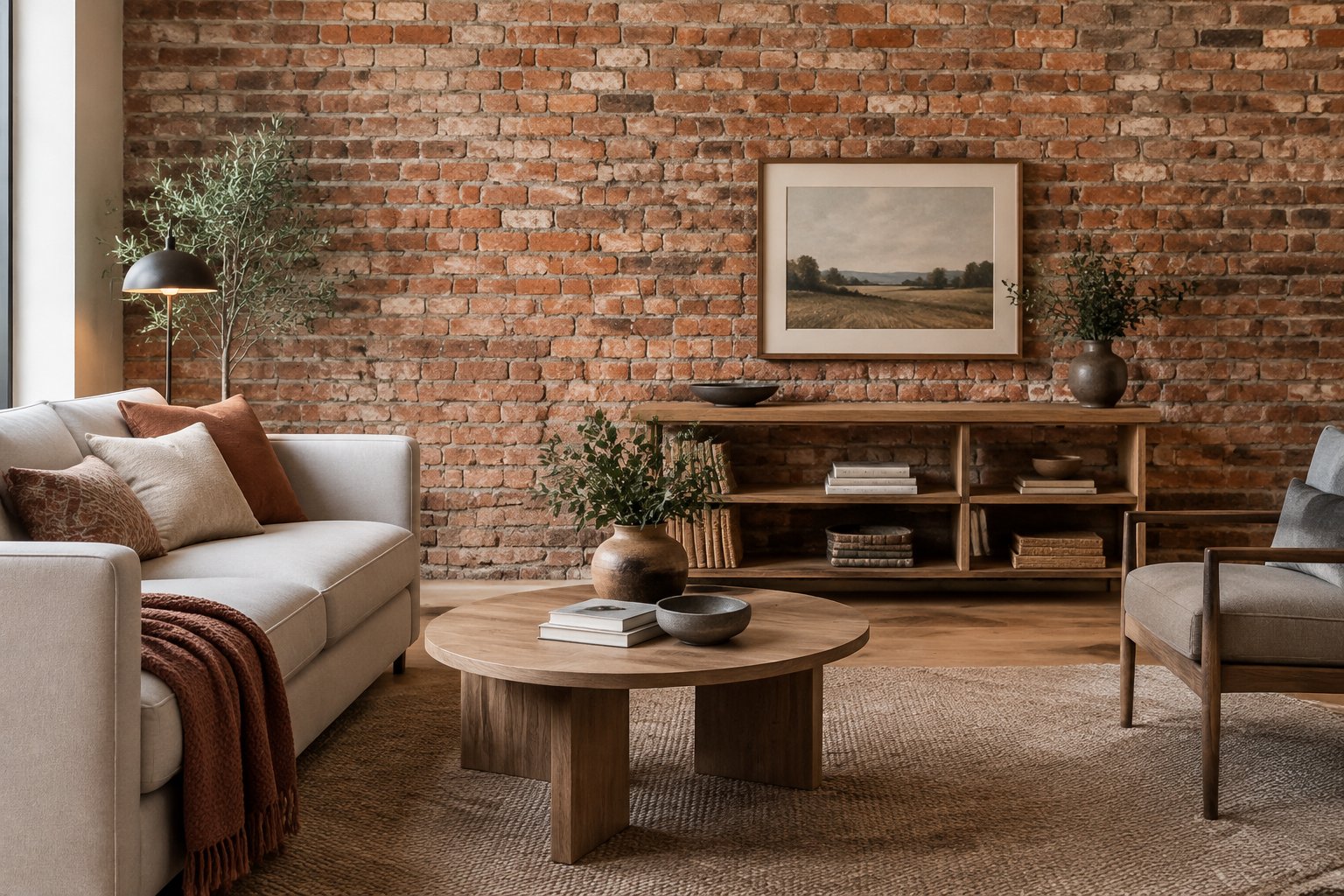
A full brick feature wall behind open shelving or a stove creates a strong anchor. Pick reclaimed brick with consistent thickness to make installation easier and avoid uneven shelving or trim gaps. Mortar color matters: pale lime mortar brightens the wall, while dark mortar brings out the brick’s age.
For backsplashes, thin brick or brick veneer works well behind sinks and range tops. Seal the brick with a food-safe sealer to resist stains and make cleaning easier. Keep grout joints minimal around cooktops to avoid grease traps.
Try integrating a vent hood or floating shelves into the brick. Make sure to anchor into solid, tested brick—not crumbly ones. If you want help matching antique brick to existing walls, New Orleans Brick & Stone can hand-select stock for your palette.
Brick Flooring in Kitchen Spaces
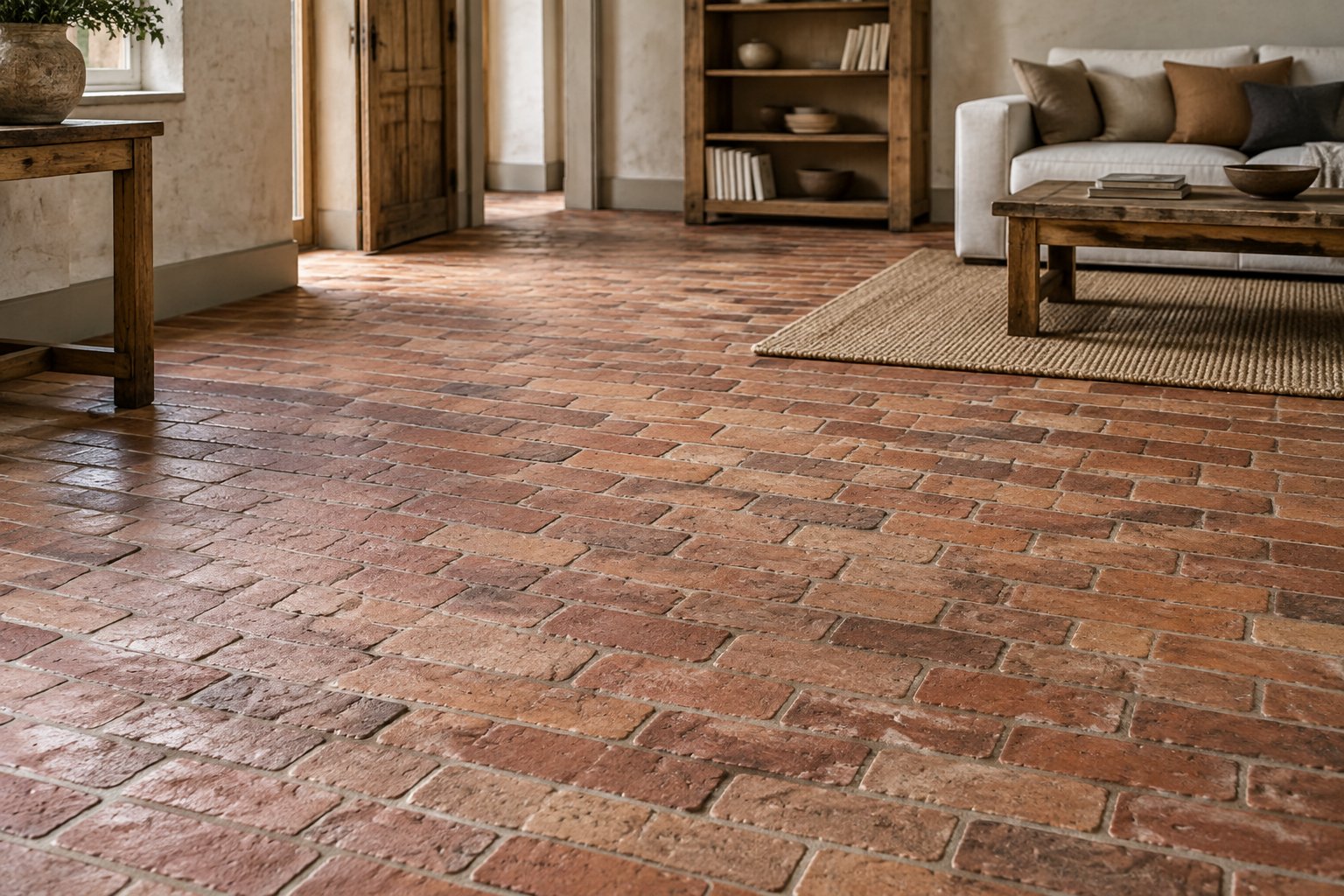
Reclaimed brick floors give a lived-in feel and hold up well to foot traffic when sealed right. Use stretcher bond or herringbone patterns for visual interest; herringbone hides wear better in busy spots. Install over a proper substrate with a solid mortar bed and use a penetrating sealer to prevent oil and wine stains.
Surfaces will be a bit uneven—honestly, that’s part of the charm—but you can pick flatter reclaimed pieces or thin pavers to cut tripping hazards. Add felt pads to cabinet bases and appliances to avoid scratching if you move things around. For warmth underfoot, pair brick with radiant heat—brick holds heat really well.
Architectural Accents and Columns
Frame kitchen entryways, create small columns, or clad a supporting post with brick for a vintage look. When building a column or pier, match brick size and patina to surrounding walls for unity. Reinforce structural elements with steel cores or concrete piers before adding brick.
For decorative arches or niches, pick intact bricks with strong edges for crisp lines. Pointing style (flush, concave, or raked) changes the shadow and texture; concave is easier to clean near prep areas. Keep accent heights practical—a half wall at bar height makes a sturdy breakfast counter and a nice visual transition.
Combining Brick with Modern Elements
Pair historic brick with stainless steel appliances and glass cabinetry to strike a balance between old and new. Use clean-lined cabinetry in matte finishes to keep the focus on the brick. LED strip lighting along shelves or above counters highlights brick texture and gives better task light.
Mix brick with natural woods for warmth and polished stone countertops for contrast. Stick to one warm tone from the brick and repeat it in hardware or textiles for flow. If your project’s on a tight timeline, work with suppliers who keep inventory and ship fast so your reclaimed brick arrives when you need it.
A Reliable Source for Historic Kitchen Brick
Selecting the right reclaimed brick should feel clear and confident, not uncertain. You need to know the material is authentic, properly prepared, and ready to perform in a high-use space like a kitchen. That level of trust comes from working with a source that understands both the material and the demands of your project.
At New Orleans Brick & Stone, reclaimed brick is sourced from century-old structures and carefully prepared for reuse. Each piece is cleaned, evaluated, and organized into ready inventory so there is consistency in quality, color, and condition. This allows you to select materials with confidence, whether you are creating a bold feature wall or a subtle backsplash.
Having inventory on hand also means you can review options before committing. Samples can be provided so you can see how tones and textures interact with your cabinetry, stone, and lighting. This step helps ensure the final installation feels cohesive and intentional.
Equally important is the guidance throughout the process. When you reach out, you speak directly with someone who can help match the right brick to your design, confirm quantities, and coordinate delivery. With nationwide shipping typically within 48 hours, your project can stay on schedule while still incorporating authentic, character-rich materials that elevate the space.
Installing Historic Brick in Kitchens
You’ll want a solid substrate, the right lime-based mortar, and a finish that protects but lets the brick breathe. Prep work, mortar, and sealing matter most for longevity and historic character.
Preparation and Substrate Considerations
First, check the wall or floor can handle the weight of reclaimed brick. Remove loose finishes, check for rot or mold, and fix framing or masonry ties. For walls, install cement backer board or a rated masonry substrate secured to studs every 8–12 inches. For floors, build a compacted gravel base with a sand screed and a compacted concrete slab if needed.
Dry-fit a small area to check layout, orientation, and color mix. Use stainless-steel anchors or ties for veneer over wood framing. Keep cavities for drainage and a ventilated air gap behind thin brick to avoid trapped moisture.
Mortar Selection and Techniques
Pick a lime-based mortar that matches the original in softness, color, and vapor permeability. Avoid hard Portland mixes—they can crack or trap moisture. Test a small mock-up to confirm joint profile and color before starting for real.
Mix mortar to a workable consistency and let it slake for 5–10 minutes. Tool joints to match the historic profile—concave or flush—while mortar is thumbprint-hard. Repoint in small sections to prevent uneven drying. Keep tools and water handy to clean brick faces right away and avoid staining.
Sealing and Finishing Options
If you want stain protection, go for breathable sealers made for historic masonry. Silane or siloxane water repellents soak into brick and let vapor out, so the wall can “breathe.” Skip film-forming sealers—they trap moisture and mess with the brick’s patina.
For easy cleaning near cooktops, put down a penetrating sealer and check it every year. If you’ve got visible joints, match the mortar’s color and texture, and tuckpoint any gaps. On a tight timeline? You can get hand-picked reclaimed brick from New Orleans Brick & Stone fast, with plenty of authentic character.
Pairing Historic Brick with High-End Kitchen Features
Historic brick brings texture, warmth, and a sense of ageful craft to a luxury kitchen. Pair it thoughtfully with appliances, lighting, and cabinetry so the brick feels intentional—not just an afterthought.
Blending with Luxury Appliances
Try placing a pro-style range or built-in fridge against a brick wall for a bold statement. A slim stainless steel hood works well, giving you contrast without stealing the show. Flush-mount ovens and integrated fridges let the brick shine as the main feature.
Plan ahead for clearances and access—brick can hide outlets and vents, but you need to route those early. Choose finishes like matte black, brushed brass, or aged bronze that echo the brick’s tones for a pulled-together look. For small appliances, pick high-end models in matching finishes and display them on countertops just in front of the brick to keep that texture visible.
Lighting to Complement Brickwork
Aim lights to show off the brick’s texture and color. Use layers: recessed downlights for tasks, adjustable track or wall washers to graze the brick, and pendants over islands to anchor the room. Place wall-grazing fixtures about 12–24 inches from the wall to cast soft shadows and reveal the brick’s quirks.
Warm bulbs (2700K–3000K) bring out the reds and browns. Dimmers let you switch between cooking and entertaining moods. For deep crevices, a few tiny accent LEDs can highlight spots without glare. Concealed under-cabinet strips help balance light at the counters while keeping the brick’s impact.
Integrating with Custom Cabinetry
Pick cabinet materials and shapes that respect the brick’s vibe. Solid wood or warm veneers fit naturally—shaker or flat-panel doors give a clean backdrop. Keep upper cabinets shallow or open to show off more brick, especially near ranges or breakfast nooks.
Match hardware and trim to the brick’s undertones: aged brass, oil-rubbed bronze, or matte black work well. Design cabinets to frame the brick—think a recessed appliance bay, an open shelving niche, or a vented hood surround. For thin-brick veneers, double-check attachment and backing so cabinets sit flush and seams stay tight. Want a seamless look? Panel-ready appliances and integrated handles let the brick and wood tell the story.
Caring for and Maintaining Historic Brick Surfaces
Keep bricks dry, mortar solid, and cleaners gentle. Regular checks and mild cleaning help preserve color and texture for years.
Routine Cleaning Tips
Use a soft-bristle brush or broom to sweep away dust, flour, or crumbs from kitchen brick. A vacuum with a brush attachment works for grout lines and crevices—no need to scrub and risk loosening mortar.
For grease, mix warm water and a mild, pH-neutral soap. Always test in a hidden spot first. Wipe with a sponge, rinse with clean water, and blot dry to avoid mineral spots.
Don’t use pressure washers or wire brushes—they’ll wear down the brick and mortar. If you need a deep clean, hire a conservator who uses low-pressure, gentle methods and the right cleaning agents.
Preventing Stains and Damage
Seal splash zones near stoves, sinks, and prep areas with a breathable, masonry-rated sealer. Non-breathable sealers trap moisture and can cause spalling in old brick. Reapply every 3–5 years, or as the product suggests.
Wipe spills right away, especially acids like tomato sauce, wine, or citrus. Coasters or trays under oils and condiments help prevent stains. For oily spots, use an absorbent powder and a mild solvent made for historic brick, then rinse well.
Protect brick from bumps and scrapes. Stick felt pads on chairs and don’t drag heavy things against the wall. Check appliances and vents so you don’t get heat damage or soot buildup.
Long-Term Preservation Strategies
Get a pro inspection every 3–7 years to check mortar, efflorescence, and moisture. Use lime-based mortar for repointing historic brick; it flexes and breathes better than hard Portland cement mixes.
Fix grading, gutters, and downspouts to keep water away from foundations—rising damp is no joke. Replace damaged bricks with hand-picked reclaimed pieces that match size, color, and texture. New Orleans Brick & Stone can help with matching reclaimed brick.
Keep records of repairs and materials. Snap photos and jot down product names for future caretakers, so fixes stay true to the brick’s character.
Showcasing Luxury Kitchens Featuring Historic Brick
Here are some ways reclaimed brick brings warmth, texture, and proven durability to high-end kitchens. Think accent walls, island cladding, and fireplace-kitchen combos that mix old patina with modern style.
Inspiring Design Case Studies
One remodel uses a century-old red brick wall behind open shelves and matte-black steel cabinets. The brick’s worn edges and color shifts play off the sleek metal, and under-shelf lighting brings out the mortar’s texture at night.
Another project runs thin reclaimed brick as a backsplash behind a marble range hood. The brick’s subtle colors link the island’s dark walnut to the pale countertop. You get that lived-in look but keep the clean lines.
A third kitchen wraps the island in antique brick and tops it with honed concrete. The surface stays modern and tough, but the brick grounds the space and ties it to the home’s roots.
Renovation Success Stories
In one historic-town renovation, owners salvaged chimney bricks to rebuild a kitchen hearth and prep wall. Each brick was tested for strength, cleaned gently, and set with new mortar that matched perfectly.
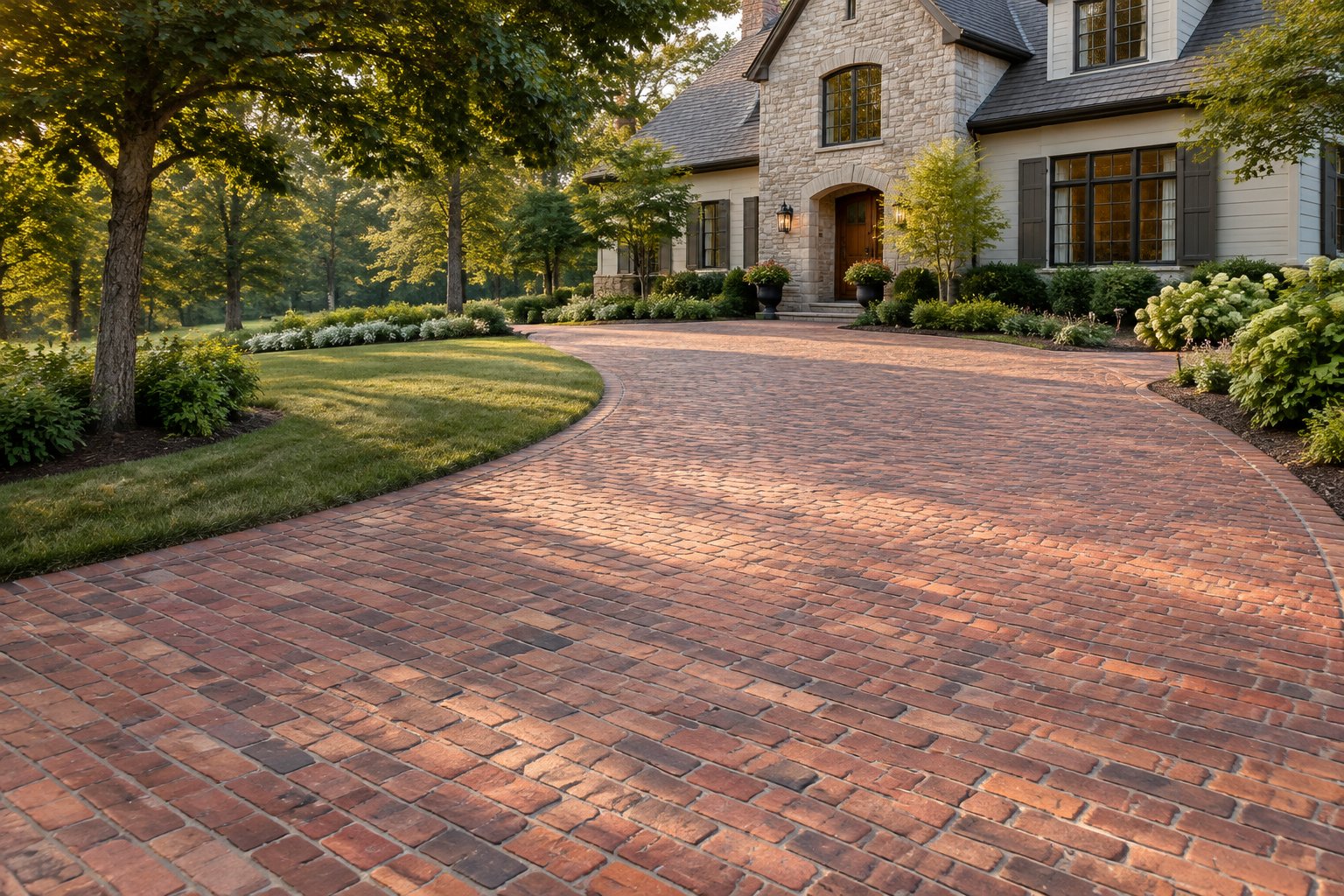
A coastal home used reclaimed brick floor tiles at the kitchen entry to handle heavy foot traffic and moisture. The patina hides wear, so maintenance stays low and the luxury finish lasts longer than stone.
When materials had to arrive quickly, New Orleans Brick & Stone shipped hand-selected pieces in days, keeping projects on schedule.
A Kitchen That Feels Collected, Not Created
Historic brick has a way of transforming a kitchen from a finished space into one that feels lived in and layered. The texture, the variation, and the quiet imperfections all work together to create a sense of depth that new materials rarely achieve.
When used with intention, reclaimed brick does more than add visual interest. It anchors the design. It balances polished surfaces, softens modern lines, and brings a sense of permanence to a space that sees daily use. Over time, it continues to develop character, becoming part of the life of the home rather than just a backdrop.
At New Orleans Brick & Stone, that connection to history is carried through every piece. Reclaimed brick is sourced from century-old structures, prepared for immediate use, and kept in ready inventory so your project stays on track. With direct guidance and fast nationwide shipping, you can focus on the design while knowing the materials will arrive exactly as expected.
In the end, a luxury kitchen should feel as good as it looks. With the right materials in place, it becomes more than a place to cook. It becomes a space that gathers people, holds memory, and continues to improve with time.
Frequently Asked Questions
Here are some practical tips for using historic brick in luxury kitchens—choosing brick types, keeping finishes clean, pairing with appliances, and mixing modern layouts with vintage character.
How do you incorporate brick into a contemporary luxury kitchen design?
Use brick for a focal wall, fireplace surround, or island face to add texture and warmth. Keep other surfaces smooth—think marble counters, matte cabinets, or glass shelves—to balance the roughness.
Pick hand-selected reclaimed brick for depth and patina. You can choose colors and sizes to fit your palette, and tight installation keeps things refined.
What are the best types of bricks to use for a kitchen backsplash?
Thin brick veneers and reclaimed full-thickness brick both work for backsplashes. Veneers sit flatter and install easier behind cooktops.
Choose low-porosity or sealed brick near cooking areas to fight stains. Reclaimed brick with natural color shifts gives a luxury, historic vibe.
What maintenance is required for brick walls in a kitchen setting?
Seal brick with a penetrating sealer to block oil and grease. Reseal every 2–5 years, depending on use and product.
Wipe spills quickly with mild soap and water. Use a soft brush for grout, and skip harsh acids that can harm the finish.
Can you combine modern appliances with a brick-style kitchen theme?
Absolutely. Sleek stainless or integrated appliances look sharp against historic brick, giving you contrast. Keep appliance lines clean to avoid clutter.
Put high-heat equipment in front of a non-porous splash or extend sealed brick behind it for protection.
How can you achieve a vintage look with a modern kitchen layout?
Mix reclaimed brick with modern cabinetry and open shelves. Use warm metals like brass or aged bronze for fixtures to bridge vintage and modern.
Keep the layout practical: clear work triangle, island seating, and built-in storage keep things flowing while brick adds historic charm.
What are some ways to feature brick in a luxury kitchen without overwhelming the space?
Try using brick in just one or two spots—maybe a single accent wall, the front of your island, or around a fireplace. Mixing brick with lighter paint, shiny cabinets, or a reflective backsplash helps the room stay open and bright.
If you’re after a more refined look, go for reclaimed brick with softer tones, and definitely ask for a sample before you commit. New Orleans Brick & Stone actually offers hand-picked reclaimed brick, so you can find something that fits your style and the color you want.