You can give your home a sense of history without giving up modern comfort. Legacy-inspired exteriors rely on authentic materials, balanced proportions, and thoughtful details to create homes that feel grounded, warm, and built to last.
The approach is simple but intentional. Reclaimed materials add depth and texture. Well-proportioned rooflines and window patterns create structure and rhythm. Subtle accents bring everything together without overwhelming the design. The result is an exterior that feels established rather than newly constructed.
At New Orleans Brick & Stone, reclaimed brick and stone are sourced from historic structures and prepared for immediate use. These materials carry natural variation, proven durability, and a connection to craftsmanship that helps anchor a home’s overall look.
In the sections ahead, we will explore how to choose materials, refine architectural details, and incorporate landscaping elements that tie everything together so your exterior feels timeless, cohesive, and built with intention.
What Makes a Legacy-Inspired Home Exterior
A legacy-inspired exterior blends durable materials, balanced proportions, and details that connect to a place and time. Expect weathered brick or stone, simple rooflines, and crafted trim that age beautifully and need little fuss.
Essential Design Principles
Go for materials that show real age and craft, like reclaimed brick or hand-chiseled stone. These offer natural color variation and patina that paint and manufactured siding just can’t fake. Use masonry for major surfaces—façades, chimneys, porch piers—to give a sense of weight and permanence.
Balance scale and proportion. Keep roof pitches modest, window openings regular, and entryways centered or just a bit offset. Simple eaves, wide porches, and shutters add human scale and shelter without getting too fussy. Focus on quality details: mortar color that matches the brick, steel or wood awnings, and solid hardware.
Plan for low maintenance. Pick materials that handle the local weather and develop patina instead of falling apart. When you select reclaimed materials, check for proper testing and cleaning so pieces perform like new masonry.
Timeless vs. Trendy Features
Timeless features stick around because they serve a purpose and look right. Think full-height brick walls, symmetrical window patterns, and deep porches that shade and frame views. These elements age into the architecture, not away from it.
Trendy features often chase a single look—like massive glass walls with no masonry, sharp color blocks, or oversized metal panels. They can date a home fast. If you like a modern touch, layer it: try a sleek metal light fixture with a traditional brick surround, or a slim, modern chimney cap over historic masonry.
Be picky with color and texture. Natural brick hues—red, tan, charcoal—pair with wood or slate for the long run. Use accents sparingly to highlight the core materials, not cover them up.
Common Architectural Influences
Southern Creole, Colonial Revival, Craftsman, and early Industrial styles often shape legacy exteriors. Craftsman homes show off exposed rafters, tapered porch columns, and hand-fit stone bases. Colonial Revival leans on symmetry, multi-pane windows, and brick quoining. Creole and Gulf Coast traditions bring raised foundations, broad galleries, and shuttered openings for climate control.
Blend influences with care. You can use reclaimed brick from century-old Southern buildings to anchor a modern plan, while keeping porch proportions and window rhythms true to a historic style. New Orleans Brick & Stone supplies hand-selected reclaimed materials that help keep these historic cues both authentic and practical.
Classic Materials and Finishes
Pick materials that age well, add texture, and match the home’s era. Stick to proven choices: masonry with history, wood that breathes, and roofs that define the silhouette.
Brick and Stone Applications
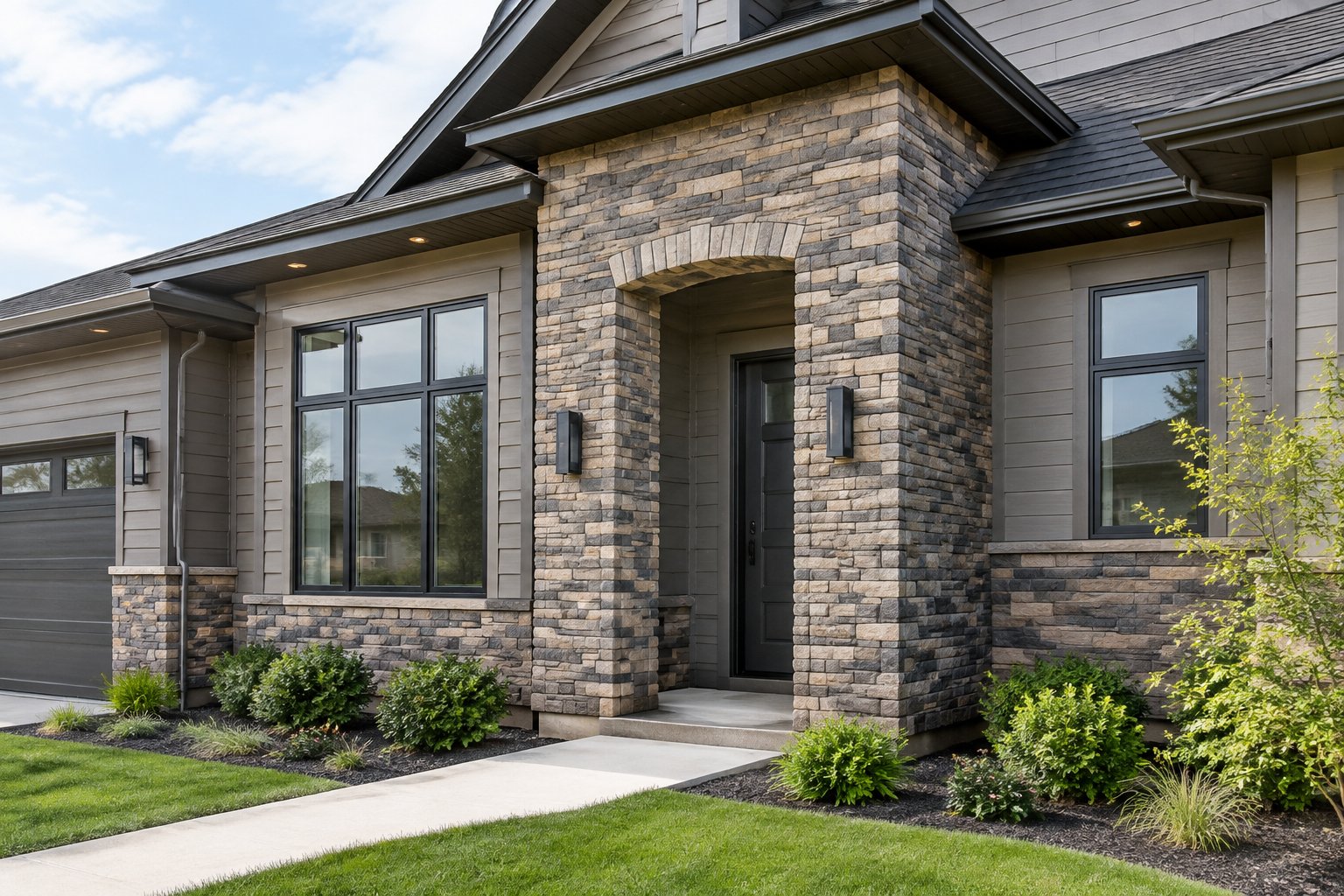
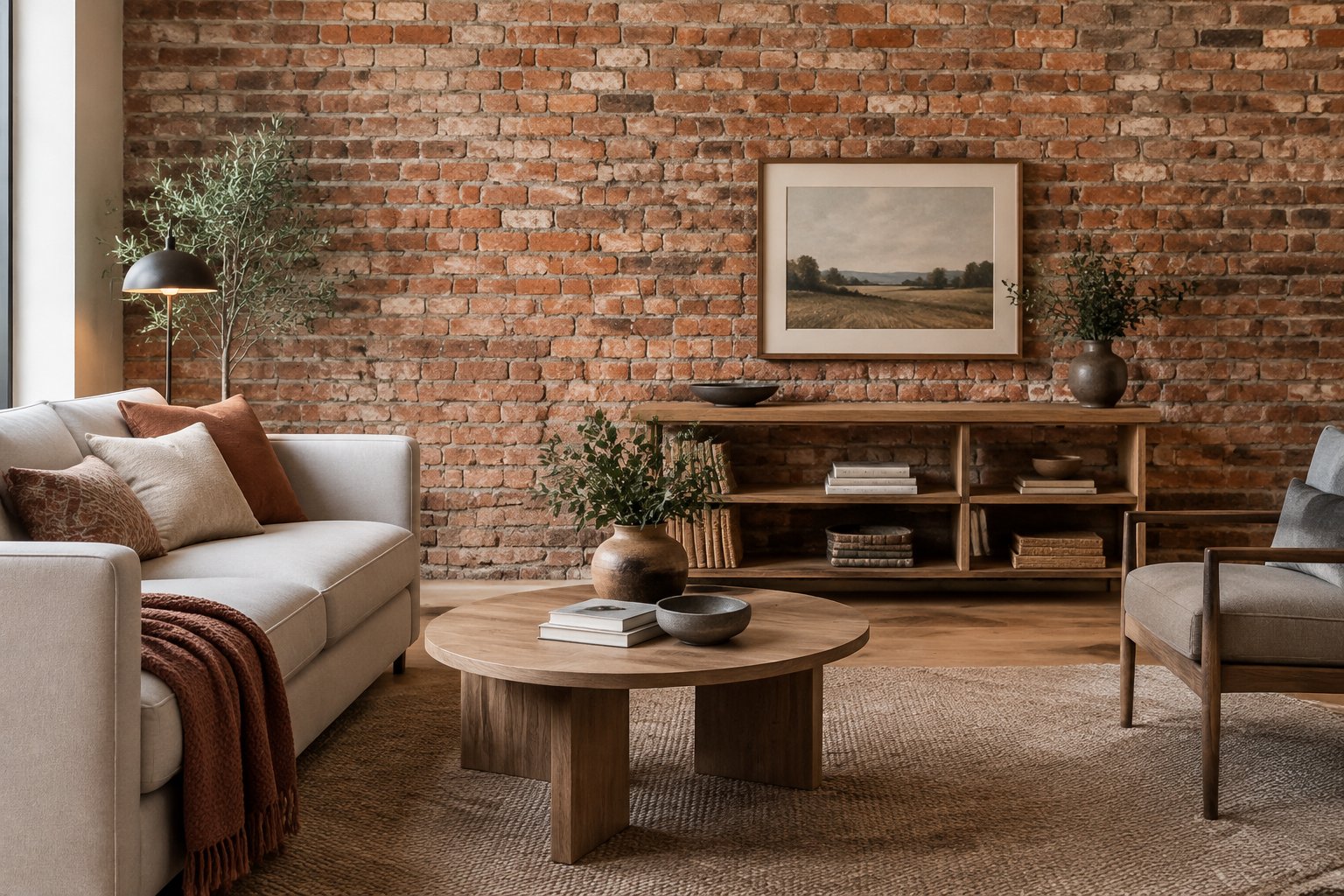
Reclaimed brick and stone give walls depth and authenticity you just can’t fake. Use full-depth brick for load-bearing walls and thin brick veneers where weight or cost is a concern. Hand-selected reclaimed units show varied color, fired-face patina, and irregular edges that read as original.
Specify mortar color and joint profile to match period details. Concave or weathered joints suit older styles; tighter joints fit National Revival looks. For stone, pick coursed ashlar for formal facades or random rubble for rustic character. Sealants are optional—skip high-gloss products that hide texture. If you want proven sources, New Orleans Brick & Stone stocks hand-picked reclaimed materials and ships quickly when timelines matter.
Exterior accents like lintels, sills, and garden walls benefit from matching reclaimed stone. That continuity ties porches, chimneys, and walkways to the main structure and keeps the overall palette cohesive.
Traditional Wood Siding
Wood siding brings warmth and scale. Choose longleaf pine or cypress for durability and historic accuracy in Southern homes. Cladding options include full-width clapboard, beveled lap, and vertical board-and-batten—each creates a distinct shadow line and rhythm.
Details count: use 1x or thicker boards, trim with simple corner boards, and add a proper rainscreen or furring strips to keep moisture out. Paint colors should be muted and rooted in period palettes: warm whites, soft grays, or muted greens. For restoration, try to match the original grain and profile. Where maintenance is a pain, consider primed cedar or engineered wood that mimics texture but needs less upkeep.
Historic Roofing Styles
Roof form really sets the tone. Go for standing-seam metal or slate for steep, historic roofs; clay or concrete tiles fit Mediterranean or Mission-inspired exteriors. Wood shingles and cedar shakes work for cottages and vernacular styles, giving a layered, tactile look.
Pitch and eave details need to fit the era—deep eaves with exposed rafters for Craftsman, steep gables for Gothic Revival. Pick materials for longevity: natural slate can last a century, and high-quality metal systems offer decades with little fuss. Use durable metal for flashing, chimneys, and ridge vents, and make sure the installation looks right for the style. Proper underlayment and ventilation keep rot at bay under historic materials and help the roof last.
Architectural Styles that Inspire Legacy Homes
These styles show how material, form, and detail create lasting curb appeal. They focus on proportion, texture, and craft so your home feels grounded, lived-in, and built to last.
Colonial Revival Exteriors
Colonial Revival is all about symmetry, balanced windows, and a simple, formal entry. You’ll often see a centered front door with sidelights or a transom, double-hung sash windows with shutters, and brick laid in running bond or Flemish bond for an authentic look. Use reclaimed red brick or thin brick to add age and character to the façade.
Roofs are usually gabled or hipped with modest overhangs and classical cornice moldings. Columns or pilasters at the entry give a stately feel without excess ornament. Use durable materials—lime-based mortar, real wood trim, and historic-looking hardware—to hold up the appearance over time.
Victorian Elegance
Victorian homes bring variety and ornament: asymmetrical plans, steep rooflines, bay windows, and decorative trim. You can mix patterned brickwork, slate roofs, and textured shingles for visual depth. Reclaimed brick with varied patina fits right in, adding the subtle color shifts Victorians loved.
Put the details into porch railings, turned columns, brackets, and stained-glass or leaded windows. Paint palettes with layered hues highlight trim and decorative elements. For lasting quality, go for crafted millwork and traditional joinery that echo historical construction while standing up to weather.
Craftsman Inspiration
Craftsman exteriors show off low profiles, exposed structure, and natural materials. Look for broad eaves with exposed rafters, tapered porch columns on masonry piers, and mixed cladding—stone bases, horizontal siding, and wood shingles. Reclaimed stone or hand-selected flagstone grounds the porch and foundation with real texture.
Keep ornament honest: built-in benches, wide trim, and visible joinery that celebrate craftsmanship. Use warm, earthy colors and durable finishes so the home ages gracefully. If you want authentic materials fast, companies like New Orleans Brick & Stone supply reclaimed brick and stone ready to ship, helping you match historical character without long waits.
Color Palettes for a Timeless Appeal
Pick colors that match your home’s age and materials. Focus on muted, historic hues and clear accent choices that bring out brick, stone, or wood textures.
Popular Historic Colors
Start with warm neutrals like soft beige, clay, and warm gray. These tones pair well with reclaimed brick and aged stone and let texture show without fighting it.
Deep, muted greens—olive, sage—work well for cottages and Southern-style homes. They read as historic but don’t feel heavy. Navy and slate blue suit coastal or Colonial-inspired houses and add depth on bigger surfaces.
For a bolder but period-correct option, try brick red or terracotta on small sections or an entry wall. Keep saturation low so the color feels lived-in. Always test paint samples on different walls and check them at different times of day before making a call.
Accent and Trim Combinations
Trim should contrast cleanly but not shout. Use crisp off-white, cream, or a warm ivory to frame windows and doors against darker body colors. These shades highlight architectural details and work with both reclaimed brick and painted siding.
For shutters, doors, and metalwork, pick a strong accent: deep charcoal, forest green, or a muted brass tone. These add focus without clashing with historic materials. Try to match door hardware to the accent color family for a pulled-together look.
If your home features reclaimed brick or stone from New Orleans Brick & Stone, pick paints that complement the natural patina—soft creams and warm grays make the masonry stand out. Test small areas and compare finishes (matte for walls, satin for trim) to keep things balanced.
Distinctive Details and Accents
Small, well-chosen details give a legacy-style exterior its soul. Look for authentic materials, the right scale, and simple, durable craftsmanship when picking shutters, porch elements, and doors.
Shutters and Moldings
Choose shutters that fit your window proportions. For double-hung windows, use full-height shutters that close; for smaller casements, go with fixed louvered or board-and-batten shutters sized to the window frame. Paint shutters in muted, historic colors—deep green, black, or warm cream—to work with reclaimed brick or soft red tones.
Use wood or engineered wood for moldings where you want visible grain and longevity. Keep profiles simple: flat boards with a subtle crown or bead work best on legacy-inspired homes. Add drip caps over windows and a 1–2 inch sill projection to shed water and protect the wall. Use stainless steel or silicon bronze fastenings to avoid staining brick and stone.
Porches and Columns
Match porch depth to the home’s scale. A deep front porch (6–10 feet) suits Southern and farmhouse styles; a shallower, covered entry (4–6 feet) fits smaller urban lots. Use reclaimed brick piers or a low brick knee wall to anchor steps and tie the porch to the foundation visually.
Pick column style by era: simple square or tapered columns for Craftsman and Vernacular, round classical columns for Greek Revival. Build columns on brick or stone bases to show material continuity. Use pressure-treated or rot-resistant wood for structural parts, and finish visible surfaces in painted or natural tones that echo your siding and masonry. Add wide, wood plank porch ceilings and period-appropriate balusters for authenticity.
Period-Authentic Doors
Pick a door that fits the house’s era and scale. Six-panel raised doors work for Colonial and Federal homes; wider, paneled-and-glazed doors fit Victorian and Creole cottages. Use solid wood or a high-quality wood veneer with a proper historic profile.
Hardware should look aged but work smoothly: oil-rubbed bronze, antique brass, or forged iron handle sets and hinges. Add a transom or sidelights where period examples show them to increase light and keep the proportions right. For masonry homes, make sure the door frame has proper brick molding and flashing; reclaimed brick or thin-brick surrounds finish the edge nicely. New Orleans Brick & Stone can supply hand-selected reclaimed brick and accents to match these details.
Modernizing Legacy-Inspired Exteriors
Update character without losing history. Use reclaimed materials and sharp, modern details to keep charm while improving performance and curb appeal.
Blending Old and New Materials
Mixing reclaimed brick or stone with crisp, new materials brings out both age and freshness. Try using century-old brick for main walls or a porch face, then toss in some smooth fiber-cement siding or matte metal accents around the windows for contrast. It's smart to keep mortar color and joint width steady where brick meets newer stuff—otherwise, the look can get choppy fast.
Transitions matter. Good flashing, weep holes, and solid backing help prevent moisture headaches where old masonry meets new. If you want a uniform texture but less hassle, thin brick veneer can mimic reclaimed units and save time and weight.
When it comes to color, sample everything together on-site. Natural brick patinas look best with muted trims—think charcoal, deep green, or warm gray. That way, the house feels intentional, not thrown together.
Contemporary Touches That Work
Modern elements can play nice with tradition if you let them. Slim black or bronze window frames update the look but keep the original proportions in check. On secondary elevations, go for bigger glass panes to boost light—just leave the historic front alone.
Entryways and steps get a lift from reclaimed brick treads or flagstone, which add traction and character. Pair those with simple steel railings for a cleaner, less fussy silhouette. For lighting, pick low-profile fixtures that cast warm, even light and show off the masonry’s texture.
Behind the scenes, add insulation, high-efficiency windows, and hidden gutters. These upgrades help with comfort and durability, while the visible stuff—reclaimed brick and stone—keeps the home’s legacy intact. New Orleans Brick & Stone can track down hand-selected reclaimed units to match the period vibe pretty quickly.
Landscaping for a Cohesive Look
Let your plants, paths, and fences echo your home’s materials and era. Use warm-toned hardscape, layered planting, and period-appropriate details to tie the yard to the facade.
Garden Design Elements
Pick plant textures and colors that play well with your brick or stone. For a reclaimed red brick facade, warm grasses, boxwood, and crepe myrtles echo the brick’s tones. With gray or buff stone, silvery foliage like lavender, artemisia, and ornamental grasses harmonize with the cooler palette.
Layer your plantings: low groundcovers (sedum, thyme), mid-height shrubs (hydrangea, azalea), and taller accents (river birch, magnolia). This adds depth and frames the entry. Toss in some bulbs near the walk for spring color, and evergreens for winter.
Edge planting beds with reclaimed brick or stone for a smooth transition from wall to garden. Set planters made from hand-selected pavers or thin brick by the door for a strong material tie-in.
Walkways and Fencing Styles
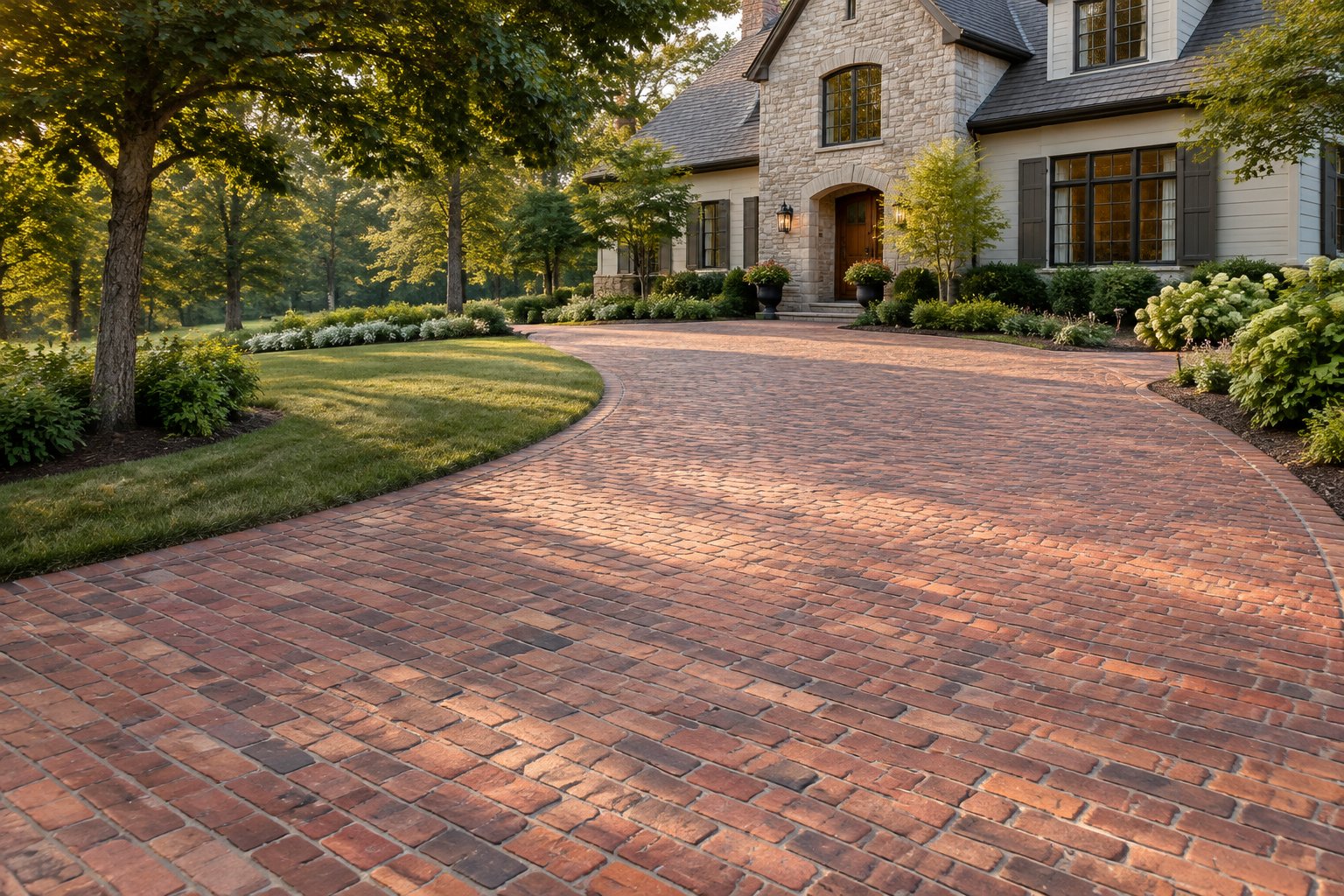
Match walkway materials to the house for a unified look. Reclaimed brick pavers in herringbone give historic charm and a slip-resistant feel. Flagstone or irregular reclaimed stone work well for a rustic, lived-in vibe; keep joints filled with sand or low groundcover like thyme.
Keep main walkways about 36–48 inches wide, side paths around 24–30 inches. A slight slope and coarse bedding help with drainage, so surfaces last.
Choose fencing that fits the period. Low brick or stone knee walls echo the masonry and let you see into the yard. For wood, go for board-and-batten or picket styles, painted or left natural—just don’t pick anything too bright. Wrought-iron gates or simple metal accents add detail without stealing the show from reclaimed materials.
If you need help finding authentic reclaimed brick or stone, New Orleans Brick & Stone can source hand-selected materials and ship quickly.
Maintaining the Charm of Legacy Designs
Keep original materials sound and details sharp. Regular care and careful repairs help preserve character and protect your investment.
Upkeep Tips
Check your exterior twice a year and after big storms. Look for loose mortar, cracked bricks, and damaged flashing near chimneys and rooflines. Clean gently with a low-pressure washer or a soft brush and mild detergent—don’t blast away the patina.
Repoint failing mortar joints with a lime-based mix that matches the original color and hardness. Only swap out badly damaged bricks with reclaimed pieces that fit the size and texture. Seal spots like window sills and door thresholds with breathable products so moisture can escape.
Trim plants and vines away from walls to prevent root damage and excess moisture. Keep gutters clear and downspouts pointed away from foundations. Snap photos and jot notes during repairs so future contractors know what you did and what you used.
Preserving Architectural Details
Protect wood trim, cornices, and decorative masonry with targeted care. Strip loose paint to bare wood, prime, and repaint with good exterior paint. For carved stone or ornate brickwork, skip abrasive cleaning—try poultices or gentle hand tools for stains and biological growth.
If you need to replace a feature, match the original profile and material. Use reclaimed brick, slate, or wood when possible for a consistent look. New Orleans Brick & Stone keeps hand-selected, historic materials ready to ship if you need help sourcing.
Record original measurements and take detailed photos before removing anything. That way, new work mirrors the old, right down to mortar joint width and cornice projection. Hire contractors who know historic techniques—ask for their past restoration work and references.
Built to Feel Established from the Start
A legacy-inspired exterior is not about copying the past. It is about building with the same principles that made historic homes endure. Strong materials, balanced proportions, and thoughtful details come together to create a home that feels grounded the moment it is complete.
Reclaimed brick and stone play a central role in that feeling. Their texture, variation, and proven durability add depth that new materials rarely achieve. Over time, they continue to develop character, reinforcing the sense that the home belongs to its setting rather than standing apart from it.
At New Orleans Brick & Stone, that connection to heritage is paired with reliability. Materials are reclaimed from historic structures, prepared for immediate use, and kept in ready inventory so projects stay on schedule. With direct guidance and fast nationwide shipping, incorporating authentic materials becomes a clear and dependable part of the process.
In the end, the goal is simple. Create an exterior that looks right today and continues to age with strength and character. When the right materials and proportions are in place, the result is a home that feels timeless, cohesive, and built to last for generations.
Frequently Asked Questions
Here are some practical answers about colors, materials, and small projects that add historical character. You’ll find color combos, material picks, and easy ways to get a heritage look without gutting the place.
What are the most popular color schemes for heritage-style homes?
Classic palettes lean on warm whites, soft creams, and muted grays with deep trim colors like charcoal, navy, or forest green.
Brick facades often use warm red or buff tones, paired with dark mortar to highlight texture.
For Southern-inspired homes, try cream siding with dark green shutters and natural wood accents.
Weathered finishes or low-sheen paint help keep the look authentic.
How can I incorporate traditional design elements into my home's exterior?
Add simple, period-correct details: wide eaves, exposed rafter tails, and wood or brick columns.
Pick window styles like divided-lite sashes and use shutters sized to the window.
Mix materials thoughtfully—brick foundation, wood siding, and slate or metal roof all feel authentic.
Even swapping modern light fixtures for lantern-style ones makes a big difference.
What types of materials are commonly used in legacy-inspired home exteriors?
Reclaimed brick, natural stone, slate, and wood are the go-to choices.
These materials show age and texture that new stuff just can’t fake.
Thin brick veneers and reclaimed pavers are good options if budget or weight is a concern.
If you’re after authentic reclaimed options, New Orleans Brick & Stone keeps a solid inventory.
Can you suggest some ways to infuse my home with historical character without a full renovation?
Swap out front-door hardware for period-style brass or iron and add a wide, paneled front door.
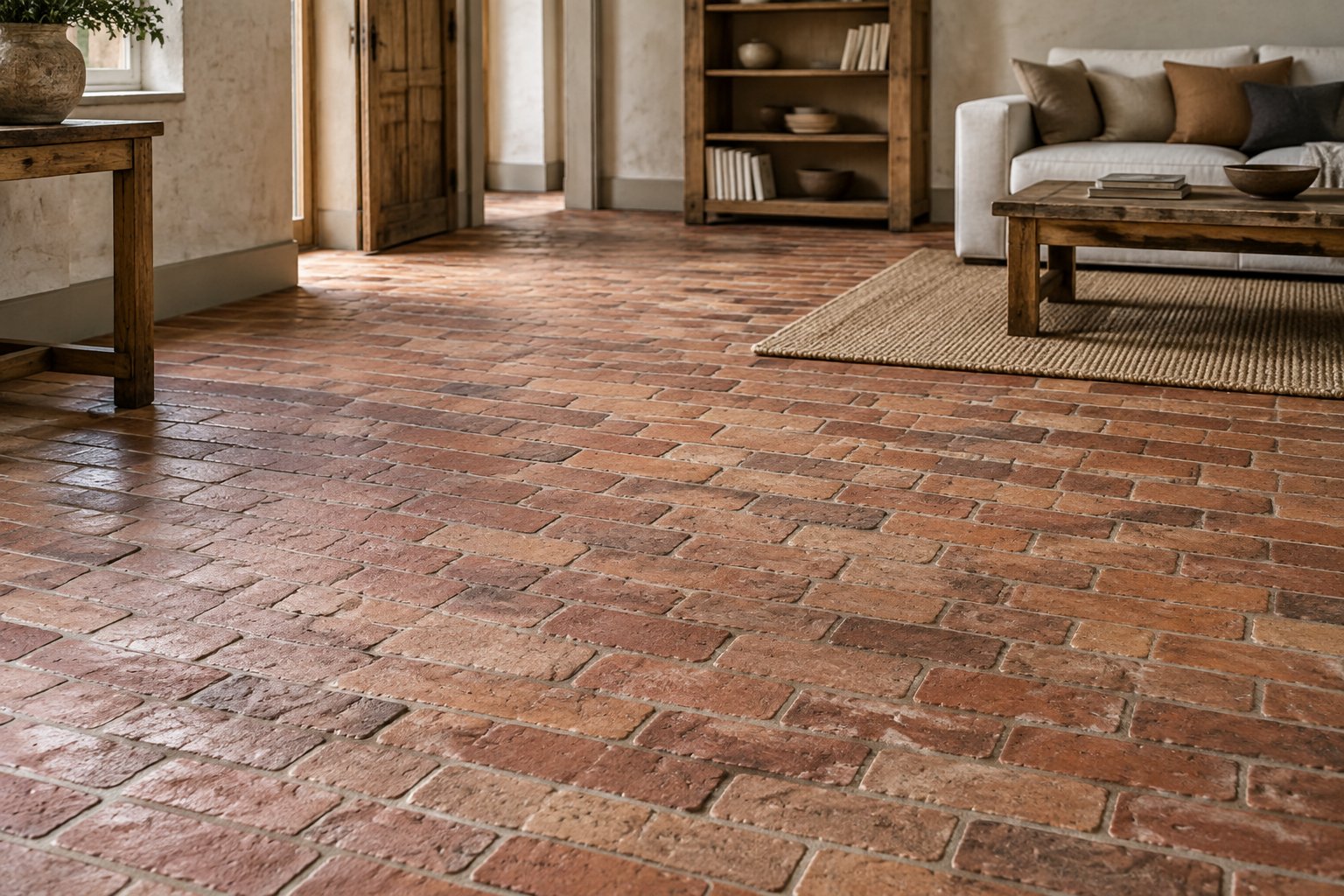
Lay a reclaimed brick walkway or a small porch for instant patina.
Install traditional-style exterior lighting and paint trim in a historic palette.
Use salvaged shutters, railings, or fence sections to add detail without major construction.
What are the defining features of a legacy-inspired exterior?
Expect balanced proportions, durable natural materials, and thoughtful ornament—nothing too showy.
Patina, texture, and hand-crafted details like carved wood, wrought iron, or irregular brick bonds set the tone.
Roofs often feature slate, metal, or wood shingles; porches are common and usually have chunky posts.
The aim is a timeless, lived-in look that fits the local history.
How do I choose the right accessories to complement a heritage home's appearance?
Lean into accessories that echo the building’s era—think simple iron locks, lantern-style lights, or maybe some classic house numbers.
Watch the scale, too. Huge modern fixtures? They’ll just throw off those traditional proportions.
Go for natural materials when you’re picking planters or laying out paths, and honestly, muted patinas usually look better than anything too shiny or new.
If you’re after reclaimed materials or need something shipped fast for a smaller project, New Orleans Brick & Stone is worth checking out.