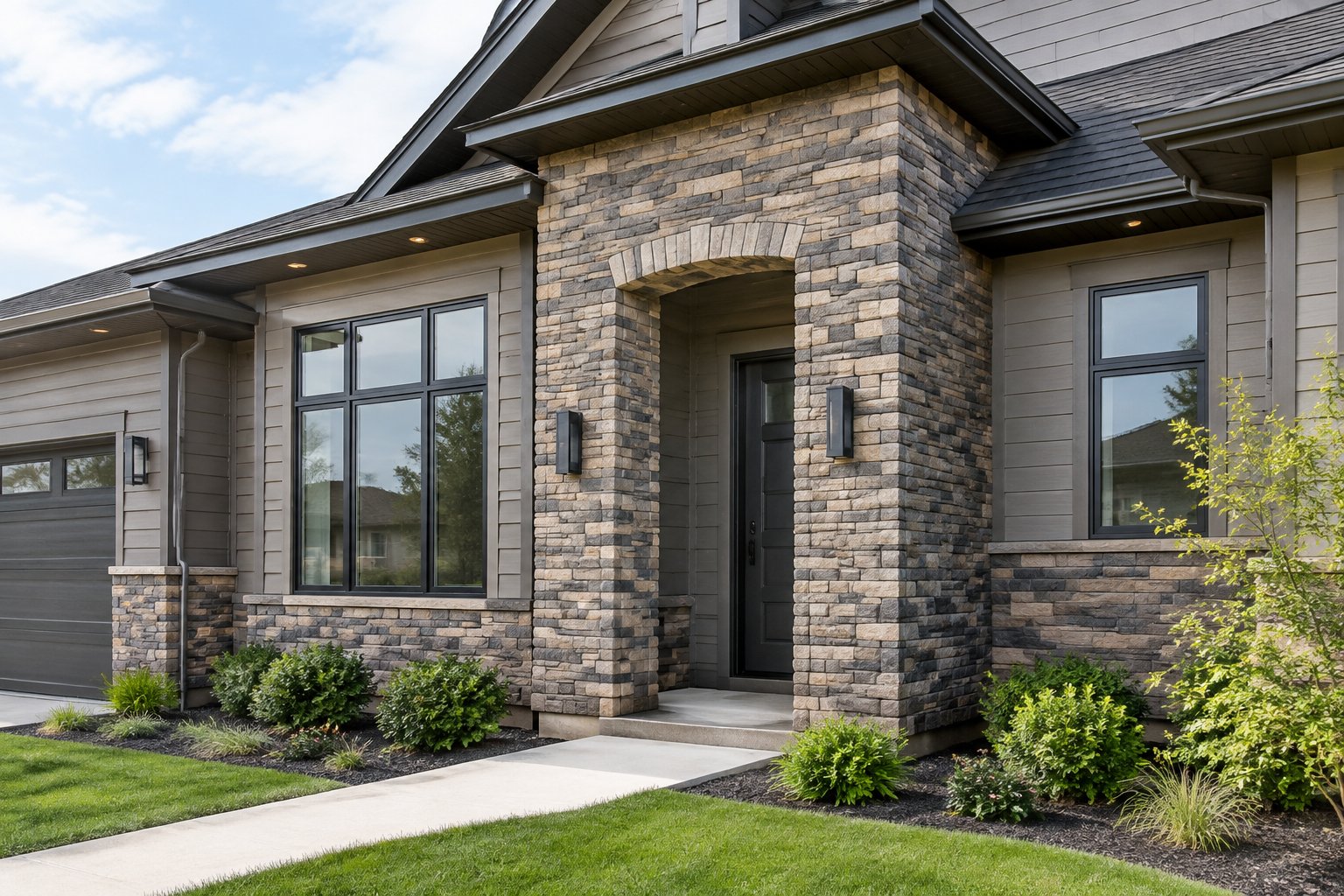
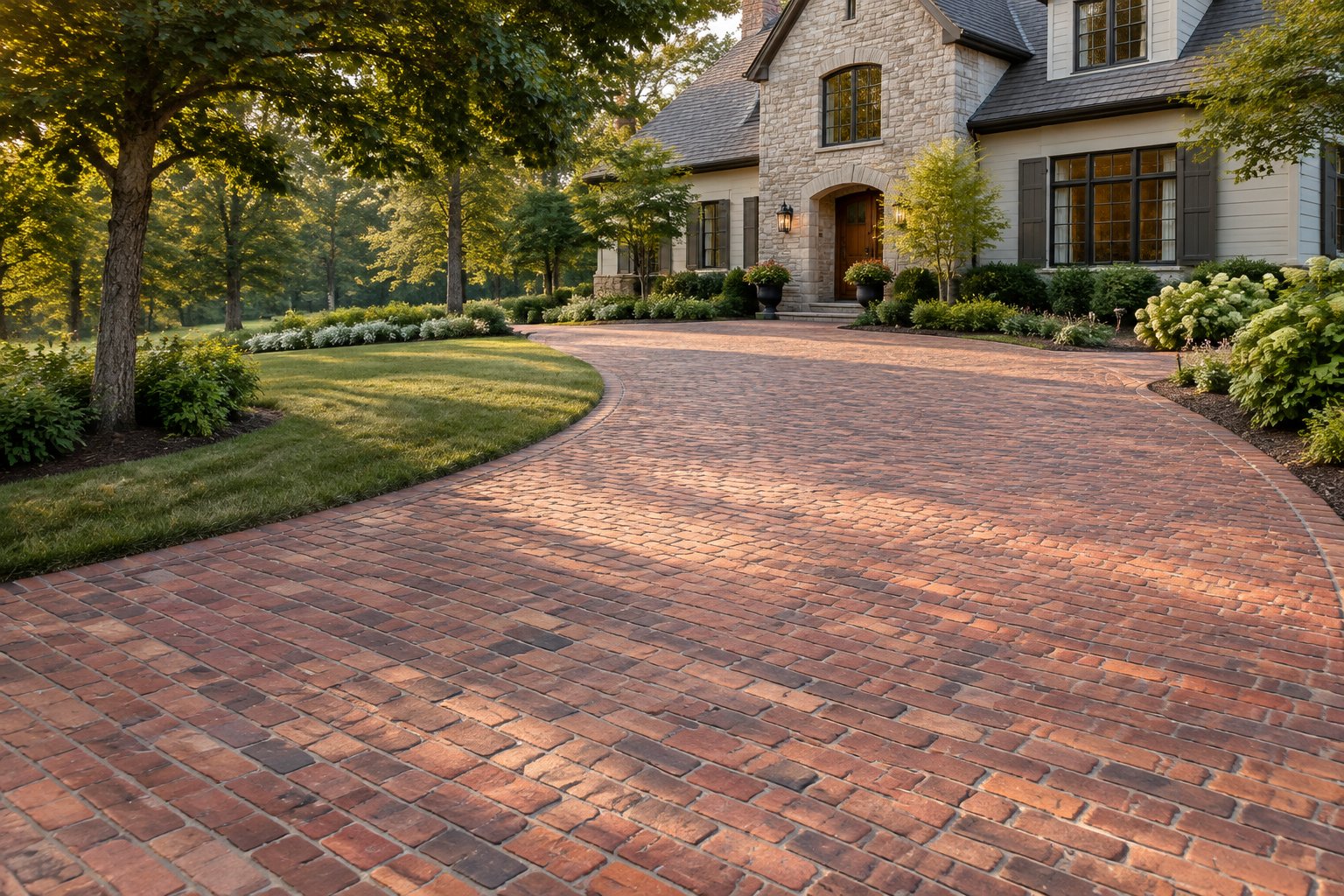
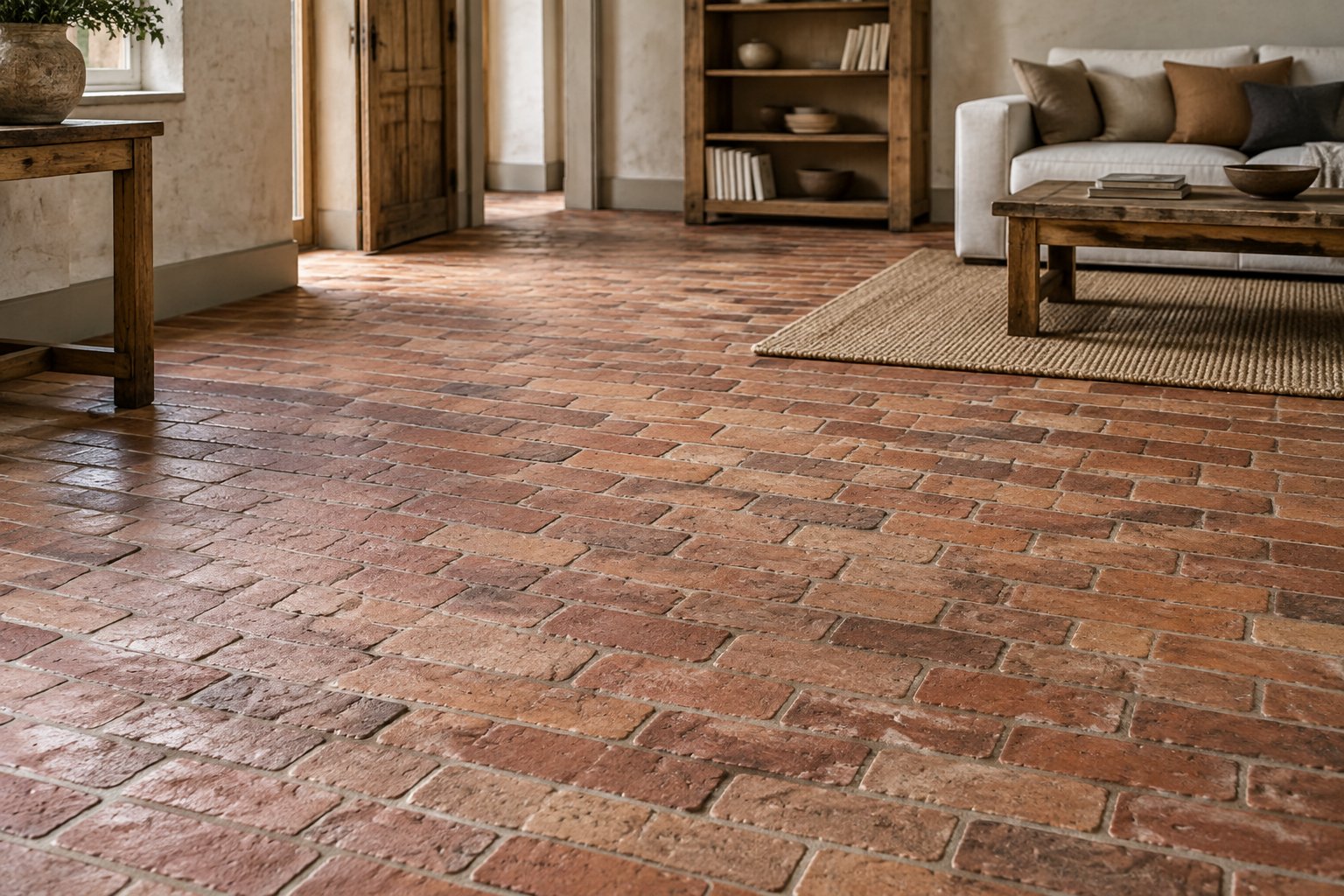
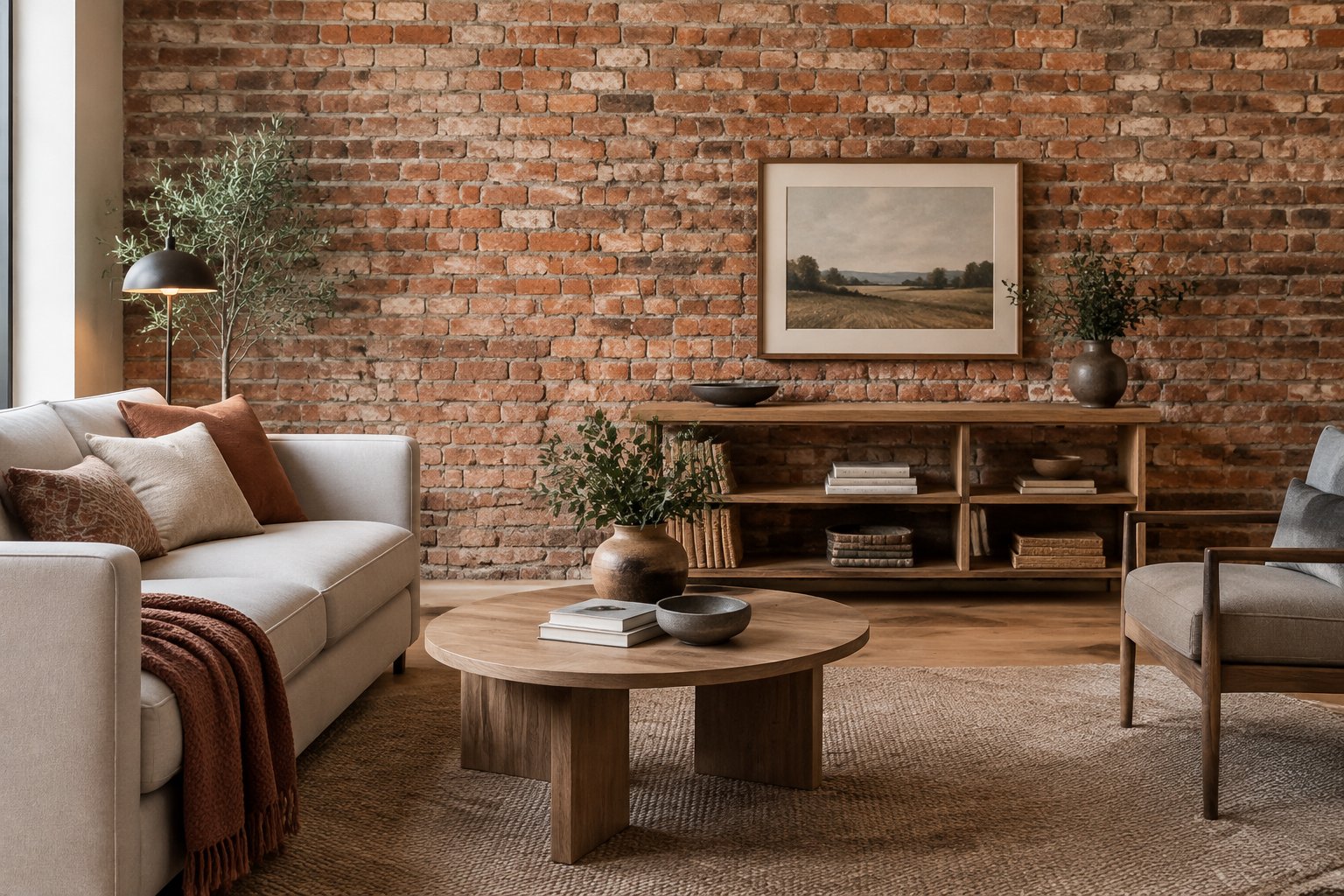
You want your restoration to feel honest and built to last. Using period-correct materials is what makes that possible. It ensures the right appearance, the right performance, and a genuine connection to the building’s history.
Reclaimed brick, stone, and pavers bring that authenticity forward. When they match the original in color, size, and texture, repairs and additions blend seamlessly. The result is not just visually accurate, but structurally sound and true to the way the building was meant to age.
At New Orleans Brick & Stone, reclaimed materials are sourced from century-old structures and carefully prepared for reuse. With ready inventory and fast nationwide shipping, it becomes easier to find materials that align with both the project’s character and its timeline.
In the sections ahead, we will look at how to identify original materials, source authentic reclaimed pieces, and determine when modern alternatives make sense. You will also find practical guidance on mortar matching, structural checks, and avoiding common mistakes so your restoration respects the past while performing well today.
Period-Correct Materials
Period-correct materials match the original look, structure, and feel of older buildings. They help keep historic character intact and often boost long-term durability.
Period-correct materials are either original or carefully matched replacements that copy the size, texture, color, and construction methods from when the building was first created. It’s smart to pick materials that fit the building’s age and style—like hand-molded bricks for a 19th-century facade or lime-based mortar for old masonry.
Using the right stuff protects the historic fabric and avoids damage that modern substitutes sometimes cause. For masonry, mismatched mortar or dense modern brick can trap moisture and speed up decay. Staying true to the period also keeps preservation boards happy and helps maintain property value.
Historical Context
Historic materials reflect local traditions, available resources, and construction techniques from their era. You can often spot a building’s age by looking at brick color, mortar type, stone cuts, or even the nails. For instance, early Southern homes might have soft red brick with wide joints and lime mortar, while later city buildings go for harder, machine-made brick.
Knowing this background helps you make better choices. Always test a sample for porosity, strength, and composition before doing a full replacement. Whenever you can, reclaimed materials from the same era give you the best match in patina and wear. New Orleans Brick & Stone specializes in tracking down these reclaimed gems.
Types of Restoration Projects
Different projects call for different levels of accuracy. Here’s how it usually breaks down:
- Conservation: Do as little as possible. Keep original material and use compatible repairs, like patching or lime mortar re-pointing.
- Rehabilitation: Update systems but keep key features. Only replace what you must, and use period-correct stuff for anything visible.
- Reconstruction: Recreate missing features using originals as a guide. You’ll need to match materials, profiles, and how it’s all installed.
For masonry, plan on testing, sample panels, and mock-ups. That way, you can check color, joint style, and finish before jumping in with a big batch of reclaimed or custom pieces.
Original Materials Used in Restoration Eras
Let’s look at what materials were common in different periods, how to find authentic pieces, and how things shifted as technology and tastes changed.
Common Materials by Decade
1900s–1920s: Brick, limestone, and heart pine were everywhere. Bricks were often hand-pressed, with uneven edges and lots of color variation. Heart pine floors were wide, tight-grained, and usually oiled.
1930s–1950s: Concrete and glazed tile started showing up more. Early concrete blocks went into basements and foundations. Ceramic tile appeared in kitchens and baths, usually with simple geometric patterns.
1960s–1980s: Thin brick veneers, cast stone, and new synthetic siding took over. Bricks got slimmer for veneers. Factory-cut flagstone and slate became popular for patios and roofs.
Authentic Sourcing Techniques
Check the mortar, tooling marks, and wear patterns to verify age. Lime-based mortar looks crumbly and gray; Portland cement mortar is harder and lighter.
When buying reclaimed units, ask for batch consistency. Make sure size, color, and impressions match across the lot. Snap photos of nearby architecture to double-check profiles.
Try small test sections before committing. Set aside extras for repairs later. If you need a lot fast, New Orleans Brick & Stone can ship authenticated reclaimed material on a tight schedule.
Material Evolution Over Time
Clay brick stuck around because it ages well and can be reclaimed. Manufacturing went from hand-pressed to machine-extruded, so you’ll want to match texture and edges on your project.
Timber species changed as old-growth forests vanished. You’ll see wider heart pine in pre-1940 homes and narrower boards later. Metal fasteners shifted from cut nails to wire nails—cut nails are a good clue for dating.
Adhesives and veneer systems evolved, too. Stick with traditional joinery and compatible mortars where it matters, and only use modern sealants where they won’t mess with historic materials.
A Trusted Source for Period-Correct Materials
Sourcing authentic materials is one of the most important parts of any restoration. You need more than the right look. You need confidence in the material’s origin, condition, and performance. That level of certainty comes from working with a source that understands both history and construction.
At New Orleans Brick & Stone, reclaimed materials are sourced from century-old structures and carefully prepared for reuse. Each piece is cleaned, evaluated, and organized into ready inventory so there is clarity around quality, size, and character. This makes it easier to match existing materials and maintain consistency across a project.
Access to real inventory also allows you to review and compare materials before making a decision. Samples can be provided so you can assess color, texture, and scale in relation to your building. This step helps ensure that repairs and additions blend naturally with the original structure.
Just as important is the guidance throughout the process. When you reach out, you speak directly with someone who understands the material and can help confirm quantities, discuss suitability, and coordinate delivery. With nationwide shipping typically within 48 hours, your project can stay on schedule while still using authentic, period-correct materials that preserve the integrity of the design.
Challenges in Using Period-Correct Materials
Finding exact matches is tough, costs can be higher, and blending old with new takes some finesse. Planning ahead for sourcing, budget, and skilled labor keeps things on track.
Availability Constraints
Tracking down genuine old brick, stone, or trim that matches your lot is often a headache. Many quarries closed, and old brick was fired differently, so sizes and colors vary. If you need a lot for a visible spot, you risk running out mid-project.
Salvage sources can be hit or miss. Reclaimed batches might include broken bits, leftover mortar, or inconsistent bricks. You can speed things up by working with a supplier who keeps stock on hand. If you can’t get perfect matches, use complementary runs, blend reclaimed with replicas, or reserve extra before you start.
Cost Considerations
Authentic reclaimed materials almost always cost more than new stuff from the store. That price covers careful removal, sorting, cleaning, and testing. Skilled labor adds, too—masons with experience in thin joints or lime-based mortar charge more.
Budget for hidden costs: extra prep, special fasteners, and waste from unusable pieces. Compare costs for materials, lead time, skilled labor, and shipping. If your supplier stocks hand-selected reclaimed units, you might dodge rush fees or pricey delays.
Matching Patina and Finishes
Patina comes from years of weather and use—there’s no real shortcut. New bricks might have the right color but look too sharp and clean. That contrast stands out on corners or chimneys.
Test small mock-ups on site to check the look. Mix salvage with carefully aged new units, custom stain, or match mortar color. Ask masons to vary joint depth and tooling to mimic old work. If you’re sourcing reclaimed, inspect samples for surface wear and mortar remnants to get as close as possible before you commit.
Restoring with Integrity and Confidence
Working with period-correct materials is what allows a restoration to feel complete, not pieced together. When brick, stone, and mortar are chosen with care, the result is seamless. The building retains its character, and the work holds up over time without creating new problems.
Reclaimed materials make that possible. Their proven durability, natural variation, and connection to historic construction methods ensure that repairs blend in rather than stand out. They do more than match the original. They continue the story of the structure in a way that feels authentic and lasting.
At New Orleans Brick & Stone, that approach is built into every order. Materials are reclaimed from century-old structures, prepared for immediate use, and kept in ready inventory so projects stay on schedule. With direct guidance and fast nationwide shipping, sourcing period-correct materials becomes a clear and reliable step in the restoration process.
In the end, a successful restoration is not just about preserving what was there. It is about making thoughtful choices that respect the past while ensuring the building performs for decades to come. When the right materials are used, the result is work that feels true, durable, and built to endure.
Frequently Asked Questions
Here’s a quick dive into common questions about picking, classifying, and using materials for restorations. You’ll get the nuts and bolts on selection, history, compatibility, and what’s new so you can make solid calls.
What are the key factors in choosing materials for dental restorations?
Match the strength to the tooth’s job. Use tough stuff like ceramics or metal alloys for back teeth that chew a lot, and go for composite or glass ionomer up front where looks matter more.
Think about how the material wears, how long it’ll last, and how it bonds to the tooth. Double-check for allergies or sensitivity—no one wants a reaction.
Aesthetics and cost count too. Some materials look more like real teeth, but others are cheaper and might need replacing sooner.
How have restorative materials in dentistry evolved over time?
Dentists started out using metals like gold and silver amalgam because they lasted. Over time, people wanted better-looking and safer options, so composites and ceramics took off.
Bonding techniques got better, so materials could stick right to the tooth. That meant less drilling and more natural results.
Now, lab-made ceramics and CAD/CAM tech are everywhere, giving crowns and inlays a reliable fit and solid strength.
Can you list the classifications of restorative materials used in dentistry?
Temporary materials: for short-term crowns or fillings, like zinc oxide-eugenol or temporary resins.
Direct restorative materials: placed and shaped right in the mouth, such as composite resin and glass ionomer.
Indirect restorative materials: made outside the mouth, then cemented in, like porcelain, zirconia, and gold alloys.
Don’t forget liners and bases to protect the pulp, plus luting cements for bonding indirect stuff.
What are the differences between direct and indirect dental restorations?
Direct restorations happen in one visit and are shaped on the tooth—think composites or glass ionomers for small to medium repairs.
Indirect restorations need lab work or milling, so you’re looking at two or more appointments. These include crowns, bridges, onlays, and veneers, and they’re the go-to for bigger jobs needing more strength and precision.
Indirect stuff tends to last longer, but it costs more and takes more planning.
How does one determine the compatibility of dental materials with various restoration types?
Look at mechanical properties like flexural strength and wear resistance, especially if the tooth takes a lot of load. Ceramics or metal alloys are best for high-stress spots.
Check how well the material bonds to the tooth and to the cement you’re using. Some ceramics need special prep to stick right.
Think about patient habits—grinding, allergies, how much they care about looks. Chat with your lab or supplier to match the material to the situation.
What are the latest advancements in materials used for dental restorations?
High-strength ceramics like translucent zirconia now bring both toughness and a more natural look—definitely a step up from older versions. Nanohybrid composites? They’re making direct restorations smoother to polish and less likely to wear down over time.
Bioactive materials that release fluoride or help teeth remineralize are starting to catch on. Plus, digital workflows—think CAD/CAM and 3D printing—make fabrication faster and the fit a whole lot more precise.
If you’re after historic-looking masonry or period-correct reclaimed stone for a restoration project outside of dentistry, New Orleans Brick & Stone can help source authentic materials pretty quickly.