You can bring instant warmth and a sense of history into your home by using reclaimed brick. It offers authentic texture, rich color variation, and a depth of character that new materials rarely achieve. Whether used on fireplaces, accent walls, patios, or garden paths, it creates spaces that feel grounded and enduring.
The appeal is in the detail. Weathered reds, soft grays, and gently worn edges introduce natural variation that pairs beautifully with wood, metal, or smooth plaster. The result feels balanced. Lived-in, yet intentional.
At New Orleans Brick & Stone, reclaimed brick is hand-selected from historic structures and carefully prepared for its next use. With inventory on hand and fast nationwide shipping, you can move forward confidently without delays while still working with materials that carry real history.
In the sections ahead, you will find design ideas, material pairings, and practical guidance to help you plan a project that fits your style and timeline. From interior features to outdoor spaces and unexpected applications, reclaimed brick offers a durable and timeless way to build with character.
What Are Reclaimed Bricks?
Reclaimed bricks are old bricks pulled from demolished or renovated structures and made ready for new use. They come with surface wear, color shifts, and historic character that new bricks just can’t match.
Reclaimed bricks get salvaged from buildings, streets, bridges, or factories—usually at least a few decades old. They often show leftover mortar, chips, and a patina from years of weather and use. Those marks tell a story and give a wall that comfortable, lived-in vibe.
People have reused bricks for centuries, mostly to save time and money. But lately, homeowners and architects are picking reclaimed brick for its authenticity and the appeal of aged surfaces. You’ll see bricks from Victorian homes, warehouses, even old street pavers.
Benefits of Using Reclaimed Materials
Reclaimed brick brings visual depth and unique color variation to any project. That texture makes spaces feel grounded and cozy—no fake aging required. Bricks from old buildings are usually dense and tough, since they were fired before shortcuts became common.
Using reclaimed brick cuts down on landfill waste and means less new clay is dug up. You save a surprising amount of energy compared to making new bricks. For restoration, matching an old facade is way easier with the real thing.
How Reclaimed Bricks Are Sourced
Suppliers salvage bricks from demolition jobs, historic building teardowns, and salvage yards. Teams hand-remove, sort, and check each brick for strength and size. They clean off old mortar and usually sort bricks by color, wear, and best use.
Some dealers, like New Orleans Brick & Stone, hand-pick bricks from old structures, test them, and keep plenty in stock. When you buy reclaimed brick, ask about the source, grading, and if they offer mixes that make restoration easier.
Popular Styles in Reclaimed Brick Design
Reclaimed brick adds texture, history, and warmth. It fits right in with raw, rustic, or even more polished styles, and always brings its own personality.
Industrial Chic
Industrial chic is all about exposed reclaimed brick walls, steel, and concrete. Try a full-height brick wall in an open-plan living room or kitchen—it anchors metal shelving and makes pendant lights stand out.
Use darker, reclaimed red or deep brown bricks behind a steel range or a black-framed glass partition. Seal brick in kitchens to resist stains, but stick with a matte finish to keep the texture. For lofts, pair brick with reclaimed wood beams and simple furniture for a grounded, functional feel.
Modern Farmhouse
Modern farmhouse style mixes clean lines with the warmth of reclaimed brick. Thin-brick veneers work for fireplaces, feature walls, or backsplashes—classic, but updated. Softer tan or buff bricks play well with white shiplap and painted cabinets.
Lay brick in running bond or herringbone behind open shelves for depth. Keep mortar joints a bit recessed and use neutral grout so each brick’s color stands out. Vintage lighting and woven textiles help soften the look and make it feel cozy.
Eclectic Urban Spaces
Eclectic urban spaces love mixing reclaimed brick with bold colors, art, and a mix of materials. Try a brick gallery wall, float some shelves, or combine brick with murals. Mismatched reclaimed pavers make great small patios or courtyard floors, layering in history underfoot.
Pair aged brick with bright upholstery and modern rugs for contrast. For renters or adaptive reuse, thin brick panels go right over drywall. If you want help finding the right pieces fast, New Orleans Brick & Stone can point you to hand-picked reclaimed options for city projects.
Reclaimed Brick in Interior Spaces
Reclaimed brick brings depth, texture, and a lived-in feel to any room. It works with modern finishes and suits kitchens, living rooms, and entryways that could use a little soul.
Feature Walls
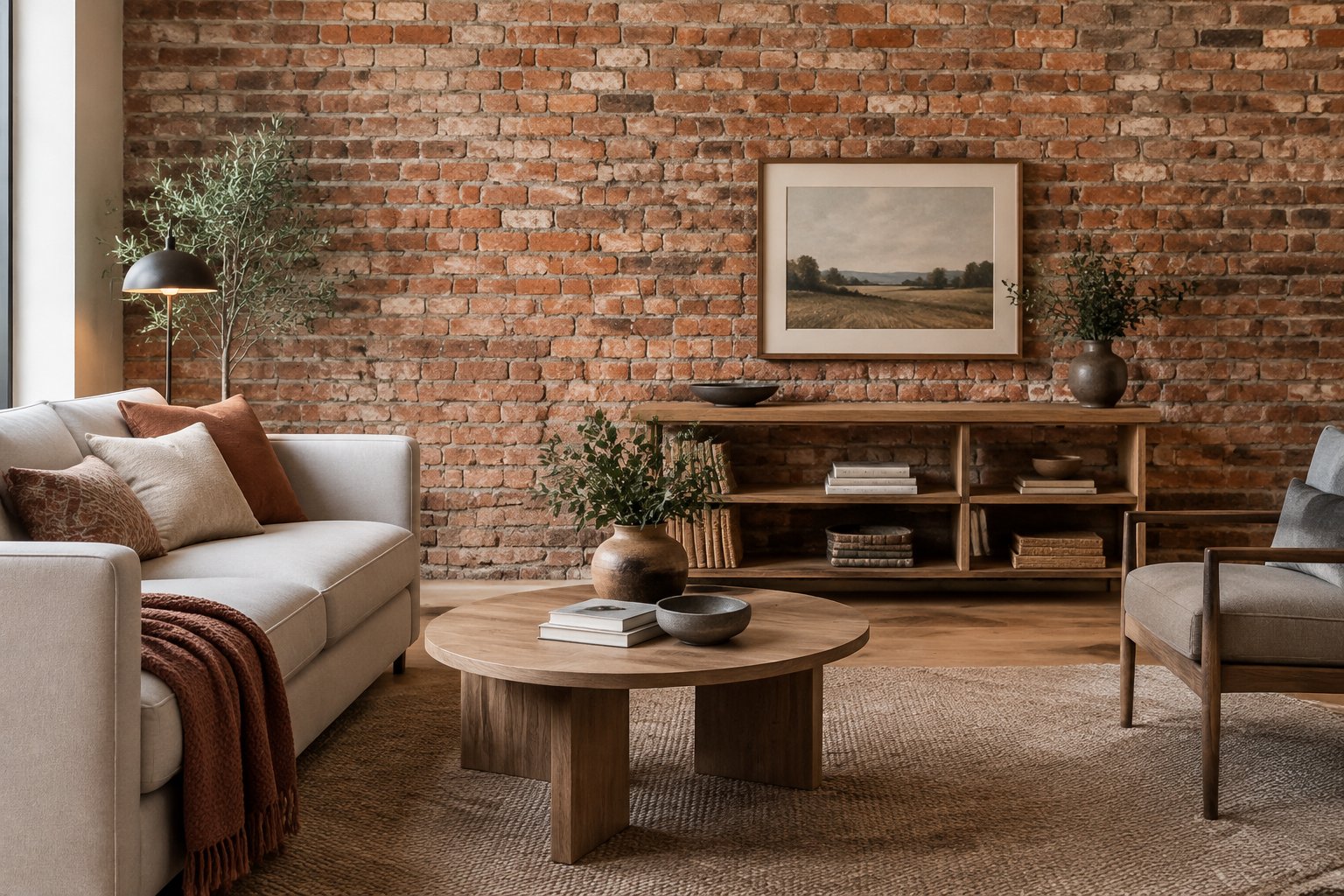
Try a reclaimed brick wall behind your bed, sofa, or in the entry. Pick bricks with varied tones and chipped edges for visible history. Running bond is classic, herringbone adds a bit of drama.
Seal with a low-sheen, breathable sealer to cut down dust but keep the patina. A slim metal or wood trim at the top and bottom tidies up the edges and transitions to painted walls.
Lighting’s huge—one or two wall washers or picture lights really bring out the texture. Keep furniture simple so the brick shines. If you need matching or hand-selected brick, New Orleans Brick & Stone can hook you up fast.
Fireplace Surrounds
Reclaimed brick is perfect for fireplace surrounds—warm, durable, and never boring. Use full-thickness brick for a classic hearth, or thin-brick for lighter remodels. Stagger mortar joints a bit; too neat and you lose that historic edge.
For safety, put a proper noncombustible backer behind the brick and check local codes for clearances. A chunky wood mantel looks great against tan or red brick and gives you a spot for art or plants. Seal brick facing the firebox to resist soot, but leave the rest matte for authenticity.
Match the surround to your room size: big hearths suit open spaces, slimmer aprons fit cozy rooms.
Kitchen Backsplashes
A reclaimed brick backsplash adds instant texture and warmth. Use thin-brick tiles or full brick, depending on how far you want it to go and how easy you want cleaning to be. Near the stove, pick a washable grout and breathable sealer to handle grease.
Running bond is forgiving and classic; stacked bond feels more modern. Trim with metal channel or a rowlock cap for clean edges and to avoid chips.
Pair brick with stainless appliances and open wood shelves. If you cook a lot, put ceramic tile right behind the range and frame it with brick—best of both worlds for looks and easy cleaning.
Outdoor Applications for Reclaimed Brick
Reclaimed brick brings aged color, strong structure, and instant character outside. Use it where you want durability, low upkeep, and a bit of history.
Patios and Courtyards
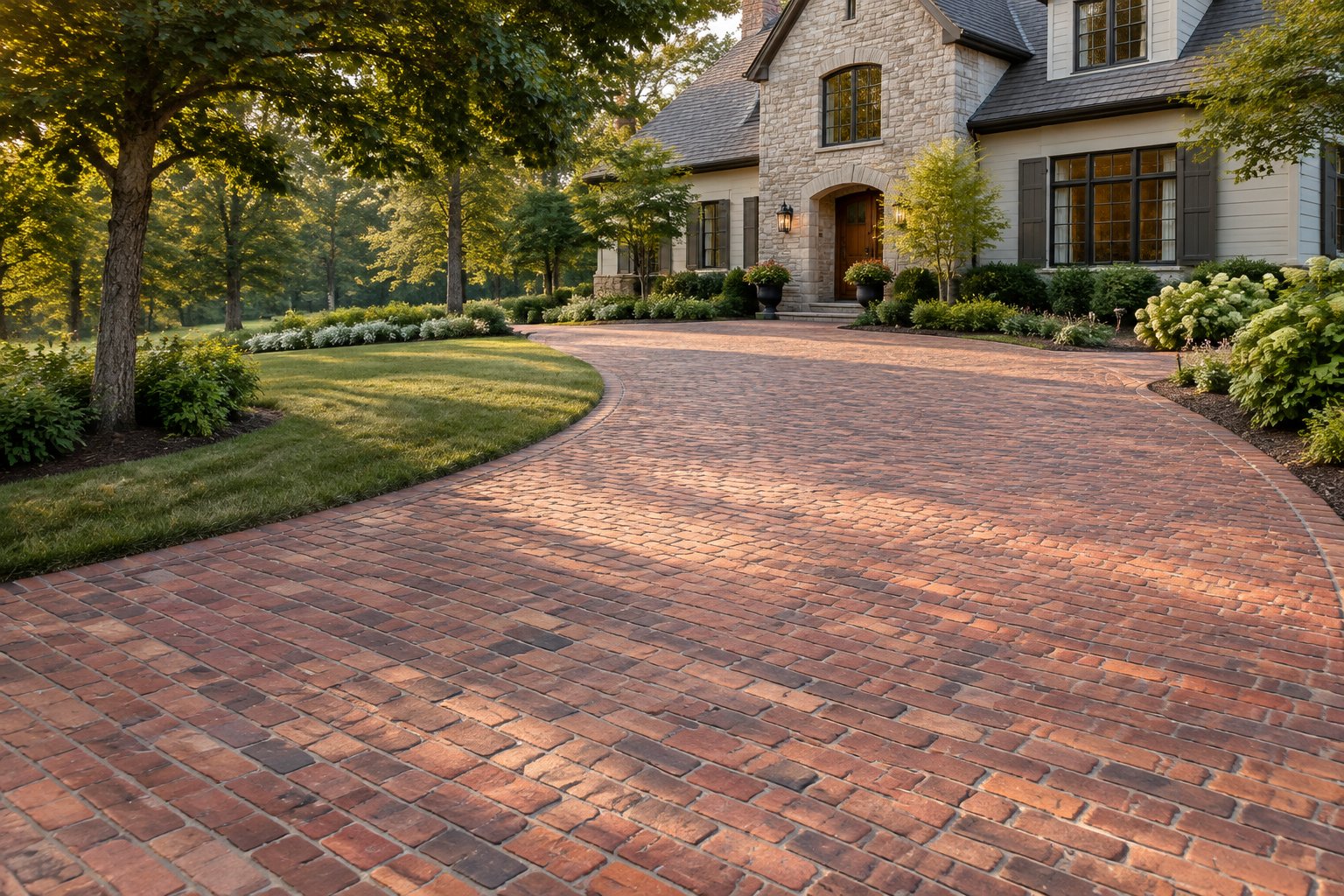
Reclaimed brick patios just feel right from day one. Lay bricks in herringbone, basketweave, or running bond—herringbone’s especially good where people and furniture move around. Choose sand or mortar joints based on if you want a flexible or solid feel.
Pick bricks with mixed tones and worn edges for a layered look. Only seal if you need stain protection; most folks love the natural patina. For drainage, slope the patio away from the house and use a gravel base to prevent heaving.
Mix with bluestone steps, pea gravel, or cedar planters for more texture. If you’re on a deadline, New Orleans Brick & Stone usually has plenty in stock and can help match historic colors.
Garden Paths
Brick paths guide you through the garden and set the mood. Narrow 12"–36" paths look great in running bond; wider ones can handle herringbone or soldier courses. Lay bricks on sand for a softer, natural feel—plants can even peek through the joints.
Wider joints with groundcover like thyme or moss give a cottage vibe. For heavy foot traffic, mortar the joints to keep bricks in place. Edge with stone, metal, or brick to prevent spreading.
Choose bricks with some texture for better grip when wet. Curves work better than sharp turns and feel more natural in a garden.
Exterior Facades
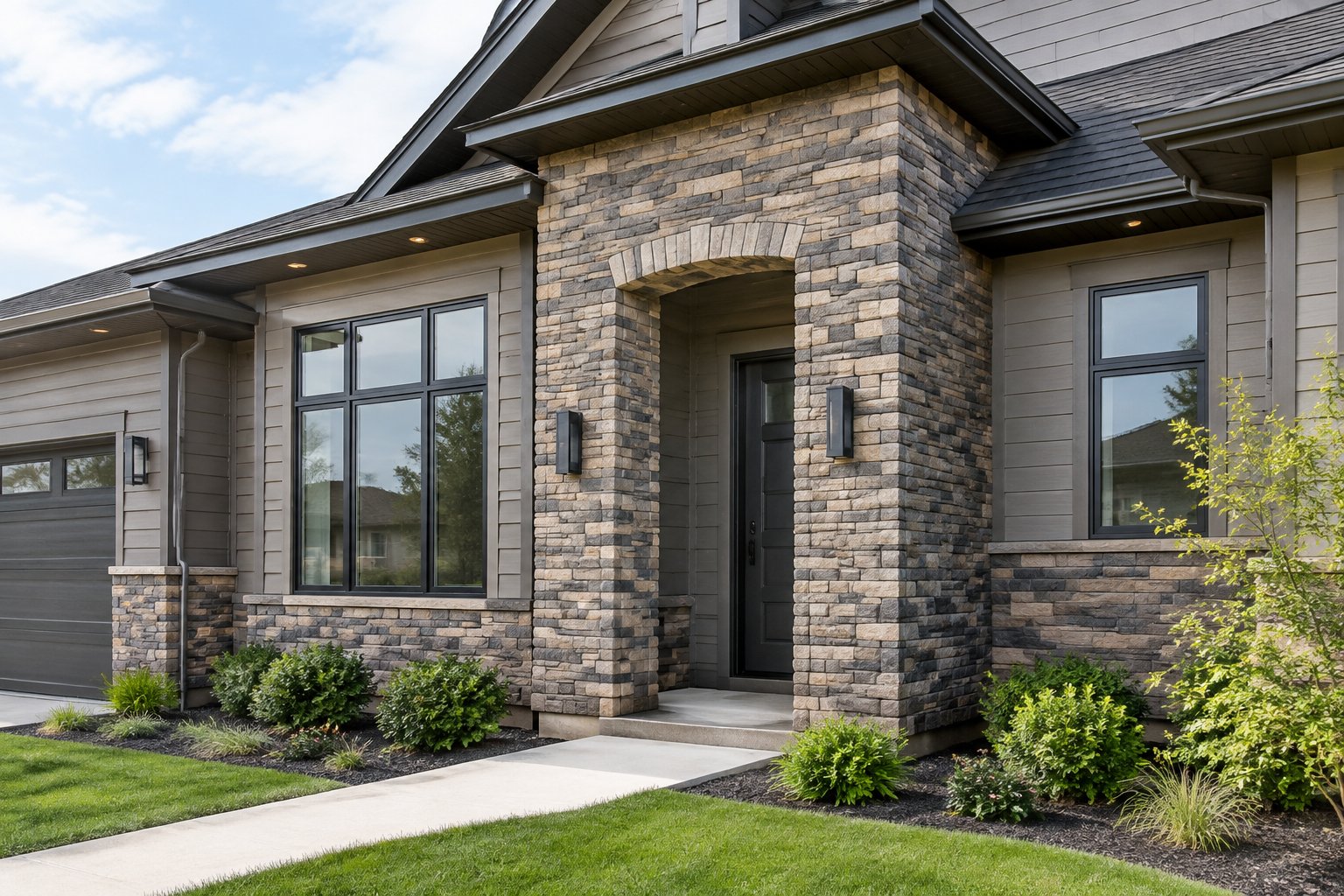
Reclaimed brick facades add depth and historic authenticity to walls and chimneys. Irregular faces and deep color variation really set them apart. Pick mortar color and joint style to complement the brick. Use lime-based mortar for older bricks—it’s more forgiving and lets the wall breathe.
Check bricks for soundness and save any soft or damaged ones for garden walls or accents. For structural walls, follow local codes and use proper tie-ins. Flashing and weep vents are a must to keep water out.
When matching a historic building, bring samples to your supplier and ask for hand-picked lots. If you need help sourcing and testing bricks, New Orleans Brick & Stone can help with that too.
Uses for Reclaimed Brick
Reclaimed brick brings warmth, texture, and history to rooms, outdoor spaces, and even furniture. Use it for big projects or just a few accents to add real character.
Furniture and Decor Accents
Try building a low coffee table base or a chunky tabletop plinth with reclaimed brick. Stack and mortar bricks for a sturdy base, then add wood or glass on top. The rough edges and patina look great with simple, modern surfaces.
Thin-brick veneers work for shelves, bookcase backs, and console tables. Seal with a breathable masonry sealer to avoid dust and keep the color true. For small decor, use single bricks as bookends, doorstops, or planters (just hollow them out and line them).
Match brick color and texture to the rest of your space. Keep mortar joints tight for furniture—loose joints are hard to clean. Stick felt feet under heavy pieces so you don’t scratch up your floors.
Artistic Installations
Make a patterned accent wall with whole bricks in herringbone, basketweave, or soldier courses. Mix up sizes and tones for a patchwork effect, or sort by color for stripes. Use thin-set and backer board if you’re going over drywall.
Try mosaic panels with thin brick slices and metal inlays for a statement above a mantel or behind a sink. Brick columns or freestanding piers can mark a doorway or garden path. For a wow factor, tuck low-voltage LED strips in channels between bricks to highlight texture at night.
Plan layouts with full-size mockups, test grout and sealers on spare bricks, and allow for movement outdoors. Artistic projects really benefit from hand-picked bricks—New Orleans Brick & Stone is a good bet for unique, historic options.
Structural Details
Use reclaimed brick for fireplaces, chimneys, and exterior facades where you need strength. Bricks from old buildings usually meet or beat today’s standards, but always test or confirm before using them structurally.
For load-bearing walls, use proper ties and mortar that matches the brick’s porosity. On exteriors, install drainage planes and weep holes to keep moisture out. Repair cracked bricks with epoxy or swap out only the worst ones to keep the historic look.
If you’re restoring a building, document the original patterns. Salvaged brick helps match historic projects and brings a patina you just can’t fake. Work with a mason who knows reclaimed materials for safe, code-compliant results.
Color Palettes and Texture Pairings
Lean into warm, aged tones, but keep things grounded with simple materials. Paint, wood, metal, and lighting choices all play a part in showing off the brick’s patina and history.
Complementary Paint Colors
Pick paint that sets the scene, not something that fights with the reclaimed brick’s color and texture.
For soft red or tan bricks, warm neutrals like cream, warm greige, or muted taupe work well. They let the brick’s character shine and keep spaces feeling open.
If you’re working with deep red or soot-dark brick, try cool contrasts: soft slate blue, deep charcoal, or sage green. These tones balance the brick’s heaviness and add a modern edge.
Accent walls? Use them sparingly. One painted trim or a ceiling in a lighter or darker shade can tie things together without fighting for attention.
Always test paint right next to the real brick and under your actual lighting. Colors can shift wildly with sunlight or warm bulbs.
Mixing With Wood and Metal
Pair reclaimed brick with wood that feels like it belongs—similar age and tone help everything blend.
Warm, medium-tone woods like oak or chestnut keep things classic. Reclaimed or hand-finished planks echo the brick’s worn vibe. For a sleeker, modern look, go for smooth, darker woods like walnut.
Don’t overdo it with metal. Aged brass, matte black, or oil-rubbed bronze usually hit the mark. Brass brings out warmth in lighter bricks; black metal sharpens up pale bricks and frames shelves or mantels.
Play with textures: rough brick, smooth metal, and a natural wood shelf create a nice mix. Keep hardware on the smaller side so the brick gets the spotlight.
Lighting Considerations
Lighting really changes how reclaimed brick comes across, so plan for layers: ambient, task, accent.
Go with warm bulbs (2700K–3000K) to make the brick glow. Track or recessed lights spread light evenly and avoid glare. For focused spots, add fixtures you can aim along the brick.
Accent lighting makes texture stand out. Wall washers, uplights, or LED strips that graze the brick highlight mortar lines and patina. Place fixtures where shadows deepen texture—near reliefs or weathered spots.
Dimmer switches let you set the mood as the day changes. If you’re working with a supplier like New Orleans Brick & Stone, ask for sample bricks to test with your lighting.
Tips for Incorporating Reclaimed Brick
Pick bricks that suit your project’s color, size, and wear needs. Consider structure, finish, and how the bricks will look with mortar, trim, and other materials.
Selecting Quality Bricks
Look for bricks that feel dense and don’t have big cracks. Tap a few—they should sound clear and solid. Bricks from century-old buildings often have the best patina and real historic character.
Match size and face profile to nearby work so new and old blend visually. Ask for a sample pallet or a few loose bricks to test color, cleaning, and cutting. If you need structural brick, check compressive strength and get a mason’s okay.
Watch out for paint or heavy mortar that could mess with adhesion or looks. If you’re buying from a supplier, ask about where the bricks came from, what testing was done, and how they were processed. New Orleans Brick & Stone keeps hand-selected inventory and ships samples fast.
Installation Best Practices
Start with a solid, level base—if it’s for paving, compact it well. Use lime or hydraulic-lime mortar for historic-style joints; it moves with the building better than modern, super-strong mixes. Match mortar color to the grout lines so the reclaimed face stays the star.
Lay bricks dry first to plan your layout, avoid weird cuts, and keep patterns consistent. Use stainless-steel ties or anchors to secure brick veneer to framed walls. For fireplaces, use fire-rated mortar and backer materials to meet code.
Cut bricks with a masonry saw and diamond blade for clean lines. If you’re reusing heavily worn bricks, rotate darker or rougher ones to less visible spots for an even look. Always follow local codes and check with a structural engineer for anything load-bearing.
Maintenance for Longevity
To seal or not? It depends on exposure and the look you want. Use a breathable masonry sealer outdoors to keep water out but let moisture escape. Non-breathable sealers trap water and can cause spalling.
Clean gently—a soft brush and low-pressure water are best. Sandblasting is too harsh and risks ruining the historic surface. Repoint with matching mortar when joints fail—keep the color and profile similar for a seamless look.
Check each year for loose bricks, damp spots, or mortar cracks. Only fix what’s broken, and keep notes on what products or methods you used. If you got your bricks from a specialist like New Orleans Brick & Stone, jot down the batch info for future repairs.
Sustainable Design with Reclaimed Brick
Reclaimed brick cuts waste and saves energy by giving old materials new life. You keep bricks in use, which means less demand for new ones.
There’s just something about the character reclaimed brick brings. Its weathered color and texture give a space a lived-in, genuine feel that still works with modern finishes.
Use reclaimed brick indoors or out. Accent walls, fireplace surrounds, or courtyard paving all bring a sense of history to daily life.
Think about finish and sealing to protect the brick and help it last. The right sealant makes maintenance easier and keeps the brick looking sharp for years.
A good supplier makes a difference for sustainability. New Orleans Brick & Stone hand-selects authentic reclaimed materials from old structures and preps them for reuse.
Quick delivery keeps your project moving and avoids long storage that can cause damage. Fast shipping means you get started sooner and avoid extra handling.
Some practical reminders:
- Check bricks for soundness before you reuse them.
- Clean gently to keep the patina.
- Use breathable mortars and sealers so moisture doesn’t get trapped.
Reclaimed brick really does support long-lasting design. You get that historic charm and a lighter environmental footprint in one go.
Reclaimed Brick Design Inspiration for Cozy Indoor and Outdoor Spaces
Reclaimed brick brings something hard to replicate: real history, natural variation, and a sense that your space has evolved over time. Whether you use it for a feature wall, a fireplace, a patio, or a garden path, it adds texture and depth that instantly makes a home feel more grounded and inviting.
What makes it work so well is its flexibility. It can lean industrial, soften a modern farmhouse, or anchor an eclectic urban space. Indoors, it creates warmth and contrast against clean finishes. Outdoors, it blends seamlessly into landscapes and holds up to years of use without losing its character.
Choosing reclaimed brick also means building with intention. You’re reusing materials that have already proven their durability, reducing waste, and creating something that feels authentic from day one. With the right installation and care, it only gets better over time.
At New Orleans Brick & Stone, reclaimed brick is carefully sourced, cleaned, and prepared for immediate use. With inventory on hand and fast nationwide shipping, you can move forward confidently and keep your project on schedule while still achieving a truly timeless look.
As you plan your space, focus on balance—mix textures, test materials in your lighting, and don’t over-polish the natural imperfections. That’s where the character lives. Done right, reclaimed brick doesn’t just finish a space—it gives it a story.
Frequently Asked Questions
Here are some practical answers to help you plan and use reclaimed brick. You’ll find project ideas, garden tips, checklists for picking bricks, care advice, cost factors, and places to look for exterior inspiration.
What are some creative ways to use reclaimed bricks in home decor?
Try a living room feature wall or frame a fireplace for instant texture and history.
Use thin brick as a kitchen backsplash or behind open shelves for a warm, lived-in vibe.
Build a low partition or wine wall with brick and floating shelves.
Single bricks make great bookends, door thresholds, or stair risers for subtle, authentic touches.
How can I incorporate reclaimed red bricks into my garden design?
Raise garden beds or build low retaining walls with solid red bricks for color and structure.
Lay bricks in a herringbone or basketweave pattern for a tough, good-looking path.
Stack bricks for planters or a pizza oven base.
Use individual bricks to edge flower beds or define a patio.
What should I consider when selecting reclaimed bricks for a kitchen backsplash?
Check each brick for cracks, white residue, and water damage before you buy.
Pick bricks that match in thickness and surface so installation’s easier.
Decide if you want sealed or unsealed—sealing cuts down on stains but changes the look.
Make sure you can get enough matching pieces plus a few extras for cuts and mistakes.
Can you give tips on maintaining the rustic charm of recycled bricks in a modern setting?
Clean gently with a soft brush and mild soap; skip strong acids that strip patina.
Repoint only where needed, using mortar that matches the old color to keep that historic feel.
A matte sealer protects against stains but keeps texture visible.
Let some variation and wear show—it’s all part of the reclaimed brick’s story.
What are the cost factors involved in sourcing and using reclaimed bricks for a project?
Price depends on how rare, consistent, and clean the bricks are.
Labor for cleaning, sorting, and specialized installation adds to the total.
Shipping and handling can get pricey, especially for heavy loads crossing the country.
Plan for extra material to cover cuts, breakage, and future repairs in your estimate.
Where can I find inspiration for using solid red bricks in exterior home design?
Take a stroll through historic neighborhood facades, browse old storefronts, or just admire period cottages—these spots are packed with ideas for layouts that actually work.
Scroll through restoration projects or dig into architectural blogs; you’ll spot all sorts of patterns, lintels, and bonding tricks people have tried (some more successfully than others).
If you’re after real, reclaimed solid red bricks—and maybe a bit of advice on what matches what—New Orleans Brick & Stone has a solid inventory and folks who actually know their stuff.