You can give a modern farmhouse real depth and character by choosing materials that already carry a story. Reclaimed wood, brick, stone, and metal introduce texture and warmth while still working within clean, modern lines. The result feels balanced, comfortable, and built to last.
What makes this approach stand out is how naturally old and new come together. A reclaimed wood floor softens crisp white walls. A brick fireplace anchors an open living space. Weathered stone on an exterior adds weight and permanence that newer materials often lack.
At New Orleans Brick & Stone, reclaimed brick and stone are sourced from historic structures and prepared for reuse. With inventory ready and fast nationwide shipping, it is easier to keep your project moving while still using materials that bring real authenticity.
In the sections ahead, you will see how these materials work across interiors and exteriors, which options hold up best in high-traffic areas, and how to mix aged surfaces with modern finishes. You will also find practical guidance on sourcing, installation, and maintenance so your modern farmhouse feels both refined and rooted.
Reclaimed Materials
Reclaimed materials bring age, texture, and lasting strength to modern farmhouse projects. They cut waste, save resources, and link your home to real places and real craft.
What Are Reclaimed Materials
Reclaimed materials come from buildings, roads, and other structures that are at least several decades old. You’ll find reclaimed brick, stone, slate, flagstone, thin brick, and wood that were removed, cleaned, and readied for reuse.
Each piece usually shows some wear, patina, nail holes, or tool marks. Those details give a unique look you just can’t get from new products. Reclaimed brick and stone were fired and quarried long ago, so many pieces are denser and more durable than modern equivalents.
When shopping reclaimed, check for structural soundness and proper cleaning. Ask about sizing, matching, and any stabilizing treatments. That’ll help you plan quantities and avoid surprises on site.
Environmental Benefits
Using reclaimed materials lowers demand for new clay, stone, and timber. That means less energy and water used for mining, quarrying, and manufacturing. You also keep demolition waste out of landfills.
Reclaiming preserves the embodied carbon in old materials. Choosing reclaimed brick or flagstone usually means fewer deliveries of new goods and less packaging. If you buy locally, you cut transport emissions even more.
Many reclaimed pieces last longer than modern alternatives, so you avoid replacements over time. That durability means your farmhouse leaves a smaller footprint. Check out old Chicago Brick tips.
Historical Significance
Reclaimed materials carry stories from past buildings and places. Each brick or stone might come from a barn, mill, or early 20th-century home. That history brings character and authenticity to your design.
Using historic materials connects your farmhouse to regional traditions and echoes craftsmanship that shaped rural homes for generations. If you want a design tied to Southern heritage, reclaimed brick and stone help you do that.
If you work with New Orleans Brick & Stone, you can access hand-selected materials reclaimed from century-old structures and get help matching pieces to your project. Ask about provenance and testing to confirm authenticity and performance.
Popular Types of Reclaimed Materials for Modern Farmhouses
These materials add texture, history, and value to your farmhouse. They help you mix old craftsmanship with modern function.
Reclaimed Wood
Reclaimed wood often comes from barns, warehouses, and old homes. You can use it for floors, beams, siding, and furniture. Look for oak, pine, and heart pine for strength and tight grain. Expect nail holes, saw marks, and a worn patina that add character.
Check moisture and insect damage before buying. Kiln-dried or inspected boards reduce warping and pest risk. For visible uses, you might want boards planed, filled, or left raw, depending on the look you like.
Installation depends on use. Thick beams need a structural check. Floors require proper underlayment and acclimation. Reclaimed wood pairs well with matte polyurethane or oil for easy care.
Reclaimed Metal
Reclaimed metal includes corrugated steel, tin roofing, and salvaged hardware. Use corrugated panels for accents, barn doors, and shed roofs. Tin ceiling tiles can become backsplashes or ceilings in kitchens and porches.
Metal develops a lived-in patina that resists weathering if you seal it right. Check for rust-through, holes, or sharp edges and get a pro to patch or reinforce panels when needed. Consider cutting and edging services to avoid visible fasteners.
Mix metal with warm materials like reclaimed wood and brick to soften the industrial feel. For roofs or exterior use, add modern underlayment and flashing to meet codes and improve efficiency.
Reclaimed Brick and Stone
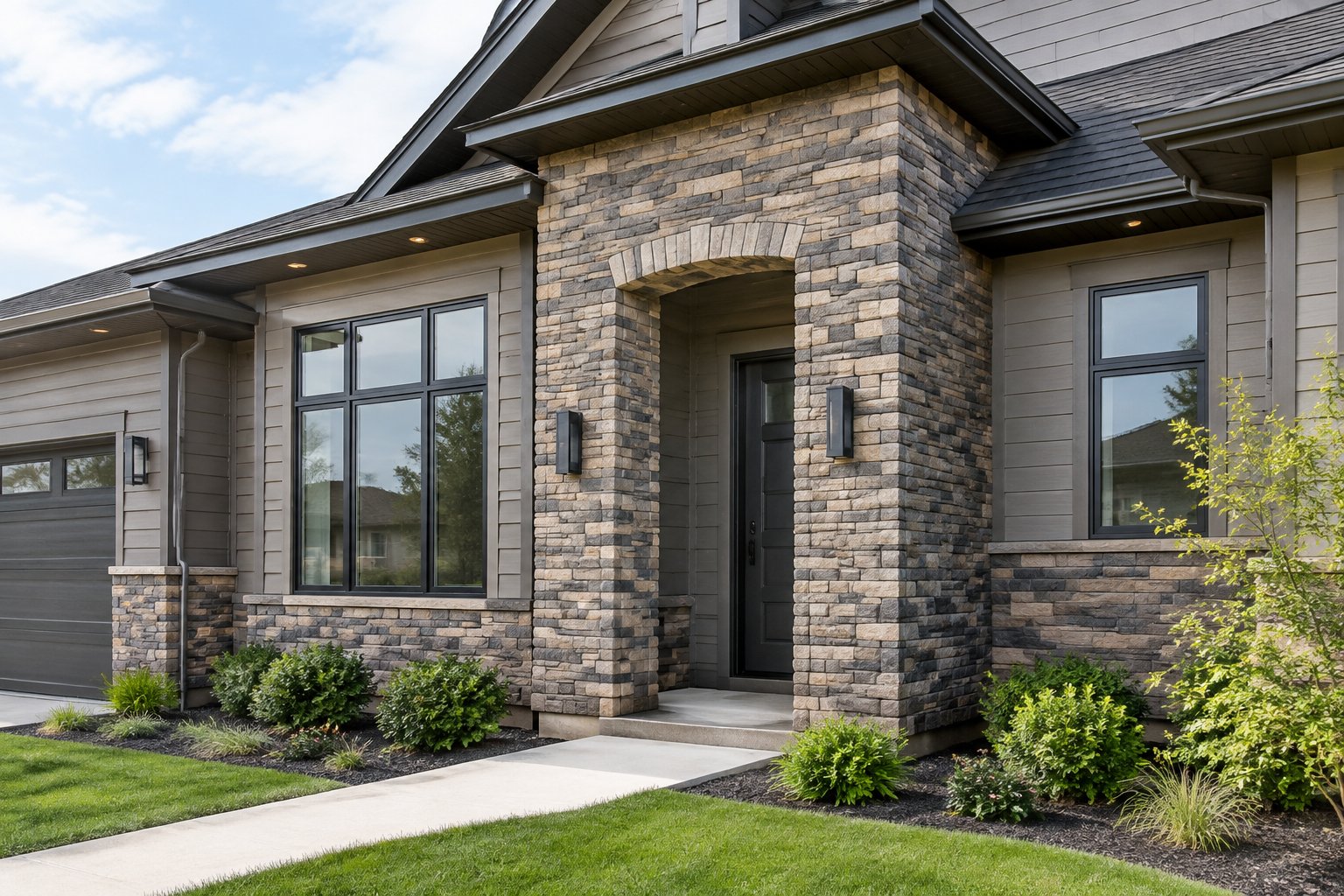
Reclaimed brick and stone bring authentic texture to exterior walls, fireplaces, and walkways. Look for century-old bricks with color variation, patina, and slight irregularities. These materials are dense and often stronger than newer, mass-produced options.
Match bricks by size and tone if you need large runs; hand-selected mixes give a natural, aged look. For stone, choose flagstone or fieldstone for patios and steps. Verify that each piece has been cleaned, tested, and prepped for reuse to ensure durability.
You can source reclaimed brick and stone with short lead times from specialty suppliers. New Orleans Brick & Stone offers hand-selected reclaimed brick and stone ready for many projects, with options that ship fast to keep your build on schedule.
Salvaged Glass
Salvaged glass includes old window panes, bottle glass, and reclaimed glazing units. Use original window sashes for interior partitions, pantry doors, and farmhouse windows to keep historic sightlines. Old glass often has wavy distortion and tiny bubbles that give a soft, vintage look.
Check glass for cracks and lead paint in old frames. For exterior windows, retrofit with insulated glazing or add storm windows to improve energy performance while keeping the original frames. Reclaimed glass also works in cabinet fronts and decorative transoms.
Secure glass with modern glazing compounds and weatherstripping. When used thoughtfully, salvaged glass adds light and subtle history without sacrificing comfort or efficiency.
Incorporating Reclaimed Wood
Reclaimed wood brings worn character, long life, and natural warmth to a farmhouse. It works for structure, floors, and walls while cutting waste and keeping historic detail.
Beams and Exposed Framework
Use reclaimed timber for visible beams, porch posts, and roof rafters to add authentic texture and history. Pick beams with solid cores and tight grain; avoid pieces with active rot or insect damage. Have a millwright or structural engineer inspect and, if needed, reinforce the wood with steel plates or sistered joists so it meets load requirements.
Finish beams with a clear matte sealant or boiled linseed oil to keep the patina while protecting against moisture and pests. When installing, use hidden fasteners or hand-forged straps for a period look. Label reclaimed pieces by location and condition during build to keep track of any structural work done.
Flooring Solutions
Choose reclaimed oak, pine, or heart pine for floors for strength and classic farmhouse grain. Boards with original nail holes, saw marks, and color variation add visual depth. Inspect for square lines and stable moisture content; kiln-dried reclaimed boards settle better and reduce cupping.
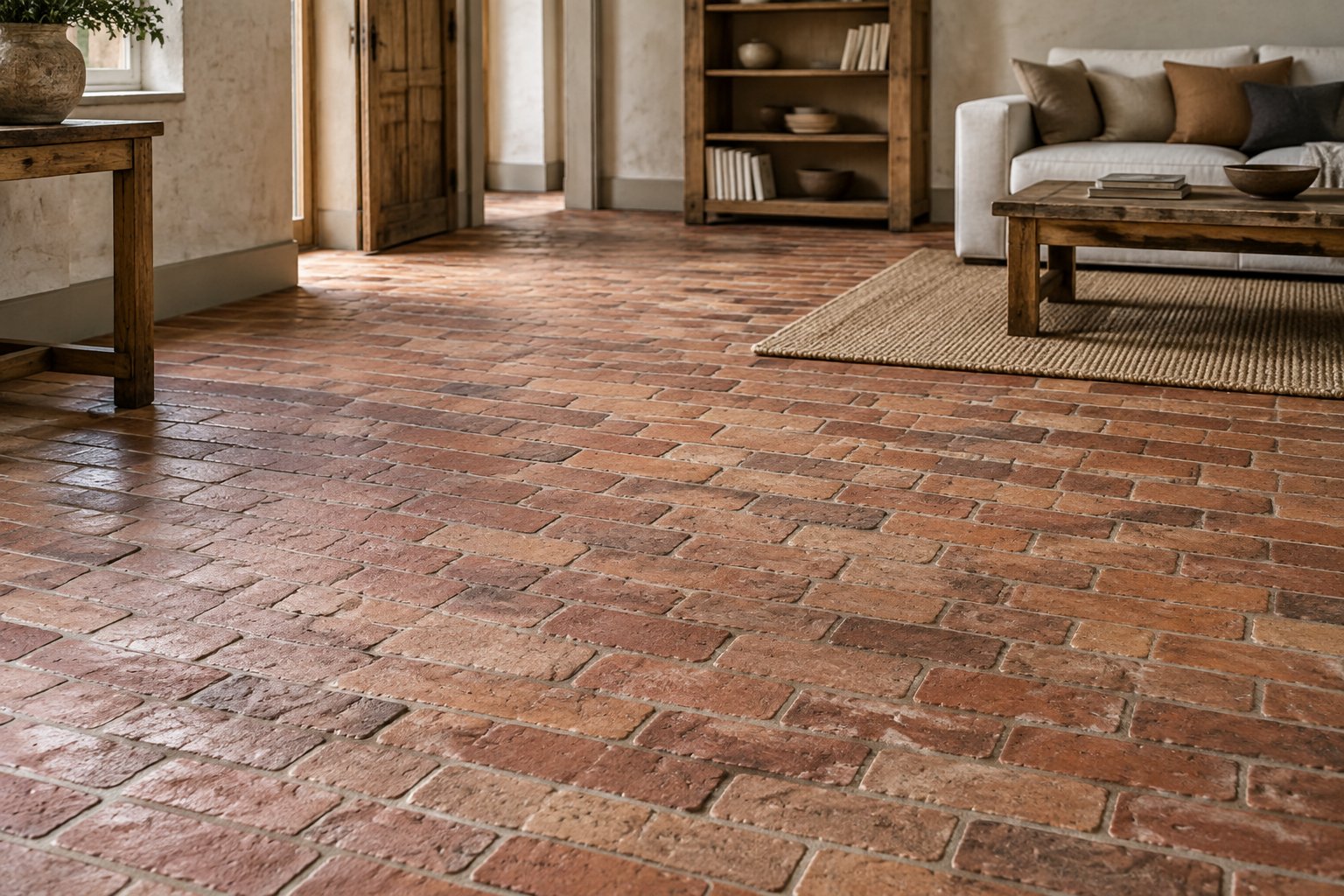
Install over a level subfloor with a vapor barrier and use wide-plank patterns for a rustic, open feel. Finish with a low-VOC polyurethane or hard wax oil to maintain color and protect traffic areas. For high-moisture areas like mudrooms, consider reclaimed tile or sealed reclaimed wood rated for damp conditions.
Wall Treatments
Apply reclaimed wood as shiplap, plank paneling, or mixed-width accent walls to create focal points without heavy renovation. Use thinner sawn or planed boards for interior walls to cut weight and cost. Stagger board lengths and mix tones to mimic historic repairs and give walls a lived-in look.
Prep boards by cleaning, de-nailing, and flattening; test for lead paint if the source is very old. Attach with finish nails or a hidden clip system, and leave small gaps or chamfers to let wood breathe and age naturally. If you prefer a lighter modern farmhouse, use reclaimed wood sparingly—maybe just one or two key walls.
Using Reclaimed Metal Elements
Reclaimed metal can add warmth, texture, and real history to your modern farmhouse. Use it where you want patina, strength, and vintage character without fake finishes.
Light Fixtures
Reclaimed metal light fixtures bring aged finishes and solid construction. Look for salvaged iron, brass, or copper from barns or industrial sites. These metals patina over time, so choose pieces with even wear and no active corrosion.
Hardwired barn pendants, iron chandeliers, and copper gooseneck sconces fit farmhouse kitchens, mudrooms, and porches. Match bulb type and wiring to modern codes; often fixtures need new sockets and cloth-covered wire for safety while keeping the original shell.
Keep scale in mind. A long farmhouse island usually needs 2–3 pendants, 12–18 inches wide each. For a porch, gooseneck lights at 12–16 inches wide and 8–12 feet on center work well. Ask a licensed electrician to inspect and rewire reclaimed pieces.
Hardware and Accents
Reclaimed metal hardware gives doors and cabinets authentic detail. Seek out cast iron hinges, brass latches, and hand-forged nails salvaged from old homes. These pieces show tool marks and slight irregularities that read as real craftsmanship.
Use heavy iron strap hinges on barn doors for visual weight. Replace modern pulls with solid brass or bronze cup pulls in kitchens for a period look. For durability, clean parts with mild acid solutions and seal with clear wax or lacquer to slow further corrosion while keeping the aged finish.
Label small items and group them by finish before installing. Mixing bright new brass with dark iron can look jarring. Aim for two complementary finishes—one primary (hinges, pulls) and one accent (nails, hooks).
Exterior Features
Reclaimed metal works well outside for gutters, trim, railings, and signage. Galvanized steel, copper flashing, and salvaged tin roofing pieces are common choices. Copper develops a green patina that protects the metal; tin and steel show dents and color variation that read as genuine age.
Use reclaimed metal for porch brackets, post caps, or a metal awning to tie new siding to older details. Make sure exterior pieces are structurally sound. Reinforce thin sheet metal and replace any fasteners that show deep rust.
For large orders or matched patina, contact suppliers who test and prep materials. New Orleans Brick & Stone can help source reclaimed metal that pairs with authentic brick and stone and ships quickly when you need consistent pieces.
Reclaimed Brick, Stone, and Masonry Ideas
Reclaimed brick and stone add texture, warmth, and real history to a modern farmhouse. Use them where structure and character meet: hearths, focal walls, and walkways that will age well.
Fireplaces and Hearths
Use reclaimed brick or large reclaimed stones for the fireplace surround and hearth to create a strong focal point. Lay brick in a herringbone or stacked bond pattern for visual interest. For heavy stone mantels, choose pieces with sound backing and test for stability before installation.
Keep flues and clearances up to code; reclaimed masonry can be irregular, so plan a metal firebox liner or refractory mortar where needed. Seal or repoint only as required to preserve patina while preventing dust and crumbling. If you want a cleaner look, pair the reclaimed surround with a simple wood mantle—oak or pine with a natural finish balances old masonry and modern farmhouse lines.
Feature Walls
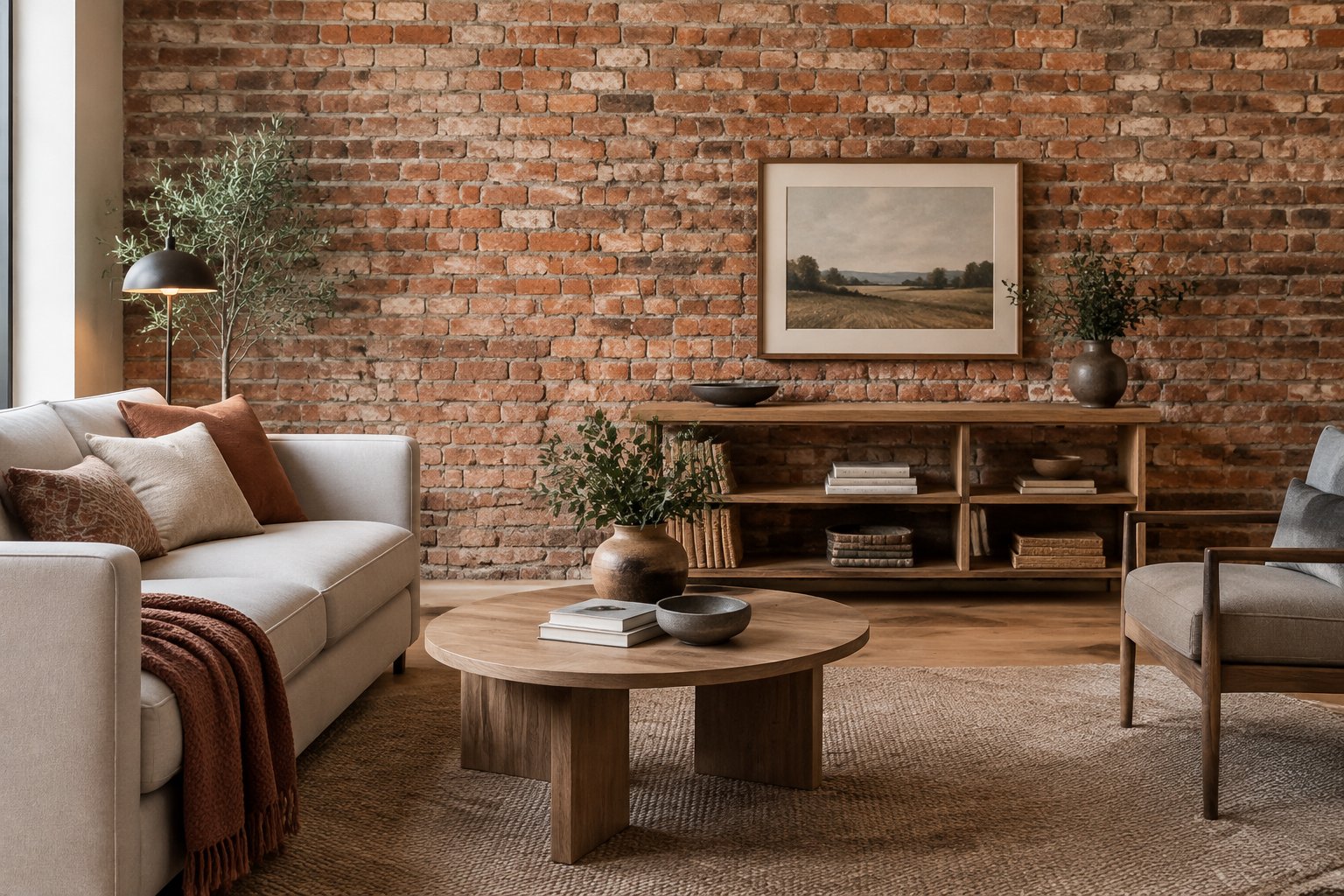
Clad an accent wall with thin reclaimed brick or real salvaged brick to anchor a living room or entry. Run brick full height behind a stove, bed, or shelving to pull the eye and add depth. For interior moisture control, install a breathable backer board and proper vapor barrier behind the masonry.
Sketch the layout first to avoid mismatched tones; sort reclaimed units by color and texture before setting. Use narrow grout joints and lime-based mortar for a softer, older look, or go with contrasting mortar for a crisp, modern edge. Keep electrical and plumbing access in mind—reclaimed walls can be thick, so plan for flush outlets and routed conduits.
Outdoor Pathways
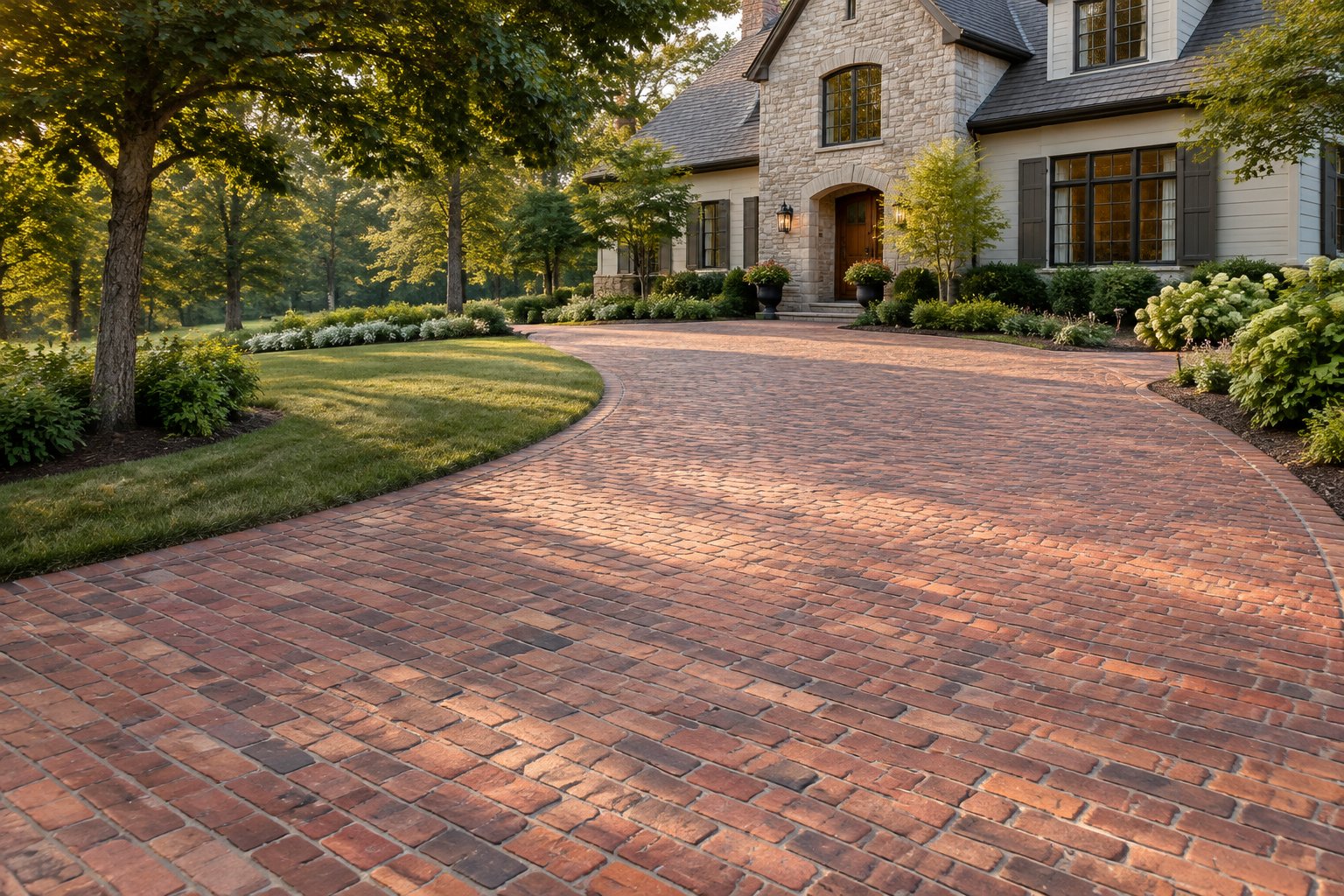
Choose reclaimed pavers or brick for patios, walks, and drive edges to get durable surfaces with authentic wear. Set units on a compacted gravel base with sand joints for drainage and ease of leveling. For sloped yards, lay bricks on a curve and break bonds at transitions to prevent shifting.
Select brick with good compressive strength for drive areas; flagstone or cut reclaimed stone works well for patios where irregular shapes add charm. Finish with polymeric sand or jointing mortar suited to your climate to limit weed growth and settle the surface. If you like a lived-in look, leave a few gaps for moss or thyme to soften the hardscape.
A Trusted Source for Reclaimed Materials
Sourcing reclaimed materials should feel straightforward and dependable. You want to know where the material comes from, how it has been prepared, and when it will arrive. That clarity helps your project stay on track and ensures the finished result performs as well as it looks.
At New Orleans Brick & Stone, reclaimed brick and stone are sourced from historic structures and carefully prepared for reuse. Each piece is cleaned, evaluated, and organized into ready inventory so there is consistency in quality, color, and condition. This allows you to select materials with confidence, whether you are working on a feature wall, flooring, or an exterior facade.
Having inventory on hand also makes planning easier. You can review materials, compare tones and textures, and choose what fits your design before committing. This step helps avoid delays and keeps your project aligned from start to finish.
Equally important is the guidance you receive throughout the process. When you reach out, you connect with someone who understands the material and can help match the right options to your space, confirm quantities, and coordinate delivery. With nationwide shipping typically within 48 hours, you can keep your timeline intact while working with authentic reclaimed materials that bring lasting character to your modern farmhouse.
Blending Reclaimed Materials with Modern Style
Mix reclaimed wood, brick, and stone to bring texture, warmth, and a sense of history into clean-lined farmhouse spaces. Think about proportions, color, and focal points so every piece feels intentional.
Balancing Old and New Elements
Start with a modern base: white walls, simple trim, maybe satin black fixtures. Then layer in reclaimed touches—maybe an exposed brick sink wall, a reclaimed-wood island front, or a stone hearth. Just a few pieces can anchor a room.
Scale matters. A full reclaimed-brick exterior makes sense for a big house, but inside, a single chimney or accent wall is plenty. Keep modern finishes low-key so the reclaimed features shine.
Think about how the space will be used. Seal brick near sinks and stoves. Keep reclaimed wood away from damp areas. Test thin veneers for weight limits before you hang them.
Color and Texture Coordination
Limit your palette to tie old and new together. Pull three main colors from a reclaimed sample—warm red brick, soft tan mortar, deep gray stone—and repeat them in paint, fabrics, and hardware. It keeps things unified.
Play with texture. Pair glossy quartz with matte reclaimed brick, or brushed metal with rough-sawn beams. The contrast makes reclaimed pieces feel like real design choices, not leftovers.
Watch for undertones. Old brick usually leans warm; cool gray cabinets can clash. Test swatches in daylight before you commit. Use grout and mortar color to fine-tune the vibe.
Showcasing Unique Finds
Let one reclaimed piece take center stage. Maybe it’s a century-old brick fireplace, a hand-hewn beam, or antique stone steps—put it where you can enjoy it from different angles. Keep the surroundings simple so it stands out.
Light it right. Downlights, wall washers, or a slim picture light can bring out texture and patina. Pick understated fixtures so the material—not the lamp—gets the attention.
Share the story. A small plaque or framed note about where the piece came from (especially if it’s from New Orleans Brick & Stone) adds character and gives guests something to talk about.
Maintenance and Longevity of Reclaimed Materials
Reclaimed stuff lasts when you clean it right, protect it from moisture, and fix problems early. Check regularly for loose mortar, rot, or surface grit—catching issues early keeps brick, stone, and wood in good shape for decades.
Cleaning and Preservation
Sweep or hose off loose dirt first. Use a soft brush and mild soap for grime; skip the pressure washer on old brick and mortar—too much force eats away joints.
For stone, test a pH-neutral cleaner on a small spot first. Patina and color variation are part of the charm—don’t scrub away every mark unless it’s actually damaging.
Seal high-traffic floors or exterior surfaces with breathable, masonry-safe sealers so moisture can escape. Reapply every 3–7 years, depending on wear.
Keep reclaimed wood indoors at 35–55% humidity. Treat it with furniture wax or tung oil to slow drying cracks. Avoid harsh chemicals—they strip away the character.
Repair Techniques
Fix loose bricks or stones fast to prevent bigger problems. Remove crumbling mortar and repoint with lime-based mortar that matches the original. Lime moves with old brick and helps prevent cracks.
Only replace damaged pieces when you really have to. Try to match size, texture, and color—hand-picked reclaimed units blend best. For structural fixes, use stainless-steel anchors or ties to stabilize without changing the look.
For wood, repair splits with epoxy or patch in reclaimed wood of the same species. Use corrosion-resistant fasteners and breathable paints or stains on exterior wood to avoid trapping moisture.
If you ordered from New Orleans Brick & Stone, check your shipment right away and ask about their prep notes. The sooner you spot issues, the quicker you can fix them.
Reclaimed Materials for Modern Farmhouses: Sustainable Design
Reclaimed materials bring a level of depth and authenticity that modern finishes alone cannot achieve. Wood, brick, stone, and metal that have already stood the test of time introduce texture, warmth, and a sense of permanence that makes a modern farmhouse feel complete.
What makes these materials so effective is how naturally they work within clean, updated spaces. A reclaimed wood beam softens sharp architectural lines. A brick fireplace creates a focal point that feels grounded and inviting. Weathered stone on an exterior adds weight and durability that holds up for decades.
There is also a practical side to choosing reclaimed materials. They reduce waste, limit the need for new resource extraction, and often perform better over time because they have already proven their strength. With proper installation and maintenance, they continue to age in a way that adds character instead of wear.
At New Orleans Brick & Stone, reclaimed brick and stone are sourced from historic structures and prepared for immediate use. With ready inventory and fast nationwide shipping, it becomes easier to stay on schedule while still building with materials that carry real history.
As you bring these elements into your project, focus on balance. Let one or two reclaimed features lead the design, support them with simple modern finishes, and allow the natural variation to stand out. When done right, reclaimed materials do more than complete a farmhouse. They give it a sense of place, purpose, and longevity that new construction alone cannot provide.
Frequently Asked Questions
These answers share practical ways to use reclaimed wood, brick, and stone in a modern farmhouse. You’ll find ideas for design, sourcing, and upkeep that work for living rooms, decor, benches, and seasonal updates.
How can I integrate reclaimed wood into my farmhouse living room design?
Start with one focal piece. A reclaimed-wood mantel, console, or coffee table sets the mood without overwhelming the space.
Mix old wood with crisp finishes. Pair warm, worn planks with light paint, a neutral sofa, and black or brass hardware for contrast.
Check the wood’s condition. Look for rot, nails, or insect damage. Stabilize or treat boards before you install them.
What are some unique reclaimed material decor items for a modern farmhouse?
Try reclaimed barn beams as floating shelves or a headboard—they bring depth and a unique grain.
Use antique bricks or thin reclaimed brick for a fireplace surround or kitchen backsplash. The texture feels classic and lived-in.
Turn old window frames into gallery or mirror frames. Even small things—like door hardware or drawer pulls—make great accent swaps.
Where can I find stores that specialize in sophisticated farmhouse decor?
Check regional salvage yards and reclaimed dealers with online listings. Look for suppliers that include age, origin, and condition.
New Orleans Brick & Stone offers authenticated reclaimed brick and stone with fast shipping. Reach out to staff to confirm stock and get help matching pieces.
Visit local salvage shops to see and touch items in person. Bring your measurements and photos to check fit and finish on site.
Can reclaimed materials be used for both functional and decorative modern farmhouse elements?
Absolutely. Reclaimed wood works for beams, shelves, and floors if it’s graded and treated right. It’s also great for accents like rails and trim.
Reclaimed brick and stone are good for load-bearing walls, exteriors, and cladding. They also work as hearths, garden paths, and feature walls.
Just remember to clean, stabilize, and sometimes mill older materials for safety and longevity.
What types of reclaimed wood work best for creating a rustic farmhouse bench?
Wide-plank oak and heart pine are top picks for benches. They’re dense, wear well, and the grain ages beautifully.
Look for boards at least 1–1.5 inches thick for the seat. Use reclaimed joists or beams for legs and supports to keep things sturdy and authentic.
Use stainless steel or brass hardware to avoid rust stains and keep the bench solid indoors or on a covered porch.
How does one blend summer farmhouse decor with reclaimed materials?
Try lightening up finishes if you want reclaimed pieces to feel more summery. Whitewashing or lime-washing a table or shelf can brighten up the wood grain, but it still lets all that great texture show through.
Go for natural fibers and breezy colors. Linen cushions, a few wicker baskets, maybe a pale rug—they all help balance out the chunkiness of old wood or brick.
And honestly, don’t forget plants. Bringing in some greenery softens those heavier textures and connects reclaimed stone or wood with a lighter, seasonal vibe.