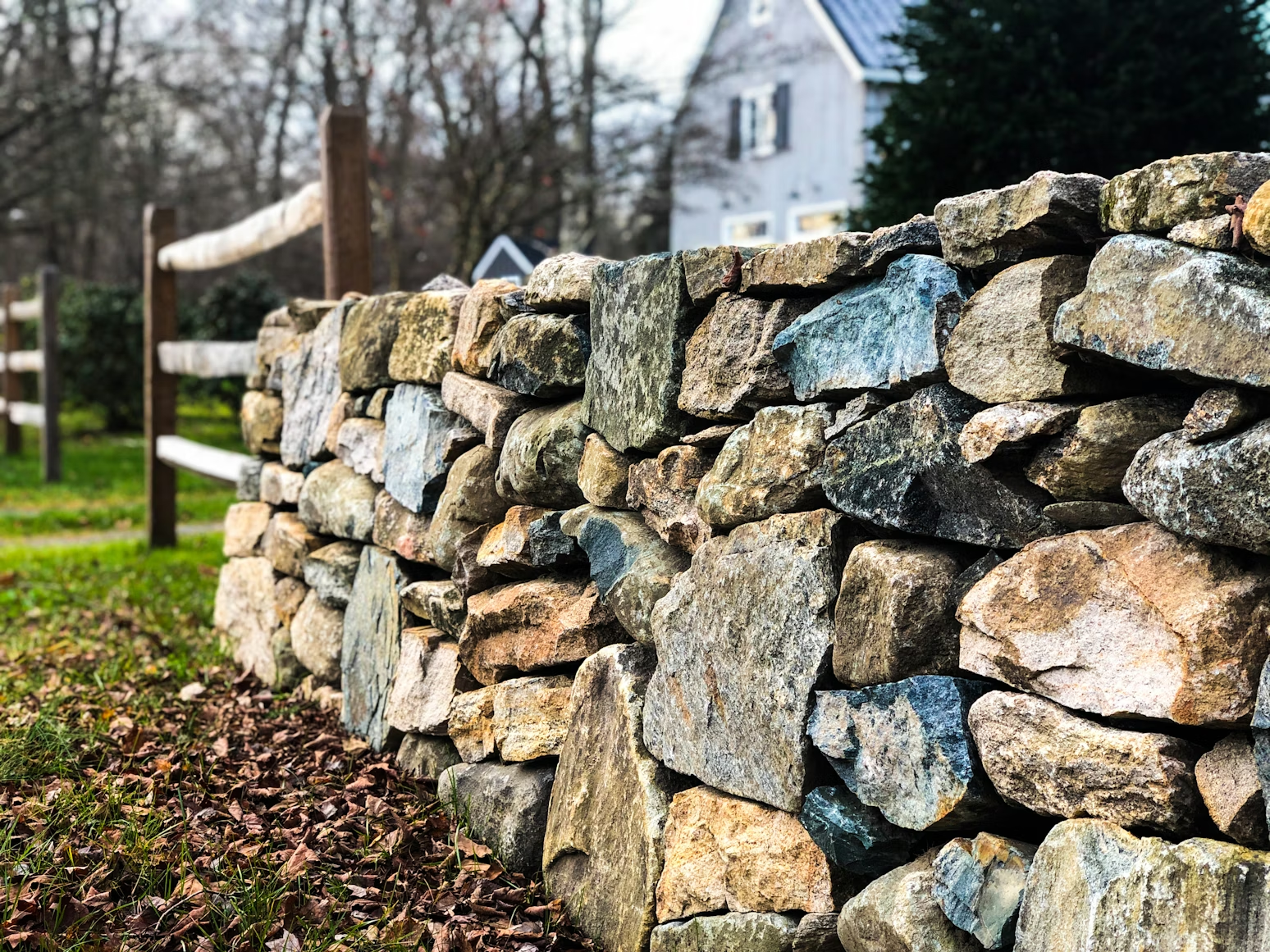
You can bring real history into a modern build without sacrificing clean lines or performance. Reclaimed stone adds depth, texture, and proven durability while still fitting seamlessly into contemporary design. The result feels intentional, grounded, and built to last.
What sets reclaimed stone apart is its authenticity. Each piece carries subtle variation, weathering, and craftsmanship that cannot be replicated with new materials. At the same time, it often reduces waste and embodied energy, making it a practical choice for more sustainable construction.
This balance makes reclaimed stone work across a range of applications. It can anchor a sleek exterior facade, define a feature wall, or add weight and contrast to minimalist interiors. Whether used in residential or commercial projects, it brings a sense of permanence that elevates the overall design.
At New Orleans Brick & Stone, reclaimed stone is sourced from historic structures, then cleaned, tested, and prepared for reuse. With ready inventory and fast nationwide shipping, you can keep your project moving while working with materials that offer both character and reliability.
In the sections ahead, you will find guidance on selecting the right stone, understanding cost considerations, and applying best practices for installation and care so your project continues to perform and age beautifully over time.
What Is Reclaimed Stone?
Reclaimed stone comes from older buildings and structures that have been carefully taken apart so the material can be used again. It brings real strength, surface wear, and a sense of history to modern projects.
You’ll see cut limestone and sandstone blocks, fieldstone, flagstone slabs, and architectural bits like lintels and sills. Each type shows different wear—flagstone often feels smooth and worn, cut blocks keep tool marks and crisp edges, fieldstone brings irregular shapes and natural texture.
Some suppliers offer thin stone veneers for easier installation, while others have larger structural stones for load-bearing walls or patios. Sellers check for soundness and clean or cut pieces to fit modern mortars and anchors.
How Reclaimed Stone Differs From New Stone
Reclaimed stone carries patina, weathering, and original tool marks that new quarried stone just can’t match. Those details give walls and floors a lived-in look you won’t get with new material.
Structurally, reclaimed stone often outlasts newer manufactured alternatives because it’s already proved itself over decades. New stone may be more uniform and predictable in size, which can make installation easier but lose character. Reclaimed pieces sometimes need extra fitting, so factor labor into your schedule and cost.
History and Origins
Most reclaimed stone comes from 19th- and early 20th-century buildings—warehouses, churches, row houses, old farm structures. Masons and salvagers remove stones by hand or with small tools to preserve faces and edges.
Using these stones connects your project to regional craft traditions and local material stories. When you source from specialists like New Orleans Brick & Stone, you’re getting materials rescued from century-old structures and prepped for reuse with care.
Using Reclaimed Stone in Modern Builds
Reclaimed stone saves resources, adds distinct character, and often outperforms new masonry in strength. It can cut your project’s embodied carbon, give a unique surface patina, and offer long-term durability that suits both structural and decorative uses.
Environmental Advantages
Using reclaimed stone reduces demand for newly quarried rock. That saves water and energy used in mining, cutting, and finishing. It also lowers embodied carbon because you avoid much of the extraction and transport emissions tied to new stone.
You cut construction waste when you salvage materials from older buildings. That helps sites with landfill limits or strict waste rules. If your project targets green ratings or local sustainability standards, reclaimed stone provides measurable credits.
Sourcing reclaimed materials keeps historic materials in use and supports a circular building model. When you buy hand-selected reclaimed stone, you often get tested pieces ready to install, which cuts the need for extra processing.
Unique Aesthetic Appeal
Reclaimed stone brings texture and color that new stone rarely matches. You get centuries of weathering, tool marks, and subtle color shifts that give walls and floors a lived-in look. This patina creates visual depth for facades, fireplaces, and landscape features.
Because each piece varies, you can mix tones and sizes for custom patterns. That gives your design a one-of-a-kind finish and helps integrate new additions with older structures. Reclaimed stone also pairs well with wood, metal, and modern glass for balanced contrast.
If you care about authenticity, hand-selected reclaimed stone makes a real difference. It connects your build to history and craftsmanship, making spaces feel rooted without looking artificially aged.
Durability and Strength
Reclaimed stone usually comes from 100+-year-old structures that have already proved their longevity. Those stones were quarried and shaped to last, so they still bring real compressive strength and weather resistance. You’re working with material that’s already survived decades of exposure.
Suppliers clean and test reclaimed stone for cracks, moisture, and stability. That helps ensure performance in load-bearing walls, exterior cladding, and paving. When you follow best practices, reclaimed stone resists freeze-thaw cycles and erosion better than some new alternatives.
Choosing reclaimed stone can reduce long-term maintenance. Its natural wear patterns hide minor chips and stains, so surfaces look consistent over time. If you want sourcing help or quick availability, New Orleans Brick & Stone keeps inventory ready to ship nationwide, often within 48 hours.
A Trusted Source for Reclaimed Stone
Sourcing reclaimed stone should feel clear and dependable. You need to know the material is authentic, properly prepared, and ready to perform in a modern build. That level of confidence comes from working with a supplier who understands both the history of the material and the demands of current construction.
At New Orleans Brick & Stone, reclaimed stone is sourced from historic structures and carefully prepared for reuse. Each piece is cleaned, evaluated for durability, and organized into ready inventory so there is consistency in quality, size, and character. This makes it easier to match materials to your design and avoid unexpected issues on site.
Having inventory on hand also simplifies planning. You can review available stone, compare tones and textures, and select what fits your project before committing. This helps keep timelines predictable and ensures the finished work feels cohesive.
Equally important is the guidance throughout the process. When you reach out, you connect with someone who can help confirm quantities, recommend the right stone for your application, and coordinate delivery. With fast nationwide shipping, often within 48 hours, you can keep your project moving while working with reclaimed materials that bring both authenticity and long-term performance.
Design Applications of Reclaimed Stone
Reclaimed stone brings visible texture, long-lasting strength, and historic character to modern projects. You can use it outside for facades, inside for feature walls, or underfoot as durable flooring that shows age gracefully.
Exterior Facades
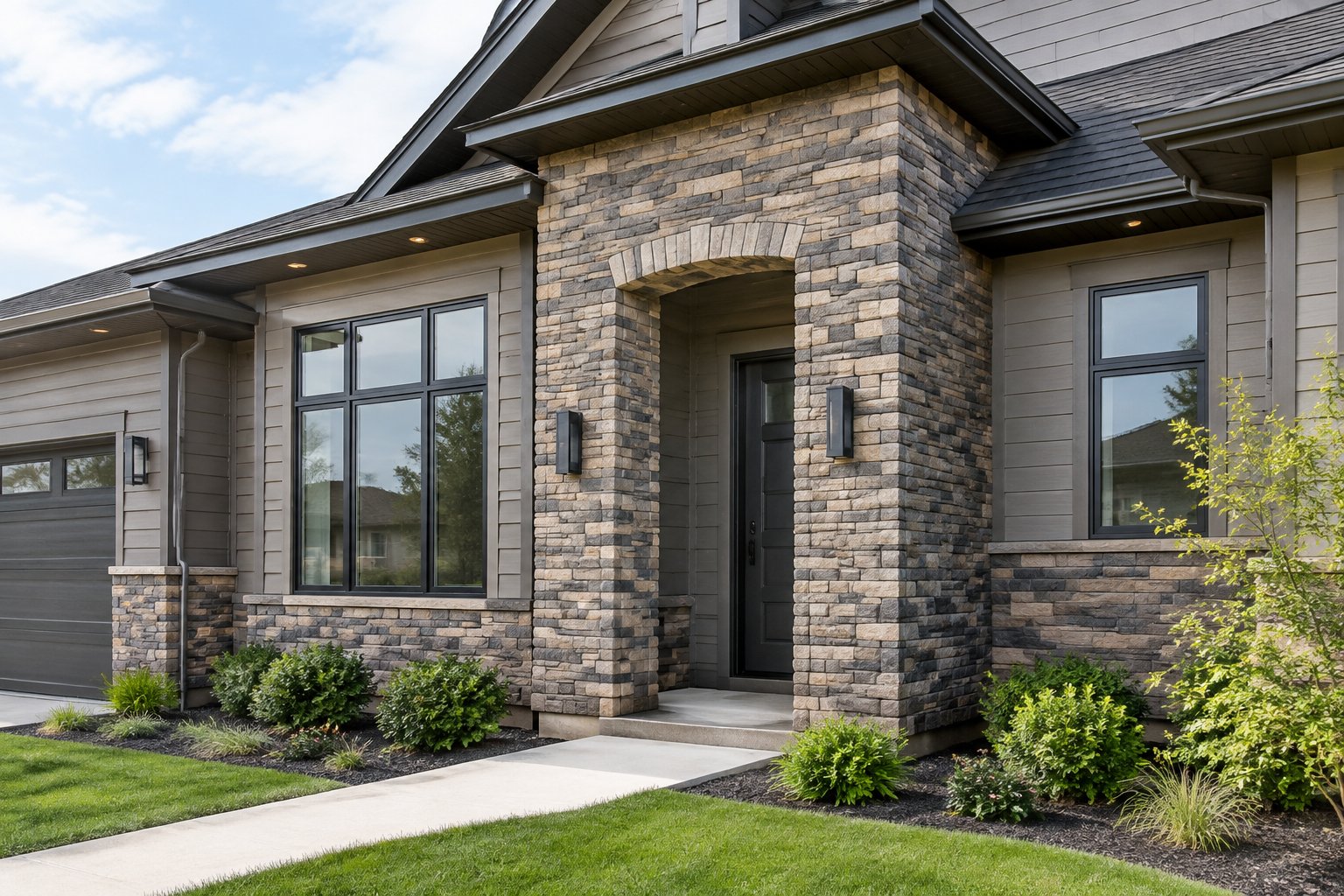
Reclaimed stone creates a strong first impression. Use it as a full cladding or as an accent around entries, columns, and chimneys to anchor a modern design with historic weight. The varied sizes and patinas from century-old sources give walls depth that new stone rarely matches.
Plan for consistent thickness and test pieces for fit before installation. Combine reclaimed stone with metal, glass, or wood to highlight contrasts. For weather resistance, specify appropriate mortar and flashing details, and consider sealers only where needed to protect high-salt or freeze-thaw environments.
Interior Walls and Features
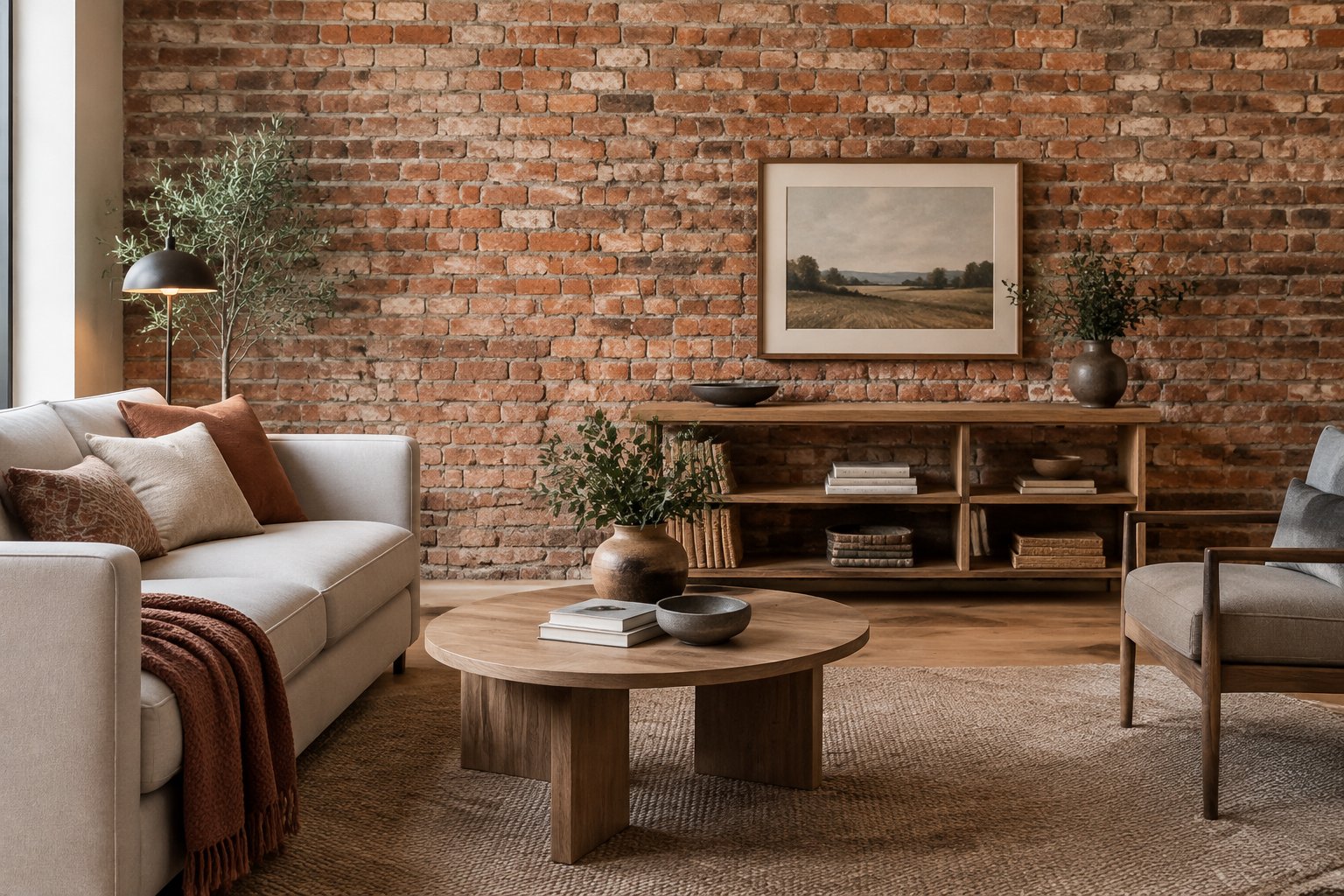
Inside, reclaimed stone adds warmth and texture to fireplaces, kitchen backsplashes, and accent walls. Choose thinner veneer pieces for tight spaces, or full-depth stone where you want true mass and acoustic damping. The natural color variation creates a focal point without complex finishes.
Mix stone with plaster or painted drywall to balance roughness with smooth planes. For fireplaces, check clearances and hearth requirements; reclaimed material often exceeds modern density and performs well with proper installation. Use hand-selected pieces to match the room’s scale and light levels.
Flooring Solutions
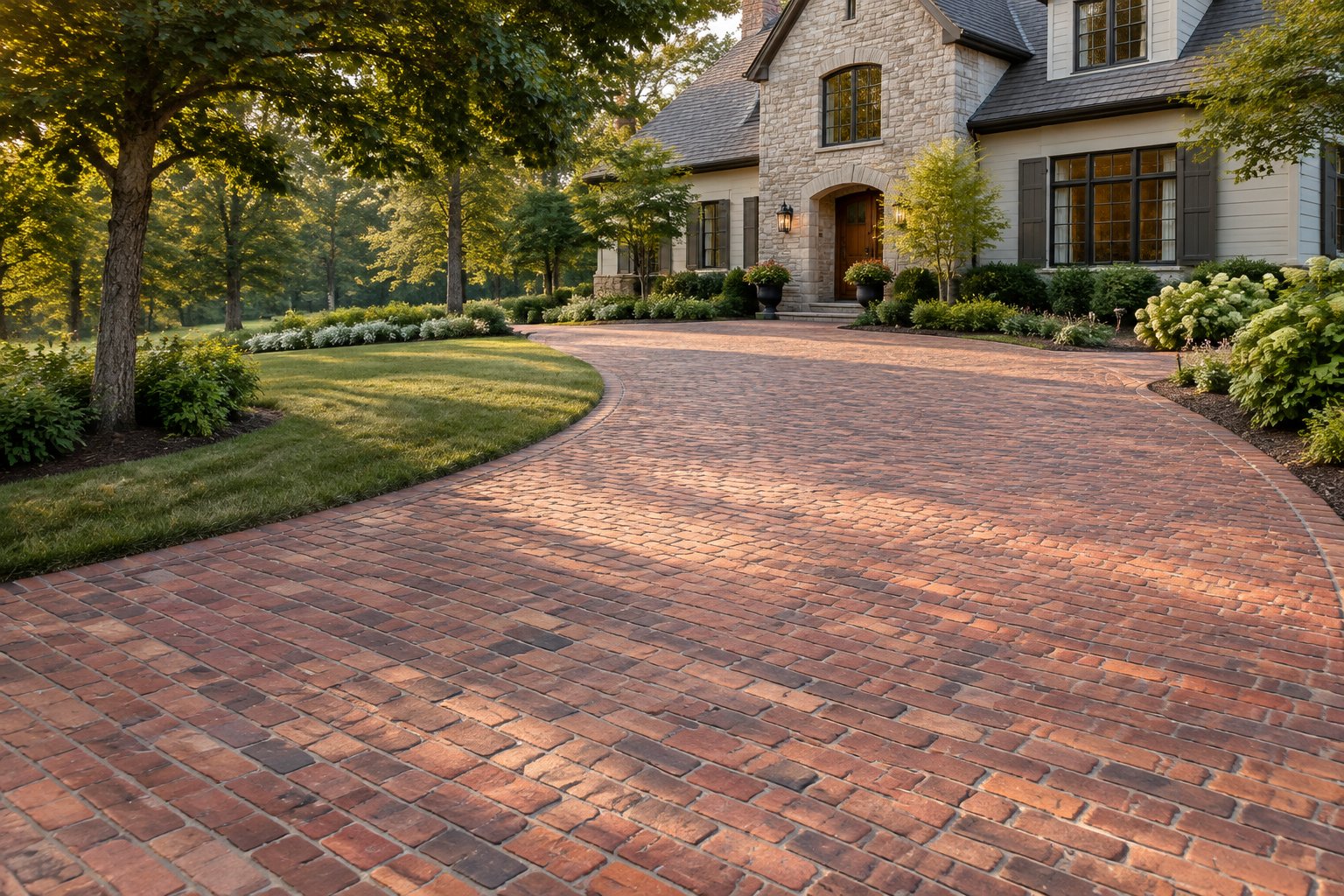
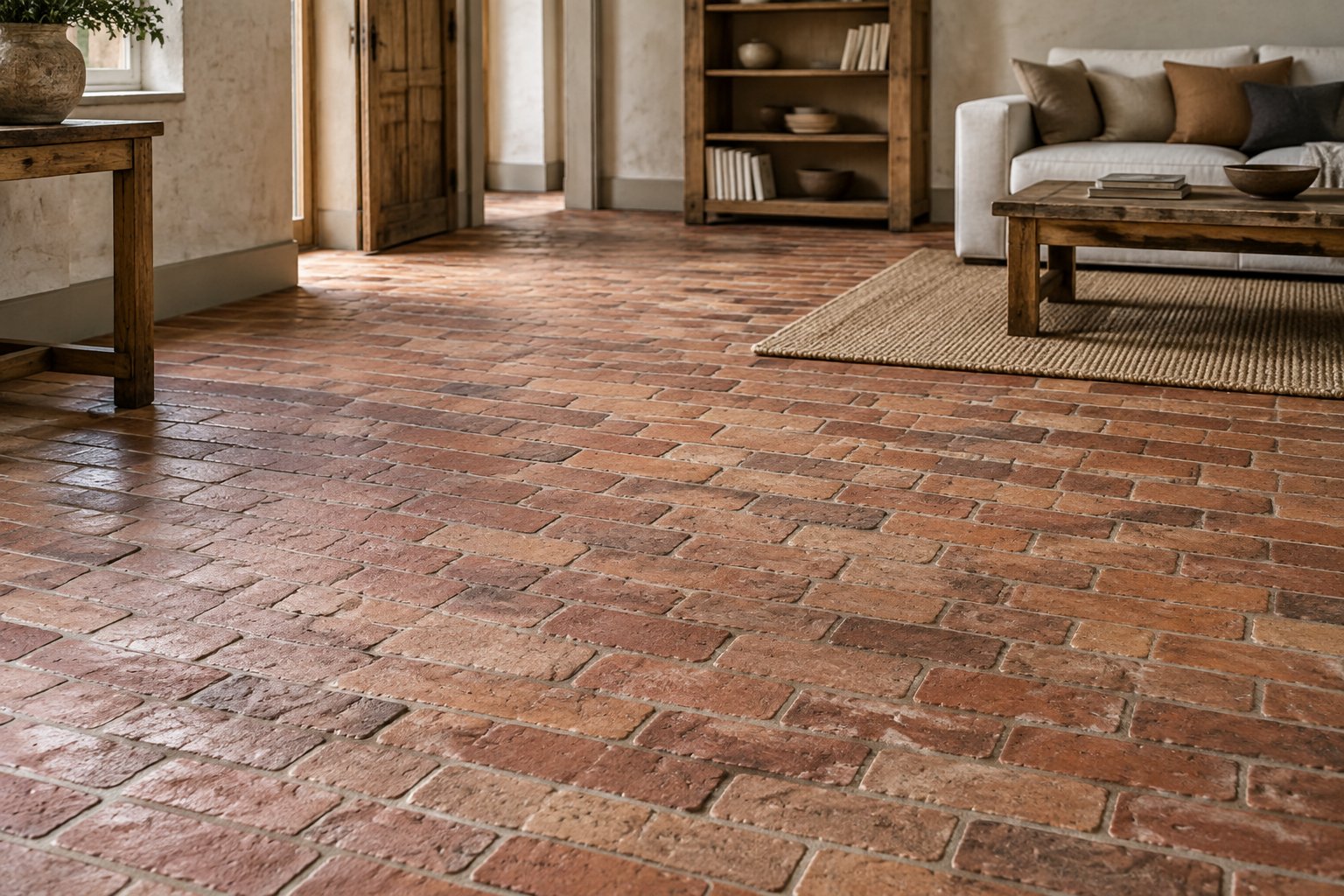
Reclaimed stone floors work well in entryways, mudrooms, and covered patios where durability matters. Flagstone and slate offer slip resistance and age beautifully under foot traffic. Look for pieces with minimal hairline cracks and have installers grind or dress uneven faces to create a stable walking surface.
Consider underfloor heating to improve comfort on colder stone floors. Seal porous varieties for interior use to limit staining, especially in kitchens. Match grout width and color to the stone’s tones for a cohesive, historic look that still fits a modern layout.
Installation Best Practices
Plan tests, cleaning, and fit before you order. Confirm structural needs, matching colors, and shipping timelines so installation runs smoothly.
Preparing Reclaimed Stone for Use
Check each piece for cracks, spalls, and mortar remnants. Sort stones by thickness and color to make laying faster and keep visible surfaces consistent.
Clean stones with a low-pressure wash and non-acid cleaner to remove dirt and old mortar. If you need thin veneer, have pieces cut or sawn by a mason to uniform thickness before installation.
Test for moisture and salt on samples, especially for exterior use. Seal porous pieces if needed, but avoid sealers that change the stone’s patina unless you want a uniform finish.
Label batches and keep a small reserve of matched stones for repairs. This saves time if you need to replace pieces later and helps maintain the original look.
Techniques for Modern Construction
Use a structural plan that shows where reclaimed stone is cosmetic veneer versus load-bearing. For veneers, attach to a properly flashed, water-managed sheathing with approved ties or anchors.
Set stone on a stable base: compacted gravel for patios, proper mortar bed for walls, and stainless-steel anchors for facades. Keep mortar joints consistent; use joint rakes or tooling to match historic profiles when you want.
Allow for movement joints at changes in plane, corners, and around openings to prevent cracking. Use breathable mortars rated for historic materials—high-lime, low-cement mixes reduce stress on old stone.
Match substrate prep to the stone type. For example, use a cement backer board for thin stone indoors and a reinforced concrete or masonry substrate where stones will bear load.
Working With Contractors and Architects
Share clear samples and mock-ups with your contractor and architect before final buy. Let them see actual batches so everyone agrees on color, texture, and cutting needs.
Specify installation details in writing: mortar mix, anchor type, flashing, and sealers. Include tolerance limits for stone thickness and joint widths so masons know acceptable variation.
Ask for a qualified mason with reclaimed-material experience. Review their past work and request a small test panel on-site to confirm bond, color layout, and weathering behavior.
If you buy from New Orleans Brick & Stone, confirm lead time and available reserve stock. Ask the supplier for matching pieces for repairs and for shipping dates that align with your schedule.
Care and Maintenance of Reclaimed Stone
Keep reclaimed stone clean, protected, and repaired promptly to preserve its character and strength. Regular cleaning, proper sealing, and careful repairs stop small issues from becoming costly problems.
Cleaning Methods
Start with a dry brush or broom to remove loose dirt and debris from the surface and joints. Use a soft-bristle brush for textured stone and avoid wire brushes that can scratch the face.
Mix a mild detergent (pH-neutral stone cleaner) with water for general cleaning. Test a small, hidden area first. Apply with a soft brush, rinse thoroughly with low-pressure water, and let the stone dry fully before sealing.
For biological growth like moss or algae, use a diluted bleach solution (one part bleach to ten parts water) or a biological cleaner labeled safe for stone. Apply, wait 10–15 minutes, then rinse well. Avoid acidic cleaners on calcareous stone such as limestone or some marbles, as acids can etch the surface.
Tough stains may need a poultice or professional stain-removal product designed for historic stone. Always follow manufacturer directions and retest after cleaning. Clean annually or as needed based on location and exposure.
Sealing and Protection
Pick a breathable sealer that keeps out water and salts but still lets moisture escape from inside the stone. Silane or siloxane sealers usually do the trick for most reclaimed masonry pieces. Non-breathable sealers? They just trap moisture and eventually lead to spalling.
Make sure the stone is clean and dry before sealing, and tackle small areas at a time. A low-pressure sprayer or roller helps spread it evenly. Stick with the product’s guidelines for temperature and curing. Most sealers need a fresh coat every 3–7 years, depending on how much abuse they take and the type you use.
Try to keep stone away from de-icing salts and constant wet spots near downspouts or sprinklers. Even a little drainage tweak or some flashing can make a big difference. For walkways, sacrificial mats or extra coatings in busy spots help reduce wear.
Repairing Damaged Stone
Take a look at your stone once a year—check for cracks, chips, loose bits, and failing mortar joints. Catching issues early keeps things simple and affordable.
Small chips? Use a color-matched stone epoxy or a mortar patch made for historic stone. Clean it up, dampen just a bit, then patch and shape to blend in. For bigger cracks or anything structural, you’ll want a mason who knows reclaimed materials.
When it’s time to repoint, go with a lime-based mortar that matches the original’s strength and color. Avoid hard Portland cement mortars—they’re too rigid and can cause trouble. Remove old mortar by hand to a steady depth, then layer in the new stuff to prevent shrinkage.
It’s smart to keep notes on what products and methods you use, so whoever takes care of the place next knows what works. If you get stuck, New Orleans Brick & Stone can help match materials and recommend the right mortars for authentic repairs.
Reclaimed Stone for Modern Builds: Sustainable Style and Timeless Character
Reclaimed stone brings a level of authenticity and durability that helps modern projects feel grounded and lasting. Its natural variation, weathering, and craftsmanship create surfaces that feel intentional rather than manufactured, while still working within clean, contemporary design.
What makes it especially valuable is its ability to balance performance with character. These materials have already proven their strength over decades, often longer, and continue to hold up in demanding applications. At the same time, they reduce waste and limit the need for new quarrying, making them a practical choice for more sustainable construction.
From exterior facades to interior feature walls and flooring, reclaimed stone adds depth and structure without overwhelming a design. It pairs easily with modern materials like glass, steel, and smooth plaster, creating contrast that feels refined and cohesive.
At New Orleans Brick & Stone, reclaimed stone is sourced from historic structures and prepared for immediate use. With ready inventory and fast nationwide shipping, it becomes easier to stay on schedule while selecting materials that offer both reliability and true character.
As you move forward with your project, focus on selecting quality materials, planning for proper installation, and allowing the natural variation of the stone to guide the final look. When used thoughtfully, reclaimed stone does more than complete a build. It gives it a sense of permanence, history, and purpose that continues to stand out over time.
Frequently Asked Questions
Reclaimed stone brings texture, history, and durability to modern projects. Here are some quick answers about design, costs, sourcing in California, finding quality, structural uses, and creative options.
How can I integrate reclaimed stone into my contemporary home design?
Try using reclaimed stone for an accent wall, fireplace surround, or kitchen backsplash to mix old texture with clean lines. Pair it with smooth plaster, steel, or glass for contrast, and keep grout lines simple so it feels modern.
Thin stone veneer is a good choice where full-thickness stone is too heavy or pricey. You get the authentic look without the need for extra framing or foundation work.
What are the cost considerations when purchasing reclaimed stone for a modern construction?
Prices vary depending on rarity, age, and condition. Hand-picked, century-old pieces usually cost more than more common reclaimed stone.
Don’t forget to factor in cleaning, testing, and any repointing or cutting you’ll need. Labor rates go up if masons have to work around uneven shapes.
Where can I find suppliers of reclaimed stone in California?
Check out regional reclamation yards and architectural salvage shops that specialize in historic demolition. Look for suppliers who post photos, test results, and inventory lists online.
Family-run suppliers like New Orleans Brick & Stone are worth a call—they’ll tell you what’s in stock and how fast they can ship cross-country. Ask about lead times and whether they sort and test materials before shipping.
What are some tips for locating quality reclaimed stone near me?
Whenever you can, inspect pieces in person to check for cracks, porosity, or old repairs. Ask for test results on salt, contaminants, and structural strength.
Find out where the stone came from and how it was removed. Clean, labeled, hand-selected inventory usually means better quality and care.
Can large reclaimed stone blocks be used for constructing retaining walls?
Absolutely—large reclaimed blocks can work for retaining walls if they’re structurally sound and you’ve got proper drainage. Always have a licensed engineer or an experienced mason check load capacity and soil conditions.
Plan for solid footings, geogrid or anchors if the wall’s tall, and make sure there’s a drainage layer behind the wall to prevent pressure build-up.
Is reclaimed sandstone suitable for carving and other artistic designs?
You can carve reclaimed sandstone, though its hardness and how much it’s weathered really depend on where it came from. It’s a good idea to grab a sample first—see how it cuts, how it holds detail, maybe even how it feels under your tools.
If you’re aiming for fine carving, go for the denser, less worn pieces. Give yourself a bit of extra time to clean and stabilize the stone before diving in.