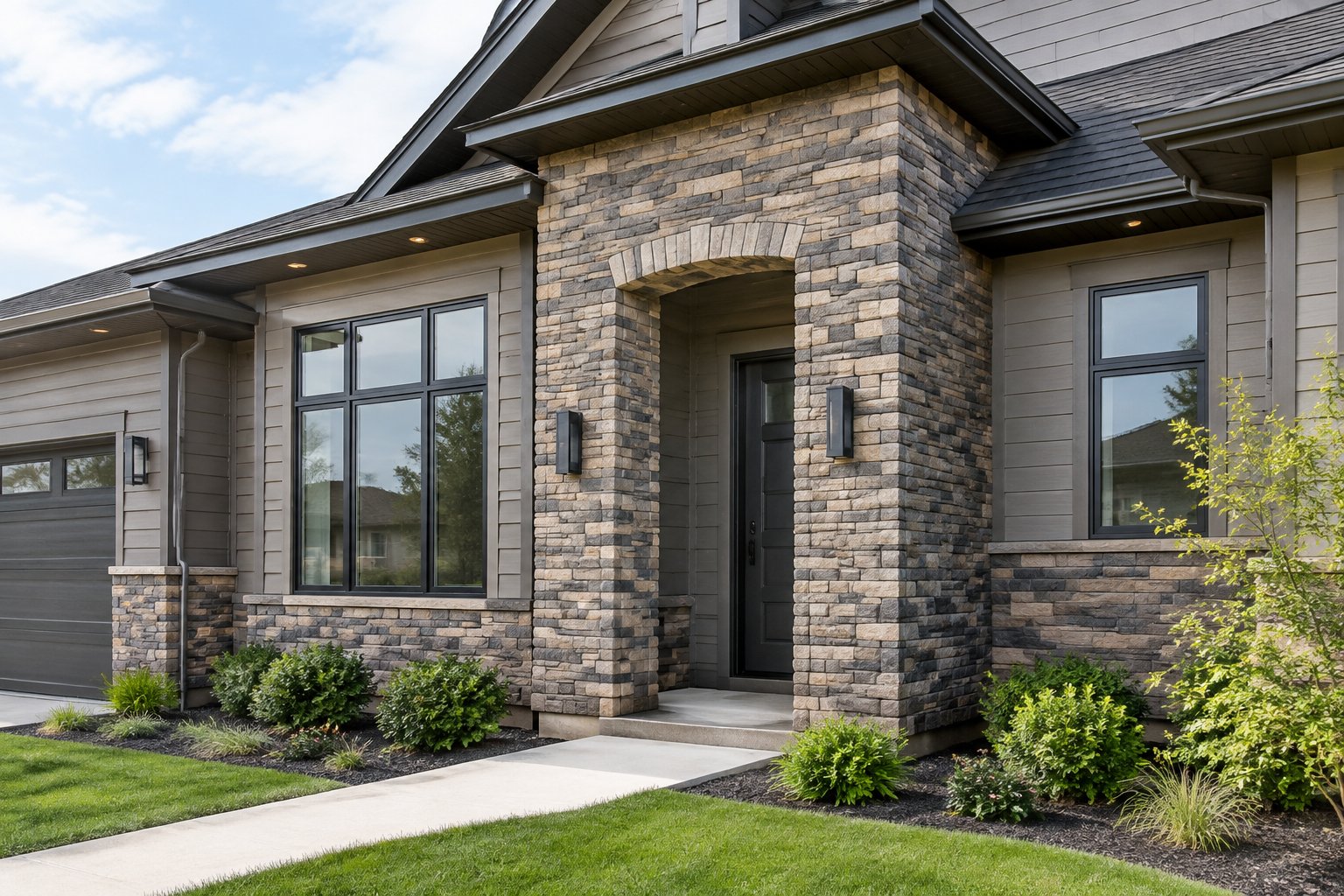
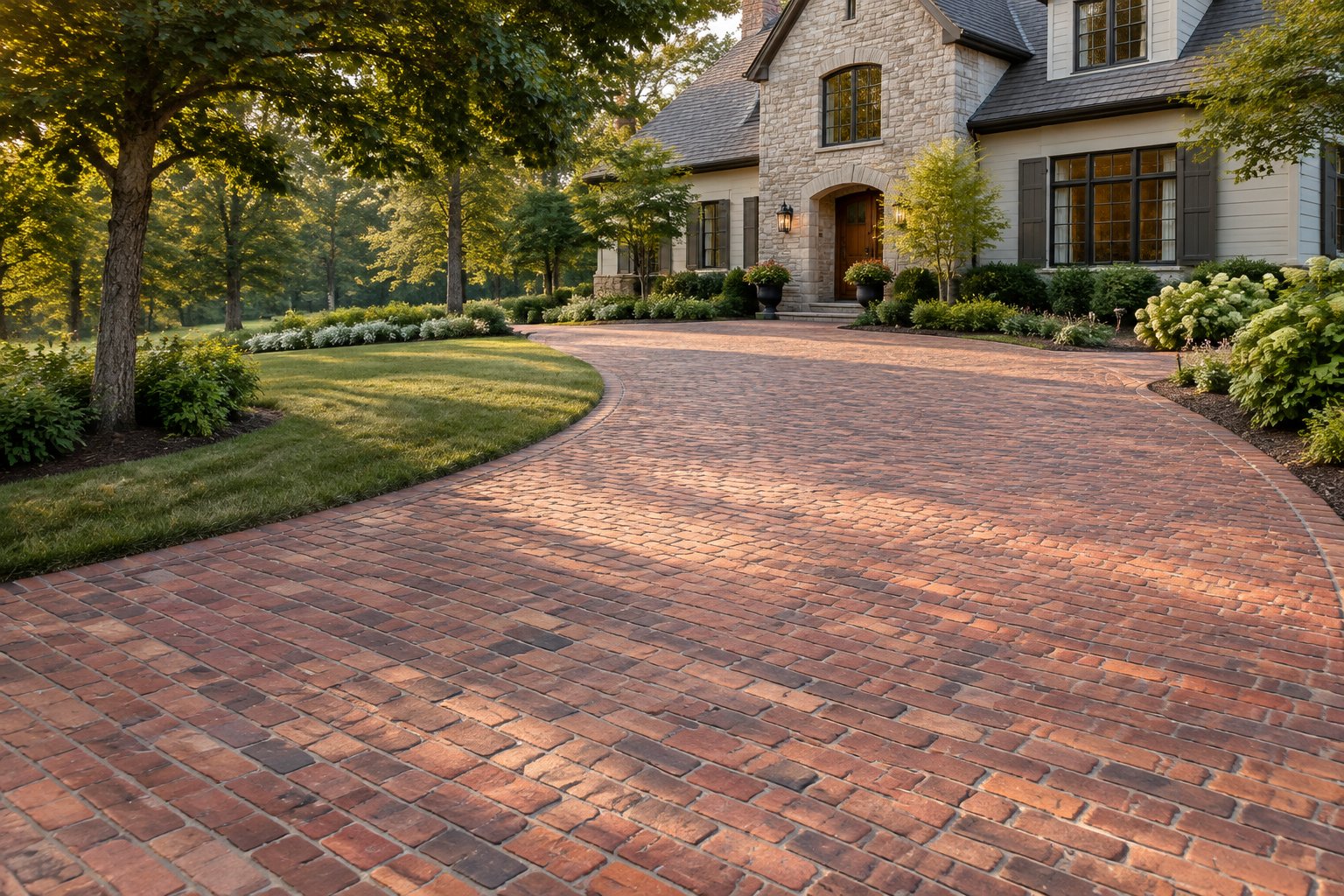
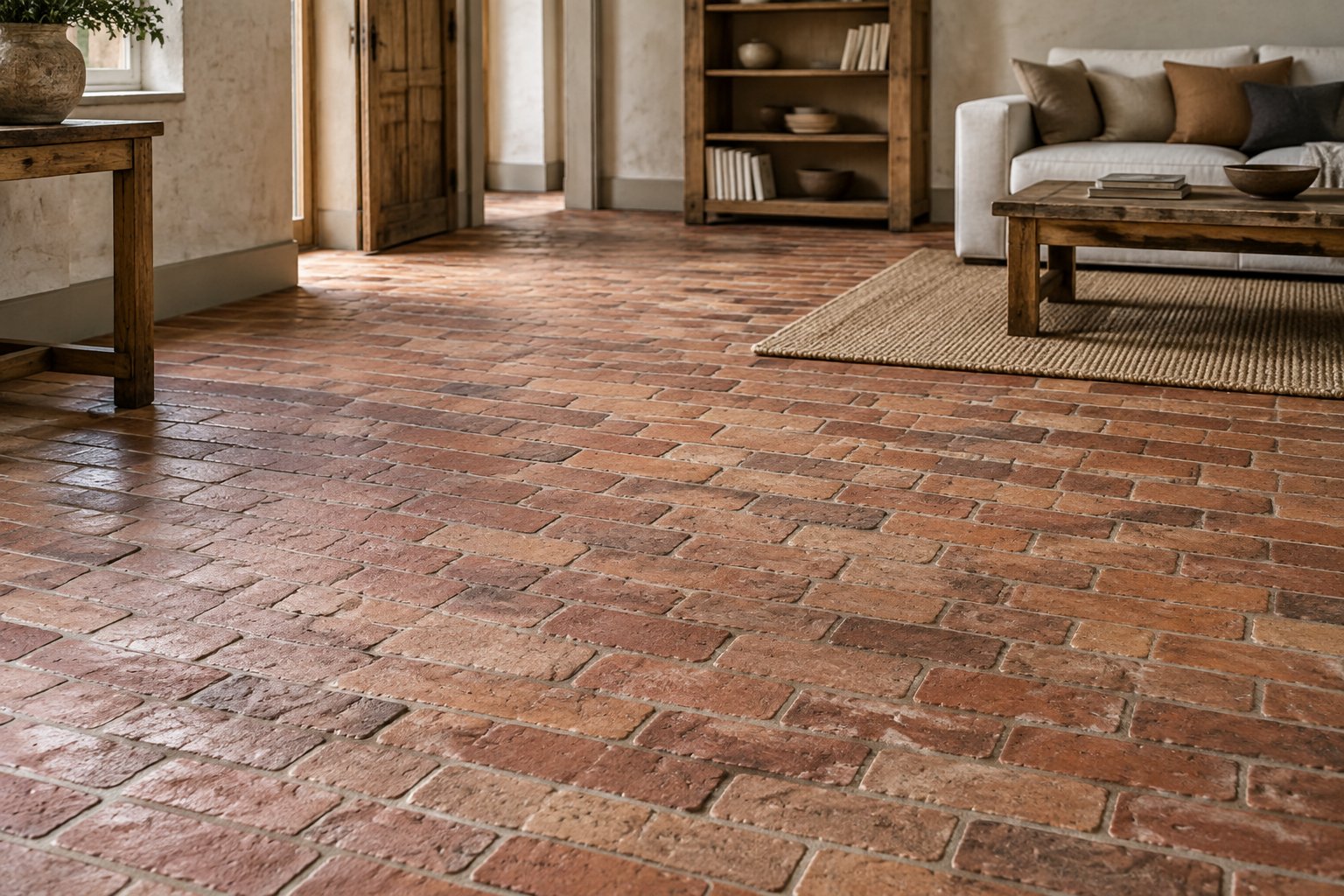
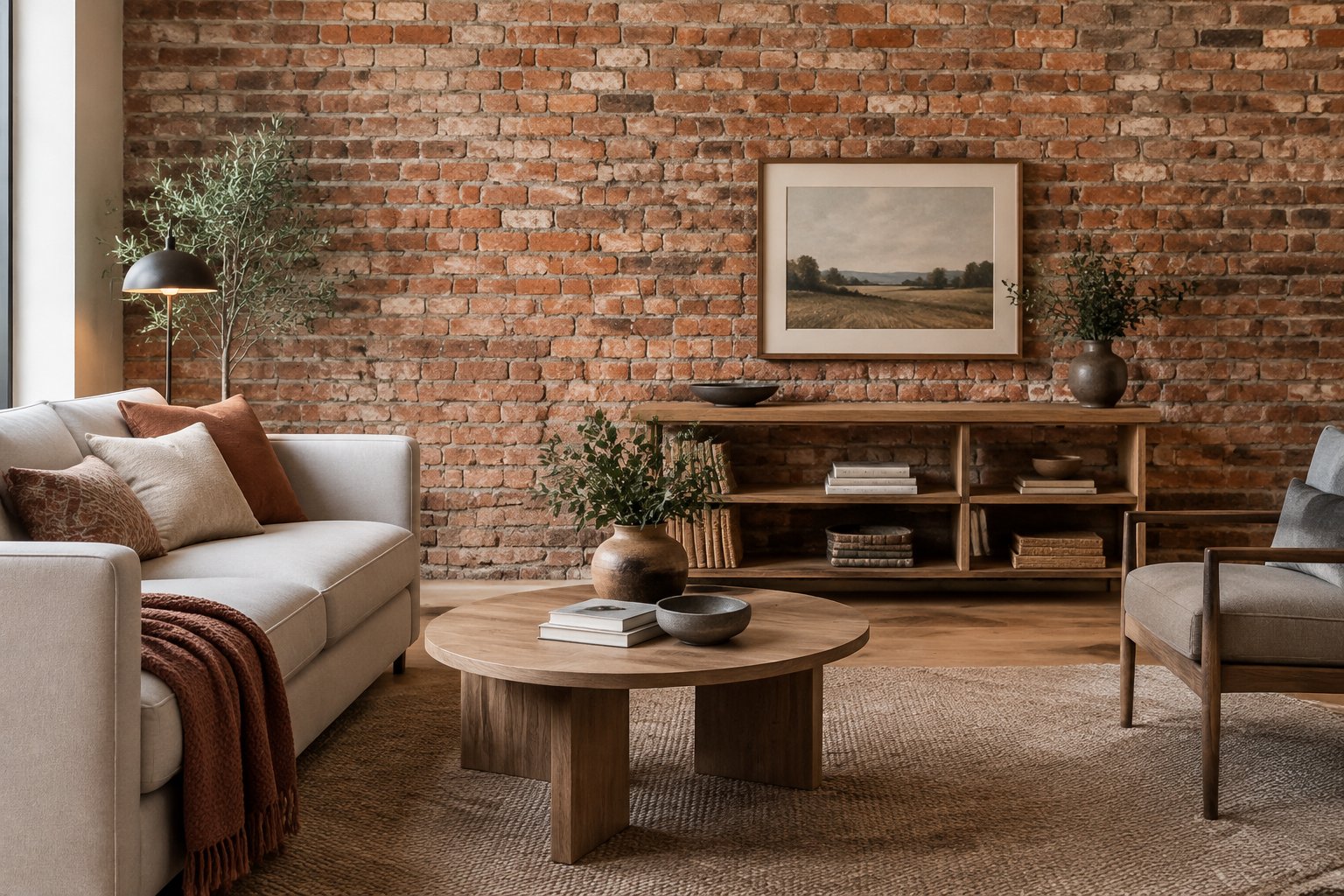
Stone accents give your home a sense of place that feels natural and lasting. They bring texture, depth, and strength that reflect traditional craftsmanship while still supporting modern performance. When done right, they elevate curb appeal and make a home feel established rather than newly built.
What makes stone especially effective in historic-style homes is its authenticity. Reclaimed stone and brick carry patina, color variation, and subtle wear that connect directly to older architectural traditions. These details help foundations, chimneys, and entryways blend seamlessly with vintage design instead of feeling added on.
The key is choosing the right applications and proportions. Stone can anchor a foundation, frame an entry, or create a strong chimney profile without overwhelming the structure. Balanced correctly, it supports the architecture rather than competing with it.
At New Orleans Brick & Stone, reclaimed materials are sourced from historic structures and prepared for reuse. With inventory ready and fast nationwide shipping, it is easier to stay on schedule while selecting stone that matches both the character and durability your project needs.
In the sections ahead, you will find guidance on selecting the right stone types, keeping details period-correct, and handling installation and maintenance so your home looks authentic and continues to age beautifully.
Stone Accents in Historic-Style Homes
Stone accents add texture, color, and a sense of age to your home. You can use them to frame doors, anchor chimneys, or line garden paths, tying your design to genuine historic craft.
Historic-style homes echo building methods and forms from earlier times. You’ll spot balanced shapes, steep roofs, detailed cornices, and masonry that looks hand-crafted—not churned out by machines.
Stone stands out in these homes. You’ll often find it on foundations, chimneys, lintels, and entry surrounds. The goal? Material honesty—stones that look like skilled masons set them decades ago.
When you plan, match the scale and finish to your home’s era. Rough, uneven stones look great on cottages and farmhouses. If you’ve got a Greek Revival or Colonial Revival, cut or ashlar masonry fits right in.
Significance of Stone Features
Stone gives your home lasting strength and a grounded feel. Masonry shrugs off weather and time better than most finishes, so stone accents protect spots like foundation walls and porch bases.
A stone porch base or chimney becomes a focal point that anchors the façade. Pair stone with reclaimed brick for contrast in color and texture—this combo just feels authentic.
Stone tells a story of craftsmanship. You see it in the tool marks, irregular joints, and color variations. When you choose materials with real patina and solid structure, you’re showing off the home’s history.
Stone Types Commonly Used
- Limestone: Light in color, easy to shape, and common in Southern historic homes. Great for lintels, trim, and smooth walls.
- Sandstone: Warm tones, layered look. Works well for exterior cladding and low walls.
- Granite: Dense, tough, and coarse-grained. Ideal for steps, thresholds, and big chimneys.
- Fieldstone: Irregular and rustic—perfect for cottage foundations, garden walls, and chimneys.
Thin veneers and reclaimed full-thickness stone both have their place, depending on your structure and budget. If you want that historic look, check out reclaimed stone from old buildings; New Orleans Brick & Stone keeps a hand-picked inventory and ships fast when you need the real deal.
Popular Stone Accent Applications
Stone adds texture, history, and structure where it counts. Pick the right stone, finish, and scale to match your house’s period and your daily life.
Stone Facades and Siding
You can use full-height stone or thin veneer to give walls a sense of heft and age. Full stone delivers real thermal mass and longevity; veneer gets you the look for less money and easier framing.
Choose stone types that match local historic examples—limestone, fieldstone, or reclaimed brick-faced stone. Mortar color and pointing style can make a wall read as a different era, so test samples in place. Make sure you plan for flashing, weep systems, and a solid substrate to avoid moisture headaches.
Panelized thin stone systems can speed up new builds. For restorations, match the existing coursing and tool marks to keep things believable.
Fireplaces and Hearths
Stone fireplaces anchor a room, both visually and practically. Hearths made from quarried or reclaimed stone hold up to heat and wear better than manufactured alternatives.
Scale matters: a tall, deep hearth fits an old farmhouse, while a low, broad one works for a Craftsman. Choose stone that stands up to thermal cycling—granite, bluestone, and dense limestones are all solid picks. If you’re using reclaimed stone, check for cracks and clean off old mortar first.
Follow code for clearances around combustibles. Have a mason set the firebox surround and hearth so joints are tight, drafts are good, and it’ll last for years.
Stone Columns and Pillars
Stone columns give porches and entries a sense of permanence. You can use solid piers for real support or clad structural posts with stone for visual heft without blowing the budget.
Match the base size and cap shape to nearby trim and cornice details. For accuracy, copy the original proportions—wider, squat piers for bungalows; taller, slender columns for classical homes. Reclaimed stone with some aging blends best for restorations.
Set columns on solid footings and tie cladding back to the structure to prevent settling or movement.
Entryways and Door Surrounds
Stone entry surrounds shape the first impression. Use carved lintels, rough blocks, or thin trim to highlight doors without overwhelming them.
Pick stone color and texture that play well with your door paint and hardware. A contrasting keystone or soldier course draws the eye to the lintel. For narrow stoops, keep the proportions tight so the stone doesn’t crowd the space. On bigger porches, go for a thicker threshold slab or low stone balustrades.
Install drip edges and sloped sills to shed water. Set stone thresholds on stable bases to avoid cracking or sticking as seasons change.
Design Principles for Authenticity
Focus on stone color, surface texture, and the right materials to match your home’s era. Use reclaimed pieces when you can—they keep patina, irregular edges, and mortar character consistent with old work.
Color and Texture Considerations
Pick stone colors that fit the period you’re channeling. For Federal or Georgian homes, go with pale gray or warm buff stone with smooth faces. Tudor or rustic styles? Darker grays, browns, and rough, hand-hewn surfaces feel right.
Mortar color and joint width matter. Narrow, light joints suit refined homes. Wider, recessed joints suit cottages or rural looks. Always test a small area in different light before you commit.
Check the surface finish and tool marks. Stone that’s too uniform looks new. A few chips, rough corners, and uneven planes add authenticity. Keep samples handy to compare with your home’s existing masonry.
Matching Era-Appropriate Materials
Match your stone type to what’s typical for your region and period. Limestone or sandstone works for many Southern and Eastern homes. Granite and fieldstone fit New England cottages. Clay or thin veneers can accent styles that mix brick and stone.
Watch size, coursing, and patterns. Early 19th-century homes often use regular, squared stone. Medieval-inspired homes go for random rubble or boulders. Don’t let big blocks overwhelm a small cottage; thin stone or brick suits tighter spaces.
Document original details—sill shapes, lintels, coping—and recreate those when adding or replacing accents. If you’re hunting for reclaimed units, confirm the sizes so you don’t end up with mismatched rows during install.
Incorporating Reclaimed Stone
Reclaimed stone keeps that patina, weathering, and tool marks you just can’t fake. Check each piece for soundness—look for cracks, old repairs, or salt stains before picking.
Plan to sort and grade reclaimed stone on site. Group similar colors and sizes to keep the look consistent, especially around doors and windows. Save the most character-rich pieces for focal spots like entry surrounds or chimneys.
Work with suppliers who respond quickly and know their stuff. If you’re working with New Orleans Brick & Stone, ask for samples and inventory details so you can match your coursing and blend reclaimed stone smoothly into your home.
Integrating Stone Accents with Other Materials
Stone works best when you pair it with materials that match its color, texture, and scale. Think about how it meets wood, brick, or metal, and choose finishes that make those transitions feel intentional and grounded.
Combining Stone and Wood
Wood adds warmth right where you need it next to stone. For porches, try a low stone knee wall with broad, rough-sawn posts or exposed beams. Stick with wood species and stains that play nicely with your stone—oak, cypress, or heart pine in honey or chestnut shades go well with warm limestone or reclaimed sandstone.
Keep joints simple and visible. A small mortar joint or recessed seam lets each material speak for itself. Seal wood where it meets stone to guard against rot. Inside, a stone fireplace with a chunky, hand-hewn wood mantel becomes a strong focal point.
Pairing Stone with Brick
Match scale and mortar color when you blend stone and brick. Use stone as a base or foundation, then run brick above to keep old-school proportions. If your stone is rough and big, pick a brick with soft edges and muted color so it doesn’t fight for attention.
Transitions matter. A brick soldier course or thin stone cap creates a clean break. For repairs or additions, reclaimed brick and stone keep the texture and patina consistent. If you want authenticity and quick supply, New Orleans Brick & Stone can ship hand-picked pieces fast.
Blending Stone with Modern Elements
Metal and glass can work, but use them thoughtfully. Matte black steel for railings, lights, or slim window frames makes a subtle contrast against heavy stone. Glossy, shiny metals? Not so much—they clash with aged textures.
Keep modern touches minimal and sharp. Use slim steel lintels, narrow-framed doors, or clear glass panels set right into stone openings. This keeps the stone as the star, but gives you better light and views. For a unified look, tie modern finishes back to small hardware in the same metal and pick neutral grout to blend it all together.
Selecting the Right Stone for Your Historic Home
Pick stone that matches your home’s age, style, and climate. Think about color, texture, weight, and whether you want true reclaimed material or something manufactured to match.
Natural vs. Manufactured Stone
Natural stone brings irregular edges, mineral color shifts, and weathered texture that just looks right on older homes. It holds heat differently and weighs more, so check that your foundation and anchors can handle it.
Manufactured stone is lighter, more uniform, and easier to install on veneers or framed walls. It can mimic historic shapes, but it won’t give you the same patina or aging as real reclaimed stone. For chimneys and load-bearing walls, stick with natural or structural reclaimed pieces.
If you want true historical character, go with reclaimed or quarried natural stone. If you’re after easy installation and budget control, high-quality manufactured options work for accents.
Regional Stone Varieties
Use stone types that were common in your area to keep things authentic. In the Southeast, look for local sandstone, tabby, or oyster shell limestone. New England? Granite and fieldstone fit the bill. Midwest homes often used limestone and sandstone for foundations and facades.
Color and grain can vary a lot by quarry and region, so sample a few pieces in natural light before you decide. Match mortar color and joint style to local traditions; some eras call for thin, tight joints, others for wider, tuck-pointed ones.
It’s worth visiting local historic buildings or salvage yards to see the actual look and feel of regional stone.
A Trusted Source for Authentic Stone
Sourcing stone for a historic-style home should feel reliable and straightforward. You want materials that are authentic, properly prepared, and ready to perform without slowing down your project. That level of confidence comes from working with a supplier who understands both heritage materials and modern timelines.
At New Orleans Brick & Stone, reclaimed stone is sourced from century-old structures and carefully prepared for reuse. Each piece is cleaned, evaluated, and organized into ready inventory so there is consistency in quality, color, and character. This makes it easier to match materials to your home’s style and avoid delays during construction.
Having inventory on hand also allows you to review options before committing. You can compare tones, textures, and sizes to ensure the stone fits your design and blends naturally with existing elements. This step helps create a cohesive, period-appropriate look.
Equally important is the support throughout the process. When you reach out, you connect with someone who can help confirm quantities, recommend the right materials for your application, and coordinate delivery. With fast nationwide shipping, often within 48 hours, you can keep your project moving while working with reclaimed stone that brings both authenticity and lasting durability.
Installation and Maintenance of Stone Accents
Here’s what you need to know about who to hire, how to restore aged stone, and some straightforward steps to keep stone accents looking good for decades. Stick to clear work scopes, the right materials, and regular, low-effort care.
Hiring Skilled Craftsmen
Look for masons with real experience in historic or reclaimed stone work. Ask for portfolios showing mortar joints, stone patina, and projects that actually look like your home. Call references and make sure they stick to local building codes and preservation rules.
Get everything in writing: materials, mortar mix, color samples, a timeline. Ask for a mock-up wall or sample panel before the real work starts so you can see and approve the look and joint profile. Make sure you know who’s responsible for clean-up, protecting your garden, and getting rid of waste.
Check if the crew can cut and dress reclaimed stone without grinding away the faces. Ask for proof of insurance, bonds, and a labor warranty. If you need materials fast, see if your supplier keeps inventory ready to ship within a couple of days.
Restoration Techniques
Start with a careful walkaround: spot loose stones, cracked mortar, and any damp areas. Stick to hand tools and low-pressure cleaning to protect old stone. Sandblasting? Don’t do it—steam cleaning or soft brushes work better for reclaimed stone.
Test old mortar to match composition and color. Use lime-based mortar for breathability on older masonry; only use portland-lime blends if you’re sure they fit. Repoint in small sections to keep stress down, and recess joints a bit to match the historic look.
Only swap out stones that really can’t be saved. Use reclaimed or hand-picked stones that match size, texture, and patina. For thin veneers or flagstone paths, set pieces on proper bedding with control joints to help prevent freeze-thaw cracks.
Long-Term Care Tips
Check stone accents twice a year—spring and fall—and after big storms. Look for loose mortar, new cracks, moss, and any spots where water pools. Catching problems early saves you from bigger headaches.
Keep gutters, downspouts, and grading working so water drains away from stonework. Use pH-neutral cleaners and a soft brush to clean stains—skip bleach and high-pressure washers, which can eat away at faces and joints. For moss or algae, use a gentle fungicidal wash and follow the directions.
Jot down what you repair, which mortar mix you use, and where you get replacement stone so the next person has a record. If you’re buying reclaimed materials, pick a supplier with real, hand-selected inventory and fast shipping—New Orleans Brick & Stone can help with both when you need matching pieces.
Enhancing Curb Appeal and Value
Stone accents make a statement. They add texture, a sense of age, and weight that buyers notice and appreciate.
Creating Lasting Impressions
Try reclaimed stone or thin veneer for entry walls, porch piers, or low garden walls if you want the first view to stick. Use bigger, hand-picked stones at eye level so the texture and mortar color really show from the street. Pair stone with a classic painted wood door or wrought-iron light—it’s the contrast people remember.
Keep the details honest: go for reclaimed brick or stone with rough edges and natural patina to fit a historic style. Try offsets, soldier courses, or a stone water table at the foundation to frame the façade and show off craftsmanship. If you seal and mortar stone right, it’ll resist stains and keep repair costs down—buyers do notice solid, well-cared-for materials.
Complementing Landscaping
Add stone steps, low retaining walls, or a flagstone path to guide visitors and create layers in your yard. Warm-toned reclaimed stone looks great near oak trees and native plants—it grounds the house visually. Low stone planters let you add seasonal color without clashing with the old masonry.
Match the size of your plants to the size of the stone: compact shrubs and grasses work best with thin veneers; larger shrubs look right with big boulders or reclaimed brick walls. Try uplighting to highlight stone textures at night and boost security. These touches add value by mixing durability, beauty, and practical outdoor living.
Stone accents bring a sense of history and permanence that’s hard to replicate with newer materials. When used thoughtfully, they add depth, texture, and structure that make a home feel established and connected to traditional craftsmanship.
The key is balance. Well-placed stone at foundations, entryways, or chimneys supports the architecture without overwhelming it. Matching the right stone type, scale, and finish to your home’s style ensures the result feels authentic rather than decorative.
Reclaimed stone takes that authenticity even further. Its natural patina, subtle variation, and proven durability allow new work to blend seamlessly with historic design. It also offers a more sustainable approach by reusing materials that have already stood the test of time.
With the right materials and careful installation, stone accents do more than improve appearance. They add long-term value, durability, and a lasting sense of place that continues to evolve beautifully over time.
Frequently Asked Questions
Stone accents can match old charm if you choose reclaimed materials, traditional placement, and mortar that matches the original color and texture. Think about scale, patina, and what’s already there to keep things feeling right.
How can modern stone accents be integrated into historic-style homes while maintaining their original charm?
Use reclaimed stone or hand-picked new pieces that mimic aged surfaces. Match mortar color and joint width to the era so it doesn’t look tacked on.
Keep new work simple. Add stone where historic homes would have had it—foundations, chimneys, entry surrounds, and low walls.
What type of stone accents are most appropriate for a house aiming to achieve a historic look?
Fieldstone, limestone, and reclaimed brick or thin stone veneers fit a lot of historic styles. Pick pieces with rough faces, weathered edges, and a mix of sizes.
Skip highly polished or uniform-cut stone. Go for materials with color variation and natural texture for that authentic feel.
In what ways can stone accents contribute to the authentic historic appearance of a Florida home?
Choose lighter limestone, coquina, or reclaimed brick to match local materials and climate. Thinner veneers work well for humid weather and install easily over framed walls.
Add low garden walls, porches, and fireplace surrounds. Use finishes that resist salt and humidity to keep the look over time.
What are the best practices for incorporating stone accents into a historic home's interior design?
Keep interiors balanced: use stone for focal points like fireplaces, entry walls, or kitchen islands. Don’t cover up woodwork, moldings, or original plaster.
Use lime-based mortars or compatible adhesives to avoid moisture problems. Install flashing and weep holes where stone meets exterior walls.
Can you provide tips for selecting stone materials that complement the style of an old stone home?
Study what’s original—color, joint style, stone size—and find close matches. Bring samples to the site and check them in natural light.
Reclaimed options often match patina and wear better. New Orleans Brick & Stone hand-picks reclaimed materials that help you get the right historic look quickly.
What are the potential maintenance considerations for stone accents in historic properties?
You'll probably need to repoint joints now and then, clean surfaces with mild detergents, and keep an eye out for loose stones or mortar that's started to settle. It's smart to stick with breathable repair mortars so moisture doesn't get stuck inside.
After big storms or floods, give everything a good once-over. Decent drainage, proper flashing, and quick repairs can make a real difference in how well the stone holds up over the years.