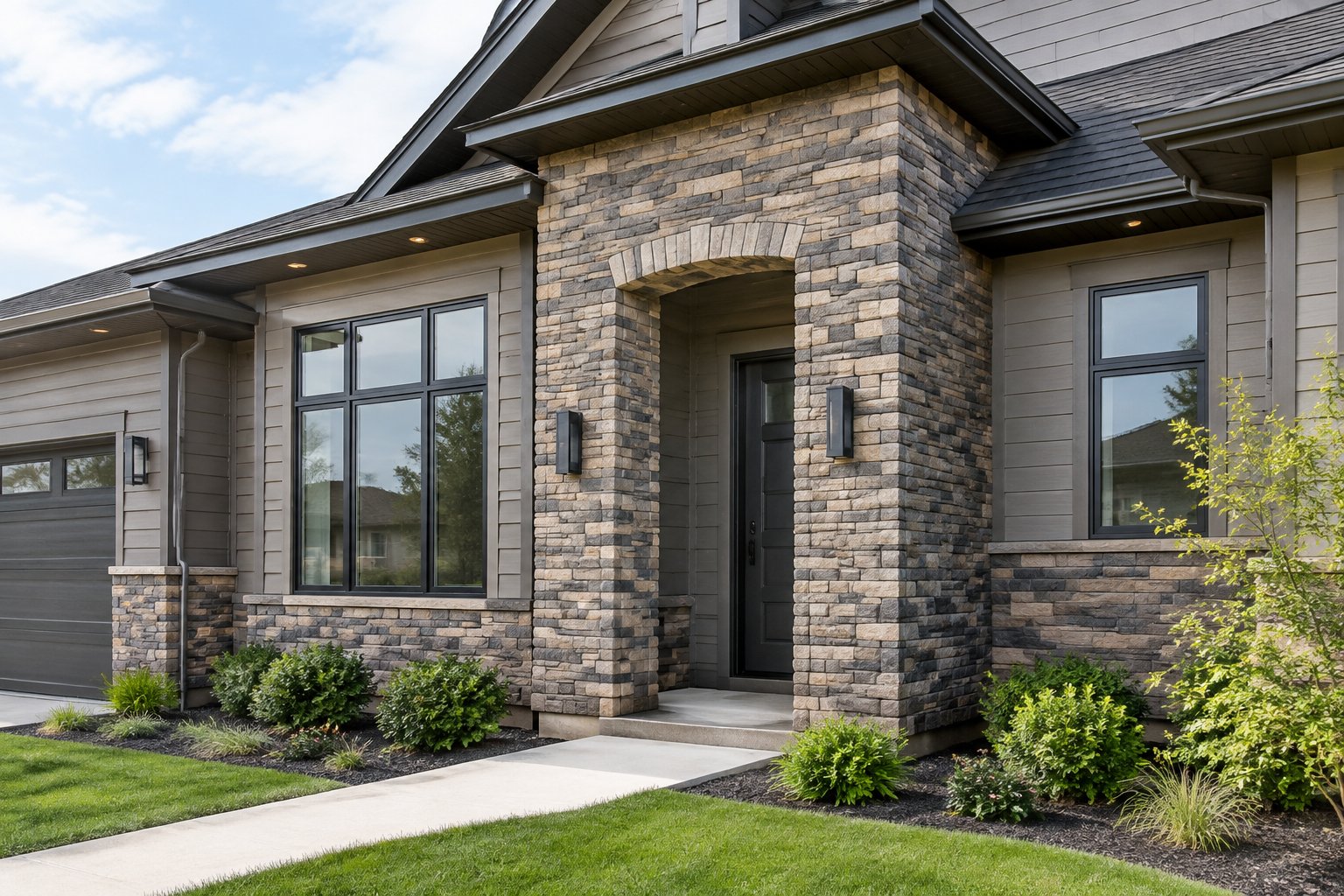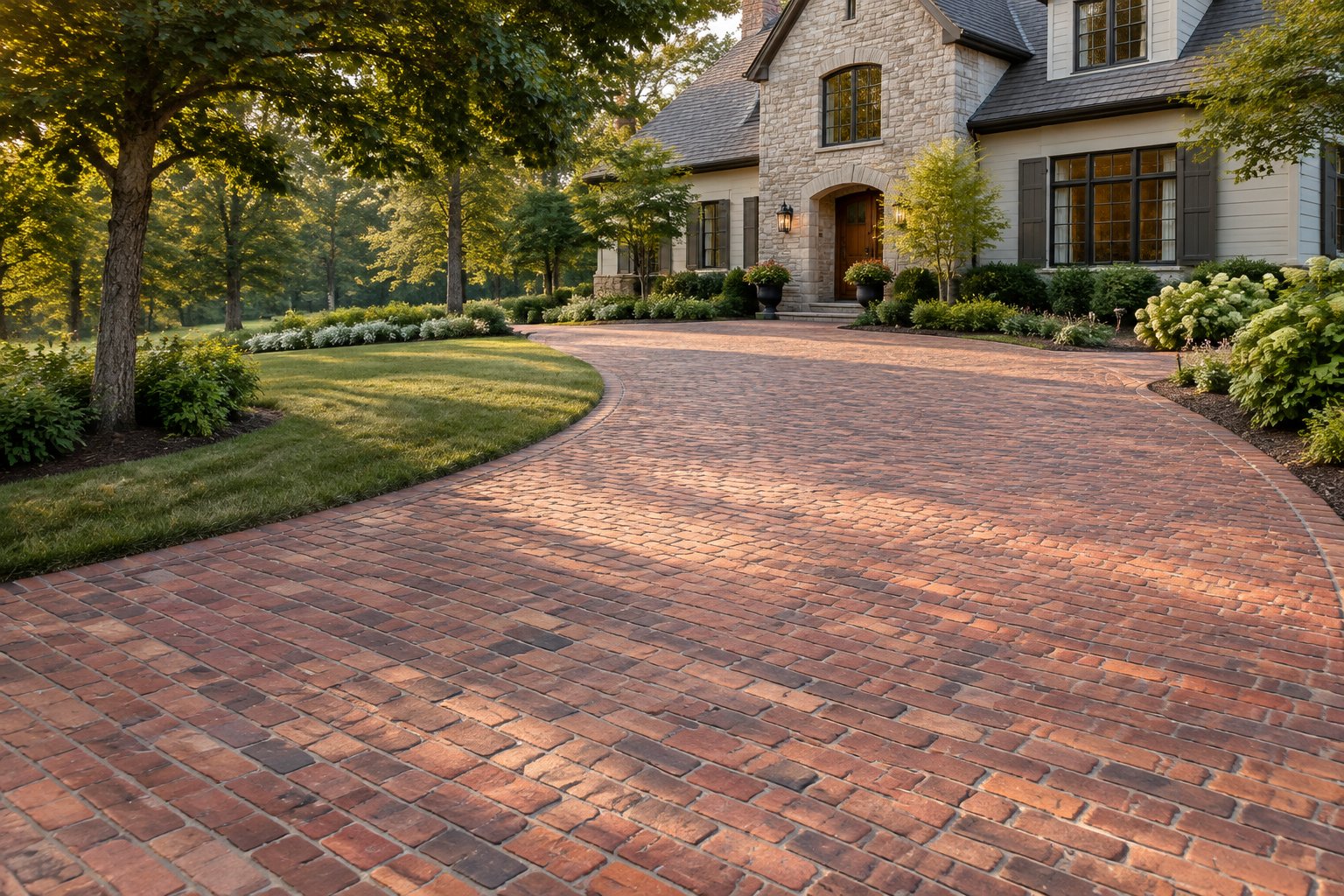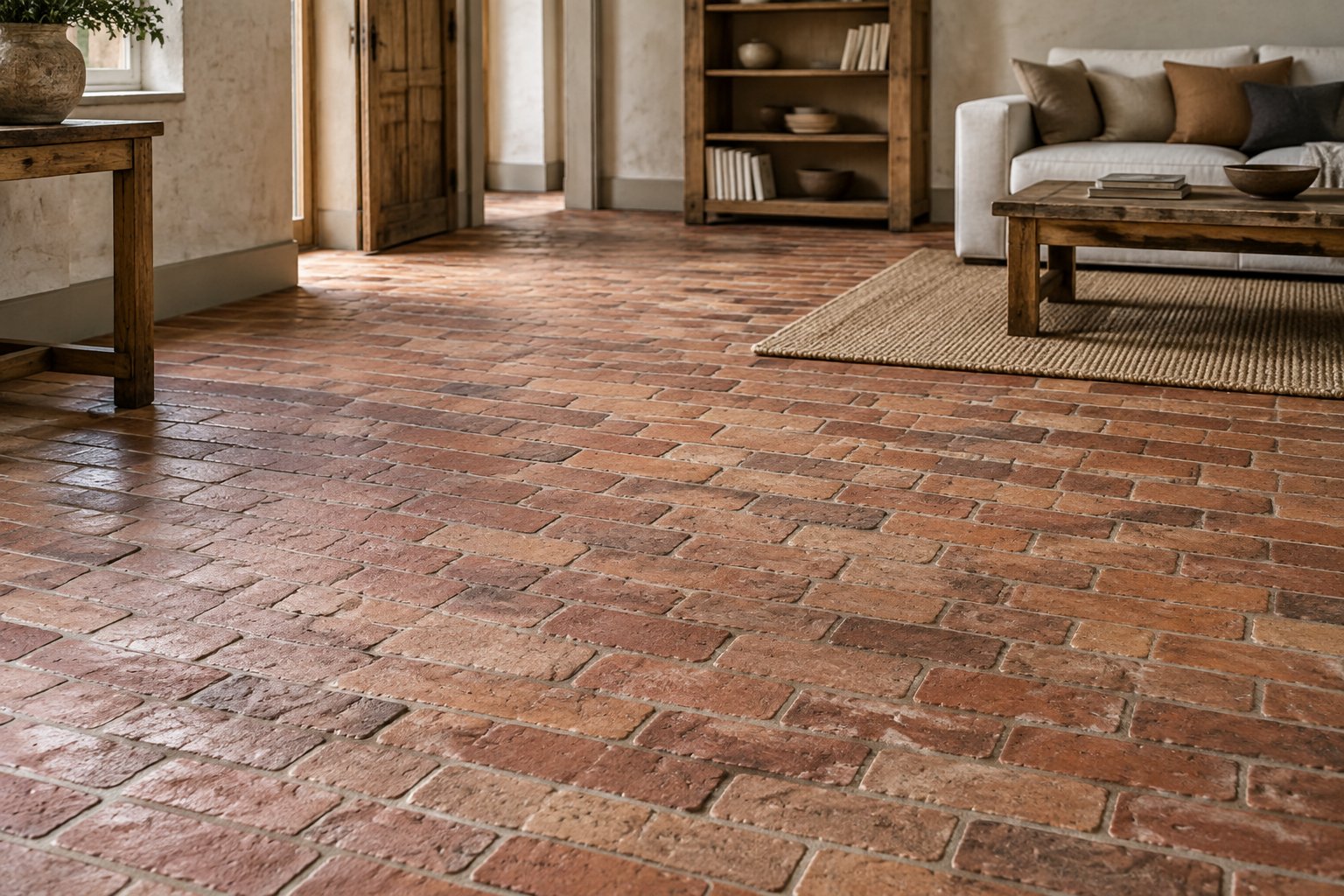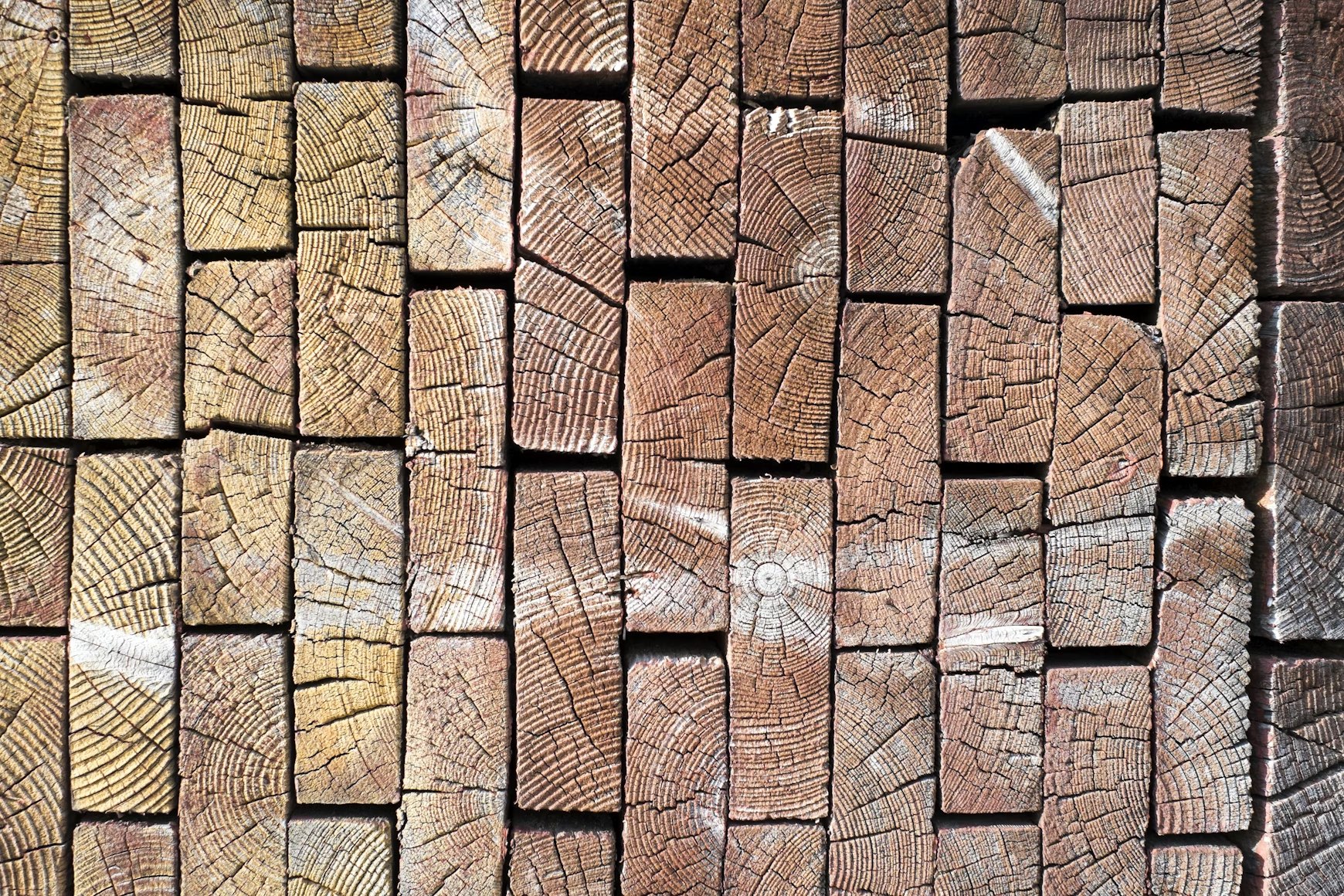
Some materials just do the job. Others tell a story the moment you see them.
Reclaimed brick and stone fall into the second category. They have already lived a life, shaped by decades of weather, craftsmanship, and use. When you build with them, you are not starting from scratch. You are continuing something. The worn edges, subtle color shifts, and natural imperfections bring a kind of depth that new materials struggle to imitate.
There is a practical side too. Choosing reclaimed materials helps reduce waste and avoids the heavy environmental cost of producing new brick and stone. You get strength that has already stood the test of time, along with a look that feels grounded, warm, and real.
In the sections ahead, we will get into what reclaimed materials really are, why they matter, and how to actually find and use them. We will cover the benefits, walk through sourcing tips, and point out a few challenges so you can plan with confidence. Whether you are building a patio, designing a feature wall, or working on a full home, the goal is simple. Help you create something with lasting character and a lighter footprint.
If you value both heritage and efficiency, New Orleans Brick & Stone keeps authentic reclaimed materials on hand and ships nationwide within 48 hours. It is a straightforward way to bring real history into your project without slowing things down.
Sustainable Reclaimed Building Materials
Reclaimed materials come from old buildings and parts that still work well for new projects. They keep character, cut waste, and often lower the energy used in making new bricks, stone, or wood.
Reclaimed building materials are pieces taken from existing structures—walls, floors, roofs, and decorative bits—and prepped for reuse. Think century-old brick, hand-hewn beams, slate roof tiles, and cast-iron hardware.
You get pieces with real wear, patina, and proven durability. Each item usually shows its age and history, which can add authentic character to your design.
Sustainability Principles in Building
When you use reclaimed materials, you keep stuff out of landfills and skip making new raw materials. That means less energy burned and fewer emissions from mining, firing, or milling.
You also help conserve natural resources like clay, stone, and old-growth timber. A lot of builders now track embodied carbon, and reclaimed brick and stone usually come out ahead compared to new.
Key Differences Between Reclaimed and New Materials
Reclaimed materials bring a richness you can see and feel right away. Subtle color shifts, weathered edges, and the small imperfections earned over decades give each piece a sense of depth that new materials rarely match. New brick and stone, on the other hand, offer clean lines, uniform sizing, and predictable performance, which can be useful for highly controlled builds.
Working with reclaimed pieces may involve a bit of preparation. Cleaning, testing, or minor repairs are sometimes part of the process. New materials typically arrive consistent and ready for immediate installation, which can simplify tighter timelines.
The choice comes down to what matters most for your project. If you are after authentic character and a lighter environmental footprint, reclaimed brick and stone stand apart. If your priority is strict uniformity and streamlined installation, new materials may be the better fit.
New Orleans Brick & Stone hand-selects and tests reclaimed brick and stone, keeping inventory ready to ship within 48 hours so you can move forward with confidence and without unnecessary delays.
Why Use Sustainable Reclaimed Materials
Using reclaimed materials cuts waste, saves energy, and adds real character to your project. You can lower costs, meet sustainability goals, and keep historic details intact while getting durable, ready-to-use materials.
Environmental Impact Reduction
Reclaimed brick, stone, and wood keep usable materials out of landfills. That means less demolition debris in dumps and fewer emissions from hauling and new-material delivery.
You also avoid the heavy energy and emissions tied to quarrying, firing, or manufacturing new masonry. For example, reusing century-old brick saves the carbon and fuel that new brick production would produce.
Choosing reclaimed items reduces demand for new raw materials. That helps protect quarries and forests and lowers the overall ecological footprint of your build.
Economic Advantages
Reclaimed materials can cut project costs in several ways. You spend less on new raw material procurement and often save on processing since reclaimed pieces are already aged and weathered.
Buying hand-selected inventory that’s ready to ship can speed timelines and lower storage or wait costs. New Orleans Brick & Stone keeps stock on hand and ships quickly, which helps avoid schedule delays and rush fees.
Reclaimed materials also add resale value when used thoughtfully. Authentic, durable materials attract buyers who value history and quality, which can improve return on investment for your project.
Preservation of Historic Character
Reclaimed materials carry patina, texture, and proportions that new products rarely match. Using original brick, stone, or slate helps your work fit into older neighborhoods or match period restoration details.
You preserve the visual story of a place by reusing pieces from century-old buildings. That adds authenticity and a sense of continuity to your project—qualities architects and homeowners often prioritize.
Hand-selected reclaimed elements also support craftsmanship. They let you recreate authentic patterns, mortar joints, and finishes that honor historic design while meeting modern performance needs.
Types of Sustainable Reclaimed Building Materials
You’ll find materials that add character, save resources, and often lower project costs. Each option below explains what to look for, how it performs, and practical tips for use.
Reclaimed Wood
Reclaimed wood comes from old barns, warehouses, and demolished homes. Look for dense species like oak and heart pine; they resist wear and take finishes well.
Check boards for nails, rot, and insect damage before installation. Have the wood kiln-dried or conditioned to your home’s humidity to reduce shrinking and warping. Use planed or milled boards for floors and trim, and keep rougher pieces for beams and accent walls.
Reclaimed wood often carries patina and nail holes that add character. Use it where its history shows—mantels, floors, and exposed beams—so you keep labor reasonable while maximizing visual impact.
Reclaimed Brick and Masonry
Reclaimed brick and stone offer authentic texture and color you can’t match with new material. Bricks from century-old structures often have stronger firing and richer patina than modern bricks.
Sort bricks by size, color, and condition before laying. Use matching mortar and proper cleaning methods—gentle wire brushing or low-pressure washing—to preserve surface detail. For load-bearing walls, inspect each brick for cracks and compressive strength.
If you need fast delivery or hand-selected stock, New Orleans Brick & Stone keeps inventory ready and can ship within 48 hours. Use reclaimed brick for facades, patios, and interior feature walls to tie new work to historic character.
Recycled Metal
Recycled metal includes steel beams, copper flashing, and aluminum window frames salvaged from demolition. Steel and copper reclaimed from industrial sites often meet structural and corrosion-resistance standards when properly cleaned.
Have metals tested for structural integrity and corrosion before reuse. Clean and seal copper and steel to remove contaminants and prevent future corrosion. Recycled metal works well for roofing, structural supports, and decorative elements like stair rails.
Choose recycled metal when you need long life and low maintenance. Its reuse reduces mining and manufacturing energy, and it pairs well with reclaimed wood and masonry for durable, mixed-material designs.
Repurposed Concrete
Repurposed concrete appears as salvaged pavers, crushed aggregate, or cut stone from foundations and sidewalks. Large concrete pieces can become retaining walls or steps; crushed concrete makes a stable base for driveways and patios.
Check concrete for contaminants like rebar rust or chemical staining. Cut and finish reclaimed concrete slabs to fit new dimensions, or grind them for polished interior surfaces. Use crushed recycled concrete as sub-base under paving to reduce new aggregate needs.
Repurposed concrete suits heavy-use areas where longevity matters. It keeps demolition waste out of landfills and often costs less than new cast concrete, especially when local salvaged materials cut shipping and disposal fees.
Sourcing and Supply of Reclaimed Materials
Finding the right reclaimed materials is not just about location. It is about trust, consistency, and knowing exactly what you are getting before it arrives on site. That is where experience and hands-on sourcing make all the difference.
A More Reliable Way to Source
At New Orleans Brick & Stone, sourcing is not left to chance. Every brick and stone comes from carefully selected structures, many of them over a century old, chosen for their character, durability, and architectural value. Instead of chasing down demolition sites or hoping a salvage yard has what you need, you are working with a curated inventory that is already on hand and ready to move.
Because the materials are physically in stock, you can get clear answers right away. Exact dimensions, quantities, and current photos are available before you commit. That clarity removes the guesswork and helps projects stay on track.
Hand-Selected for Quality
Not every reclaimed piece makes the cut. Materials are inspected for structural integrity, with attention to cracks, spalling, and long-term durability. What remains is a collection of brick and stone that balances strength with the kind of surface character that only time can create.
Cleaning and preparation are handled before shipment, so you are not dealing with unnecessary job site delays. The goal is simple. Deliver materials that are ready to perform while still carrying the texture and authenticity that make reclaimed work so distinctive.
Tested, Documented, and Ready to Use
Quality is not just visual. Reclaimed materials are evaluated to ensure they meet practical building needs, whether that means checking for contaminants, confirming durability, or documenting their origin. This level of preparation supports everything from residential builds to more detail-driven architectural projects.
Having that documentation in place also makes conversations with builders, architects, and inspectors smoother. You are not left scrambling for answers halfway through a project.
Built for Speed and Certainty
One of the biggest challenges with reclaimed materials is timing. Waiting weeks or months for the right supply can stall a project. That is why inventory is maintained and ready to ship within 48 hours nationwide.
The result is a sourcing process that feels straightforward and dependable. You get the history, texture, and authenticity of reclaimed brick and stone, without the usual uncertainty that comes with finding it.
This is how reclaimed materials should work. Clear, reliable, and rooted in craftsmanship from the very beginning.
How to Incorporate Reclaimed Materials in Construction
Plan around the materials you can source, their sizes, and their condition. Think about structural needs, weather exposure, and the look you want before ordering.
Design Strategies
Start by inventorying reclaimed pieces and matching them to specific uses. For example, use whole reclaimed bricks for exterior facades, thicker cut stone for steps or lintels, and thin brick or veneer for interior feature walls. Measure actual brick sizes and note mortar joints so you can design consistent courses and minimize cutting.
Use flexible detailing to accept variations. Specify running bond or irregular patterns that complement reclaimed texture. Keep trim and flashings simple and weather-resistant to protect old masonry. Add a small mock-up wall on-site to confirm color, joint width, and cleaning methods before full installation.
If you want a historic look, choose mortar color and tooling to match period profiles. For modern contrast, pair reclaimed masonry with clean metal or glass elements. Label and photograph materials during salvage so trades install pieces where they best suit structure and appearance.
Integration with Modern Building Requirements
Confirm structural ratings and testing for load-bearing use. Have reclaimed stone or brick tested for compressive strength and moisture performance when used in foundations or walls. Use a licensed engineer to approve reuse in structural applications and to specify reinforcement or grouting where needed.
Meet current codes for drainage, insulation, and vapor control. Add a continuous air and water barrier behind masonry veneers and provide a drained cavity with weep holes and flashing at all openings. When insulating, choose methods that don’t trap moisture against old masonry—use ventilated cavities or exterior insulation systems compatible with reclaimed veneers.
Work with contractors experienced in masonry repair and restoration. They will adjust mortar mixes for softer historic brick, choose appropriate anchors for thin brick, and use compatible cleaning and sealing methods to avoid damage. If you need fast, reliable supply of tested reclaimed materials, New Orleans Brick & Stone can provide hand-selected inventory ready for quick shipment.
In the end, building with reclaimed materials is not just a design choice. It is a decision about how you want a space to feel and what kind of story it carries forward.
New materials can be clean, efficient, and predictable. There is a place for that. But reclaimed brick and stone offer something deeper. They bring texture you cannot manufacture, durability that has already been proven, and a sense of history that grounds a project from the very beginning.
They also ask you to build a little more thoughtfully. To pay attention to sourcing, to understand variation, and to embrace the small imperfections that make a space feel real. That extra intention is often what separates a project that looks finished from one that feels complete.
If you value both heritage and efficiency, New Orleans Brick & Stone makes it possible to work with authentic reclaimed brick and stone without the usual delays or uncertainty. With hand-selected inventory ready to ship within 48 hours, you can move forward with confidence while still honoring the craftsmanship and history behind every piece.
Build something that lasts. Build something with character.
Frequently Asked Questions
Let’s cover some specifics—what materials are out there, where to find them, clever ways to reuse, and how to pick the best options for your job.
What are some examples of recycled materials for construction?
Reclaimed brick, reclaimed stone, and salvaged flagstone are great for walls, patios, and walkways.
Recycled metal roofing, crushed concrete (as aggregate), and reclaimed timber all work for roofs, foundations, and framing.
You’ll see recycled rubber and composite decking in outdoor areas. Thin brick veneers and old pavers make for unique floors and facades.
How can I find recycled construction materials near me?
Try local salvage yards, historic demolition crews, or architectural salvage stores. Always call ahead to ask about inventory and contaminant testing.
Check online marketplaces for reclaimed goods, and reach out to local preservation groups. You can also call a supplier like New Orleans Brick & Stone to see what’s in stock and ready to ship.
What are some of the most innovative uses of reclaimed materials in building?
Using reclaimed brick for interior structural walls adds texture and saves resources.
Old timber beams repurposed as stair treads, mantels, or exposed ceiling members bring warmth and history.
Crushed concrete from demo sites makes sturdy, low-waste pathways. Reclaimed slate or tile can top a roof with classic style that lasts.
Why is reclaimed wood considered eco-friendly?
Reclaimed wood gives existing trees a second life—no new logging, less energy spent milling. Plus, it keeps old boards out of the landfill.
Older wood often has tighter grain and broader planks, so it can be stronger and last longer than new lumber.
What is an unexpected yet sustainable material that is also affordable for construction?
Recycled tire rubber is a winner for playground surfacing, mats, and sometimes underlayments. It’s cheap and tough.
Reclaimed shipping pallets can become furniture, temporary framing, or basic wall cladding if you clean and inspect them well.
Crushed concrete from demolition makes a budget-friendly base for driveways and paths, taking the place of new gravel.
How do the principles of sustainable construction influence material choice?
When you're picking materials, it's smart to lean toward durability, reuse potential, and low embodied carbon. Basically, go for stuff that holds up over time and doesn't demand endless upkeep.
It's also worth asking where those materials come from—were they sourced nearby or salvaged locally? That can really help trim down transport emissions. And honestly, don't be shy about grilling suppliers on things like testing, provenance, or whether they actually have what you need in stock. No one wants a project derailed by a missing shipment.