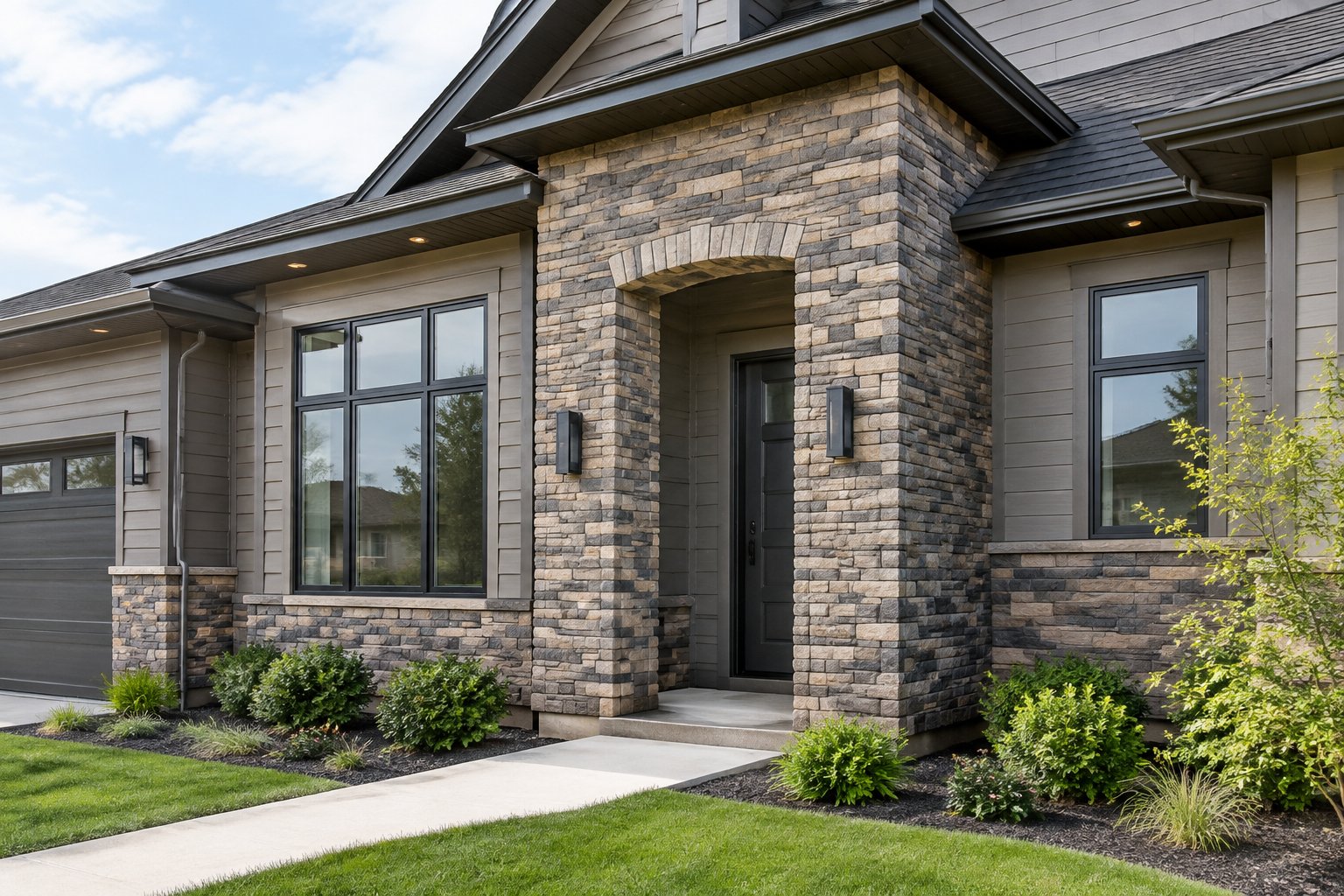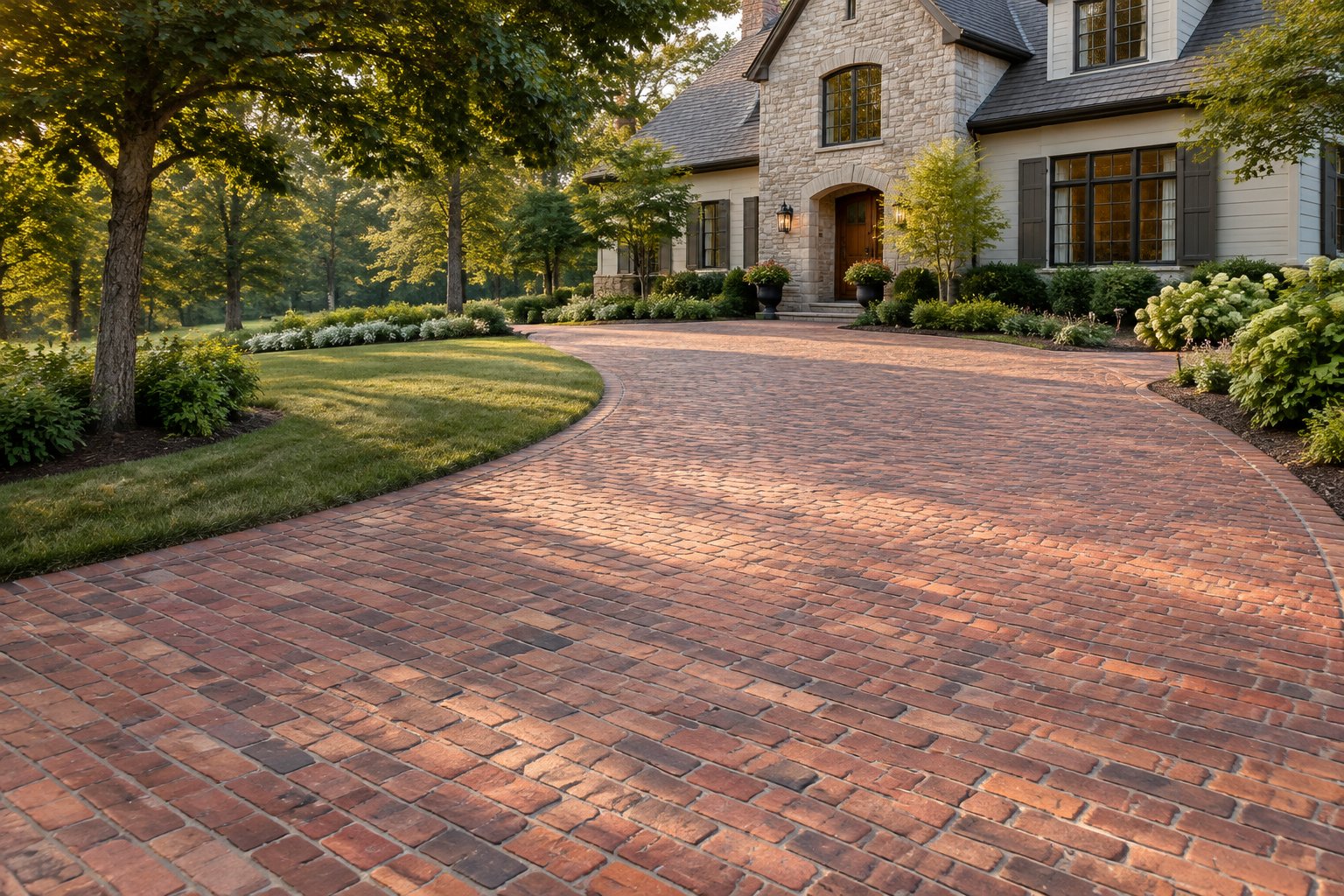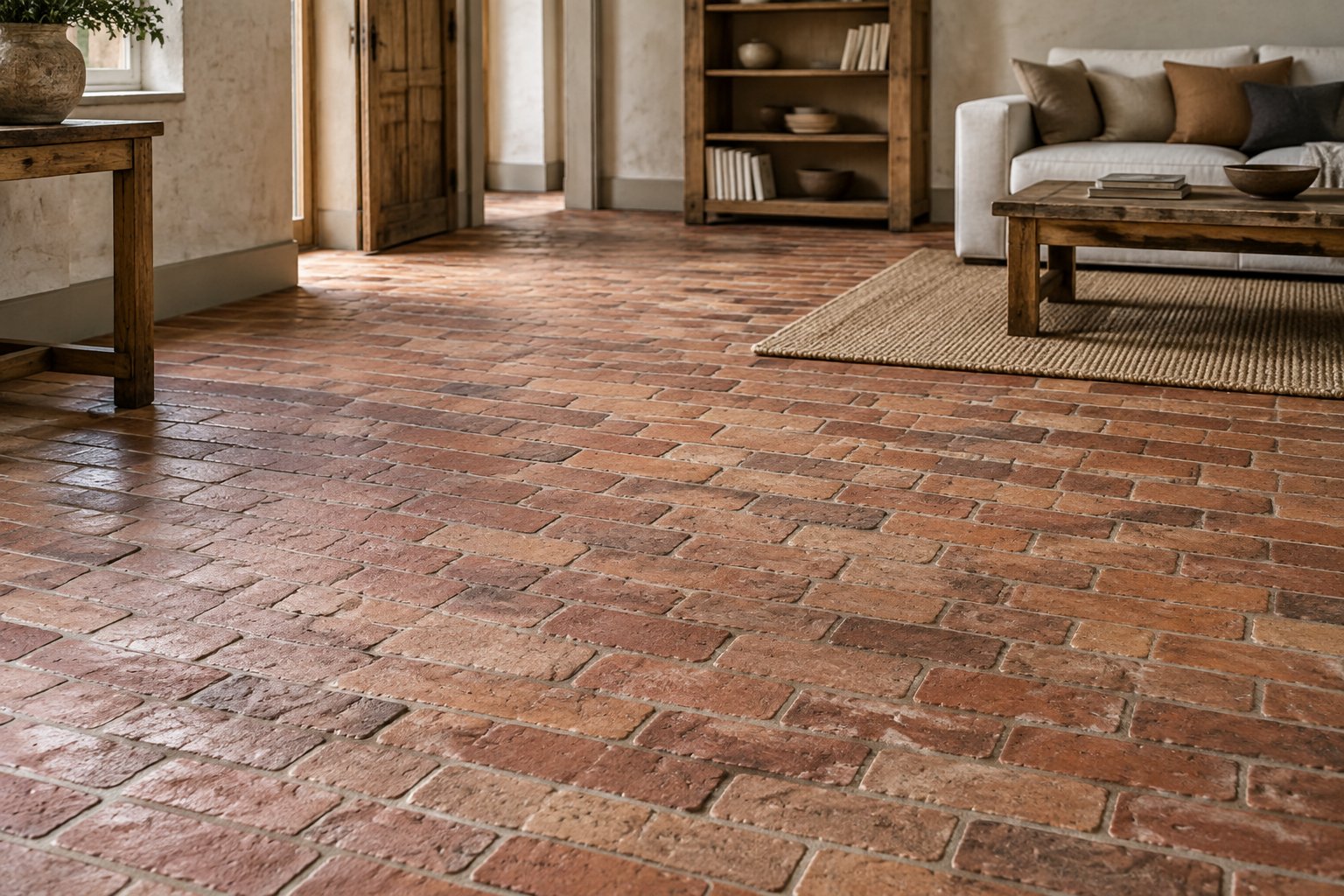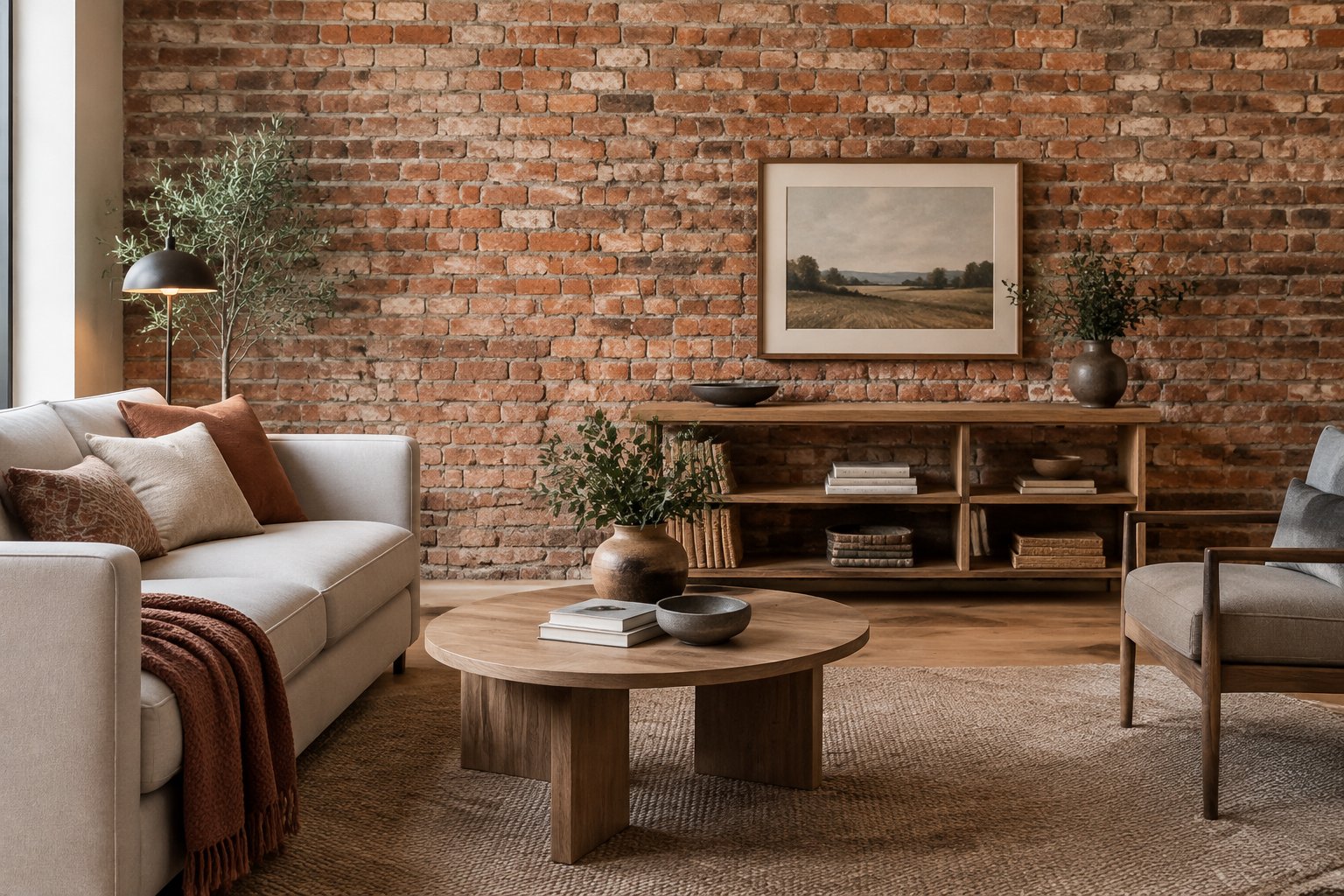
You can see it before you touch it. The softened edges, the soot-darkened faces, the quiet variation in color that only time can create. Reclaimed brick and stone bring a sense of history into a space the moment they are laid. It is not manufactured. It is earned.
That texture and patina do more than look good. They add depth, warmth, and a kind of permanence that new materials rarely achieve. Each piece carries subtle imperfections that catch light differently, creating movement and character across a wall, a patio, or an entire home.
But using reclaimed materials well takes intention. The difference between a space that feels thoughtfully historic and one that feels simply worn comes down to how those materials are chosen, placed, and cared for. Understanding how patina forms and how texture behaves helps you make decisions that highlight these qualities instead of hiding them.
In the sections ahead, we will break down how texture and patina develop, how to use them effectively in both interior and exterior spaces, and what it takes to preserve their character while ensuring long-term performance. The goal is simple. Help you create something that feels grounded, timeless, and built with purpose.
New Orleans Brick & Stone sources hand-selected reclaimed brick and stone with true patina and texture, making it easier to bring that sense of history into your project with confidence.
Texture in Reclaimed Materials
Texture and patina reveal age, use, and the environment a piece came from. They affect not just how surfaces look, but how they keep aging, and even how they feel underfoot or to the touch.
Characteristics of Aged Surfaces
Aged surfaces have quirks. You’ll see worn edges, surface pits, and soft corners from years of foot traffic, weather, and patching. These details create a tactile depth you can see and feel.
Color variation is huge. Soot stains, mineral streaks, and faded glazes layer up, giving bricks and stone a complex look. Mortar remnants, old tool marks—those little things add up to real authenticity, whether you’re up close or looking from across the room.
Despite the wear, reclaimed bricks and stones are usually tough. Made from dense clay or old-growth quarried stone, most of the surface wear is just cosmetic. You get visible history without giving up strength.
Types of Textures
Reclaimed brick textures run the gamut—from smooth, soil-fired faces to rough, soot-darkened pavers. Look for:
- Faces with a subtle gloss from years of exposure.
- Spalled edges and surface crazing where frost or impact chipped away layers.
- Tool marks and wire-cut lines from old-school manufacturing.
Stone flags and cobbles show grain, veining, and weathered planes. Slate and thin veneers usually keep their natural cleft texture. You can sort by texture to control the vibe—mixing rough and smooth for contrast or sticking to one look for period accuracy.
Influence of Material Origin
Where a material comes from shapes its feel. Urban bricks from industrial sites often have soot, lime, or paint. Rural barn bricks? Softer wear, more from wind and rain, less industrial grime.
Quarried stone reflects its source. River-worn stones have rounded edges and shiny spots. Mountain-hewn stone keeps chisel and bedding marks—a little rugged, a little handmade.
When you choose reclaimed materials, match origin to your project’s intent. For a true restoration, go for similar building types and regions. If you’re working with suppliers like New Orleans Brick & Stone, ask about provenance and grab samples so your pick lines up with both looks and performance.
The Significance of Patina
Patina gives reclaimed materials a layered history—visible in color shifts, worn edges, and surface marks. These clues help you match materials, set a mood, or signal age without faking it.
What Is Patina and How Does It Form
Patina is the surface change that shows up on brick, stone, and metal after years of weather, use, and exposure. On brick, you’ll see soot-darkened faces, soft edges, and subtle color shifts from smoke, rain, and decades of freeze-thaw cycles. Stone gets thin stains, tiny pits, and warm tones from lichen, minerals, or lots of foot traffic.
Patina forms slowly. Time, moisture, minerals, and even biological growth interact with the original material. For reclaimed pieces, you get unique, trustworthy signs you can use when restoring period details or adding authentic texture to new work.
Natural Versus Artificial Patina
Natural patina comes from real aging—irregular wear, layered stains, and weathering that’s different on every piece. It’s tied to provenance too; knowing where a material came from helps you keep things consistent.
Artificial patina tries to copy that look. People use stains, sandblasting, or chemicals to fake age. Sometimes you want a uniform look, but up close, these can look a bit manufactured. If authenticity matters, stick with hand-selected reclaimed materials—New Orleans Brick & Stone keeps inventory with genuine patina for reliable matches.
Visual and Emotional Appeal
Patina has depth—color shifts, worn corners, tool marks—it’s texture you can see. Inside, a reclaimed brick wall feels layered and warm. Outside, flagstone with natural patina blends right in, never looking too new.
Patina also just feels right. It signals history, craft, and a sense of continuity. Using materials with real patina makes spaces feel lived-in and grounded, not staged or sterile. For a lot of builders and homeowners, that feeling is worth the extra effort or cost reclaimed pieces sometimes require.
Methods for Highlighting Texture
The trick is to use finishes, cleaning, and the right tools to make reclaimed surfaces show their age and detail—without hiding or harming them.
Finishing Approaches
Pick finishes that protect but let texture show through. For brick and stone, a breathable, low-sheen sealer blocks stains but keeps pores visible. A pump sprayer gives even coverage; two thin coats beat one thick one.
Inside, try a matte masonry stain or a diluted limewash to even out color without filling in the crevices. Test on a spare piece first. Skip thick acrylic paints and high-gloss sealers—they flatten everything.
When sealing mortar joints, tuck-point with care to match the original depth and tool marks. Keep joint profile and color consistent so texture flows, not patches.
Cleaning Without Losing Character
Start gentle: soft brushes and low-pressure water. A nylon brush and garden hose will take care of most dirt and growth. Only move up to pressure washing if you have to, and keep the psi low with a wide nozzle.
For stains, spot-treat with neutral pH cleaners or diluted trisodium phosphate, then rinse well. Don’t scrub too hard or you’ll lose the aged surface that gives character. Always test cleaners somewhere hidden to make sure they won’t bleach or etch.
If you spot mortar or surface damage, fix it with matching materials after cleaning. That way, you keep both stability and the visual patina.
Tools and Techniques
Stick with hand tools for control. Tuck-pointing tools, margin trowels, and a chisel with light taps let you match original profiles and only remove what’s truly bad. Electric grinders and heavy chisels can go too far—use them rarely.
To reveal texture, dry-brush or sand-blast gently with fine media, but only on loose pieces. For stuff that’s already installed, a rotary wire brush at low speed can lift grime from crevices without wrecking the face.
Keep a test panel for finish and cleaning trials. Label your results and jot down product brands and ratios so you can repeat the same look. If you need reclaimed materials in a hurry, New Orleans Brick & Stone has hand-selected pieces already tested and ready for these methods.
Preserving Patina in Design
Keep the worn surface, color shifts, and texture intact, but make sure everything stays solid and safe.
Stabilizing Original Surfaces
Start by checking each piece for loose mortar, cracks, salt damage, or flaking. Clean gently with a soft nylon brush and low-pressure water—skip sandblasting or harsh acids that strip the original surface.
Use lime-based or breathable repair mortars to re-point and fill hairline cracks. These match historic vapor movement and stop trapped moisture from causing spalling. For deeper cracks, use stainless-steel reinforcement or epoxy stitching if you really need to, and keep it hidden.
Test for soluble salts with a simple nitrate test before sealing. If you find salts, use desalination poultices to draw them out. Let everything dry fully between steps—moisture left inside will mess up patina over time.
Sealing Without Dulling
Go for a breathable, matte sealer made for historic masonry so moisture can get out and the surface doesn’t shine weirdly. Avoid high-gloss or film-forming coatings—they look off and can peel. Apply sealers in thin, even coats with a pump sprayer or roller.
Always do a small test spot to check for color change and absorption. Only reapply where wear actually needs it. For areas like planters or spots that get stained, use a penetrating water repellent that keeps texture visible. Label treated pieces and note the product for future touch-ups.
Balancing Restoration and Authenticity
Decide what to fix and what to leave as character. Keep surface chips, lime bloom, and natural patina—they tell the story. Only go big on repairs for structural or safety reasons, not just to make things look perfect.
Document what you do with photos and quick notes—cleaning methods, mortars, sealer brands. This helps the next person keep the look going and avoid over-restoring. When you need replacements, match size, color, and texture, but don’t stress about perfect uniformity.
If you want hands-on help that actually understands historical standards, talk to people who specialize in reclaimed materials. New Orleans Brick & Stone can help match pieces and suggest ways to keep patina while making sure everything’s stable.
Texture and Patina in Different Reclaimed Materials
Expect big differences. Reclaimed wood shows grain and weathering. Metal keeps rust lines and finish loss. Stone reveals wear and subtle color shifts. Reclaimed brick and tile have edge wear, soot, and glazing changes.
Wood: Weathering and Grain
Reclaimed wood often comes from old beams, floors, or barns. You’ll spot tight, worn grain, nail holes, and saw marks showing where it was cut and used. These marks add depth and make every board unique.
Weathering changes color—some boards go gray from sun and rain, others turn deep honey where finish stayed. You can leave the surface as-is for character, or sand and seal just enough to keep the look but lose the splinters.
Pick wood by checking for solid structure, even thickness, and stable moisture. Match grain and color for big surfaces so things don’t look too patchy. For accents, go wild—variety’s part of the charm.
Metal: Rust and Oxidation
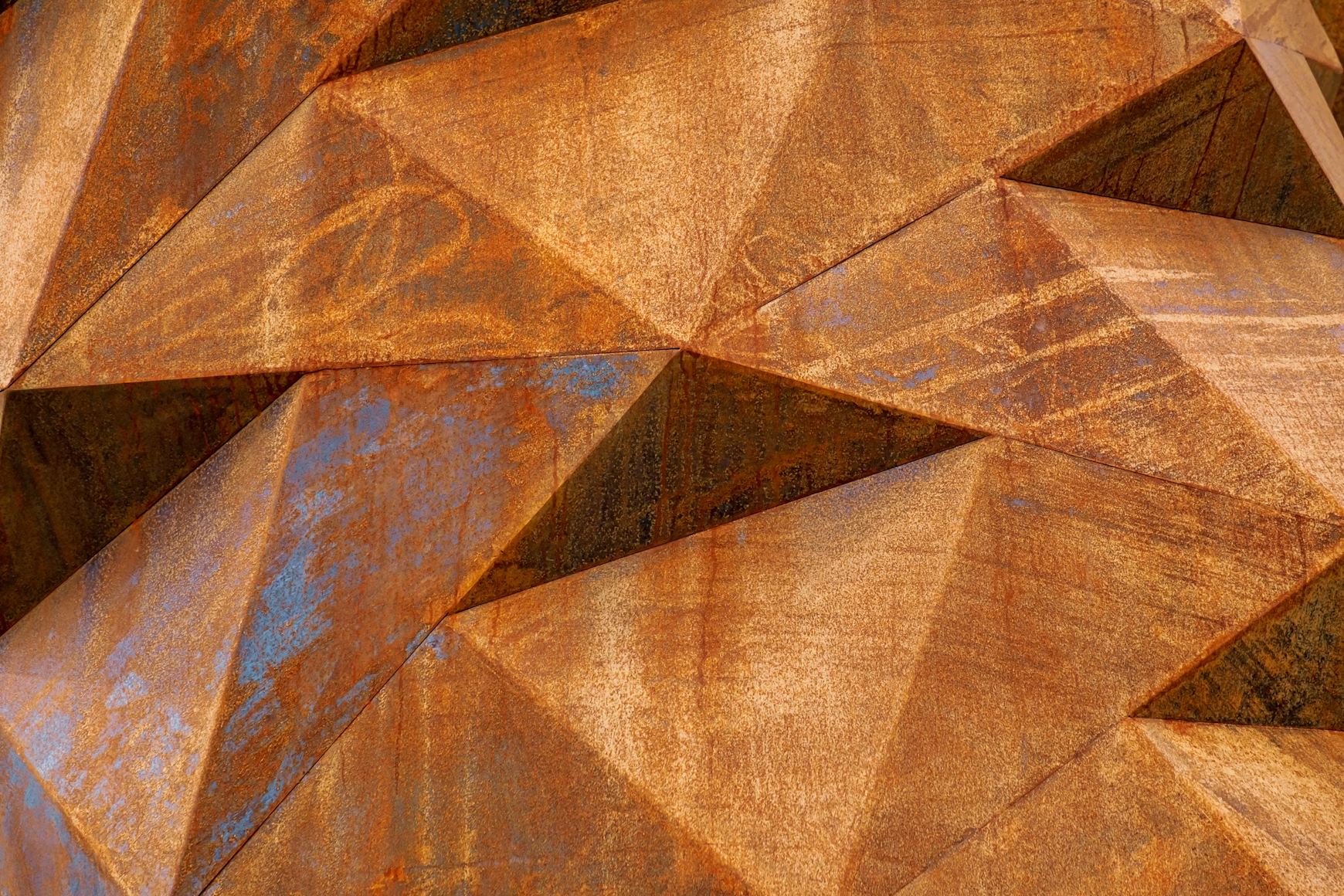
Reclaimed metal shows its history in rust, pitting, and missing coatings. Iron and steel usually have orange to brown rust, sometimes flaky, sometimes stable. Copper and bronze develop green or brown oxidation with layered patina.
Rust patterns follow water flow, joints, and fasteners—almost like natural artwork. You can highlight or tone these down. Light brushing removes loose scale but keeps the color shifts.
Always test metal for old coatings, deep corrosion, and contaminants before installing. You can seal in patina with clear coats, or use protective finishes if rust might keep going. Reclaimed metal works great for accents, facades, and details.
Stone: Wear Patterns
Reclaimed stone carries decades of weather and foot traffic. Corners round off, edges soften, and surfaces pick up micro-chips and a gentle polish. These signs make stone feel settled—never out of place.
Color shifts and mineral streaks tell you about the original quarry and aging. Limestones and sandstones can show dark stains from water, while granite keeps a subtle sheen and tiny pits. Use smoother stones for floors and more textured ones for facades.
Look for cracks, old repairs, and anchors. Clean gently to keep the historic surface. Thin veneers let you use reclaimed stone on modern builds without the weight or hassle.
Brick and Tile Variations
Reclaimed brick shows uneven edges, soot-darkened faces, and color shifts from firing and years outside. Sizes are often a little off from modern standards, which adds a handmade rhythm to walls and paths.
Tile can have crazing, glaze loss, and chips from heavy use. Patterned or glazed tiles keep brighter color where protected and faded tones on worn edges. Sort by color and wear before laying to control the final look.
Use reclaimed brick and tile for feature walls, facades, fireplaces, and floors. Seal planter-facing brick to prevent stains while keeping patina. New Orleans Brick & Stone can help hand-pick and match pieces for your project.
Creative Uses in Interior Design
Reclaimed materials bring in texture, warmth, and a sense of history. Use them where you want people to notice and touch, making spaces feel lived-in and authentic.
Statement Walls and Surfaces
Try reclaimed brick or thin brick on a single wall to anchor the room. A fireplace surround or kitchen backsplash can draw the eye and add depth, but won’t overpower the space. Play with mortar color and joint style to set the mood.
In living rooms, run reclaimed brick floor-to-ceiling behind shelves or a media wall for a tactile backdrop. In bathrooms, consider reclaimed stone or slate on one wall for natural pattern and slip resistance near wet spots. Keep finishes matte to keep the patina alive.
Veneer panels make fitting over drywall a lot easier. Always have samples on site—you’ll want to match tones to wood floors or cabinets before making a final call.
Furniture with Character
Turn reclaimed wood, brick, or stone into tables, counters, and benches. A reclaimed-wood dining top with a thin-brick base? Warmth and durability in one. Stone slabs make striking console tops that age with style.
Don’t strip away every mark—light refinishing lets dents and wormholes show. For smaller pieces, use reclaimed planks for drawer faces or cabinet doors for subtle historic detail. Seal surfaces if you need spill protection, but let the texture stay.
Find a millworker who gets reclaimed material quirks. That way, you avoid weak spots and keep the material’s story alive in every piece.
Accent Details
Small touches matter. Try brick or stone trim around windows and doors to frame views with texture. A low ledge or hearth from reclaimed brick works for plants and books.
Use fragments as insets—a brick mosaic behind a bar, stone tile borders in a mudroom. Keep grout minimal so the material’s edge stands out. Aged brass or matte black hardware pairs nicely with historic tones.
Label or document where a shelf or vignette came from. That bit of backstory adds meaning for you and your guests.
Blending with Contemporary Styles
Mix reclaimed surfaces with clean, modern lines for balance. A smooth concrete countertop next to a reclaimed brick wall creates contrast without clashing. Neutral paint and simple trims keep the focus on texture.
Stick to key zones—maybe one wall, a kitchen island face, or a bath accent—so the space doesn’t feel overwhelmed. Use color cues like warm grays or soft whites to tie old textures to modern finishes.
If you’re working with contractors, specify tolerances for uneven surfaces so cabinets and fixtures fit right. That helps keep things crisp while letting the reclaimed material’s character stand out.
New Orleans Brick & Stone can help you find pieces that fit your project’s look and scale.
Sourcing Materials with Distinctive Features
Finding reclaimed materials with real character should not feel like a gamble. It should feel clear, reliable, and rooted in experience. When the sourcing is done right from the start, everything that follows becomes easier, from design decisions to installation.
Sourced for Authentic Character
At New Orleans Brick & Stone, every piece begins with careful selection. Brick and stone are reclaimed from historic structures chosen for their age, texture, and architectural value. These are materials that have developed true patina over decades, not surface treatments meant to imitate it.
Because sourcing is intentional, you are not left wondering where your materials came from or what they will look like once delivered. You can see the variation, the weathering, and the character before making a decision, with clear photos and accurate details provided upfront.
Evaluated for Quality and Consistency
Character matters, but so does performance. Each piece is reviewed for structural integrity, with attention given to cracking, wear, and long-term durability. Materials are sorted and prepared so you receive a balance of strength and visual depth, whether the application is structural, decorative, or somewhere in between.
You also get clarity on sizing and quantities. Reclaimed materials naturally vary, but that variation is managed and communicated so your project stays predictable. No guesswork, no surprises when the materials arrive.
Handled with Care from Start to Finish
Reclaimed materials deserve a level of care that preserves what makes them special. From the way they are recovered to how they are cleaned, sorted, and shipped, every step is handled with that in mind.
Preparation happens before delivery, not on your job site. That means less time spent cleaning or sorting and more time focused on building. Materials arrive ready to be used, with their texture and patina intact.
Built Around Reliability
Sourcing reclaimed materials often comes with uncertainty. Limited supply, long lead times, and inconsistent quality can slow projects down. That is why inventory is maintained and ready to ship within 48 hours nationwide.
The result is a process that combines authenticity with dependability. You get materials with real history, real texture, and real presence, delivered in a way that supports your timeline instead of working against it.
This is what sourcing reclaimed materials should feel like. Intentional, transparent, and built on craftsmanship from the very beginning.
Texture and patina are not something you add at the end. They are built in from the very beginning, shaped by time, use, and the environment. When you choose reclaimed brick and stone, you are choosing materials that already carry that depth with them.
The real impact comes from how you use them. Thoughtful placement, careful preparation, and a willingness to let natural variation show all play a role. When done right, these materials do more than fill a space. They give it weight, warmth, and a sense of permanence that feels effortless.
There is also a balance to strike. Preserve the character, but respect the structure. Clean without stripping away history. Repair without overcorrecting. The goal is not perfection. It is authenticity that holds up over time.
If you value both heritage and reliability, New Orleans Brick & Stone provides hand-selected reclaimed brick and stone with true patina, ready to ship within 48 hours nationwide. It is a straightforward way to bring real texture and history into your project without the usual uncertainty.
Build with materials that have already proven themselves. Let the texture show.
Frequently Asked Questions
Here’s how to protect texture and patina, clean reclaimed pieces safely, and use a few simple tricks to bring out or add aged character. You can try these steps yourself or ask a supplier like New Orleans Brick & Stone when ordering.
What methods can preserve the patina on reclaimed wood?
Store boards dry and off the ground, under cover, until you’re ready to use them. That keeps out new stains, mold, and warping.
Seal with gentle products like thin linseed oil or a low-VOC clear finish. Go easy—just enough to keep the color and surface marks visible.
Don’t over-sand. Just level rough edges and leave tool marks and nail holes that tell the wood’s story.
How can you safely clean reclaimed materials without damaging their texture?
Test any cleaner on a hidden spot first. Start with mild soap and water; only move to stronger stuff if you have to.
Use soft brushes or sponges for wood and stone—skip the wire brushes on delicate surfaces. Blot stains instead of scrubbing hard.
For bricks or pavers, use low-pressure washing and masonry-safe cleaners. Keep pressure under 500 psi on old brick to protect the edges and mortar.
What techniques are used to enhance the natural patina in antique pieces?
A thin coat of penetrating oil deepens tone and brings out grain or veining. Wipe off the excess so it doesn’t look shiny.
Light, targeted rubbing with fine steel wool or abrasive pads can bring out contrast on raised and recessed areas. Take it slow and follow the grain.
For stone or brick, a gentle brush and diluted mineral spirits can lift grime while leaving color variation intact.
Can you add patina to reclaimed materials to give them an aged look?
Absolutely. For wood, mix stain and glaze to tint high spots or crevices, then wipe away the extra to keep texture. Work in small areas to match existing tones.
For metal, chemical patinas or controlled oxidizers create rust or verdigris effects. Neutralize and seal quickly so things don’t corrode out of control.
For brick and stone, try thin washes of tinted mortar or diluted paint, then wipe back to mimic years of staining without hiding texture.
What are the benefits of using reclaimed materials with a natural patina in home decor?
Patina adds instant character and a visible sense of history you just can’t get with new stuff. Warm color variation, rich texture, and visual depth all come standard.
Reclaimed pieces have already proven their durability. Choosing them supports sustainability by reusing quality materials instead of buying new.
How does the environment affect the texture and patina of outdoor reclaimed materials?
Sunlight will fade or dry out surfaces, often lightening the colors and making wood grain stand out more as the years go by. If you want to keep things looking good, UV-resistant finishes or just re-oiling once in a while can really help.
Moisture brings its own set of headaches—think stains, moss, or even mildew creeping onto brick, stone, and wood. It’s worth making sure you’ve got decent drainage, a good sealant, and maybe raising things up off the ground a bit to hold off mold and those nasty freeze-thaw cracks.
Salt in the air, pollution, and even just the constant wind will wear down metal and stone a lot quicker than you might expect. Personally, I’d go for denser, well-fired brick or stone if you can find it, and it never hurts to ask where the materials came from—sometimes local stuff just holds up better.