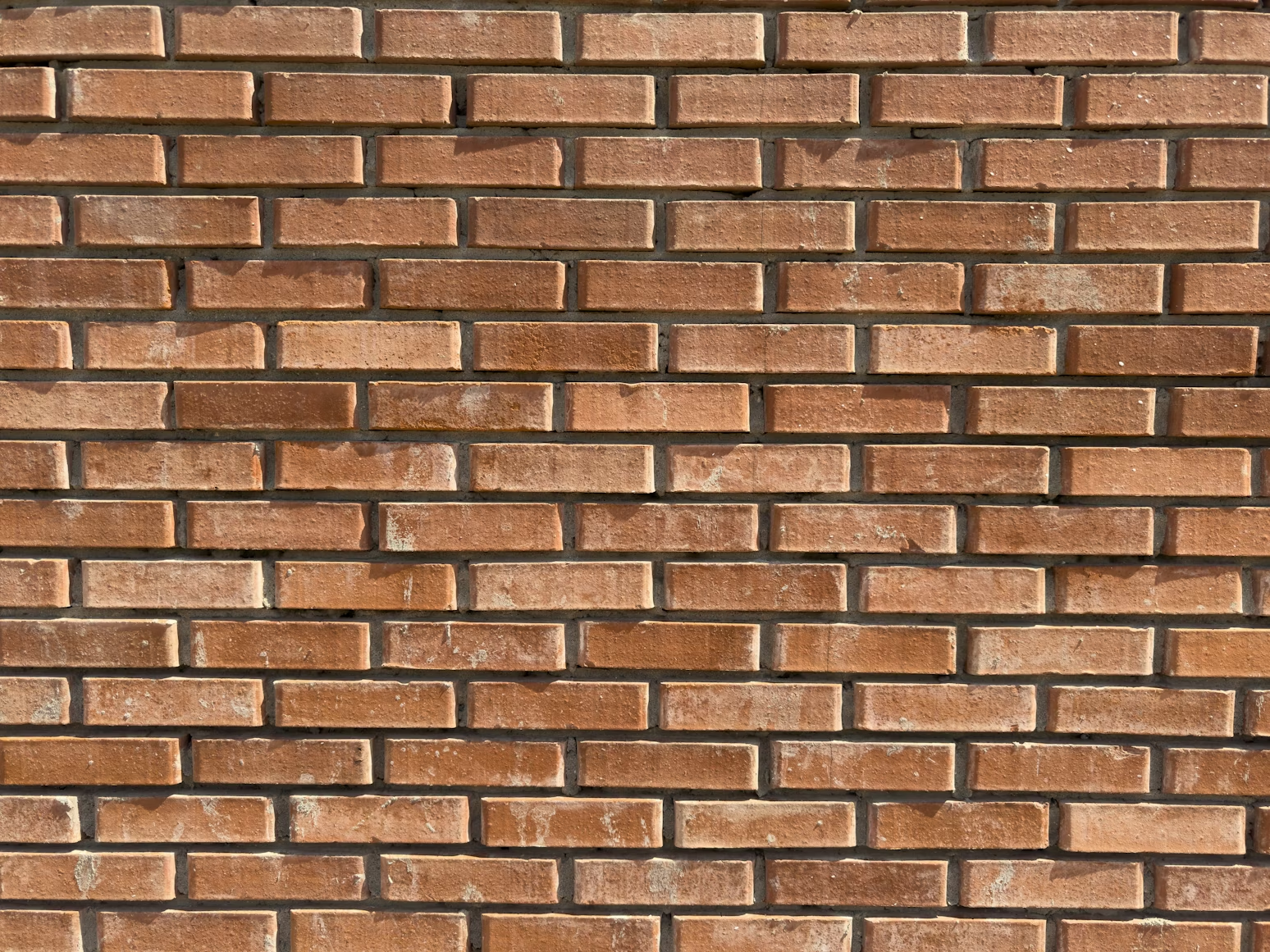
Ever wanted to give a room warmth, texture, and a sense of history without tearing everything down or stretching the budget too far? Thin brick makes that possible. You get the look and feel of real, reclaimed brick, but with less weight, easier installation, and a timeline that actually works for modern projects.
It is one of those materials that quietly transforms a space. A kitchen backsplash starts to feel layered and lived-in. A fireplace gains presence. Even a single feature wall can shift the entire tone of a room, adding depth that feels natural rather than designed.
So what makes thin brick such a strong choice for interiors? It comes down to balance. You get authentic character and durability, without the structural demands of full brick. That flexibility opens the door to more creative applications, from rustic corners to clean, modern spaces that need a bit of contrast.
In the sections ahead, we will walk through what thin brick is, where it works best, and how to install and maintain it so it looks right from day one and only gets better over time. The goal is simple. Help you create a space that feels like it has always been there.
If you are looking for reclaimed thin brick with genuine patina and quick availability, New Orleans Brick & Stone offers hand-selected options ready to ship, backed by a level of service that keeps the process straightforward from start to finish.
Thin Brick
Thin brick gives you the look and texture of real brick, minus the bulk. It’s got authentic color, surface wear, and vintage character in a lightweight package you can stick on all sorts of walls.
Material Composition
Basically, thin brick is a slice of real brick or a specially molded piece that uses the same clay or concrete as the big stuff. Makers start with clay, water, and mineral pigments—or sometimes dense concrete—to match those old-school colors and textures. These pieces usually measure about 1/2 to 3/4 inch thick, though some hit up to 1 inch.
Some come on sheets, others as singles, and you might see a backing or special coating to help them stick. You’ll find classic faces: wire-cut, hand-pressed, or worn reclaimed surfaces. That means you still get genuine patina and nice texture without loading up your structure.
Manufacturing Process
Manufacturers slice thin pieces from reclaimed bricks or press and fire thin forms in molds. Sliced reclaimed brick keeps the original color and surface quirks. For new thin brick, they shape the clay or concrete, dry it, and then fire or cure it until it’s tough as nails.
They run quality checks for density and freeze-thaw resistance. Some even add surface treatments to mimic historic aging. When you buy from reclaimed stock, suppliers hand-pick and test every batch for strength and color, so your wall blends right in with the old stuff.
Why Is It Different To Full Brick?
Thin brick is way lighter, so your framing and foundation can relax. Full bricks are 3 5/8 inches thick and need real support; thin veneer sticks on with adhesive or mortar—sometimes mechanical ties—right over drywall, plywood, or new framing. Just remember, thin brick isn’t structural—it’s all about looks.
You’ll finish faster and pay less for labor compared to heavy masonry, which eats up time and needs a pro mason. Full brick does give you deeper joints and more thermal mass, but thin brick wins for authentic looks and easier installs in modern interiors. New Orleans Brick & Stone keeps hand-selected thin brick that matches reclaimed profiles if you want historic charm without the wait.
Benefits of Thin Brick for Interior Transformations
Thin brick keeps the vibe and toughness of full brick but saves space and makes life easier. It’s versatile, durable, and lets you get creative—especially if your place needs a genuine finish.
Space-Saving Solution
Thin brick clocks in at about a third of the thickness of regular brick, so you get all that texture without losing precious room. You can put it on drywall, cabinets, even curves—places where full brick would be a pain.
It’s a game-changer for tight kitchens, slim hallways, and bathroom feature walls. Door swings and furniture layouts stay intact, but you still get that deep, brick look.
And because it’s light, you won’t need beefed-up framing or fancy ledgers. That means lower labor and material costs, especially in places where every inch counts.
Lightweight and Easy to Install
Thin brick panels and singles are easy to handle—just basic tools and a good adhesive, no heavy mortar beds or expert masons needed.
It speeds things up and keeps the mess down. Smaller crews can knock out accent walls, fireplace surrounds, or backsplashes fast, so you’re not living in a construction zone for weeks.
Shipping and handling are cheaper, too. If you’re into reclaimed thin brick, New Orleans Brick & Stone ships hand-picked, tested pieces right to your door, no long waits.
Versatility in Design
You’ll find thin brick in a ton of colors, textures, and sizes—smooth tans, weathered reds, you name it. Mix reclaimed pieces with new thin brick for a historic vibe or go bold with modern contrasts.
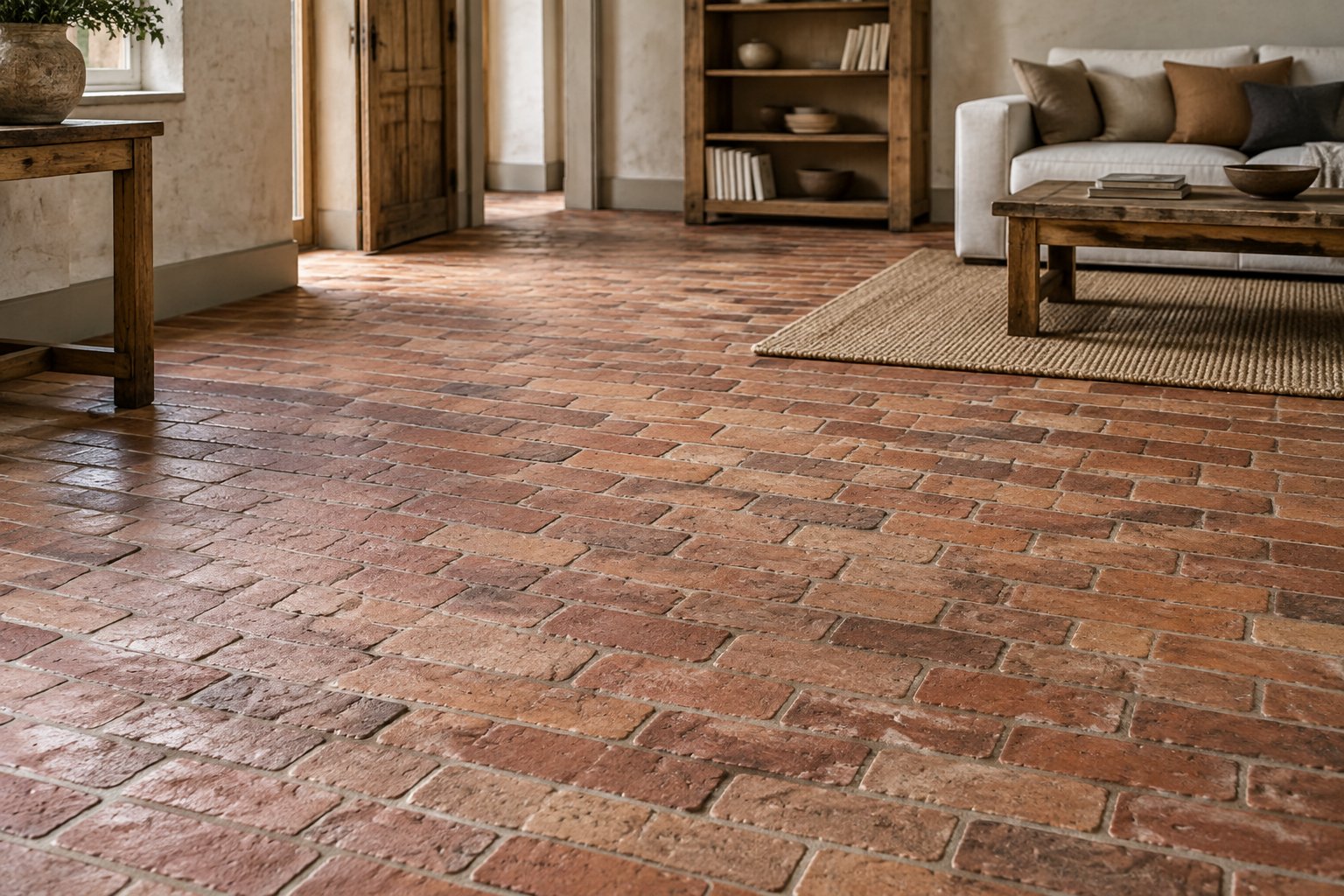
Use it for whole walls, wainscoting, fireplace veneers, kitchen backsplashes, or even flooring tiles. It wraps around curves and fits tricky corners, so you can get creative with your layout.
You can seal, leave natural, or whitewash the surface. That flexibility makes it easy to hit rustic, mid-century, or modern looks—and you still get the feel and durability of real brick.
Popular Interior Applications
Thin brick brings texture, warmth, and historic character without all the heavy lifting. You get the full brick look, but it’s lighter, cheaper, and much quicker to install.
Accent Walls
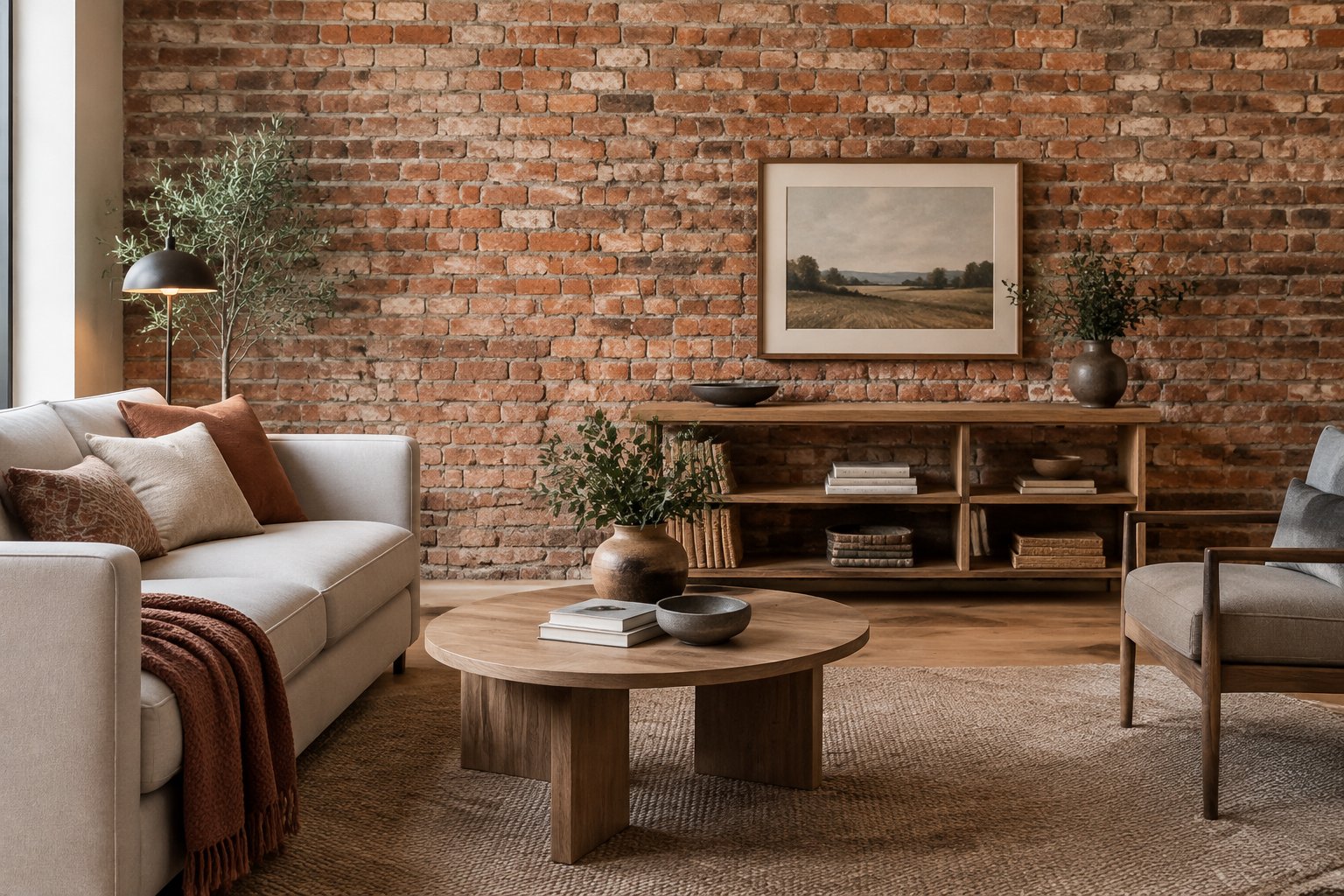
A thin brick accent wall can totally change a living room, bedroom, or home office. Reclaimed thin brick gives you color variation, chipped edges, and patina—real history you can see and feel. Just slap it over drywall or cement board; it’s light enough that you won’t need extra framing.
Mortar color sets the mood: light for a brighter, more detailed look, dark for unity and a bit of rustic drama. Seal it if you expect splashes or lots of touching. Try it behind a TV, around built-ins, or as a headboard stand-in.
Fireplace Surrounds
Thin brick stands up to heat and gives you that classic hearth look, minus the bulk. Install it over a non-combustible backer (always check your local code), and keep those grout joints even. Reclaimed thin brick brings quirks that make a fireplace feel homey.
You can run it all the way up the chimney or just frame the opening for contrast. A wood mantel adds warmth; metal gives a modern edge. Always have a pro check clearances and installation details—better safe than sorry.
Kitchen Backsplashes
A thin brick backsplash is tough and easy to wipe down, plus it makes a statement. Use glazed or sealed brick behind stoves and sinks to keep stains at bay. The slim profile lines up with cabinets and counters, so you avoid that clunky, full-brick look.
Go classic with horizontal bricks, or stack them for a fresh twist. Thin grout lines mean less gunk. Thin brick pairs up nicely with stainless, butcher block, or subway tile. Salvaged thin brick hides daily messes with its natural color shifts.
Entryways and Hallways
Thin brick in entryways and halls sets the mood right away—texture and history from the first step. Try it as a half-wall wainscot or a full wall to tie exterior brick to your inside style. The lighter weight means you can move fast, which is great if you’re on a tight timeline.
Choose slip-resistant finishes near doors or on floors. In skinny halls, run thin brick vertically or use a contrasting grout for depth without making things feel cramped. If you want the real deal and need it soon, New Orleans Brick & Stone keeps reclaimed thin brick in stock for quick turnarounds.
Installation Process for Thin Brick
Let’s run through the basics to get thin brick that looks and lasts like the real thing. You’ll prep the surface, pick the right adhesive, grout with care, and finish with a sealer that keeps color and texture sharp.
Surface Preparation
Check the wall for loose stuff—plaster, paint, wallpaper—and strip it back to a solid base. If you’ve got drywall, add cement backer board or metal lath for a solid bond.
Use a level and mark any high or low spots. Fill gaps or uneven spots with leveling compound and let it cure.
Brush or vacuum away dust and grease. If the surface is bone-dry, mist it lightly so it doesn’t suck moisture from your adhesive. Working with reclaimed thin brick from New Orleans Brick & Stone? Sort pieces by color and thickness for a consistent look.
Proper Adhesive Selection
Go for a polymer-modified thin-set mortar rated for veneers and the surface you’ve prepped. Cement board? Standard modified thin-set is fine. Drywall or metal lath? Grab an adhesive tested for those.
Mix it to a creamy, spreadable texture. Use a notched trowel (at least 1/4 inch) and back-butter bigger or uneven bricks.
Test a small patch first to see how it grabs—adjust if bricks slip or the mortar dries too fast. Wipe off extra mortar before it sets to dodge stains.
Grouting Techniques
Pick your grout joint width before you start—1/8 inch for a crisp, traditional look, 3/8 inch for more rustic charm. Use a grout bag or tuck-pointing tool and really pack it in to avoid air pockets.
Once the grout is thumbprint-firm, tool the joints for a clean finish. For narrow joints, a jointing tool or even a rounded stick works. Wipe away extra grout with a damp sponge—light passes only, or you’ll wash out the color.
If you want a worn, historic look, brush the joints after they start to set. Let grout cure (usually 24–72 hours) before sealing.
Sealing and Finishing
Pick a penetrating sealer for authentic reclaimed thin brick—keeps stains out, lets texture show. For interiors, choose a low-odor, water-based sealer safe for old masonry.
Roll or spray on thin coats, wipe up any puddles, and test on a scrap first for color. Let each coat dry fully, and keep the room aired out while it cures. Final step: check grout lines and buff off any haze with a soft cloth and mild cleaner.
Choosing the Right Thin Brick Style
Think about colors, textures, and sizes that fit your room and your taste. Light, scale, and expected wear all matter.
Color Options
Warm reds and oranges cozy up living rooms and kitchens. Grays and whites keep things fresh and modern, and can open up small spaces.
Mottled or mixed-color thin brick nails that aged, reclaimed vibe. Solid colors suit cleaner, modern looks and make patterns pop. Grout color makes a difference: matching grout hides joints for a seamless feel, contrast grout highlights each brick.
Always test samples under your room’s lighting—morning, afternoon, and night. Colors shift more than you’d think.
Textures and Finishes
Pick smooth, wire-cut, or hand-struck faces based on the look and how much cleaning you want to do. Smooth is easy to wipe and works in modern kitchens or baths. Wire-cut or hand-struck brings tool marks and chips for a historic feel.
Matte hides fingerprints and scuffs. Tumbled or sandblasted bricks tone down shine and look aged. I’d skip high-gloss inside—it can look fake and show every flaw.
Expect some variation in reclaimed thin brick—texture and edge wear come with the territory. It’s authentic, and honestly, it hides grout stains better where people walk or touch the wall.
Sizing Considerations
Thin brick usually comes as full-bed veneer or thin-slice panels. Full-bed pieces (2 1/4" x 7 5/8") look like traditional brick, while thin-slice veneers vary in length and are lighter, making them easier to handle and install on drywall or plywood.
Small-format bricks squeeze into tight spots and let you create intricate patterns. Plank-style thin bricks, which are larger, help walls feel wider and go up faster. Always measure your wall and lay out the bricks dry before you start—this saves you from too many cuts and wasted material.
If you want corners to wrap cleanly, check if matching corner and trim pieces are available. Also, ask about thickness consistency so you don't end up with uneven spots where bricks meet. New Orleans Brick & Stone can help you find reclaimed thin brick and match sizes for your project.
Design Inspiration With Thin Brick
Thin brick brings texture, color, and a sense of story into your space—no need for heavy construction. Use it to create a focal point, add warmth, or echo historic details.
Modern Interiors
Try thin brick as an accent wall behind your TV or bed. It adds texture without the bulk of real masonry. Smooth, whitewashed, or light-gray thin brick works well if you want a crisp, minimalist vibe. A simple horizontal running bond feels clean and matches modern furniture.
Mix in matte black or brushed-steel fixtures for a sharp contrast. Keep grout joints narrow and choose a grout color that blends in, so the wall looks seamless. Floating shelves or LED strip lighting can highlight the brick’s surface and keep things airy.
Rustic and Traditional Looks
Go for hand-cut or reclaimed thin brick with color variation and worn edges if you’re after that period character. Warm reds, tans, or browns behind a fireplace, as a kitchen backsplash, or on an entry wall can make things feel cozy. Mix up the layout or brick sizes to mimic old-school masonry.
A slightly contrasting mortar makes the joints stand out and adds to the antique feel. Pair with reclaimed wood mantels, vintage fixtures, or terracotta tile for extra warmth. New Orleans Brick & Stone offers hand-selected thin brick to match older homes’ patina and scale.
Industrial Spaces
Darker thin brick—think charcoal or deep red—brings an industrial edge. Use it on a kitchen island, bar front, or behind a desk to nod to warehouse style. Go with wider grout joints and a rougher mortar finish for a rugged vibe.
Mix in concrete counters, steel shelves, and Edison bulbs for full effect. Thin brick veneers are lighter, so they’re easier to install on non-structural walls while still giving you that raw look.
Thin Brick Maintenance and Care
Keep thin brick looking good by cleaning it, sealing if needed, and fixing chips or loose pieces quickly. Use gentle cleaners, soft brushes, and sealants meant for interiors. For bigger repairs, match brick and mortar color so the wall stays even.
Routine Cleaning Tips
Dust or vacuum the wall regularly—grit can scratch the veneer. Use a soft brush or a vacuum with a brush head, and start at the top.
For stains, just mix warm water with a bit of mild dish soap. Wipe with a damp sponge, rinse, and pat dry. Skip acid cleaners, bleach, or wire brushes—they’ll ruin patina and thin-brick surfaces.
If your brick is sealed, reapply an interior-rated, breathable sealer every few years (or when water stops beading). Always test cleaners on a hidden spot. Try to keep humidity steady so mortar doesn’t soften or get efflorescence.
Repairing Damages
Fix hairline cracks and loose pieces as soon as you spot them. For tiny cracks, use color-matched flexible acrylic caulk or thin-set filler—press it in and smooth it with a damp finger.
If a tile pops loose, scrape out old mortar, spread thin-set adhesive (the kind made for thin brick), press the piece back, and finish the joints with matching mortar. Try to match the color and width to the rest of the wall.
Got a chipped face? Replace the piece if you can. If not, patch with a tinted compound and lightly texture before it sets. If you’re not comfortable with repairs, reach out to a pro or a supplier like New Orleans Brick & Stone for matching reclaimed thin brick and advice.
Sustainability and Eco-Friendly Options
Thin brick can help cut waste, lower energy use, and keep old materials in circulation. You get a durable look with less manufacturing and lighter deliveries.
Recycled Materials
A lot of thin brick comes from reclaimed sources or uses recycled content in the mix. Choosing reclaimed thin brick means you’re reusing bricks from old walls—preserving patina and skipping new firing. Reclaimed pieces get tested for strength so they fit today’s builds, all without the weight of full brick.
If you want new thin brick, check if it lists recycled aggregates or reclaimed kiln clays. That cuts down on virgin materials and landfill. Ask your supplier about sourcing, batch testing, and whether the product meets local reuse standards. New Orleans Brick & Stone can provide reclaimed thin brick with documented origins if you’re after historic authenticity.
Energy Efficiency Benefits
Thin brick adds some thermal mass to interior walls, but uses less material and labor than full brick. That mass helps even out temperature swings, so you might run your heat or AC less in mild climates. Pair thin brick with quality insulation to keep R-values up and still get the real masonry look.
Because thin brick is lighter, shipping uses less fuel than full-size brick. Faster installs mean less time and energy on site. For real numbers, check product labels or ask for life-cycle assessments to see the energy savings over time.
Thin brick proves that you do not need heavy materials or major construction to create a space with depth and character. It brings the look of real, timeworn brick into places where full masonry simply would not work, all while keeping the process faster and more manageable.
What makes it stand out is the balance. You get authentic texture, subtle variation, and that sense of history, without sacrificing flexibility in design. It works just as well in a modern kitchen as it does in a more traditional living space, adapting to the feel you want to create rather than forcing a single style.
Like any material with real character, the best results come from thoughtful choices. The right color, the right texture, and careful installation all play a role in making the finished space feel natural rather than staged. When everything comes together, thin brick does more than update a room. It gives it a sense of permanence.
If you value both authenticity and efficiency, New Orleans Brick & Stone offers hand-selected reclaimed thin brick with genuine patina, ready to ship within 48 hours. It is a straightforward way to bring lasting character into your space without slowing your project down.
Create something that feels lived-in from day one.
Frequently Asked Questions
Thin brick veneer gives you real brick style with less weight and quicker installation. Here are some answers to common questions about installation, benefits, lifespan, drywall, how to choose, and where to buy.
How can I install thin brick veneer in my home?
Start by prepping a clean, flat surface—remove any loose paint or wallpaper. On masonry or cement backer board, spread thin-set mortar and press the thin bricks in, tapping gently with a rubber mallet.
If you’re working over wood studs or drywall, attach cement backer board first or use a metal lath with mortar for a secure base. Grout the joints after the mortar sets, and seal if recommended.
What are the advantages of using thin brick for my interior walls?
Thin brick gives you the authentic look of real brick, but it’s lighter and doesn’t take up as much space. That makes it great for non-structural walls and backsplashes.
It’s also faster to install and usually costs less in labor than full brick. Many thin bricks are reclaimed or hand-picked, so you get more texture and character.
What is the typical lifespan of thin brick veneer?
When installed right, thin brick can last decades—30 to 50 years, sometimes more. Longevity depends on brick quality, installation, and moisture control.
Reclaimed thin brick with good compressive strength and proper sealing holds up better in damp or splash-prone spots.
Can thin brick be applied directly onto drywall?
Don’t install thin brick directly on drywall. Drywall just isn’t strong enough to hold the weight long-term.
Put up cement backer board or a metal lath system first, then set the thin brick with mortar. That way, your wall stays solid for years.
What should I consider when choosing the best thin brick for my indoor space?
Look at the material source, thickness, and compressive strength to fit your needs. If you want aged patina and character, go for authentic reclaimed pieces.
Think about color, texture, and joint width for your style. Check if the product needs sealing, and confirm lead times and inventory so your schedule doesn’t get thrown off.
Where can I find thin brick veneer suitable for interior transformations?
Try checking out suppliers who actually pick out and test reclaimed thin brick for both strength and that genuine look. New Orleans Brick & Stone, for example, offers reclaimed thin brick and usually ships out pretty fast—sometimes in just a couple of days.
It’s smart to ask for some sample pieces, maybe grab their test reports, and see if they’ll walk you through installation before you commit.