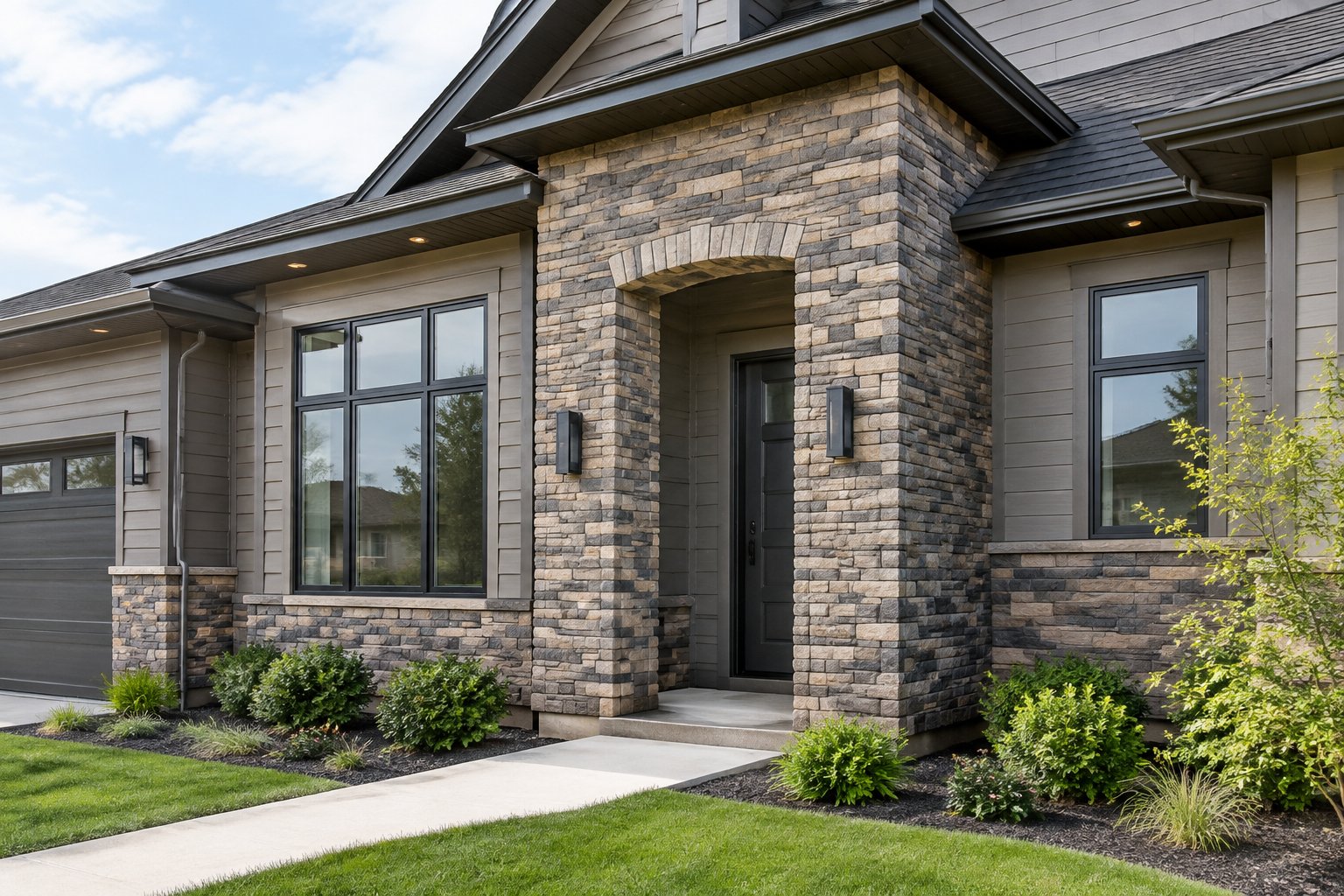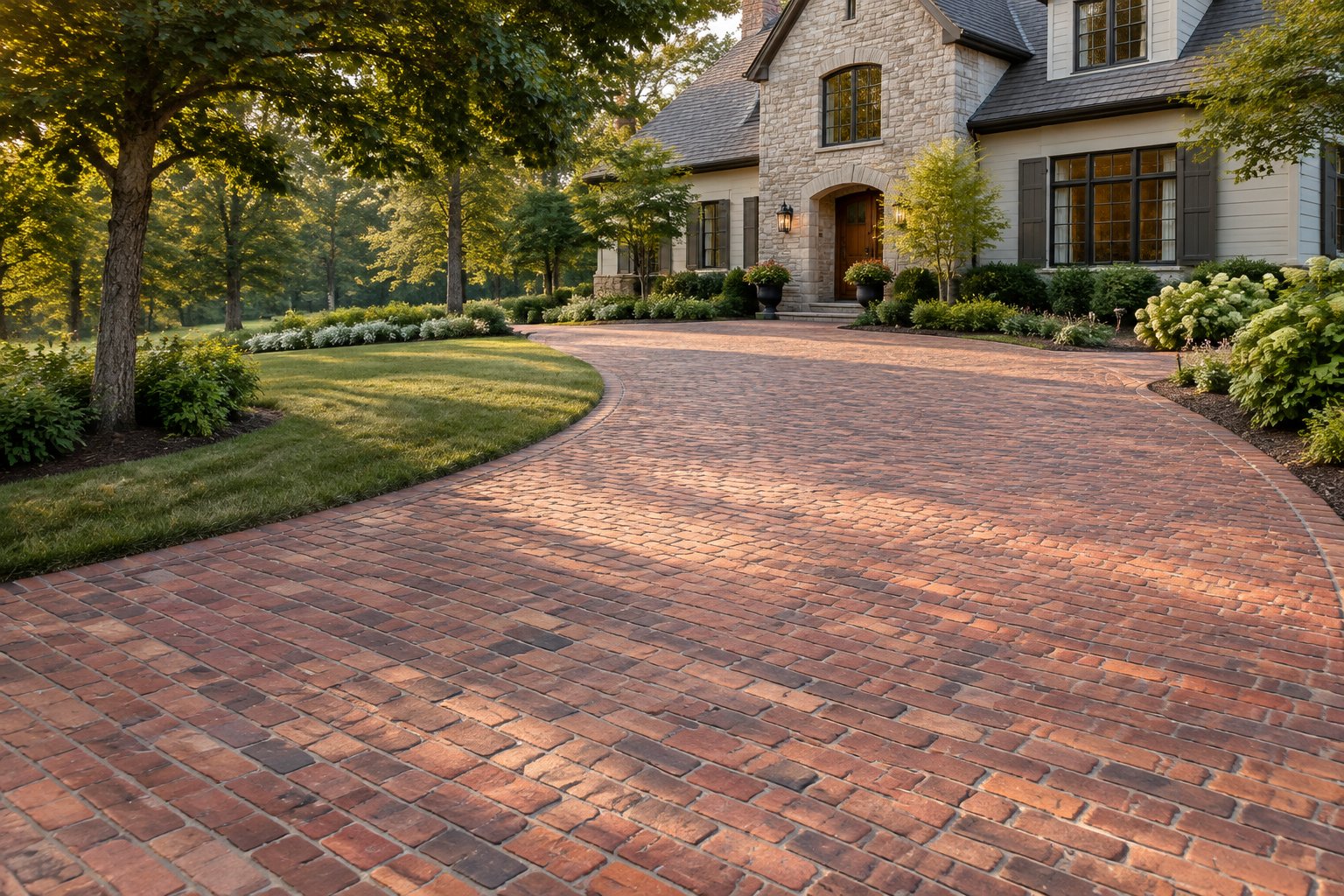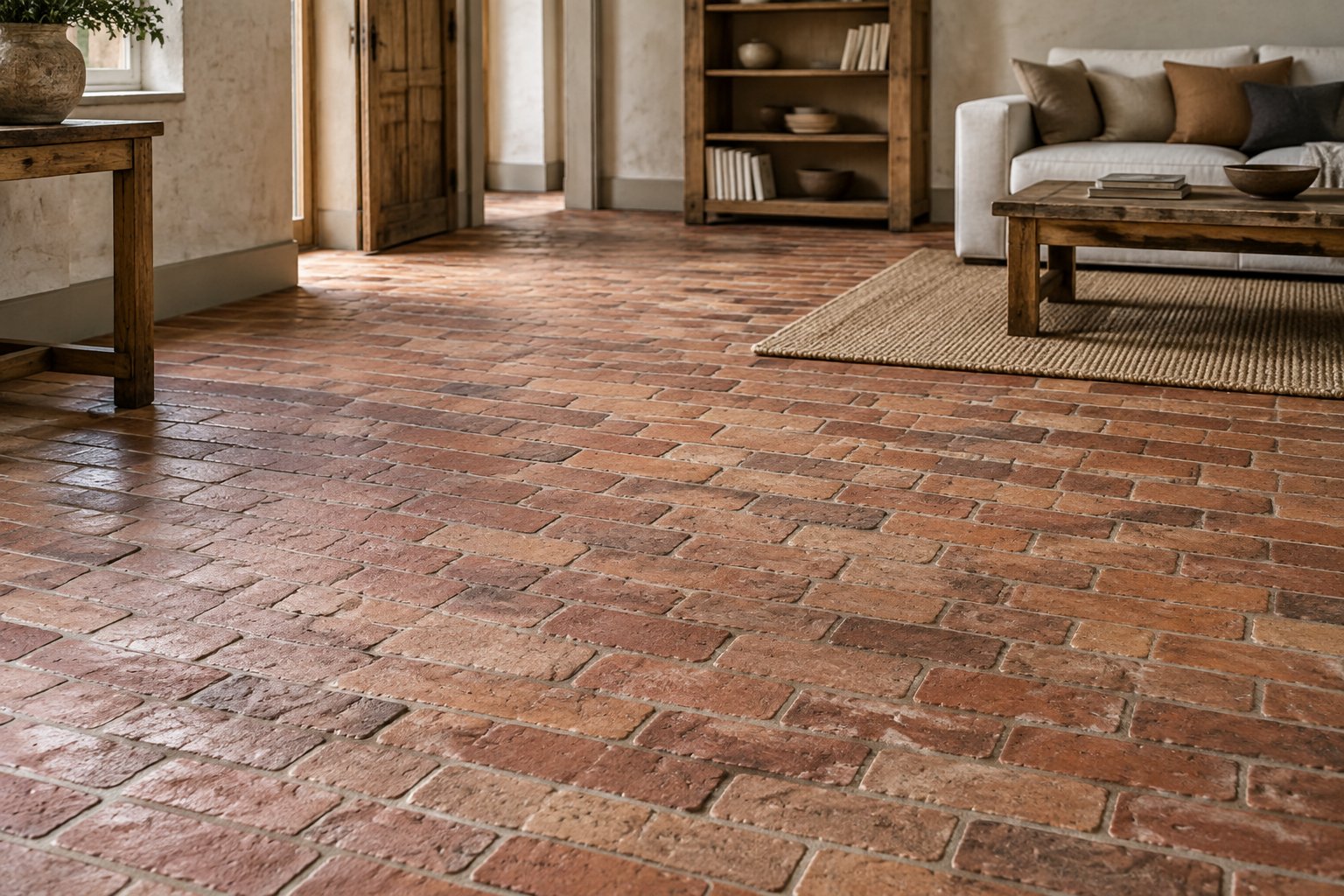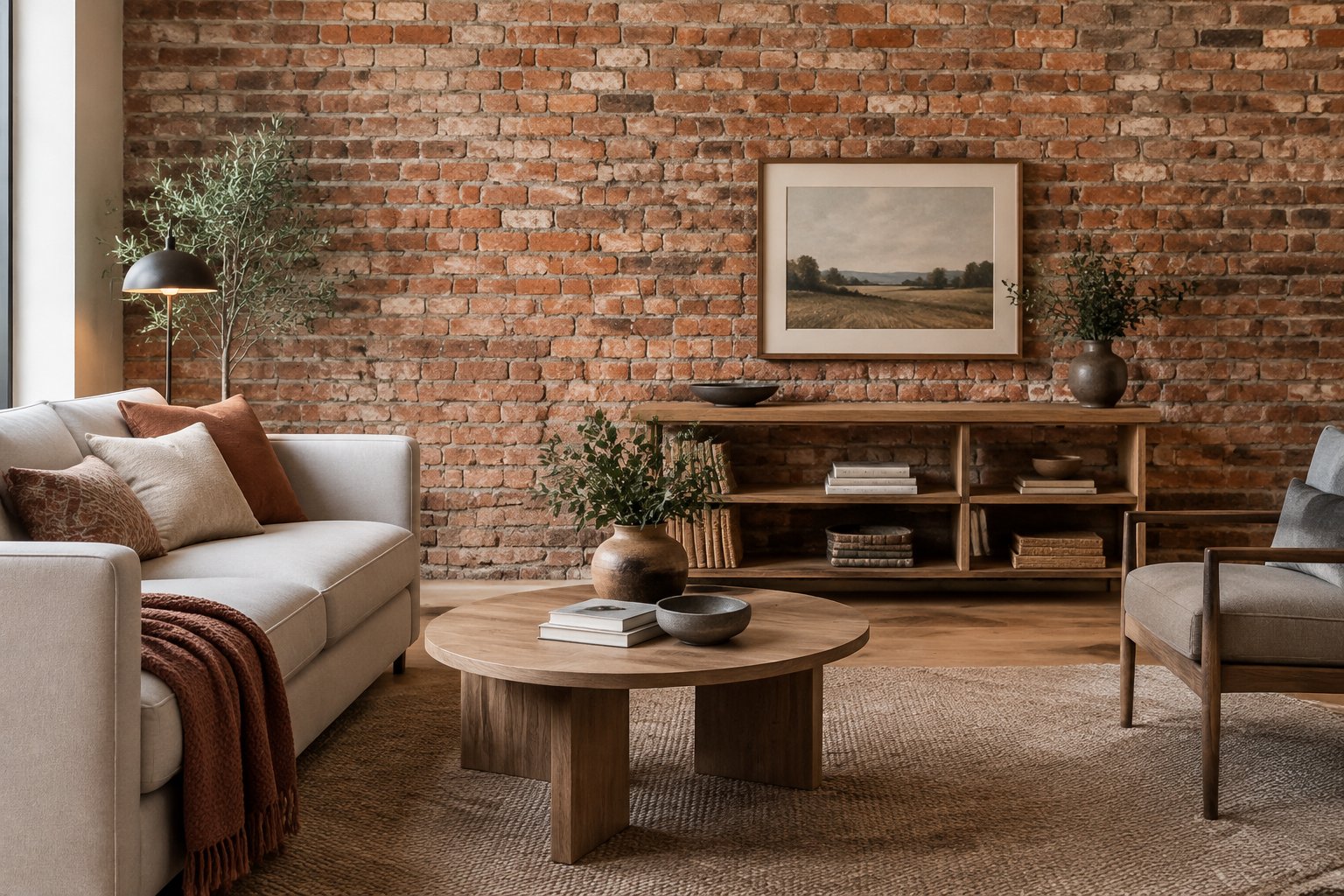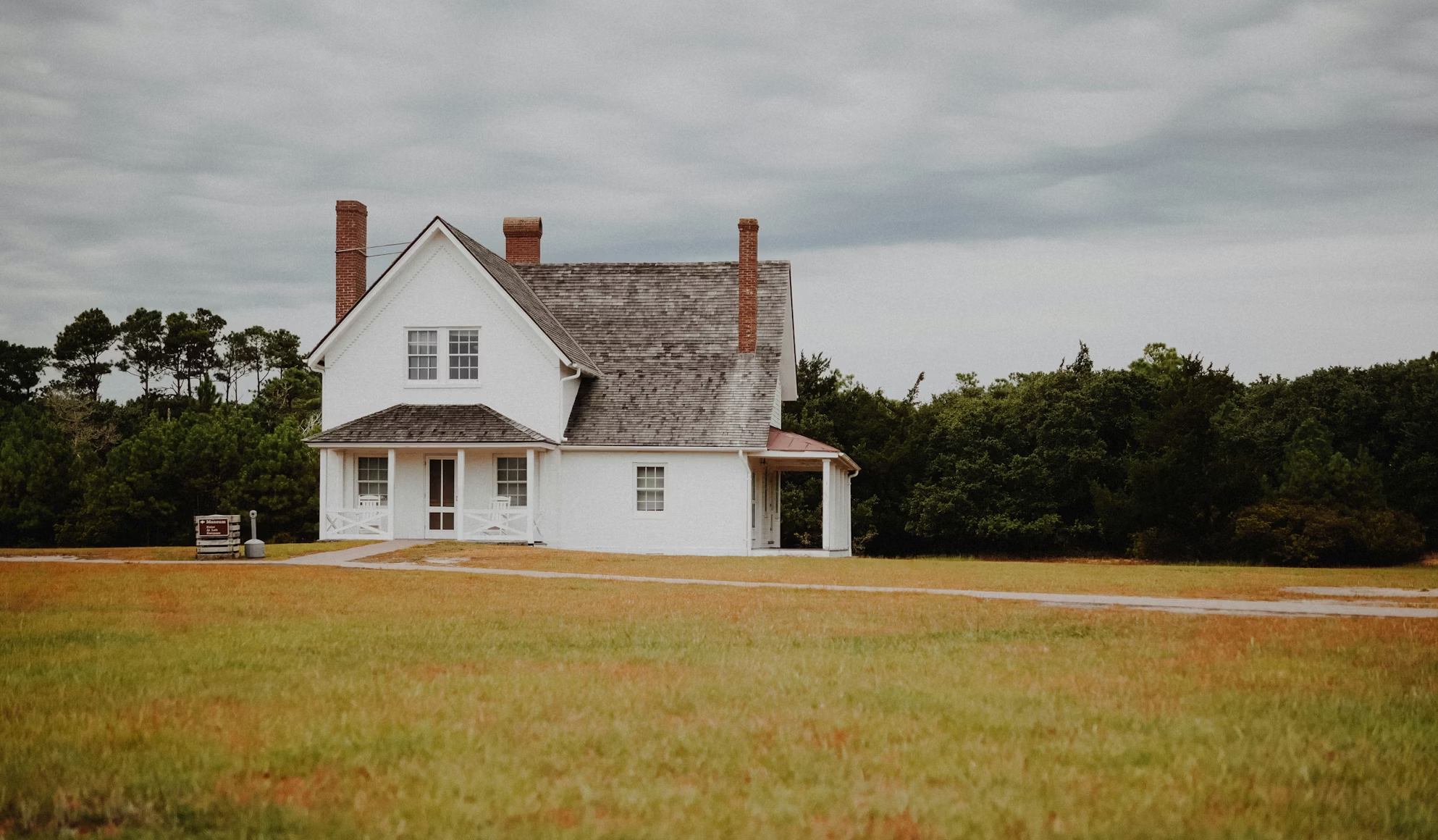
You know the feeling when a home just feels right. Warm, grounded, and like it has been there for generations. That kind of Southern character does not happen by accident. It starts with materials that carry history and hold up over time.
Reclaimed brick and stone bring that feeling in from the very beginning. The texture, the color variation, the worn edges. It is character you cannot manufacture. These materials have already proven their durability, and they bring a natural depth that gives a home presence from the moment it is built.
But great Southern design is never just about materials alone. It is how everything works together. Wide porches that invite you to slow down. Windows that frame light and airflow. Rooflines that give structure and proportion. When these elements are paired with authentic materials, the result feels cohesive and lasting.
In the sections ahead, we will walk through the details that define timeless Southern homes. Which architectural features hold their value, how natural stone and refined finishes fit in, and how to bring in modern performance without losing that sense of history.
If you value both heritage and efficiency, New Orleans Brick & Stone offers hand-selected reclaimed brick and stone with quick turnaround and dependable quality, making it easier to build something that feels timeless from day one.
Materials for a Timeless Southern Home
These materials bring warmth, longevity, and that unmistakable sense of place. They just work together—porches, halls, facades—giving everything a lived-in, elegant feel.
Solid Hardwood Flooring
Go for dense woods like white oak, heart pine, or hickory—they’re tough, warm, and fit right in. Engineered planks with a thick wear layer can help if you’re worried about humidity.
Finishes matter. Hardwax oil or low-VOC polyurethane highlight the grain and protect the boards without making them look plastic. Pick board width based on your room: wide planks for big spaces, narrow for cozier rooms.
Reclaimed or salvaged hardwood brings in patina and a story. You’ll spot tighter growth rings, maybe some nail holes—little marks of character. Just check for rot or bugs before putting it down.
Traditional Brick Exteriors
Clay brick—hand-fired or reclaimed—delivers genuine color variation and long-term durability. Solid clay bricks shrug off moisture and barely need upkeep, even in sticky Southern weather.
Reclaimed brick brings texture and history. You get patina and those irregular mortar lines that new brick just can’t fake. New Orleans Brick & Stone usually has the right stuff for period homes.
Set brick with a breathable mortar (Type N works for most), and don’t forget proper flashing and weep holes for water management. Skip sealing unless you really need it—many bricks look better as they weather, and sealing can trap moisture.
Classic Wood Siding
Pick heartwood cedar or cypress for natural rot and bug resistance. Board-and-batten, clapboard, beveled—each fits a different Southern vibe, so match the profile to your home’s era.
Paint or stain makes a big difference. Oil-based primers plus quality exterior paint can last decades; translucent stains keep the grain visible and still shed water.
Install a rainscreen or ventilated cavity behind siding to help it dry out and avoid rot. Regularly check trim, flashing, and joints—catching small issues early saves you headaches later. Check out matching reclaimed brick for renovation.
Natural Stone Applications
Natural stone adds texture and that lived-in, solid look. It’s great where you want durability, low fuss, and a timeless Southern feel.
Charming Porches and Patios
Flagstone or reclaimed fieldstone for porch floors and patios? Absolutely. You get a textured, non-slip surface that ages gracefully. Lay stones in irregular patterns or tight joints for that classic look. Seal lightly—enough to guard against stains but let the color and patina show through.
For columns and low walls, use reclaimed stone with varied faces. Mortar color counts—a warm sand tone ties stone to brick and wood. Wide, deep steps with stone treads feel safe and welcoming. Make sure patios drain well and use a compacted crushed stone base to keep things from sinking.
Pair stone with wood beams, iron railings, or dark shutters for contrast. Outdoor-rated lighting at steps and under eaves brings out the texture and keeps things safe after dark.
Elegant Countertops
Honed or leathered granite, soapstone, or honed marble all work for Southern kitchens where you want something refined but tough. Honed finishes hide scratches and look more relaxed than polished ones. Soapstone shrugs off acids and can be oiled for a rich, even tone.
Keep the edges simple—bevels or eased edges look traditional and chip less. Put seams near sinks or islands where you won’t notice them. Use cutting boards and gentle cleaners to keep the patina intact.
Match your countertop stone to the backsplash and floor. A slim stone backsplash or a full-height reclaimed stone panel can tie your counters to the porch or patio. If you’re after heritage-rich stone, New Orleans Brick & Stone can help.
Beloved Roofing Choices
Southern homes often feature two classic roofs: metal panels that shed rain and resist rot, and terra cotta tiles that mellow into warm, earthy tones. Both pair beautifully with reclaimed brick and stone, and hold up in humid climates—if installed right.
Durable Metal Roofing
Metal roofing lasts and doesn’t ask for much. Standing-seam steel or aluminum with a good finish resists rot, bugs, and storms better than shingles.
Install over a solid deck with the right underlayment and ventilation to keep condensation at bay. Use stainless or coated fasteners and flashings so you don’t end up with stains on your brick or stone.
Metal reflects heat—your AC bill might thank you. It also works well with historic brick facades for a crisp, updated look that still feels Southern.
Aged Terra Cotta Tiles
Terra cotta tiles bring that classic charm and natural thermal mass. Half-round or barrel tiles look authentic, and high-fired clay keeps them strong and colorfast.
Flashings and underlayment matter most where tiles meet chimneys, valleys, and eaves—no one wants leaks after a summer storm. Match roof slope to your tile type; low slopes need special systems or don’t bother.
Tiles are heavy—check your roof can handle it. Their patina just gets better with age, especially alongside reclaimed brick and stone. Sourcing from a heritage-focused supplier like New Orleans Brick & Stone? Good move. Check out old Chicago Brick tips.
Refined Interior Finishes
These finishes zero in on detail, durability, and that lived-in feeling Southern homes are known for. Texture, craft, and lasting value without losing heritage.
Plaster Moldings and Trim
Plaster moldings add depth and a crisp, historic look. Hand-cast crown, cornice, and ceiling medallions? That’s the real deal. Plaster keeps detail sharper than MDF and you can fix it without ugly seams.
Install over solid backing or furring strips to avoid cracks. Use lime or gypsum plaster where moisture or movement might be an issue. Satin or eggshell paint brings out the profile without blinding you.
In kitchens and baths, pick water-resistant mixes and seal joints with flexible caulk. Match trim size to ceiling height—wider crowns for tall rooms, slimmer for lower ceilings. You’ll end up with a finish that feels like true craftsmanship.
Shiplap Walls
Shiplap gives you a simple, textured backdrop that works in both formal and casual rooms. Use kiln-dried, primed pine or reclaimed boards for less warping. Nail to studs or plywood and keep joints even for a neat rhythm.
Board width and reveal set the mood: narrow for refined, wide for rustic. Paint in warm neutrals or soft whites to bring out the shadow lines. In wet areas, prime and seal the cuts, and go for tongue-and-groove or engineered panels if you want durability.
If you’re after true reclaimed character, New Orleans Brick & Stone can help you find the right wood—and you won’t be waiting forever.
Windows and Doors with Southern Character
Windows and doors really make the mood. Tall windows, a bold front door—they add charm, light, and curb appeal.
Tall Double-Hung Windows
Tall double-hungs give you those high ceilings and even daylight. True divided lights or simulated muntins nail the look. Paint wood frames in soft whites or deep greens—classic Southern, and they hold up to heat if finished right.
Use operable sashes on both halves so you can let in the breeze without screens blocking your view. Add storm sash or interior weatherstripping for energy efficiency, but keep the originals visible. For old homes, match sash height and rail profiles to what’s already there.
If you use reclaimed windows, check for rot and have a millworker fix them up. New replicas can copy historic proportions if you want modern performance but classic style.
Grand Front Doors
A grand front door grounds the facade and welcomes guests with style. Solid wood—mahogany or painted pine—lasts ages and takes hand-forged hardware well. Go for 8 feet or taller, maybe add sidelights or a transom for more daylight.
Pick hardware with patina and a deadbolt behind a decorative mortise lock for looks and security. If you want reclaimed, make sure the core’s stable and plan to refinish—old finishes can be tricky. For new doors, request thicker stiles and glued-wood construction to handle Southern humidity.
Work with your supplier to match door proportions to porch columns and steps so the entry feels right. New Orleans Brick & Stone can help with reclaimed thresholds or brick surrounds that fit period doors.
Porch Features and Details
Porches should invite you to sit, shield you from sun and rain, and add real value. Focus on strong proportions, durable materials, and a few details that tie the porch to your home’s style.
Classic Columns
Columns set the porch’s vibe. Wood feels warm and authentic—just use a solid primer and two coats of paint to keep moisture and bugs out. Turned columns suit Victorian or cottage homes; tapered or square columns fit Craftsman and Greek Revival styles.
Get the proportions right. Too thin feels flimsy, too thick looks heavy. Measure everything—height, span, base—to keep things balanced. For longevity, look at wrapped columns or cedar/cypress for natural rot resistance.
Haint Blue Ceilings
Haint blue ceilings bring protection and a calm, cool look. Shades run from pale sky to green-blue—pick what works with your trim and siding. Folks used to believe it kept spirits away; now, it’s said to trick insects by mimicking the sky.
Use exterior, mildew-resistant paint with a satin or semi-gloss finish for easier cleaning. Two coats does it, and paint before you hang lights or fans. If you’ve got beadboard, paint each panel before putting it up. Reclaimed stone accents from New Orleans Brick & Stone pair nicely with a Haint blue ceiling for that true Southern feel.
Sustainable and Modern Interpretations
You can blend old materials and new green tech to cut waste, save on energy, and keep that Southern look you want. Durability, real texture, and easy installation are the focus.
Reclaimed Wood Accents
Use reclaimed heart pine, oak, or cypress for beams, mantels, and floors. You get wood with tight grain and deep patina—something new lumber just can’t match. Nail holes, saw marks, color shifts—all those quirks read as real character.
Salvaged wood also means less logging and less landfill waste. Make sure boards are kiln-dried and treated for pests and moisture before you install—they’ll stay stable and meet code.
Install reclaimed wood as focal points—stair treads, ceiling planks, or custom mantels—to balance out modern fixtures. Need matching pieces? Ask your supplier about hand-selection and grading; New Orleans Brick & Stone does this to fit your project.
Eco-Friendly Insulation
Pick insulation that keeps your home comfortable and cuts down on heating and cooling bills—especially in older walls. Cellulose, recycled denim, and mineral wool all bring solid R-values with a smaller environmental footprint. They squeeze into tight spots behind reclaimed brick or inside stud walls, and they don’t mess with the original structure.
Cellulose fills odd-shaped cavities and blocks air if you pack it in right. Mineral wool shrugs off moisture and helps with sound behind brick or plaster. Recycled denim is soft and safe to work with, which makes it a good fit if you’re living in the space while renovating.
When you add insulation to historic masonry, think about vapor control and ventilation. Go for breathable wall setups on exterior brick—that way, moisture doesn’t get trapped. For retrofits, dense-pack methods and pro blow-in jobs usually give you the best shot at protecting both the insulation and your home’s old bones.
Finishing Touches for Lasting Appeal
Go for details that look good and actually last. Choose metal that doesn’t rust out, and hardware that fits the historic lines of your place.
Wrought Iron Railings
Wrought iron railings pack a visual punch and bring that unmistakable Southern vibe to porches, stairs, and balconies. Pick steel or real wrought iron with a tough, rust-resistant finish—powder-coating or a zinc primer under black paint holds up best in muggy climates.
Simple, hand-forged patterns work better than anything too flashy—think straight balusters, gentle scrolls, or chunky square posts. Ask your metalworker to hide the anchors and weld the joints tight so nothing wobbles when the weather swings.
You don’t need to fuss over them much, but regular cleaning with mild soap, checking for chips, and touching up paint where metal peeks through will keep them looking sharp. Fasten railings well to brick or wood so water doesn’t sneak in and wreck the base.
Timeless Hardware Choices
Stick with hardware that feels classic: solid brass or oil-rubbed bronze for hinges, knobs, and locks. These metals age gracefully and play well with traditional Southern colors. Try to match finishes across doors, cabinets, and lights for a pulled-together look.
Mortise locks and ball-bearing hinges hold up on heavy reclaimed-wood doors. For porches and entryways, go with exterior-rated hardware—keyed deadbolts and weather seals help with security and stand up to the elements.
Pick hardware with simple, period-friendly shapes—rounded knobs, rectangular backplates, and only show screws where they belong. When installing in reclaimed brick, pre-drill holes or use through-bolts with backing plates to keep things solid and avoid cracks.
A timeless Southern home is not built from a single choice. It comes together layer by layer, through materials, proportions, and details that feel connected and intentional. When each element supports the next, the result is a home that feels settled from the start.
Reclaimed brick and stone play a central role in that feeling. They bring texture, durability, and a sense of history that new materials rarely achieve. Paired with natural wood, thoughtful finishes, and classic architectural features, they help create spaces that feel warm, grounded, and built to last.
There is also a balance worth keeping in mind. Honor the past, but build for today. Use materials that can handle Southern climates, details that age well, and systems that support comfort and efficiency. When done right, you do not have to choose between character and performance.
If you value both heritage and reliability, New Orleans Brick & Stone offers hand-selected reclaimed brick and stone with quick turnaround, making it easier to bring authentic materials into your project without delays.
Build something that feels like it belongs, now and for generations to come.
Frequently Asked Questions
Here, I’ll try to answer some practical questions about materials, plans, porches, and the design details that really make Southern homes work. You’ll find specific materials and features you can actually use, whether you’re restoring an old place or building new.
What types of materials are commonly used in traditional Southern architecture?
You’ll spot a lot of reclaimed brick, heart pine, and stucco on classic Southern houses. They age well and bring out rich colors and textures.
Limestone and Georgia marble show up in fancier buildings. Metal and standing-seam roofs are common on farmhouses and outbuildings—they last and look right.
Can you provide examples of classic Southern house plan features?
Most have a central hallway running front to back. It helps air move through the house and organizes the rooms on either side.
Big, airy parlors, formal dining rooms, and sleeping porches show up a lot. Older homes usually tuck in smaller work spaces like a butler’s pantry too.
How do porches contribute to the character of Southern homes?
Porches turn into outdoor rooms that face the street or garden. They add living space and give you shade when it’s hot.
Wraparound porches with columns and deep overhangs make a house feel open and welcoming. They also shield walls and windows from sun and rain.
What elements define Southern Colonial home design?
Symmetry really stands out—windows balanced on either side of a centered front door. Tall columns and a full-height entry porch are hard to miss.
You’ll see double-hung windows with shutters, formal staircases, and paneled doors. Materials tend to be brick, clapboard, or smooth stucco.
What materials help give a Southern farmhouse its timeless appeal?
Board-and-batten siding, wide heart pine floors, and old brick chimneys make a place feel solid and lived-in.
Galvanized metal roofs, barn doors, and exposed timber beams add even more character. Using reclaimed stone or brick for chimneys and foundations gives the house a sense of depth and history.
Are there particular roofing styles that are typical for timeless Southern homes?
You’ll spot a lot of steeply pitched gable roofs on classic farmhouses, while low-pitched hip roofs tend to cap off more formal Colonial or plantation homes.
Materials really depend on the region and the era—metal roofs pop up in some spots, while others lean toward clay or slate tiles. Honestly, it’s best to pick something sturdy that feels right for the house’s size and old-school vibe.