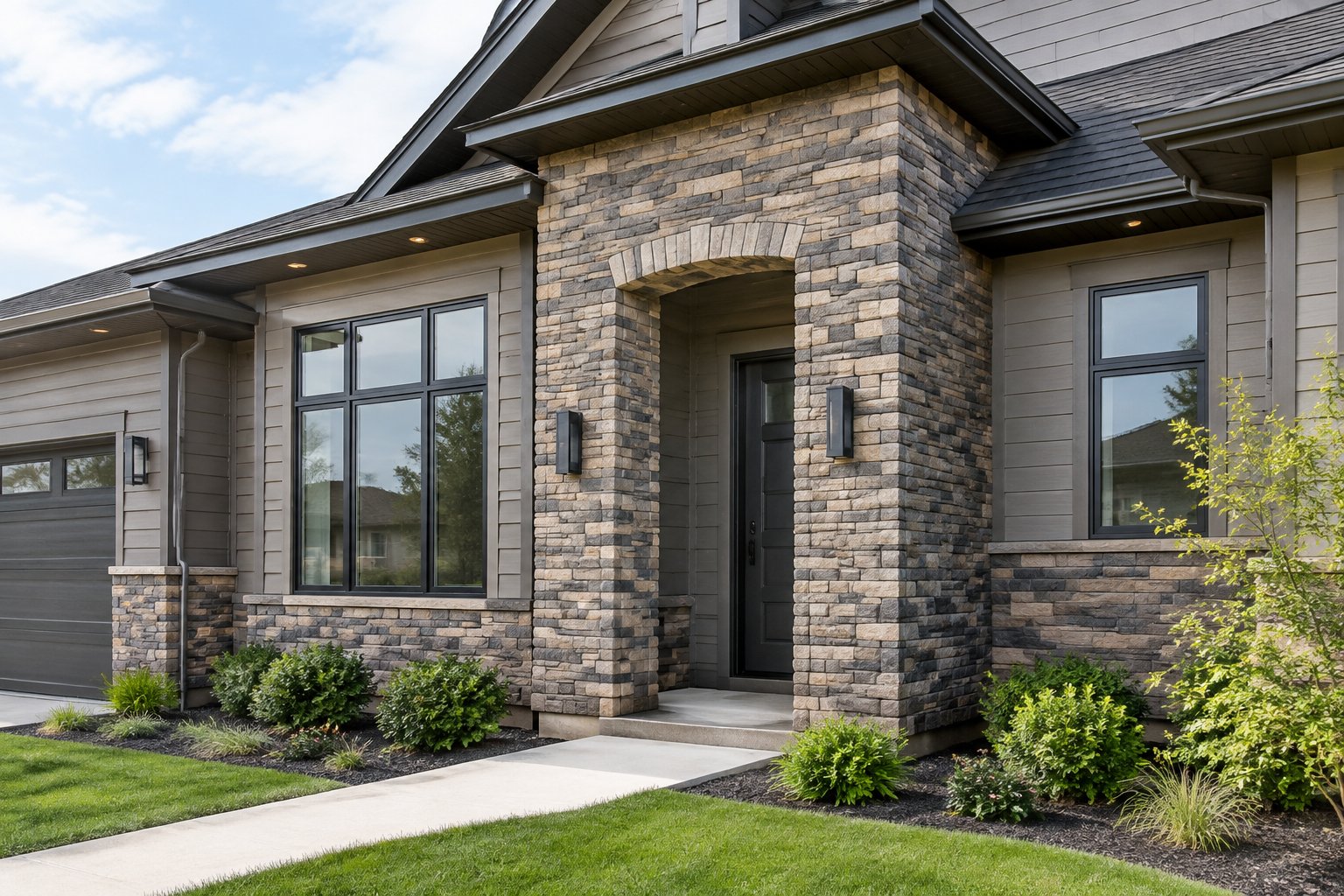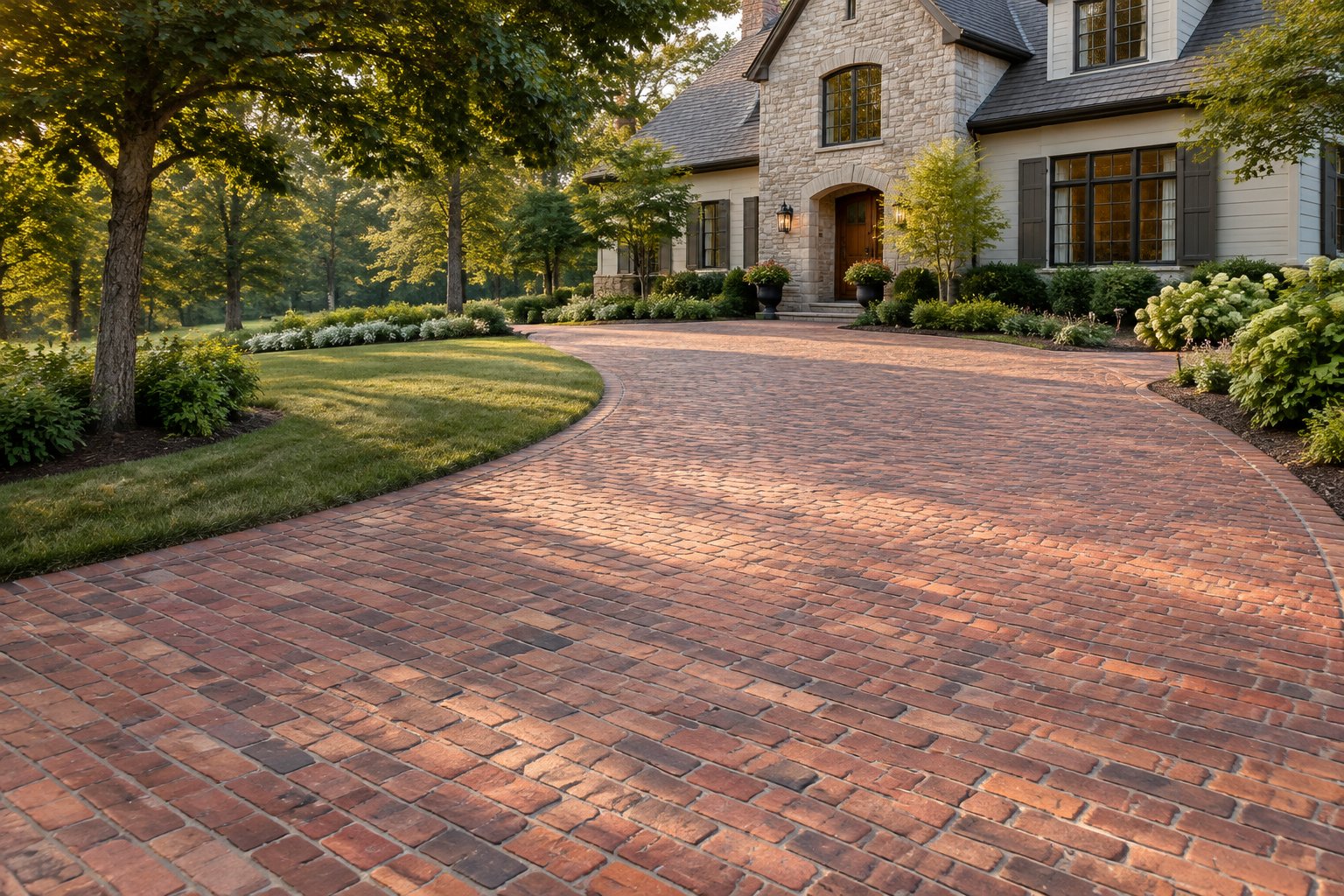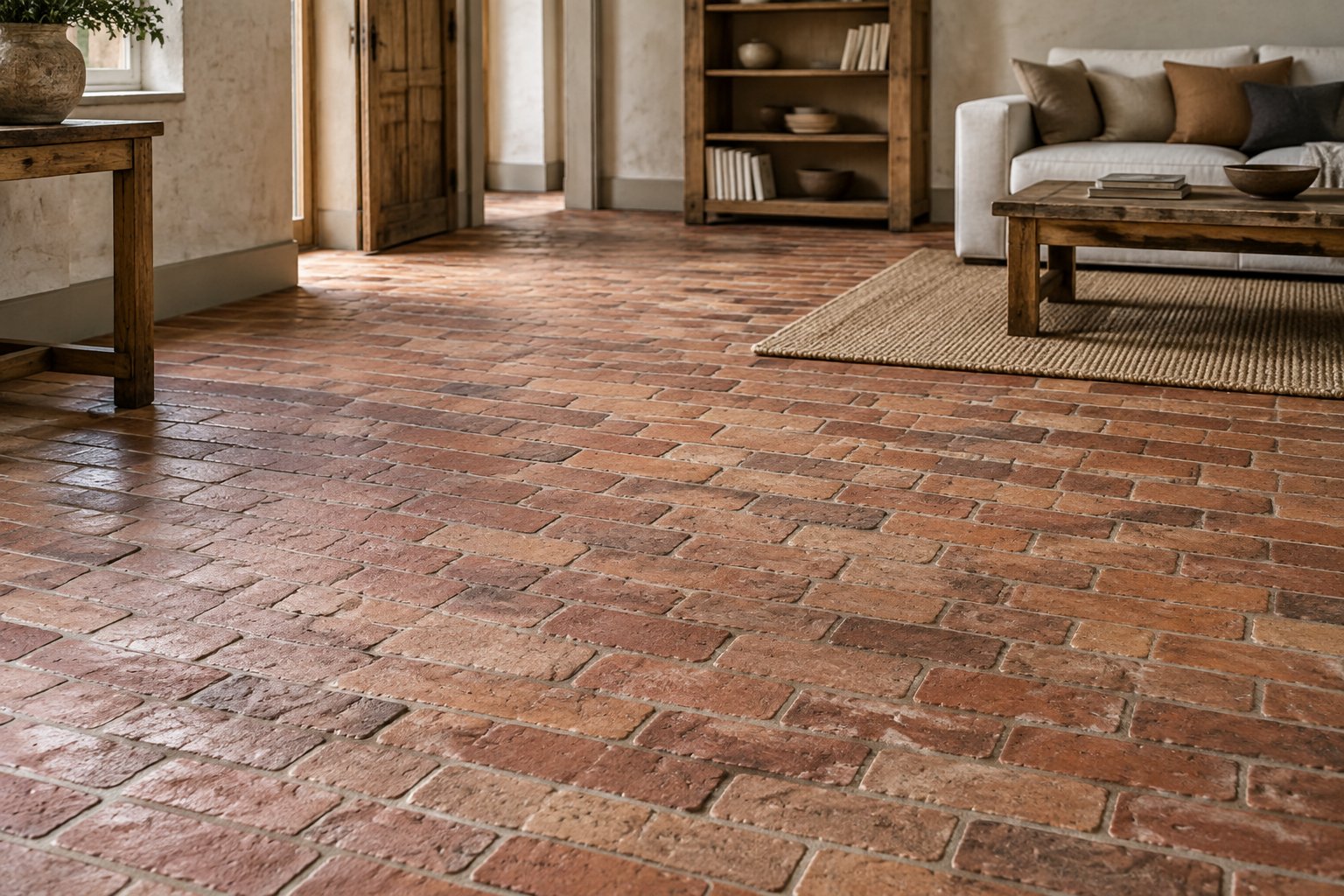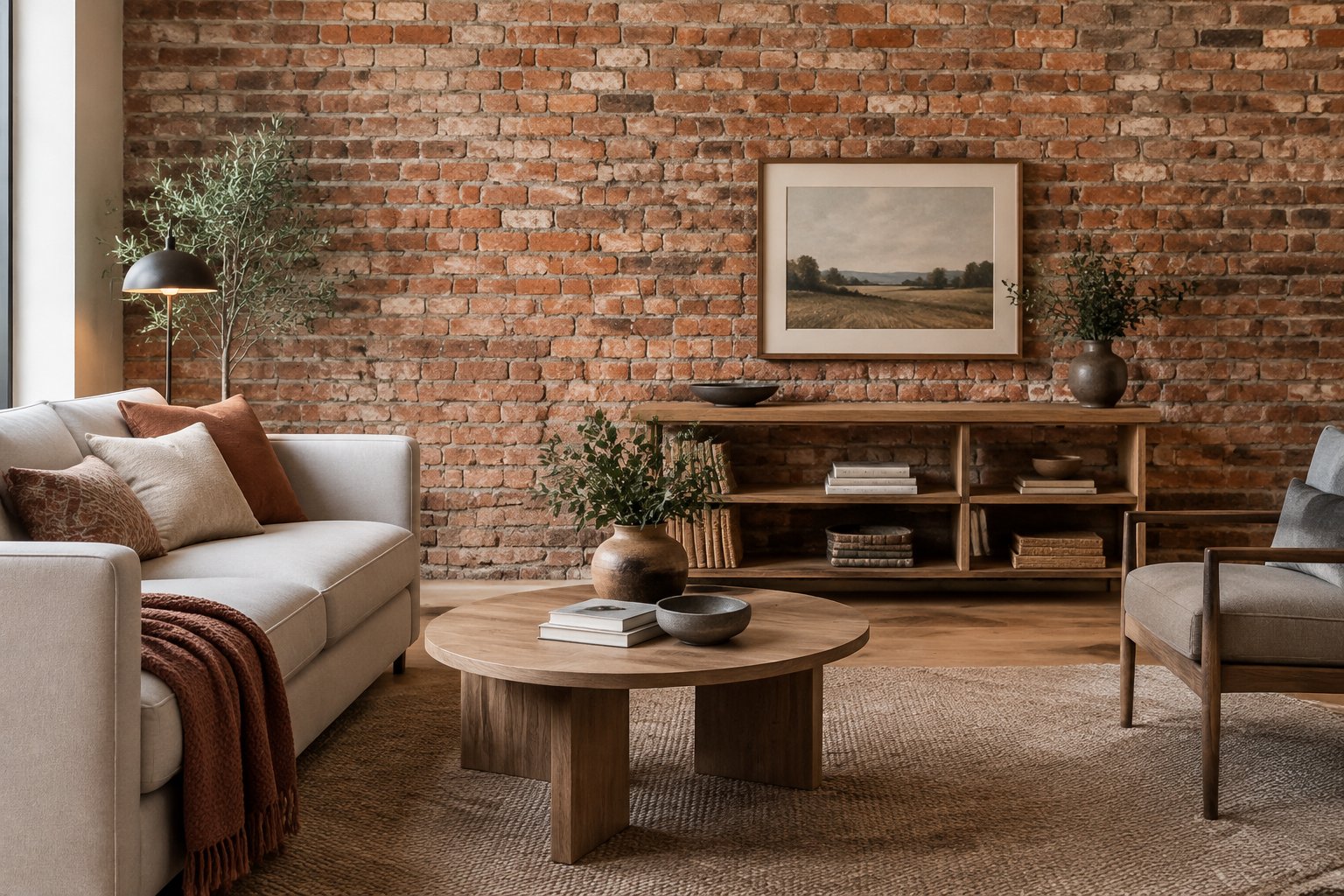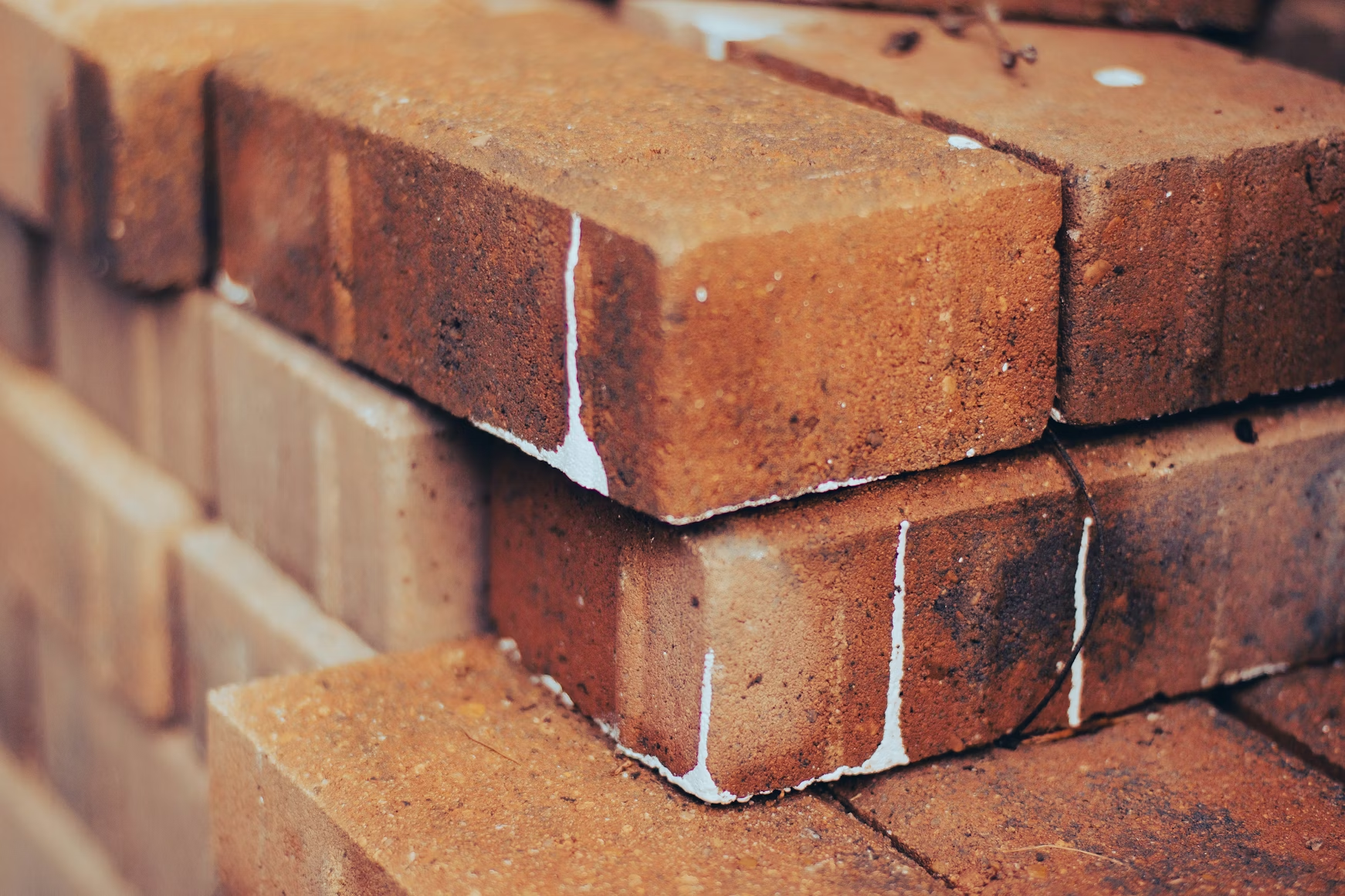
You can build something new without losing the feeling of history. Reclaimed brick makes that possible. It brings texture, depth, and proven durability into modern construction, giving your project a sense of character that feels earned rather than manufactured.
These bricks have already stood the test of time. Their color variation, worn edges, and natural patina create a richness that new materials rarely achieve. At the same time, when properly tested and prepared, reclaimed brick meets the demands of modern building. You do not have to trade performance for authenticity.
Working with reclaimed materials does take a bit more intention. You are designing with variation, not against it. That means choosing the right pieces, understanding how they behave, and planning layouts that highlight their strengths instead of fighting their differences.
In the sections ahead, we will walk through how to select quality reclaimed brick, how to prepare it for installation, and how to design around its natural irregularities so your build feels cohesive and built to last. We will also cover common challenges and practical solutions, along with ways to balance sustainability, cost, and timeline without unnecessary delays.
If you value both heritage and efficiency, New Orleans Brick & Stone keeps meaningful inventory on hand and ships nationwide quickly, helping you bring authentic materials into your project without slowing things down.
Using Reclaimed Brick
Reclaimed brick cuts energy and waste, adds unique color and texture, and often lasts longer than new brick. You get environmental savings, a look no new product can match, and proven strength for walls, fireplaces, and paving.
The Environment
Using reclaimed brick reduces the need for new clay extraction and lowers energy used to fire new bricks. That means fewer raw materials taken from quarries and kilns, and less CO2 tied to manufacturing.
Reclaimed brick also keeps material out of landfills. When you reuse brick from demolished buildings, you extend its life and support a circular building practice. This helps you meet sustainability goals with real, measurable reductions in embodied carbon.
Expect some extra time for sorting, cleaning, and testing. But that small effort pays off in lower overall environmental impact compared with buying all-new masonry.
Aesthetic Appeal
Reclaimed brick brings color variation, worn edges, and surface patina you rarely find in new units. These traits create depth and character in facades, interior feature walls, and outdoor paving.
You can match historic masonry more precisely when renovating older homes. For new construction, reclaimed pieces add an immediate sense of age and warmth that helps spaces feel lived-in and authentic.
If you want consistent tones, hand-selected inventory from a specialist can narrow the range. New Orleans Brick & Stone keeps varied stock so you can choose bricks that fit your design while keeping that genuine, historic look.
Durability and Longevity
Many reclaimed bricks come from century-old structures that still stand. Their continued service shows they resist weathering, freeze–thaw cycles, and load stresses when properly installed.
Before installation, test reclaimed units for strength, moisture absorption, and contaminants. Sorting and cleaning ensure you use only sound pieces in structural walls or high-traffic paving.
When you apply proper mortar and flashings, reclaimed brick can match or exceed the life span of new brick. That makes it a practical choice for long-term performance as well as appearance.
Selecting Quality Reclaimed Brick
Choose reclaimed brick that meets strength needs, matches size and color, and comes from a trusted source with clear testing and inventory. Inspect samples, verify structural test results, and confirm shipping and return policies before you buy.
Assessing Structural Integrity
Check each brick for cracks, spalling, and excessive salt or efflorescence. Hold samples up to light and tap them; a clear, solid sound and no visible hairline fractures are good signs. Reject bricks with deep internal cracks or loose face layers.
Request compressive strength and absorption test results when possible. Bricks with low absorption and tested strength suit exterior walls and load-bearing uses. For veneers and non-structural features, prioritize appearance but still avoid hollow or crumbly units.
Look for signs of previous repairs or contamination. Mortar remnants are normal but heavy limewash, paint, or chemical staining can hide damage or cause bonding problems. If you need help, ask an experienced mason or supplier to inspect a representative sample for you.
Matching Brick Types and Sizes
Measure the brick dimensions and mortar joint plan from your drawings before you source materials. Match brick size and face profile to existing or planned courses so you avoid awkward cuts and uneven courses. Keep a tolerance range for plan adjustments.
Sort bricks by color, texture, and degree of wear. Create blends on-site from multiple pallets to get even color variation across an elevation. Note that older bricks often vary more than new units; plan test layouts to finalize color mixes.
Account for special shapes like headers, bullnose, or coping. If those shapes are missing, plan for cutting, custom trims, or new complementary units. Confirm that selected bricks will accept your chosen mortar color and bonding pattern without creating weak spots.
Sourcing Authentic Materials
Sourcing reclaimed brick should feel clear and dependable, not uncertain or pieced together at the last minute. The difference comes down to working with a team that knows exactly where the materials come from and how they will perform.
At New Orleans Brick & Stone, every brick starts with intentional selection. Materials are reclaimed from historic structures chosen for their age, strength, and character, then evaluated so you know exactly what you are getting. Provenance is not a question mark. You have clarity on origin, condition, and overall quality before anything ships.
Inventory is another key piece. Instead of chasing supply across multiple sources, you are working from a curated stock that is already on hand. That means consistent quantities, matched lots for larger projects, and the ability to move quickly when timelines matter. When the right material is available, it can ship nationwide within 48 hours.
There is also a level of transparency that keeps projects on track. You can review photos, confirm sizing and variation, and understand what to expect before committing. The goal is simple. Remove guesswork, protect your timeline, and deliver reclaimed brick that performs as well as it looks.
Preparing Reclaimed Brick for Construction
You will check each brick for soundness, remove old mortar, and store pieces so they stay dry and labeled. Clean, test, and stage bricks before laying to avoid delays and weak spots.
Cleaning and Restoring Brick
Begin by sorting bricks into piles: sound, cracked, and too-damaged. Test a few by tapping; a clear ring means the brick is strong. Reject soft or crumbling pieces.
For cleaning, start with dry brushing to remove loose dirt and mortar. Use a mild water wash and a stiff nylon brush for surface grime. Avoid high-pressure washers on fragile bricks; they can strip the face and weaken the brick.
If you must remove paint or heavy stains, try a low-strength muriatic acid solution mixed per manufacturer directions and rinse thoroughly. Always wear gloves, eye protection, and work outdoors. Let bricks air-dry fully before any further testing or storage.
Handling Mortar Residue
Remove old mortar mechanically first. Use a chisel and hammer at a low angle to preserve the brick face. Work slowly to avoid spalling.
For stubborn mortar, a brick grinder or rotary hammer with a chisel bit works but use light pressure and keep the bit cool. Test on a scrap brick to avoid over-grinding. After mechanical removal, chase joints with a wire brush to clear fines.
Inspect edges and corners after mortar removal. Repair small chips with compatible mortar during installation. Mark bricks with significant edge loss so you can place them where the flaw won’t affect strength or appearance.
Pre-Treatment and Storage
Perform a suction test: wet one face and time how quickly water absorbs. Bricks that absorb too fast may need a pre-wetting plan at the job site. This helps mortar cure properly and prevents rapid drying.
If you treat bricks with a sealer for specific uses, pick breathable, masonry-grade products. Test sealer on a spare brick to confirm color and vapor permeability.
Store bricks on pallets off the ground and cover with a breathable tarp. Stack with cross-ventilated gaps so air moves between courses. Label pallets by grade and test results to speed selection during installation.
If you ordered from New Orleans Brick & Stone, match their inventory tags to your site labels to keep pieces organized and maintain the reclaimed materials’ provenance.
Design Considerations for New Builds
Plan how reclaimed brick will affect structure, appearance, and timeline. Think about where the bricks will sit, how they meet modern materials, and how you will match color and texture across the facade.
Integration with Modern Architecture
Use reclaimed brick as a design anchor rather than the whole envelope. Place brick on primary facades, entry walls, or chimneys to give weight and history while letting glass and metal provide contrast.
Confirm structural needs early. Reclaimed brick can be heavier and vary in size; specify tiebacks, ledgers, or reinforced frames where brick attaches to steel or wood. Your engineer should check load paths and mortar strengths before ordering.
Plan joints and flashing details around openings. Use through-wall flashing, weep vents, and compatible mortar to avoid water intrusion where old brick meets new materials. Mock up a 1:1 wall section to verify flashing, insulation, and veneer ties before fieldwork.
Ensuring Color and Texture Consistency
Sort and grade reclaimed brick by color, size, and wear before installation. Lay out samples and run test panels so you can see how light, mortar color, and joint width change appearance. Keep spare bricks from the same lot for future repairs.
Accept some variation, but set tolerances. Specify acceptable ranges for color variation and face damage in writing to your supplier and mason. If you need tighter consistency, ask for hand-selected bundles or combine reclaimed with thin veneer cut from matching reclaimed faces.
Account for mortar color and joint tooling. Mortar can widen or mute brick tones. Choose a mortar mix and joint profile, then create a mockup on-site to approve the final look.
Blending Old and New Materials
Choose transition lines where materials change—corners, belt courses, or window sills—to make blends intentional and neat. Use a reveal, soldier course, or metal trim to provide a clean edge between reclaimed brick and modern cladding. This helps maintenance and future repairs.
Match performance, not just looks. Pair reclaimed brick with breathable insulation and proper wall assembly to avoid trapped moisture. Use compatible flashings and expansion joints to accommodate different thermal movement between brick and materials like fiber cement or glass.
Consider using reclaimed brick as an accent with panels, steel, or wood to highlight textures. A consistent palette—two to three main materials—keeps the design cohesive while letting the reclaimed brick tell the story you want. Mention your supplier early so they can hold matching inventory and ship quickly when construction begins.
Installation Techniques for Reclaimed Brick
Choose mortar that matches the age and strength of your bricks. Provide firm structural support and plan for irregular shapes by sorting and cutting bricks before laying.
Mortar Selection and Application
Pick a mortar with lower strength than modern bricks if your reclaimed units are soft or crumbly. Use a lime-based mortar (Type N or an engineered lime mix) for older, softer brick to reduce cracking and allow moisture to pass. Test a small patch to confirm bond and color before full application.
Mix mortar to a peanut-butter consistency so it holds shape but still squeezes into joints. Butter each brick and press firmly, striking joints to compact mortar and shed water. Keep joints slightly recessed or tooled to match historic profiles. Cure mortar slowly—mist for 48–72 hours in hot or dry weather to avoid rapid drying and weak bonds.
Structural Support Requirements
Assess each wall or paving area for load and lateral forces before you build. For freestanding walls, design proper footings: typically concrete footings below frost line sized to code and wall weight. Anchor brick veneers to structural backup with corrosion-resistant ties every 16–24 inches vertically and 24–36 inches horizontally, following local code.
Use full-bed mortar or a continuous adhesive for thin-veneer over insulated sheathing only where allowed by code. Reinforce tall or loaded walls with vertical rebar in cores tied into footings. For patios and paths, compact a 4–6 inch crushed-stone base and use edge restraints to prevent spreading and shifting.
Addressing Irregular Brick Shapes
Sort reclaimed bricks by size, thickness, and face condition before work. Set aside units for corners, headers, or visual features. For thin or broken bricks, consider cutting and using as trim, infill, or for non-structural surfaces.
Use a diamond blade wet saw for clean cuts; chip out mortar beds to seat irregular faces. Lay a test course to blend color and texture and adjust joint widths to accommodate variation. When filling gaps, use matching mortar color and texture—add small amounts of sand or pigment to blend. Keep a handful of extra bricks for future repairs so patching matches the original look.
New Orleans Brick & Stone can help you hand-select matching reclaimed units and ship them quickly if you need specific sizes or finishes.
Building with reclaimed brick is a way to bring history forward without sacrificing performance. It allows new construction to feel grounded from the start, with materials that have already proven their strength and developed a character that cannot be replicated.
The key is in how you approach it. Thoughtful selection, proper preparation, and intentional design turn natural variation into an advantage. Instead of fighting irregularities, you use them to create depth, movement, and a finished look that feels cohesive and considered.
There are practical benefits as well. Reduced waste, lower environmental impact, and long-term durability all make reclaimed brick a smart choice beyond aesthetics. When handled correctly, it performs just as well as new materials while offering far more visual richness.
If you value both heritage and reliability, New Orleans Brick & Stone provides hand-selected reclaimed brick with meaningful inventory ready to ship nationwide within 48 hours. It is a straightforward way to keep your project moving while building with materials that carry real history.
Build with intention. Let the material do the talking.
Frequently Asked Questions
Here are some practical answers on checks, costs, safety, and best practices to help you plan, budget, and build with reclaimed brick.
What are the potential drawbacks of incorporating reclaimed brick into new construction projects?
Reclaimed brick varies in size, color, and wear. You’ll need extra time to sort and blend pieces for a more uniform look.
Supply is sometimes limited for big runs, so you might have to buy early or accept a bit of visual variety.
Some bricks come with hairline cracks or leftover mortar. Plan for more cleaning and testing than with new brick.
How does the cost compare between using reclaimed brick and new brick for construction?
Reclaimed brick usually costs more per unit than standard new brick. You’re paying for recovery, cleaning, and hand-selection.
Total project costs can be similar or higher, depending on labor. Masonry takes longer with irregular sizes and extra prep.
You might save a bit from reduced landfill waste and aesthetic value, which can make the price worth it for many.
Is it structurally sound to construct a new house entirely out of reclaimed bricks?
Yes, as long as the bricks pass testing and quality checks. Get a structural engineer to confirm compressive strength and frost resistance before using them.
Combine reclaimed brick with modern structural systems if needed—headers, ties, reinforced walls—for added safety.
What steps should be taken to check reclaimed bricks for harmful substances like asbestos before use?
Inspect mortar and attached materials for odd fibers or gray, crumbly residue. If you spot anything weird, stop and isolate samples.
Send samples to a certified lab for asbestos and other contaminant tests. Only use materials that come back clean.
If contamination is found, follow local rules for handling and disposal. Bring in trained pros for abatement.
What critical guidelines should be followed to ensure quality when laying bricks?
Sort bricks by size, color, and condition before laying. That cuts down on wall variation and makes installation smoother.
Clean off excess mortar and pre-wet really porous bricks. It helps with consistent mortar bonding.
Use the right mortar mix for your brick and climate. Match joint width and tooling to the look you’re after.
Build a mock-up wall for approval. It lets you confirm color, bond pattern, and joint finish before you commit to the whole job.
How can one effectively ensure the stability and longevity of reclaimed bricks in a new construction?
Test a sample batch for strength, absorption, and freeze-thaw durability. Hang onto the documentation with your project files—you’ll probably need it later.
Use solid structural ties, flashing, and weep systems to keep water out of the wall. Good detailing makes a big difference when it comes to moisture damage down the road.
Store bricks off the ground and keep them covered until you’re ready to use them. Careful handling helps avoid extra damage before installation.
If hand-selected, tested inventory and quick shipping matter to you, New Orleans Brick & Stone can supply reclaimed brick that’s ready for reuse.