Matching an 1890s facade, or giving a new custom home some real age, starts with one decision: the brick.
Genuine antique brick brings depth, color, and density that only a century of weathering produces, while a modern lookalike reads flat the moment it goes up. The hard part is telling real reclaimed brick from a factory imitation before you pay for a full pallet.
This guide covers how to spot real historic brick versus replicas, which varieties buyers compare most, what to check before you commit, and where century-old brick works best in today's projects. Expect product detail, price context, and practical sourcing advice along the way.
How to Tell Genuine Historic Brick from Replicas
Authentic antique bricks carry physical clues that cannot be faked. Once you know what to look for, you will not pay top dollar for something that came out of a factory last year.
What Material Origin Should Look Like
Genuine reclaimed brick comes with a history you can verify. A reputable supplier should tell you the city, the general era, and the kind of building the brick came from, whether a warehouse, school, or mill. If the bricks came from a building on the National Register of Historic Places, you may even get paperwork tying them to a specific period.
Ask about the clay body, too. Older bricks were usually fired in clamp kilns, using local clay sometimes mixed with bits of already-fired brick. That blend gives them a density and porosity you will not find in modern brick. If a seller cannot discuss clay or firing method, treat it as a red flag.
Signs of Age, Patina, and Real Jobsite Wear
Patina is not a finish. It is what a hundred years of weather, soot, and sometimes moss or lichen leave behind. On a real antique brick, the patina shifts from face to face. One side might be a deep rust, another a pale shade where mortar used to sit.
Check for irregular fire marks, spots where bricks touched in the kiln, and slight warping along the edges. These traits do not show up in manufactured "antique-look" bricks, which tend to repeat the same patterns over and over.
Why Size Variation, Mortar Traces, and Surface Texture Matter
Handmade bricks from the 1800s vary in size, sometimes up to a quarter inch between pieces. Early machine-made bricks are more uniform but still not perfect. Both types often keep traces of old mortar, like chalky lime or hard Portland, stuck in the frog or on the bed faces.
Texture matters too. A soft, sandy face usually means a lower kiln temperature, common in Southern clamp kilns. A glassy, dense face points to a hotter fire, like a Northern plant. Once you know these tells, matching brick to your project's region and era gets much easier.
Which Brick Types Buyers Usually Compare First
Most buyers narrow it to four or five varieties before asking for samples. Each has its own color range, feel, and regional roots, and some fit certain styles better than others.
Soft Red and Hard Tan for Traditional Southern Work
Soft Reds are a classic choice for residential facades and fireplaces in the Gulf South. They run warm, from dusty rose to deep oxblood, with a gentle texture that takes mortar well. Hard Tans sit at the other end: sandy golds and creams, denser and smoother.
Both show up in projects inspired by A. Hays Town's approach to reclaimed materials and timeless homes. Since supply depends on what is coming out of old buildings, it is smarter to check what is in the yard now than to rely on a catalog.
Old Chicago Brick for Cream, Pink, and Buff Variation
Old Chicago brick offers a wide mix in one pallet: cream, salmon pink, buff, and the occasional deep red, all from the same era of Midwestern construction. That natural blend gives walls a sense of movement and depth that new, single-color brick cannot match.
These are usually machine-made, so sizing is more consistent. They work for both full-depth walls and thin brick installs where you want a flat, even surface.
St. Louis Reds and Other Dense Machine-Made Options
St. Louis Reds are hard-fired, dense, and rich in color, ranging from deep red to burgundy. Their smooth faces suit flooring, commercial accent walls, and exteriors that need to handle freeze-thaw cycles. If you want to confirm you are getting the real thing, the guide to identifying authentic St. Louis brick covers the markings and tests to check.
What to Check Before You Commit to a Purchase
Reclaimed brick varies by nature, so your quality checks look different from those for new masonry ordered by the book.
Structural Integrity, Cleaning, and Sorting Standards
Every decent supplier cleans reclaimed brick to remove loose mortar and debris, then inspects for cracks, spalling, and delamination. Check whether they sort by color, size, and condition before palletizing. Unsorted pallets can hide unusable bricks and drive up your real cost.
Look for a breakage and reject rate under 5 percent on a delivered pallet. If a supplier avoids the question about yield, that is a warning sign.
Sampling, Blend Consistency, and Per-Brick Price Comparisons
Always get a physical sample before placing a large order. Photos help, but the brick color changes between a screen and full sun. A sample shows the real range of hues, textures, and sizes you will receive. When you weigh what drives reclaimed brick pricing, compare both per-brick and per-square-foot numbers before you decide.
Here is a quick checklist for comparing suppliers:
- Ask for both per-brick and per-square-foot pricing
- Find out whether shipping is included or extra
- Verify how many bricks and how much coverage you get per pallet
- Request photos of current yard stock, not just catalog shots
- Ask about restocking fees and the return policy
When Full Brick Makes Sense Versus Thin Brick
Full-depth reclaimed brick works best for structural walls, load-bearing facades, and any spot where the brick does the heavy lifting. Reclaimed thin brick is sliced from full antique bricks and bonded to a backing, so it suits accent walls, fireplace surrounds, and backsplashes where you do not need the bulk.
Thin brick usually costs less per square foot, but it needs a solid backing and adhesive or mechanical fasteners. The right choice comes down to the application.
Best Uses for Century-Old Brick in Current Projects
Old brick brings something new material cannot: visible proof of time. Here is where it stands out most.
Facades, Additions, and Period-Correct New Construction
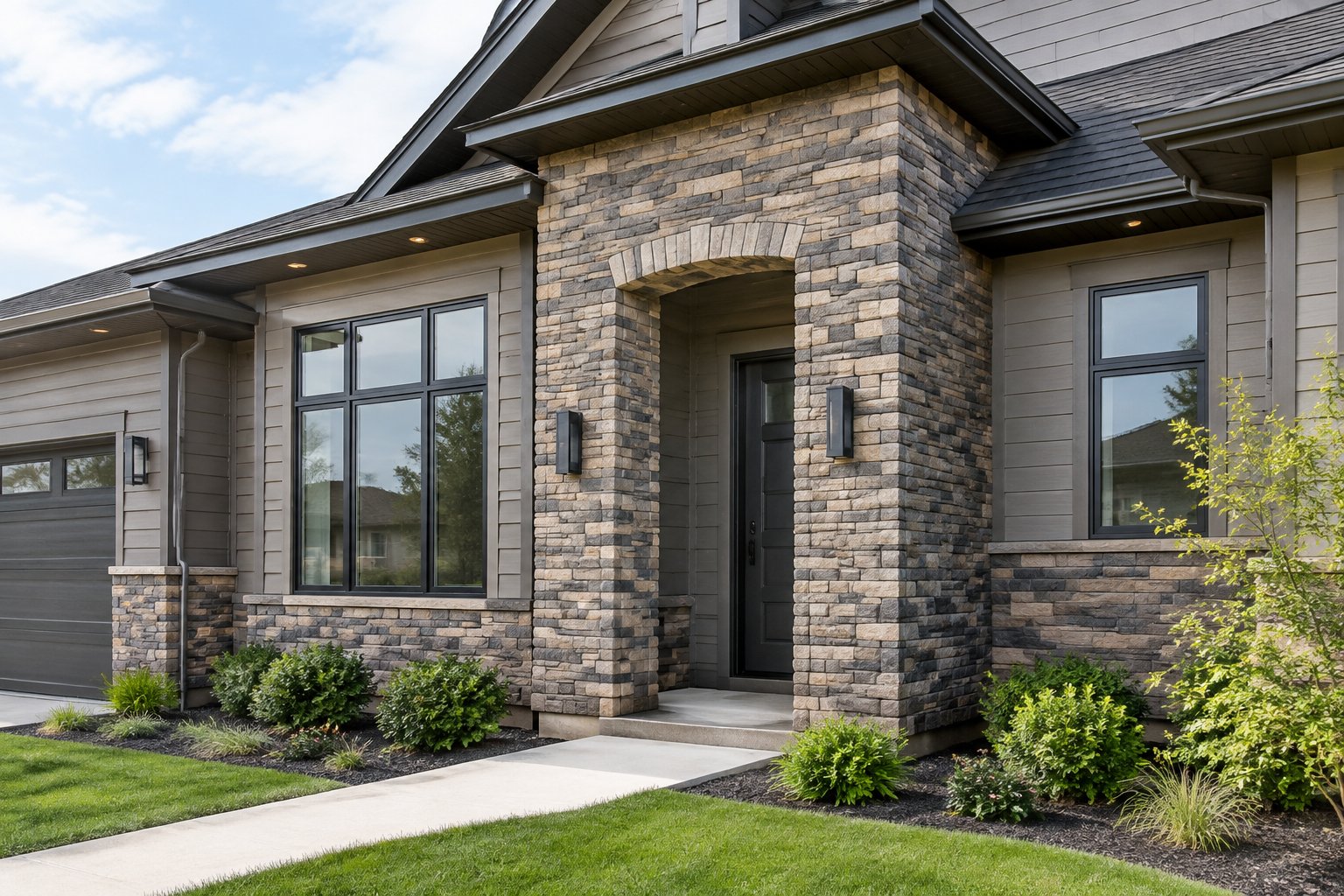
Reclaimed brick facades root a building in a specific architectural tradition. In historic districts that follow the Secretary of the Interior's Standards, period-correct antique brick may be required to preserve the look of the neighborhood. Even outside those zones, architects turn to salvaged brick for additions and new builds that need to blend with older surroundings.
A full-brick facade in Soft Reds or Hard Tans gives a warm, textured surface that shifts in tone as the light changes through the day.
Fireplaces, Interior Walls, and Accent Installations
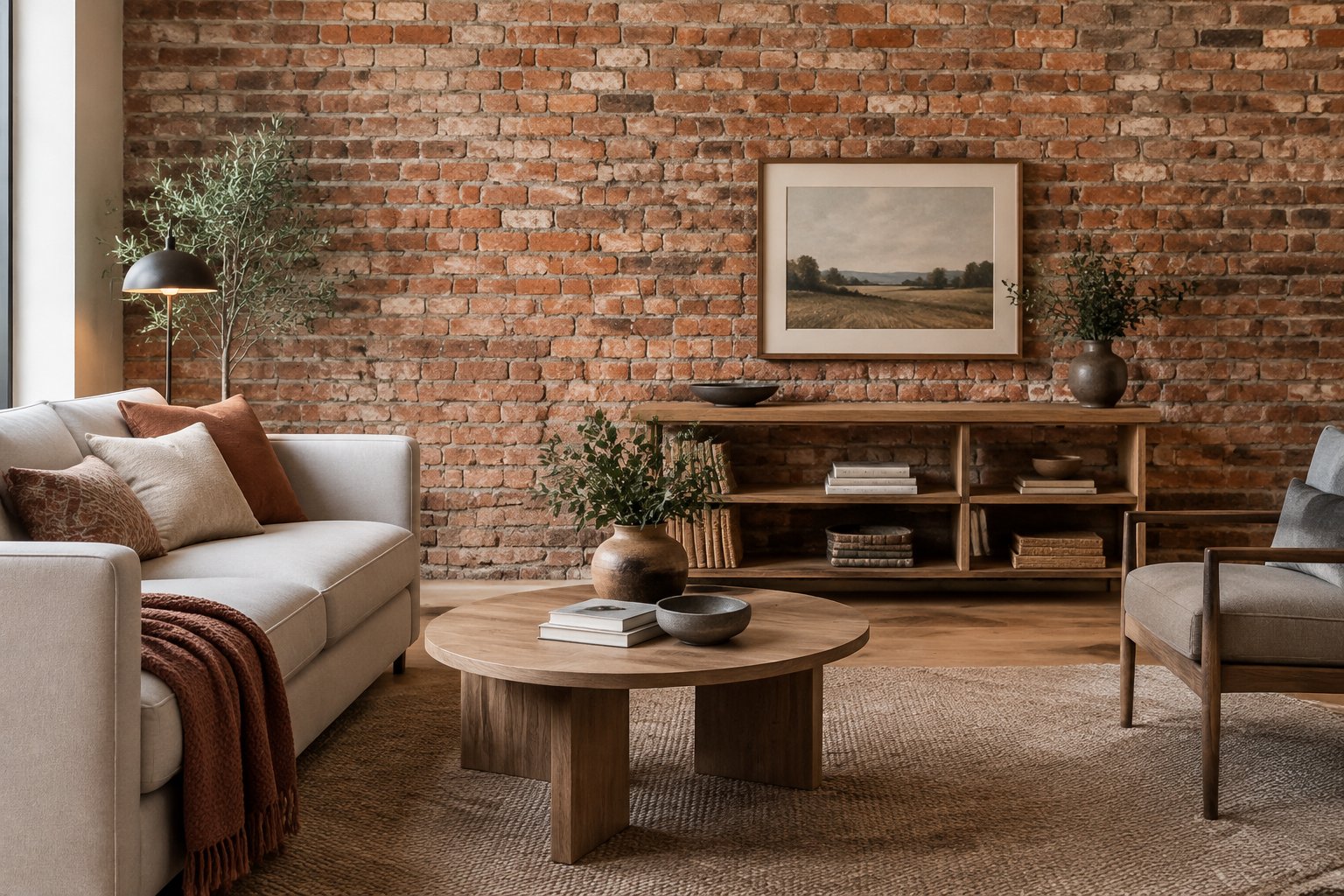
Fireplaces are the most common interior use for antique brick. A floor-to-ceiling surround in century-old brick becomes the room's anchor, pairing naturally with reclaimed wood mantels, hand-forged hardware, and other genuine details.
Interior accent walls in kitchens, entryways, and living rooms use thin brick to get the same effect without changing the structure.
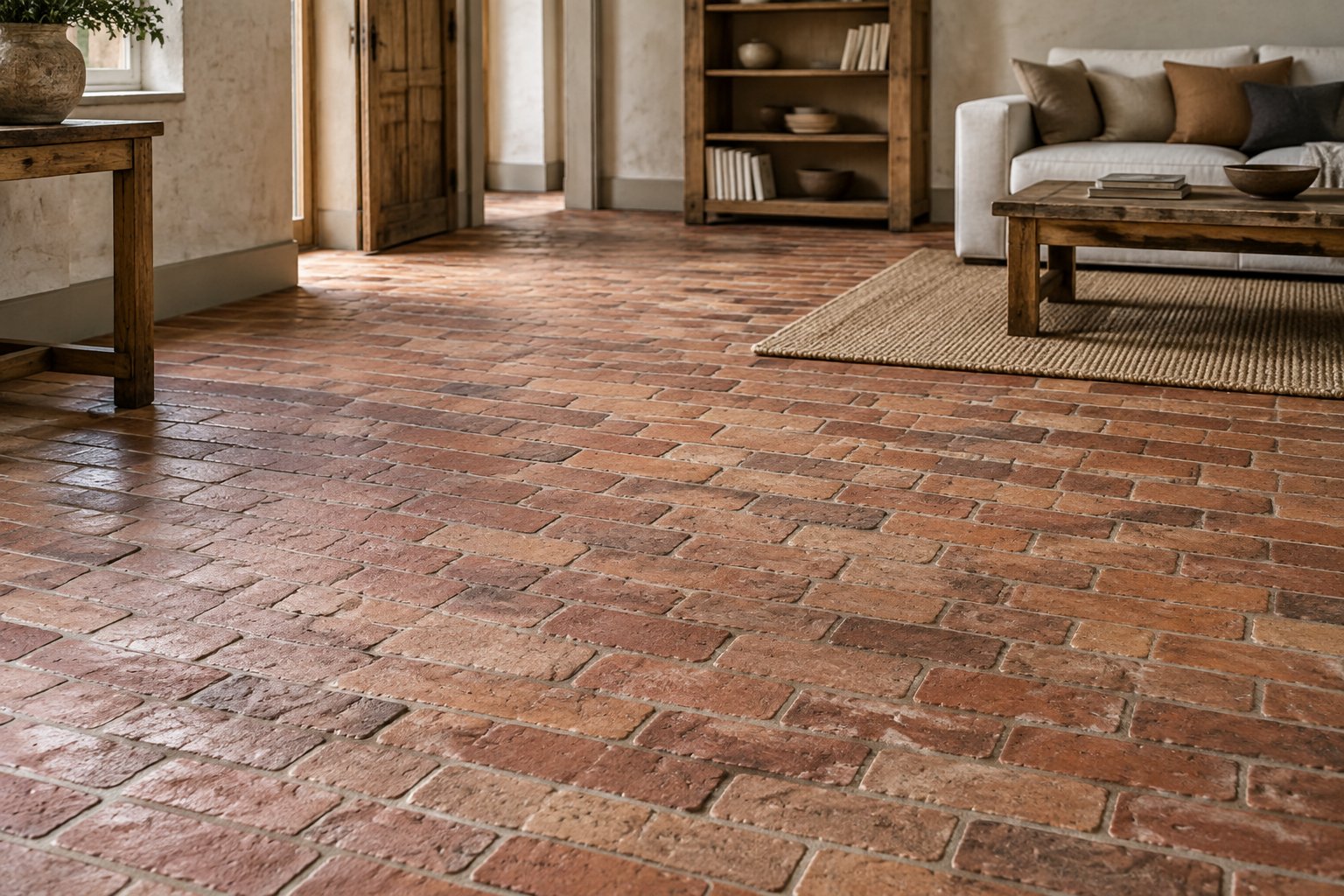
Reclaimed brick also makes durable flooring for mudrooms, wine cellars, and covered porches. The natural color variation adds warmth and interest underfoot that tile or engineered products cannot reproduce.
Patios, Walkways, and Brick Pavers Outdoors
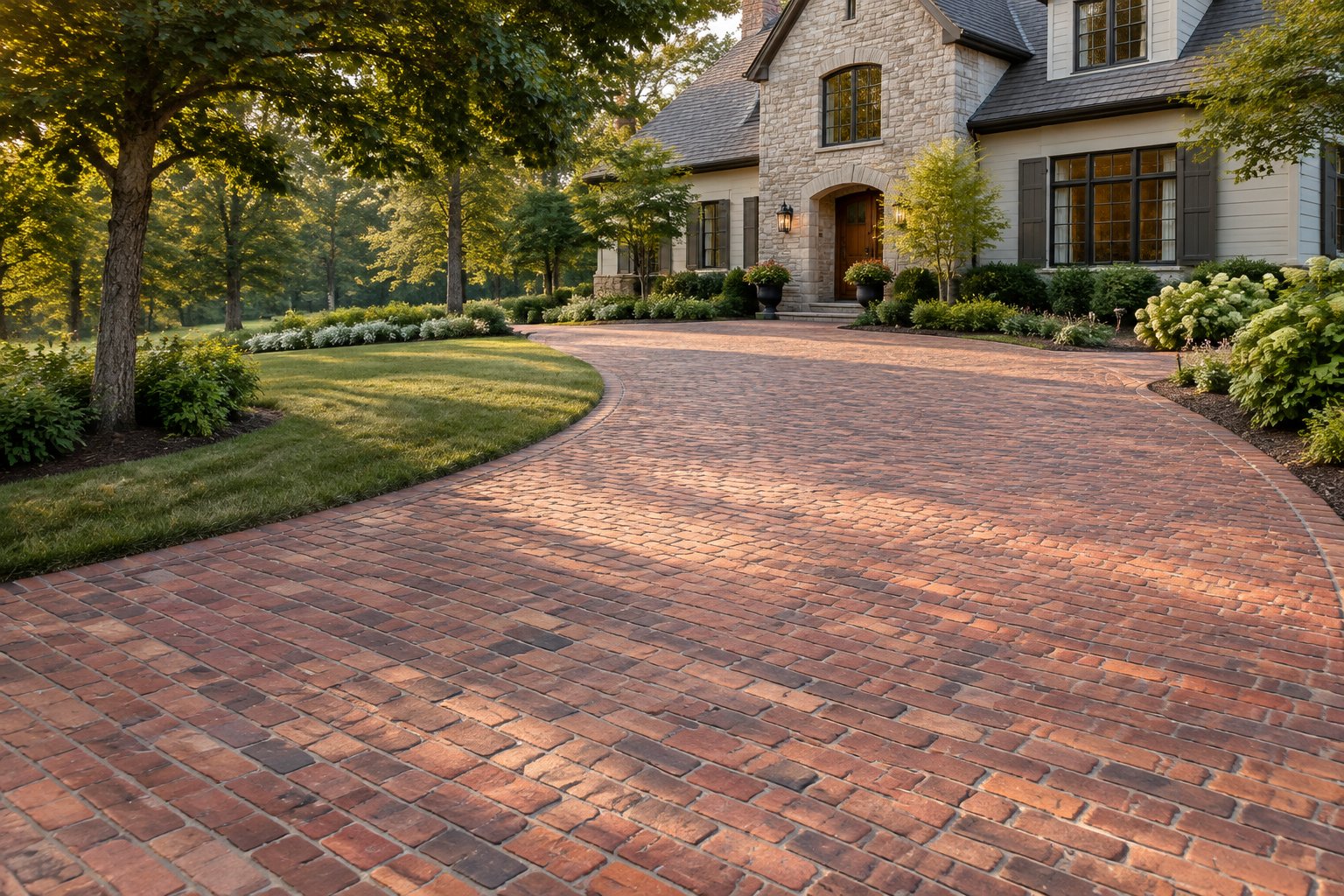
Outdoor hardscaping is where reclaimed brick pavers earn their place. A herringbone or running-bond walkway built from salvaged brick looks settled and rooted from day one. The density is hard to beat: a brick that has already survived a century in a wall will handle foot traffic, rain, and hard temperature swings.
Finding where the material fits is one thing. Getting it delivered on time is another.
Why Availability and Freight Logistics Matter More Than Local Search
The real obstacle in sourcing reclaimed brick is rarely price. It is finding that the material you need is not available nearby, then waiting months for a shipment that may not match the sample you liked.
How On-Hand Inventory Protects Builder Timelines
Most buyers start by searching for a reclaimed brick yard nearby, which makes sense for browsing.
But local yards often have a patchy, unpredictable selection of genuine antique brick. When a supplier keeps real inventory on hand and ships nationwide, your timeline faces fewer surprises than when someone brokers material from elsewhere.
Builders on tight schedules cannot wait 6 to 12 months for specialty brick. A quick phone call to confirm what is actually in stock saves a lot of trouble.
What Nationwide Pallet Shipping Looks Like in Practice
Reclaimed brick is loaded onto pallets and shipped by freight. Cost depends on weight, destination, and any special delivery needs. A standard pallet usually weighs between 2,000 and 2,500 pounds, depending on the brick. Once you pay the invoice, a good supplier gets a truck moving within 48 hours.
Most deliveries are curbside. If you need a forklift, liftgate, or want the pallet placed inside, arrange that before the truck leaves. Confirm your address and any tricky access details during quoting to avoid surprise charges at delivery.
Inspection, Damage Notes, and Final-Sale Realities
When your pallet arrives, inspect it before signing anything. If you spot damage, note it with the driver. If something is off, contact the supplier within five business days, with photos, so you can sort out a replacement or partial refund.
Reclaimed and specialty brick is unique and a bit unpredictable. Sales are almost always final, since returns are not accepted for color shifts, weathering, or size variation. Those traits are part of the material. Knowing the policy up front keeps things smooth, and sampling before you order is always smart.
Ready to Specify Material with Confidence
The difference between a smooth sourcing experience and a frustrating one usually comes down to the questions you ask before you order.
Questions to Ask Before You Place the Order
Before you commit, ask your supplier:
- What brick varieties and colors are in the yard right now?
- What is the per-brick or per-square-foot starting price for what I need?
- How many bricks per pallet, and what square footage does that cover?
- Can you send a physical sample or current yard photos?
- Is this brick strong enough for structural use, or is it only for veneer?
- What is the freight estimate to my job site?
- What is the cancellation and return policy for reclaimed materials?
Real answers up front take out the guesswork and keep your budget from unraveling.
When a Direct Phone Call Is the Fastest Next Step
Email and online forms have their place, but when you need to confirm available stock, match it to your project's style and region, and lock in shipping, a phone call works better. You reach someone who can check inventory, pull pricing, and schedule freight on the spot.
Call New Orleans Brick Co to check what is actually on the yard and get a truck rolling within 48 hours of a paid invoice. One conversation confirms your varieties, pricing, and freight, so you can specify with confidence.
Frequently Asked Questions
What Sizes and Thicknesses Are Available, and Are They Full Bricks or Split Faces?
Inventory changes with every demolition, but standard reclaimed bricks usually measure about 7-5/8 by 3-5/8 by 2-1/4 inches, with natural variation. You will find both full-depth brick and thin brick (split face, usually 1/2 to 3/4 inch thick) in stock. Call to check what is available in your format.
What Is the Starting Price per Brick or per Square Foot?
Starting prices for reclaimed brick often fall between $0.75 and $2.50 per brick, depending on type, rarity, and condition. Thin brick and pavers are priced by the square foot, with rates shifting based on thickness and coverage. The final number depends on the specific variety, order size, and shipping distance.
How Fast Can You Ship, and What Do Freight Costs Look Like for a Full Pallet?
With inventory on hand, a truck can be on the road within 48 hours of payment. Freight cost depends on weight, destination, and any special delivery needs. A single pallet in the continental U.S. usually ranges from a few hundred dollars to over a thousand for hard-to-reach areas. Ask for a freight quote with your material quote.
Can You Verify Where the Brick Was Salvaged and Whether It Is Strong Enough for Structural Work?
A reputable supplier can tell you the region and rough era of the demolition source. Whether a brick works for structural use depends on its compressive strength and condition, checked during grading. If you need structural documentation, ask whether third-party testing or ASTM data is available for your batch.