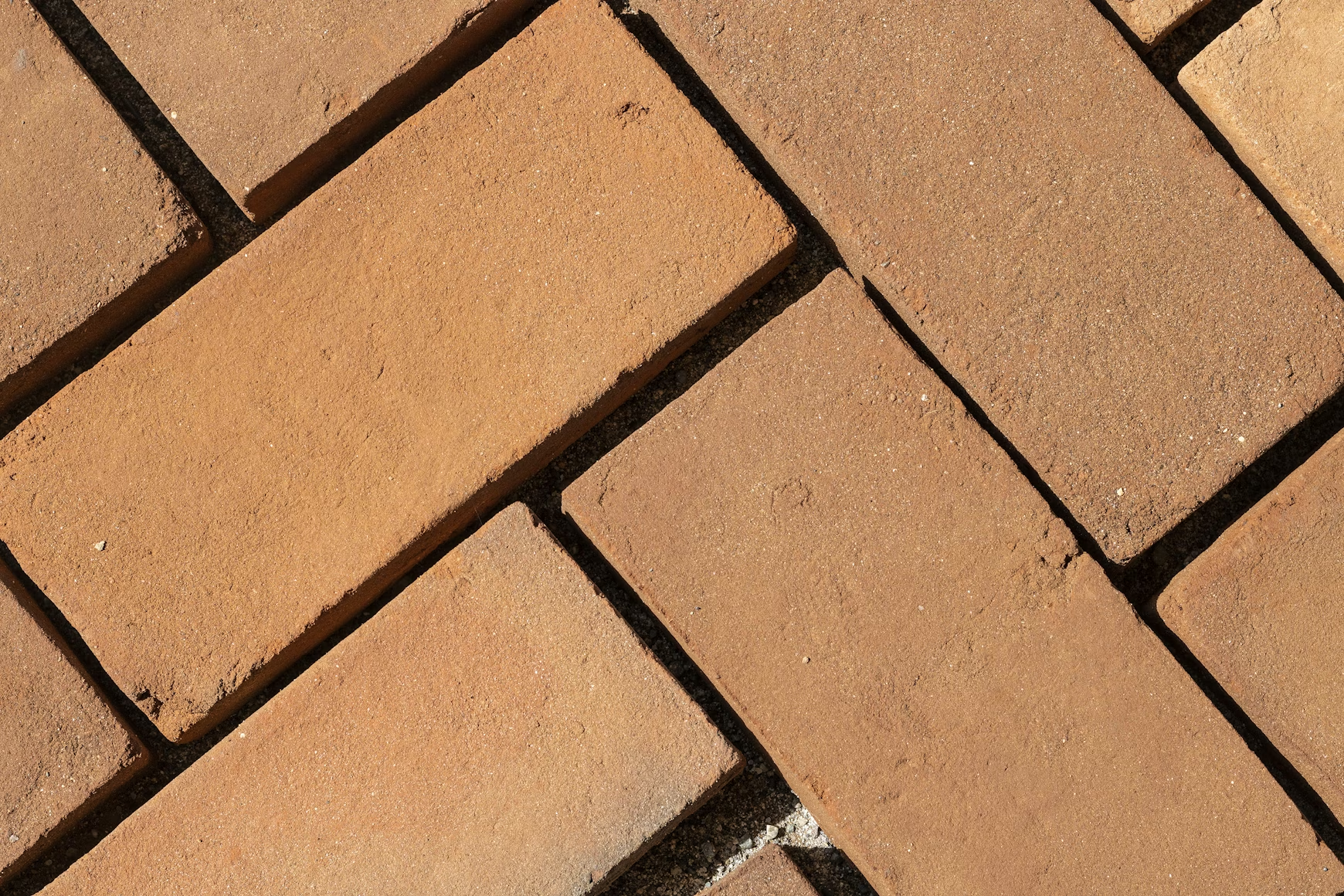
You want materials with real character. Something that will hold up for decades and still look better with time. Hand-selected brick offers that balance. It brings authentic texture, natural variation, and a depth of patina that newly manufactured brick simply cannot replicate.
These bricks have already proven their strength. Many come from structures that have stood for generations, carrying subtle wear, color shifts, and craftsmanship that give your project a sense of permanence. The result is a home or renovation that feels grounded in history while performing to modern expectations.
Choosing hand-selected brick also gives you control. You can match tones, select levels of weathering, and shape how the material is used across facades, openings, and interior features. That level of detail allows the design to feel intentional from every angle.
At New Orleans Brick & Stone, reclaimed brick is carefully sourced, tested, and prepared for immediate use. With inventory on hand and fast nationwide shipping, you can move forward without delays while working with materials that bring both reliability and character.
In the sections ahead, we will break down what defines hand-selected brick, how it is chosen and prepared, where it works best, and what to expect in terms of cost and care so you can make confident decisions for your project.
What Is Hand-Selected Brick?
Hand-selected brick means a real person inspects and picks each piece for quality, color, and fit. You end up with bricks that match your design goals, meet strength needs, and show off that historic character you just can’t fake.
Hand-selected brick comes from reclaimed or custom-made batches, and someone—not a machine - chooses each one. You get consistent color, size, and surface texture because each brick gets compared to your sample or specs.
Here’s what you can expect:
- Authentic patina and wear—especially with reclaimed brick from old structures.
- Structural soundness (they check for cracks, frost resistance, and strength).
- Visible variation that feels intentional—tones, chips, edges that add depth.
This process is all about blending with existing walls or nailing the exact look you want for new work. You’ll see fewer surprises during install and a tighter, more polished result.
Why Hand Selection?
Hand selection puts you in control of the look and performance. Pick bricks that match samples, cut down on job site waste, and avoid rework.
Some real-world perks:
- Better color match for restoration or custom palettes.
- Fewer rejects, so masons work faster and cleaner.
- Preserved historic character that can boost both curb appeal and value.
With reclaimed materials, hand selection also means you’re not getting duds. Each brick is cleaned and tested, so you don’t end up with weak pieces in your wall. If you’re on a tight schedule, New Orleans Brick & Stone usually has inventory ready to ship, keeping your project on track.
How Hand-Selection Differs from Mass Production
Mass-produced brick? That’s all about bulk sorting and automation. You get uniform size, sure, but you lose that nuanced color and texture hand-picked bricks keep.
Here’s the gist:
- Mass production = uniformity. Hand selection = visual fit.
- Automated lots might sneak in off-spec bricks; hand selection weeds those out.
- Mass supply is fast for generic jobs, but hand-selected stock is the ticket for custom or historic projects.
For custom homes or restorations, hand selection actually saves time by reducing callbacks and on-site tweaks. The end result looks intentional, not like it came off a conveyor belt.
Why Choose Hand-Selected Brick for Custom Projects?
You get visible character, consistent quality, and options that actually fit your design and timeline. Every choice affects color, strength, and how easy installation will be.
Enhanced Aesthetic Appeal
Hand-selected brick brings real surface history—color variation, mortar shadows, and wear that new brick just can’t mimic. You pick pieces to match an existing wall or create a specific vibe, from soft tans to deep reds.
If your façade or fireplace is a focal point, hand selection lets you control the palette and texture so your finished surface feels authentic, not staged.
Choose bricks with similar face size, tooling marks, or reclaimed patina to keep visual continuity across the project. That level of detail makes custom homes, restorations, and feature walls look finished and lived-in, not like they just rolled out of a factory.
Superior Quality Control
You can check strength, chipping, and density before anything hits your site. That means fewer surprises like weak or mismatched bricks during install. Workers save time when bricks arrive sorted by grade and use-case.
Reclaimed bricks get cleaned and tested for structural reuse, so you can trust them for load-bearing or veneer work. Hand selection lets you weed out anything cracked or crumbly that could fail later.
Fewer defects mean fewer callbacks and less waste. You’ll know how many bricks you get per square foot and get a clearer sense of what you’ll need for mortar and flashing, which helps with budget and labor planning.
Customization Options
Hand selection opens up color mixes, pattern choices, and special trims. Ask for blends that highlight certain tones, or order only hard-tan or high-char bricks for specific wear or shading.
You can reserve matching bricks for repairs or pick contrasting runs for accents like soldier courses or panels. This level of control supports precise drawings and true-to-design mockups.
Need fast delivery or a specific lot held for later? Just say so. New Orleans Brick & Stone can hold inventory and ship quickly, so you keep your schedule and the look you want.
Applications of Hand-Selected Brick
Hand-selected brick gives your project a distinct look, real durability, and a nod to old-school craftsmanship. Use these bricks for interiors, façades, and outdoor spaces where texture and authenticity matter.
Residential Architecture
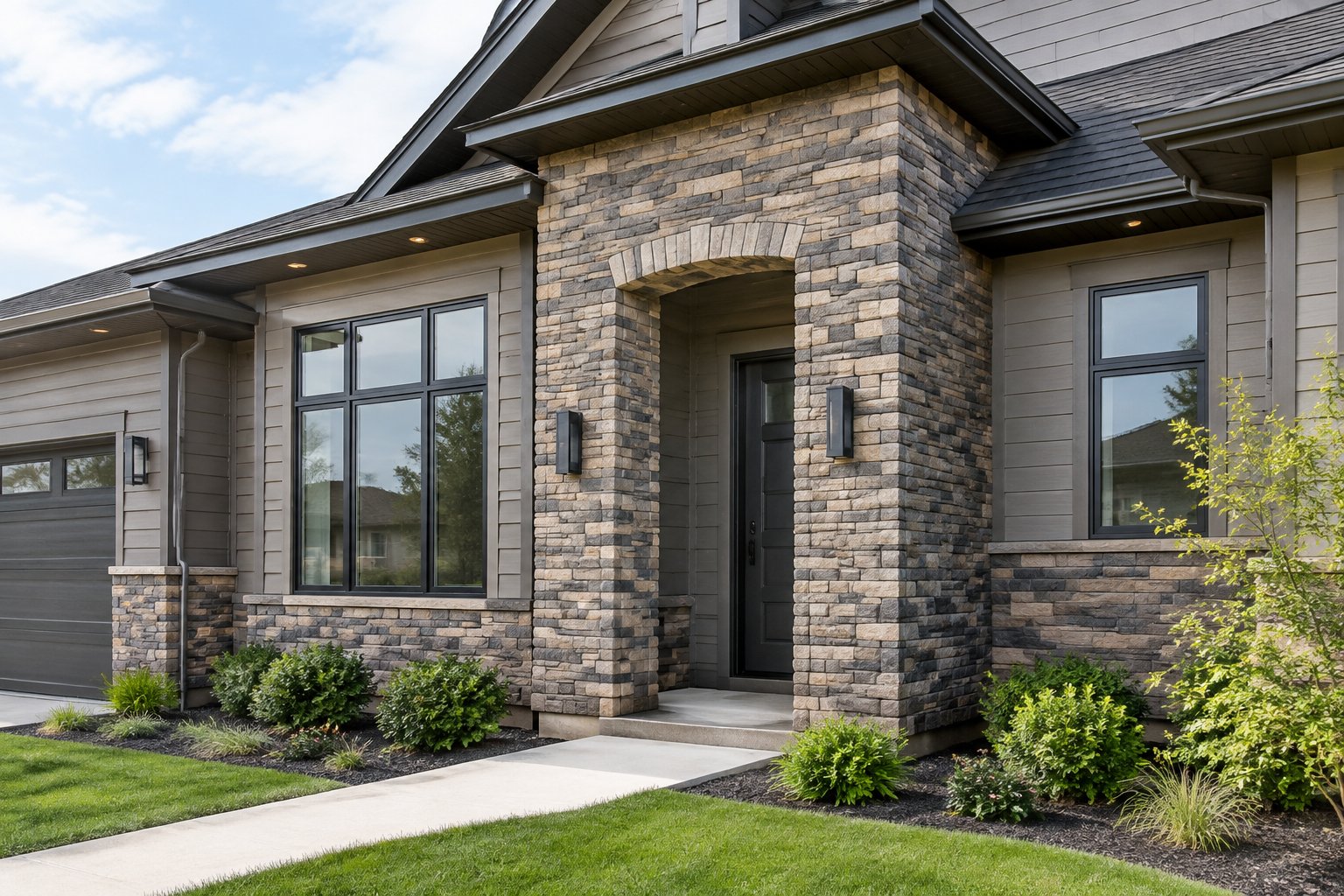
Hand-selected reclaimed brick works wonders on exterior walls, chimneys, and interior accent walls—bringing character to your home. Bricks with deep patina and subtle color shifts look great on front façades and entryways, where they handle weather and age with style.
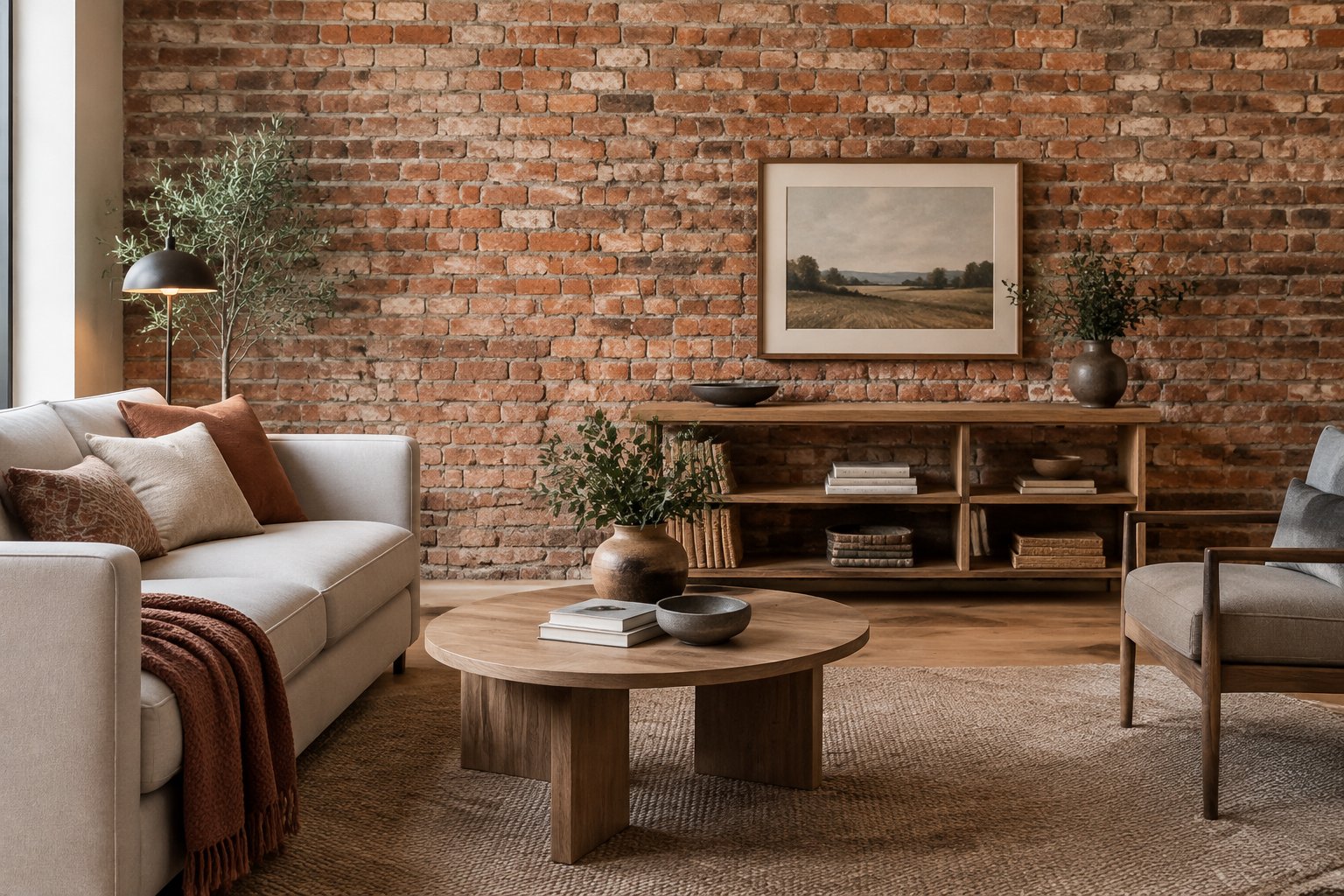
Inside, expose a brick wall in the living room, kitchen, or stairwell to add warmth and tactile interest. Thin brick veneer gives the same look with less weight—handy for remodels. For new builds, pick bricks with matching mortar color and sizing so doors, windows, and lintels line up without hassle.
Think about thermal mass and durability. Brick helps buffer temperature swings and stands up in high-traffic rooms. Want period-correct details? Pick bricks from the same era as your home to keep the historic vibe.
Commercial Spaces
Retail, restaurants, offices—hand-selected brick makes a strong impression and hints at quality. Use full-thickness reclaimed brick for load-bearing façades or thin brick for interior walls, bar fronts, and display areas.
Match your brick to your brand: warm tan bricks feel inviting, while darker antique bricks give an industrial, upscale edge. Don’t forget fire codes and sound—brick improves acoustics, but you might need extra treatment for compliance.
Plan logistics early. Reliable suppliers with prepped inventory help you hit tight deadlines. When you order, ask about color, thickness, and any cleaning or stabilization needed for high-touch spaces.
Landscape Design
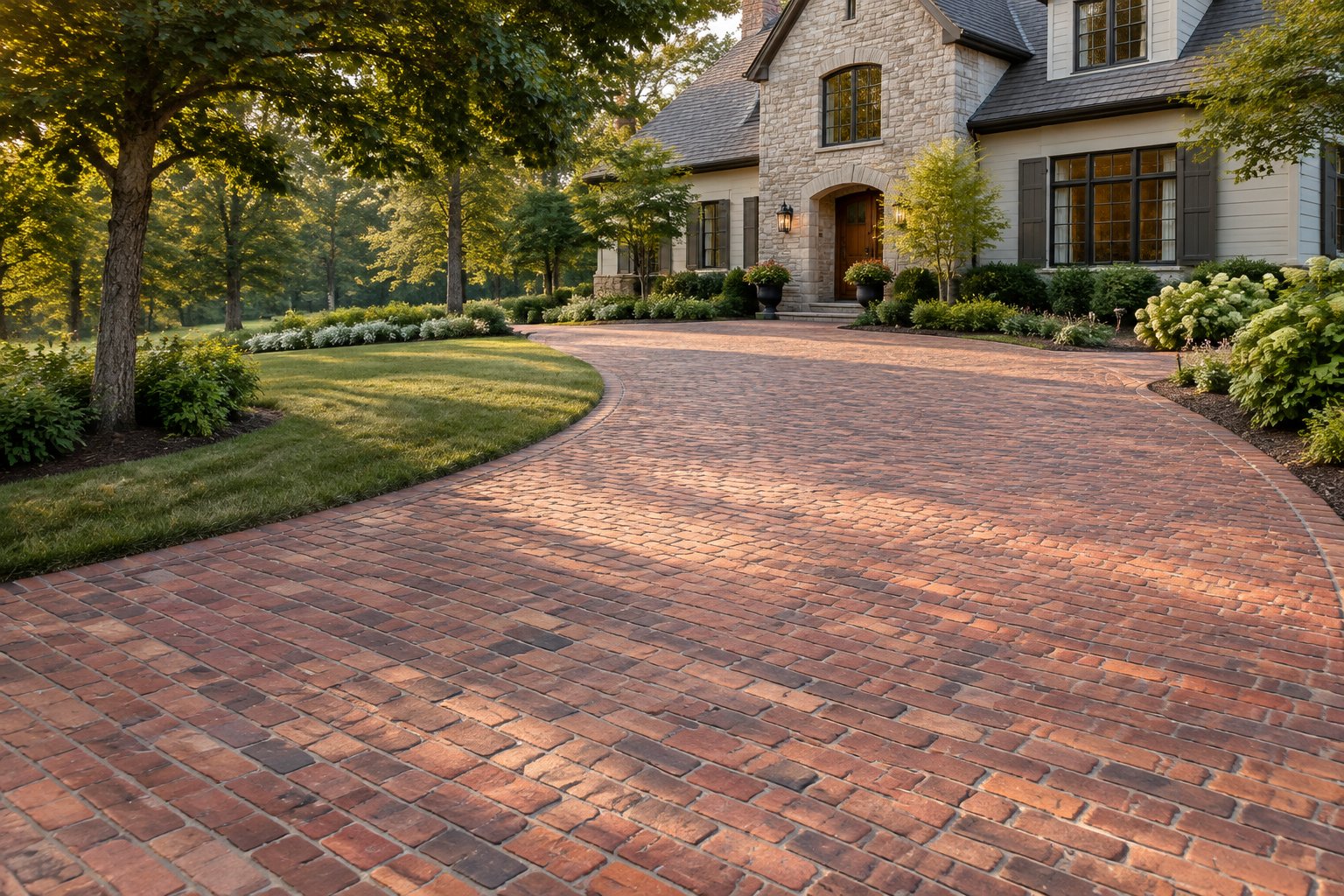
Hand-selected brick brings historical texture and long life to patios, walkways, garden walls, and steps. Reclaimed brick pavers create irregular patterns that look natural and settle well—no sterile, uniform feel here.
Use brick for retaining walls and planters where frost resistance and drainage count. Solid, century-old bricks often outlast new ones in freeze–thaw climates. For paths, lay bricks on compacted gravel with sand joints for movement and easy repair.
Think about patina and finish for safety. Smooth bricks work for patios; textured ones give grip on slopes. Need quick delivery for staging or planting? Ask about ready-to-ship inventory—New Orleans Brick & Stone usually has hand-selected reclaimed materials on hand.
The Process of Hand-Selecting Brick
Here’s how it goes: you’ll see where the bricks come from, how each gets checked, and how they’re matched so your project looks right and lasts. The process balances authenticity, strength, and visual harmony.
Sourcing Materials
Bricks get salvaged from old buildings, streets, and industrial sites—original firing and clay give them unique color and texture. Salvage crews document each source and palletize bricks by size and face condition to keep things clear.
Check stock lists for what’s available, specific runs, and estimated quantities before ordering. Ask if inventory ships within 48 hours to keep your schedule on track. Want a regional look? Request samples from the same batch.
New Orleans Brick & Stone keeps an organized inventory of hand-selected reclaimed pieces, making it easier to secure consistent runs for bigger jobs. Reclaimed supply does vary, so reach out early to lock in what you need.
Inspection Standards
Expect a multi-step inspection: structural integrity, surface condition, and contaminants all get checked. Techs pull out cracked, spalled, or salt-stained bricks—those aren’t fit for load-bearing use.
Each brick gets a look and feel test for soundness and leftover mortar. Specialists test for efflorescence risk and strength if needed. Bricks for interior veneers get a different pass/fail than those for outside paving.
Packaging includes grade labels and photos so you know what’s coming. For big orders, ask for written inspection reports to confirm suitability for walls, chimneys, patios, or decorative features.
Matching and Blending
You steer the look by checking sample panels for color range, weathering, and mortar joint options. Hand selection focuses on matching size, frog orientation, and face texture for a consistent run.
Mixing happens in set ratios if you want variation—say, 70% primary, 20% lighter, 10% darker or worn bricks. That keeps things interesting but avoids random blotches.
For perfect matches, crews pull from the same pallet and stage mixed bundles with clear labels. Ask for on-site mockups or a small sample delivery so you can check blending under your project’s light and setting.
Design Inspirations Using Hand-Selected Brick
A few ideas: brick color, age, and finish can totally shape a space. Use texture for touch, history for story, and clean lines for contrast.
Color Variation and Texture
Pick bricks with varied tones to add depth to a room or façade. Mix soft reds, tans, and darker headers for a natural, lived-in palette that feels real, not staged.
Texture counts as much as color. Rough, hand-fired faces catch light and cast little shadows that add warmth. Smooth, reclaimed faces look cleaner but still feel historic.
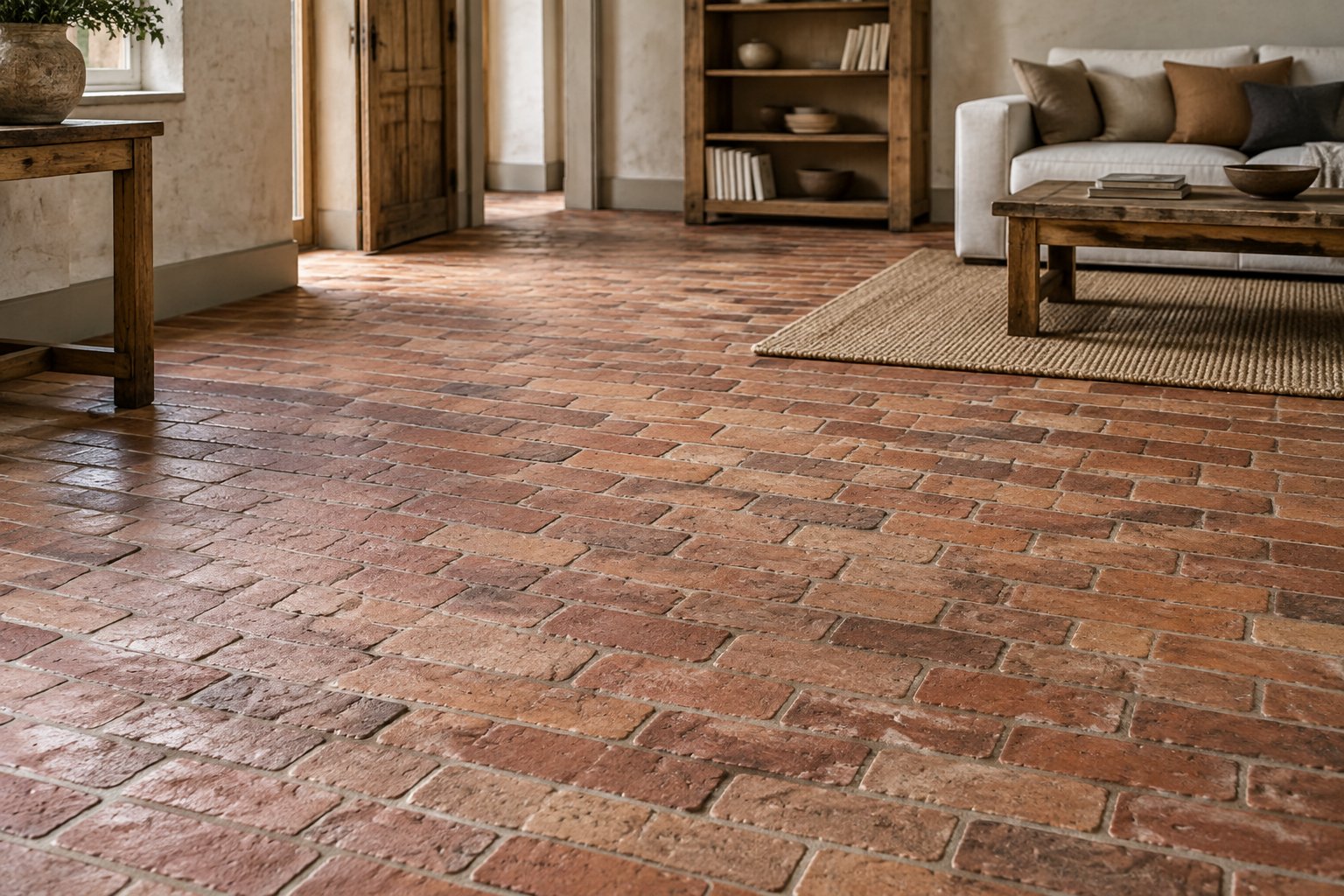
Use contrast on purpose: pair a textured brick wall with smooth plaster or matte paint. That combo highlights the brick and keeps the design balanced. For floors, pick bricks with consistent thickness for easier install.
Historic Restoration
Match mortar color and joint style to keep period accuracy. Use lime-based mortar for older bricks needing breathability and flexibility. This protects the brick and keeps repairs true to the original craft.
Hand-select bricks with the same wear and color shifts as your existing structure. Salvaged pieces from century-old buildings help you nail the patina and tooling marks of original masonry.
Document your coursing and bond pattern before starting. That way, you can recreate historic layouts like Flemish or common bond, so repairs and additions feel seamless and authentic.
Modern Accents
Use thin brick veneers from hand-selected stock to bring reclaimed character without extra weight. Veneers let you wrap columns, islands, and fireplaces with real history.
Try setting reclaimed brick vertically or in a stacked-bond pattern for a sharp, modern look. The unusual orientation keeps things fresh while the patina and texture stay classic.
Mix reclaimed brick with metal, glass, or concrete for contrast. For instance, a brick backsplash with a stainless counter gives a warm, tailored backdrop that still feels modern.
Working with Professionals
Find masons and designers who get your project’s vibe, scale, and timeline. Look for folks who know reclaimed materials and can protect the brick’s patina and strength during install.
Finding Skilled Masons
Look for masons with real experience installing reclaimed brick—not just new brick. Ask to see photos of their past jobs, especially ones that show matching joints, careful cleaning, and weathered finishes that look authentic. Get references from similar projects if you can.
Ask how they test bricks for soundness and make sure the mortar matches before starting. Talk about repointing—will they use lime or Portland mortar to keep the right look? Set up a mock-up wall so you can check color, bond pattern, and joint width before they go all in.
Make sure your mason has insurance and offers a written warranty. Get a clear schedule that fits with material deliveries and the weather—you don’t want your brick sitting in the rain.
Collaborating with Designers
Pick a designer who actually specifies reclaimed materials and gets how color, age, and installation quirks affect the final look. Share samples and photos early so they can plan out bonds, lintels, and how old brick will meet new stuff.
Have your designer coordinate with the mason on tolerances, weep holes, flashing, and sealers—these details protect the brick in the long run. Ask for detailed elevation drawings and a material takeoff that includes breakage and sorting for face grade.
Decide who’s ordering materials and checking them when they arrive. If you’re sourcing from New Orleans Brick & Stone, make sure your designer knows about lead times, shipping windows, and how the supplier grades their reclaimed pieces.
Built with Intention, Finished with Character
Hand-selected brick brings a level of detail that changes how a project feels once it is complete. The variation in color, the texture of each face, the way the material settles into the design. These are the elements that turn a structure into something lasting and personal.
Because each brick is chosen with care, the result feels cohesive rather than random. You get consistency where it matters, variation where it adds depth, and materials that have already proven their durability over time. That balance is what gives custom projects their sense of authenticity.
At New Orleans Brick & Stone, that process is handled with the same attention to detail. Reclaimed brick is sourced from historic structures, tested for performance, and prepared for immediate use. With ready inventory and fast nationwide shipping, you can keep your project moving while still achieving a refined, timeless result.
In the end, choosing hand-selected brick is about building with intention. It is about creating spaces that feel considered, grounded, and built to last. When the right materials are in place, the finished work does not just look complete. It carries a sense of history that continues to deepen over time.
Frequently Asked Questions
Here are straightforward answers about buying hand-selected bricks, checking quality, typical costs, who makes them, buying singles, and even making your own. Skim for quick steps you can actually use.
What are the best places to purchase bricks for tailor-made constructions?
Check out suppliers that offer hand-selected reclaimed bricks from old buildings and keep inventory ready to go. Local reclaimed yards and specialty online dealers who test and grade bricks are solid options for custom looks.
Contact suppliers who’ll show photos, test results, and shipping details. If you want fast delivery and family-level service, New Orleans Brick & Stone offers reclaimed options and quick nationwide shipping.
How do I find high-quality hand-selected bricks in the USA for my custom project?
Ask about provenance, strength tests, and photos of the actual batches. Get a small sample box so you can check color, texture, and soundness before buying a ton.
Work with sellers who hand-select and remove damaged bricks. For structural work, pick bricks with consistent size and low efflorescence. For decorative stuff, a little more variation is fine.
What are the approximate costs for bricks hand-selected for specialized builds?
Reclaimed, hand-selected bricks cost more than standard new ones because of the extra work. Prices depend on age, rarity, and condition—sometimes a few bucks each, sometimes higher for rare types.
Don’t forget testing, cleaning, and shipping. Ask for an itemized quote that breaks out unit cost, freight, and any sorting or handling fees.
Who are the leading manufacturers of custom bricks?
Look for small, regional brickmakers who do custom sizes, colors, or shapes on demand. Many use unique clay blends and custom molds for special projects.
If you want authentic reclaimed materials instead of new custom-molded brick, stick with reputable reclamation suppliers who hand-select and prep historic bricks.
Is it possible to buy single bricks for my bespoke design needs?
Absolutely. Plenty of suppliers sell single bricks or small lots for repairs, samples, or custom details. Ask for singles or a short-run box if you’re matching a historic wall or testing a color.
Just check return and shipping policies for small orders. Buying a few first lets you test placement, mortar color, and aging before you commit to a big order.
What are the steps to create my own bricks for a personal construction project?
Start by figuring out the style, size, and clay you want. You can either make a mold yourself or pick one up somewhere. Mix up your clay, or try a clay-sand combo, then press that into the molds. Let the bricks dry out slowly—don’t rush this part. After they’re good and dry, fire them in a kiln so they get strong enough for building.
Try making a small batch first. See how much they shrink and check if they’re sturdy. No kiln? You might try air-drying bricks for projects that don’t have to hold up a house. Or, honestly, if firing bricks sounds like a hassle, maybe reach out to a local artisan or small brickmaker to get a custom batch made for you.