The reclaimed brick you found online looked perfect in the listing, then arrived fresh from a factory with a sprayed-on patina.
That happens more than buyers expect. What reads as charming in a photo can fall flat in person, or worse, on the wall, and a bad lot stalls the project, stretches the budget, and wears down everyone's patience.
This guide covers what to verify before buying, which brick types matter for your build, how to match old masonry without guesswork, what real pricing and yield look like, and why delivery speed often beats a local search.
Expect specific product names, cost context, and advice grounded in handling this material.
What to Verify Before You Buy
Not every "reclaimed" brick started life in a historic building. Before you commit, confirm three things: where it came from, how old it really is, and whether it is tough enough for your job.
How to Confirm Material Origin From Historic Buildings
Genuine reclaimed brick comes from demolition sites tied to documented structures, such as old warehouses, factories, churches, or homes built before 1920. Ask your supplier about the building's age, location, and type.
If they can tell you it came from a cotton warehouse in St. Louis or a Chicago row house, you are on the right track.
If they cannot name a region or building type, that is a red flag. As salvage yard guides note, good dealers can back up their story. Reclaimed material should come with a traceable past.
How Age Verification Separates Genuine Stock From Replicas
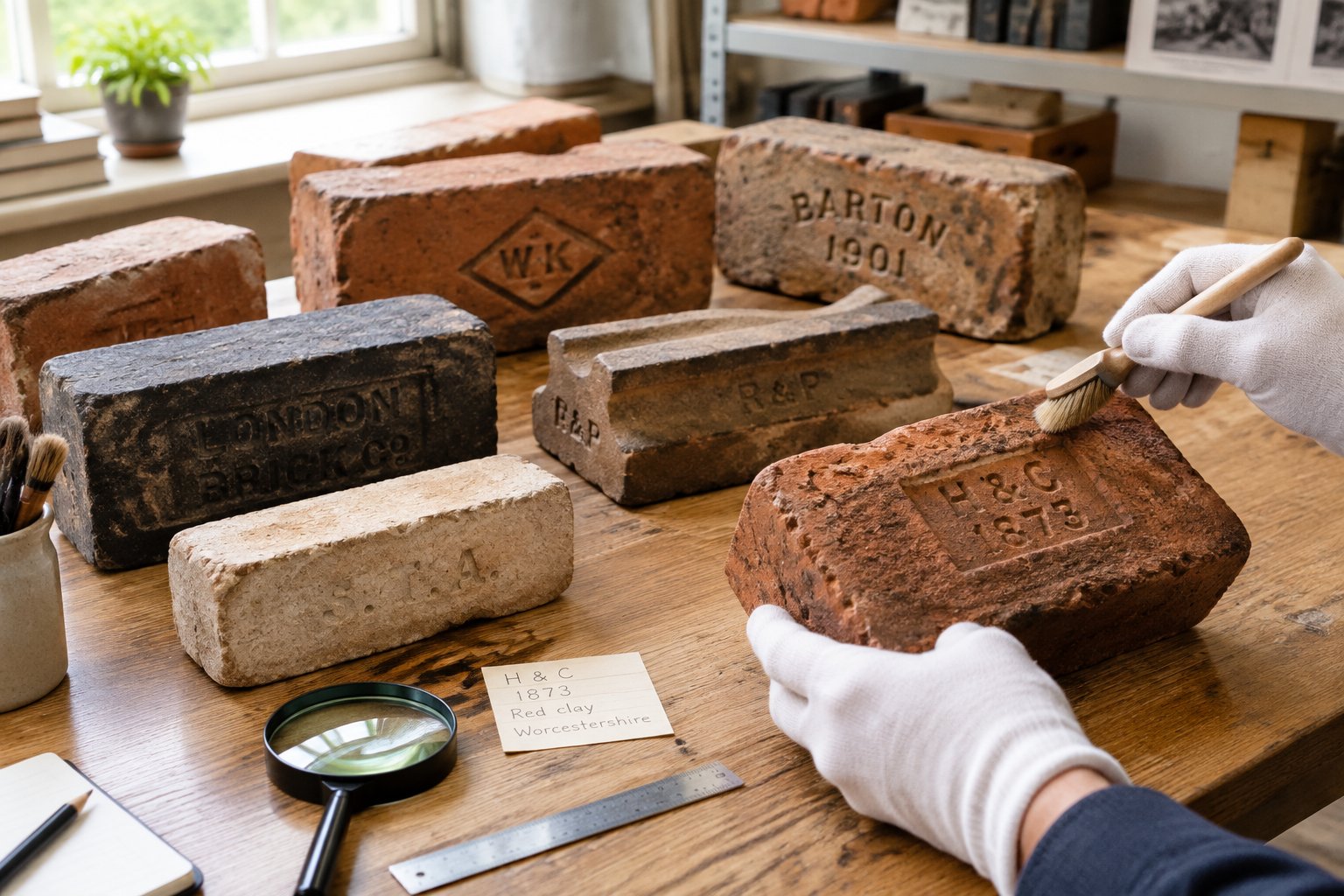
Old bricks have traits you cannot fake: uneven color, mortar shadows, and pitting from decades in the elements. Handmade bricks from the 1800s show irregular edges and subtle size shifts that no modern tumbling can mimic.
Some sellers push "antiqued" new bricks as reclaimed. The clearest tell is weight and density. Real 100-year-old bricks fired in wood or coal kilns feel heavier than today's products. If every brick in a pallet looks like its twin, you are probably looking at new stock.
What Structural Integrity Looks Like in Salvaged Brick
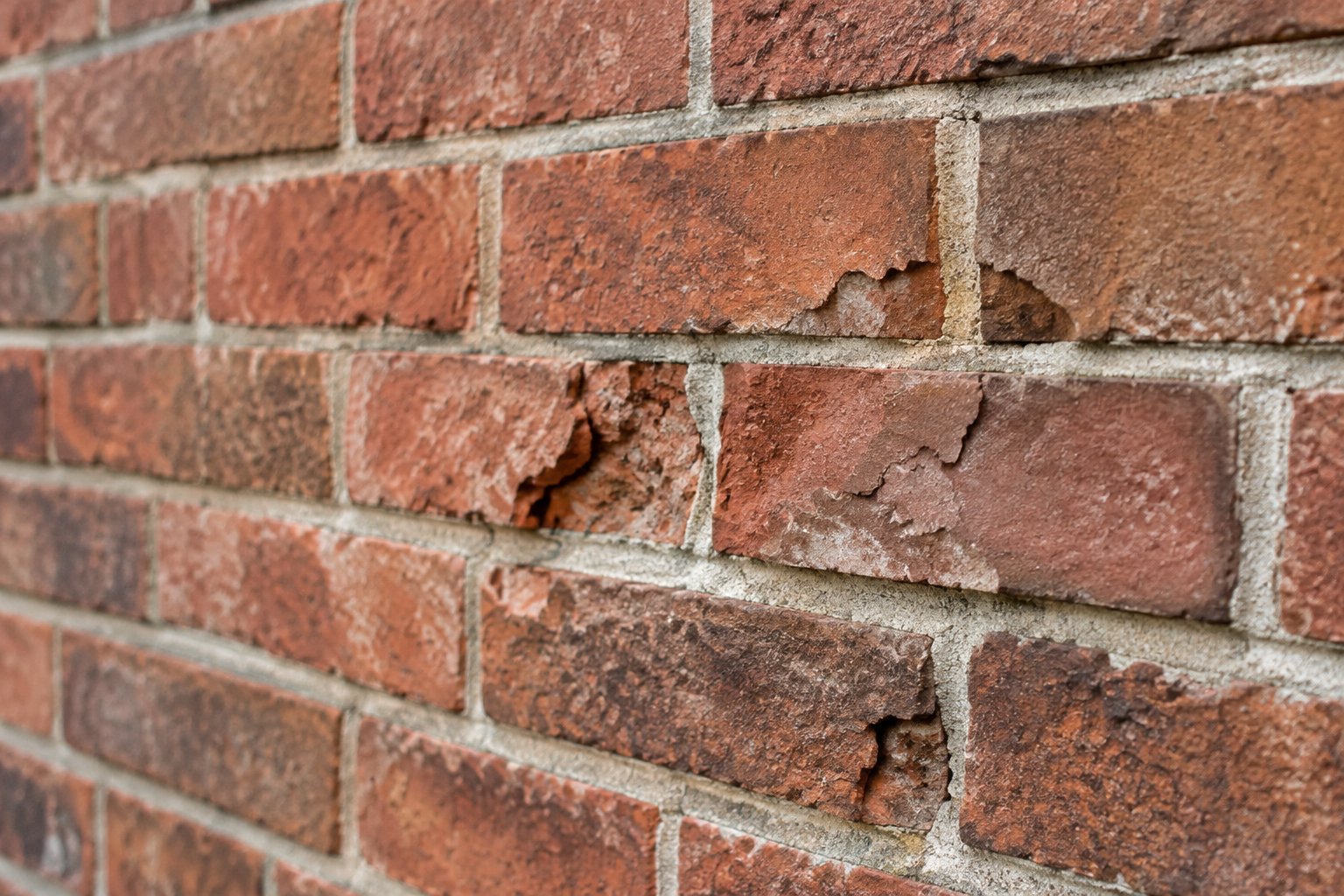
A brick that looks great but falls apart when cut is not worth buying. Good reclaimed brick rings when you knock two together rather than thudding. Check for hairline cracks, spalling on more than one side, and fire damage that may have weakened it.
Reputable suppliers sort every brick before stacking. That way, most of what you receive, usually 85 percent or more, is ready to use, even after the usual transit bumps. Knowing what to look for helps you pick the right brick for the project.
Reclaimed Brick Varieties That Matter on Real Projects
The brick you choose sets the tone, texture, and durability of your wall, floor, or patio. Not all reclaimed brick works everywhere, and choosing the wrong type causes problems later.
Soft Red, Hard Tan, Old Chicago, and St. Louis Reds
These names come up on nearly every project. Soft Reds bring a warm, salmon-to-crimson color range, well-suited to facades, fireplaces, and patios. Hard Tans offer earthier buff and sand tones, popular in Southern Louisiana homes and commercial spaces.
Old Chicago brick usually runs darker, with more soot and a fire-marked look, and a rough surface that stands out on accent walls and floors. St. Louis Reds come from old Midwest industrial buildings, showing a deep, consistent red that fits modern and classic designs.
Handmade, Machine-Made, and Wirecut Differences
Handmade bricks, made before the 1870s, came out of wooden molds, so you see irregular shapes, thumbprints, and softer edges. They carry a lot of character and usually cost a bit more.
Machine-made bricks, from the 1880s on, look more uniform. Wirecut bricks, a machine-made subset, were sliced from clay columns and show fine drag lines that give them a linear texture.
- Handmade: Irregular edges, color variation, pre-1880s
- Machine-made: Uniform size, smoother faces, 1880s to mid-1900s
- Wirecut: Linear marks, consistent depth, works for crisp designs
Stock, Facing, Engineering, and Blue Brick Uses
Stock bricks did the heavy lifting in old construction, in structural walls and hidden courses. Facing bricks were meant to be seen, so they show better color and fewer flaws. Engineering bricks handle more weight and less water, which makes them a common choice for foundations or below-grade work.
Antique blue bricks, similar to Staffordshire Blues, are uncommon in U.S. salvage but turn up in old Midwest factories. Their slate-blue to charcoal color stands out against reds and tans. Once you have landed on the right type, the next step is matching it to what is already on your wall.
Matching Existing Masonry Without Guesswork
One out-of-place course can throw off an entire facade. To match old masonry, you need to get three things right: size, color, and surface texture.
When Brick Sizes Change the Entire Look
Imperial-sized bricks, used before modular sizing, measure about 8-3/4 by 2-3/4 by 4 inches. Modern modular bricks are closer to 7-5/8 by 2-1/4 by 3-5/8 inches. That half-inch in height changes your joint spacing and can ruin your lines if you mix them.
If you are restoring an old building, confirm whether you need imperial or modular brick. Pre-1950s imperial bricks are available, but not always in large batches. Call ahead to confirm there is enough before your mason starts laying out.
Color, Texture, and Weathering in Period Restorations
Color matching is not about a perfect clone. It is about finding something in the same tonal range, especially after mortar and weather do their work. Pull a sample from your wall, photograph it in daylight, and compare it to the reclaimed stock you are considering.
Weathering matters too. A brick from a north-facing wall looks different from one off the south side. Patina, lime marks, and moss all add to the character of antique brick. If you are working under the National Historic Preservation Act, you may need records to prove your replacement brick fits, so keep your paperwork handy.
Where Brick Slips Make Sense and Where They Do Not
Brick slips, or thin brick, are face cuts from reclaimed brick, usually 1/2 to 3/4 inch thick. They work well for interior accent walls, fireplace surrounds, and other reclaimed thin brick applications where you do not need full depth.
They are not made for exterior load-bearing walls or heavy freeze-thaw exposure unless you have a solid drainage plan. If your build needs structural depth, use full-size reclaimed brick. Knowing where slips work helps you budget more accurately.
Comparing Cost, Yield, and Order Quantities
Prices for reclaimed brick vary widely, and the lowest bid often costs more once you factor in breakage, sorting losses, and freight. Comparing per-brick cost gives you a real sense of what you will spend.
Why Per-Brick Pricing Is the Best Comparison Tool
Some suppliers price by the pallet, others by square foot or ton. Per-brick pricing cuts through the confusion. A standard pallet of full-size reclaimed brick holds about 500 to 545 bricks, depending on type and stacking.
When you get a quote, divide the pallet price by the brick count for your per-unit cost. That is the only way to compare like for like. For more on what drives pricing, see this reclaimed brick price breakdown.
How Waste, Breakage, and Sorting Affect True Cost
Order 10 to 15 percent more than your square footage calls for. Shipping knocks a few bricks around, and your mason will cut or discard some during install. Order the exact number, and you will likely run short.
Sorting affects what you actually get. Reclaimed bricks arrive with some mortar, chips, and a variety. A well-sorted pallet gives you 85 to 90 percent usable brick. Poor sorting can drop that below 75 percent, wiping out any savings from a lower price.
When Specialty Brick Is Worth the Premium
Specialty bricks, including arches, corbels, and decorative headers, cost more per piece but can save you from custom fabrication on-site. For a tricky chimney cap or a shaped border, getting the right piece up front saves labor.
Expect to pay 20 to 40 percent more for specialty shapes, depending on how rare or clean they are. Once you have settled type, quantity, and overage, the question is whether your supplier can deliver on schedule.
Delivery Timelines Matter More Than Near-Me Searches
A supplier 20 miles away with a 10-week wait is little help if one 800 miles off can put your order on a truck in 48 hours. Real inventory and fast nationwide shipping keep a project schedule intact, not proximity alone.
Why On-Hand Inventory Beats Long Lead Times
Plenty of reclaimed brick suppliers do not have stock on the ground. They start pulling and cleaning your brick only after you pay, which can drag on for 6 to 12 months. Suppliers with sorted, palletized inventory can ship as soon as your invoice clears.
New Orleans Brick Co works this way, keeping enough on hand to roll a truck within 48 hours of payment. This matters most when your mason's schedule is set, and the other trades are lined up.
If the brick does not show up, everything from framing to finish work gets pushed back. If you are searching for a local brick supplier, it is worth widening the net to include a nationwide reclaimed supplier that can deliver when you need it.
What Nationwide Freight Delivery Actually Requires
Reclaimed brick ships on pallets, usually by flatbed or LTL freight. Each pallet runs about 2,000 to 2,500 pounds. Unless you arrange a liftgate or forklift in advance, delivery is curbside only.
Freight cost depends on weight, destination, and any special delivery needs. Most shipments from the Gulf South to the East Coast or Midwest fall within a predictable range, and you should get a quote up front. Inspect every pallet when it arrives and note any visible damage with the driver before signing.
How Builders Protect Schedules on Restoration Projects
Restoration jobs are less forgiving than new builds. You cannot simply swap bricks if your match runs out halfway through. Experienced builders order everything up front and keep extra on site for repairs.
Confirm that your supplier can fill your entire order from a single batch or salvage lot. Mixing lots means the color and size will not match in the finished wall. Securing your full quantity from one source keeps you from scrambling if that lot sells out before you finish.
Choosing a Source You Can Call With Confidence
The right supplier picks up the phone, knows what is on the yard, and gives straight answers about what is available.
Questions Architects and Builders Should Ask Before Ordering
Before you order, get clear on these:
- Where did this brick come from?
- How many pallets of this type are on the ground right now?
- What is the per-brick price, and what is the freight to my job site?
- Can you fill my full order from a single salvage lot?
- What is your breakage and return policy for reclaimed materials?
These questions separate real suppliers from middlemen who do not have the bricks in hand.
When a Homeowner Should Request Samples or Photos
If you are planning a fireplace, accent wall, or reclaimed brick flooring, ask for photos of the actual pallets in the yard. Stock images will not show the real color range, mortar residue, or surface quirks you will get.
Some suppliers will send a small sample box so you can see the brick in your own space and lighting. It adds a few days, but it beats a surprise when the material arrives.
Why Direct Inventory Checks Reduce Project Risk
One phone call to confirm real-time inventory, pallet counts, and a shipping date does more for your project than any online listing. Reclaimed materials do not last. The pallet you see online today may be gone tomorrow, and once a lot sells out, an exact match is hard to find again.
Verifying stock before you finalize a spec or submit a bid keeps you from designing around materials that are not available. That quick call can save weeks of rework.
Frequently Asked Questions
How Do You Price by the Brick Versus by the Pallet, Delivered?
Per-brick price depends on the variety, where it came from, and its condition. Standard pallets hold 500 to 545 bricks, and freight is based on weight and distance. Ask for a delivered quote so you see the real total, not just the pallet price.
How Do You Verify It Is Real Reclaimed Material Instead of New Tumbled?
Genuine reclaimed brick comes from documented demolition, usually buildings over a century old. You can spot mortar ghosts, uneven sizing, and kiln-fired color shifts that new tumbled brick cannot fake. A good supplier names the region and building type for every lot.
How Fast Can You Ship, and What Does Freight Usually Run?
Palletized reclaimed brick ships by freight carrier, usually within 48 hours of a paid invoice. Freight cost depends on weight, distance, and delivery needs. Always ask for a quote that includes freight so you know the full cost before you commit.
What Should I Expect for Size, Mortar, and Breakage, and How Much Extra to Order?
Reclaimed brick varies in size, usually carries some mortar on the sides, and includes the occasional chip. That is part of the material. Plan to order 10 to 15 percent extra to cover transit breakage and sorting, the same allowance worth weighing when you compare reclaimed vs new brick.
Your Next Step Is a Phone Call, Not Another Search
You now have a practical checklist for reclaimed brick: verify where it came from, pick the right type, get the all-in price, and confirm it is available when you need it. Whether you are an architect wrapping specs, a builder locking in materials, or a homeowner planning a patio with real character, the basics hold: check what is on the yard, get the delivered price per brick, and lock in your quantity before the lot is gone.
New Orleans Brick Co has authentic reclaimed brick on the yard, sorted, palletized, and ready to ship nationwide within 48 hours of a paid invoice. Call to check stock and get your order moving.