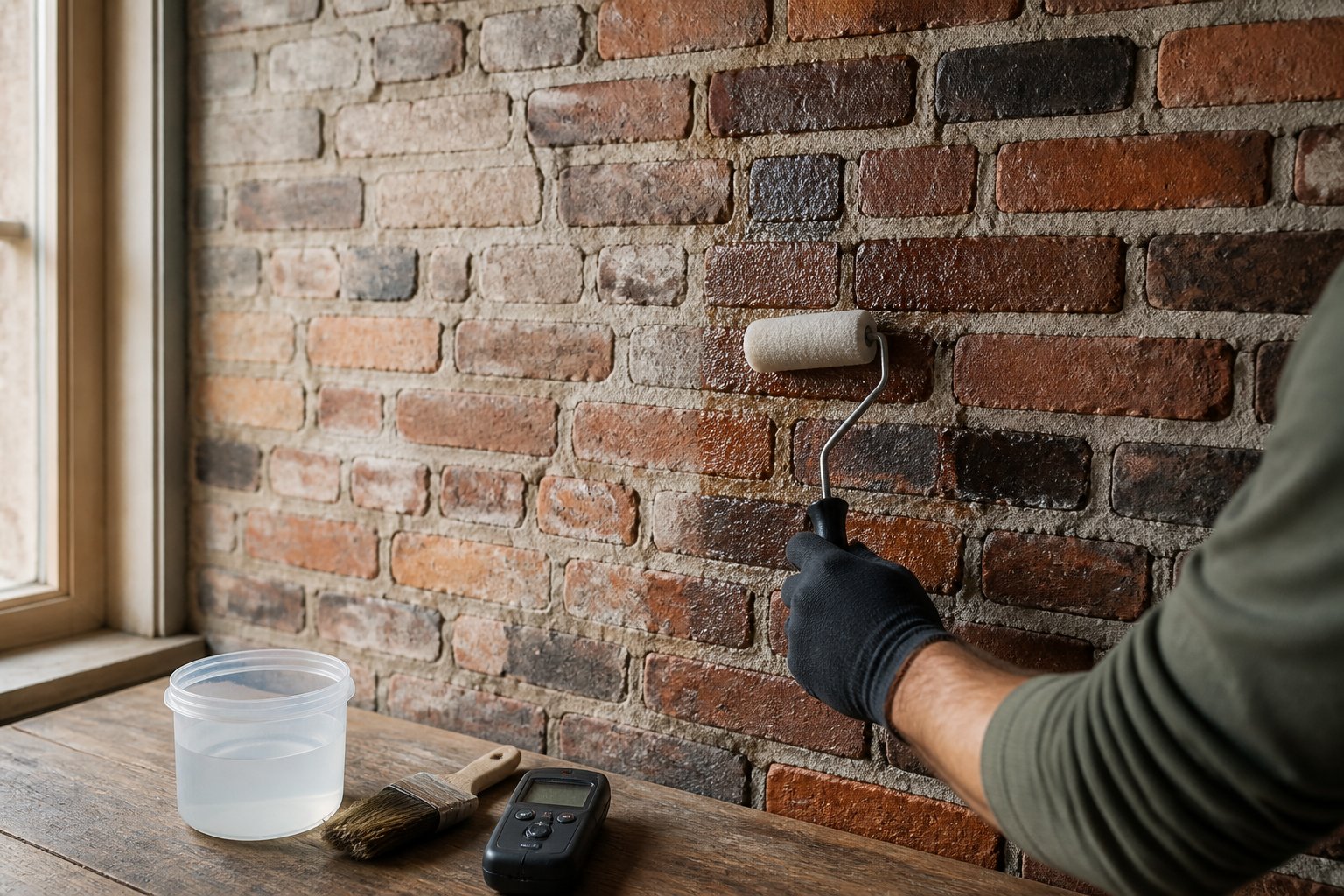
You have the pallets on site, the mason is scheduled, and someone on the job asks whether the brick needs a sealer before winter. It is a fair question with real money behind it.
Sealing reclaimed brick can help in specific situations, and it can also lock moisture inside a soft, century-old body and cause the face to blow off two seasons later. The difference comes down to the brick itself, the exposure, and the chemistry you choose.
Reclaimed brick does not behave like new brick. Units pulled from 100-plus-year-old buildings vary in density from one pallet to the next. A soft, hand-molded red brick may drink water at three times the rate of a hard-fired machine brick sitting beside it. Aged mortar residue, old paint, and decades of weathering all change how a product absorbs and dries.
In this guide, you'll discover how to decide whether protection is needed, how to test absorption before you buy a single gallon, which sealer chemistries suit historic masonry, and how to prep and apply without dulling the patina you paid for.
After nearly 40 years of handling these materials, the honest answer is this: most reclaimed brick outside needs less than people think, and the wrong coating does more harm than no coating at all.
Decide Whether Protection Is Necessary
Start by asking what problem you are actually solving. If the brick is not staining, wicking water indoors, or shedding its face, a sealer may add cost without adding life.
Water is the enemy in masonry, but the goal is to slow absorption while letting vapor escape. Brick that cannot dry from the inside pushes salts and ice toward the face. This is how spalling starts.
When Exterior Brick Benefits From a Water Repellent
Some exposures genuinely earn a breathable water repellent. Think of surfaces that take direct rain, splash, or standing moisture.
- Chimneys and parapets that get wet on multiple faces
- Retaining walls with soil pressure on the back side
- Below-grade planters and low garden walls near irrigation
- Brick walls under wide overhangs that stay damp and grow mildew
- Horizontal caps and sills where water sits instead of running off
In freeze-thaw regions, cutting water absorption in exterior brick reduces the number of freeze cycles inside the pore structure. That is the strongest technical case for a repellent on aged units.
When Leaving Historic Masonry Unsealed Is the Better Choice
Plenty of reclaimed brick masonry is better left alone. A brick that has stood 120 years without a coating already survives its climate.
The National Park Service is direct about this. Its guidance on water repellent treatments for historic masonry notes that inappropriate coatings are a major cause of damage, and that repellents are rarely a cure for a wall that is otherwise sound.
Wide overhangs, good flashing, and proper mortar joints do more than any product in a bucket. Interior accent walls, fireplace surrounds, and protected facades usually need nothing beyond a dust-control treatment, if that.
Warning Signs That Call for Repair Before Treatment
Sealing over a defect just hides it. Look for these before you spec anything:
- White efflorescence blooming after every rain, which signals active water movement
- Spalled faces or crumbling arise on soft units
- Open, sandy, or missing mortar joints
- Mold and mildew concentrated at one elevation, pointing to a leak
- Interior water damage on the back of the wall
Fix the water source first. Once the wall is sound, the next step is learning what your specific brick can absorb.
Assess the Brick Before Choosing a Product
Test the brick, not the label. Reclaimed units from the same demolition can vary widely, so a single absorption test on one pallet tells you what the whole run needs.
Salvage yards sort by color, size, and condition, but porosity still shifts. Common reclaimed sizes run around 8 x 3 3/4 x 2 1/4 inches for older hand-molded stock, with thin brick cut near 1/2 to 5/8 inch thick.
Test Porosity and Absorption in a Small Area
Use the field water test. Mist a clean, dry section about 12 inches square with a spray bottle and time how fast it darkens and dries.
- Absorbs in under 60 seconds and stays dark for hours: highly porous brick
- Darkens slowly and dries within an hour: moderate absorption
- Beads or barely darkens: dense, hard-fired, or already coated
Highly porous soft brick, like many soft red reclaimed bricks, will soak up far more sealer per square foot. Budget accordingly, since coverage on porous brick can drop from 150 square feet per gallon to 60 or less.
Check for Aged Mortar Residue, Cracks, and Previous Coatings
Reclaimed brick often carries lime mortar tags on the back or edges. That residue is fine in a wall, but it changes absorption at the joint line and can flash a different color under a sealer. Older salvage may also carry paint, tar, or a previous acrylic coating. A penetrating product cannot pass through a film, so it sits on top and turns blotchy.
Create a Mockup That Preserves Color and Patina
Build a sample panel of at least 4 square feet using brick from the same pallets, laid with your actual mortar. Apply the candidate sealer to half of it and let it cure for a full week.
Look at it wet, dry, in morning light, and in direct sun. If the treated half reads darker, glossier, or grayer than the untreated half, you have your answer before it goes on 900 square feet. With absorption and appearance settled, the chemistry choice becomes straightforward.
Match Sealer Chemistry to the Masonry and Setting
Two families of masonry sealers exist, and only one is generally appropriate for aged brick. Penetrating repellents soak in and leave the pores open. Film-forming products sit on the surface and block vapor.
Why Breathable Penetrating Sealers Suit Most Exterior Applications
A penetrating sealer creates a hydrophobic barrier a few millimeters inside the brick. Liquid water beads off, while vapor still moves out. Expect to pay roughly $40 to $90 per gallon for a quality silane-siloxane water repellent. Reapplication typically runs 7 to 10 years on vertical surfaces. Less on horizontal ones.
Where Silane and Siloxane Treatments Work Best
Silanes have smaller molecules and penetrate dense brick better. Siloxanes are larger and perform well on porous, absorbent units. This covers most reclaimed stock. Blends handle mixed walls. This is exactly what you get with brick pulled from a single old building. Look for a product rated for brick and mortar, not a concrete sealer repurposed for masonry.
Risks of Film-Forming and Wet-Look Products on Aged Brick
A wet-look sealer or acrylic film changes everything about the surface. It adds gloss, deepens color, and traps moisture behind a skin that eventually peels. On soft reclaimed brick, trapped moisture pushes the face off in freeze-thaw.
Removing a failed film from a textured historic surface is expensive and often impossible without losing patina.
Interior Brick, Patios, Pavers, and Walls Need Different Specifications
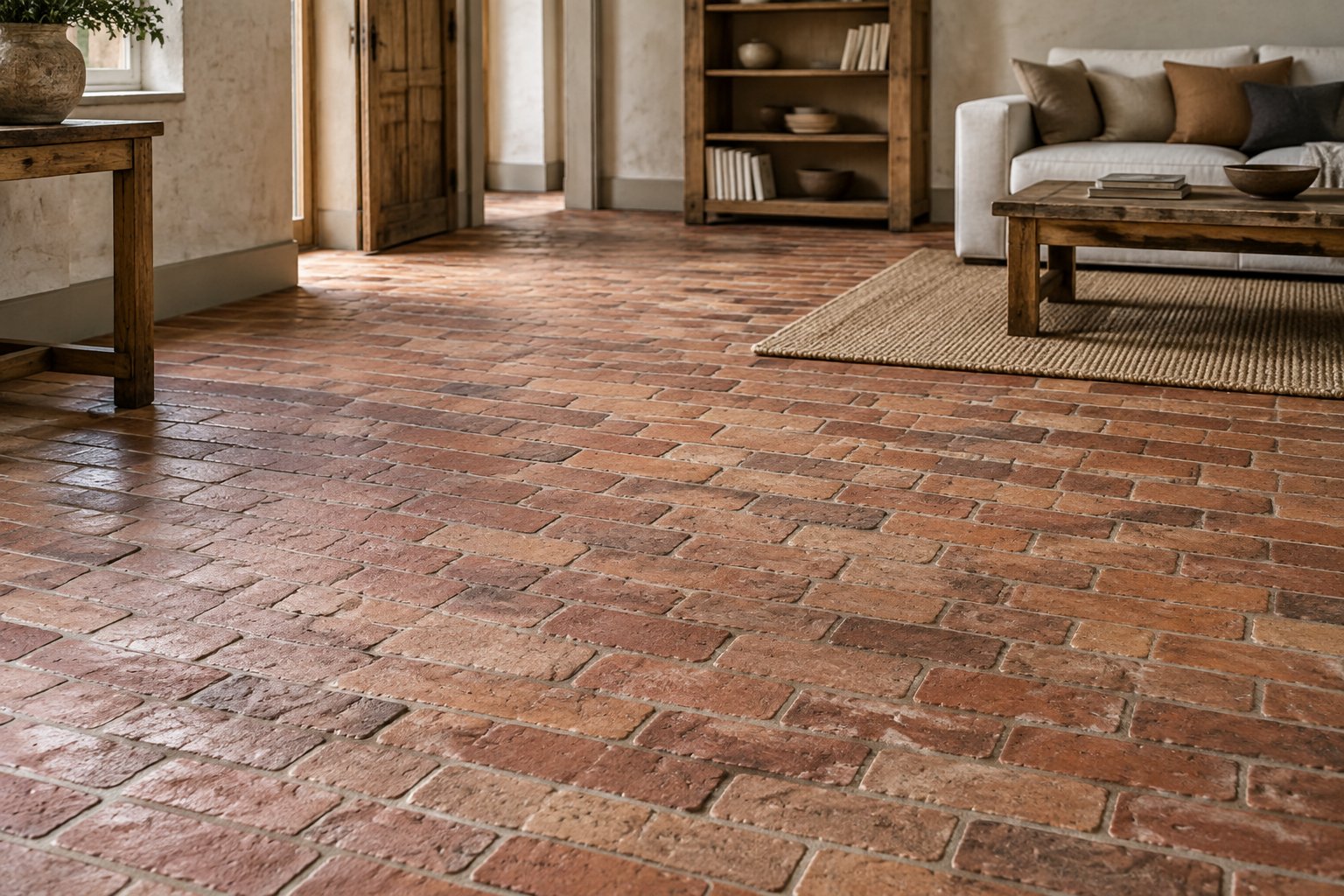
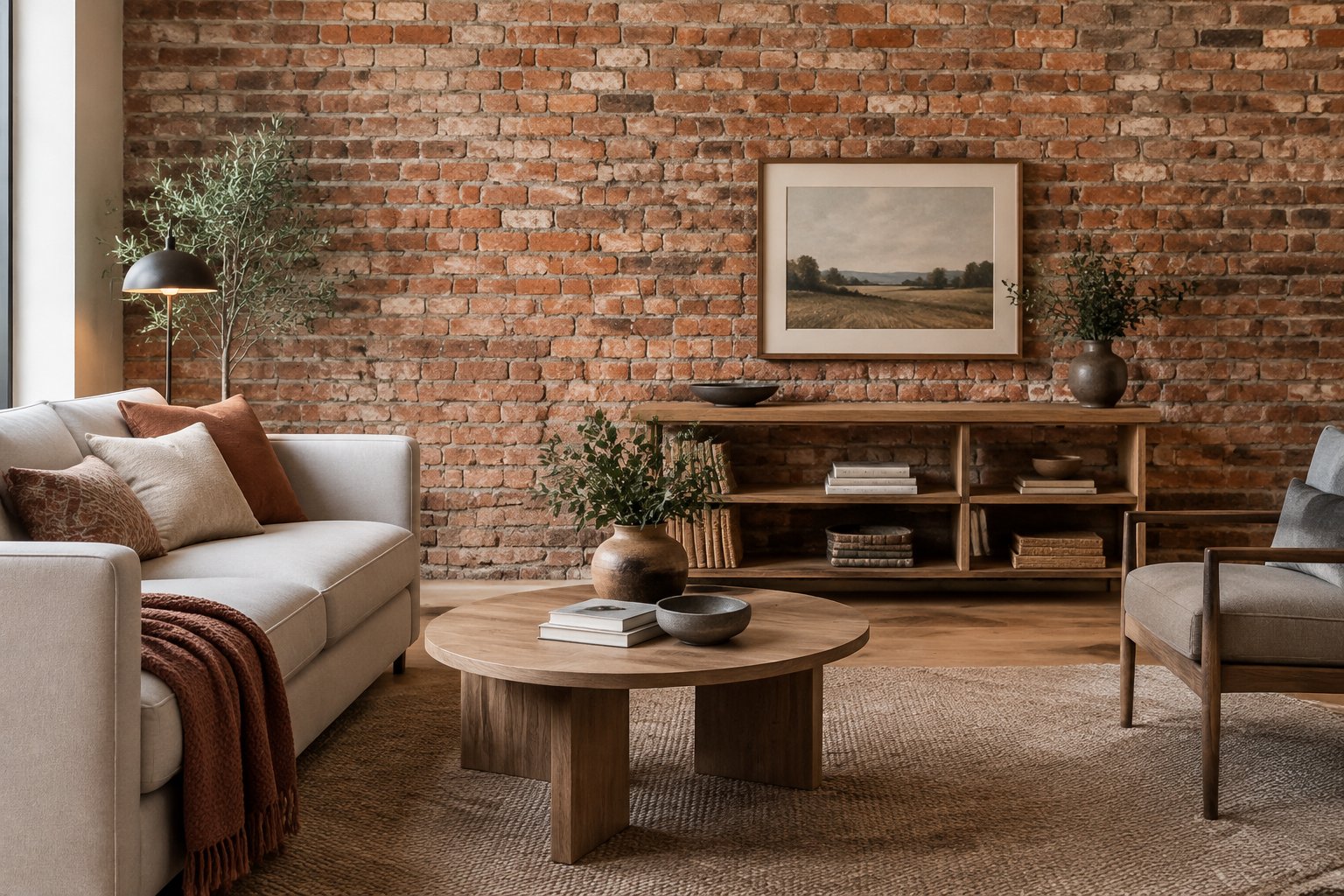
Interior brick usually needs only a matte, breathable treatment to control dust and make the surface wipeable. Fireplace surrounds should use a heat-tolerant, non-yellowing product. For a brick patio, joint sand stabilization matters as much as the brick face.
This Old House notes in guidance on how to restore faded pavers that sealing helps prevent staining, mold growth, and loose joint sand. That logic applies to reclaimed brick pavers set on a proper base. Once the product is chosen, the application controls the result.
Prepare and Apply Without Altering the Surface
Preparation decides whether the sealer bonds evenly or streaks. The brick must be clean, sound, and bone dry.
Clean Gently Without Stripping the Historic Face
Use the gentlest method that works. Start with a soft bristle brush, water, and a pH-neutral masonry cleaner. Keep pressure washing under 500 to 800 psi with a wide fan tip held 12 inches back. High pressure blasts the fire skin off soft brick and opens the pores permanently. Never sandblast historic masonry.
Repair Mortar and Let the Masonry Dry Completely
Repoint open joints before sealing. Pre-1930s brick generally calls for a soft, lime-based mortar rather than a hard Portland mix, a point echoed in guidance on repointing brick. Allow new mortar to cure for 28 days. Then give the wall 3 to 7 dry days before applying anything. Trapped construction moisture causes most sealer failures.
Apply Evenly With the Right Sprayer and Coverage Rate
Use a low-pressure pump sprayer or garden sprayer with a chemical-resistant seal, set around 20 to 25 psi. Spray in a flood coat from the bottom up so the material runs down over already-wet brick. Back-brush any runs within a few minutes. On porous brick, a wet-on-wet second coat within 5 minutes gives better depth than waiting a day.
Respect Weather, Cure Times, and Manufacturer Instructions
Apply between 50 and 90 degrees with no rain forecast for 12 to 24 hours. Avoid direct midday sun on dark brick, which flashes the carrier before it penetrates. Full water repellency typically develops in 24 to 72 hours. Read the data sheet, not the marketing copy on the front label.
A good application still needs a maintenance habit behind it.
Maintain the Work and Protect the Investment
A sealer is a maintenance item, not a permanent fix. Plan on a walkthrough twice a year and a reapplication window every several years.
Inspect Seasonal Problem Areas Before Damage Spreads
Check the same spots every spring and fall: wall bases, chimney crowns, retaining walls, and the joints on any brick patio. Water damage shows up at edges and transitions first. Watch for returning efflorescence, soft mortar, and mold and mildew in shaded corners. Catching one spalled brick beats replacing a course.
Avoid De-Icing Products and Aggressive Cleaning Methods
Rock salt and most de-icing products drive chloride salts into brick pores, which accelerates spalling on soft reclaimed units. Use sand or a small amount of calcium magnesium acetate instead. Skip wire brushes, muriatic acid, and high-pressure washing on treated surfaces. Sweep, rinse, and spot-clean.
Know When Reapplication or Professional Masonry Repair Is Needed
Run the mist test again. If water darkens the brick within seconds instead of beading, the repellent has worn, and a fresh coat is due. Structural cracks, leaning brick walls, or repeated spalling call for a mason, not a sealer. That is a repair problem with a water source behind it.
Confirm Material-Specific Guidance Before Your Project Moves Forward
Different reclaimed varieties want different treatments. Dense units like Old Chicago reclaimed bricks tolerate exterior exposure well, while softer hand-molded stock is more particular.
Ask about the origin and hardness of the specific lot you are buying. Sourcing context matters as much as the product on the shelf. This is worth reviewing alongside how to choose reclaimed bricks for your application.
Frequently Asked Questions
Is Sealing Old Reclaimed Brick a Good Idea?
Sometimes. It helps on chimneys, retaining walls, horizontal caps, and freeze-thaw exposures where water sits on the surface. On sound, well-drained walls with good overhangs, leaving the brick unsealed is often the better call.
What Type of Sealer Works Best on Reclaimed Brick Walls?
A breathable, penetrating silane-siloxane water repellent rated for brick and mortar. It slows liquid water while letting vapor escape, which matters on soft, century-old units. Avoid acrylic film coatings on aged exterior brick.
Should Reclaimed Brick Be Sealed Indoors, Outdoors, or Both?
Indoor brick rarely needs waterproofing, only a matte breathable treatment for dust control on accent walls or fireplace surrounds. Outdoors, seal selectively based on exposure and absorption rather than coating every elevation by default.
How Do You Seal Reclaimed Brick Without Changing Its Natural Color and Patina?
Choose a matte, non-film-forming penetrating product and test it on a 4-square-foot mockup for a full week. Compare treated and untreated brick in direct sun and after rain before committing to the whole surface.
Is a Breathable Siloxane Sealer the Right Choice for Historic Brick?
For most porous reclaimed brick, yes. Siloxane molecules suit absorbent units, and blends handle the mixed densities common in salvage from one building. Confirm vapor permeability on the manufacturer's data sheet first.
Can Reclaimed Brick Pavers Be Sealed for a Patio or Walkway?
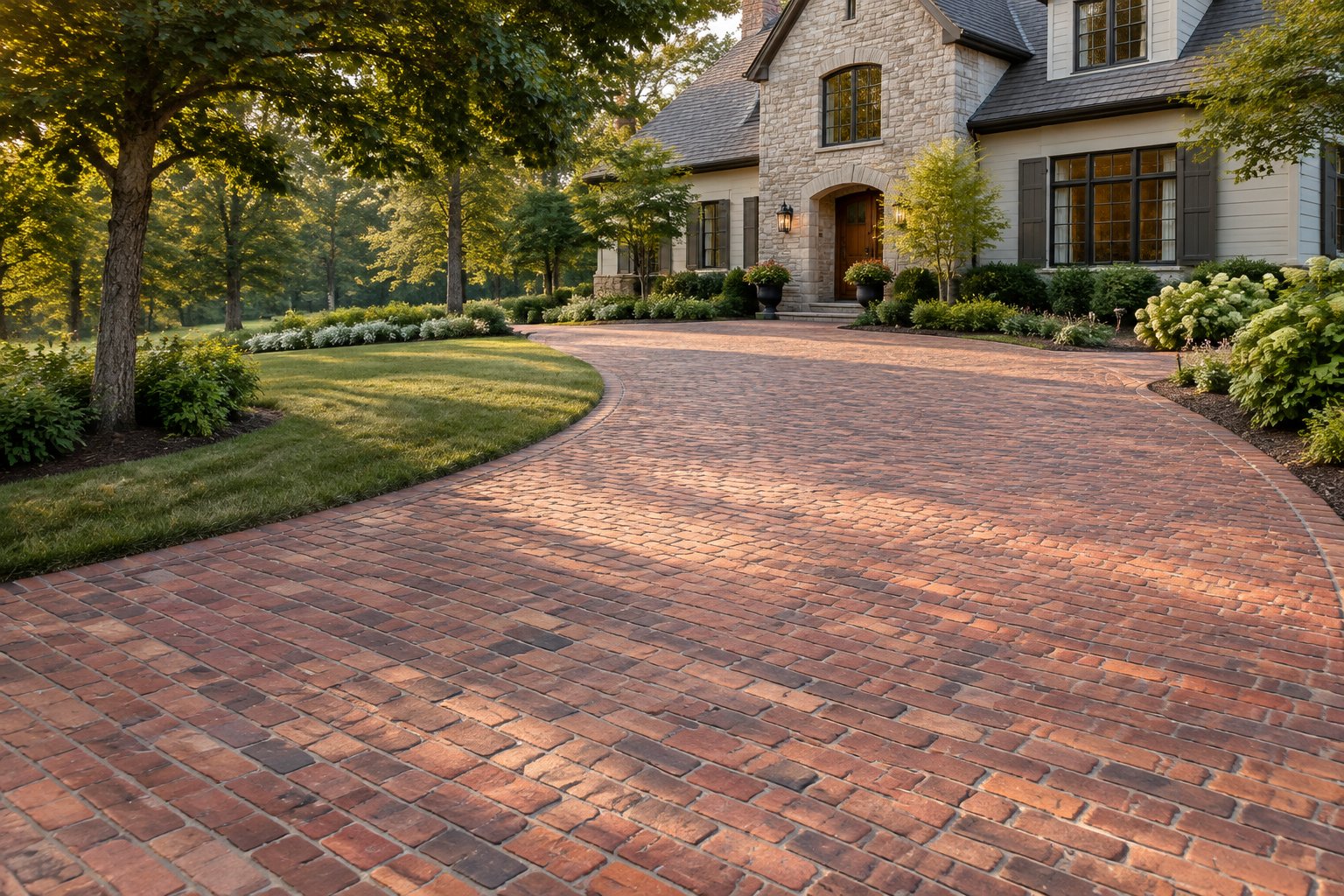
Yes, and it can help control staining, weeds, and loose joint sand. Use a breathable paver-rated repellent with a matte finish. Expect shorter reapplication cycles than on vertical walls. Base preparation still matters more than any sealer, as covered in guidance on reclaimed brick patios and walkways.
Get the Right Answer for Your Specific Brick
Protection comes down to three things: fix the water source, test the absorption, and use a breathable penetrating repellent only where exposure demands it. Film-forming coatings look good the first month and cost you a brick by year three. Century-old masonry has survived this long by drying out. Let it.
If you are specifying material now or waiting on pallets to schedule the mason, the sealing decision should be settled before delivery. That means knowing the hardness, origin, and absorption profile of the exact lot heading your way.
Call New Orleans Brick & Stone at 225-284-7529 today to check what is in stock, ask for material-specific sealing recommendations on your brick, and get a truck moving within 48 hours. You will talk to someone who has handled these bricks by hand and can tell you exactly what is on the yard.