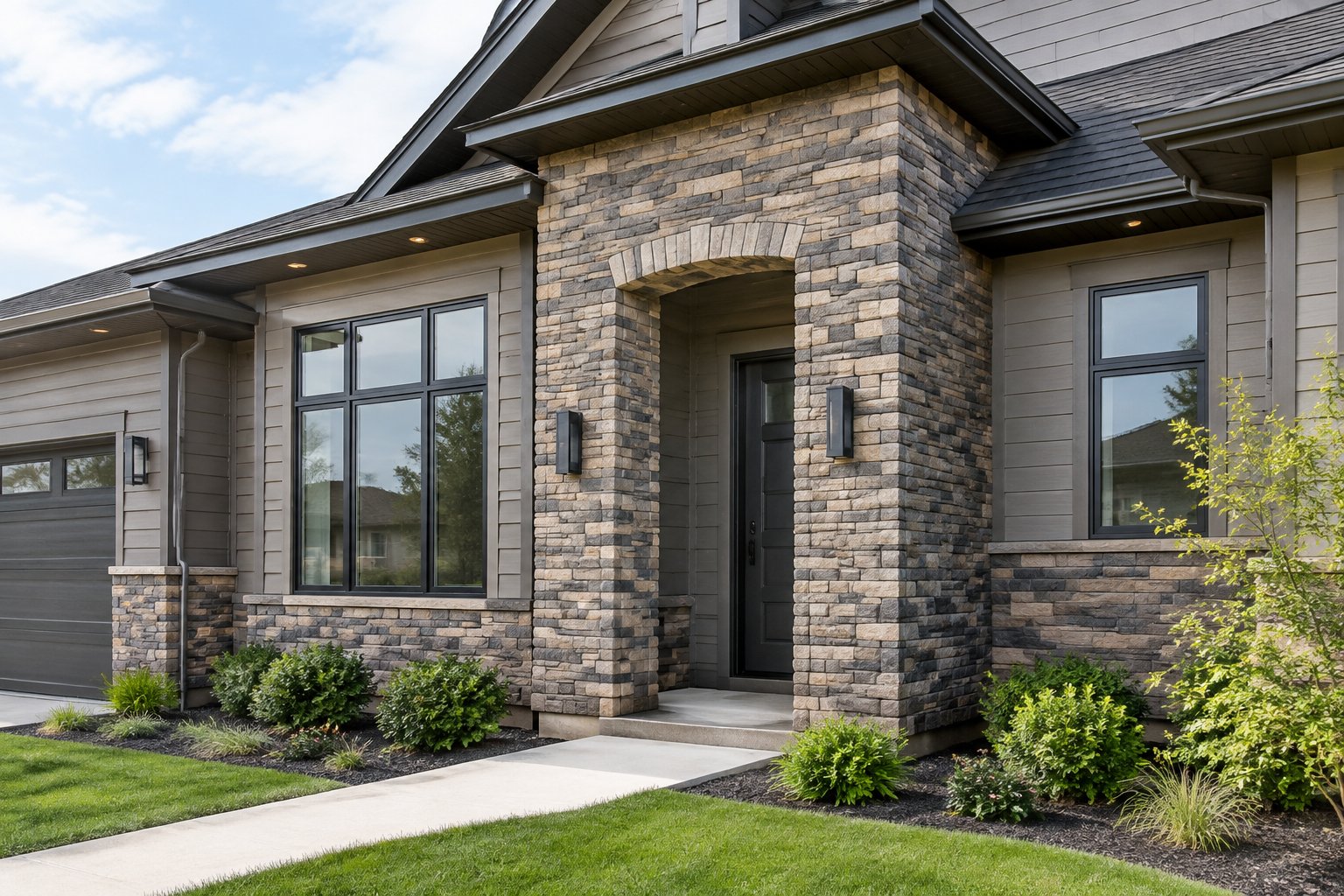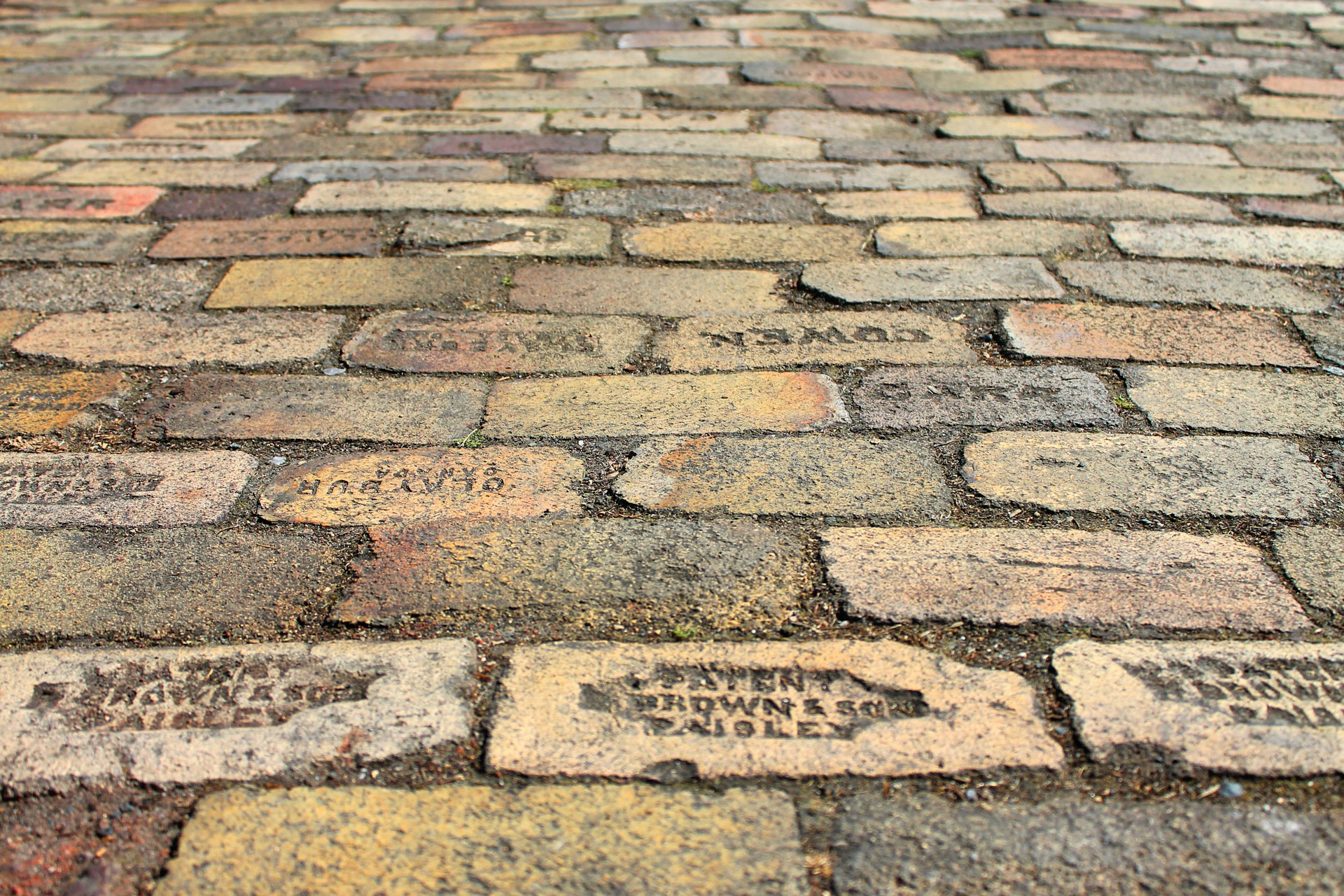
When a spec calls for vintage brick, the architect usually wants period-correct material that matches the original structure down to the color variation and surface texture.
The problem is that suppliers use "vintage" loosely, and the wrong call at sourcing can throw a project off schedule. Restoring a pre-war facade or building new with genuine historic character both demand material that holds up under specification review, not just a brick that photographs well.
This guide covers what actually qualifies a brick as vintage, how spec factors like sizing and patina affect the project, which regional types deliver the right look, and where vintage material works best in design. Expect practical notes on sourcing, pallet quantities, and what to confirm before you lock a spec.
What Qualifies a Brick as Vintage
A vintage brick is a building unit salvaged from a structure that has stood for decades, usually 50 to over 100 years. This is not just a marketing tag. Vintage bricks show their age through original fire color, weathered surfaces, mortar ghosts, and kiln marks that no factory can fake.
How Vintage Differs From New Distressed Brick
New distressed brick comes out of a modern factory, tumbled or stained to look old. It starts with uniform clay and firing, so the color and texture are predictable.
A quick comparison of reclaimed vs new brick makes the difference obvious. Vintage brick has uneven edges, subtle mineral streaks from decades of exposure, and a fire-skin patina that runs deep, not dusted on the surface.
Distressed brick might fool a camera from a distance, but it does not hold up close. Architects working on National Register listings know review boards want real material evidence, not a good imitation.
Vintage vs Antique in Spec Language
"Vintage" and "antique" overlap, but antique bricks usually come from pre-1900 structures and tend to be handmade. Vintage includes machine-made salvage from the early to mid-20th century.
This matters in specs, since the manufacturing method affects size tolerances, absorption, and how bricks bond.
For strict period accuracy, ask for "antique handmade reclaimed building bricks" to narrow it to pre-industrial material. "Vintage reclaimed" opens it to machine-era salvage, which is usually more uniform and easier to lay in bulk.
Why Age Alone Does Not Make a Brick Spec-Worthy
Age is not everything. A 120-year-old brick from a condemned warehouse is not automatically a good fit. Freeze-thaw damage, spalling, and salt intrusion can all compromise structural integrity, no matter how old the brick is.
Good suppliers inspect each unit, discard anything compromised, and sort the rest by condition.
- Spalling shows moisture got inside and expanded, damaging the brick.
- Efflorescence staining points to long-term salt migration that can continue after installation.
- Hairline fractures cut compressive strength and sometimes appear only after cleaning.
- Soft interior clay means the brick was underfired and may not qualify for structural reuse.
Knowing what disqualifies a brick matters as much as knowing what makes one desirable, which leads to the spec factors that should drive material selection.
Specification Factors That Matter Most
The right vintage brick balances visual character and performance. Color, size consistency, and surface texture all affect how reclaimed material fits a project. Each deserves a look before you commit to a pallet.
Structural Integrity and Reuse Considerations
Reclaimed bricks for exterior walls or load-bearing work need to hit a minimum compressive strength, usually 2,500 PSI or higher, depending on code. Bricks for veneer or thin brick jobs face lower requirements but still need to resist moisture and freeze-thaw cycles.
Ask your supplier whether the material has been tested or sorted for structural versus decorative grade. A brick that is perfect for an interior accent wall may not work for a two-story facade in a cold climate.
Patina Consistency in a Blend
No two vintage bricks match exactly, and that is the point. Still, you want a blend with a coherent range. When you order a pallet in a specific color family, expect variation within a set spectrum, not a random mix from unrelated demolitions.
Clamp kiln bricks, fired in open stacks, show the widest color range in a single batch. Machine-made reclaimed bricks deliver tighter consistency.
Period-Correct Sizing, Texture, and Bonding
Modern bricks run about 3-5/8 by 2-1/4 by 7-5/8 inches. Old bricks vary widely. Pre-Civil War bricks can be a full inch shorter or taller. If you are matching an existing wall, measure the exposed face, bed depth, and mortar joint width before ordering.
Texture matters for mortar adhesion. A rough, open-pored face grabs mortar, while a smooth, dense face may need a modified bonding agent. Knowing your vintage brick's surface character helps your mason plan joints and mortar mixes that look right and work well. These specs point toward the right regional brick for the job.
Common Vintage Brick Types and Visual Character
Every region in the U.S. made bricks from local clay, and that geography shows in the color, density, and texture of reclaimed material. The most commonly specified vintage bricks fall into a few distinct visual families.
Soft Red and Other Earth-Toned Blends
Soft reds are the classic historical bricks in American construction. They run from pale salmon to deep oxblood, often with charcoal flashing, and came out of small regional kilns across the South and Mid-Atlantic.
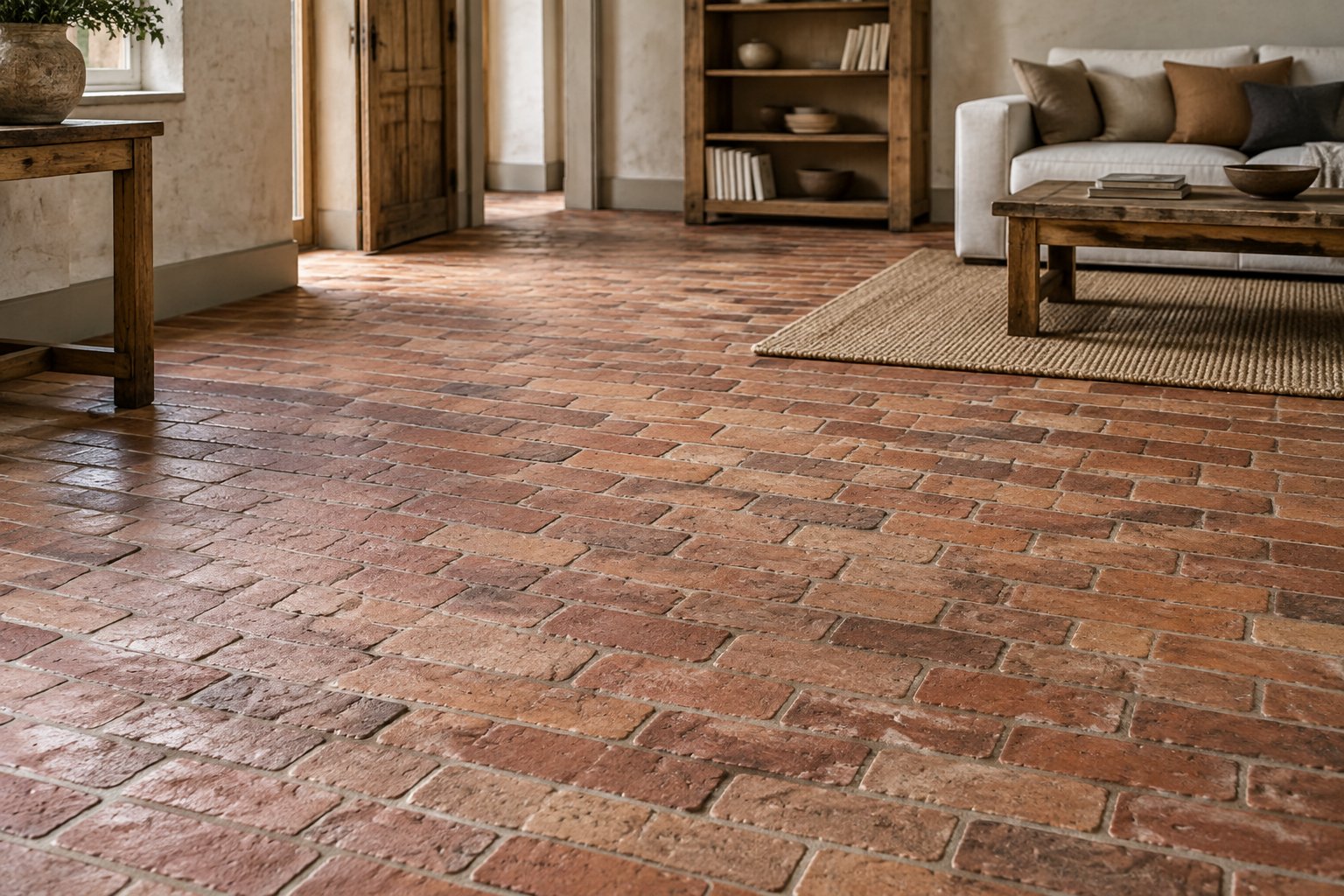
The clay body is softer than northern bricks, giving a warm, slightly chalky feel. That softness means they absorb more moisture, so exterior use in cold climates takes careful detailing. For interior accent walls, fireplaces, and floors, soft reds bring a warmth that cannot be faked.
Hard Tan, Buff, and Cream Regional Looks
Hard tans and buffs mostly come from Midwestern and Gulf Coast kilns, where local clay fires to pale gold, cream, or warm gray. These bricks are denser and hold up well outside. Their neutral palette pairs easily with limestone, stucco, or painted wood trim.
Buff-toned vintage brick suits architects who want the A. Hays Town feel: reclaimed materials giving a timeless, lived-in look without clashing with other finishes. These lighter colors read understated and refined across a full facade.
St. Louis Reds and Old Chicago's in Practice
St. Louis Reds are among the most sought-after vintage bricks. They show deep, saturated reds with the occasional purple or brown flash. The clay is dense and hard-fired, making for durable bricks with rich color. Builders across the South use them in everything from garden walls to full exteriors.
Old Chicago brick has a different character: lighter cream and buff tones with the occasional rose or orange.
It is machine-made, dimensionally consistent, and carries the industrial patina of late-19th and early-20th century warehouse construction. Once you know the look you want, the next decision is where that material fits in the design.
Where Vintage Material Works Best in Design
Vintage brick works for structural facades, intimate interiors, and heavy-traffic surfaces. The key is matching the right brick type and format to the application.
Facades, Garden Walls, and Interior Feature Surfaces
Full-depth vintage brick on a facade brings a presence that new material cannot match. Garden walls benefit from the informal color range of handmade reclaimed brick, where irregularity looks intentional.
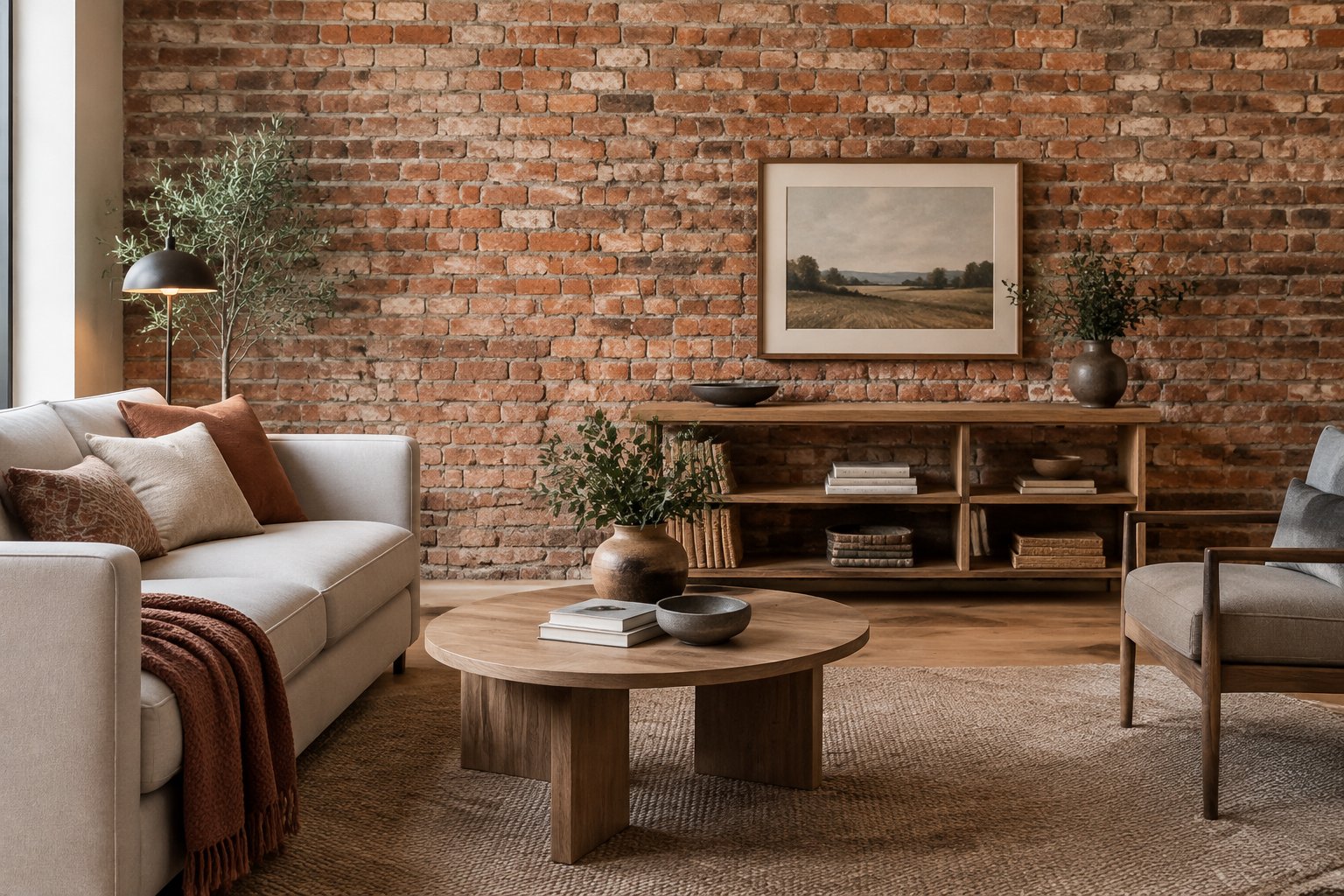
Interior feature walls in living rooms, restaurant entries, and commercial lobbies are where vintage brick stands out most.
Reclaimed thin brick makes interior applications possible where full-depth brick would be too heavy or thick. These are real reclaimed bricks sliced to veneer thickness, keeping the original face and patina.
Fireplaces, Columns, and Brick Veneer Applications
Fireplaces are the most popular spot for vintage brick in homes. The hearth surround gets direct light and close inspection, so authenticity matters. Columns wrapped in reclaimed brick veneer give a porch or entry real historic weight.
For brick veneer on framed walls, make sure the material is sorted to a consistent depth for adhesive or mechanical attachment. A 1/4-inch depth swing across a pallet can turn a straightforward install into a shimming problem.
Pavers for Courtyards, Antique Pavers, and Cobblestone Driveways
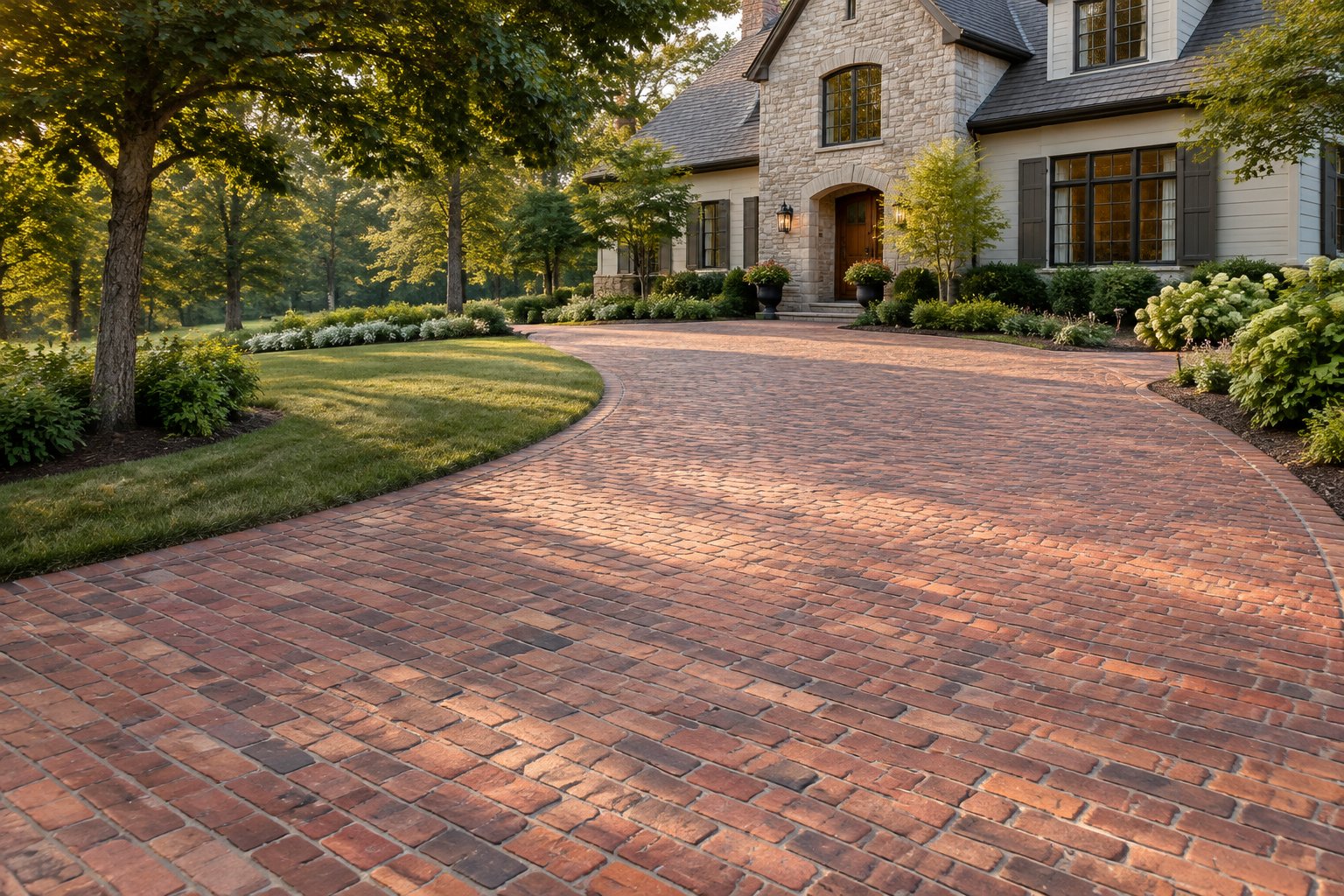
Antique pavers and reclaimed brick pavers bring a grounded, lived-in look to outdoor spaces. Courtyards laid in herringbone or running bond create surfaces that feel established from day one. Cobblestone driveways using reclaimed stone add a European weight that asphalt or concrete cannot match.
Pavers need high compressive strength and abrasion resistance. Confirm that your supplier sorts paving-grade separately from wall-grade. Once you know where the material is going, the next step is making sure you can get enough of it.
Sourcing, Availability, and Material Matching
Even the best spec falls apart if you cannot get the material in the quantity and timeframe you need. Authentic reclaimed bricks are a finite resource, and what is in stock shifts week to week.
How Architects Review Origin, Sorting, and Inventory
On a project that involves historic preservation, verify that vintage bricks come from documented demolition sites. The rehabilitation standards from the Secretary of the Interior explain when reclaimed or substitute materials make sense, and proof of origin helps during review.
Ask your supplier how they sort bricks. A solid yard sorts by color family, size, and condition, and treats reclaimed stone the same way. If the supplier cannot tell you where a pallet came from, treat it as a red flag.
Why Live Availability Matters Before Finalizing a Spec
There is no reorder button for vintage bricks. When a particular lot is gone, it can be months before anything similar turns up. Spec a material that is not actually available, and you set up a delay, usually right when framing wraps, and you are on a deadline.
Call before you lock in the spec. Sourcing is less about distance and more about working with a nationwide reclaimed supplier that keeps real inventory and can ship quickly.
Shipping, Pallet Quantities, and Job Site Planning
Reclaimed brick usually ships on pallets by freight. Standard counts run about 500 to 550 full-size bricks per pallet, while thin brick covers more area per pallet because it is thinner.
- Freight cost depends on weight, destination, and delivery needs.
- Curbside delivery is the norm, while liftgate or inside drop-off takes extra planning.
- Inspect every pallet for damage before you sign.
Choosing Material With Confidence
The step from a good project to a great one often comes down to matching the right brick format and look to the build's constraints. A few decisions get you closer before you pick up the phone.
When to Specify Full Brick vs Thin Cuts
Full-depth reclaimed brick suits exterior walls, freestanding garden walls, and columns, anywhere the brick is exposed on more than one face. Thin brick works indoors: accent walls, fireplace surrounds, or commercial spaces where you cannot spare the depth or weight.
Thin cuts from real reclaimed brick keep the original face and patina. They are not the same as new, manufactured thin brick. That difference matters if your spec calls for genuine reclaimed material.
How to Balance Visual Character With Project Constraints
You might want the wide color variation of handmade antique brick, while your budget or timeline points toward machine-made reclaimed material that lays faster and needs less cutting. That is a valid tradeoff, not a compromise on quality.
Consider how close people will be to the wall. A large facade seen from the street can carry more color and texture variation than a kitchen backsplash viewed from a foot away. Match irregularity to the scale and viewing distance of the surface.
What to Confirm Before You Call for Live Inventory
Have these details ready before you call so things move quickly:
- Total square footage or brick count, including about 10 percent for waste
- Brick format: full depth, thin cut, or paver
- Color family preference: soft red, hard tan, buff, cream, St. Louis Red, Old Chicago
- Application: structural, veneer, interior, or paving
- Project timeline: when you need the material delivered
- Delivery address: for a proper freight quote
With this ready, you get an answer on availability and shipping in one call instead of a week of emails.
Frequently Asked Questions
How Do I Tell Real Reclaimed Brick From a Modern Look-Alike Sight Unseen?
Real reclaimed brick shows odd bits of mortar, kiln marks, and a deep fire-skin patina. Ask for close-up photos of the face, edge, and a broken cross-section. On a true vintage brick, a broken edge shows layers of clay and natural color change, while a tumbled new brick looks uniform all the way through.
What Should I Expect to Pay per Brick, and What Makes the Price Jump?
Most reclaimed brick runs $1.00 to $2.50 each, depending on type, rarity, and condition. Handmade antique bricks from pre-1890 buildings and rare colors like deep St. Louis Reds cost more. Freight is calculated separately by weight and destination, and the reclaimed brick pricing guide breaks down what drives the total.
What Details Help You Match an Existing Wall?
Bring measurements of the brick face, including height and length, plus bed depth and mortar joint width. Photos of the existing wall in natural light help. Stamp marks, maker's marks, and the type of mortar residue can help pin down the origin and era.
Are Old Bricks Structurally Sound for Load-Bearing Work, or Better for Veneer?
Many vintage bricks hit or exceed 3,000 PSI compressive strength, which works for exterior structural use. Softer bricks with high absorption are better for veneer or protected spots. Good suppliers sort structural-grade material separately from decorative stock.
Your Next Step: Confirm What Is on the Yard
Vintage bricks carry character and history that new products cannot match. When you know your application, your quantities, and your timeline, you are set up to spec with confidence.
Your project deserves material that has been inspected, sorted, and is ready to ship, not a vague promise and a six-month wait.
Call New Orleans Brick Co to confirm what is in stock and get a truck moving within 48 hours of a paid invoice. One conversation with someone who handles this material gives you the real answer on availability and shipping.