You are holding a facade detail that has to survive fifty Gulf Coast summers, and the sample board in front of you is new brick that already looks thin. Meanwhile, the 1890s warehouse two blocks away is still standing with its original walls square and tight.
Old brick buildings keep doing that. They outlast newer construction not by accident, but because of how the brick was fired, how the mortar was mixed, and how the wall was built to move water.
There is a practical reason builders and architects keep circling back to salvaged material. When a century-old structure comes down, the brick inside it has already proven itself through a hundred freeze-thaw cycles and storm seasons.
Suppliers who deconstruct those buildings by hand, clean each unit, and keep real inventory on the yard can put that proven material on a truck in days instead of months.
Keep reading to learn what historic masonry gets right, how to read a wall before you copy it, where reclaimed brick actually comes from, and how to spec it without job-site surprises. After decades of pulling brick off old walls, the short version is simple: the wall tells you everything if you slow down and look at it.
Why Old Brick Buildings Continue To Outlast Newer Construction
The answer sits in three places: the firing temperature of the brick, the flexibility of the mortar, and wall assemblies built to shed water rather than trap it. Modern veneer walls depend on membranes and sealants. Old walls depended on mass and drainage.
Hard-Fired Brick and Long-Term Durability
Brick fired closest to the kiln fire vitrified hardest. Those units, often called hard tans or clinkers depending on the region, absorb less water and resist spalling far better than soft, under-fired brick from the outer edges of the same kiln. That is why one wall on a building can look crisp while the shaded north face crumbles.
Common salvaged sizes run close to 8 x 3 3/4 x 2 1/4 inches, though pre-1900 handmade units vary by a quarter inch or more in any direction. That variation is not a defect. It is the fingerprint of a wooden mold and a wood-fired kiln. It is exactly what modern extruded brick cannot fake.
Period Masonry Practices That Managed Moisture
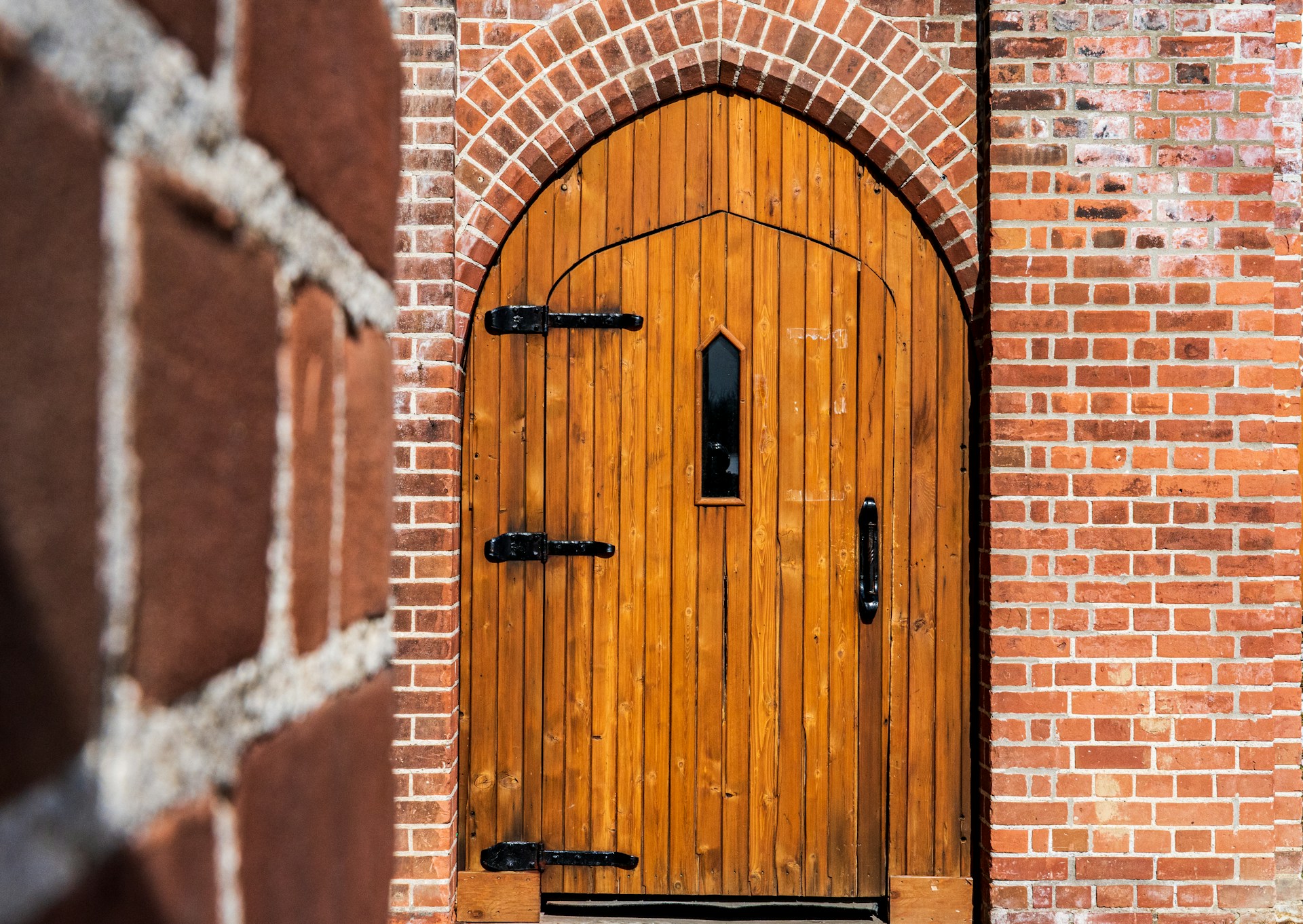
Solid multi-wythe walls, sometimes three or four bricks thick, absorbed moisture and released it slowly through soft mortar joints. Wide eaves, generous sills, and corbelled water tables pushed rain away from the base of the wall where damage starts.
- Mass walls store and release moisture instead of trapping it behind a membrane
- Soft lime mortar lets the wall flex and lets water evaporate through the joint, not the brick
- Deep overhangs and drip edges keep the bottom four feet of the wall dry
- Bond patterns with header tie wires together mechanically. No ties to corrode
What Existing Wear Reveals About Material Performance
Look at a hundred-year-old wall, and the failures are informative. Joints erode before the brick does, which is by design. Spalled faces cluster where a hard cement patch was added later or where a downspout dumped water for decades.
That wear pattern is your quality test. Brick that survived a century of it, cleaned and sorted, is a known quantity. Reading those signals correctly is the difference between copying a historic wall and copying its mistakes.
Reading Historic Masonry Before Applying Its Lessons
Before you spec anything, walk the wall and record what the material is actually doing. Density, mortar type, and drainage details determine whether reclaimed brick performs in your assembly or fights it.
Brick Density, Firing, and Variable Absorption
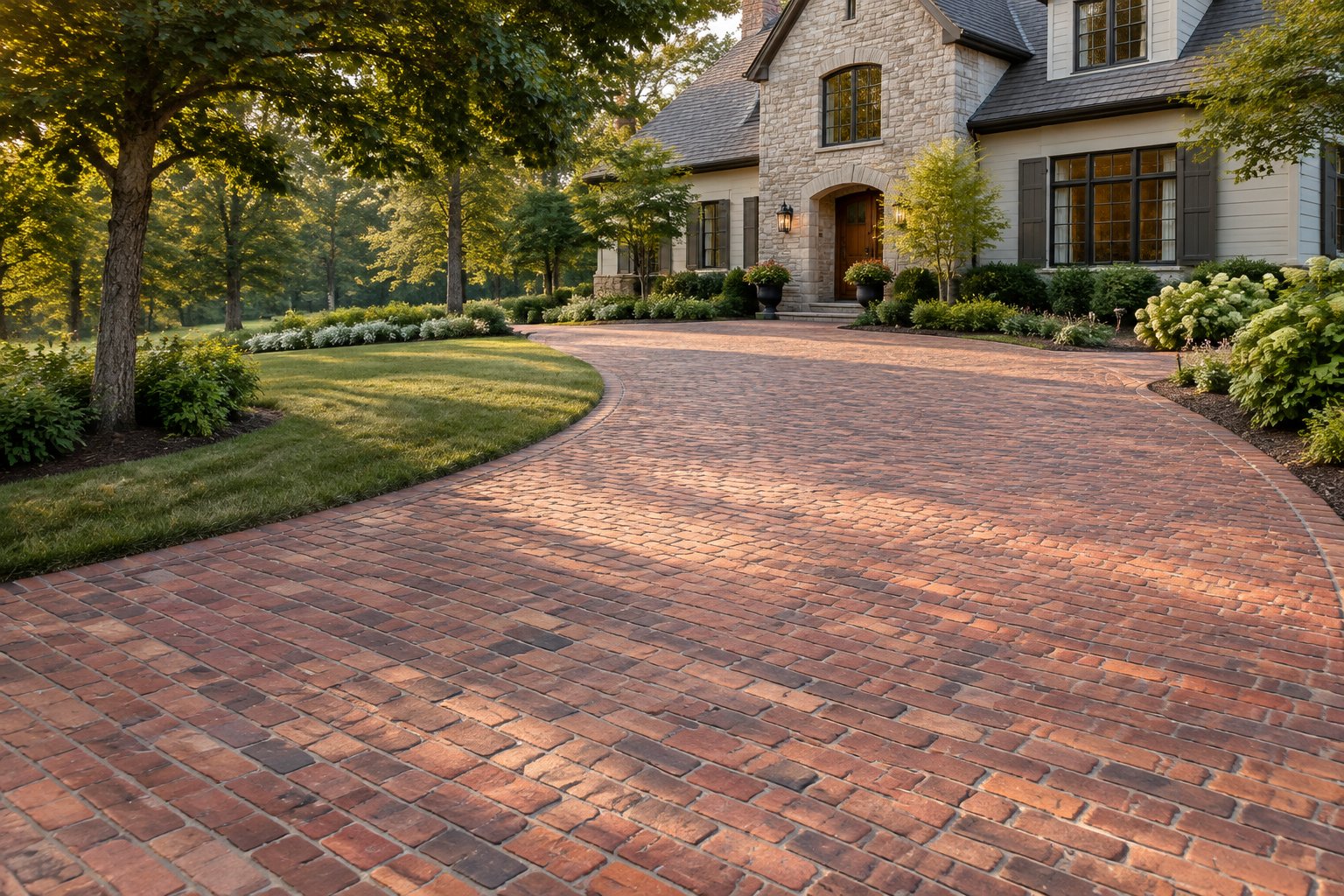
Reclaimed brick from a single building can range from soft, chalky units with around 15 percent absorption to dense, hard-fired brick under 8 percent. Soft reds carry beautiful color and texture but belong on protected vertical surfaces, not driveways. Dense units handle paving and freeze-thaw exposure.
A rough field test: touch a wet fingertip to a broken face. If the water disappears in a second, that brick is thirsty and will pull moisture from the mortar fast. Mason crews wet those units before laying, or they lose bond.
Comparing reclaimed brick vs new brick usually comes down to this absorption spread. It is manageable once you know the number.
Lime Mortar Versus Modern Portland Cement Mortar
Traditional lime mortar is softer than the brick around it, so it takes the stress and wears first. Portland-heavy mortar is harder than most historic brick, which forces cracking and spalling into the brick face instead.
The National Park Service guidance on repointing historic masonry joints makes the same point clearly. For reclaimed soft brick in new work, most masons move toward Type N or Type O mixes rather than Type S. Match the mortar to the weakest brick in the pallet, not the strongest.
Walls, Joints, and Drainage Details Worth Documenting
Photograph and measure the details before demolition or restoration. Joint width, joint profile, header spacing, and sill projection are all reproducible if you have the numbers. Those field notes matter most when the actual brick comes off the building and heads to a new project.
The Practical Design Value of Aged Brick Character
Aged brick brings depth that no manufactured finish reproduces, because the color sits inside the clay and the wear is real. On a wall, that reads as movement instead of pattern.
Patina, Color Variation, and Surface Texture
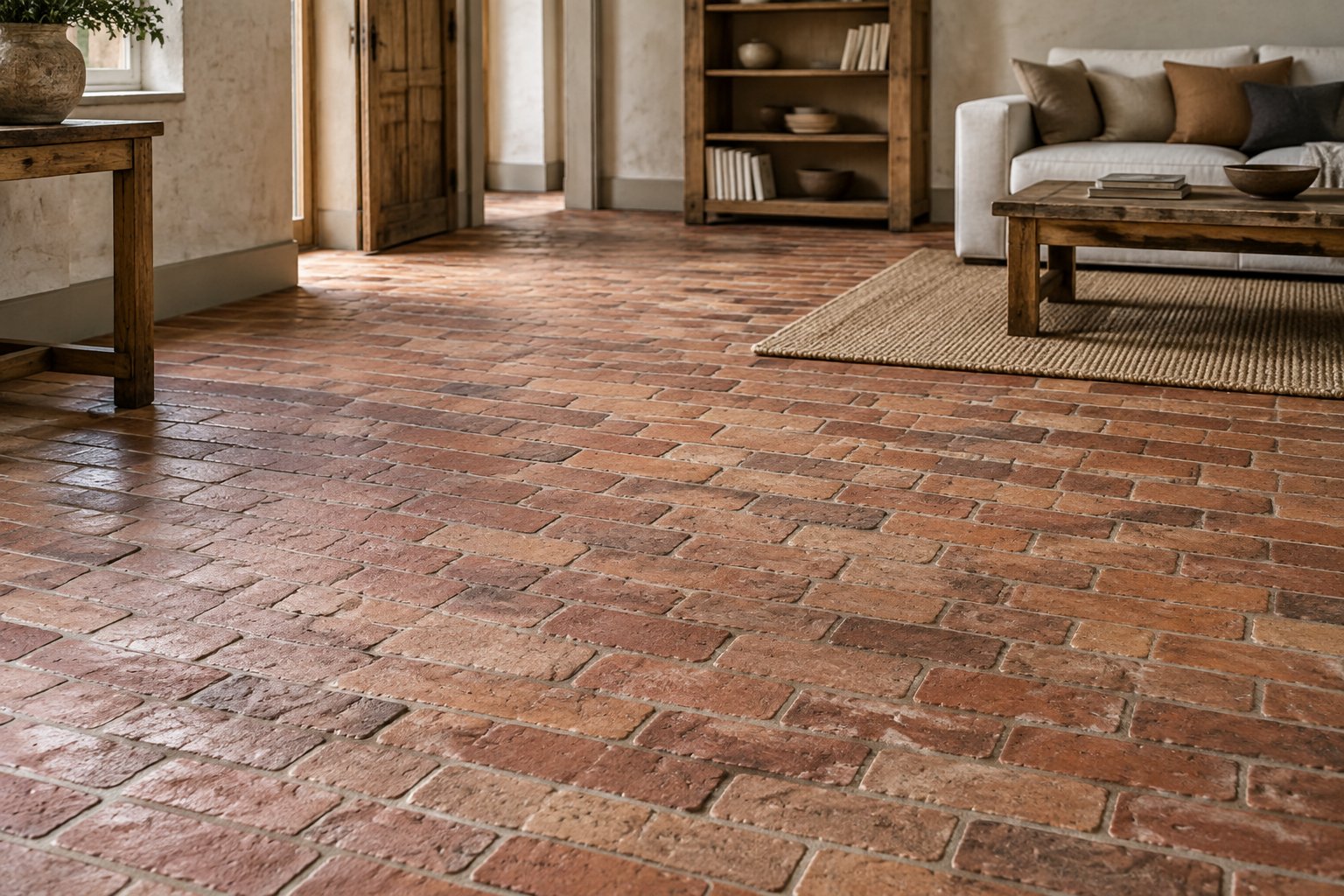
A single pallet of salvaged brick can carry rose, rust, ash gray, and near-black flashing. Mortar ghosting, lime bloom, and tumbled edges add texture that catches side light. Old Chicago brick is the clearest example, with its scorched edges and mixed tones from decades inside industrial walls.
Blend across at least three pallets as you lay. Pull from multiple stacks in rotation, or you will get color banding that reads as a stripe from thirty feet away.
Using Reclaimed Brick in New Homes and Additions
New construction gets the most out of reclaimed brick in a few specific places:
- Fireplace surrounds where heat tolerance and character both matter
- Accent walls that need visual depth without a heavy structural load
- Patios and walkways using dense pavers rated for foot traffic
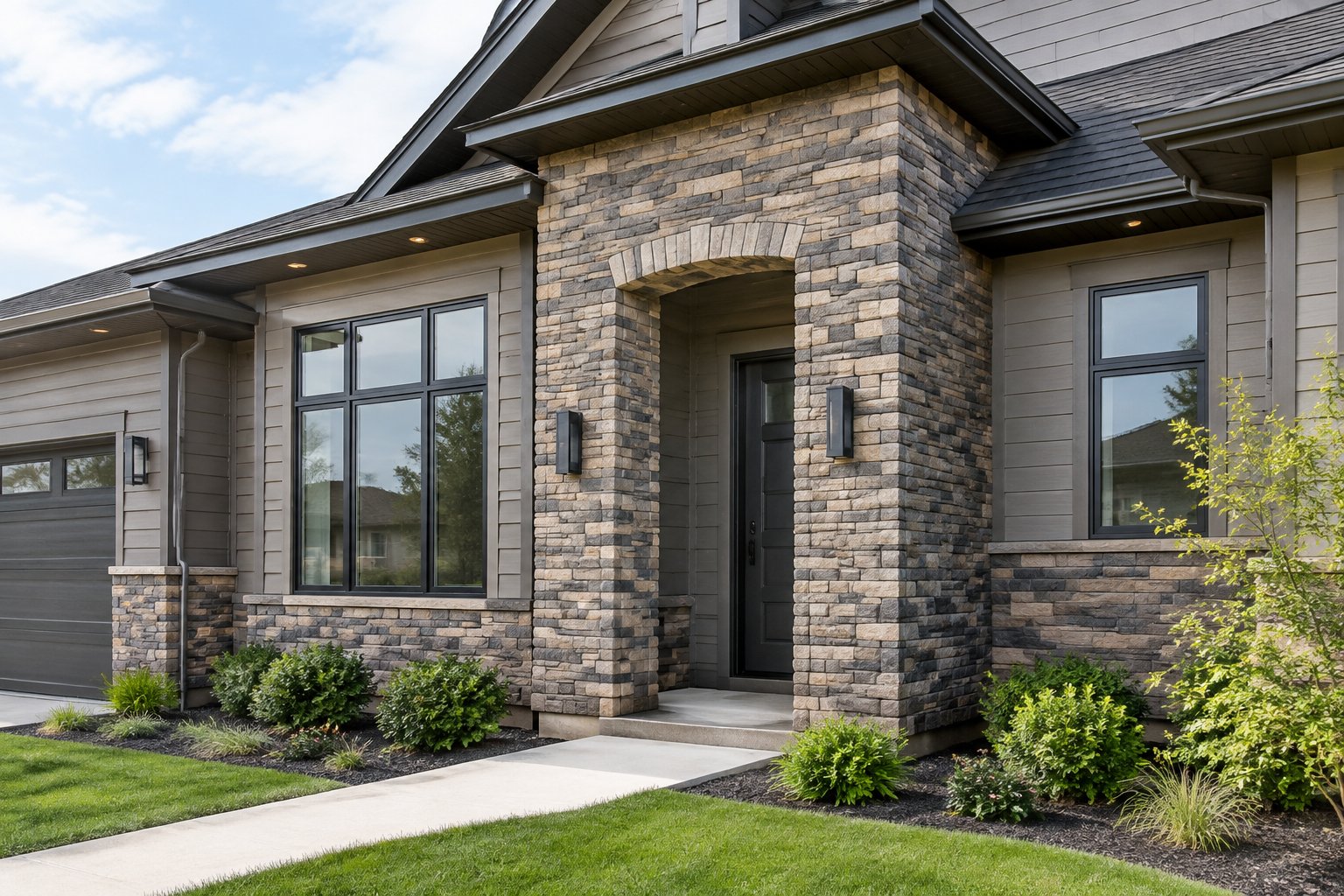
- Exterior facades with reclaimed brick cladding or thin brick keep weight and cost down
Thin brick cut from full reclaimed units runs roughly 1/2 to 3/4 inch thick and lets you use existing framing without a brick ledge.
Matching Period-Correct Materials for Restoration Work
For restoration, match three things in order: size, color range, and texture. A quarter-inch size mismatch throws off coursing across a whole elevation. Bring a sample brick from the building itself and compare it in daylight, not under shop lights.
Finding that match depends entirely on where the salvage came from and how it was handled.
How Salvaged Masonry Moves From Demolition to a New Project
Reclaimed brick reaches a job site through careful deconstruction, not demolition. A machine knocking down a wall produces rubble. A crew taking it apart course by course produces usable material.
Careful Deconstruction and Material Recovery
Crews strip roofing and framing first, then work the walls down by hand or with light equipment. Lime-mortared walls yield the highest recovery rates because the joints release cleanly. Portland-mortared brick from the 1930s onward often breaks rather than separates.
The EPA has documented how deconstruction and building material salvage divert usable brick from landfills while recovering material worth more than its scrap weight.
Cleaning, Sorting, and Inspecting Reclaimed Brick
Every unit gets handled individually. The process runs roughly like this:
- Chip mortar from faces and beds without abrading the original skin
- Inspect for cracks, delamination, and soft spalled corners
- Sort by hardness, then by size, then by color family
- Cull and reject units that ring hollow or crumble under thumb pressure
- Stack and band on pallets, typically 500 or so full-size bricks per pallet
Aggressive sandblasting is a common mistake. It strips the fired skin and leaves the brick far more absorbent than it was.
Why Source Verification and Quantity Planning Matter
Ask which building the material came from and what year it was built. That single answer tells you the firing method, likely size, and expected hardness before you ever see a sample. Learning how to choose reclaimed bricks starts with that provenance question.
Quantity is the other hard constraint. When a batch is gone, it is gone. This pushes the planning work upstream into your spec.
Specifying Reclaimed Brick With Fewer Job-Site Surprises
Most reclaimed brick problems trace back to three numbers: unit size, total quantity, and delivery date. Nail those, and the rest is ordinary masonry work.
Confirming Brick Size, Coverage, and Waste Allowances
Full-size reclaimed brick averages about 6.5 to 7 units per square foot in running bond with a 3/8 inch joint. Thin brick runs similar coverage per face foot. Order 10 to 15 percent overage on standard runs and closer to 20 percent on herringbone paving, where cuts multiply fast.
Pricing is typically per brick rather than per thousand. That makes it easy to price a specific elevation. Reclaimed brick cost becomes a real line item instead of a guess.
Reviewing Samples for Color Range and Mortar Compatibility
Order samples that show the full range, not three pretty units. Lay a two-foot mockup panel with your actual mortar color and joint profile before the mason starts the wall. Mortar color shifts the perceived brick tone more than most people expect.
Planning Freight Delivery, Storage, and Mason Coordination
Brick ships palletized on freight trucks, and delivery is curbside unless you arrange otherwise. Confirm you have forklift access or a truck with a liftgate. Stage pallets on gravel or plywood, tarped, so the units stay dry and clean.
Once logistics and material selection line up, the last step is matching what you learned to what is actually available.
Turn Historic Lessons Into a Buildable Material Plan
Everything a hundred-year-old wall teaches becomes useful the moment you translate it into a purchase order with real sizes, quantities, and dates attached.
Balancing Authentic Character With Project Performance Needs
Put your softest, most characterful brick where it is protected: interior walls, fireplace faces, covered porches. Save the dense hard-fired units for paving, steps, and exposed exterior work. That single decision prevents most long-term failures. Character and performance are not in conflict. They just need to be assigned to the right locations in the building.
Checking Available Inventory and Shipping Timing
Reclaimed inventory is finite by nature, so confirm the quantity before you finalize a drawing. Ask what is physically on the yard today, not what might come in. Many suppliers quote 6- to 12-month lead times for period-correct material. This kills schedules.
A supplier that keeps meaningful inventory on hand can have a truck moving within 48 hours of a paid invoice, shipping nationwide on pallets.
Getting Material-Specific Guidance Before Finalizing a Selection
A five-minute phone call answers what a week of emails will not: hardness, exact dimensions, current stock, and whether a given brick belongs on your patio or your fireplace.
Call New Orleans Brick & Stone at 225-284-7529 today to check what is in stock and get a truck moving within 48 hours. You will talk to someone who has handled the material by hand and can tell you exactly what is on the yard.
Frequently Asked Questions
Where Can I Find Reclaimed Brick for Sale Near Me?
Local salvage supply is unpredictable; this is why most builders order from a specialist that ships nationwide by freight. Palletized used brick for sale arrives curbside, usually within days of payment rather than months.
What Is the Value of Old Bricks?
Value depends on hardness, size consistency, color, and provenance. Common reclaimed red brick sits at the lower end. Sorted hard-fired units and rare architectural shapes command more because supply is limited and cannot be manufactured.
Why Are Brick Buildings Less Common in New Construction?
Solid masonry walls cost more in labor and materials than stud framing with veneer. Most new homes use a single wythe of brick over a frame wall. Brick has become a cladding choice rather than a structural system.
What Famous Landmarks Were Built With Brick?
Independence Hall in Philadelphia, Monticello in Virginia, and much of the French Quarter in New Orleans are brick. All show the same trait: hard-fired units set in lime mortar. They are still standing after two centuries of weather.
What Can I Build With Reclaimed Bricks?
Fireplaces, accent walls, facades, garden walls, and paving all work well. Dense units handle reclaimed brick pavers and outdoor traffic. Softer, more textured brick belongs on protected vertical surfaces.
How Can I Tell Whether Old Bricks Are Suitable for a Restoration Project?
Compare size first, then color range and surface texture, using a brick from the original building as your reference. Tap each unit. A clear ring means a sound brick, while a dull thud usually signals internal cracking.