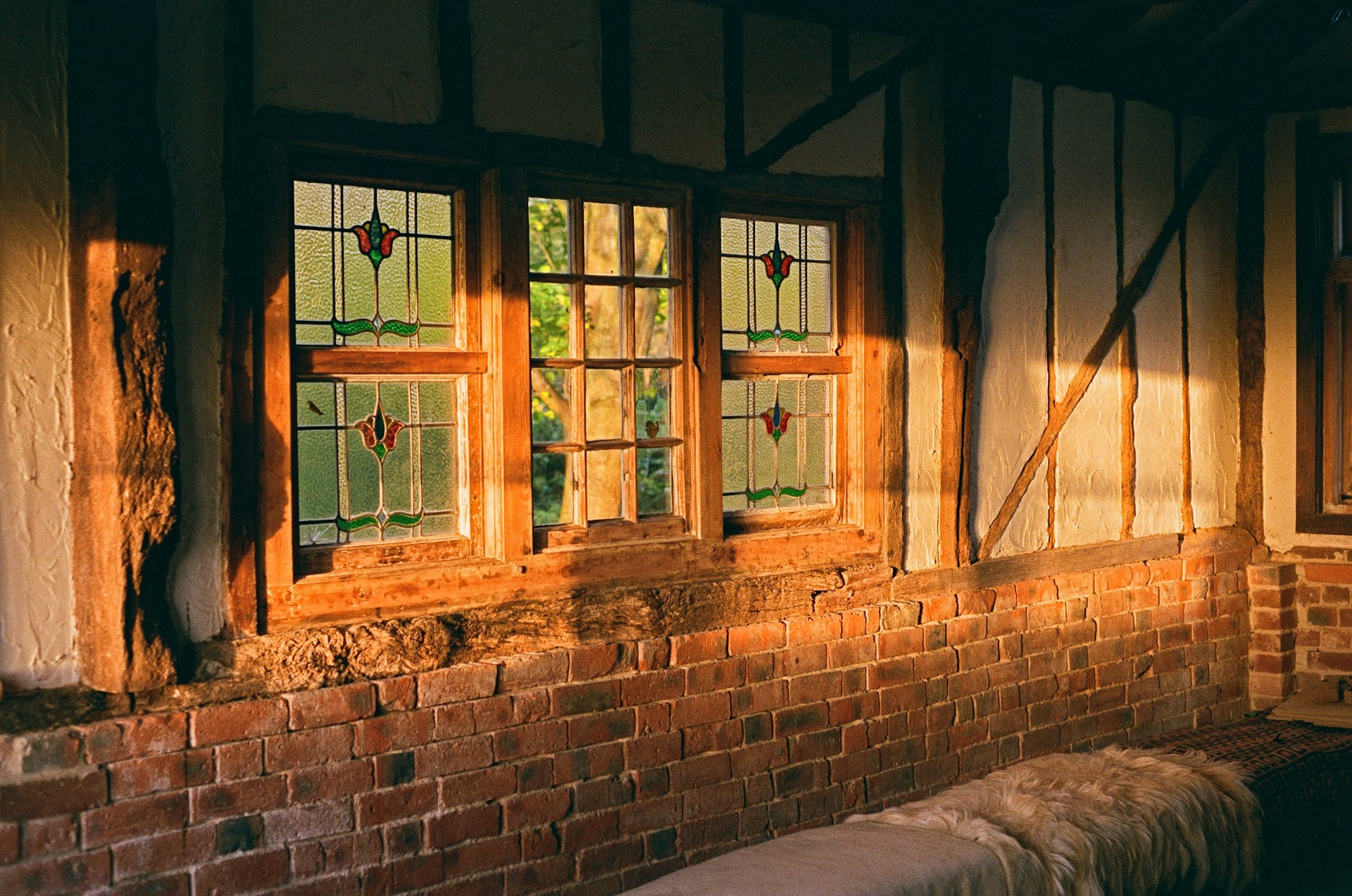
You are standing in front of a sample pallet with a spec sheet in hand, and the fireplace surround has to be locked in this week. The mason wants a decision. The client wants that soft, chalky red they saw on an old French Quarter courtyard wall.
Rustic bricks pulled from buildings that went up more than a hundred years ago give you that look, with a weathered patina and earthy hues that no manufactured product can fake.
The difference between one reclaimed variety and another is not just color. It is density, water absorption, face texture, and how the brick behaves under heat or freeze-thaw. A soft, hand-molded brick that looks perfect on an interior chimney breast can crumble in a patio field over two winters. Getting that call right saves you a callback and a rebuild.
Keep reading to learn what gives reclaimed brick its character, how Soft Reds, Hard Tans, Old Chicagos, and St. Louis Reds actually differ, which ones belong on a fireplace versus a patio, how to evaluate condition and quantities, and how to plan freight around your build schedule. After forty years of handling these by hand, you learn fast that the brick tells you where it belongs.
What Gives Rustic Bricks Their Genuine Character
Character in reclaimed brick comes from three things: the clay it was made from, the fire it was baked in, and the century of weather it survived after that. New brick is dyed and textured to imitate all three at once.
Weathered Patina, Earthy Hues, and Irregular Faces
Patina is the thin surface layer that decades of rain, soot, sun, and mortar leave behind. On a genuine salvaged brick, you see lime bloom, faint mortar ghosting along the edges, and color that shifts from rust to tan to near-black within a single face.
Faces are rarely flat. Corners get rounded, chips arise, and some bricks carry a shallow sand finish left from the sanded wooden molds used before mechanized production. That irregularity is what makes a wall read as old from across a room instead of only up close.
Why Century-Old Reclaimed Brick Looks Different From New Brick
Older bricks were fired in beehive or scove kilns where the heat was uneven. Bricks near the fire came out hard, dark, and sometimes glazed. Bricks at the edges came out soft and pale. One building produced a whole spectrum. That spread is what you inherit.
Clay was local, too. As masonry experts at This Old House explain about brick color, red clay produces red brick, while yellow clay produces buff and tan. That is why a St. Louis brick and a Louisiana brick never quite match.
Handmade and Machine-Made Material: What Changes on the Wall
Handmade brick, generally pre-1880s, runs irregular in size and shows finger drag and sand texture. Machine-made brick from later decades holds tighter dimensions with crisper edges.
- Handmade: softer body, wider size variance, heavier texture, best indoors or in low-traffic areas
- Machine-made: harder fire, more uniform coursing, better suited to paving and exterior walls
Those production differences show up directly in the named varieties your mason will be laying.
Compare Reclaimed Varieties Before You Specify
Each reclaimed variety comes from a different region, era, and kiln, so each one performs differently. Naming the variety in your spec removes guesswork from the field.
Soft Red Brick for Warm, Varied Interior Character
Soft Red reclaimed brick pulls from older, lower-fired stock. The body is more porous, the color runs from faded rose to deep terra cotta, and the faces often carry mortar residue and chalky bloom.
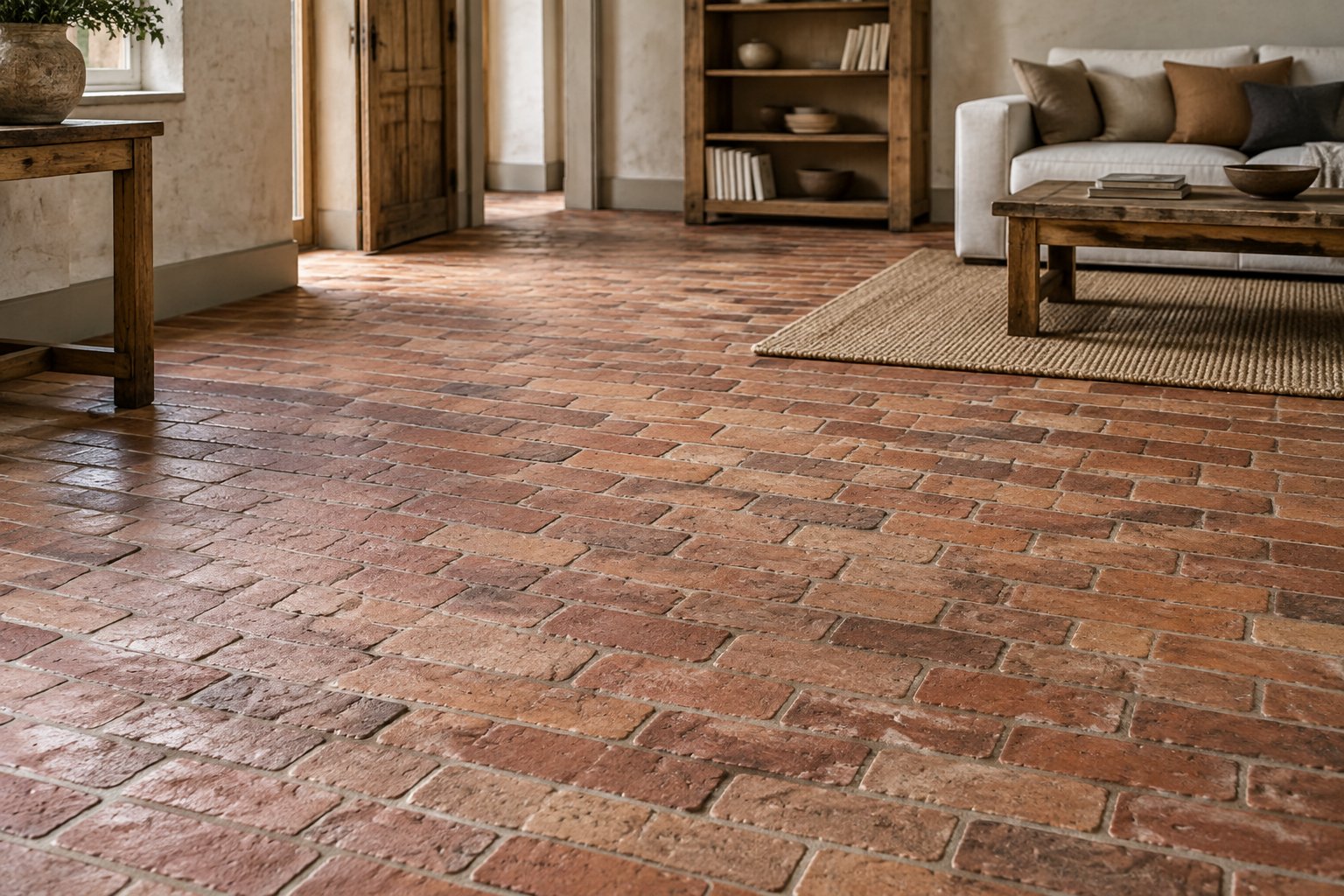
Because the body is softer, Soft Reds absorb more water and are happiest indoors. Fireplace surrounds, interior accent walls, and covered porch columns are the natural fits. Typical face size sits near 8 inches long by 2 1/4 inches high, but expect variance.
Hard Tan Brick for Earthy Color and Durable Performance
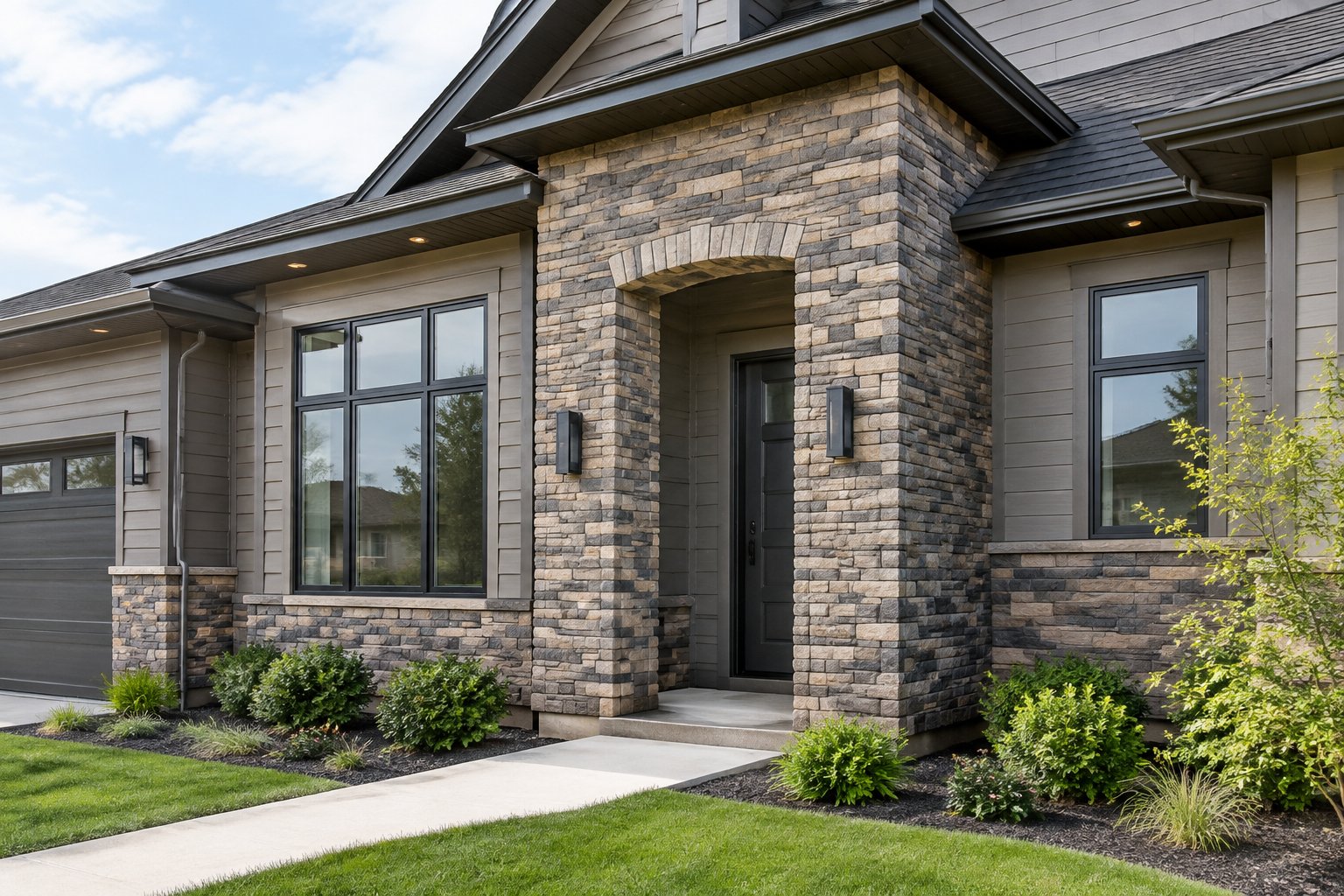
Hard Tans come out of the hotter zones of the kiln. The result is a denser, tougher brick in buff, tan, and warm gold tones with occasional scorch marks. That density makes Hard Tans a strong candidate for exterior veneer, garden walls, and paving where freeze-thaw or heavy foot traffic is a factor. New Orleans Hard Tans are one of the most requested lots. Availability moves.
Old Chicagos for Dense Texture and Historic Urban Appeal
Old Chicago reclaimed brick came out of Midwestern industrial buildings and row structures. The blend runs red, pink, salmon, and charcoal, with heavy mortar residue still clinging to the faces.
Old Chicagos are dense and hard-fired, which is why they hold up in patios, walkways, and exterior walls. The mixed color range means you should dry-lay a section before setting anything permanent.
St. Louis Reds for Rich Color and Period-Correct Detail
St. Louis Reds are known for deep, saturated red clay color and consistent hard firing. They came from a region with famously iron-rich clay.
For period-correct restoration, where the original wall was a strong, even red, this is usually the closest match. They work indoors and out, which gives you flexibility when a project moves between the two. Once you have narrowed the variety, the application drives the final call.
Match the Material to the Application
The same brick can be a smart choice for a fireplace and a bad one underfoot. Match density and absorption to the demand of the space.
Fireplaces: Heat Tolerance, Mortar Joints, and Visual Depth
For a firebox interior, use firebrick and refractory mortar. Reclaimed brick belongs on the surround, the hearth extension, and the chimney breast, where it delivers depth without direct flame contact.
Softer varieties shine here. A wide, slightly recessed joint using Type N mortar lets the irregular faces read clearly. Type N gives brick a little movement. This matters with natural material.
Patios: Surface Texture, Drainage, and Structural Integrity
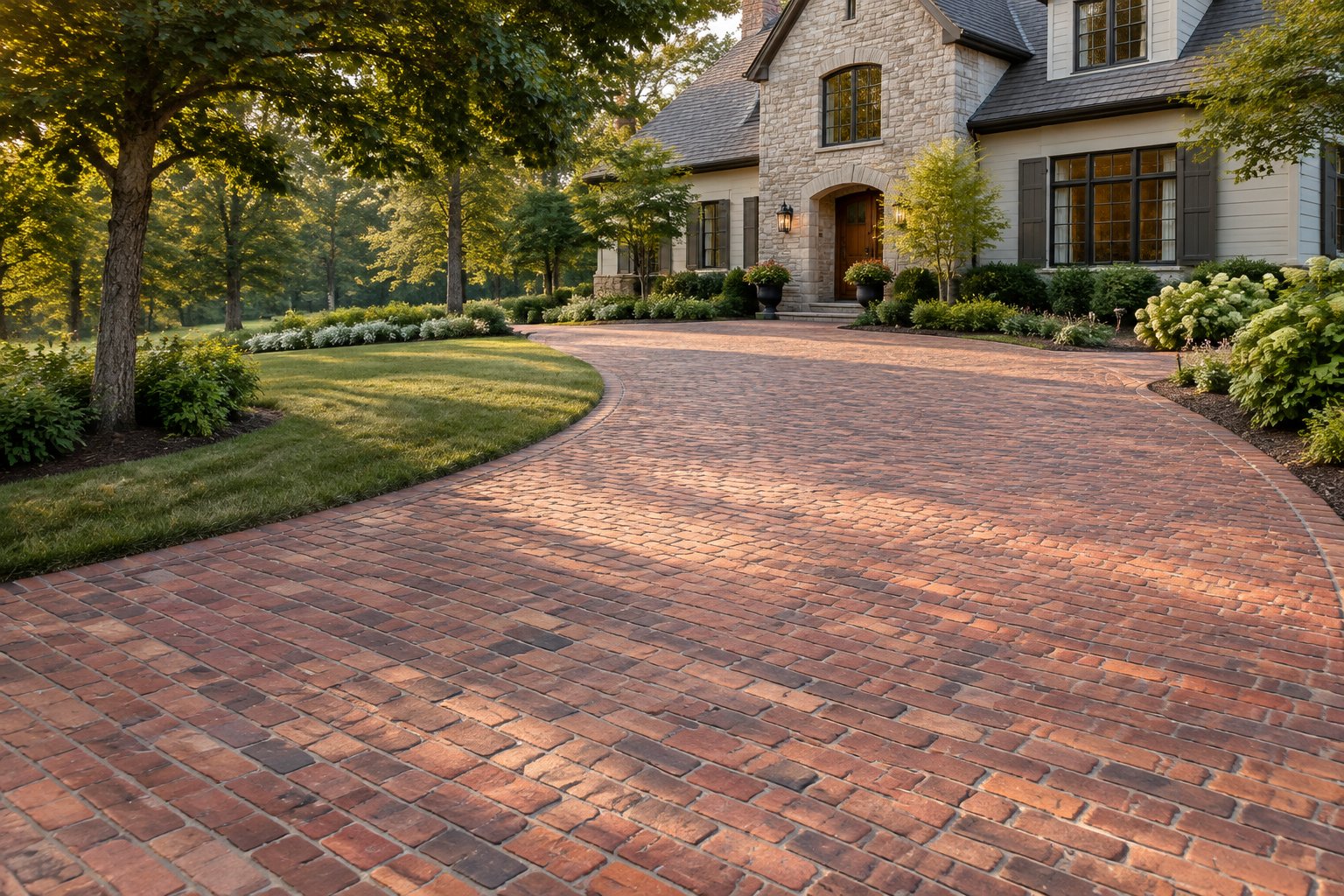
Patios need the hard-fired stock: Hard Tans, Old Chicagos, or St. Louis Reds. Set them over a compacted gravel base for drainage and freeze-thaw movement, following the same base principles used for reclaimed brick patios and walkways.
Full-depth reclaimed brick pavers handle traffic better than salvaged wall brick. Herringbone and basketweave patterns lock the field and hide size variation well.
Accent Walls: Scale, Color Range, and Interior Installation
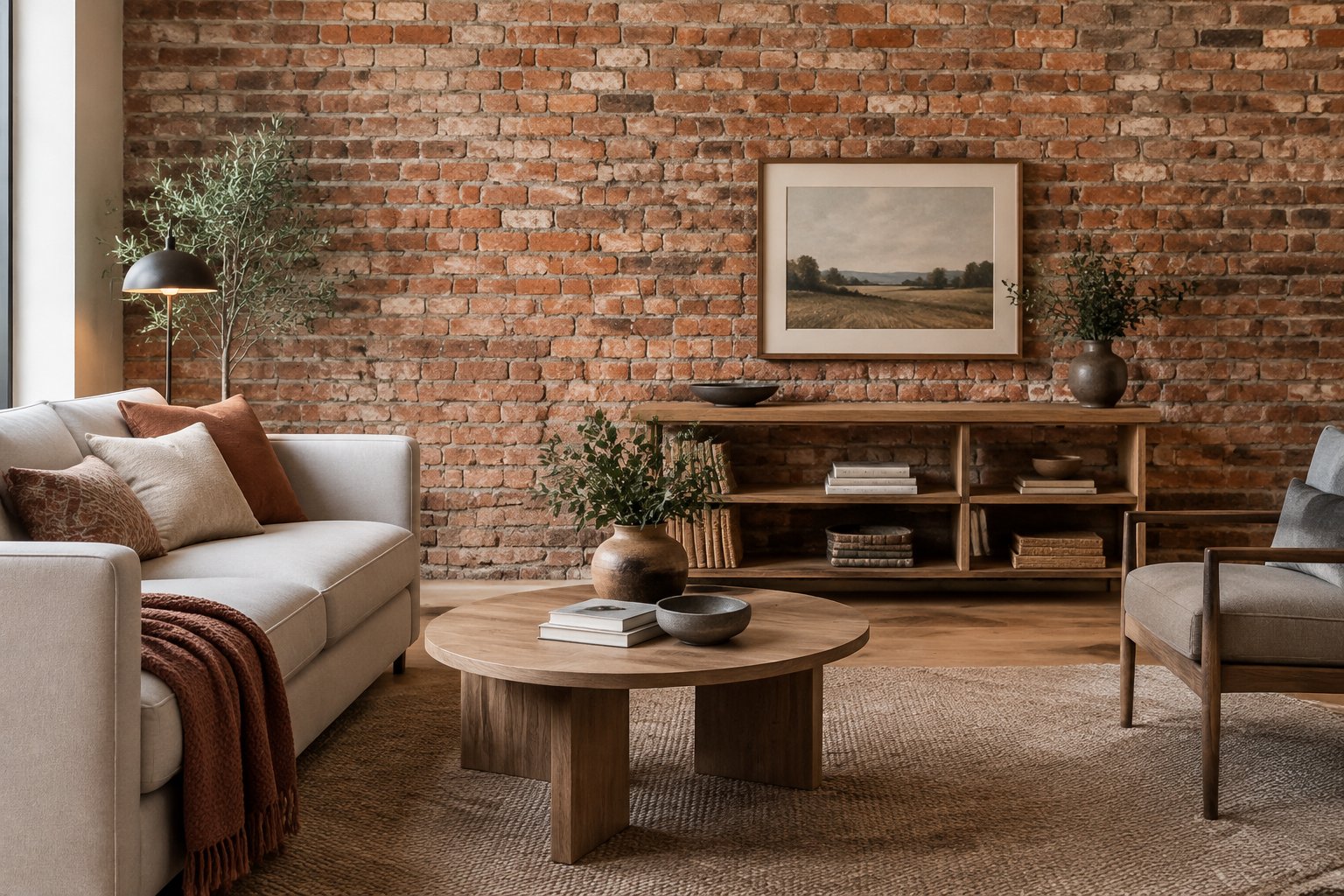
Interior accent walls are where the color range does the work. Pull from three or four pallets at once so no single tone clusters in one corner. Standard reclaimed face brick runs roughly 7 3/4 to 8 1/4 inches long. On a wall of any size, that variance reads as authenticity rather than error.
Thin Brick Veneers When Full-Depth Brick Is Not Practical
Thin brick is a full-depth brick cut down to roughly 1/2 to 3/4 inch thick. It carries the original face, patina intact, at a fraction of the weight.
Use it over existing drywall, concrete, or a fireplace surround where floor framing cannot carry full masonry. This mirrors the advice on using thin bricks over a concrete pad to avoid elevation changes at doors and steps.
With the application settled, the next step is judging the actual material you will receive.
Evaluate Condition, Finish, and Project Quantities
Reclaimed brick is graded by face condition, not by a factory tolerance. Knowing what to inspect keeps expectations aligned before the pallets land.
How to Review Brick Faces, Chips, Mortar Residue, and Color Variation
Ask which faces are clean and which carry mortar. Mortar residue is often desirable, but it changes how tight your joints can be.
- Face condition: how many usable faces per brick
- Chipping: minor edge loss is normal and expected
- Mortar: cleaned, partially cleaned, or left as salvaged
- Color spread: the tonal range within the current lot
When a Sand Finish or Softer Surface Fits the Design
A sand finish comes from sanded molds and leaves a fine, gritty texture that catches light. It is common on handmade pre-industrial stock. Soft, sanded faces belong indoors or under cover. Outdoors in a freeze-thaw climate, that porous surface can spall over time.
Allowing for Waste, Cuts, Corners, and Natural Variation
Order 10 to 15 percent over your net quantity. Cuts, corners, breakage in transit, and culled faces all eat into a pallet. A standard pallet typically holds 500 to 550 full bricks. Reclaimed brick is usually priced per brick. Reclaimed brick cost factors vary with variety, cleaning, and freight.
Why Samples and Current Lot Photos Matter Before Ordering
Lots change as buildings come down. The pallet photographed in March is not the pallet in the yard in August. Request current photos and a small sample before you finalize. Guidance on how to choose reclaimed bricks starts with seeing what actually exists today. This leads straight into sourcing and freight.
Plan Sourcing and Freight Around the Build Schedule
Material timing decides whether the mason shows up to a full stack or an empty pad. Confirm live inventory before you lock a start date.
Questions to Ask About Live Inventory and Lot Consistency
- How many bricks of this variety are on the yard right now?
- Is the quantity from one lot or blended from several?
- What is the cleaning level on this specific pallet?
- Can the full order ship together?
Pallet Freight, Curbside Delivery, and Job-Site Preparation
Bricks are shipped banded on pallets by freight carrier. Delivery is curbside unless you arrange otherwise, so plan for a forklift or a level drop zone. Inspect on arrival. Note any visible damage with the driver before signing the delivery receipt. Report issues with photos within five business days.
How Nationwide 48-Hour Shipping Can Support Active Projects
Many suppliers quote six-to-twelve-month lead times. When inventory is already on hand, a truck can be on the road within 48 hours of a paid invoice. Orders are typically prepared in two to three business days. That gap matters when your used brick for sale decision is holding up a framing crew.
Bring Historic Character to the Job Site With Confidence
The right rustic bricks come down to two confirmations: the variety suits the application. The quantity exists today.
Confirm the Right Variety Before Finalizing the Design
Soft Reds indoors. Hard Times, Old Chicagos, and St. Louis Reds were affected by weather and traffic. Thin brick when weight or thickness rules out full-depth masonry. Lock that in before the drawings go out for bid.
Confirm Available Stock and Shipping Timing
Call New Orleans Brick & Stone at 225-284-7529 to check what is in stock and get a truck moving within 48 hours. You will reach someone who can walk the yard, confirm the lot, and quote freight to your address the same day. Do not wait weeks for a quote. One call confirms availability, pricing, and timing before your deadline.
Frequently Asked Questions
What Are Reclaimed Rustic Bricks, and How Do They Differ From New Brick?
They are genuine bricks salvaged from structures over 100 years old, carrying real patina, mortar residue, and kiln color variation. New brick is dyed and textured to imitate that look. The difference between reclaimed brick and new brick shows in density and surface depth.
Where Can I Buy Authentic Reclaimed Brick for My Project?
Buy from a specialist who salvages directly from historic buildings and can tell you the origin of the lot. Ask for current photos and a sample before ordering. A supplier holding inventory on hand can ship nationwide by freight without a long lead time.
How Much Do 1,000 Reclaimed Bricks Cost?
Reclaimed brick is priced per brick, and the total depends on variety, cleaning level, and freight to your address. A 1,000-brick order runs roughly two pallets. Call for a current per-brick price and a shipping estimate to your ZIP code.
Are Reclaimed Bricks Suitable for Exterior Walls and Garden Walls?
Yes, when you use hard-fired varieties such as Hard Tans, Old Chicagos, or St. Louis Reds. Softer, more porous stock should stay indoors or under cover in freeze-thaw regions. Pair exterior work with an appropriate mortar type and proper drainage.
How Quickly Can Reclaimed Brick Be Shipped to My Job Site?
Orders are typically prepared within two to three business days. A truck can be on the road within 48 hours of a paid invoice. Large or custom orders may need extra lead time. Freight delivery is curbside unless you arrange otherwise.
Is Reclaimed Brick Less Expensive Than Buying New Brick?
It depends on variety and freight. A low-overhead supplier avoids the markup larger distributors add. Reclaimed also skips long manufacturing lead times. The benefits of sourcing reclaimed brick include availability alongside cost.