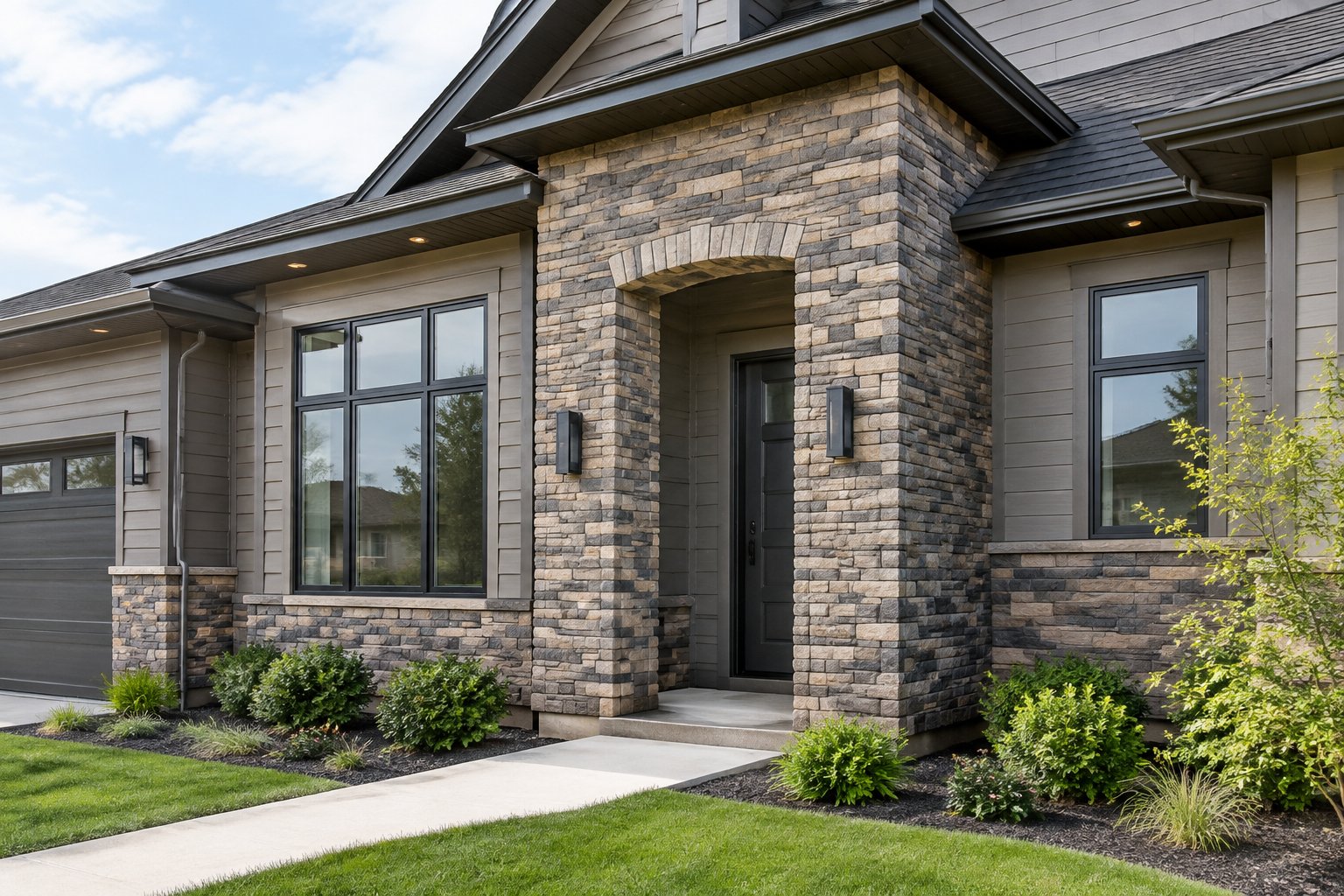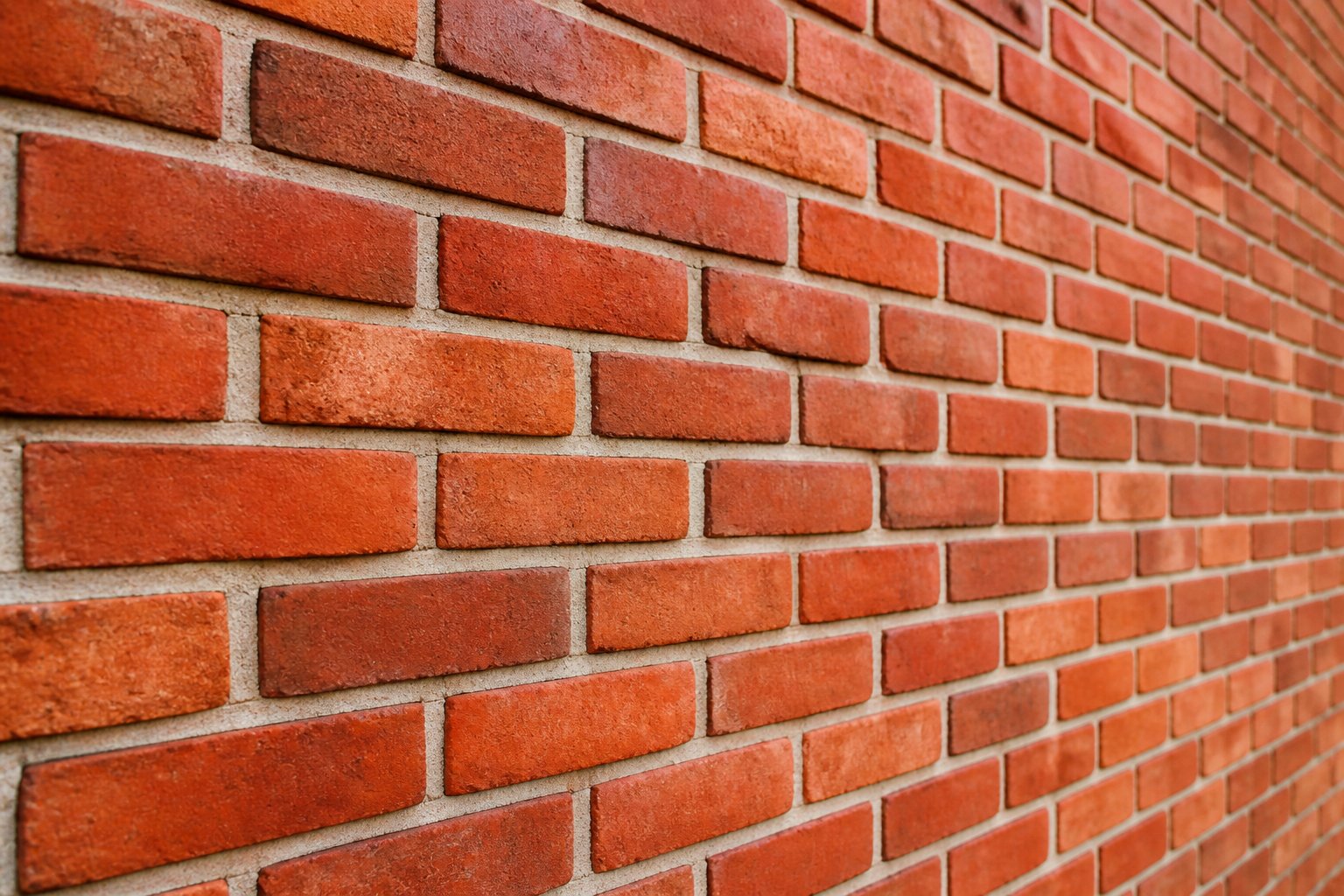
On a 120-year-old facade, the mortar is crumbling between bricks that still ring when you tap them. The replacement material has to match the original in color, dimension, and surface texture, or the whole wall reads "patch job" from the street.
Whether you are sourcing for a restoration like that, building a new patio with real character, or specifying masonry for a custom home, the question is the same: where to buy bricks that actually fit the project.
The answer depends on what you need the brick to do. A standard new-construction veneer calls for one supply chain. A period-correct restoration or a design that demands authentic patina calls for something entirely different.
A reclaimed specialist that keeps inventory on hand and ships within 48 hours of payment solves two problems at once: character and speed. But not every project requires reclaimed material, and not every supplier delivers what they promise on the timeline you need.
Keep reading to learn where to buy bricks across four distinct sourcing channels, what each one actually delivers on availability and authenticity, and how to match the right buying path to your project type, timeline, and budget. Every recommendation here comes from how real projects get built, not theory.
Where to Buy Bricks: The Four Main Channels
Your four main options for buying brick are big-box retailers, local masonry yards, reclaimed material specialists, and online suppliers. Each one serves a different project need, and choosing the wrong channel wastes time or locks you into material that does not fit.
Big-Box Stores for Standard Small Runs
National home centers carry a limited selection of new, machine-made brick and concrete pavers. You can walk in, grab a cart, and leave with a few dozen bricks the same day. That convenience works for a small garden border, a mailbox column, or a weekend accent wall.
The trade-off is selection. Big-box stores typically stock two or three color ranges in standard modular sizes. If you need a specific hardness rating, an unusual dimension, or a surface with weathered character, you will not find it on the shelf.
As noted in a guide on brick pavers and installation, a local masonry supplier will have the best selection and prices as well as knowledgeable staff, something big-box aisles cannot replicate.
For projects over a few hundred bricks, big-box pricing per unit often climbs above what a dedicated yard or specialist charges per pallet. These stores rarely offer freight delivery to a job site on your schedule.
Local Masonry Yards for Regional Selection
A regional masonry yard is where most builders buy new face brick, structural brick, and block in volume. These yards carry multiple manufacturers, offer samples, and staff people who can talk about compressive strength, absorption rates, and mortar compatibility. If you need new brick matched to a specific ASTM rating, this is your starting point.
Masonry yards also carry thin brick veneer and specialty shapes like bullnose, corner returns, and water tables. Pricing is competitive at the pallet level, and many yards offer job-site delivery within a defined radius. Lead times on stocked items tend to run a few days. Custom-ordered colors or shapes may take weeks.
The limitation is authenticity. Regional yards deal primarily in newly manufactured brick. If your project requires the dimensional variation, fire-skin patina, or color depth that comes from a century of weather exposure, new brick cannot replicate it regardless of the manufacturer's tumbled or distressed finish.
Reclaimed Material Specialists for Historic Character
Reclaimed brick suppliers source material from demolished or deconstructed buildings that are often 100 years old or more. Every brick carries the original kiln color, surface wear, and slight irregularity that define genuine historic masonry. These specialists clean, inspect, and sort each brick for structural integrity before it ships.
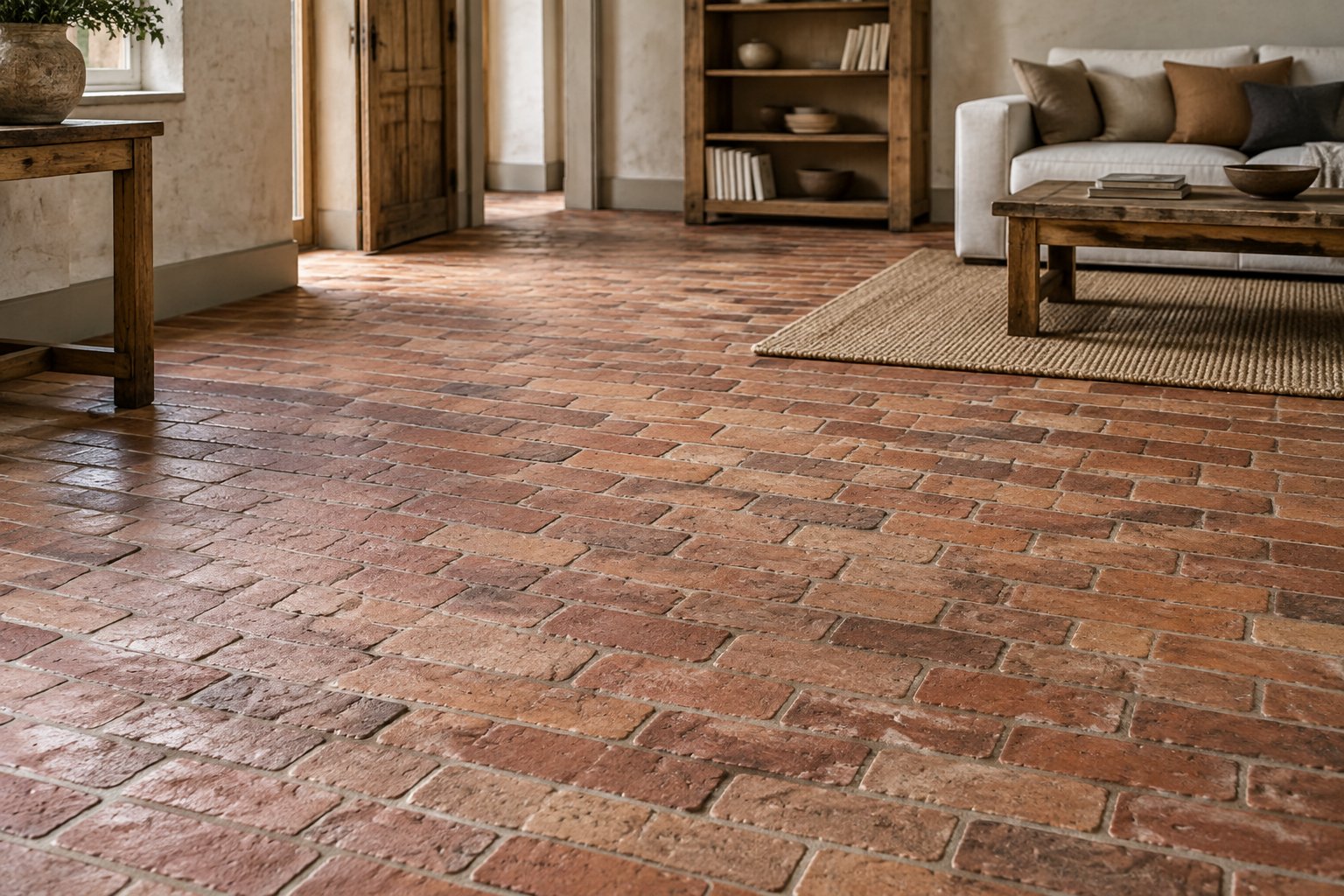
Working with a reclaimed specialist matters most when the project demands period-correct material, whether that is a historic restoration facade, a reclaimed-brick fireplace surround, or an interior floor that needs to look like it has been there for generations.
According to guidance from the National Park Service on rehabilitating historic buildings, preserving original material character is central to responsible restoration work.
Inventory at a specialist changes as buildings are sourced. Confirming stock before you commit to a design is essential. The best specialists keep meaningful volume on hand rather than brokering orders from third parties.
Online Ordering for Broader Reach
Online brick suppliers let you shop nationally, which opens access to materials that do not exist in your local market. This is especially valuable for reclaimed brick, where your nearest salvage yard may not carry the specific color, era, or brick type your project requires.
The trade-off is that you are buying a physical product sight unseen. Requesting samples, asking for lot photos, and confirming pallet counts before you pay protects you from surprises. Freight shipping on palletized brick adds cost. It also removes the geographic limit on what you can specify.
Knowing where to buy bricks is only the first decision. The next question is which buying path matches your role on the project and the timeline you are working against.
How to Choose the Right Buying Path for Your Project
The right source depends less on price per brick and more on what you need confirmed before you commit: material specs, delivery timing, or simply honest guidance on what to expect.
What Architects Should Confirm Before Specifying
Before you write a reclaimed brick into a spec, confirm that the supplier can provide enough quantity in a consistent color range and size to complete the scope. Reclaimed brick is not manufactured to order.
A batch of soft red handmade bricks will show natural variation in hue and dimension, and that variation is the point, but the overall lot should read as a cohesive palette.
Ask whether the supplier can reference ASTM testing data or third-party compressive-strength reports. For exterior applications in freeze-thaw climates, absorption rates matter. For interior floors and veneers, hardness and dimensional tolerance affect layout and grouting.
- Confirm available quantity against your project's total brick count plus waste factor.
- Request sample bricks or high-resolution lot photos showing face, edge, and color range.
- Ask about the building of origin and the approximate age of the material.
- Verify that the supplier can hold inventory while you finalize the specification.
What Builders Need to Verify for Scheduling
Your masons are booked, your site is prepped, and a six-month wait on material kills the schedule. Before you order, ask the supplier what they have in stock right now, not what they can source later. Confirm lead time from payment to truck departure.
Freight delivery is standard for palletized brick. Confirm whether delivery is curbside only or if the carrier can place pallets closer to the work area. For large orders, ask about split shipments if your staging area cannot hold the full quantity at once.
Verify the count per pallet and the expected breakage allowance so your crew does not come up short mid-wall. A 5 to 10 percent overage is standard practice for reclaimed material, where some bricks may not pass final inspection on site.
What Homeowners Should Ask Before They Buy
If this is your first time ordering brick, start by describing your project to the supplier: fireplace surround, patio, accent wall, or full exterior. A good supplier will tell you whether you need full-size brick, thin brick, or pavers and roughly how many.
Ask what the material looks like in person. Reclaimed brick carries natural color variation, ranging from warm ochres to deep reds to charcoal flashing. That variation is what gives a reclaimed brick patio its depth and warmth, but you should see it before you commit. Request a sample or ask for photos of recent lots.
Understanding the format differences between full-size brick, reclaimed material, and thin brick helps you make a confident choice before you spend.
What Changes Between New, Reclaimed, and Thin Formats
Each brick format serves a different structural and aesthetic purpose. Choosing the wrong one costs you time on installation, money on returns, or visual coherence on the finished surface.
When Full-Size Brick Makes Sense
Full-size brick, whether new or reclaimed, is the standard for load-bearing walls, structural veneers, and any application where the brick must tie into a masonry assembly with mortar.
A standard modular brick measures roughly 3⅝ by 2¼ by 7⅝ inches, though reclaimed bricks from pre-1920 structures often run slightly larger or show minor dimensional irregularity due to handmade production.
New full-size brick is the default for projects that prioritize uniform sizing and high-volume availability. You can order tens of thousands in a single color and expect tight tolerances. What you give up is character. New brick lacks the fire-skin surface texture and earned patina that come from a century of exposure.
Where Reclaimed Brick Adds the Most Value
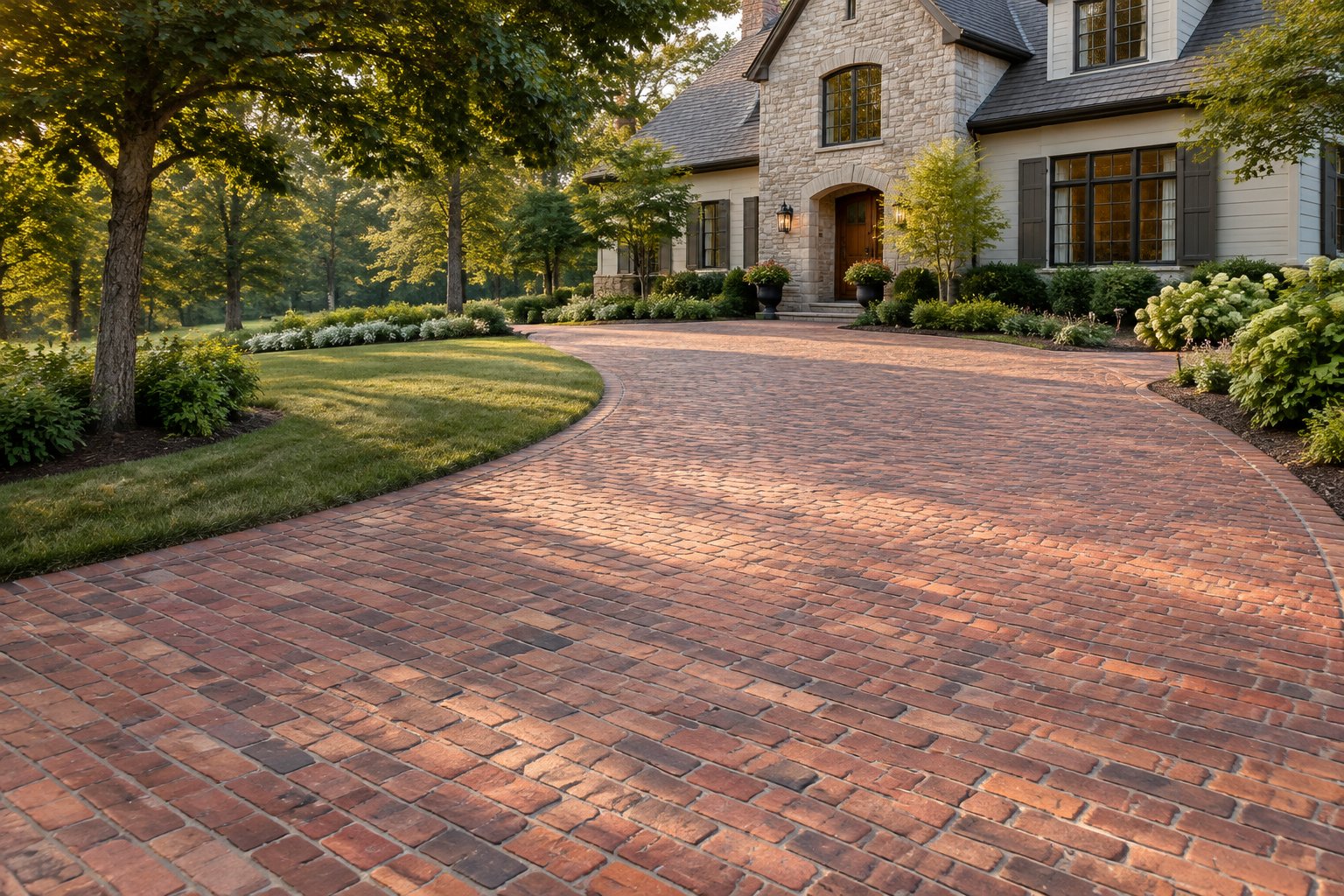
Reclaimed brick adds the most value where authenticity drives the design intent. A restored historic facade, a herringbone reclaimed brick patio, and a custom home inspired by heritage architecture all benefit from material that looks and feels genuinely old because it is.
Handmade reclaimed bricks from pre-industrial buildings carry irregular edges, subtle color shifts, and a surface roughness that manufactured "antiqued" products cannot match. Machine-made reclaimed bricks offer more consistency while still carrying decades of natural weathering. Both types have proven compressive strength, having already survived a century of structural service.
The sustainability case is real as well. Reclaimed brick reduces demand for new kiln firing and diverts usable material from landfills. For green building targets, sourcing reclaimed brick supports documented environmental goals.
When Thin Brick Is the Better Fit
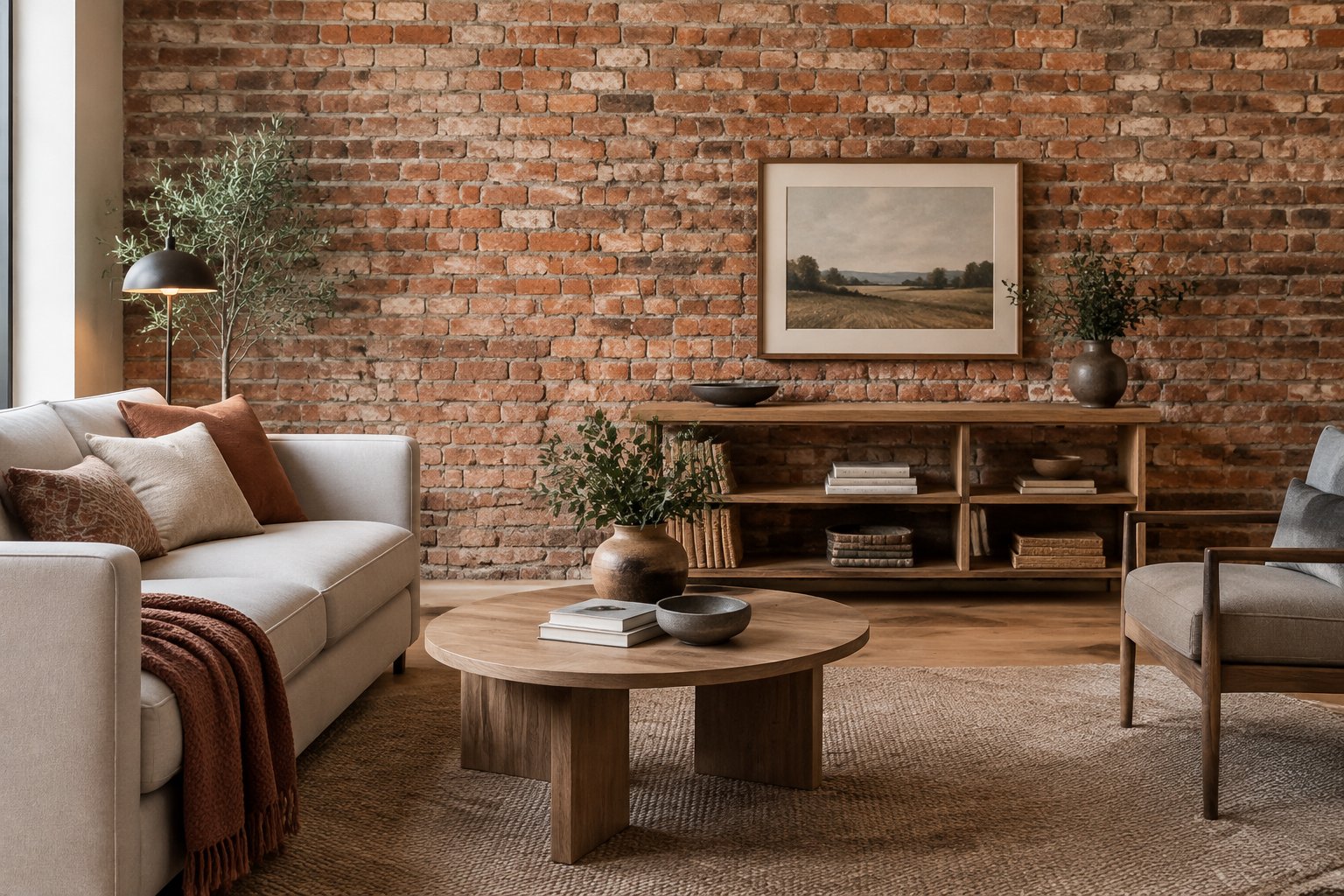
Thin brick is a veneer product, typically ½ to ¾ inch thick, designed to adhere to a substrate rather than function as a structural unit. It works for interior accent walls, fireplace surrounds, backsplashes, and exterior cladding over framed walls where full-depth masonry is not practical.
Reclaimed thin brick is cut from full-size reclaimed bricks, preserving the original face, patina, and color. It gives you the authentic surface without the weight or the need for a masonry ledge. Installation is closer to tile-setting than bricklaying, which can reduce labor costs on interior projects.
Thin brick will not work for patios, driveways, or any horizontal surface that takes foot traffic. For those applications, you need full-size pavers or structural brick. Knowing the format narrows your search. The next step is understanding how fast you can actually get material to the site.
Availability, Lead Times, and Freight Reality
The biggest risk to your project timeline is not the price of brick. It is whether the brick exists in a yard right now or sits in a queue behind a six-month production cycle.
How Stock on Hand Affects Project Speed
New brick from a regional manufacturer can ship in days if the color and size are in current production. If they are not, lead times stretch to 8, 12, or even 16 weeks. Reclaimed brick from a specialist who maintains real inventory can ship within 48 hours of payment, but only if the specific type you need is actually on the yard.
Before you finalize a design around a material, confirm physical stock. Ask for a pallet count, not a promise. A reclaimed brick supplier with inventory on hand solves the timeline problem that stops projects cold.
What Freight Delivery Usually Includes
Brick ships on pallets via freight carrier. Standard delivery is curbside: the driver lowers the pallet to the ground at your curb or driveway. You are responsible for moving it from there unless you arrange a forklift or equipment in advance.
Freight costs depend on weight, distance, and any special delivery requirements like lift-gate service or residential surcharges. Request a shipping estimate before you pay so the freight cost does not surprise your budget. Inspect every pallet at delivery and note any visible damage on the driver's receipt before you sign.
Why Material Variation Should Be Expected
Reclaimed brick is not a factory product. Every lot carries natural variation in color, size, and surface texture. Some bricks show deep red tones; others lean toward tan, salmon, or charcoal. Dimensional differences of ⅛ to ¼ inch are normal for handmade material and are part of what creates the visual richness.
This variation is not a defect. It is the defining quality of reclaimed masonry. It is exactly what makes a reclaimed brick floor or wall look alive rather than stamped out. Knowing how to evaluate brick quality before you order keeps that variation working in your favor.
How to Evaluate Brick Quality Before You Order
Sound material starts with the supplier's sourcing and inspection process. You can verify quality before a single pallet ships if you know what to look for.
Signs of Sound, Usable Material
A good reclaimed brick rings with a clear tone when you tap it against another brick. A dull thud suggests internal cracks or excessive moisture absorption. The face should show natural weathering and patina without deep spalling or structural flaking that would compromise the surface after installation.
- A clear ring when tapped indicates solid, well-fired clay.
- Surface patina and wear are desirable; deep cracks and crumbling edges are not.
- Consistent hardness across the lot means the bricks came from the same era and kiln conditions.
- Mortar residue on edges is normal and should be cleaned before shipping.
Why Sourcing History Matters
Knowing where the brick came from tells you what kind of clay, firing temperature, and exposure conditions shaped it. Brick from a 19th-century warehouse in St. Louis has different color and hardness characteristics than brick from a 1920s schoolhouse in Chicago.
Suppliers who can tell you the building of origin and approximate age give you confidence that the material is genuine.
Transparent sourcing also matters for historic restoration work. A project guided by the Secretary of the Interior's Standards for Rehabilitation may require documentation showing the replacement material is period-appropriate. A reputable supplier provides that information as part of the order process.
How Samples, Photos, and Counts Reduce Risk
Request at least three to five sample bricks before ordering a full pallet. Compare them to your existing masonry or your design palette under natural light. Photos of the full lot, showing face color range and edge condition, help you confirm that the samples represent what you will receive.
Get a confirmed brick count per pallet and calculate your total need with a 5 to 10 percent overage for cuts, breakage, and on-site sorting.
A clear count eliminates the mid-project scramble to find reclaimed brick near you when you run short. With quality confirmed, the last step is matching the source to the project and making the call.
Choosing With Confidence for Your Next Build
The right brick source is the one that delivers material matching your project's design intent, timeline, and structural requirements without compromises that show up on the finished wall.
Match the Source to the Project Goal
If your project calls for uniform, high-volume new brick, a regional masonry yard is the efficient path. If it demands authentic reclaimed character with proven durability, a specialist with verified sourcing and real inventory is the better fit.
If you need thin brick veneer for an interior application, confirm that the supplier offers reclaimed thin cuts rather than manufactured imitations.
The decision tree is simple: define the look and performance you need, confirm the supplier has it in stock, verify the delivery timeline fits your schedule, and get a price that includes freight. Do not assume the cheapest per-unit price is the best value. A pallet that arrives late or arrives wrong costs more than the brick itself.
When a Direct Phone Call Saves Time
When buying used brick through a reclaimed specialist, a phone call does more in five minutes than a week of emails. You can confirm exact inventory, ask about color range, get a freight estimate, and lock in your order while you are still on the line.
New Orleans Brick & Stone takes calls directly. The Bourgeois family can tell you what is on the yard, what it looks like, and when a truck can roll. If your timeline is tight, they can have material on a truck within 48 hours of payment.
Call the number on the site and ask what is on the yard for your build. You will get a straight answer from someone who has handled every brick by hand.
Frequently Asked Questions
Who carries reclaimed brick in stock right now, and how fast can it ship to my job site?
Reclaimed brick specialists who maintain their own inventory can ship palletized material within days, sometimes within 48 hours of invoice payment. Always confirm current stock before committing a design to a specific material.
What's the price per brick or per 1,000 for common-grade reclaimed, and what changes that number?
Reclaimed brick pricing depends on type, age, color, and availability. Handmade pre-industrial brick typically costs more per unit than machine-made reclaimed. Freight distance and order volume also affect total cost. Request a complete quote including shipping before you compare suppliers.
Should I use solid or cored brick for my wall, patio, or fireplace, and what's typically available?
Solid brick is standard for patios, floors, and any flat installation where holes would collect water and debris. Cored brick works for wall construction where mortar fills the cores. Most reclaimed brick is solid because it predates the widespread use of cores in manufacturing.
How do I figure out how many bricks I need for a project, including waste and cuts?
Measure your total square footage. Use 4.5 standard modular bricks per square foot for walls and roughly 4 to 5 pavers per square foot for patios. Add 5 to 10 percent for cuts, breakage, and on-site sorting. Reclaimed material may need a slightly higher overage due to dimensional variation.
What's the most cost-effective way to source brick: pickup, pallet delivery, or freight to site?
Pallet delivery via freight is the most practical option for orders over a few hundred bricks. Local pickup saves freight cost but limits your selection to whatever is within driving distance. For access to specific reclaimed types like St. Louis Reds, nationwide freight is often the only path.
How can I match the color, patina, and size of my existing brick for a true period-correct look?
Start by removing a sample brick from an inconspicuous area and sending it or photos of it to your supplier. A reclaimed specialist can match era, clay type, and firing characteristics far more accurately than a new-brick manufacturer using a tumbled finish. Request lot photos and physical samples before ordering to confirm the visual match under natural light.