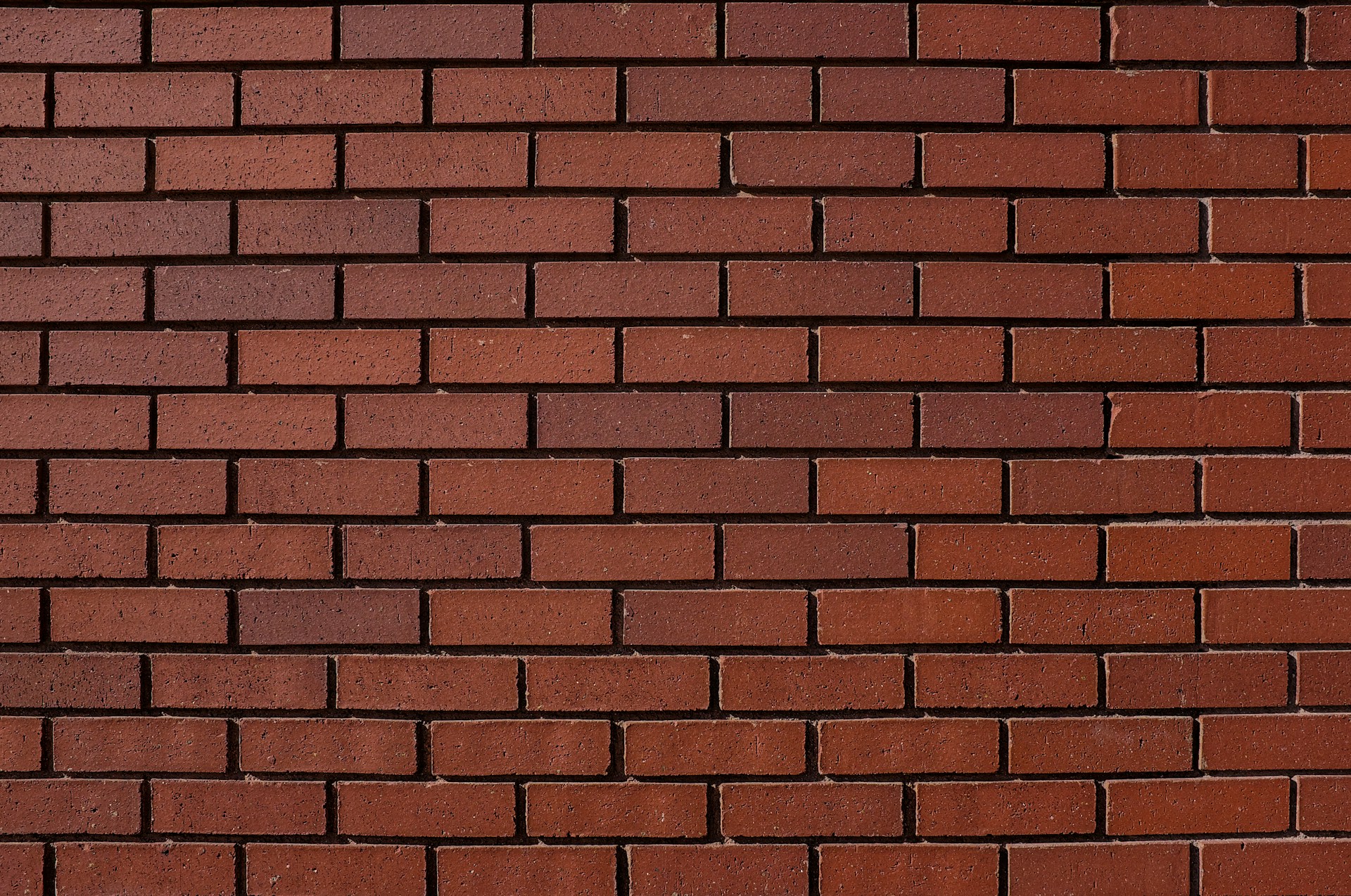
With a sample board in one hand and a spec sheet in the other, you are deciding which red brick will anchor an entire room around a fireplace opening. The color has to be right. The texture has to feel earned, not stamped out of a factory yesterday. And the quantity has to show up before your mason's schedule closes.
This is the decision point where most searches for red bricks for sale begin, and it is where the details matter most.
New Orleans Brick Co carries two distinct reclaimed red brick varieties, Soft Red brick and St. Louis red brick, each pulled from century-old structures and kept in meaningful inventory. The Bourgeois family ships pallets nationwide within 48 hours of invoice payment.
This means your project timeline does not depend on a six-month backorder. Keep reading to learn how these two classic red brick options compare on color, hardness, best applications, and pricing.
You will also find guidance on confirming inventory, planning freight delivery, and choosing the right format for your specific project, whether that is a period-correct restoration or a brand-new patio with real character.
How to Compare Soft Reds and St. Louis Reds
The fastest way to narrow your choice is to understand that these two varieties come from different eras and regions. This gives each one a distinct look and feel on the wall or floor.
What Soft Reds Look and Feel Like
Soft Reds are handmade bricks reclaimed from pre-industrial Southern structures, and they start at $1.85 per brick. Their edges are slightly irregular because each one was formed by hand, not pressed by a machine. The color runs from a muted salmon to a deep, dusty rose, and no two bricks match exactly.
The surface carries a weathered patina built up over more than a century of sun, rain, and use. That patina is what separates reclaimed brick from any tumbled or distressed product made to look old. When you run your hand across a Soft Red, you feel the grain of the original clay and the slight undulation left by the mold.
Soft Reds tend to be lower on the hardness scale than machine-pressed varieties. They absorb more moisture, which makes them ideal for interior applications, accent walls, and sheltered exterior facades where freeze-thaw cycles are not severe.
What Sets St. Louis Reds Apart
St. Louis Reds are machine-made reclaimed bricks sourced from Midwest industrial and commercial buildings, and they start at $1.70 per brick. Their dimensions are more uniform, their faces are smoother, and their edges are crisper than handmade varieties.
The color profile is a deeper, more saturated red with occasional charcoal flashing on the headers. This is a natural result of original kiln placement. These bricks are denser and harder than Soft Reds. This means they handle exterior exposure and ground-contact applications with less concern about moisture absorption.
If your project needs a tighter mortar joint and a more consistent coursing line, St. Louis Reds deliver that without sacrificing the authentic aged surface that only a hundred-plus years of weather can produce.
Best Project Fits for Each Variety
Choosing between the two comes down to your design intent and where the brick will live.
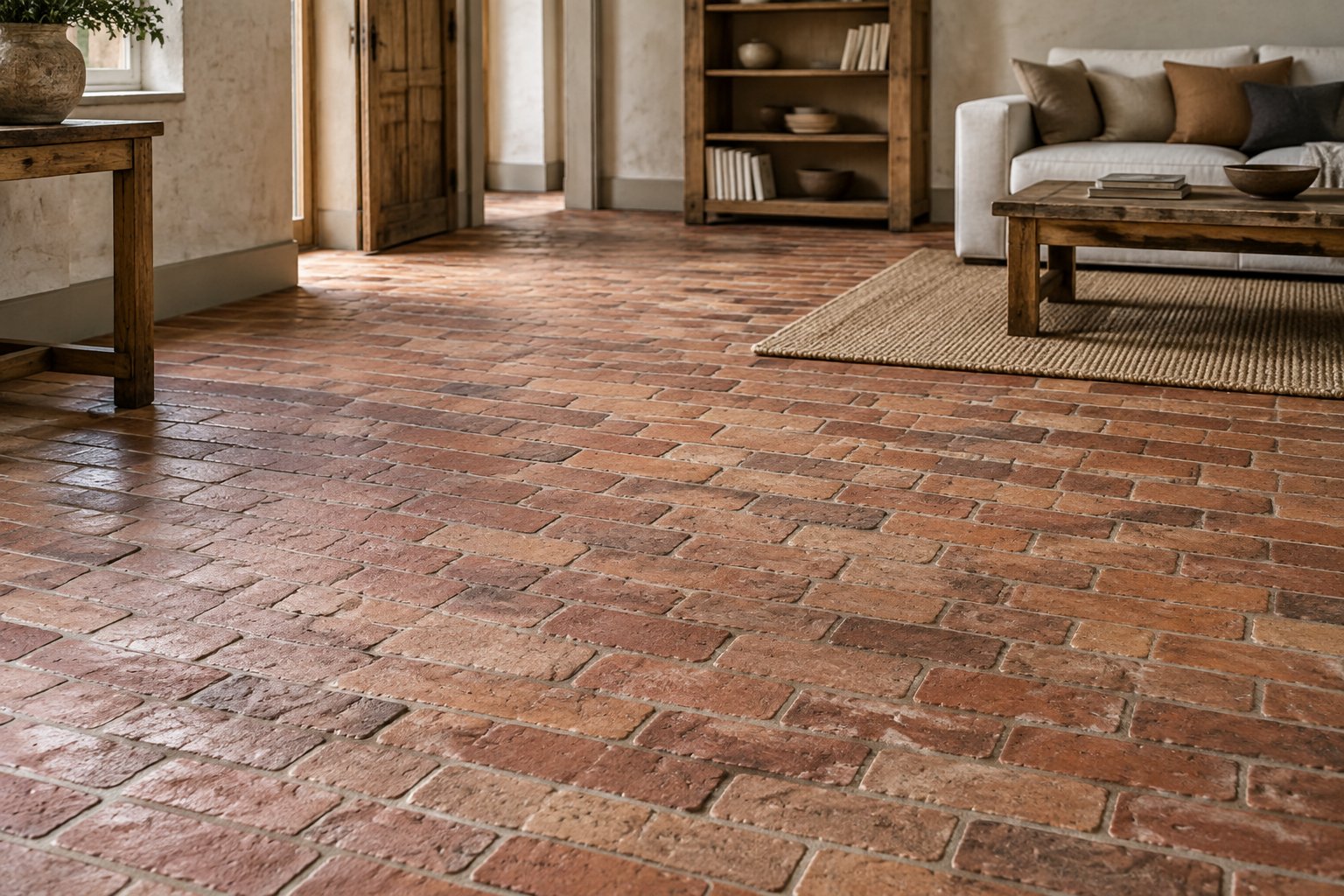
- Soft Reds work best for interior fireplaces, accent walls, reclaimed brick floors, and sheltered exterior veneers where the handmade character and warm salmon tones set the mood.
- St. Louis Reds are the stronger pick for full exterior facades, load-bearing veneer, patios and walkways, and any application where density and weather resistance matter.
- Mixed installations can pair both varieties in a single project, using St. Louis Reds at grade level and Soft Reds above the roofline or indoors.
Once you know which variety fits your design, the next question is what to verify before you commit to a quantity and place the order.
What Buyers Should Confirm Before Ordering Red Bricks for Sale
The single most important step is confirming that the bricks you are buying are genuinely reclaimed, not manufactured replicas marketed with vintage-sounding names.
Source Age and Authentic Reclaimed Character
Ask your supplier where the bricks came from and how old the source structure was. Authentic reclaimed red brick carries proof in its surface: lime mortar remnants, fire-darkened headers, and a patina that penetrates the face rather than sitting on top like a coating.
A reputable supplier can tell you the region and approximate era of the demolition. As noted in guidance on shopping salvage yards, checking for original finishes and verifying the provenance of materials protects you from paying reclaimed prices for new or replica products.
If the color looks too even across an entire pallet, or the edges are uniformly sharp, you are likely looking at new brick that has been tumbled or stained.
Per-Brick Pricing and Quantity Transparency
Pricing for reclaimed red brick is typically quoted per brick or per thousand. Soft Reds start at $1.85 per brick and St. Louis Reds at $1.70 per brick, with final pricing shaped by quantity and condition. Get a clear per-unit cost in writing before you order.
You can find a reclaimed brick pricing breakdown that walks through what drives cost differences between varieties and formats.
Factor in a waste allowance of 5 to 10 percent for cuts, breakage during handling, and the occasional brick that does not pass your on-site quality check. Reclaimed brick varies in dimension more than new brick, so your mason will cull a few from each pallet.
Live Inventory Checks by Phone
The fastest way to confirm that the variety, quantity, and color range you need are actually in stock is to call. Email quotes can lag behind real-time yard movement, especially during the spring and summer building season.
A direct call lets you ask about current pallet counts, request photos of what is on hand, and lock in your order before another buyer claims the same lot. This is especially critical for Soft Reds. These come from finite demolition sources and cannot be reordered from a factory.
With availability confirmed, the next consideration is how the physical characteristics of these bricks affect design and long-term performance.
Material Details That Affect Design and Performance
Color, hardness, and surface texture are not cosmetic footnotes. They determine how your project weathers, how it feels underfoot, and whether it passes inspection on a restoration.
Patina, Color Variation, and Weathered Face Texture
Every reclaimed red brick carries a unique face. Soft Reds show a warm, mottled palette with occasional cream-colored lime ghosts where old mortar once bonded. St. Louis Reds lean toward a richer, more uniform red with dark flashing accents.
This natural color variation is one of the primary reasons architects spec reclaimed over new. A wall of 500 reclaimed bricks creates visual depth that a single-batch manufactured product cannot approach. The patina itself is irreplaceable. It forms through decades of mineral migration and environmental exposure.
When you select your bricks, keep in mind that the face you see on the pallet is the face you lay. Cleaning or grinding removes the very character you are paying for.
Hardness, Density, and Intended Use
Hardness matters for two reasons: moisture absorption and wear resistance. A softer brick absorbs more water, which can be a concern in freeze-thaw climates or ground-contact applications like walkways. A harder brick resists wear but is also more difficult to cut on site.
St. Louis Reds, being machine-pressed and fired at higher temperatures, score higher on density. Soft Reds are better suited to controlled environments where their lower density is not a liability. For red brick paving and ground-level installations, density should drive your selection.
When Thin Brick or Pavers Make More Sense
Full-depth brick is not always the right call. If your subfloor cannot handle the weight, or your wall detail requires a thinner profile, reclaimed thin brick gives you the same authentic face in a slimmer format that adheres directly to a substrate.
For outdoor ground-level projects, graded reclaimed pavers are sorted specifically for horizontal use. They are thicker at the base and flatter on the face. This gives your mason a stable unit to set in sand or mortar.
Knowing which format fits your application brings up the practical question: how fast can you get it, and what does delivery actually look like?
Shipping Timelines, Freight Delivery, and Order Planning
Most reclaimed brick suppliers quote lead times of six to twelve months. That timeline can stall a project before it starts.
Why 48-Hour Shipping Changes the Buying Decision
When inventory is already palletized and sitting in a yard, your order can move to a freight carrier within 48 hours of invoice payment. That speed turns red bricks for sale from a planning-phase item into a just-in-time material.
For builders managing subcontractor schedules, a two-day-to-truck window means you can order brick the same week your mason is available. You are not warehousing material on site for months or scrambling when a delayed shipment pushes your schedule.
How Pallet Freight and Curbside Delivery Work
All bricks ship on pallets via freight carriers. Freight charges are calculated based on weight, destination, and delivery requirements. A shipping estimate is provided at checkout or on request.
Standard delivery is curbside. If your job site needs a forklift drop or interior placement, arrange that with the carrier before the truck rolls. Orders are typically prepared within two to three business days. Large or custom orders may require extra lead time.
Inspection, Damage Notes, and Final-Sale Expectations
Inspect every pallet at the curb before you sign the delivery receipt. Note any visible damage with the driver on the spot. If an order arrives damaged or incorrect, contact your supplier within five business days with photos.
Because reclaimed and specialty brick is unique by nature, sales are considered final for characteristics like color variation, weathering, and size differences. These are not defects. They are the defining traits of the material. Understanding this policy before you order prevents surprises after the truck leaves.
Now that you know how material gets to your site, it helps to see how architects, builders, and homeowners are actually putting reclaimed red brick to work.
How Architects, Builders, and Homeowners Use Reclaimed Red Brick
Reclaimed red brick shows up in projects ranging from full historic restorations to single-room accent features, and the application drives the variety and format you choose.
Restoration and Period-Correct Exteriors
Architects working on properties listed with the National Register of Historic Places often need brick that matches the original in color, dimension, and surface character. Reclaimed red brick from the same era and region as the original structure is the most reliable path to a period-correct result.
Matching original mortar joints, coursing patterns, and color range requires bricks with authentic dimensional variation. New brick cannot provide this. The guidelines for rehabilitating historic buildings emphasize retaining original materials and matching replacements as closely as possible.
Fireplaces, Accent Walls, and Interior Character
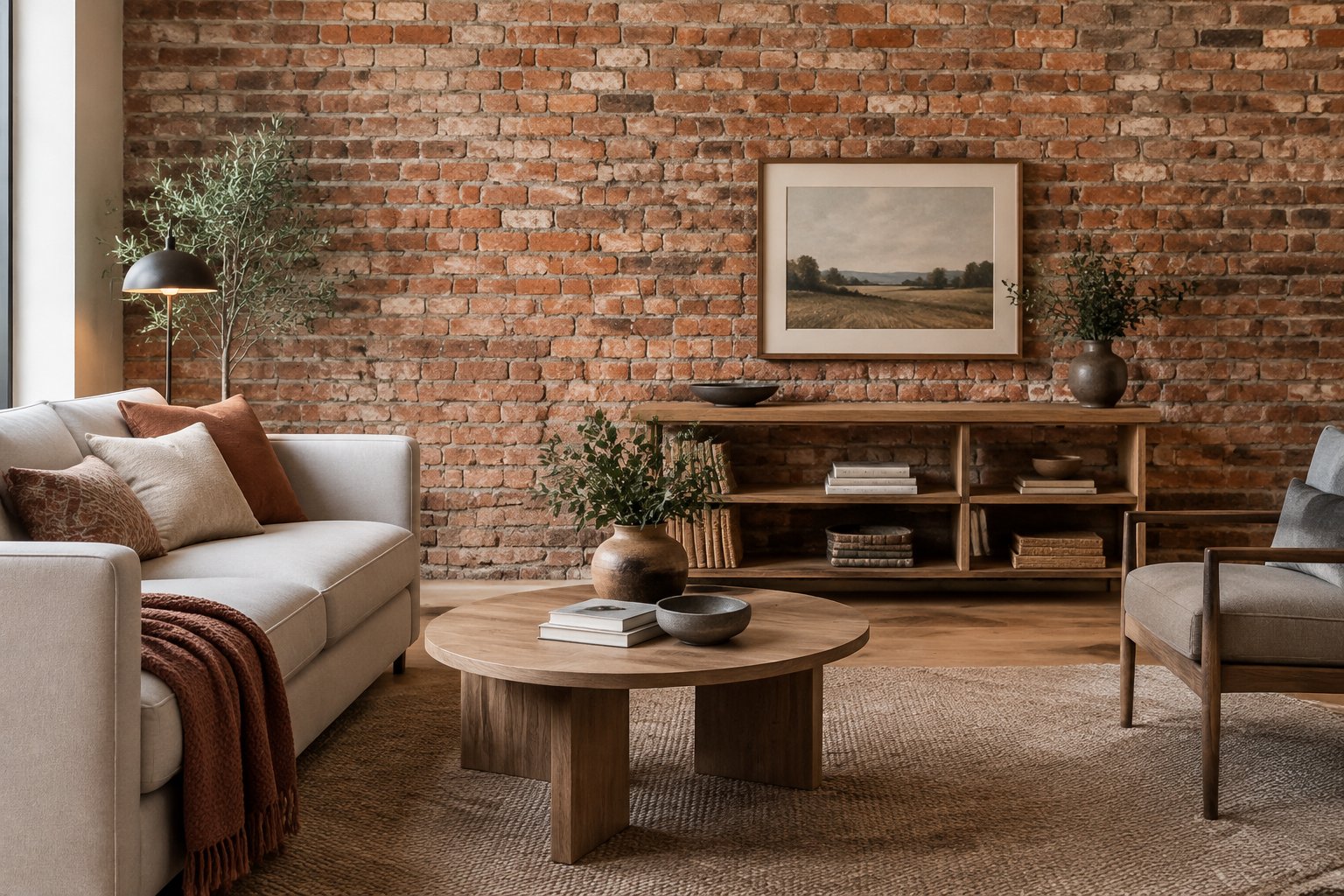
Homeowners gravitate toward reclaimed red brick for fireplaces and accent walls because the material brings warmth and history into a room. Soft Reds are especially popular here. Their irregular edges and muted tones create a focal point that feels like it has been part of the house for generations.
For interior walls and hearths, thin brick formats keep the authentic face while reducing structural load. Full-depth Soft Reds work well on a fireplace surround where the mason can build a traditional header and stretcher pattern.
Patios, Walkways, and Other Hardscape Applications
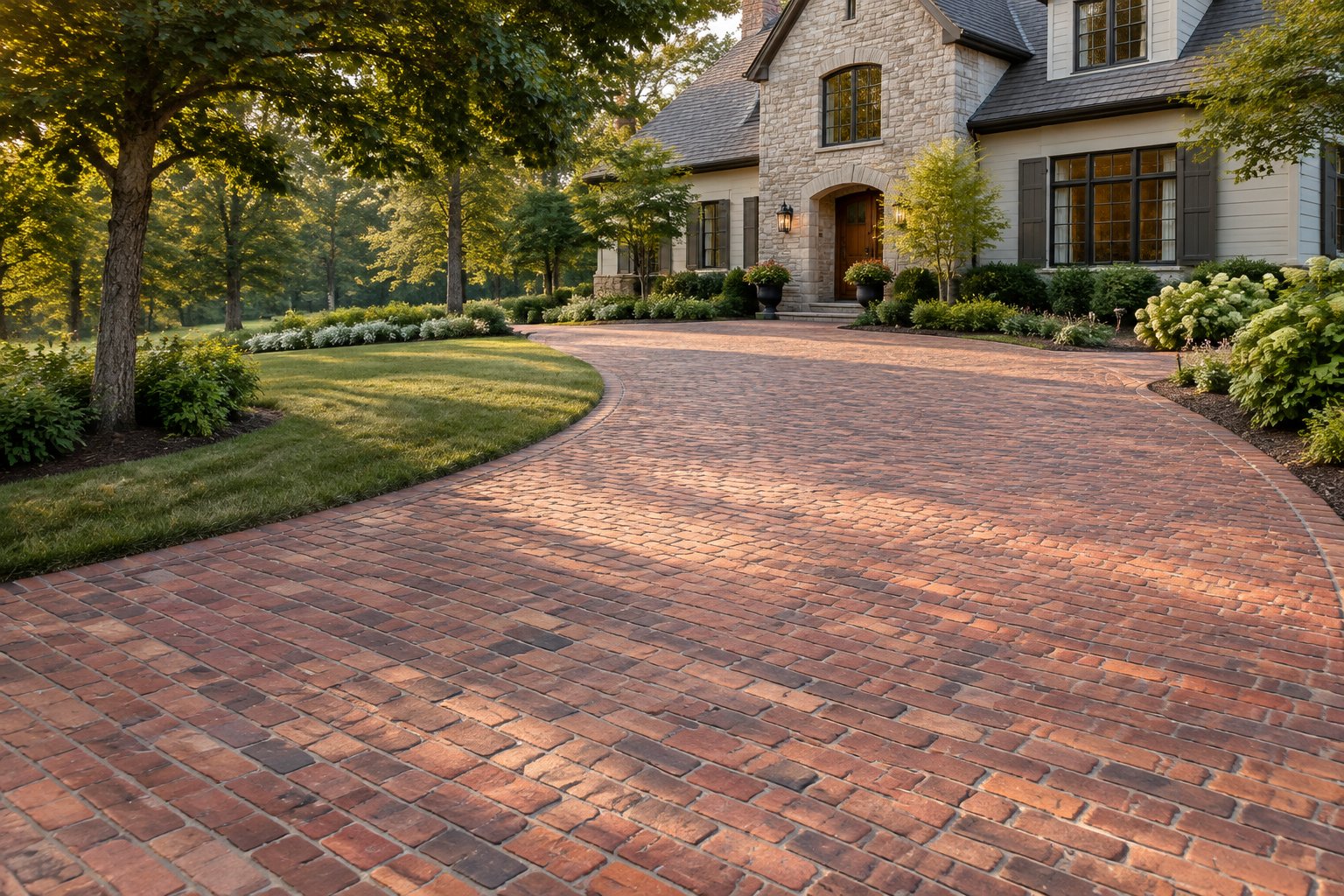
Outdoor hardscape is where St. Louis Reds and reclaimed paver patios earn their keep. Their density handles foot traffic, weather cycles, and ground moisture. A herringbone patio laid with St. Louis Reds develops a rich, layered look that improves with age.
Set on a compacted gravel base with polymeric sand joints, reclaimed pavers lock in tight and resist shifting. The dimensional variation between units creates subtle shadow lines that give the surface visual movement. Flat, uniform pavers cannot deliver this.
With the application decided, the final step is making sure your supplier can actually deliver what your project needs, on time and as described.
Choosing the Right Supplier for a Time-Sensitive Project
The supplier you choose determines whether your project stays on schedule or stalls waiting for material that may never match the sample.
Why Authentic Patina Matters in A. Hays Town-Inspired Design
A. Hays Town built his legacy on reclaimed materials, choosing brick and stone with real age and character over anything manufactured to imitate it. That philosophy still drives how architects and designers select materials for homes that feel timeless rather than trendy.
Authentic patina cannot be replicated in a factory. It is the mineral bloom, the fire marks, and the softened edges that only come from a century of use. When you spec brick for a project inspired by that tradition, the benefits of sourcing reclaimed materials go beyond aesthetics.
You are preserving material that would otherwise end up in a landfill and putting it back into a building designed to last another hundred years.
Questions to Ask Before You Place the Order
Before you commit, run through these questions with your supplier:
- What is the source age and region of this brick?
- How many bricks are currently in stock for this variety?
- What is the per-brick or per-thousand price, and does it include pallet costs?
- Can you send current photos of the available lot?
- What is the freight estimate to my delivery address?
- Are returns accepted, and what is the damage claim process?
These questions protect your budget and your timeline. A supplier who cannot answer them on the spot may not have the inventory or accountability your project demands.
When a Direct Phone Call Is Faster Than Email
Email works for documentation. It does not work for speed. A phone call lets you confirm stock, compare varieties, and lock in an order in a single conversation.
New Orleans Brick Co keeps its phone line staffed by people who know the yard. You can ask about current pallet counts for used and reclaimed brick, get a freight quote, and finalize your order without waiting for a reply chain. If your timeline is tight, that call is the fastest path to material on a truck.
Frequently Asked Questions
What's the price range per brick, and what does it work out to per 1,000?
Reclaimed red brick pricing depends on the variety, condition, and quantity ordered. Soft Reds start at $1.85 per brick and St. Louis Reds at $1.70 per brick, which works out to roughly $1,700 to $1,850 per thousand before freight. Call to get a current quote for your specific quantity and delivery address.
Do you have reclaimed red brick with real patina, and can I see current photos from the yard?
Yes. Every brick in inventory carries authentic patina from its original structure, including lime ghosts, fire flashing, and natural color variation. Request current yard photos by phone so you can see the exact lot available before ordering.
How do I figure out how many bricks I need for a patio, wall, or fireplace surround?
Measure the square footage of your surface area and divide by the face area of the brick format you are using. Standard reclaimed bricks cover roughly five to seven units per square foot for walls and about four to five pavers per square foot for flatwork. Add 5 to 10 percent for cuts and waste.
Can you deliver to my job site, and what are typical lead times for shipping?
Orders ship on pallets via freight carriers to job sites nationwide. Standard delivery is curbside. A truck can be on the road within 48 hours of paid invoice. Large orders may need two to three additional business days for preparation.
What's the difference between used, reclaimed, and new brick when it comes to strength and finish?
Used and reclaimed brick are the same material, salvaged from demolished structures and cleaned for reuse. They carry natural patina, dimensional variation, and proven durability from a century of service. New brick is uniform in size and color but lacks the surface character and environmental history of reclaimed material.
Do you stock smooth-face or larger-format brick, and how consistent is the color across a batch?
St. Louis Reds offer a smoother, more uniform face due to machine pressing. Soft Reds have a rougher, handmade texture. Color consistency varies naturally across every pallet because each brick weathered differently in its original structure. This variation is a defining feature, not a flaw. For installation guidance, dry-lay a section before setting to blend tones across the surface.
Get Your Red Brick Order Moving This Week
Soft Reds and St. Louis Reds each bring something different to the table. Your project type, exposure conditions, and design intent should drive the choice, not guesswork. With the specs, sourcing details, and shipping realities covered above, you have what you need to make a confident decision.
Ready to confirm what is in stock for your project size? Call New Orleans Brick Co at the number on the site and get a straight answer on availability, pricing, and freight to your address. If your timeline is tight, material can be on a truck within 48 hours of payment.