You have a fireplace surround to spec, a courtyard to lay before fall, or a facade that needs to match brick fired before 1900. The drawings are done. The crew is booked.
Then the supplier quotes eight months, and suddenly the whole schedule bends around a pallet of brick. That is the real problem with most vintage bricks for sale: the material exists, but nobody has it on the yard when you need it.
New Orleans Brick & Stone works the other way around. The Bourgeois family has spent nearly 40 years pulling brick and stone from buildings over a century old, cleaning it, testing it, and stacking it on pallets before anyone calls.
Pricing is per brick, so you can budget a 4,000-brick patio down to the dollar. Once an invoice is paid, a truck can be rolling within 48 hours to almost anywhere in the country. That approach comes straight out of the A. Hays Town philosophy: reclaimed materials, warm rooms, houses that look lived in from day one.
Keep reading to learn how to spot genuine historic brick, how Soft Reds, Hard Tans, Old Chicagos, and St. Louis Reds actually differ in hand and durability, where vintage brick pays off visually, and exactly what to confirm before you place the order. After four decades of handling this material, one thing holds true: the brick tells you what it is if you know where to look.
How to Tell Genuine Historic Brick From Modern Reproductions
Genuine antique brick shows the wear it has earned. Reproductions imitate that wear in a repeating pattern, and once you notice the repeat, you cannot unsee it.
Patina, Color Range, and Surface Irregularity
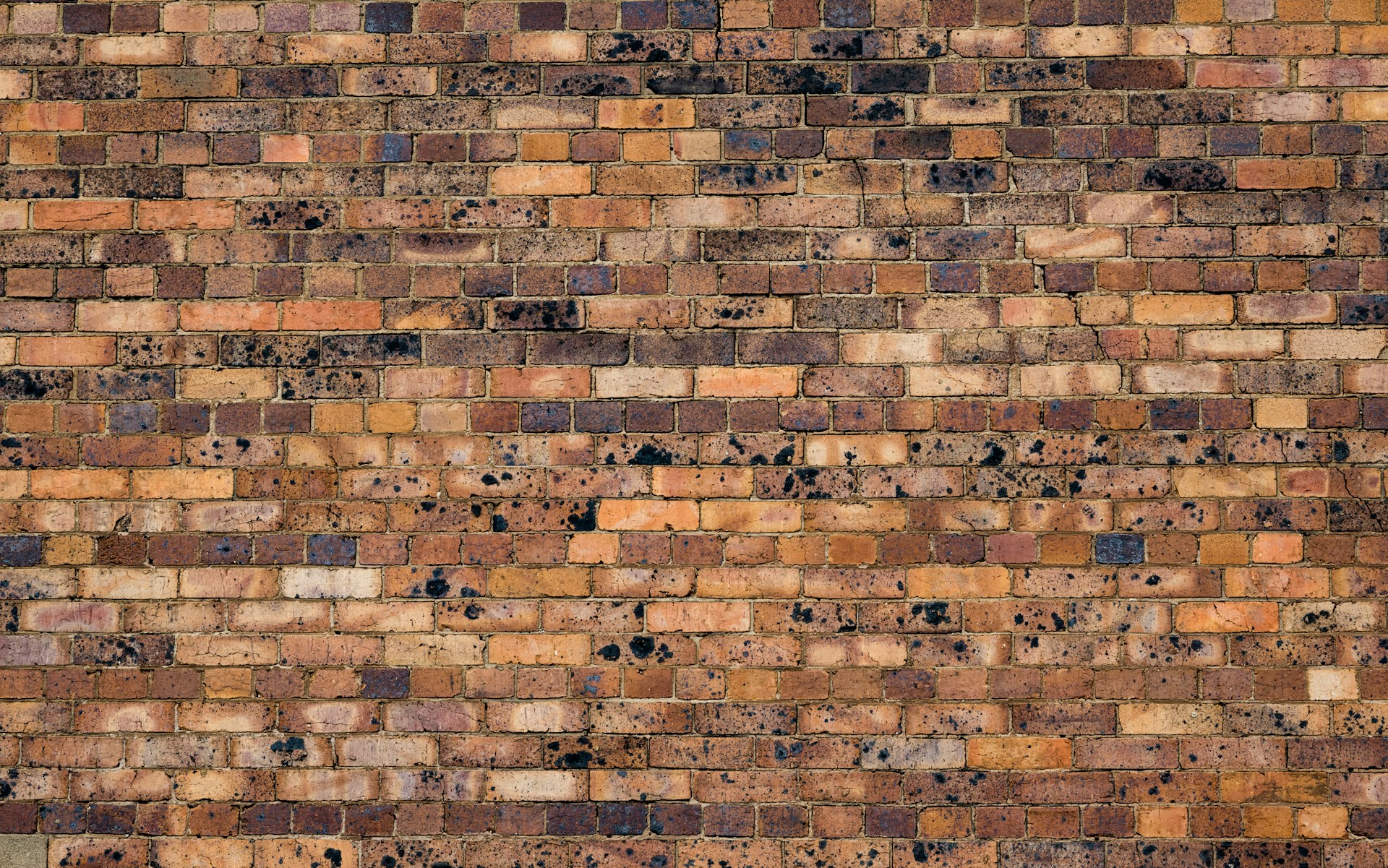
Real reclaimed bricks carry uneven patina: lime bloom on one face, smoke shadow on another, a chipped arris where a mason struck it 120 years ago. Color moves across a single brick, not just across the pallet. Modern tumbled brick fakes this with pigment applied after firing, so the color sits on top and rubs thin at the edges.
Dimensions are another tell. Pre-1900 handmade brick often runs 8 to 8 3/4 inches long and 2 1/4 to 2 3/4 inches thick, with no two exactly alike. Modern standard brick holds 7 5/8 by 3 5/8 by 2 1/4 within a sixteenth. If every brick in the stack measures the same, it was not fired in a beehive kiln.
What Salvage From Demolition Sites Leaves Behind
Brick pulled from demolition sites arrives with evidence. Look for these marks:
- Hard mortar residue in the frog or on one bed face, often lime-based and softer than modern Portland
- Old paint, whitewash, or soot on the face that once sat exposed
- Kiln flashing: dark purple or scorched patches from stack position
- Sand pit marks on handmade brick, left by the sanded wooden mold
Salvaged brick also comes in mixed condition because a wall does not weather evenly. A supplier who sorts by color, size, and structural integrity is doing the work that keeps mixed lots usable.
Why Reclaimed Building Bricks Carry a Different Visual Weight
Historic brick was fired hotter and longer in some parts of the kiln than others. This is why old brick buildings still stand while newer walls spall. That density reads in the wall. Light catches the varied faces at different angles, so a reclaimed wall looks deeper at ten feet than a new wall does.
The difference between reclaimed brick and new brick is not nostalgia. It is density, color range, and surface history that you cannot manufacture. Once you accept that, the next question is which variety fits your application.
Comparing Soft Red, Hard Tan, Old Chicago, and St. Louis Brick
Four varieties cover most projects, and they behave differently under load, water, and weather. Choosing by look alone is how patios fail.
Soft Red Brick for Weathered, Hand-Finished Character
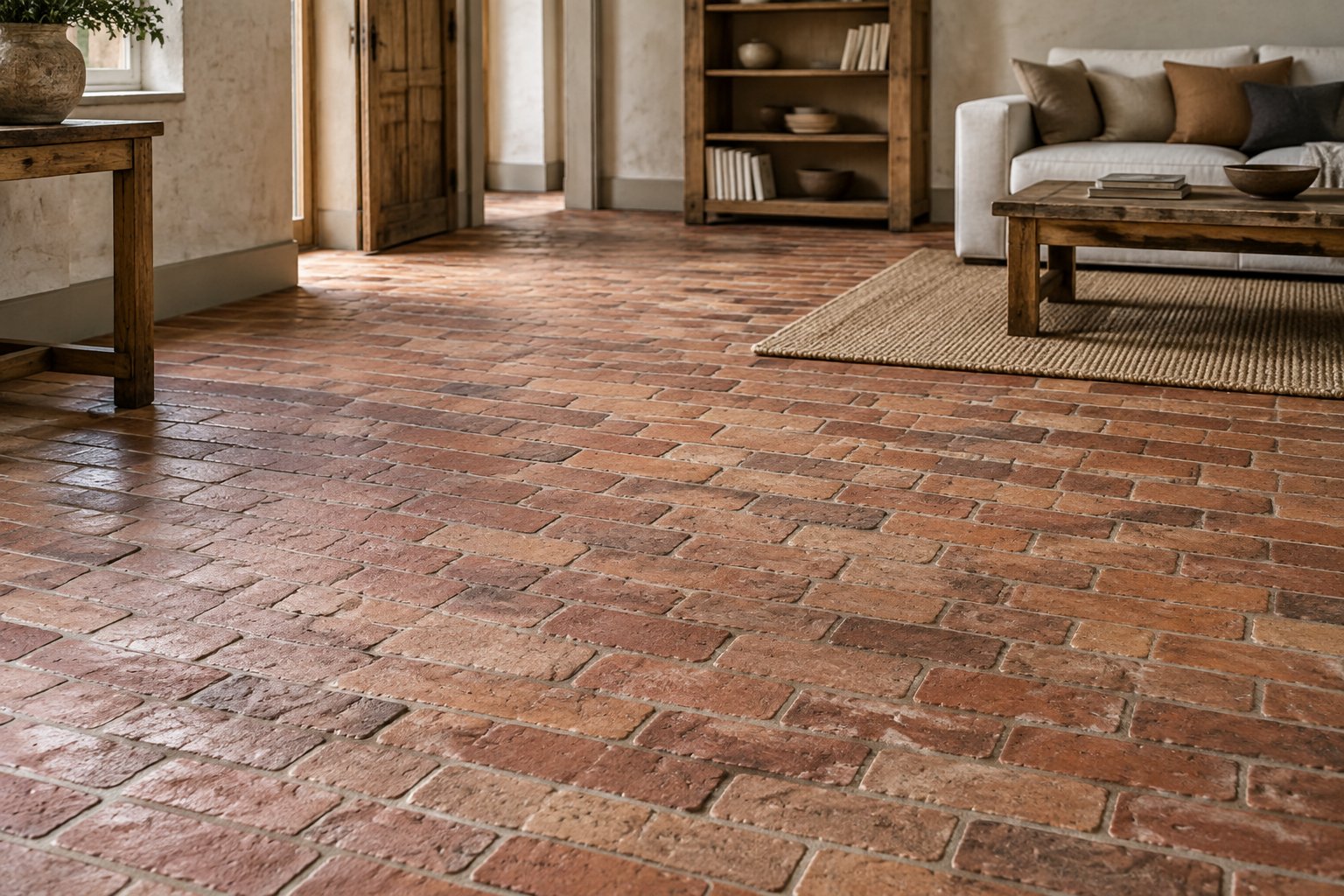
Soft Red reclaimed brick is the warmest of the group: earthy rose to deep rust, chalky texture, rounded corners from decades of rain. Most Soft Reds came out of pre-industrial or early machine kilns and were fired at lower temperatures, so they are more porous.
That porosity makes them beautiful and particular. Soft Reds shine on interior walls, fireplace surrounds, and covered exterior work. In hard freeze zones with standing water, specify a denser brick for paving instead.
Hard Tan Brick for Dense, Neutral-Toned Masonry
New Orleans Hard Tans are the workhorse. Higher fire temperature means lower absorption, tighter edges, and a buff-to-tan body that reads neutral against limestone, cypress, and cool paint colors.
Use Hard Tans where the brick takes abuse: driveway aprons, steps, exterior columns, and load-bearing garden walls. They also handle steam-cleaning better than soft brick during restoration.
Old Chicago Brick for Cream, Pink, and Darkened Variation
Old Chicago reclaimed brick blends cream, pink, salmon, and smoke-darkened faces in the same palette. It is the most tonally busy of the four, which is why designers reach for it when a new build needs to age immediately. Because the blend varies, order the full quantity in one lot. Pulling 500 more bricks six weeks later rarely matches.
St. Louis Reds for Crisp Edges and Strong Color
St. Louis Reds hold crisper arches and a stronger, more saturated red. They were machine-pressed from dense river clay, so they are hard, uniform in size, and forgiving to lay.
Quick way to choose:
- Heat and interior character: Soft Reds
- Traffic, freeze-thaw, structural: Hard Tans or St. Louis Reds
- Maximum color variation: Old Chicagos
- Tight, repeating pattern work: St. Louis Reds
With the variety settled, the question becomes where that brick earns its keep.
Where Vintage Bricks for Sale Make the Strongest Design Impact
Reclaimed brick pays off most where people touch it, walk on it, or sit near it. Those are the places where new brick reads flattest.
Fireplace Surrounds and Full Fireplaces
Soft Reds around a firebox give you the old-world look in one weekend of masonry. Keep genuine firebrick in the burn chamber and use reclaimed brick for the surround, hearth extension, and chimney breast. A standard surround runs 150 to 400 bricks, depending on the overmantel. Add 10 percent for cuts.
Interior Walls and Brick Veneer Features
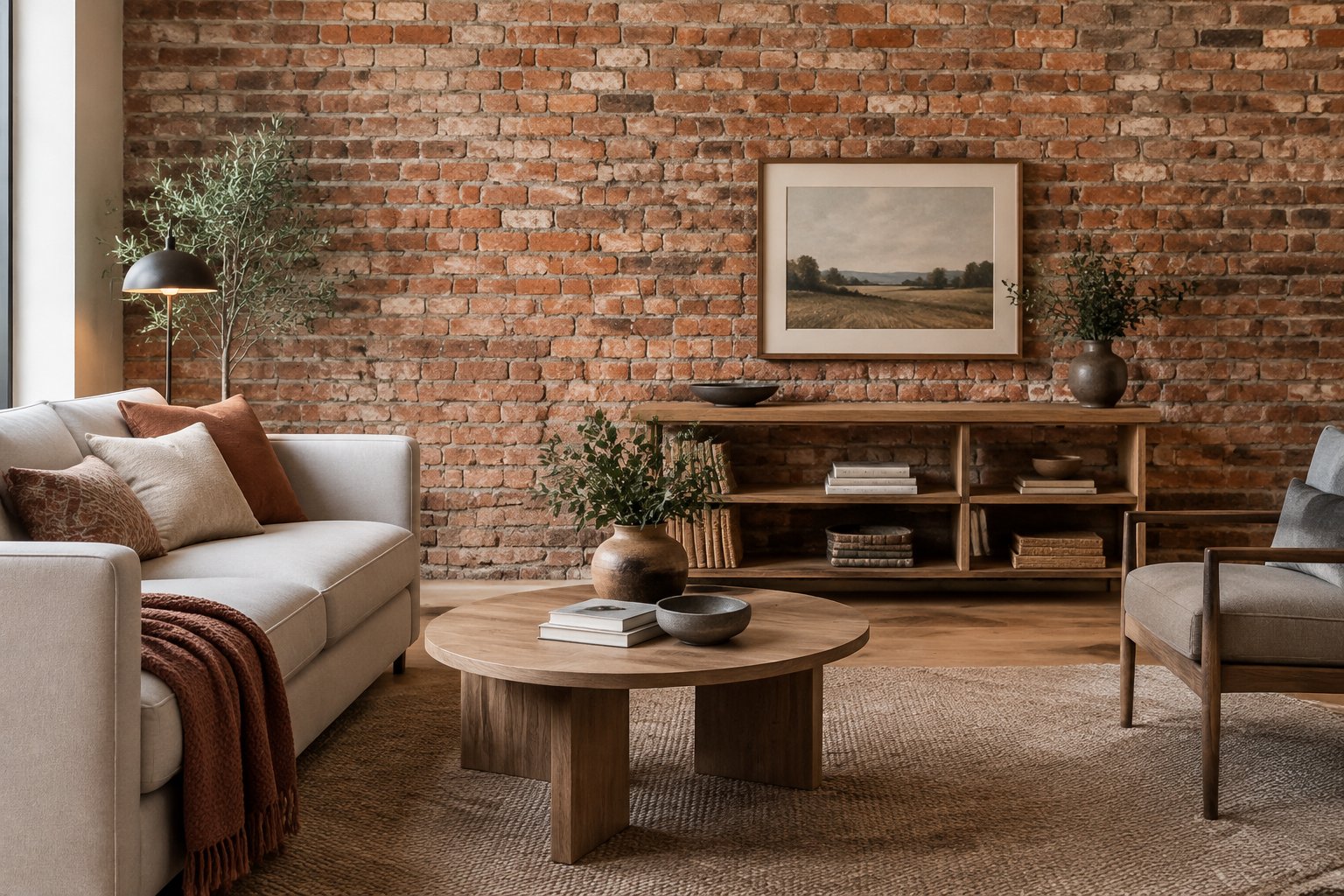
For interior accent walls, thin brick veneer is usually the right call. Sliced reclaimed brick runs roughly 1/2 to 3/4 inch thick, so you add character without losing 4 inches of floor space or adding wall load.
Full brick still wins in wide-open spaces with a slab underneath. Reclaimed brick cladding reads more honestly at corners, where thin brick needs a return piece to hide the slice.
Patios, Walkways, and Brick Pavers
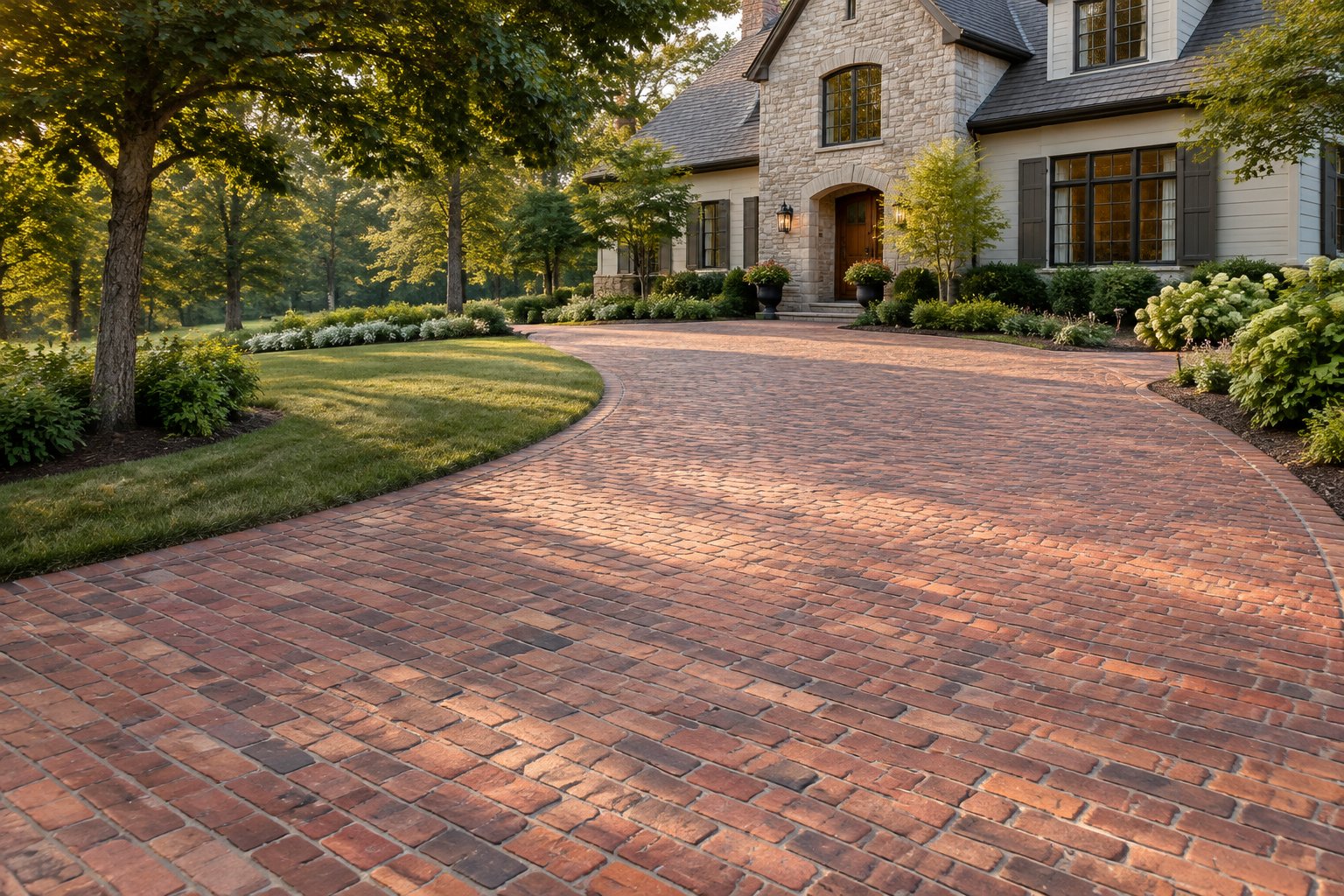
Reclaimed brick pavers laid on a compacted base and bedding sand handle patios well, and the color does not fade like concrete. As noted in brick paver guidance from This Old House, paving brick color comes from clay minerals, not surface dye, so it stays put over decades.
Figure about 4.5 bricks per square foot laid flat in running bond, more in herringbone reclaimed brick patio patterns because of the cuts. Plan drainage first. Standing water is what breaks soft brick, not traffic.
Cobblestone Driveways, Columns, and Retaining Walls
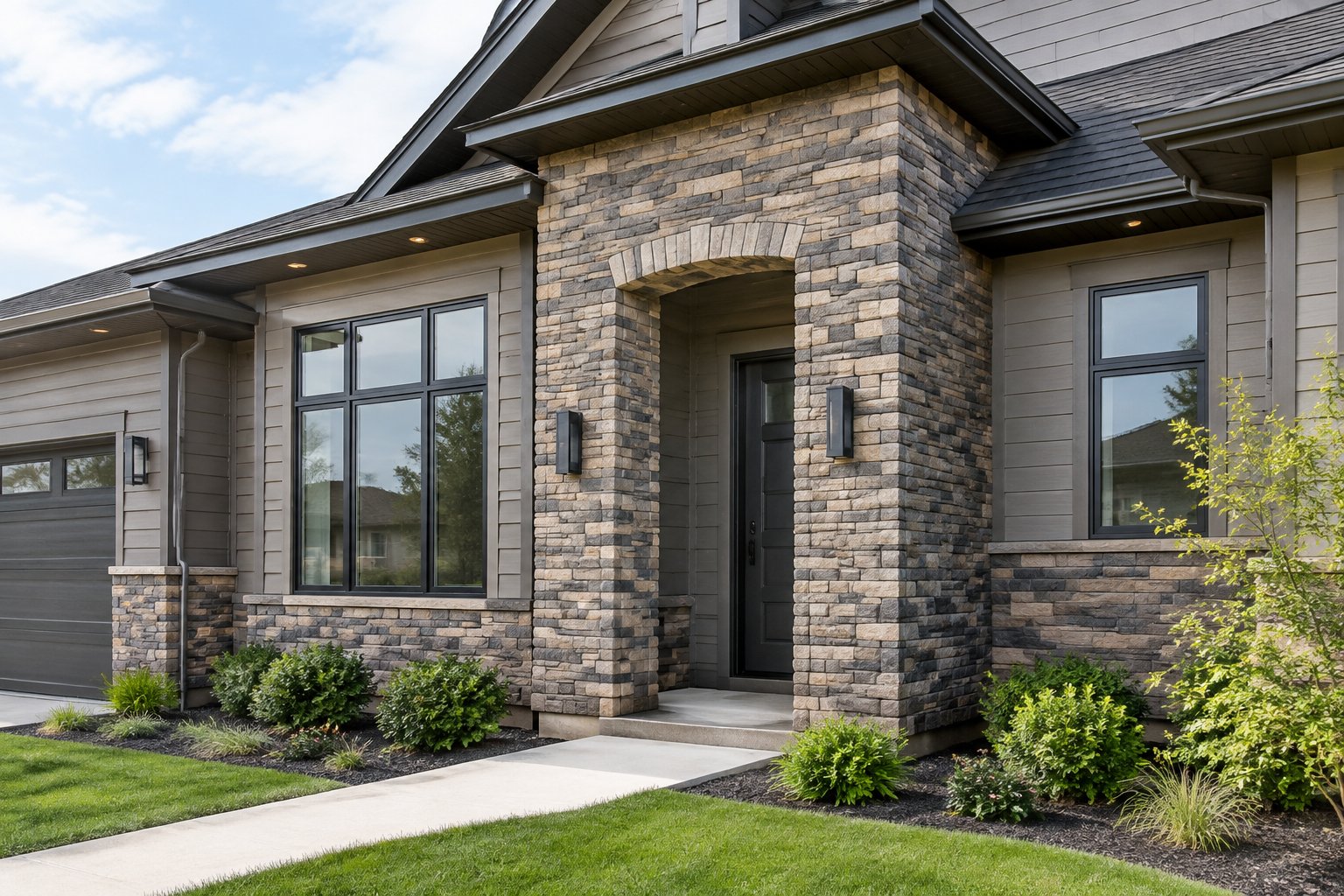
Driveways, columns, and retaining walls need the dense stuff. Hard Tans and St. Louis Reds hold up under vehicle load and lateral pressure, and reclaimed stone caps finish a wall cleanly.
Mix reclaimed brick with durable reclaimed stone for landscaping, and the whole yard looks like it has been there for fifty years. Before any of it gets ordered, a few details need confirming.
What to Confirm Before You Specify or Order
Five minutes of questions on the front end prevent a rejected pallet later. These are the ones that matter.
Structural Condition, Mortar Residue, and Intended Use
Ask how the brick was inspected and how much mortar remains. Light lime residue is fine and often desirable. Heavy Portland residue on bed faces can throw off your coursing and needs cleaning or grinding.
State the use plainly when you call: paving, veneer, load-bearing, or interior. Soft brick in a freeze-thaw driveway is the single most common mistake with antique bricks for sale.
Quantity, Blend Consistency, and Sample Approval
Count your square footage, then add waste: 5 percent for veneer, 10 percent for paving, 15 percent for herringbone or heavy cuts. Order it all at once so the blend stays consistent. Request a sample or clear photos of the actual pallet, not a stock image. Reclaimed lots vary, and that variation is the product, not a defect.
Per-Brick Pricing, Freight Costs, and Delivery Access
Per-brick pricing makes budgeting simple. Reclaimed brick commonly runs from under a dollar to a few dollars per brick, depending on variety, rarity, and volume. Reclaimed brick cost factors explain what moves that number.
Freight is calculated on weight, destination, and delivery needs. A pallet of full bricks weighs roughly 2,500 to 3,000 pounds, so confirm curbside access and whether the site needs a liftgate.
Lead Times and Pallet Delivery Requirements
Orders are typically prepared in 2 to 3 business days, and large or custom orders may need more. Delivery is curbside unless you arrange otherwise, so have equipment or hands ready. Inspect on arrival and note visible damage with the driver before signing. Knowing who you are calling matters as much as knowing what to ask.
Source Period-Correct Brick With Confidence
Authenticity depends on the person answering the phone. A supplier who can tell you which building a pallet came out of is a different animal from a marketplace listing.
Why Family Accountability and Material Knowledge Matter
Reclaimed brick has no barcode. The value sits in sourcing from historic buildings, verifying structural integrity, and sorting honestly.
The EPA notes that salvaging and reusing building materials keeps usable masonry out of landfills, which is why careful salvage matters beyond looks.
A family operation stakes its name on each load. That means straight answers about the condition and someone who makes it right when something is off.
Checking Live Inventory and Confirming a 48-Hour Shipping Timeline
Call before you spec. Ask what is on the yard today, in what quantity, and what the freight looks like to your zip code. Then you can commit to a start date instead of guessing.
Once payment clears, a truck can be on the road within 48 hours. Compare that to a 6- to 12-month quote. The benefits of sourcing reclaimed brick from held inventory become obvious fast.
Frequently Asked Questions
How Can I Tell Whether Reclaimed Bricks Are Truly Antique?
Look for uneven patina, mortar residue, kiln flashing, and irregular dimensions. Handmade bricks often measure 8 to 8 3/4 inches long, with no two identical. Perfect uniformity means modern manufacture.
What Do 100-Year-Old Reclaimed Bricks Typically Cost?
Reclaimed brick is usually priced per brick, commonly from under a dollar to a few dollars, depending on variety, rarity, and order size. Freight is separate and based on weight and destination. Higher volumes bring the per-brick price down.
How Many Vintage Bricks Do I Need for a Patio, Fireplace, or Wall?
Plan about 4.5 bricks per square foot for flat paving and roughly 7 per square foot for a single-wythe wall. A typical fireplace surround runs 150 to 400 bricks. Add 10 to 15 percent for cuts and breakage.
Are Reclaimed Bricks Suitable for New Construction and Restoration Work?
Yes, when matched to the application. Denser varieties like Hard Tans and St. Louis Reds suit paving and structural work. Softer brick fits interiors and covered exteriors. Choosing reclaimed bricks by use, not just color, is the key step.
Can You Ship Vintage Bricks to My Job Site, and How Quickly?
Brick ships nationwide on pallets by freight carrier. Orders are typically prepared in 2 to 3 business days. A truck can be on the road within 48 hours of a paid invoice. Delivery is curbside unless you arrange otherwise.
What Should I Inspect Before Buying Used Bricks for a Project?
Check structural soundness, mortar residue on bed faces, color range across the pallet, and consistency of size. Ask for photos of the actual lot. Guidance on used brick for sale covers what separates a usable lot from a pile of rubble.
Get the Brick on Your Schedule, Not Theirs
The material decision is usually easier than the timeline. Once you know whether your project calls for Soft Reds, Hard Tans, Old Chicagos, or St. Louis Reds, and you have counted square footage with waste factored in, the only real question left is what is on the yard today.
That is one phone call. Ask what is in stock, ask what freight runs to your zip code, and ask for photos of the actual pallet before you commit. You will get a straight answer from someone who has handled the brick, not a quote in three weeks.
Do not wait on a quote that takes weeks. Call New Orleans Brick & Stone at 225-284-7529 now to confirm availability and per-brick pricing today. Get a truck moving within 48 hours of payment.