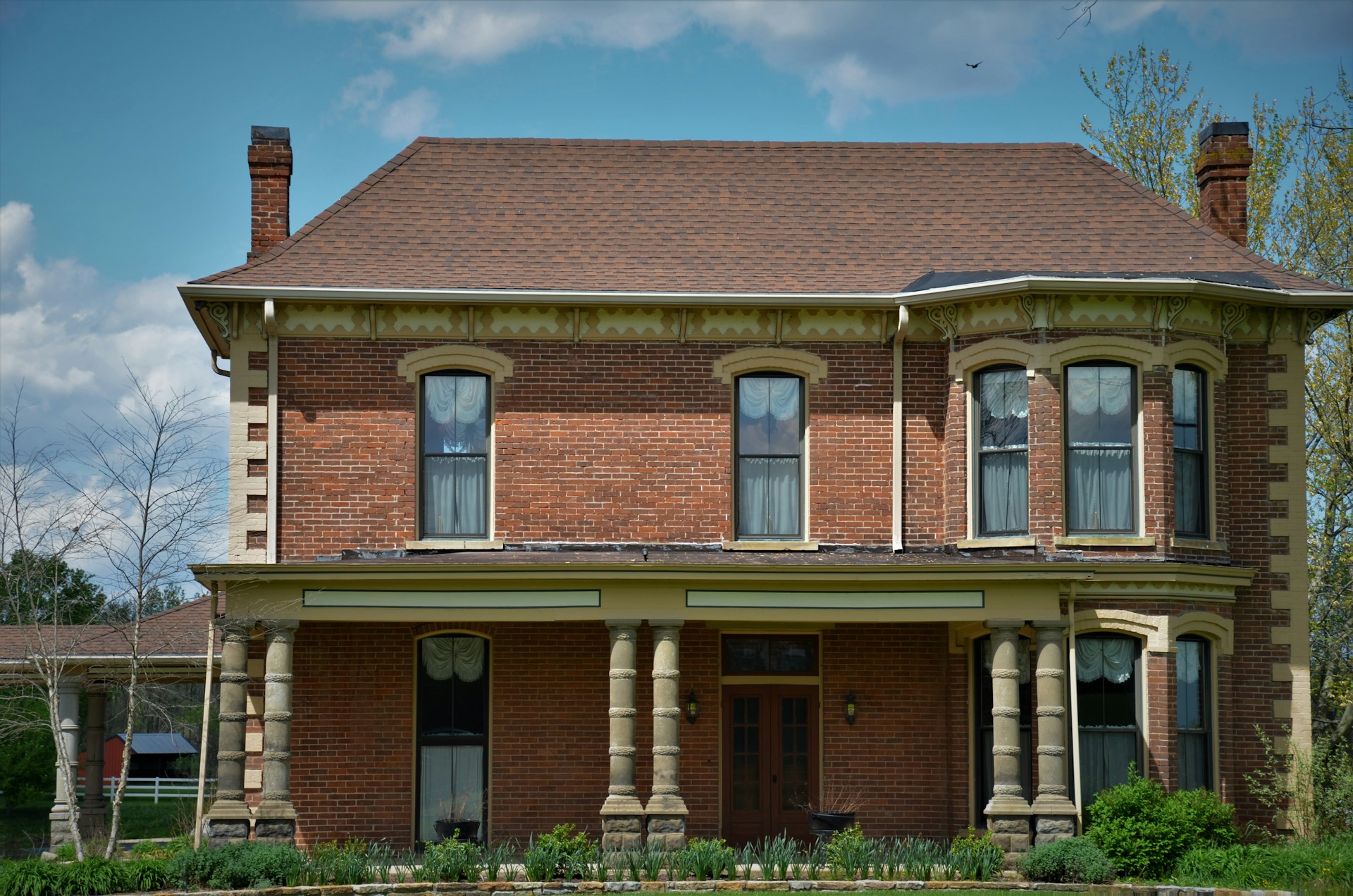
Most of the decisions that make or break an old house are material decisions, and most of them are locked in before anybody picks up a trowel. Record what the house is built from, repair original fabric wherever you can, and specify materials that match the old work on size, color, texture and mortar before demolition starts. Get that right and the new work disappears into the old.
Historic houses were built from softer brick, lime mortar, old-growth wood and natural slate, and every one of those behaves differently from its modern substitute. A wall patched with the wrong brick, or repointed with the wrong mortar, can look wrong on the first day and start failing within a few winters.
Before anything opens up
Photograph every elevation, every room, every detail. The brick bond, the mortar joints, the window sash, the trim profiles, the roof slate, the hardware. Measure a dozen bricks in different places, because antique brick varies even within a single wall and one measurement will mislead you.
Then sort what you have into two groups. The first is what actually defines the house: original windows, cornices, porch columns, fireplace surrounds, the brick itself. The second is later alterations with no historic value, which is where you have freedom to change things. That distinction is worth making explicitly and early, because it is the difference between a renovation and a gutting.
Your photographs become your reference when you order matching material, and your evidence when a review board asks what was there before.
Next, get the right person to look at it. An inspector or engineer who works on old buildings, not a general inspector, because pre-1940 houses were built with old-growth wood, lime-based mortar and foundations that do not follow modern logic, and a generalist will misread what they are seeing.
Look hardest at moisture, since water is behind most failures in old masonry: spalled brick, rotted sills, crumbling plaster. Find where it is getting in before you plan a single repair, because repairing the symptom and leaving the cause is how people spend the same money twice. The patterns in old brick buildings show a good mason where trouble has been developing for decades.
Test for hazards at the same time. Houses built before the 1970s frequently contain lead paint and asbestos, both of which need licensed professionals to remove or encapsulate, and testing early stops a crew disturbing them during demolition.
Then sequence the work, because sequence decides cost. Structure and the exterior envelope first to stop water. Wiring, plumbing and ductwork next. Finishes last, so nobody cuts into restored plaster or new brickwork to pull a cable. And order materials only once the scope is settled, because buying brick before the engineer has finished means either running short or holding pallets for a wall that no longer needs building.
Approvals, and what actually binds you
Listing on the National Register is an honor and a record, and on its own it does not stop a private owner spending private money to change the house. The real constraints come from local historic district ordinances, which can control exterior materials, windows, roofing and demolition.
Federal rules bite when federal money or tax credits are involved, at which point the Secretary of the Interior's Standards for Rehabilitation become regulatory rather than advisory. So check two things: your local district map, and whether you intend to claim any incentive.
Call your local preservation office before you design anything visible from the street. Staff will tell you what needs a certificate of appropriateness, how long review takes and what the board has approved before, and a short conversation at this stage routinely saves a redesign later. Boards tend to want the same things: repair before replacement, matching materials where replacement is genuinely needed, and work that could be undone by a future owner. They want real period-correct materials in brick, stone and slate, and they reject modern substitutes that only convince from across the street.
A strong review packet has three parts. Dated photographs of the existing condition with close-ups of what you plan to repair. Physical samples of the replacement brick, stone or slate set against the original. And written specifications covering brick size, color range, mortar mix and joint profile. Boards approve faster when they can hold the brick, which is a small detail that makes a disproportionate difference. Our specification support can turn your photographs and measurements into the language a board recognizes, and keep copies of everything because tax credit reviewers ask for the same records later.
Preserving and matching
Original windows are usually old-growth wood that will outlast anything sold today, and rotted sills and loose glazing are both repairable. A skilled restorer can rebuild sash, replace broken panes and fit weatherstripping with far less damage to the house than replacement causes. The same applies to trim, cornices and doors: patch with matching wood using a dutchman repair or an epoxy consolidant and replicate only what is genuinely beyond saving. Every original piece you keep is one that cannot be made again.
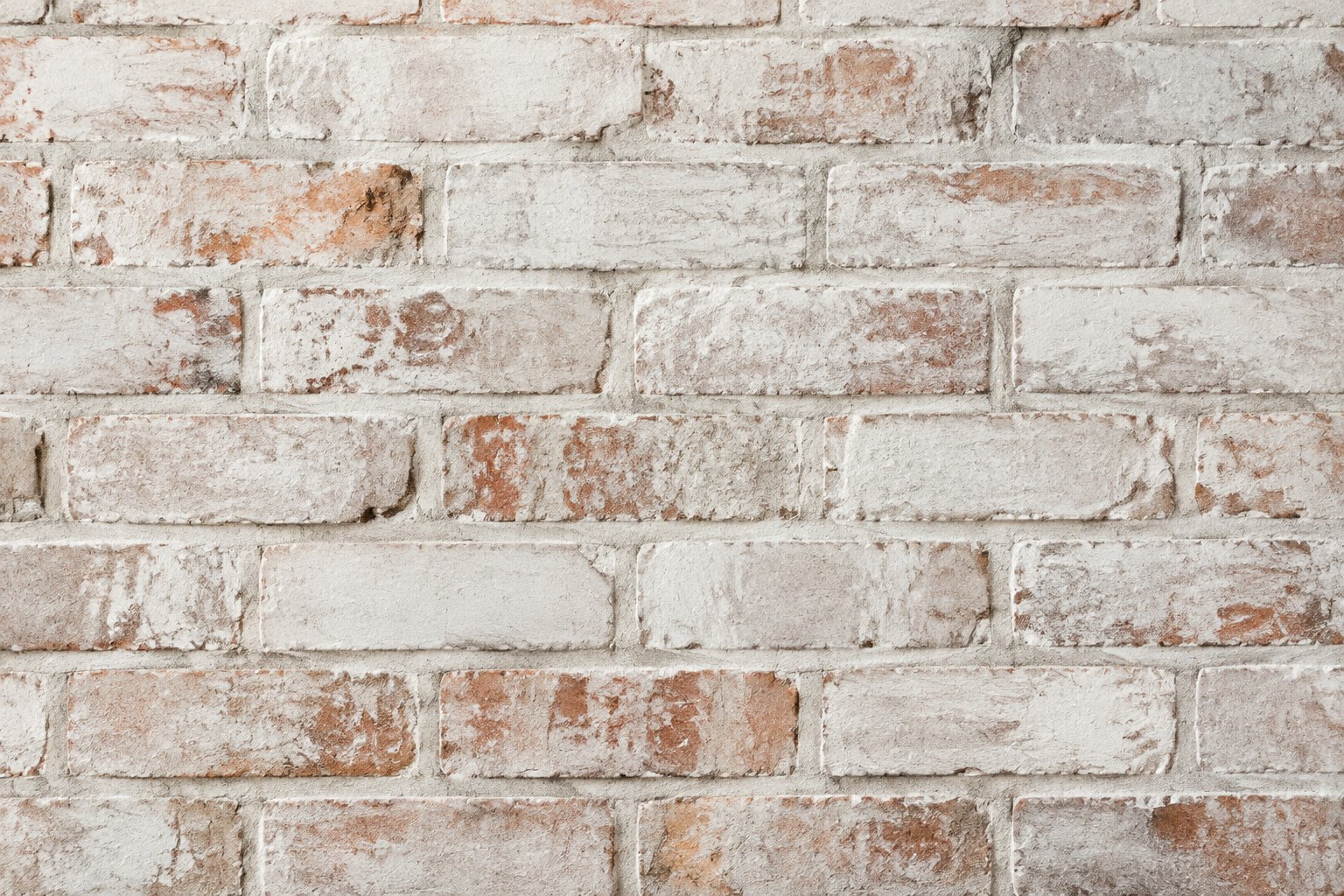
For brick, the match runs on four things. Size first, because pre-1900 brick is smaller, softer and more irregular than modern modular, and matching the color at the wrong size means the courses will not line up and the patch reads wrong from the pavement. Measure length, width and height across several units. Color range second, because an old wall is a blend of shades rather than one color, so match the spread. Texture third, since handmade brick has creases and soft edges while machine-made reclaimed brick is crisper. Mortar fourth, and its color, sand and joint profile shape how the wall reads as much as the brick does.
Reclaimed antique brick from structures built roughly 1870 to 1940 already carries weathering no new brick can fake, and our blends run from about $1.70 a brick for St Louis Red through $1.85 for Soft Red and Old Chicago to $2.00 for New Orleans Hard Tan. There is more in matching reclaimed brick for a renovation when your wall sits awkwardly between two blends.
Stone and slate follow the same rule: match the type, finish and scale of what is already there. A limestone sill wants limestone. A flagstone walk wants stone of similar thickness and surface wear. For roofs, salvaged Vermont, Welsh and Pennsylvania slate is common in sizes from 18 by 10 inches through 24 by 14, and good salvaged slate is ring tested before it ships, since a sound slate rings when tapped and a cracked one thuds. It sells by the square or by the piece for repairs, and larger roof scopes go to a dedicated reclaimed roofing and slate operation within the same family of businesses.
Never approve a match from a screen. Send a photograph taken in daylight with a coin or a tape in the frame, or post us a loose brick, and we will get physical samples to you in about two business days, free to the trade. Set them against the original wall in daylight and look from the street as well as up close, and bring your mason into the decision so they can confirm the brick suits the mortar and joint you are planning.
Once you approve, reserve the full quantity plus a waste allowance, because reclaimed brick varies within a pallet and a second order months later will come from a different building and will not match.
The four mistakes you cannot undo
Hard cement mortar on soft brick. Mortar is supposed to be the weak link, with soft lime letting moisture escape through the joint so the joint wears away instead of the brick. Portland-rich cement reverses that, and the water leaves through the face of the brick instead, blowing it off when it freezes or carries salts. Spalling can start within a few freeze cycles and a spalled brick cannot be repaired, only replaced. Tell your mason in writing that the mortar must be softer than the brick.
Sealers and film-forming coatings. They promise protection and deliver trapped water, which builds behind the coating and pushes salts and ice against the brick face from the inside. Old brick needs to breathe, and if you want a finish, choose one that lets vapor pass. The trade-offs in sealing reclaimed brick apply with more force to a hundred-year-old wall than a new one.
Sandblasting and pressure washing. Brick has a hard outer skin formed in the kiln, and both strip it away and expose the soft core, after which the brick drinks water and breaks down quickly. Clean with the gentlest method that works, starting with low-pressure water and a soft brush and moving to a masonry cleaner tested somewhere hidden. Soft pre-1900 brick is most at risk and least forgiving.
Modern modular brick in an old wall. It looks close in a catalog and wrong on a wall. Different height, so the courses drift. Flat color, sharp edges, and frequently harder than the brick around it, which stresses the older units. The patch is permanent unless somebody cuts it out and starts again. The old red brick restoration guide covers what to look for when your wall is a common red.
Budget and logistics
Bring in a preservation architect early, before the design is finalized, because they know the Standards, speak the review board's language and can write specifications that survive scrutiny. Pair them with trades who have worked on houses of your home's era.
Ask any mason three questions: what mortar they would use, how they would remove the old joints, and whether they have worked with lime. If the answers are Type S, an angle grinder and no, keep looking. Architects frequently use architect-focused sourcing to confirm what stock is actually available before writing it into drawings, which avoids specifying something nobody can supply.
Split the budget into material, labor, freight, permits and design fees, and a genuine contingency, because old houses hide problems and that contingency is money you should expect to spend rather than hope to keep. Get a freight quote alongside your material quote, since brick is priced on weight and destination. And expect skilled masonry and window repair to be the largest lines by some distance, well above the cost of the brick itself.
Confirm any incentives before work starts, because most programs require approval first. The federal rehabilitation credit applies to income-producing buildings, so a primary residence does not qualify on its own, though some states and cities run their own credits, grants or property tax relief that do cover owner-occupied homes. Keep invoices, photographs and material records from day one either way.
Finally, plan the delivery around your crew rather than the other way round. Much of the trade quotes six to twelve month lead times, where we hold stock on pallets and can have a truck moving within 48 hours of a paid invoice. Delivery is curbside unless arranged in advance, so have a forklift or a crew ready, inspect the pallets on arrival and note any damage with the driver before signing. Store brick on level ground off the soil, covered on top and open at the sides so air can move through it.
Decide the materials before the demolition
Document what is there. Find the moisture. Get the review board onside before anything comes down. Keep original windows and details wherever they can be repaired. Match brick on size, color range, texture and mortar, specify mortar softer than the brick, and keep sealers, sandblasters and modular patches away from the building entirely.
Then approve real samples and order the whole quantity at once.
Call the New Orleans office on 225-284-7529 or email hays@bourgeoismaterials.com with photographs of your wall, and we will tell you honestly what we can match before you commit to a scope.
Frequently asked questions
Can I renovate a house on the National Register?
Yes. The listing alone does not restrict a private owner, though a local historic district ordinance often does, and tax credits or federal funding bring the Secretary of the Interior's Standards into play. Check with your local preservation office before changing anything outside.
What does a historic renovation cost?
It depends on condition, size and level of finish, and skilled labor is the largest line in most budgets. Materials are far more predictable, with reclaimed brick running about $1.70 to $2.00 each. Build in a real contingency for what turns up once the walls are open.
Are grants available for owner-occupied homes?
Some, mostly from state and local programs. The federal rehabilitation credit applies to income-producing property, so a primary residence does not qualify on its own. Your state historic preservation office can tell you what exists where you live.
How do I find brick that matches my wall?
Measure several bricks, then send a daylight photograph with a coin or tape in frame, or better, a loose brick. A proper match covers size, color range, texture and mortar, and you should always approve physical samples against the wall before ordering.
Should I replace original windows for efficiency?
Usually no. Repair them and add storm windows, which closes most of the efficiency gap. Original sash is often old-growth wood that outlasts modern replacements, review boards favor repair, and weatherstripping and reglazing fix most drafts for a fraction of the damage.