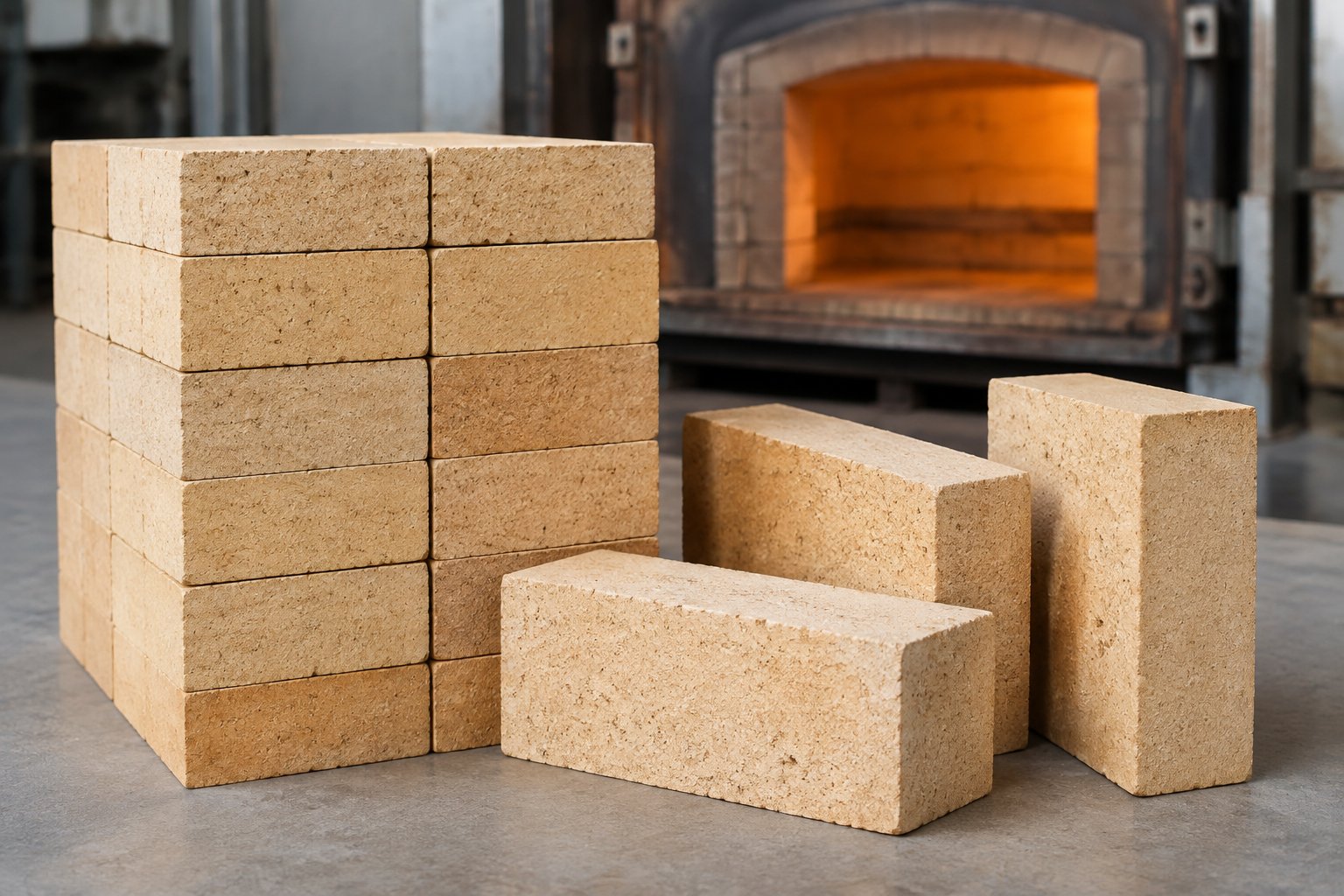
Your fireplace plan is at the point where you have to order material. Maybe the mason is booked, the drawings are nearly final, or you have found a pallet of old brick that looks right. Before you buy fire bricks for sale, you need to confirm one thing: the firebox itself needs a true refractory firebrick with published heat specs, and reclaimed brick belongs on the surround, hearth, and chimney breast around it.
That split is where most buying mistakes happen. Keep reading to learn how to check a firebrick's specs, when code or a fireplace pro should weigh in, how thick your lining should be, and what to confirm before a pallet ships. A brick that looks old is only old. It still has to be the right brick for the job.
Check Firebox Suitability Before You Buy
A brick is suitable for a firebox only when it is made and rated for direct flame and repeated heating and cooling. Look for that proof before you look at color or texture. Firebrick is made from fire clay that is high in silica and alumina, and it is fired hotter than common brick to resist heat and thermal shock.
Common clay brick behaves differently. It is not built for the fast heat swings inside a wood fire, and over time it spalls, cracks, and flakes. Whether a brick suits a firebox depends on that specific product's verified rating. A firebox lined with the wrong brick will look fine for a season or two, then start shedding its face.
What to Check in Fire Bricks for Sale
Start with the listing or the quote sheet. A real fire brick product will state what it is and what it is rated for. If you cannot find that information, ask for it in writing.
Check these points on every product:
- Product type: dense firebrick, insulating firebrick, or a split (thin) firebrick
- Heat rating: a stated service or operating temperature
- Standard: reference to ASTM C27 grading, such as medium duty or high duty
- Size: a standard full firebrick measures 9 x 4.5 x 2.5 inches
- Maker and origin: a named manufacturer you can look up
- Mortar match: a refractory mortar rated for firebox use
Firebrick is often yellow or buff, but some runs are red. Color alone tells you nothing about heat resistance.
Which Heat Ratings and Product Specifications Matter?
Two numbers do most of the work: the temperature rating and the alumina content. Firebricks are graded by alumina, which ranges from about 18 percent up to 90 percent. More alumina makes a denser brick that handles higher heat.
A residential wood-burning fireplace does not need the top grade. Medium duty firebrick is a common choice, and many medium duty products carry a 2,700°F operating rating. That leaves a wide safety margin over a household wood fire.
The International Residential Code, which many US areas adopt, calls for firebrick meeting ASTM C27 or ASTM C1261. It also calls for back and side walls at least 8 inches thick, counting a firebrick lining at least 2 inches thick. Your local version may differ, so treat those figures as a starting point.
When Should You Check Local Code or Consult a Fireplace Professional?
Check local code before you order if you are building a new masonry fireplace, relining an old one, or adding an insert. Those jobs usually need a permit and an inspection. The inspector will want to see a listed firebrick and refractory mortar.
Call a mason or certified chimney pro when you see cracked or crumbling firebox brick, loose joints, or gaps in the walls. On an 1888 firebox restoration, the mason noted that heat-resistant firebrick is code in fireboxes. He also kept sound original sidewalls in place. That kind of call takes someone standing in front of the fireplace.
A pro inspection also covers the flue, damper, and crown. A chimney inspection before winter looks at all of these, and the report tells you what the lining needs. Once you know what the firebox requires, the next question is where your reclaimed brick fits.
Refractory vs. Reclaimed Brick: Where Each Belongs
Refractory firebrick goes where the flame touches. Reclaimed brick goes everywhere the eye lands. Almost every good historic fireplace uses both, and the line between them sits at the firebox opening.
Why Patina Does Not Establish Firebox Safety
Patina comes from weather, soot, mortar, and a century of use. It is a record of where a brick has been. It says nothing about the clay body, the firing temperature, or how the brick handles thermal shock.
Most reclaimed brick came from walls, not fireplaces. Soft Reds are lower-fired and porous, which is lovely indoors and wrong in a firebox. Even hard-fired Old Chicagos and St. Louis Reds were made as building brick. Without a maker's stamp and a verified rating, you have no way to prove a salvaged brick is refractory.
That is why our own fireplace and feature wall guidance draws a hard line: firebrick and refractory mortar inside, reclaimed brick outside. The reclaimed brick vs. new brick comparison covers density and surface, but neither type replaces a rated firebrick.
Where Can Reclaimed Brick Add Historic Character?
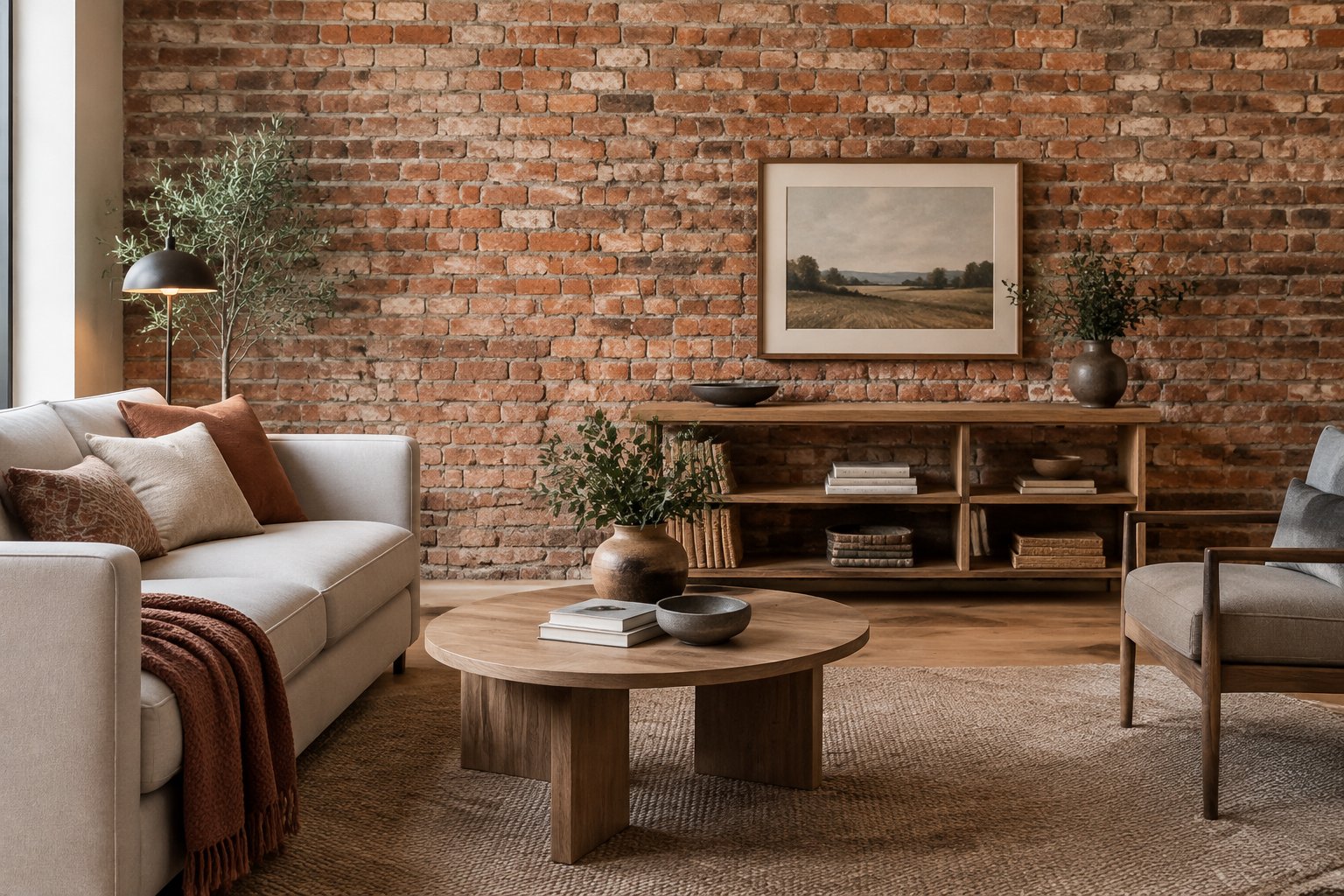
Put reclaimed brick on the surround, the hearth face, the hearth extension, and the chimney breast. These spots get warm but never see direct flame. A surround or single feature wall is usually under 200 square feet, which is one to two pallets.
Plan on about 6.75 bricks per square foot. Standard reclaimed face brick runs roughly 7 3/4 to 8 1/4 inches long, and Soft Reds sit near 8 x 2 1/4 inches on the face. Set them in a softer, lime-rich mortar with a slightly recessed joint. Hard mortar will damage antique brick over time.
If the framing cannot carry full masonry, use thin brick cut to about 1/2 to 3/4 inch. It weighs 5 to 7 pounds per square foot and keeps the original face. For a stone look, reclaimed stone fireplaces and reclaimed European stone work on surrounds and mantels. Reclaimed flagstone makes a strong hearth extension.
With the surround settled, you still need the right firebrick for the burn chamber.
Match Firebrick to a Wood-Burning Fireplace
For a wood-burning fireplace, choose dense firebrick. Its high thermal mass stores heat and radiates it back into the room. It also stands up to logs, grates, and pokers.
Dense Firebrick vs. Insulating Firebrick
Dense firebrick is heavy, hard, and built for heat retention and abrasion. It is the standard lining for fireplaces, pizza ovens, fire pits, and smokers. A full 9 x 4.5 x 2.5 inch dense brick has real weight in the hand.
Insulating firebrick, sometimes called soft fire brick, is light enough to carve. It holds heat back from the shell and is used in kilns and industrial furnaces. It is too soft for a wood firebox, where logs and tools would chew up the face.
Some stoves use insulating panels as a backer. If you are not sure which type your appliance calls for, go with the maker's instructions.
How Thick Should Replacement Firebrick Be?
Full firebrick laid flat gives you a 2.5 inch lining, which meets the common 2 inch minimum. Splits run about 1 1/4 inches thick. They work well for relining when the backup masonry is already thick enough, but they may not satisfy code on a new build.
Match your existing lining when you repair. Measure a sound brick in place and count the courses. On the top courses, a mason can tip the brick forward to create a Franklin curve that throws more heat into the room.
Does Used or Antique Firebrick Have Verifiable Specifications?
Sometimes, but rarely. Some old firebricks carry a stamped maker's name, which lets you trace the product line. Unstamped antique fire brick has no paper trail, and a century of heat cycles may have weakened it.
Reusing sound original firebrick in its own fireplace is common in restoration work. Buying loose used firebrick for a new firebox is riskier. If a seller cannot tell you the maker, grade, and condition, treat it as decorative brick. That leads straight into what to confirm before an order ships.
Confirm Quantity, Condition, and Delivery Before Ordering
Get your counts, photos, and freight details settled before you pay. A clear order prevents a short delivery or a mismatched lot when the mason shows up.
What Measurements and Photos Help Confirm a Match?
Measure the firebox back, sides, and floor in inches, then add 10 to 15 percent for cuts and breakage. Measure one existing brick on all three sides. For the surround, measure the wall area in square feet and multiply by 6.75.
Send your supplier:
- A straight-on photo of the whole fireplace
- A close-up of one brick next to a tape measure
- A shot of the mortar joints and any stamps
- Photos of any cracked or missing pieces
Ask for current lot photos and a sample back. Reclaimed lots change as buildings come down. The pallet photographed in spring may be gone by fall. Tips on how to choose reclaimed bricks cover face condition, chipping, and color spread. Architects can lean on specification support to name the exact variety.
What Should You Ask About Stock, Freight, and Lead Time?
Ask how many bricks of your variety are on the yard today and whether the order comes from one lot. A standard pallet holds 500 to 550 full bricks. Pricing is usually per brick, and the reclaimed brick cost guide explains how variety, cleaning, and freight add up.
Freight charges depend on weight, destination, and delivery needs. Delivery is curbside unless you arrange otherwise, so plan for a forklift or a level drop spot. Inspect on arrival, note damage with the driver, and report problems with photos within 5 business days.
Orders are usually prepared in 2 to 3 business days. At New Orleans Brick & Stone, a truck can be on the road within 48 hours of a paid invoice when the stock is on hand. Large or hard-to-find orders may need custom sourcing and extra lead time. Sales on reclaimed brick are final for color, weathering, and size, so confirm those before you pay.
Choose Verified Firebrick and Place Reclaimed Character Where It Belongs
Buy rated firebrick for the firebox and save the century-old brick for everything around it. Check the heat rating, the ASTM grade, and the thickness. Then bring in a mason or inspector when code applies.
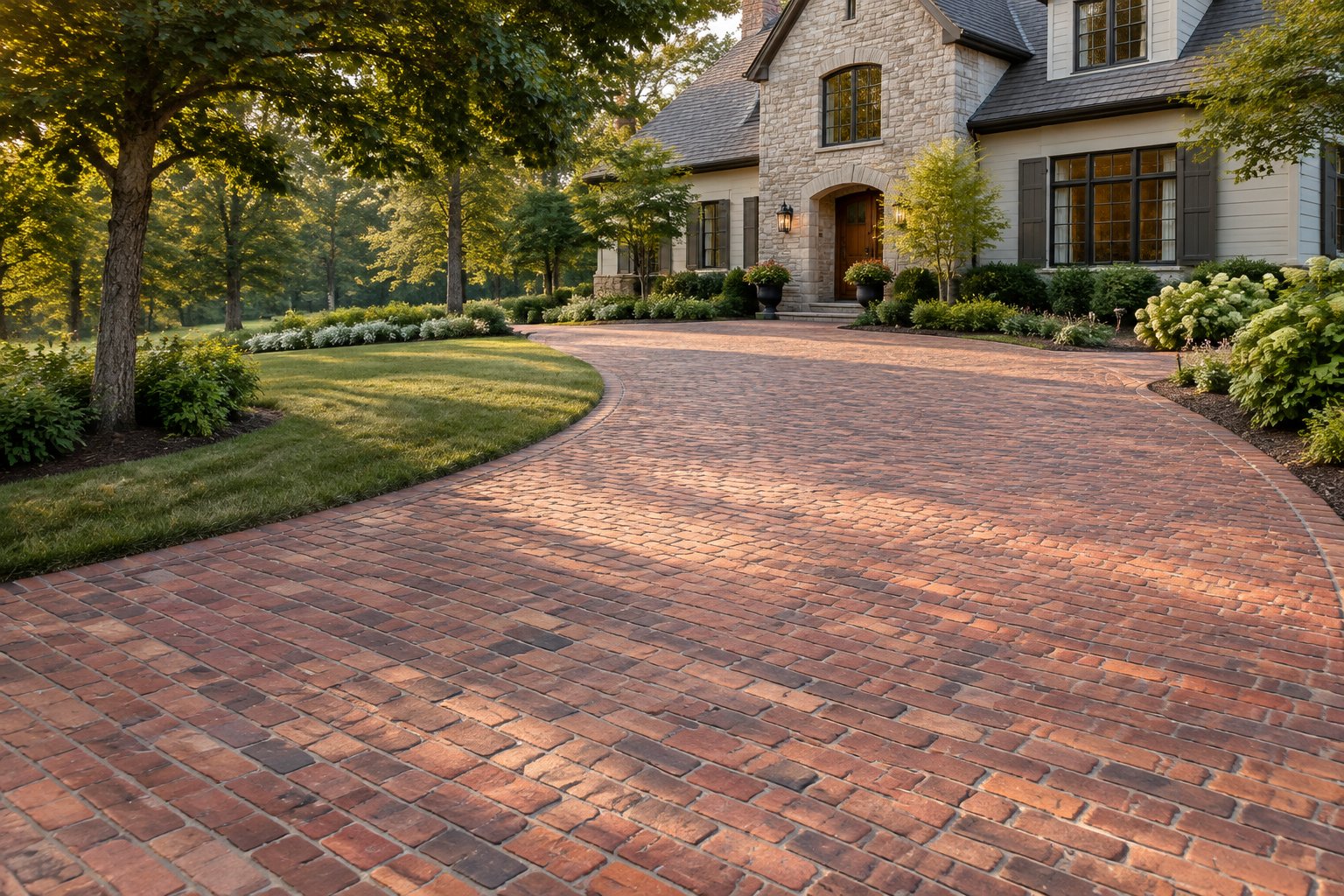
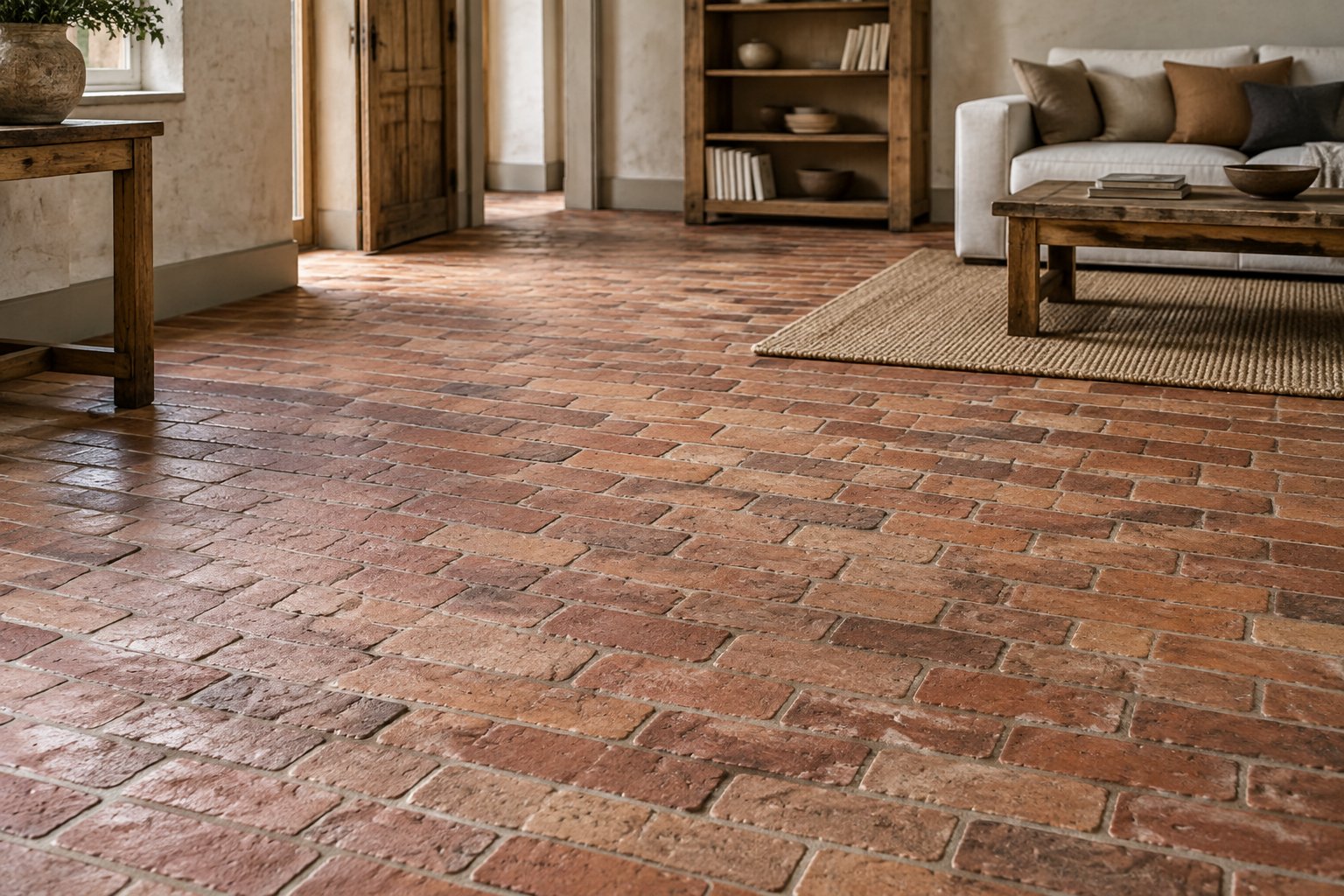
The rest of the house can carry the same character. Many owners carry the look outside with reclaimed brick pavers, a herringbone brick patio, or reclaimed brick flooring in the kitchen. Restoration teams pair the fireplace with historic restoration brick and reclaimed slate roofing over the chimney. You can browse all reclaimed materials or read about reclaimed clay bricks first.
Call New Orleans Brick & Stone at 225-284-7529 to find out what is in stock. For in-stock material, a truck can be on the road within 48 hours of a paid invoice. You will talk to someone who knows these materials and can tell you plainly what belongs in your fireplace.
Frequently Asked Questions
Can You Use Any Brick as a Fire Brick?
No. A fire brick is made from fire clay and rated for high heat and thermal shock, while common brick can spall and crack in a firebox. Use brick that states an ASTM C27 grade or a heat rating.
Can Reclaimed Brick Go Inside a Wood-Burning Fireplace?
Reclaimed building brick should not line the firebox unless its maker and rating are verified. Use it on the surround, hearth, and chimney breast. The benefits of reclaimed brick show up best in those spots.
What Can I Use Instead of Firebrick in a Firebox?
Codes allow some approved linings, such as listed refractory panels for certain stoves and inserts. Follow the appliance maker's instructions and your local code. For an open masonry fireplace, dense firebrick in refractory mortar is the standard answer.
How Thick Do Fire Bricks Need to Be for a Fireplace?
Many codes based on the IRC call for a firebrick lining at least 2 inches thick. They also call for walls at least 8 inches thick including that lining. Full firebrick laid flat gives 2.5 inches, while splits run about 1 1/4 inches.
What Should I Verify Before Buying Used Fire Bricks?
Verify the maker's stamp, the grade, and the condition of every face. Reject bricks with deep cracks, crumbling edges, or heavy spalling. If the seller has no specs, use the brick as used decorative brick outside the firebox.