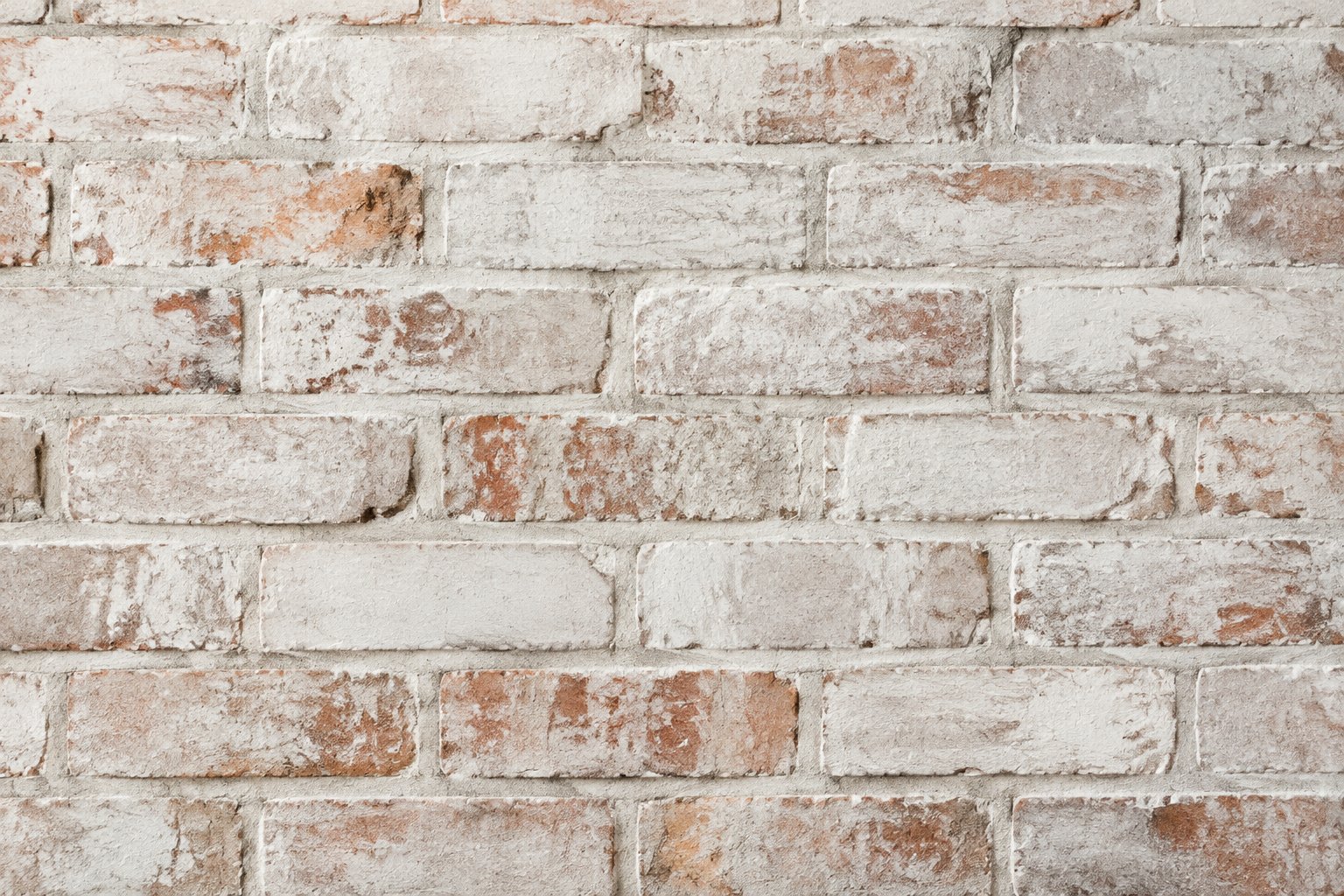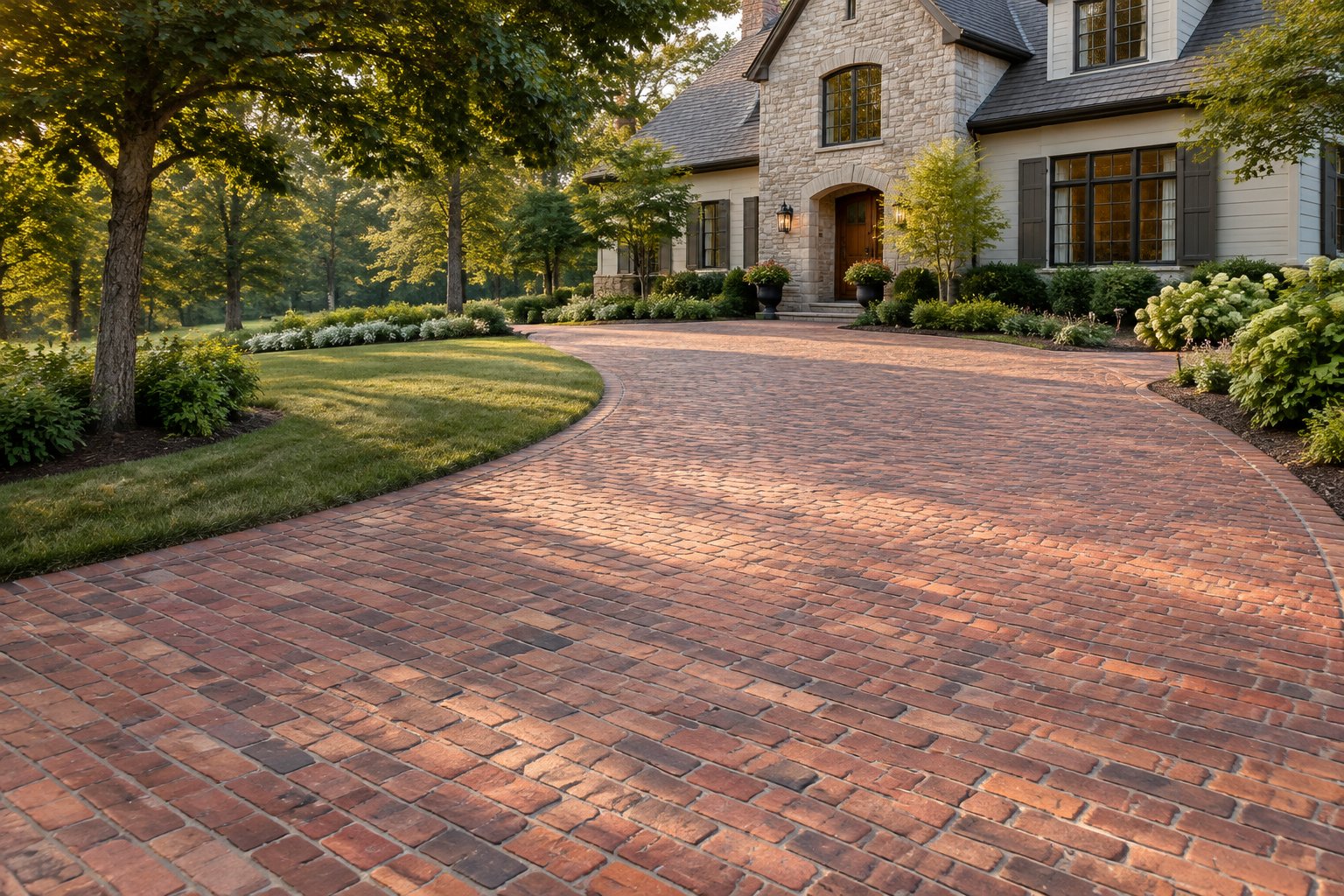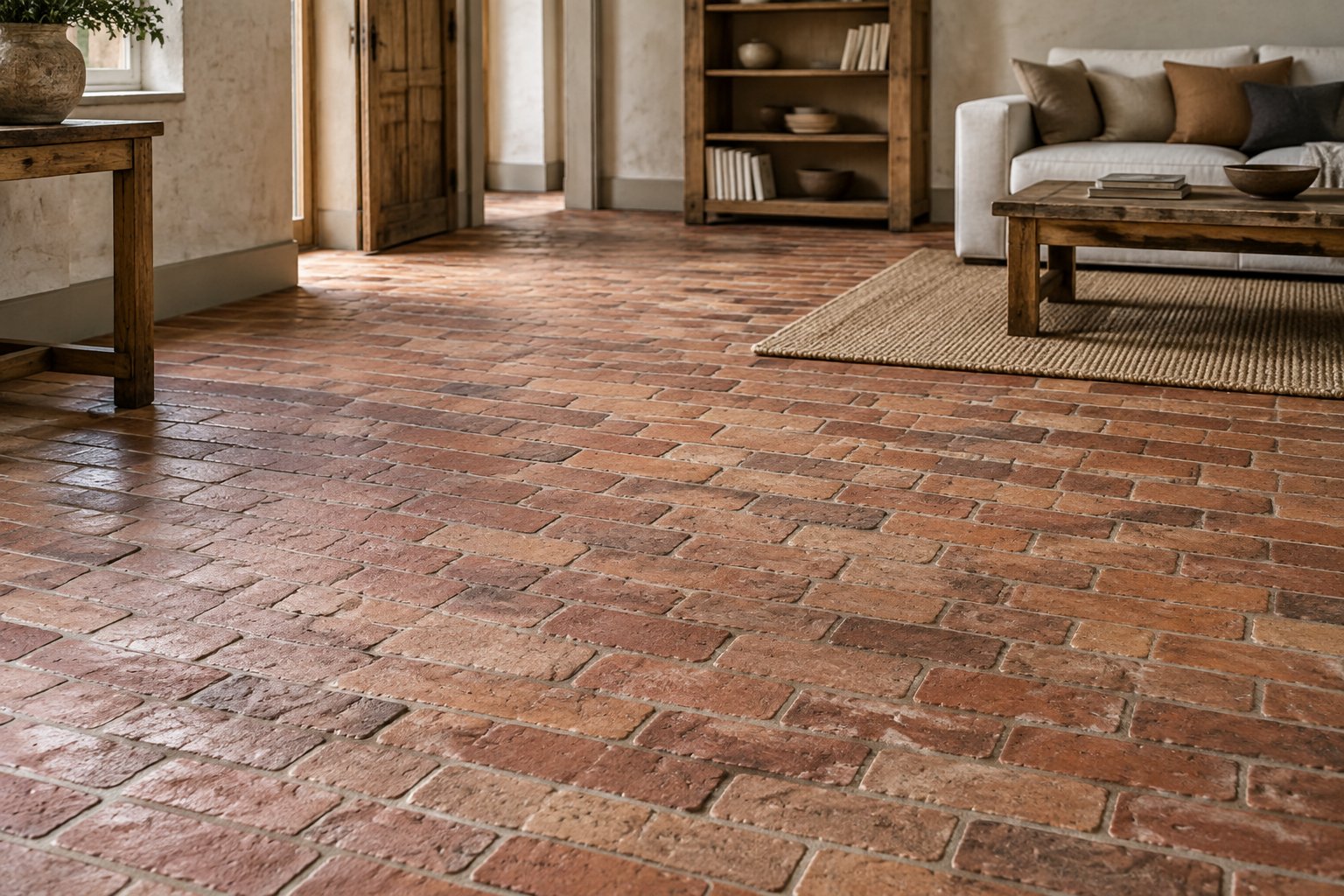
Your brick floor came out of a building that stood for a century or more. Now it sits in your kitchen, mudroom, or entry hall, and it needs a real cleaning. The worry is fair: one wrong product can bleach the color, haze the surface, or scrub away the aged face that made you choose reclaimed brick flooring in the first place. The safest way to clean a reclaimed brick floor is to sweep or vacuum off grit, then damp-mop with a pH-neutral cleaner you have tested in a hidden spot, and let the floor dry fully. That routine lifts dirt and leaves the patina alone.
A soft handmade brick reacts to water and cleaners differently than a denser machine-made one, and many reclaimed floors mix both. Knowing which you have shapes every step that follows.
Keep reading to learn how to clean reclaimed brick floors step by step. You will learn how to tell whether your floor is sealed, how to build a gentle weekly routine, and how to handle stains. You will also see which methods to skip and when resealing makes sense. Old brick has already survived a hundred years of use, so all you have to do is avoid being the thing that wears it out.
Is the Brick Sealed, Bare, or Previously Treated?
You need to know what is on the surface before you clean it, because sealed and bare brick react to water and cleaners in very different ways. A five-minute check now saves you from hazing a finish or driving dirty water deep into open pores.
Check the Brick, Grout, and Existing Finish
Start by looking at the floor in low, angled light. A sealed floor often shows a soft sheen or an even, slightly darker tone. Bare brick looks matte and dry, with visible pores and a chalky feel under your palm.
Next, look at the grout or mortar joints. Grout can be sealed when the brick is not, or the other way around. Check high-traffic paths too, since a finish often wears off near doors and sinks first while it stays intact under furniture.
Think about where the brick came from as well. Our reclaimed materials include handmade bricks from pre-industrial buildings and machine-made bricks with smoother faces. Handmade pieces are more irregular and absorbent. If your floor came from a historic restoration project, ask the installer what finish went down, since some older floors carry wax or oil layers.
For the look-and-feel differences between old and new units, see reclaimed vs new brick. Also see choosing reclaimed bricks. Both explain why two old floors rarely behave the same way.
Use a Water Drop Test Before Choosing a Cleaner
The water drop test is a rough screening check of how open the surface is. Beading or absorption alone cannot tell you which sealer is present or whether a cleaner is compatible. Place a few drops of water on the brick and a few on the grout. Watch them for about ten minutes.
Here is how to read what you see:
- Water beads and sits on top: a sealer or finish is likely present.
- Water darkens the brick slowly: any seal may be thin or wearing out.
- Water soaks in within a minute or two: the brick is likely bare, or the sealer is gone.
- Brick and grout react differently: treat each one as its own surface.
Test several spots, including a busy path and a quiet corner. Old reclaimed clay bricks vary from piece to piece, so one drop on one brick will not tell the whole story. Once you know how much water your floor will drink, you can pick a routine that keeps moisture under control.
A Gentle Cleaning Routine for Indoor Brick
A gentle routine uses as little water and as mild a cleaner as possible: dry grit removal first, a tested pH-neutral cleaner second, and a thorough dry at the end. This keeps brick floor cleaning simple enough to repeat every week.
Remove Grit With a Soft Broom or Vacuum
Grit is the main thing that wears down a brick floor. Sand and small stones act like sandpaper under shoes. A soft-bristle broom used for daily cleaning in busy areas keeps that grit from grinding into the surface.
For textured faces and joints, use a vacuum on the hard-floor setting with the beater bar turned off. A spinning brush can chip the soft edges of old handmade brick. Take your time along the joints, where dust packs in.
Doormats at every exterior door help too. The same grit that rolls off reclaimed brick pavers outside will track straight onto an indoor floor.
Test a pH-Neutral Cleaner in a Hidden Spot
A pH-neutral cleaner sits near 7 on the pH scale, but pH alone does not tell you whether a product suits your brick, mortar, or sealer. Follow the cleaner and sealer manufacturers' instructions, and test first. You can use a store-bought pH-neutral floor cleaner labeled safe for stone or masonry. A few drops of mild dish soap in a gallon of warm water also works as a mild detergent.
Pick a test spot under a rug, in a closet, or behind a door. Wash a small patch, rinse it, and let it dry for a full day. Check for lighter color, a white haze, or a sticky feel.
If you have stone mixed in, such as reclaimed flagstone at a threshold, test that too. Limestone and some sandstones react to cleaners differently than clay does. The same care applies to natural stone flags and reclaimed European stone.
How to Clean Reclaimed Brick Floors With a Damp Mop
Damp mopping means the mop is wrung out until it feels only slightly wet. Standing water is the enemy on bare brick. It soaks in, carries dirt with it, and can pull salts to the surface as it dries.
Follow these steps:
- Fill one bucket with your tested cleaner solution and a second with clean rinse water.
- Dip a microfiber or cotton string mop, then wring it hard.
- Work in sections of about 4 by 4 feet, moving along the joint lines.
- Rinse the mop in clean water often so you are not spreading dirt around.
The same method suits outdoor-style floors brought inside, like the pieces described in our reclaimed pavers guide. Their thicker profile does not change the rule about light water.
Remove Cleaner Residue and Let the Floor Dry
Soap left behind attracts dirt and can leave a dull film. After washing, go over the floor again with a mop dampened in plain water. Wring it just as hard as before.
Open windows or run a fan to speed drying. Bare brick can look darker for several hours as moisture leaves the pores. Wait until the color evens out before putting rugs back, since trapped damp under a rug can stain. A clean routine handles most weeks, but spills and old ground-in dirt call for a more careful approach.
What Should You Do About Stains and Ground-In Dirt?
Most stains on brick come out with fast blotting, a dry absorbent powder, or a baking soda paste worked in small sections. Deep cleaning brick floors is slow work, and patience protects the surface better than force.
Blot Spills Before They Soak Into the Brick
Blot spills right away with a clean, dry cloth. Press straight down and lift. Wiping pushes the liquid sideways and deeper into open pores.
Wine, coffee, and juice are the common problems in kitchens. On bare brick, speed decides how much of the spill stays behind. On a sealed floor, you have a little more time before the liquid gets through.
After blotting, damp-wipe the spot with your pH-neutral solution and blot it dry again. Floors around a hearth get extra spills and soot, which is common with fireplaces and feature walls built from the same brick.
Treat Grease and Small Marks Without Aggressive Scrubbing
For fresh grease, sprinkle cornstarch or baking soda over the spot. Leave it for several hours or overnight so the powder can pull oil out of the pores. Sweep it up and repeat if needed.
For older marks, mix baking soda and water into a thick paste. Spread it over the stain, let it sit about 15 minutes, then work it gently with a soft nylon brush. Rinse with a damp cloth and blot dry.
This is a mild version of the poultice method conservators use on masonry. Guidance from the National Park Service on cleaning historic masonry stresses matching the remover to the type of stain. The same gentle logic suits stone fireplace hearths and brick floors.
Deep-Clean Textured Brick and Grout in Small Sections
Handmade bricks have pits, folds, and uneven faces where dirt settles. Clean these in sections of about 2 by 2 feet. Apply your cleaner, wait a few minutes, then scrub lightly with a soft brush along the texture.
Rinse and blot each section before you move on. Working small keeps water from pooling on bare brick. It also lets you stop if you notice any color change.
Laid patterns take extra care at the joints. A herringbone floor has more joint length per square foot than a running bond, as you can see in this herringbone brick layout. Outdoor tips in brick patio care carry over well to indoor joints. Some popular cleaning shortcuts cause more harm than any stain, and you should know which ones before you reach for them.
Which Cleaning Methods Could Damage the Floor?
Acids, stiff abrasive brushes, and household steam mops are the three methods most likely to harm an old brick floor. Each one can remove the aged outer surface that gives reclaimed brick its color and character.
Why Vinegar and Other Acids Need Caution
White vinegar is acidic, and acid dissolves the lime in many older mortars and grouts. Repeated use can soften and wash out joints over time. It can also dull or strip many sealers.
Some old bricks contain lime or other minerals that react to acid too. That can cause light spots or blotchy color. Stronger acids, like the muriatic acid masons use on new work, are far too harsh for a finished indoor floor.
If someone suggests vinegar for a white haze, test a hidden spot first and rinse well with plain water. Many hazes are soap film or efflorescence, and a plain damp wipe often clears them. Tips in red brick paving care show how mineral salts rise through brick as it dries.
When Abrasive Brushes or Steam Mops Are a Poor Fit
Brick has a hard outer skin formed nearest the heat of the kiln. The National Park Service notes that abrasive cleaning damages brick by eroding that layer and exposing the soft core. Once exposed, the core weathers faster. Wire brushes and gritty scouring pads work the same way on a smaller scale.
A household steam mop on brick floors is a mixed bet. Heat and moisture can soften or cloud some sealers and push water deep into bare, porous brick. Professional low-pressure steam cleaning is a different method: the NPS describes it as a possible option for masonry when it is selected and tested appropriately. That work belongs with an experienced masonry cleaning professional, not a household appliance.
Pressure washers belong outside, and even there they need care. See durable landscaping stone and outdoor paver ideas for exterior use. Indoors, the surface you protect by skipping these tools is also the surface your sealer depends on.
When Is It Time to Ask About Resealing?
It is time to ask about resealing when water soaks in faster than it used to, or when traffic paths look duller and stain more easily than the rest of the floor. Sealing brick floors is a decision worth a second opinion, because the wrong product can trap moisture for years.
Look for Worn Finish or Increasing Absorption
Repeat the water drop test every six months or so. Compare the busy paths to the quiet corners. If drops that once beaded now soak in, the sealer may be wearing thin.
Other warning signs include:
- Spills leaving marks that used to wipe away
- A patchy look, with shiny areas next to dull ones
- White, powdery deposits forming at joints
- Grout that darkens and stays dark after mopping
Any of these means your brick floor care has moved past routine cleaning. Note where the problems show up, since that tells a pro whether the floor needs a full reseal or just a touch-up.
Confirm Sealer Compatibility Before Applying Anything
Most old brick does best with a breathable sealer, such as a penetrating sealer that soaks into the pores without forming a thick film. Brick needs to let moisture out. A hard topcoat can trap that moisture, causing haze, peeling, or spalling underneath.
New sealer also has to work with what is already there. Wax, acrylic, and penetrating products do not always bond to each other. Stripping an old finish is harsh work that can harm patina, so find out what is on the floor first.
For design teams, specification support and resources for architects help match sealers to the brick. The same breathable approach applies to reclaimed slate roofing and the ideas in sustainable roofing tips. If you need matching replacement units before resealing, custom sourcing can track down period-correct pieces. With the finish question settled, what remains is the habit of care.
Keep the Brick Clean Without Erasing Its Character
Reclaimed bricks stay beautiful when you clean them gently and often, and they suffer when you clean them hard and rarely. Sweep grit before it grinds and damp-mop with a tested pH-neutral cleaner. Blot spills fast and use baking soda or cornstarch for stains. Keep acids, stiff brushes, and steam mops off the floor unless a test proves them safe.
The patina on your floor took a century to form. It is part of why reclaimed brick costs reflect more than clay, and part of the benefits of reclaimed brick. Keeping it also stretches the life of eco-friendly building materials already saved from the landfill.
If you are unsure what your floor needs, or you need matching used brick for sale for repairs, call New Orleans Brick & Stone. You will speak with someone who knows these materials, not a chatbot or a queue. They can talk through your specific brick and check what is in stock. For in-stock material, a truck can be on the road within 48 hours of a paid invoice.
Frequently Asked Questions
What Is the Best Cleaner for an Indoor Reclaimed Brick Floor?
A pH-neutral floor cleaner, or a few drops of mild dish soap in warm water, is a common starting point for indoor brick floors. Follow the cleaner and sealer makers' instructions, test in a hidden spot first, and rinse well so no residue stays behind.
Does Vinegar Discolor Antique Brick or Damage Its Finish?
Vinegar can dull sealers, soften lime-based mortar, and leave light spots on some old bricks. Skip it for routine cleaning and test any acid in a hidden area before using it.
What Kind of Mop Works Best on Uneven Brick Floors?
A cotton string mop or a thick microfiber mop reaches into textured faces and joints better than a flat pad. Wring it until it is only slightly damp so water does not pool.
Can I Use a Steam Cleaner on a Sealed Brick Floor?
A household steam mop can soften or cloud some sealers and push moisture into worn spots, so it is a poor choice for most sealed brick. Professional low-pressure steam cleaning is a separate method, selected and tested by a specialist. Check with your sealer maker before trying either.
How Can I Tell Whether My Reclaimed Brick Floor Needs Resealing?
Do a water drop test in busy paths and quiet corners. If water soaks in quickly where it once beaded, or spills now leave marks, the sealer may be wearing thin and is worth a professional look.