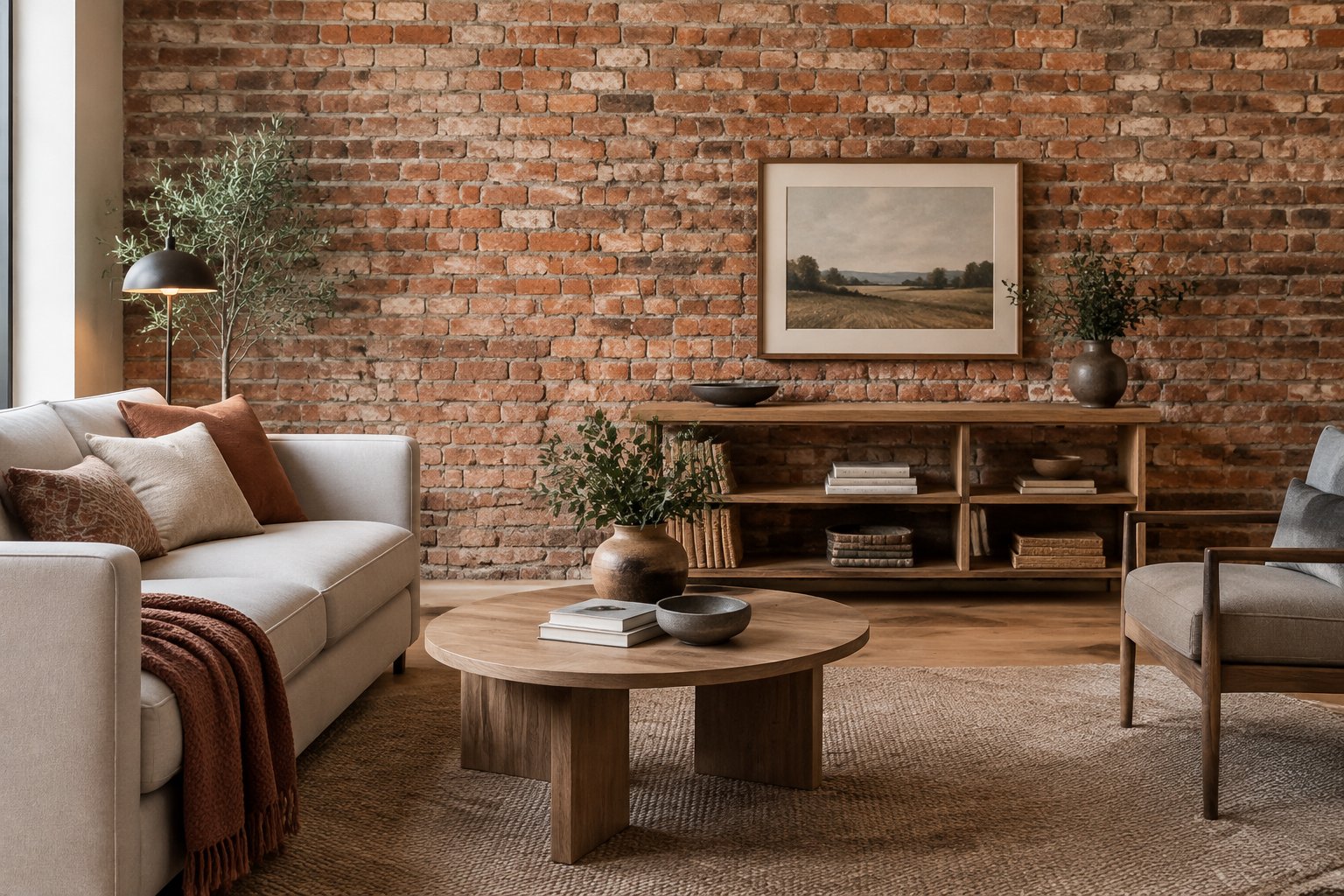
Most interior brick walls go wrong in the planning, long before the first brick is set. You pick a wall, order something red, and the result looks like wallpaper with depth. A reclaimed brick accent wall looks like it belongs when the brick itself carries real age: salvaged units with honest patina, color drift, and worn edges, set on the right wall with mortar and joints that let those faces show. Get those choices right and the wall reads as part of the house from day one.
If you have a remodel date on the calendar, you also need material you can see, sample, and receive without waiting half a year. A family-run supplier that keeps hand-selected, century-old brick on the yard and can put a truck on the road within 48 hours of a paid invoice takes that pressure off. It lets you plan around your schedule, not a lead time.
Keep reading to learn how to pick the right wall, prep it for full brick or thin veneer, choose a blend and layout, match mortar and joints, and decide on whitewash, paint, or sealer. Old brick has already done its aging, so your job is to stay out of its way.
Which Wall Should Carry the Brick?
The best wall for brick is one the eye already goes to: a fireplace wall, a wall behind a dining table, or the long wall at the end of a hallway. Brick adds weight and texture, so it should anchor a room. A random side wall rarely looks right.
Where Does a Reclaimed Brick Accent Wall Work Best?
Walls that would have been masonry in an old building make the most convincing brick accent walls. Think chimney breasts, the back wall of a kitchen, or a wall that meets exposed beams. When the brick sits where a real mason might have built, visitors read it as original.
Scope helps too. A fireplace surround or single feature wall usually runs under 200 square feet. That means one or two pallets, which is why reclaimed brick feature walls are one of the most practical ways to change a room. Good first candidates include:
- A chimney breast or fireplace wall
- The wall behind a bed or dining table
- A kitchen wall that runs up to open shelving
- A basement or bar wall that meets beams or old wood
Avoid short walls broken up by several doors and windows. Every opening needs corner pieces and careful cuts, and the brick loses its sense of mass.
How Much Texture and Color Does the Room Need?
Match the brick's strength to what else is in the room. A space with plain drywall, painted trim, and simple floors can take heavy patina and strong color drift. A room already busy with patterned tile or dark wood wants a calmer blend.
Warm Soft Reds suit living rooms and dens. Old Chicago brick brings the gray, sooty mix that fits an industrial style, and Hard Tans give a neutral room texture without much color. For a closer look at how reclaimed clay bricks differ by origin, compare a few blends against your paint and floor samples.
Light matters as much as color. Raking side light from a window deepens every chip and dip on an exposed brick wall, while flat overhead light calms it down. Once you know which wall and what mood, you need to know if that wall can take the material.
What Should You Check Before Installation?
Check three things first: what the wall is built from, how much depth and weight it can take, and what moisture, heat, or fixtures sit on or behind it. These answers decide between full brick and thin brick veneer.
Is the Wall Ready for Brick or Veneer?
As a general pattern, full brick needs a foundation or slab that can carry it and about four inches of depth. That works for new builds and ground-floor walls. For most retrofits, reclaimed thin brick is the practical choice. It weighs 5 to 7 pounds per square foot and is often set on masonry or cement board over framing.
These are not universal installation specs. The project designer and the product instructions should set the actual assembly, including whether painted drywall needs cement board over the studs. If you are covering an old surface, it should be flat and free of loose material. Installed thin brick runs about $3 to $10 per square foot in general cost data, before the brick itself.
On older houses, have a builder or architect look at the wall before you commit. Our specification support helps with weights and coverage. For landmark homes, historic restoration work brings its own rules.
Will Moisture, Heat, or Wall Fixtures Affect the Plan?
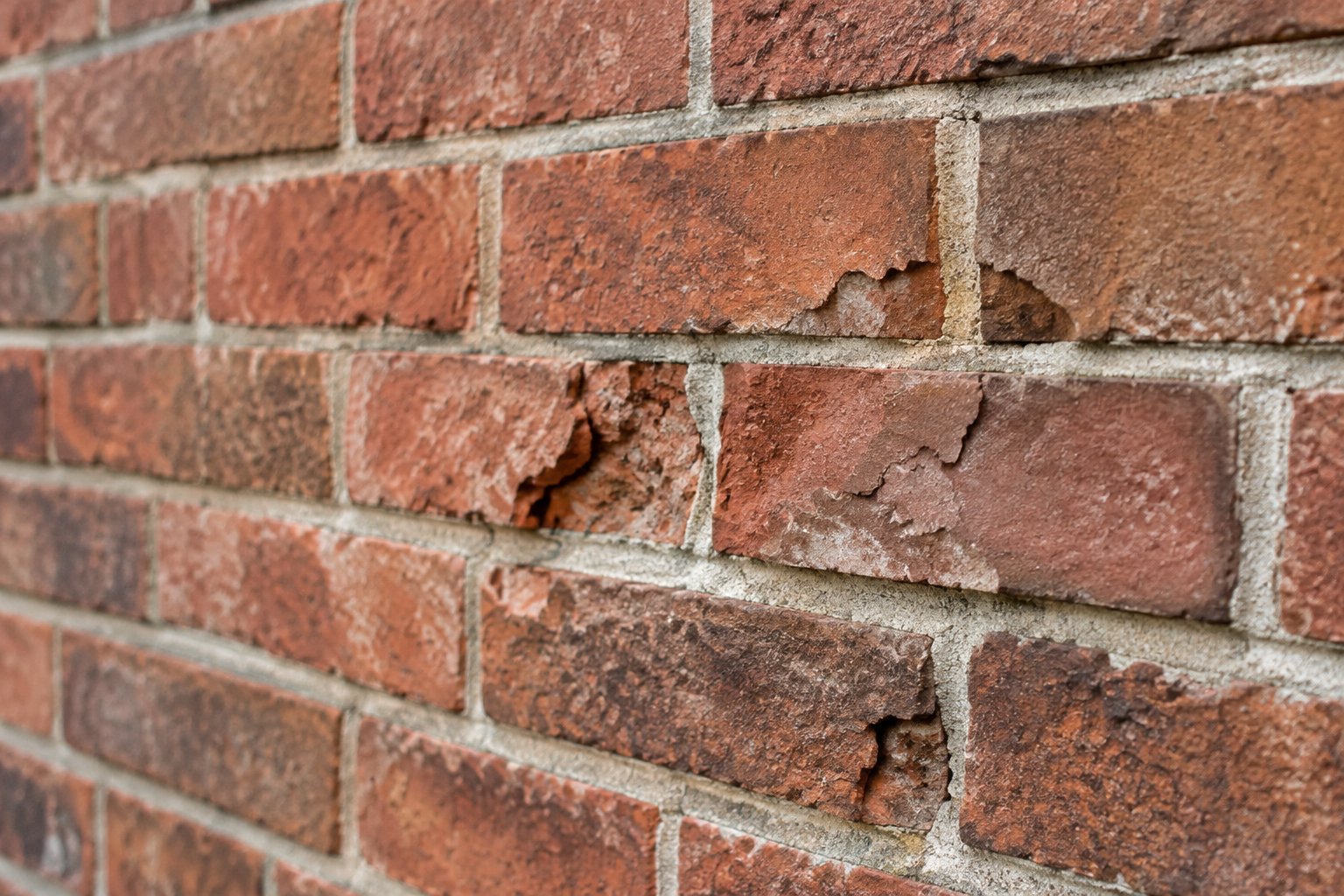
Exterior walls and basement walls carry moisture risk. Old masonry needs to breathe, and the National Park Service warns that trapped vapor condenses on surfaces like paint where permeability changes. Fix leaks and damp before you cover a wall with brick.
Heat is a separate question. Reclaimed brick works well for a surround or chimney breast, but a firebox interior needs rated firebrick and refractory mortar. For a brick kitchen backsplash, check clearances behind the range with your local code.
Map every outlet, switch, and vent before layout. You will need box extenders so plates sit flush with the new brick face. Once the wall is sound, you can choose the brick with confidence.
How Do You Choose the Brick and Layout?
Pick the brick by its face, then pick the format that fits your wall, then test both on the floor. Authenticity comes from the material itself, so choose a blend whose age you can see.
Let Patina and Color Variation Set the Look
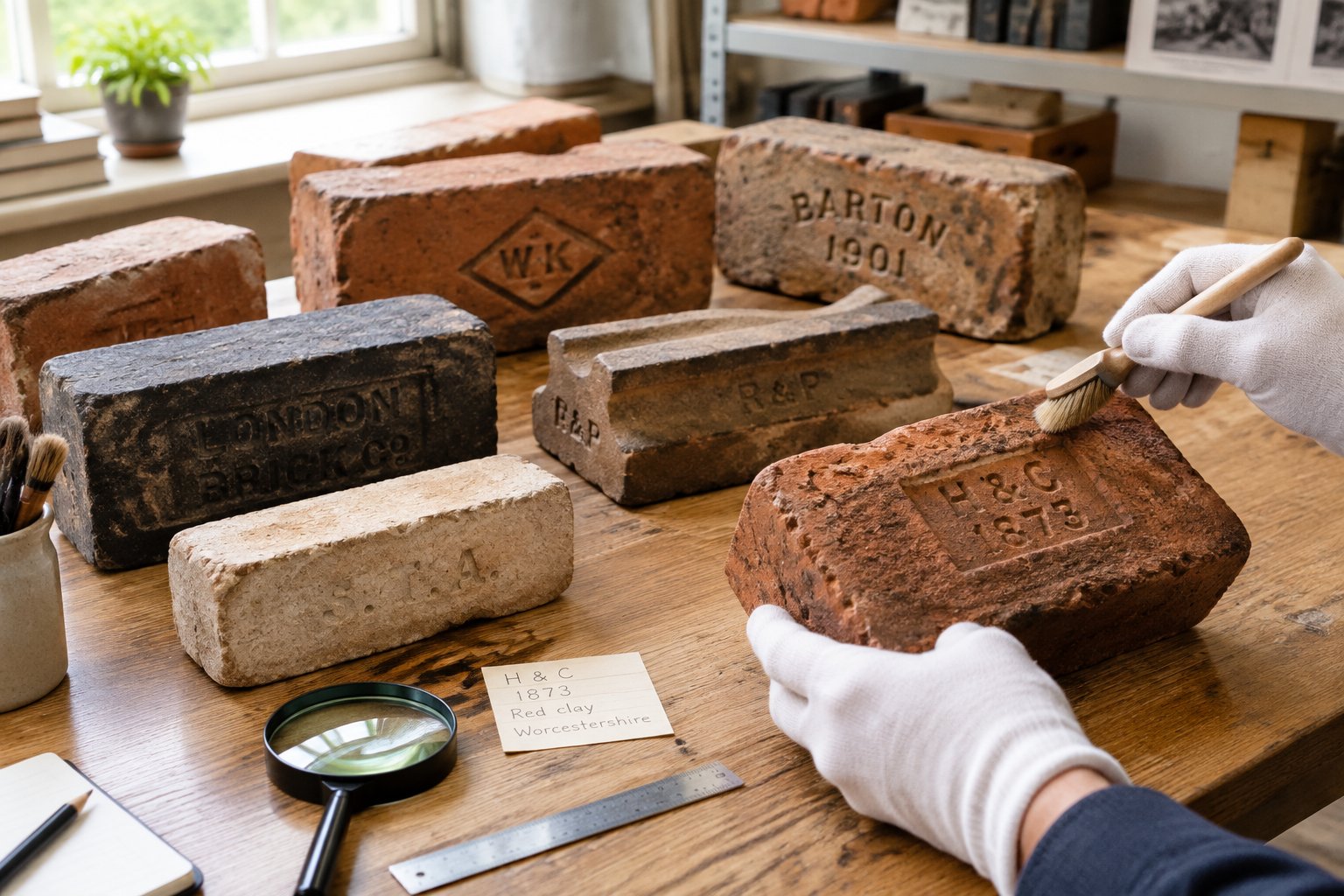
A real red brick accent wall shows range: deep reds, orange, near-black ends, and a few pale units. That drift comes from century-old clay and firing, and it cannot be faked by the mason. Handmade brick adds soft edges, and machine-made brick gives crisper lines.
Look for mortar residue, soot, and worn arrises. These marks make a textured brick wall read as salvaged. Soft Red, Hard Tan, Old Chicago, and St. Louis Reds are all useful examples, but confirm current stock and fit for your wall before you plan around one. This guide on how to choose reclaimed bricks covers grading.
Brick and wood pair naturally. Warm reds sit well next to oak floors and exposed beams, while grays suit steel and black trim.
Choose Full Brick or Thin Brick for the Wall
Both formats cut from the same blends, so the face looks identical. Full-size antique brick starts from $1.70 per brick, and thin veneer from $9.50 per square foot, per current reclaimed brick pricing. Final price depends on volume, selection, and freight.
Plan on about 6.75 pieces per square foot. A 150 square foot wall needs roughly 1,013 bricks, or about $1,720 in full brick at the starting price. The same wall in a thin brick veneer accent wall starts near $1,425. Order extra for cuts and culling.
L-shaped corners, sold by the linear foot, make returns at windows and edges look like full brick. If you are weighing salvage against new stock, see reclaimed vs. new brick and this look at used brick for sale.
Lay Out a Sample Before Committing
Open several pallets and lay a four-by-four-foot patch on the floor. Mix bricks from each pallet so color spreads evenly and you avoid bands or blotches. Pull out anything too loud, then decide how many of those accent pieces you want.
Running bond reads most natural for an old brick interior wall. Stack bond looks modern, and herringbone suits floors more than walls. If you want the same brick underfoot, reclaimed brick flooring and these notes on antique brick floors tie a room together.
Some rooms want stone instead. A hearth of English antique flagstone or a mantel shelf in European limestone pairs well with brick. For more stone ideas, see natural stone flags and stone fireplace features. Your sample patch also shows you the joints, which is the next choice.
How Do Mortar and Joints Change the Result?
On a brick wall accent, the mortar joint covers about a fifth of the surface, so its color and profile change the whole wall. Choose both against the actual brick you will install.
Compare Mortar Colors Against the Actual Brick
Mix three or four small mortar batches and press them between sample bricks. Let them dry fully, since wet mortar looks darker. Sand drives color, and the National Park Service notes the mortar should be softer than the brick so stress relieves through the joint.
Use a softer, lime-rich mix. Antique brick is softer than modern production, and hard cement mortar can crack or spall it over time. Common pairings include:
- Buff or warm gray mortar with red brick walls for a classic look
- Off-white mortar to brighten dark or sooty blends
- Dark gray mortar for a gray brick accent wall with a quiet, even face
- Tinted mortar close to the brick color to make the wall read as one mass
Choose a Joint Style That Fits the Desired Character
A slightly recessed or raked joint reads best on reclaimed brick. It sets the mortar back and lets irregular faces cast small shadows. Tight, flush, perfectly tooled joints fight the material and look new.
A slurried or "German smear" joint pushes mortar over the brick edges for a rough, aged look. Joint width should follow the brick. Handmade units vary more, so a 3/8 to 1/2 inch joint absorbs that without odd gaps. If you need a specific mortar match or a hard-to-find blend, custom sourcing can track it down.
With brick and joints set, the last question is what, if anything, goes on the surface.
Should You Whitewash, Paint, or Seal the Brick?
Most reclaimed walls look best left bare or lightly sealed. Whitewash and paint suit certain rooms, but every coat hides some of the age you paid for.
Understand What Whitewash and Paint Cover Up
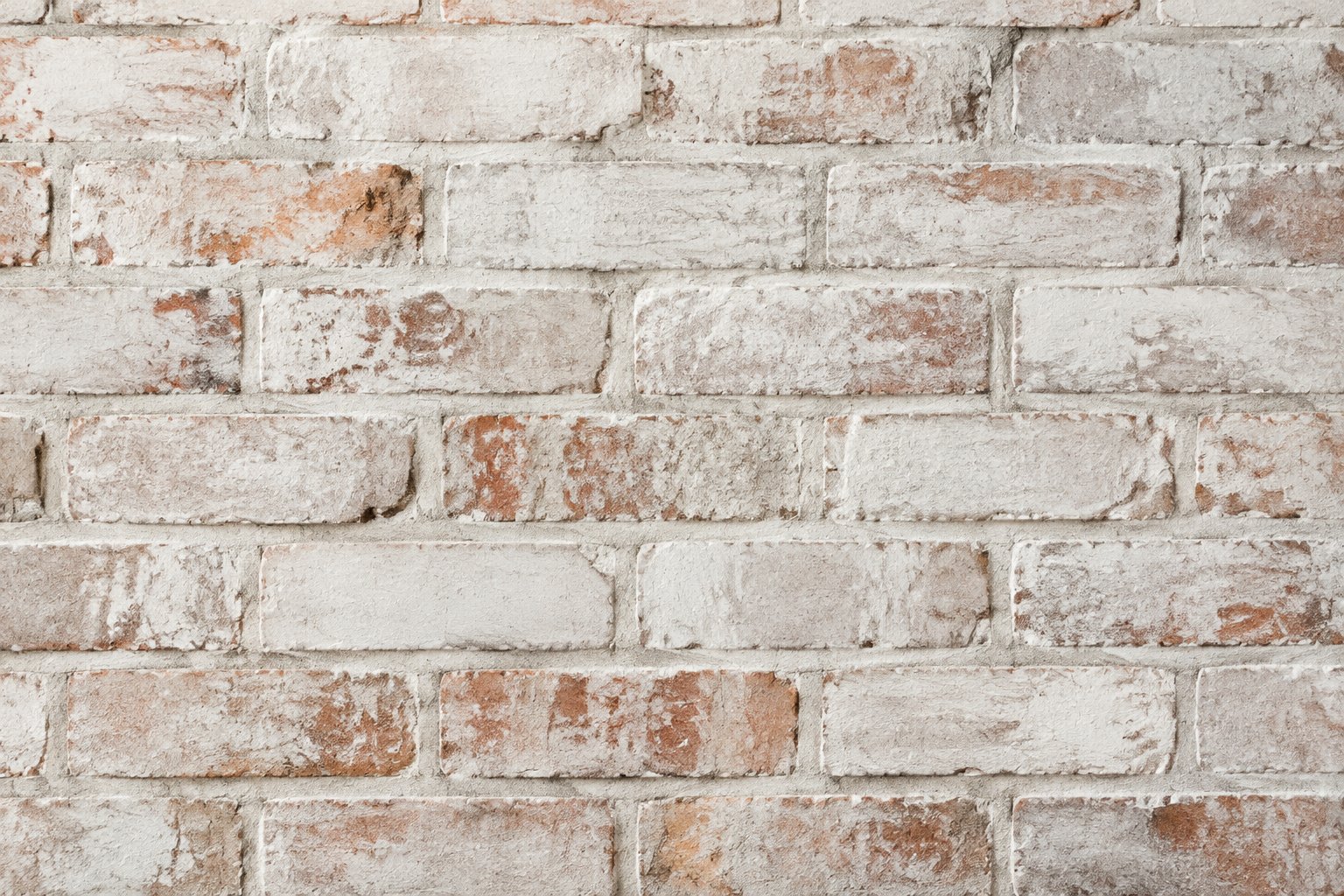
A whitewashed brick wall uses thinned lime or paint that soaks in and lets some color show through. It softens a busy blend and brightens a dark room. Whitewashing still looks good in farmhouse and coastal rooms when you keep it thin.
Painted brick covers everything: color drift, soot, and patina. A black brick accent wall can look sharp in a modern room, but you could get that look from any brick. Paint on masonry can also trap moisture, which is why breathable mineral paints are safer on old walls.
Test on a spare brick first. Whitewash is hard to remove once it soaks in. Keeping the brick bare also keeps its value as salvaged material, one of the benefits of reclaimed brick.
Decide Whether the Location Calls for a Suitable Sealer
Seal where grease, water, or hands hit the wall. A brick backsplash behind a sink or range needs a breathable, penetrating sealer for indoor use. A living room wall usually does fine bare with an occasional dry brushing.
Skip glossy film sealers. They darken brick and can trap moisture behind the surface. Test a penetrating product on a sample to see how much it changes color. Reusing old masonry also cuts new manufacturing, as covered in eco-friendly building materials.
The same thinking carries to other salvaged surfaces, from reclaimed slate roofing to these sustainable roofing tips. Once the finish is set, all that is left is ordering the right brick.
Choose Brick That Fits the Wall
A wall that looks like it belongs starts with brick that already has its age. Put it where masonry makes sense, prep the wall for full brick or veneer, blend pallets on the floor, and pick soft mortar with a recessed joint. Then keep the finish light.
Your next step is seeing real samples against your paint, floor, and light. For a full budget view, read how reclaimed brick cost breaks down by volume and freight. If the look spreads outside, reclaimed brick pavers, patios and walkways, and a herringbone brick patio carry it through.
Call New Orleans Brick & Stone today at 225-284-7529 or 817-909-4104 to find out what is in stock. For in-stock material, a truck can be on the road within 48 hours of a paid invoice. If your project has a deadline, the team can walk you through inventory. You will talk to someone who knows these materials, not a chatbot or a queue.
Frequently Asked Questions
Can Reclaimed Thin Brick Look Like an Original Exposed Wall?
Yes, when it is sawn from real antique brick and finished with corner pieces. The face, color, and patina match full brick from the same blend. Recessed joints and L-shaped returns complete the effect.
How Much Does a Reclaimed Brick Accent Wall Cost?
Material starts near $9.50 per square foot in thin veneer, or $1.70 per full brick at about 6.75 per square foot. A 150 square foot wall starts around $1,425 to $1,720 in brick before labor and freight.
Is Reclaimed Brick More Expensive Than New Brick?
Reclaimed brick often costs more per unit because of salvage, cleaning, and sorting. You are paying for age and color range that new brick cannot copy. Low-overhead suppliers narrow that gap, as with antique brick pavers starting from $2.10 each.
Is Whitewashing Brick Still in Style?
A light, thin whitewash still suits farmhouse and coastal rooms. Heavy, opaque coats look dated faster and hide the patina. Test on a spare brick, since lime wash is hard to reverse, and see these red brick paving tips for bare-brick care.
Can Reclaimed Brick Be Used Behind a Kitchen Counter?
Yes, thin reclaimed brick works well as a backsplash when sealed with a breathable, penetrating sealer. Check range clearances with local code. Architects can use our architect resources and ideas on durable reclaimed stone or outdoor paver ideas for connected spaces.