Description: Compare a reclaimed brick paver driveway with concrete: which bricks handle traffic, base and drainage planning, full costs, and what to confirm first. Image File Name: reclaimed-brick-paver-driveway-herringbone Slug: reclaimed-brick-paver-driveway Main Keyword: reclaimed brick paver driveway
Reclaimed Brick Paver Driveway or Concrete? What to Check Before Ordering
Your driveway is usually one of the last big decisions before a build or renovation wraps up. By then the budget is tight and the schedule is set, so you want to choose the surface once and get it right. If you want period character, a reclaimed brick paver driveway is the stronger choice. It needs hard-fired, paving-grade brick, a well-built base, and a site that suits it. If the drive takes heavy loads on poor soil and the budget is lean, plain concrete is often the more practical call.
When the material has to show up on time, you want a supplier who can tell you what is on the yard today and who sorts paving stock by hardness and density.
Keep reading to learn how brick and concrete compare in looks, repairs, drainage, and cost. You will also learn which reclaimed bricks can handle car traffic and what to confirm before you place an order. A good brick driveway starts with the right brick and a base you never see.
How Do Reclaimed Brick Pavers Compare with Concrete?
Reclaimed brick pavers win on character and on how easy they are to repair. Concrete wins on upfront cost and a simple install. Both can last for decades, and both depend on the base underneath them.
How long either one lasts depends on soil, climate, drainage, and the quality of the work.
Will a Reclaimed Brick Paver Driveway Suit Your Site?
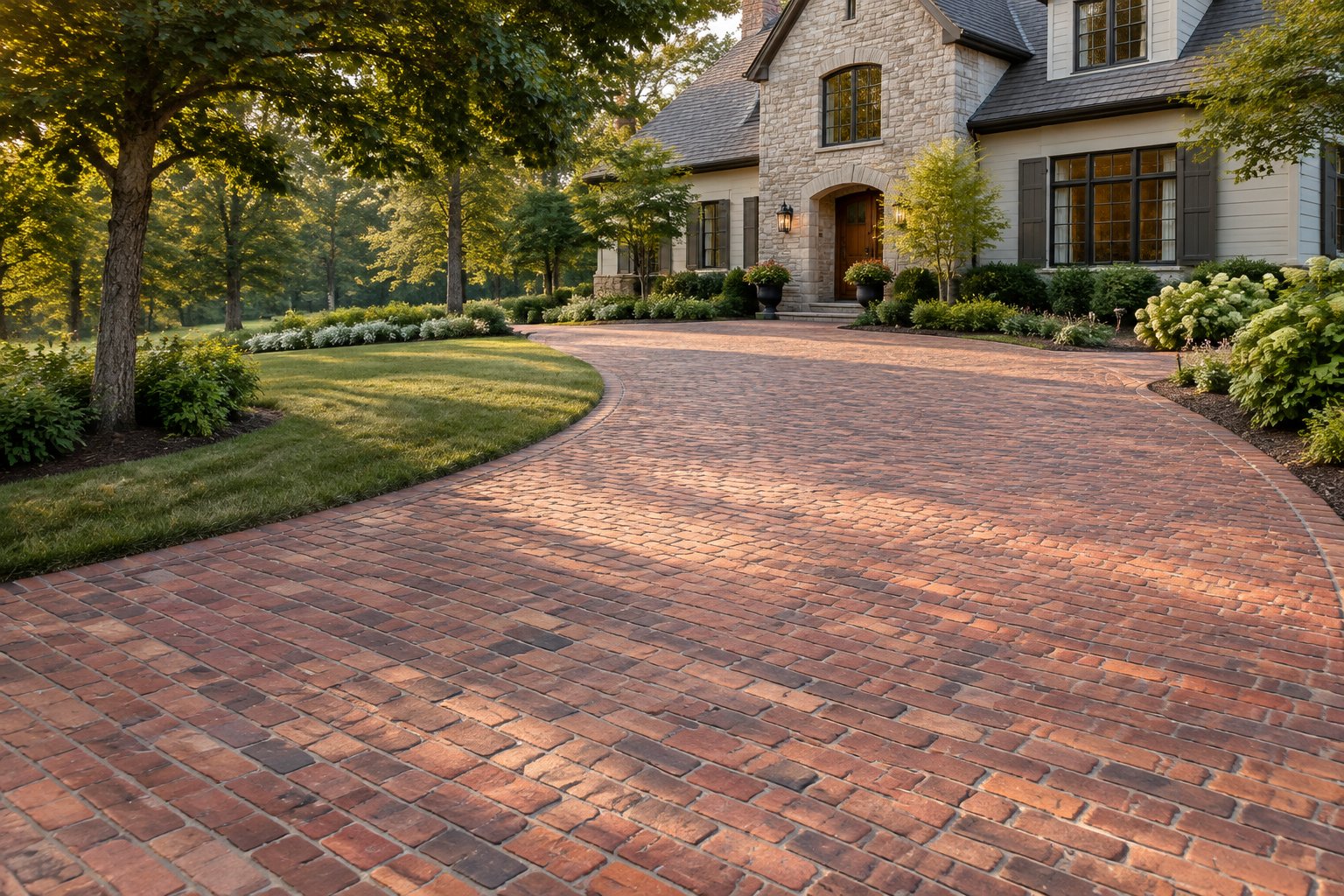
A reclaimed brick paver driveway suits sites where looks, repairs, and period fit carry real weight. Think of a Creole cottage in New Orleans, a Hill Country farmhouse, or a new build designed with an older feel. Brick fits these homes because it matches the materials used when houses like them went up.
It is also a strong fit for historic restoration projects. In those projects, a new concrete slab would look out of place next to old masonry. Brick also works well on gentle slopes, courtyard entries, and motor courts where cars move slowly.
These sites make brick harder to justify:
- Steep drives where cars brake and turn hard
- Soft clay soils where no one will pay for a deeper base
- Drives used by delivery trucks or heavy equipment every day
- Tight budgets where labor costs would sink the project
Appearance, Maintenance, and Individual Repairs
Old brick brings color and wear that new material cannot copy. You see earthy reds, deep tans, and softened edges from decades of use. You can see more of that range in reclaimed brick paver options. Concrete can be stamped or stained, but it still reads as one poured slab.
Daily care is plain. Sweep the surface and rinse it. Skip aggressive acid washing and high-pressure washing, because both strip the patina you paid for. Weeds will show up in sand joints over time, so plan to top off joint sand now and then.
Repairs are where brick pulls ahead. When one brick cracks, you lift it out and drop in a spare from the same blend. With concrete, a crack runs through the slab. The patch almost never matches.
When Concrete May Be the More Practical Choice
Concrete makes sense when speed and a low upfront cost come first. A crew can form, pour, and finish a plain drive quickly. It also handles heavy loads well when it is poured thick with the right reinforcement.
Concrete also fits hot climates well. In freeze zones, it can crack as it expands and contracts. Some homeowners split the difference. They pour concrete for the working part of the drive and set brick at the apron, borders, or front walk.
If brick still looks right for your project, the next question is which bricks can handle a car rolling over them.
Which Reclaimed Bricks Are Suitable for Vehicle Traffic?
Hard-fired, dense paving brick and true vintage street pavers are the reclaimed bricks that belong under tires. Soft wall brick does not, no matter how good it looks. The firing and density of each brick decide how it holds up.
Why Age and Patina Do Not Prove Driveway Suitability
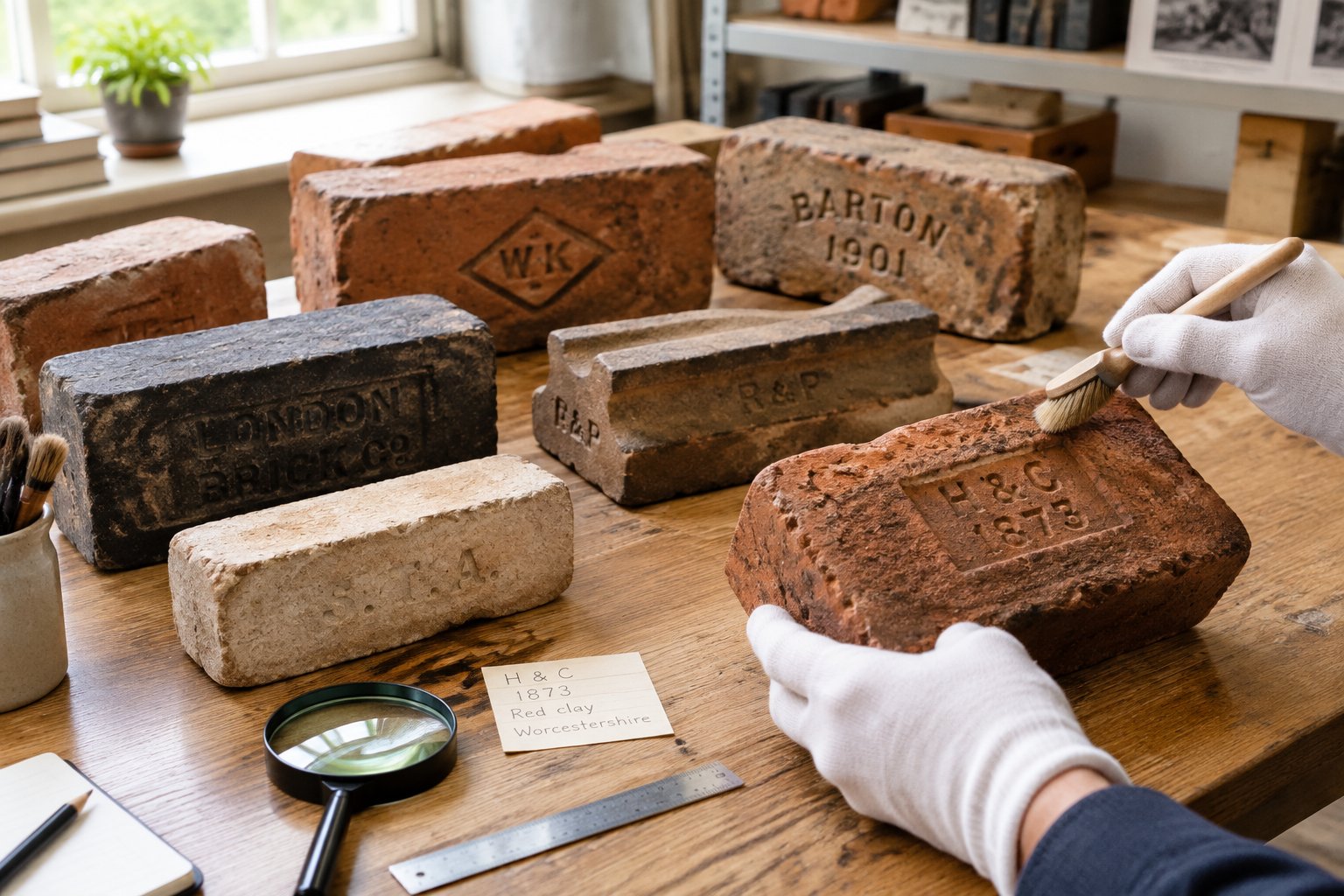
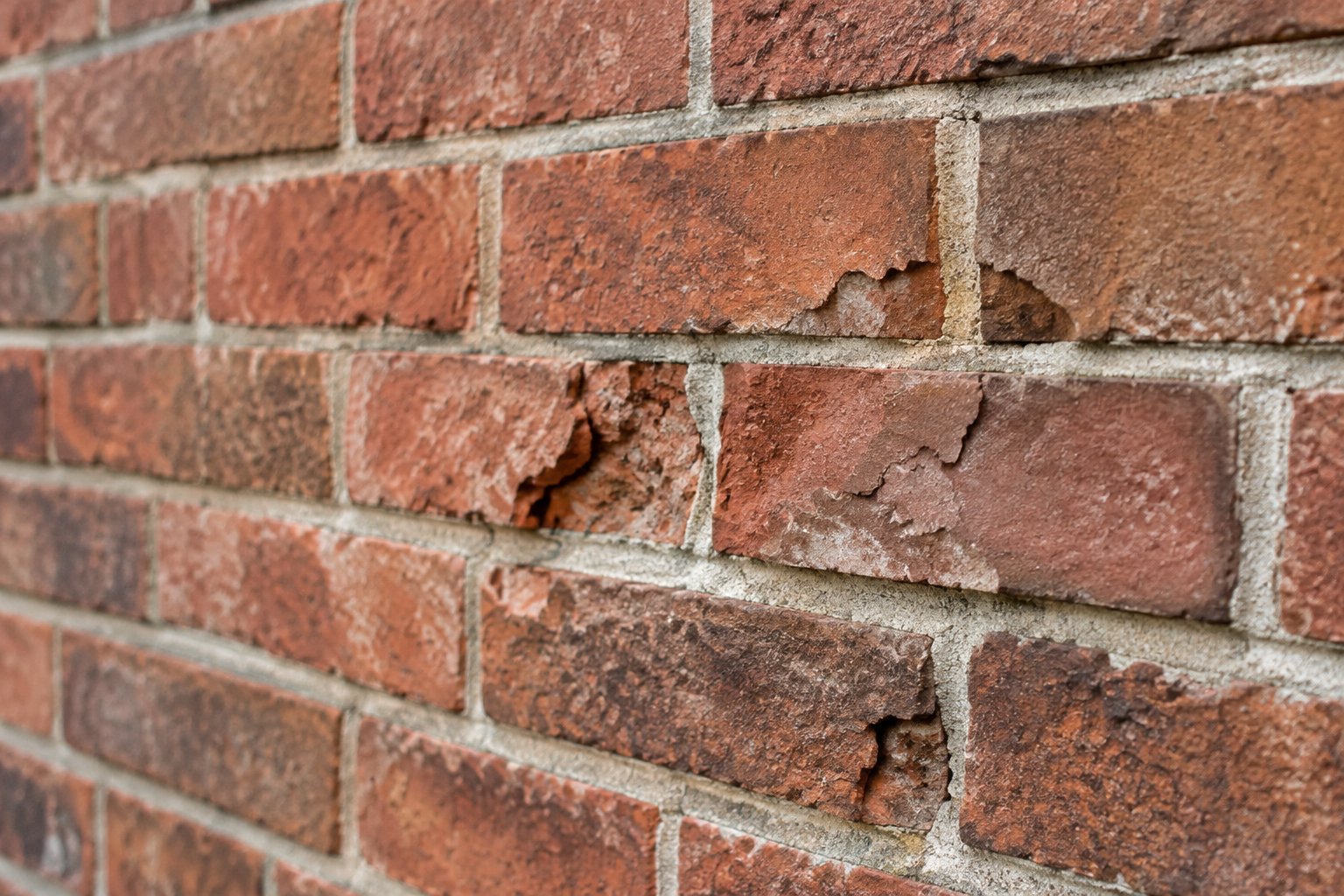
A brick pulled from a 100-year-old building proves it survived in a wall. A wall is a gentle job. The same brick may crumble when it is soaked, frozen, and driven over. Lovely reclaimed clay bricks with a soft body belong on a wall or indoors.
Darker bricks fired at higher heat tend to be stronger. In freeze zones, you want brick that behaves like the SX grade, which is made for brick that may freeze while wet. The ASTM standard for light traffic paving brick covers residential driveways. It notes that its test requirements apply at the time of purchase. Testing brick pulled from old pavements falls outside its intent. For salvaged brick, that puts the weight on careful sorting and honest culling.
Names like Hard Tan and Soft Red describe color and firing families. Ask about the specific lot before you plan to drive on it. Brick that fails the paving sort still has good uses, such as reclaimed brick flooring or fireplaces and feature walls.
What to Ask About Condition, Dimensions, and Intended Use
Tell your supplier the brick is for a driveway, not a patio. Then ask direct questions. A guide on how to choose reclaimed bricks goes deeper, but these are the basics:
- Was this lot sorted for hardness and density?
- Were soft, porous, and spalled bricks culled out?
- What is the size range across the lot, and what is the thickness?
- Is the lot suited to your climate and your freeze exposure?
- How much of the same blend is on hand for spares?
Size is a big deal. Common paving stock runs about 8" × 3¾" × 2¼" laid flat. Salvaged street pavers run larger, and one antique example measures about 8½ × 3¾ × 3½ inches. Thicker units hold up better on heavy-use drives. Mixed sizes will throw off a tight pattern, so match the lot before you order.
How Brick Compares with Reclaimed Stone Paving
Granite cobblestones and Belgian block are tougher than most brick. Cobblestones can last up to 100 years. Reclaimed European stone gives you a rougher, older-world surface. It is loud under tires and bumpy for strollers and heels.
Many good drives use both materials. You lay a brick field and hold the edges with granite setts. Flat stone such as reclaimed flagstone and natural stone flags works better on walks than under cars. More landscaping uses appear in durable reclaimed stone.
Picking the right unit only gets you halfway. The rest of the job happens below the surface.
How Do Installation and Drainage Affect Performance?
Base prep and drainage decide whether a brick driveway stays flat for 30 years or ruts in three. Good pavers on a thin base will fail. Average pavers on a deep, well-drained base can perform for decades.
Base Preparation for Soil, Climate, and Vehicle Loads
For dry-laid work, the base is compacted crushed stone with a bed of sand or screenings on top. Layer depths depend on soil, drainage, climate, and vehicle loads, so have your designer or installer size the base for your site.
Clay soils need a deeper base or added drainage. Sandy soils drain well on their own. For daily heavy traffic, mortar the brick on a concrete slab. That is a firmer setup, though it gives up the lift-and-reset repair.
Patterns, Edges, and Joints That Hold the Surface Together
Pattern changes strength. A 45° or 90° herringbone locks bricks together, so they resist the push of turning tires. That makes herringbone the usual driveway choice. Running bond suits long, straight drives. Basket weave is better kept to walks. A herringbone brick patio shows the layout up close.
Dry-laid work always needs an edge restraint. Use Belgian block, granite setts, or a soldier course. Without one, the field creeps outward. Sweep jointing sand into tight joints and compact it. More advice on joints lives in red brick paving tips.
Planning Where Driveway Water Will Go
Water sitting in porous brick causes most freeze damage, so plan the runoff first. Slope the drive away from the house. Keep downspouts off the surface, and add a French drain where water collects.
Sand joints let some water through. A brick drive does not drain well unless it sits on an open-graded base built for that. Pervious paving works best on gentle slopes, no more than 1 foot of drop over 20 feet. Plain concrete sheds all its water to the edges. The same logic applies to patios and walkways.
All this base work shows up on the invoice, which is where the full cost comes into focus.
What Does the Full Driveway Cost?
Brick costs more than concrete up front, and labor and base work drive most of that gap. The material is often the smaller part of the bill.
Material, Freight, Labor, and Base-Preparation Costs
National figures put brick paver driveway costs at $12 to $62 per square foot installed. That comes to $4,879 to $24,737 for a 400-square-foot drive. Concrete runs $5 to $21 per square foot, or $2,030 to $8,318. Tearing out an old drive adds about $1 to $4 per square foot.
For the brick itself, the paving stock at reclaimed brick pavers starts at $2.10 per brick. At about 4.5 bricks per square foot, that works out to roughly $9.45 per square foot before waste. The breakdown in reclaimed brick cost explained covers what moves the price. Browsing used brick for sale helps you compare lots.
Freight is priced on weight, destination, and delivery needs, and you get a quote before you order. Permits can add $50 to $500 in some cities.
Maintenance and Repair Costs Over Time
Concrete sealing adds up over the years. So do crack repairs that never match the slab. With brick, your yearly cost is mostly joint sand and time spent pulling weeds. A cracked brick costs one spare from your same-lot stock.
Reuse also carries value beyond price. It keeps usable brick out of landfills and cuts the need for new firing. You can read more in eco-friendly reclaimed materials and in the benefits of reclaimed brick.
The long-term savings only hold if you order enough of the same blend, so sourcing comes next.
How Do You Source Pavers for Your Project?
Order the whole driveway from one matched lot, with extra for cuts and spares. Then confirm freight and delivery before you pay. Reclaimed stock comes in batches, and no two batches match exactly.
Confirm the Available Lot, Quantity, and Allowance for Cuts
Measure the square footage and multiply by 4.5 bricks. Add 10 to 15 percent for herringbone or curved work. After that, set aside a few dozen bricks from the same lot as spares for future repairs. Reclaimed sales are final for color variation, weathering, and size differences, so look at photos or samples first.
If you need a specific size or color that is not in stock, ask about custom sourcing. Architects writing specs can get help through specification support and the architects page. The full materials list shows what else ships from the same yards. For how old brick stacks up against new, see reclaimed vs new brick.
Check Freight Access and Delivery Timing Before Ordering
Bricks ship banded on pallets by freight, and delivery is curbside unless you arrange otherwise. Make sure a truck can reach the site and that someone can unload it. Inspect the load on arrival and note any damage with the driver before you sign.
Once the invoice is paid, stock material can be on a truck within 48 hours. Order prep usually runs 2 to 3 business days, and large orders take longer. Report damage within 5 business days with photos. You can cancel within 24 hours if the pallet has not been prepared.
On a restoration, you can ship other materials on the same load. Examples include reclaimed slate roofing, with tips in sustainable roofing tips. Stone for a hearth works the same way, as shown in stone fireplaces and features.
With the lot and the truck sorted, you can make the final call.
Choose the Surface That Fits the Site
Choose brick when character, easy repairs, and a period look matter to the house, and when the budget covers a proper base. Choose concrete when you need heavy loads, a steep drive, or the lowest upfront cost. Both fail on a poor base, and both last when the base is built right.
To decide, walk the site. Check the slope, the soil, and where the water goes. Then confirm the lot is paving-grade and sized to match. The ideas in reclaimed outdoor pavers and reclaimed brick flooring ideas show how the same brick can carry from drive to porch to kitchen.
When you are ready, call New Orleans Brick & Stone at 225-284-7529 and find out what is in stock. For in-stock material, a truck can be on the road within 48 hours of a paid invoice. You will speak with someone who knows these bricks, and you can see the full range at New Orleans Brick & Stone.
Frequently Asked Questions
Are Reclaimed Brick Pavers Suitable for a Driveway?
Yes, if the brick is hard-fired and sorted for hardness and density. Soft wall brick is a poor choice. Pair the right brick with a deep base, an edge restraint, and a tight herringbone pattern.
Is a Reclaimed Brick Paver Driveway More Expensive Than Concrete?
Yes, up front. Installed brick runs $12 to $62 per square foot, compared with $5 to $21 for concrete. Lower repair costs over the years close part of that gap.
Can Individual Antique Brick Pavers Be Replaced If They Crack?
Yes. On dry-laid drives, you lift the cracked brick and set a spare from the same blend. Keep extra brick from your original order for this.
Do Brick Pavers Drain Better Than a Concrete Driveway?
Only when they sit on a base built to drain. Sand joints pass some water, while an open-graded stone base lets water sink into the soil. Standard brick on a dense base still needs proper slope.
What Should I Confirm Before Ordering Reclaimed Pavers for a Driveway?
Confirm that the lot is paving-grade and suited to your climate. Check that the size range fits your pattern and that the quantity includes 10 to 15 percent waste plus spares. Also confirm freight access, curbside delivery, and the ship date.