You are finalizing a stair detail, and the drawings need a material before the stringers, landings, and footings can be locked in. Most stone staircase design choices come down to two paths: reclaimed stone with a century of wear on its face, or precast concrete built to exact size in a plant. Your choice affects the look of the stair, your build schedule, the crew you hire, and the budget line for upkeep.
When that decision lands on your desk, the stone that actually exists matters as much as the drawing. Reclaimed supply is finite, so seeing real pieces before the detail is final saves rework later.
Keep reading to learn how each material looks, which stair layouts suit it, what to check before you specify treads, and what sourcing and installation will cost you in time and money. Choose reclaimed stone when the stair is a focal point that needs historic character, and choose precast concrete when uniform size, tight budgets, and repeat production come first. After decades of handling this stone, we can tell you the right answer starts with the piece in front of you, measured and checked.
How Do Reclaimed Stone and Precast Concrete Compare?
Reclaimed stone gives you a varied, worn surface with real history, while precast gives you consistent size and finish from a mold. Both can make a sound stone staircase when the right piece meets the right base.
Reclaimed European stone, such as Bath stone and French limestone, is salvaged from old buildings and sold in paving, block, sills, and thresholds. Reclaimed European stone starts at $42 per square foot for paving, with blocks and architectural pieces priced one by one. Precast steps are cast in a plant and delivered ready to set, and a precast step installation job runs $2,000 and up over about two days.
Appearance and Variation: Historic Patina or a Consistent Finish?
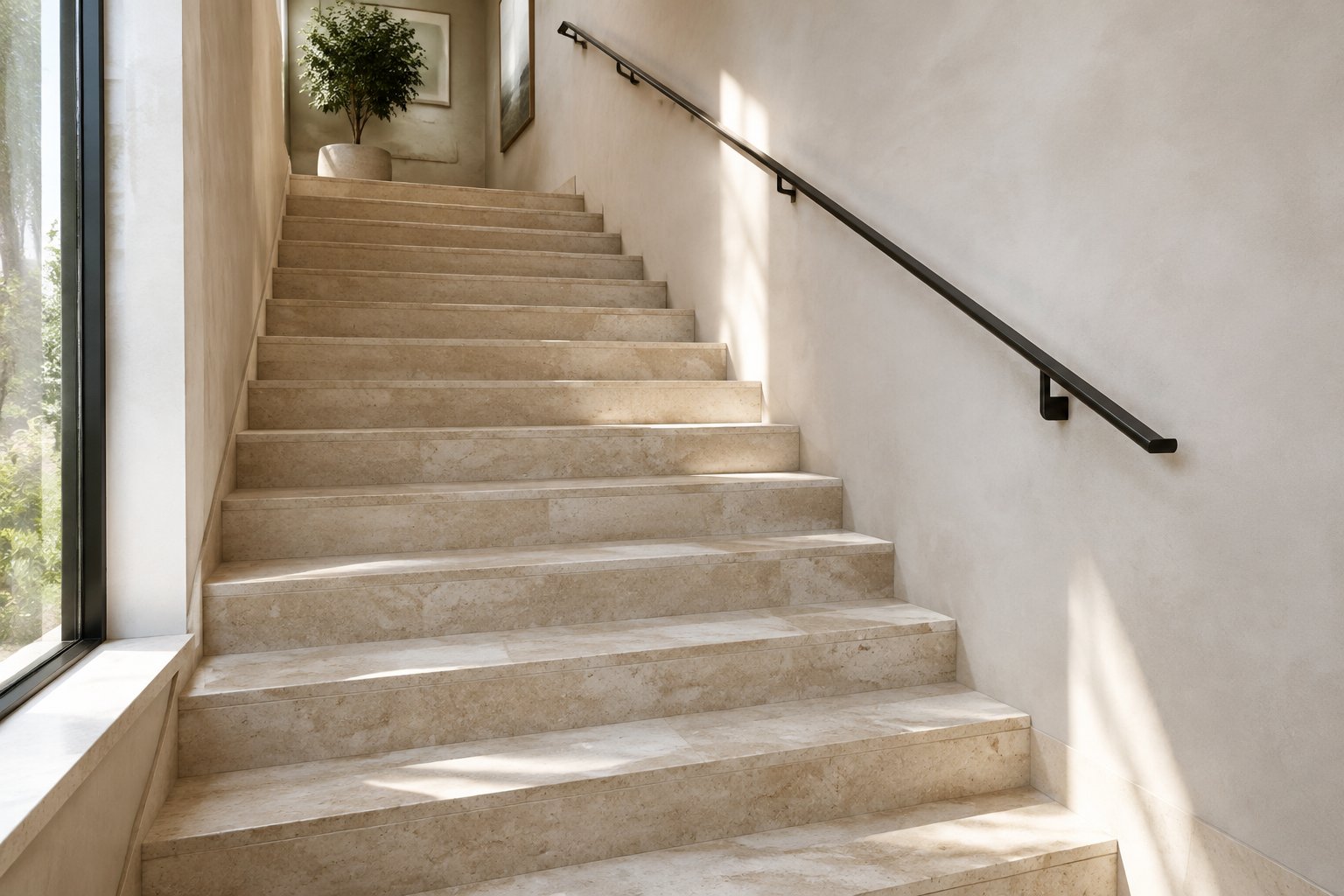
A natural stone staircase in reclaimed limestone shows softened edges, tool marks, and color that shifts from piece to piece. That patina took a hundred years to form, and no finish on new material fully copies it. If you want to see how that aged look compares with factory products, the logic mirrors reclaimed brick vs new comparisons.
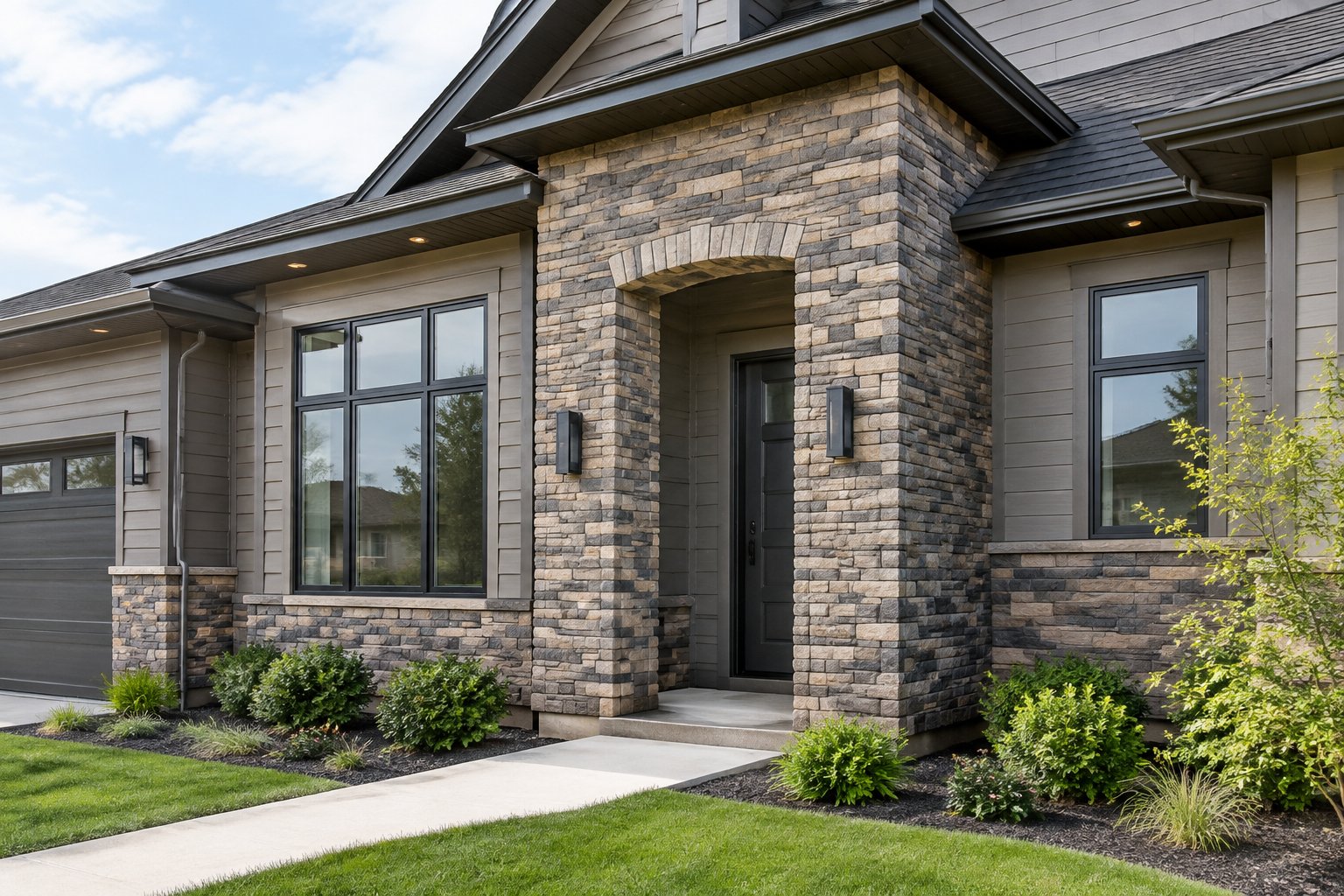
Precast concrete reads clean and even. Some plants add a stone veneer face, but the step below is still a uniform casting. You get the same color and edge on step one and step twelve, which suits modern homes and large multi-unit work.
Where Each Material Fits an Interior or Exterior Project
For interiors, a limestone staircase pairs well with period rooms, old brick walls, and features like fireplaces and feature walls. Limestone is more porous than granite, so outdoor use in the South needs careful drainage and bedding. For exterior entries, reclaimed thresholds and flagstone landings bring instant age to a new house.
Precast fits exterior entry steps where you need a fast, repeatable result. It also suits sites where the budget covers a crew for a day or two and no more. Natural stone staircases, in contrast, demand more planning at the layout stage, which is where the stair shape comes in.
Which Stair Layouts Suit Each Material?
Straight runs suit both materials, while curves and spirals favor stone that can be cut or precast built from a custom mold. The layout you draw sets how many pieces you need, how they join, and how much cutting the crew must do.
Straight Runs, Landings, and Exterior Stone Steps
Straight stone steps are the easiest layout for reclaimed slabs. Each tread is a rectangle, so large flags or salvaged thresholds can be sized with basic cuts. A common porch plan uses 4-foot-wide steps, treads of at least 11 inches, and a 7-inch rise per step, as shown in this granite porch stairs build.
Landings are where reclaimed stone shines. A single large slab of reclaimed flagstone reads as an old floor, not a patchwork. You can tie the landing into a garden path using ideas from reclaimed brick patios or a herringbone brick patio at the base.
How Does Stone Staircase Design Change for Curves and Spirals?
A curved staircase or spiral staircase design needs wedge-shaped treads, and each one must match the radius. Reclaimed block can be re-cut and dressed to the sizes on your drawing. That work adds cost and time, and it uses up larger blocks, which are the first to go from any load.
Precast handles curves only when the plant builds a custom mold. For a single designer staircase, that mold cost falls on one job. Reclaimed stone often wins for one-off curves, while precast wins when you repeat the same curve across many homes.
What Can Project Photos Reveal About Joints and Proportions?
A staircase photo gallery shows you more than style. Study staircase pictures for these details:
- Joint width between treads and risers, and whether mortar color blends or contrasts
- Nosing depth and how the front edge is shaped or worn
- How treads meet walls, stringers, or side cheeks
- Whether landing slabs are one piece or several
- How brick risers or cheek walls pair with stone treads
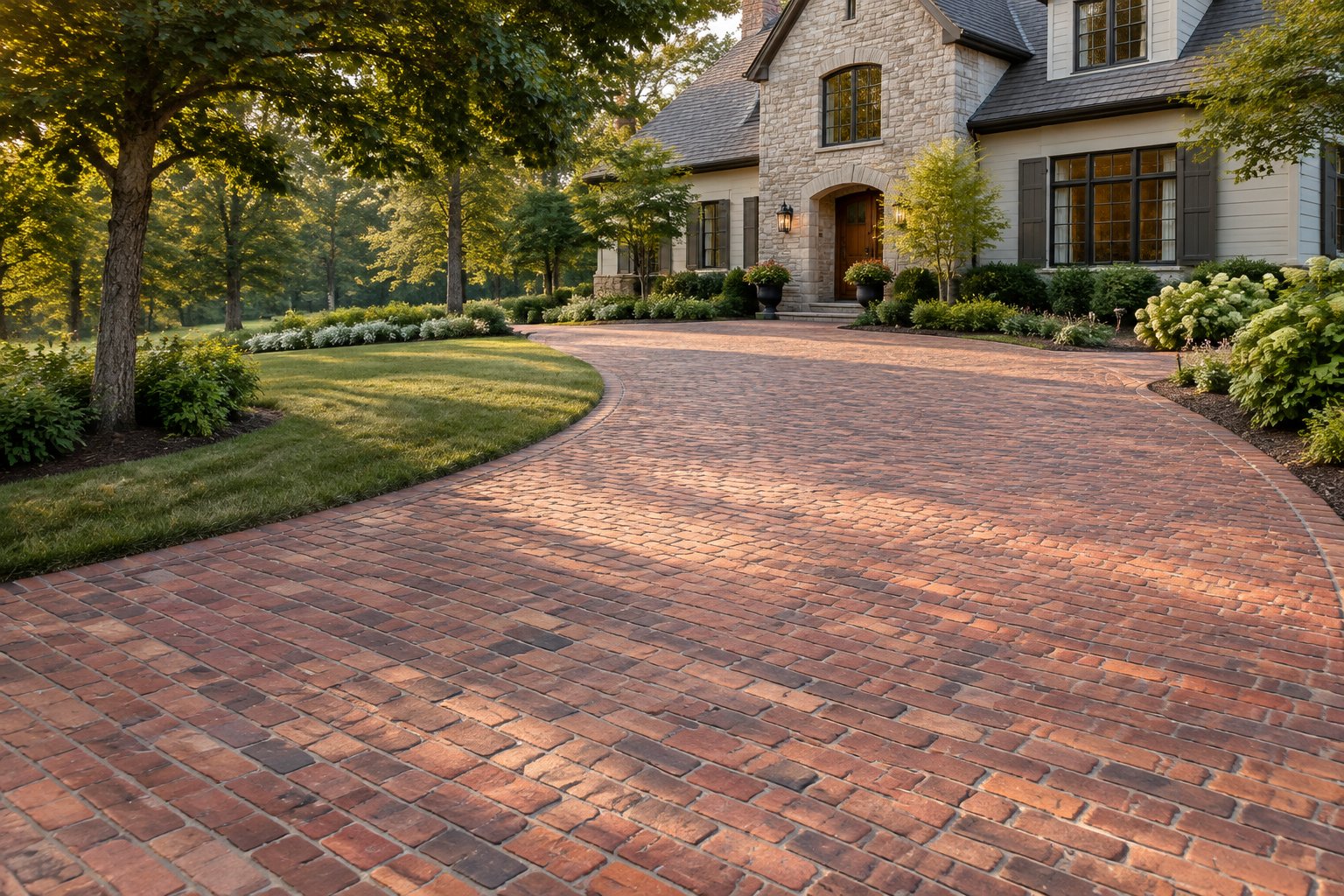
Brick risers are a classic pairing. Browse reclaimed clay bricks or read how to choose reclaimed bricks for sizing tips. Photos show what looks right, but only a close check of each tread shows what is safe.
What Must Be Verified Before Specifying Stair Treads?
You need to confirm strength, size, grip, drainage, and code compliance for every tread before it goes on a drawing. A beautiful stone that fails one of these checks belongs on a wall or patio, not a stair.
Structural Suitability, Tread Dimensions, and Material Condition
Start with thickness and span. A tread resting on a full bed needs less thickness than one spanning between supports. Reclaimed flagstone runs 1¼ to 2½ inches thick, which suits mortar-set landings but may not suit open treads. Ask your engineer to confirm thickness for any tread that is not fully supported.
Check each piece for cracks, delamination, and old repairs. Measure the finished tread depth and riser height against your plan. Reclaimed stone varies, so you may need to sort or re-cut pieces to hit a steady size up the flight.
Slip Resistance, Drainage, and Local Stair Code Requirements
Most local rules follow the International Residential Code, with changes by town and state. Under common residential stair code limits, key numbers include:
- Risers no taller than 7¾ inches
- Treads at least 10 inches deep with a nosing, or 11 inches without
- No more than 3/8-inch variation in riser or tread size across the flight
- Stairs at least 36 inches wide
- A handrail 34 to 38 inches high for stairs with four or more risers
For exterior steps, pitch each tread about 1/4 inch toward the front so water runs off. Antique flagstone is not a slip-rated product. Wear leaves a smooth but unpolished surface, so test a wet sample before you commit.
Why Reclaimed Flagstone Needs Piece-by-Piece Assessment
No two reclaimed flags are the same. One slab may be dished from a century of foot traffic, while the next is flat and crisp. Dished wear looks lovely on a landing but can hold water on a tread.
Ask your supplier to pick pieces with a textured face and even thickness for treads. Guides on reclaimed natural stone flags and durable reclaimed landscaping stone explain how wear affects use. Once you know which pieces pass, the next step is getting enough of them.
What Will Sourcing, Installation, and Upkeep Require?
Reclaimed stone requires early sourcing and skilled setting, while precast asks for exact ordering and heavy-lift planning. Both need a solid base, and both carry costs beyond the price per piece.
Inventory, Matching Pieces, and Lead-Time Questions
Reclaimed supply is finite and changes by load. Once your invoice is paid, we can have a truck on the road within 48 hours. Container sourcing runs 8 to 14 weeks. If your staircase renovation needs matching sills or thresholds, a custom sourcing request can find specific pieces.
Order processing takes 2 to 3 business days, and large or custom orders take longer. Materials ship on wrapped pallets by freight, curbside unless you arrange otherwise. Inspect the load on arrival and note damage with the driver before signing. You can scan the full materials list to plan companion pieces.
Handling, Substructure, and Skilled Installation
Stone steps are heavy, and a forklift or rigging is often required. For exterior work, dig to well-draining soil and below any clay layer, since clay holds water that freezes and heaves. A base of compacted crushed stone in 4-inch lifts gives drainage and stability.
Precast steps sit on a poured pad, often over about 8 inches of crushed stone, with a 5,000 PSI mix. Stay off the pad for seven days before full use. Reclaimed treads need a mason who can shim, cut, and set uneven pieces to a true line.
Maintenance and the Costs Beyond the Material Price
Budget for freight, cutting, sorting, labor, and sealing. The reclaimed brick cost explained page shows how these line items add up for brick, and stone follows a similar pattern. Sweep often, wash with mild soap, and avoid harsh chemicals on limestone.
Reclaimed materials also carry a lower environmental load, a point covered in eco-friendly reclaimed materials. With costs and upkeep mapped out, you can weigh the choice for your own project.
Choosing the Material That Fits Your Stair Project
Pick reclaimed stone when character and history drive the design, and pick precast when speed, uniformity, and cost control lead. The steps below help you sort your project into one path.
When Reclaimed Stone May Be Worth Specifying
Reclaimed stone suits historic restorations, period homes, and signature stairs. Historic restoration projects often need period-correct stone that matches existing work. Salvaged limestone and flags also suit new builds meant to look settled on day one.
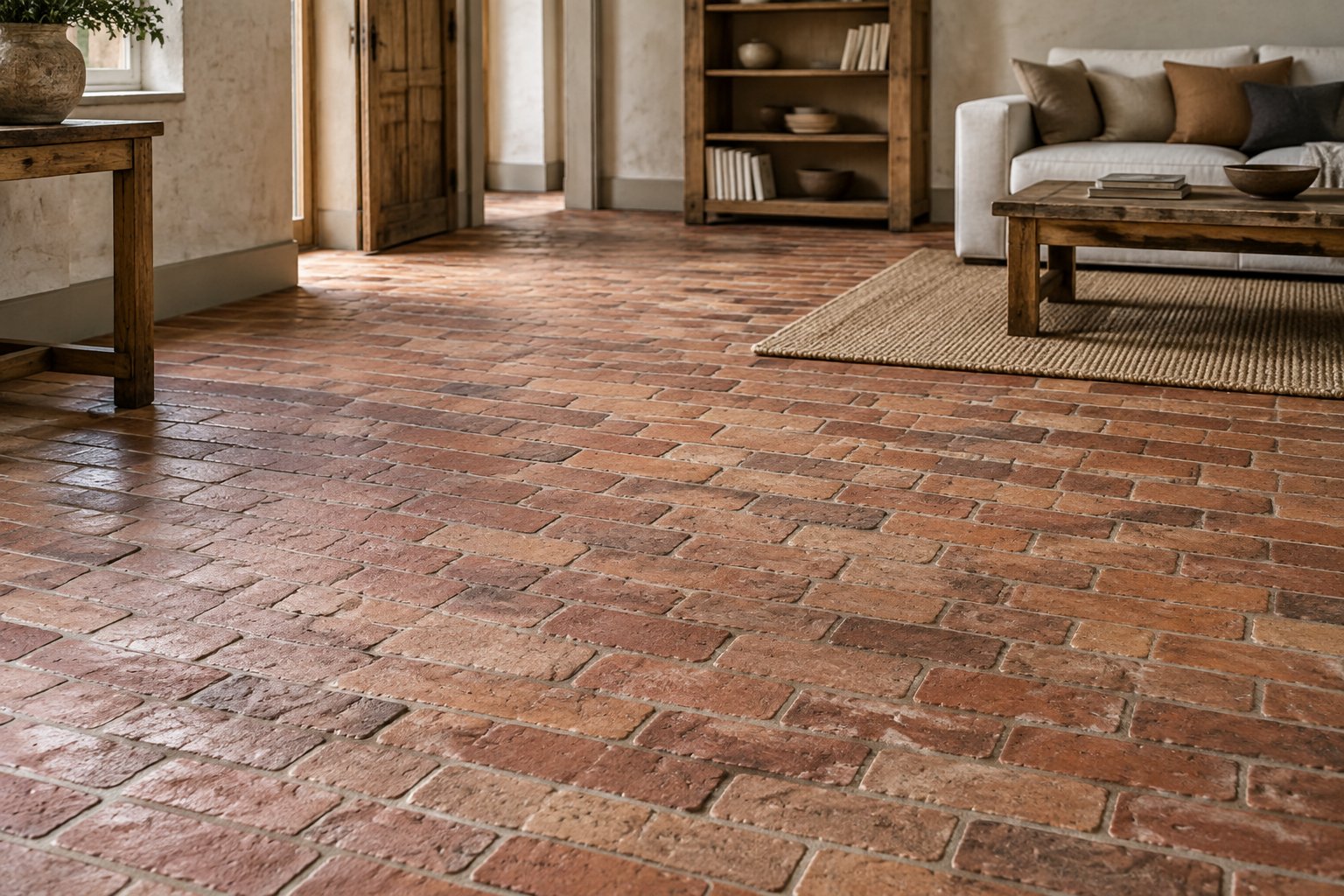
It pairs well with other salvaged finishes. Interior floors in reclaimed brick flooring can run up to a stone stair. Outside, a roof in reclaimed slate roofing ties the whole elevation together, and these sustainable roofing tips help with planning.
When Precast Concrete May Be the More Practical Choice
Precast makes sense for back entries, basement stairs, and tract or multi-unit builds. You order to size, the steps arrive finished, and a crew sets them in about two days. Tight budgets and repeated layouts favor this path.
It also helps when a site has no room for stone cutting or long sorting. If you want some old-world warmth without a full stone stair, add reclaimed pavers at the landing. See reclaimed brick pavers and these red brick paving tips.
What to Confirm Before Requesting a Quote
Have these facts ready when you call:
- Number of steps, total rise, and tread depth
- Interior or exterior use and local climate
- Tread thickness and support method
- Whether you need landings, sills, or copings
- Delivery address, site access, and your deadline
Specification support helps confirm pieces against drawings, and the page for architects covers project needs. With those details set, timing becomes the last question.
Make the Material Decision Before the Stair Details Are Set
Settle the material first, because tread thickness, riser height, and base depth all change with it. A drawing built around precast will not fit reclaimed slabs without rework, and the reverse holds true too.
Reclaimed stone rewards early planning: large pieces go first, and container loads take weeks. Precast rewards exact numbers up front. For more on sourcing, read the benefits of reclaimed brick or browse used brick for sale for companion walls.
Call New Orleans Brick & Stone at 225-284-7529 or 817-909-4104 to check what is in the yard today. You will speak with someone who knows these stones. For in-stock material, a truck can be on the road within 48 hours of a paid invoice. Start at the New Orleans Brick & Stone home page if you want to see the yards first.
Frequently Asked Questions
Which Stone Is Best for an Outdoor Staircase?
Dense stones like granite handle weather best, and reclaimed flagstone works well on landings and bedded treads. Limestone is more porous, so it needs good drainage and careful bedding outdoors.
Can Reclaimed Stone Be Used for Stair Treads?
Yes, when each piece passes checks for thickness, soundness, and grip. Not every reclaimed piece suits a tread, so select and test pieces one by one.
Is Precast Concrete Cheaper Than Reclaimed Stone Steps?
Precast is often lower in cost for simple, repeated steps, starting around $2,000 installed for a basic set. Reclaimed European stone starts at $42 per square foot before cutting, freight, and labor.
How Can I Make Exterior Stone Stairs Less Slippery?
Choose pieces with a textured face and pitch each tread about 1/4 inch forward so water drains. Test a wet sample before committing, and keep treads clear of moss and debris.
What Should I Ask a Supplier About Reclaimed Stone Availability?
Ask what is in stock now, what is on the way, and how fast it ships. Also ask about large slabs, re-cutting, and whether a second phase can match. Ideas in reclaimed pavers for outdoor spaces, reclaimed brick pavers guide, reclaimed brick flooring ideas, and reclaimed stone fireplaces help you plan matching pieces.